

Kids Room Wall Murals
944 designs
Kids Room Wall Murals stand apart through their drawn detail and clear tonal layering: chalky sky blue, warm oat, muted sage, and dusty apricot read with a h...
Kids Room Wall Murals
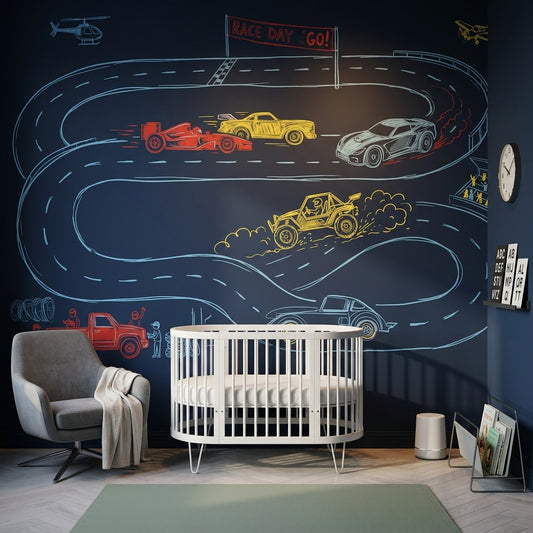
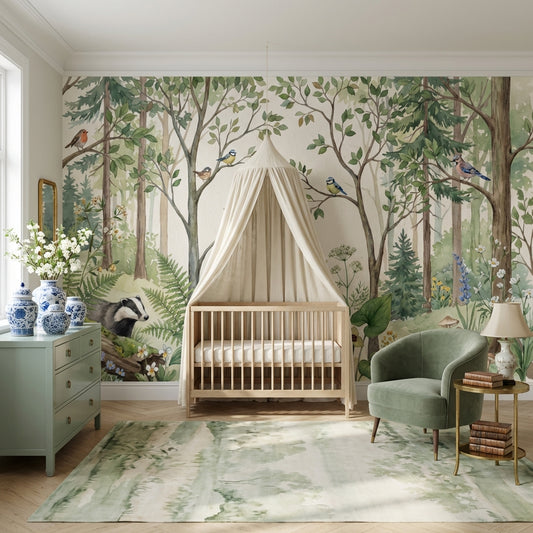
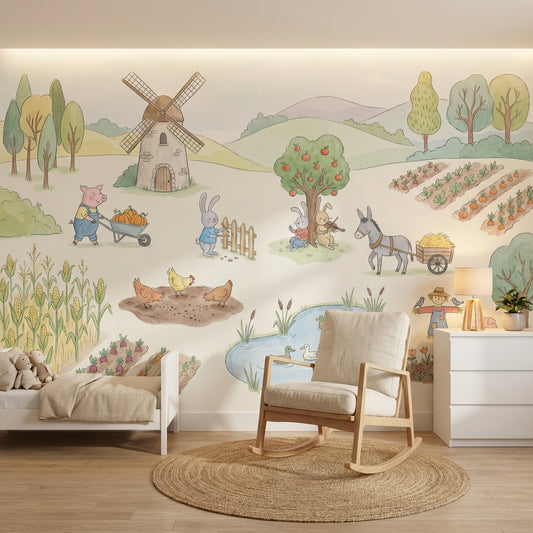
Kids Room Wall Murals stand apart through their drawn detail and clear tonal layering: chalky sky blue, warm oat, muted sage, and dusty apricot read with a hand-painted look rather than a flat printed block of color. That gives these wall murals for kids room a sense of depth across larger walls, especially where daylight moves from one side of the room to the other. For schemes that lean cooler, we often pair Blue Wall Murals with Kids Room Wall Murals to keep the palette crisp around white oak beds, cloud-white toy storage, and pale grey reading chairs.
How Kids Room Wall Murals Balance Drawn Texture And Clear Color Pairings
Kids Room Wall Murals feel distinct because the pattern edges stay soft while the color undertones stay readable: sage with a grey base, blush with a clay undertone, and blue with a powdery cast instead of a sharp primary finish. This makes wall murals kids room designs especially effective with exact furniture finishes such as birch bunk beds, matte white wardrobes, and a painted duck-egg desk. In rooms with cream boucle stools and striped cotton bedding, Meadow Wall Murals can echo the same relaxed surface texture. For more layout direction, our Kids Room Wallpaper Ideas page shows how kids room wall paper murals sit with storage walls, study corners, and low shelving.
Where Kids Room Wall Murals Work Best In Bedrooms And Playrooms
In a bedroom, place Kids Room Wall Murals on the wall behind the bed to frame a single oak headboard, or use them on the wall facing the doorway so the full scene is visible as soon as you enter. In a shared playroom, wall murals for kids room layouts work well behind cube storage or along the wall beside a craft table, where the design stays visible above daily clutter. If you prefer a wallpaper version, see Kids Room Wallpaper. For clients mixing in living room wall murals or wall murals for living room spaces, our Statement Wallpaper For Living Room guide is a useful reference. For themed styling, read Space-Themed Wallpaper for Kids Bedrooms, and for schemes that age well, see Kids Room Wallpaper Ideas That Grow With Your Child. All Kids Room Wall Murals are available in custom sizes, use a paste-the-wall install, and ship worldwide.
-
wall mural
Starry Night Wall Mural
$3.72 / sq ft -
wall mural
Jungle Wallpaper Animals
$3.72 / sq ft -
wall mural
Castle Landscape Wall Mural
$3.72 / sq ft -
wall mural
Astronaut Adventure Wall Mural
$3.72 / sq ft -
wall mural
Whimsical Animals Wall Mural
$3.72 / sq ft -
wall mural
Racetrack Wallpaper Race
$3.72 / sq ft -
wall mural
Dinosaurs Wallpaper Prehistoric
$3.72 / sq ft -
wall mural
Meadow Flowers Wall Mural
$3.72 / sq ft -
wall mural
Whimsical Farm Wall Mural
$3.72 / sq ft -
wall mural
Cloudy Sky Wall Mural
$3.72 / sq ft -
wall mural
Starry Night Wall Mural
$3.72 / sq ft -
wall mural
Tropical Wallpaper Giraffe
$3.72 / sq ft -
wall mural
White Background Wall Mural
$3.72 / sq ft -
wall mural
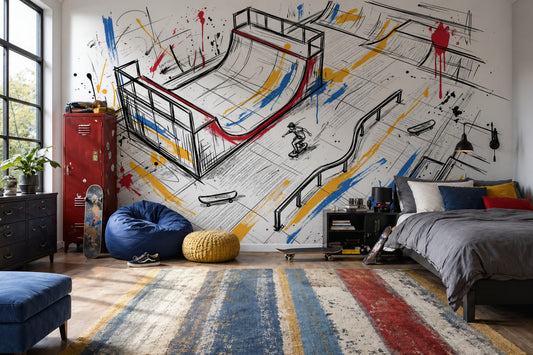
Graffiti Wall Wall Mural
$3.72 / sq ft -
wall mural
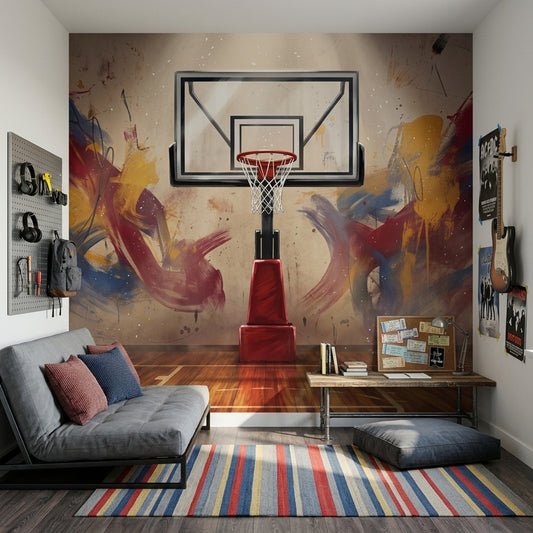
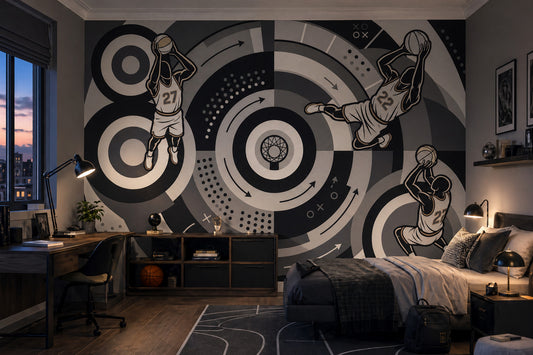
Basketball Wallpaper Geometric
$3.72 / sq ft -
wall mural
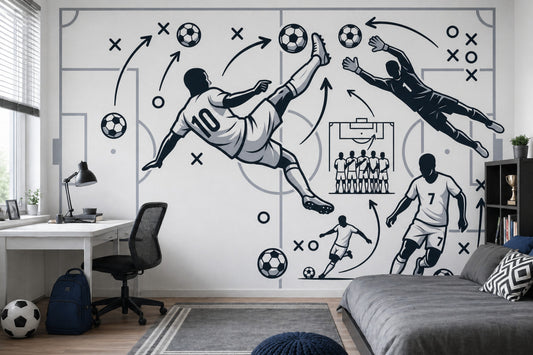
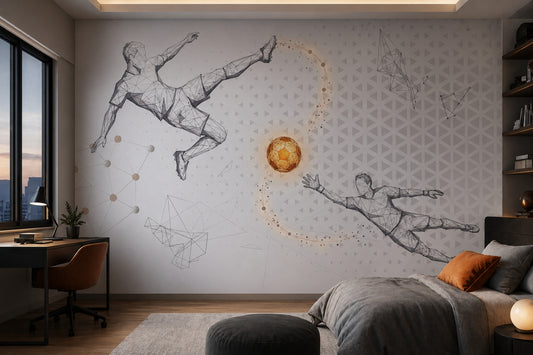
Football Tactics Wall Mural
$3.72 / sq ft -
wall mural
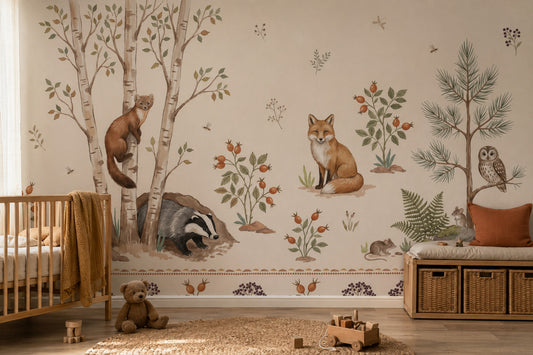
Woodland Wallpaper Forest
$3.72 / sq ft -
wall mural
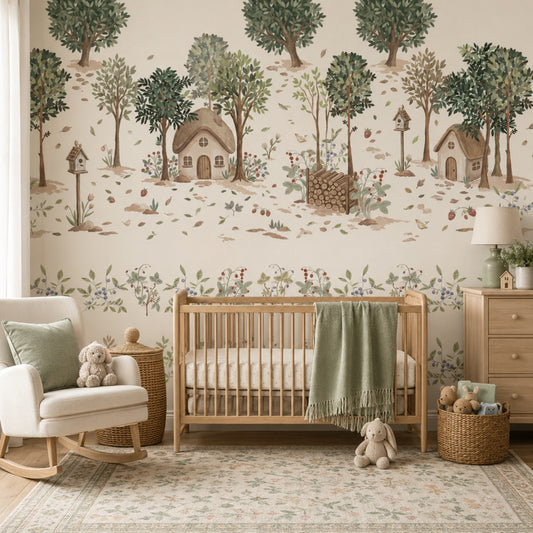
Woodland Wallpaper Storybook
$3.72 / sq ft -
wall mural
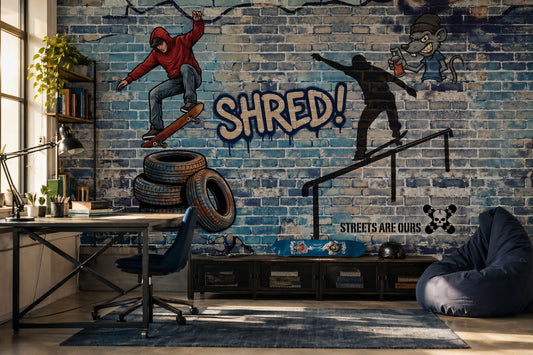
Graffiti Brick Wall Mural
$3.72 / sq ft -
wall mural
Geometric Wallpaper Wireframe
$3.72 / sq ft -
wall mural
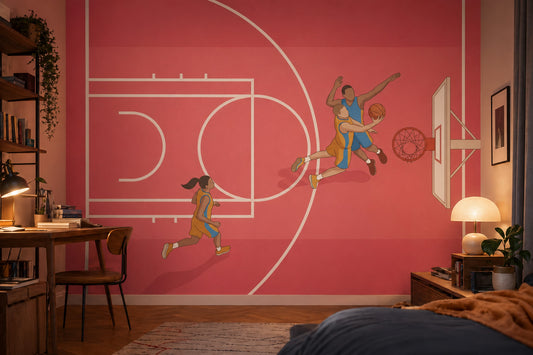
Basketball Wallpaper Sports
$3.72 / sq ft -
wall mural
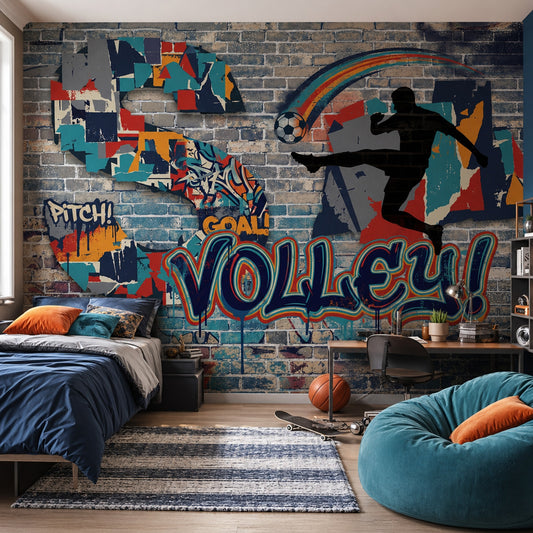
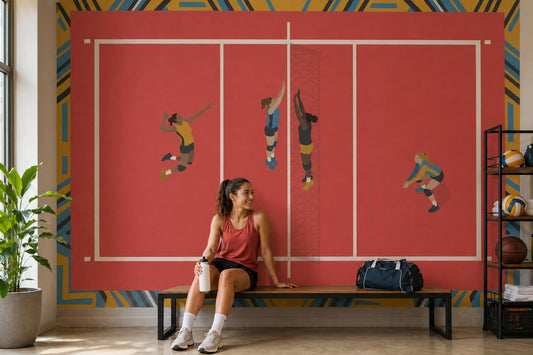
Volleyball Court Wall Mural
$3.72 / sq ft




















Frequently Asked Questions
Are Kids Room Wall Murals safe and suitable for a child’s room (ages 3–12), especially near beds and play areas?
Kids Room Wall Murals are a smart choice for ages 3–12 because you can get many designs that evoke imagination like toys and have it right on the wall. Choose calmer palettes like Soft Sage, Sky Blue, or Warm Sand for sleep zones, and keep bold, playful motifs on the play wall to avoid overstimulation. If your child likes to draw on walls, pick a design with mid-tone color fields (like denim blue or clay) that hides marks better than bright white backgrounds.
What furniture finishes and textiles pair best with Kids Room Wall Murals so the room doesn’t feel too busy?
For kids room wall murals, start with simple woods—white oak, birch plywood, or maple—for a bed frame and book ledges, then repeat one mural color in textiles (a mustard quilt, navy blackout curtains, or a terracotta rug). If you’re doing boys room wall murals with space or dinosaurs, try matte black hardware and a charcoal beanbag to ground the theme. For kids girls room wall murals with florals or rainbows, add brushed brass knobs and a dusty pink linen canopy to keep it playful but not chaotic.
Should I use Kids Room Wall Murals on one accent wall or wrap all walls in a small kids bedroom?
In a small room (around 8' x 10'), one accent wall mural kids room placement usually reads cleaner—use the wall behind the bed or the wall the door faces first, and keep the other walls in a quiet paint like Warm White or Pale Greige. If you love an all-around storybook look, choose a low-contrast pattern (soft clouds, tiny stars) and wrap multiple walls, but avoid large characters on every surface. Wall murals for kids room with big scenes work best as a single feature so toys and shelves don’t compete with the artwork.
How does custom sizing work for Kids Room Wall Murals when there are cribs, closets, or sloped ceilings in the kids-room?
Custom kids room wall murals are made to your exact wall size, so you’ll want the full wall width and height, plus notes for obstacles like a closet bump-out, a window centered over a toy shelf, or a sloped attic ceiling. For the cleanest look, plan the “main moment” (rocket ship, castle, or animal face) to land above a headboard or reading nook instead of being cut by a wardrobe. If you have a chair rail or wainscoting, size the Kids Room Wall Murals to start just above the trim line so the scene isn’t interrupted.
Which wall placement works best for Kids Room Wall Murals in a shared kids-room, playroom, or homework corner?
In a shared kids-room, place Kids Room Wall Murals behind the beds (two twins or a bunk) so the scene acts like a headboard and you’re not staring at it from every angle. For a playroom, put wall murals kids room designs on the longest uninterrupted wall—like the toy storage wall—so bins and low shelving feel intentional underneath. In a homework corner, an educational motif (maps, solar system, alphabet) works best on the desk wall, using softer tones like muted teal and sand so it doesn’t distract during focus time.
Why are Kids Room Wall Murals trending right now, and how do I pick a design my child won’t outgrow too fast?
Kids room wall murals are trending because parents want themed rooms without committing to lots of small accessories, and a single mural can set the tone while leaving room for changing bedding and posters. To reduce “outgrow” risk for ages 3–12, choose motifs with a longer runway—mountain landscapes, outer space, ocean waves, or a simple wall murals kids room hill scene—rather than very specific characters. You can also pick a neutral base (sage, denim, oatmeal) and let the “kid” part come from removable decor like name letters, pennants, and seasonal bedding swaps.