 Wallpaper
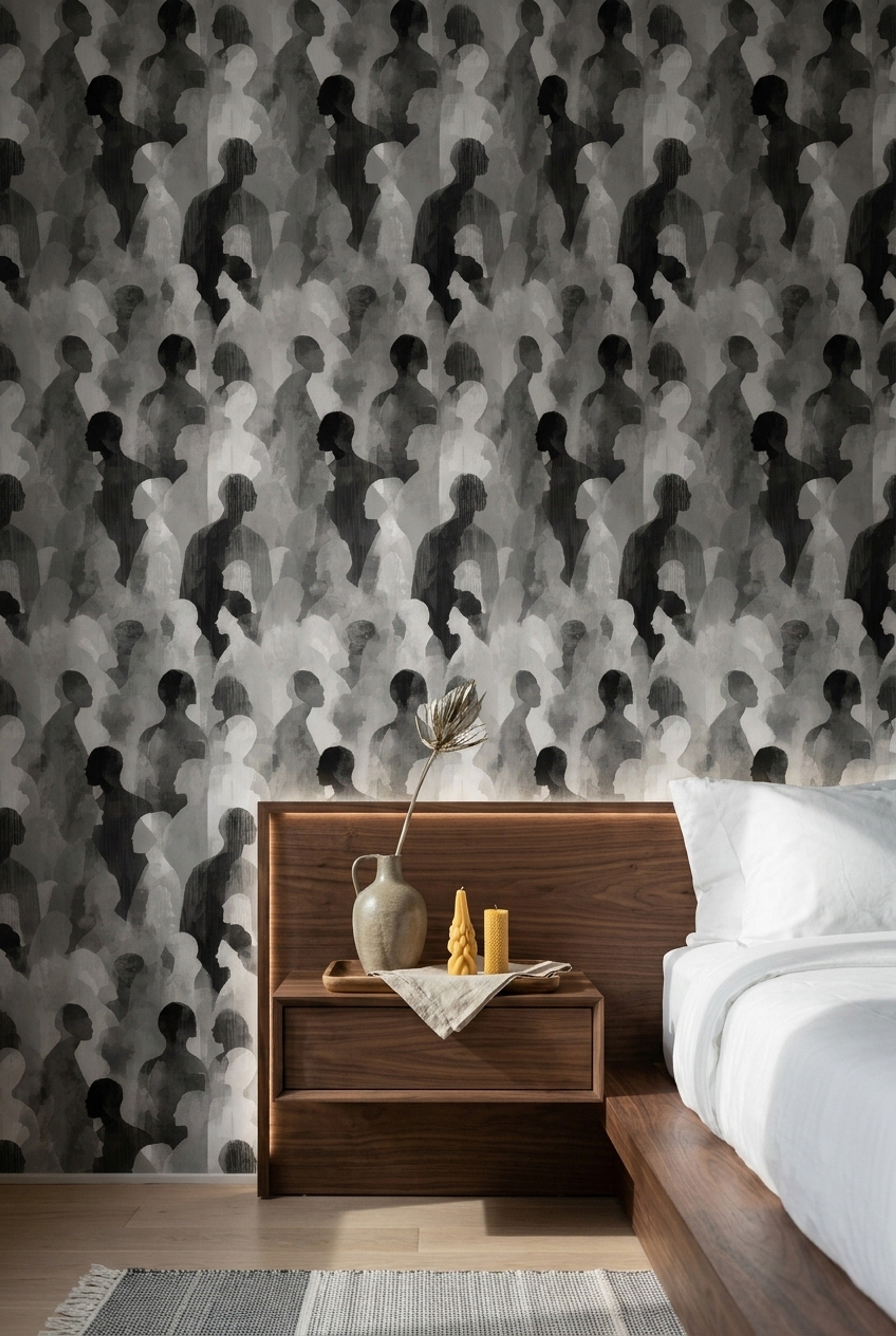
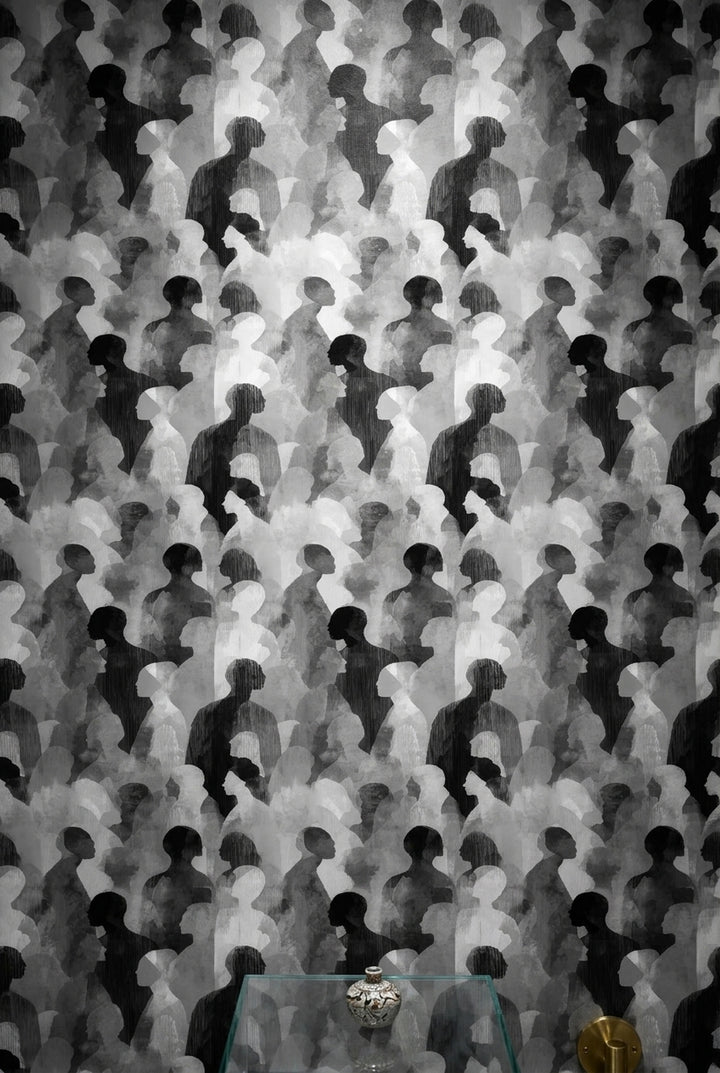
Silhouettes Wallpaper Abstract
From $23
Wallpaper
Silhouettes Wallpaper Abstract
From $23

You walk into a room and something feels different. The wall draws you in with its raw, industrial charm. Concrete Wallpaper designs offer an array of colors...
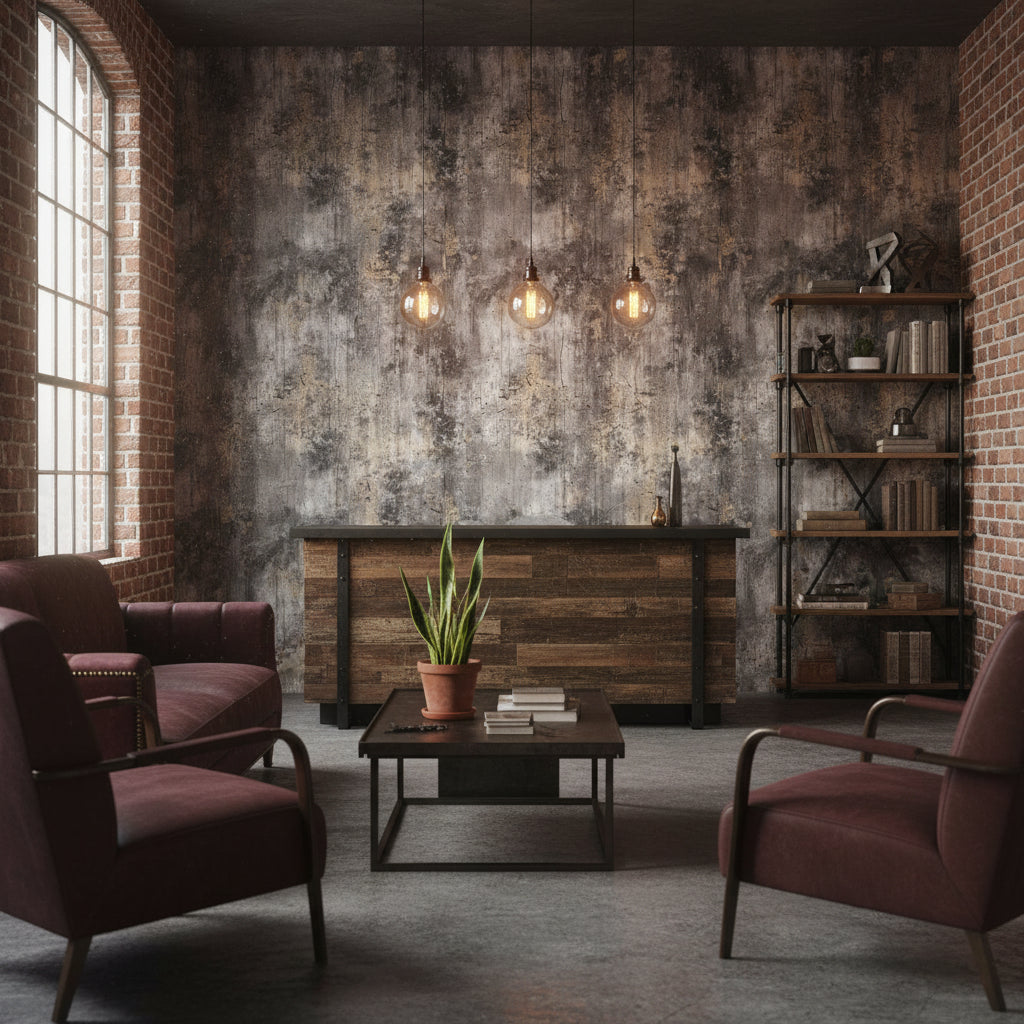
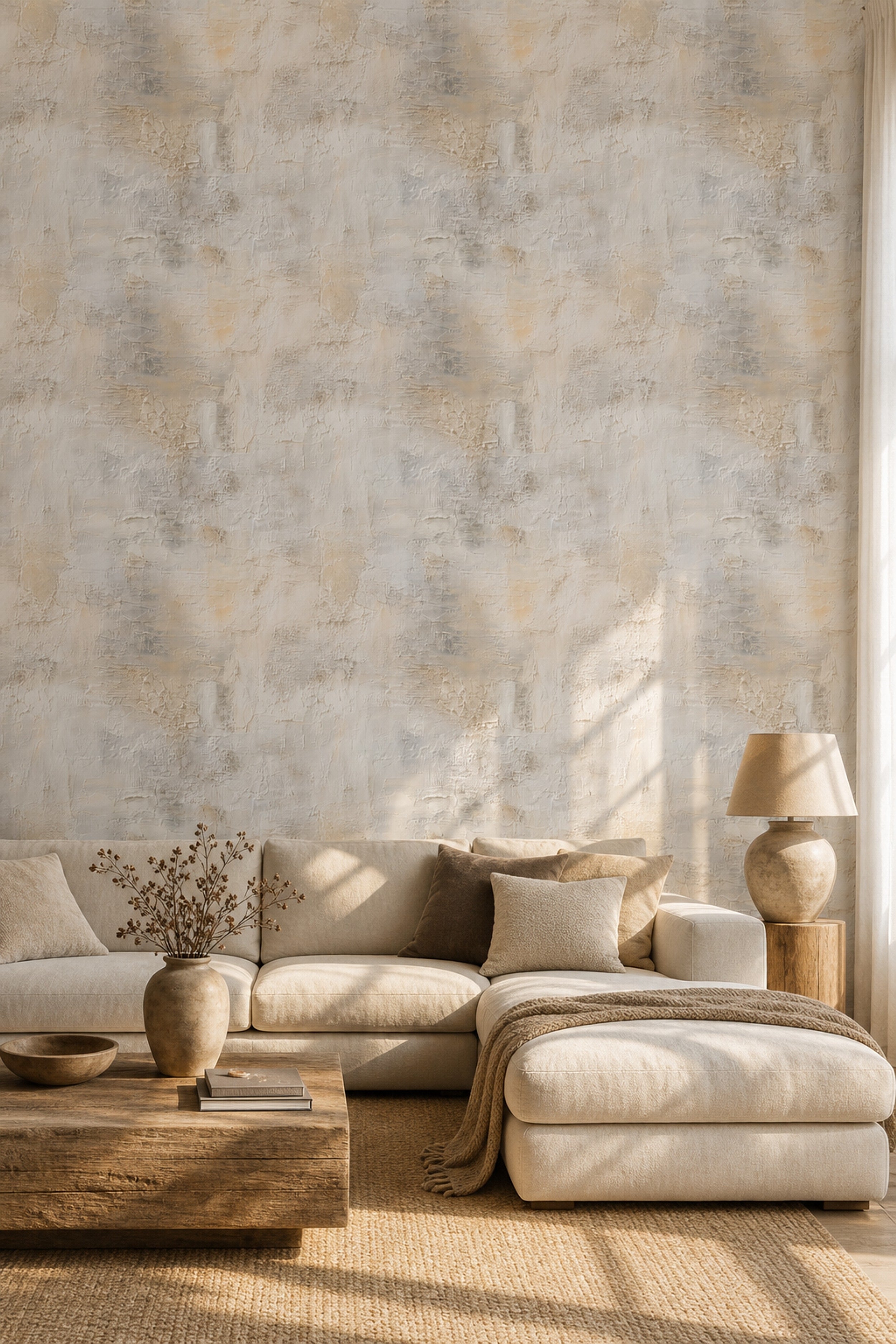
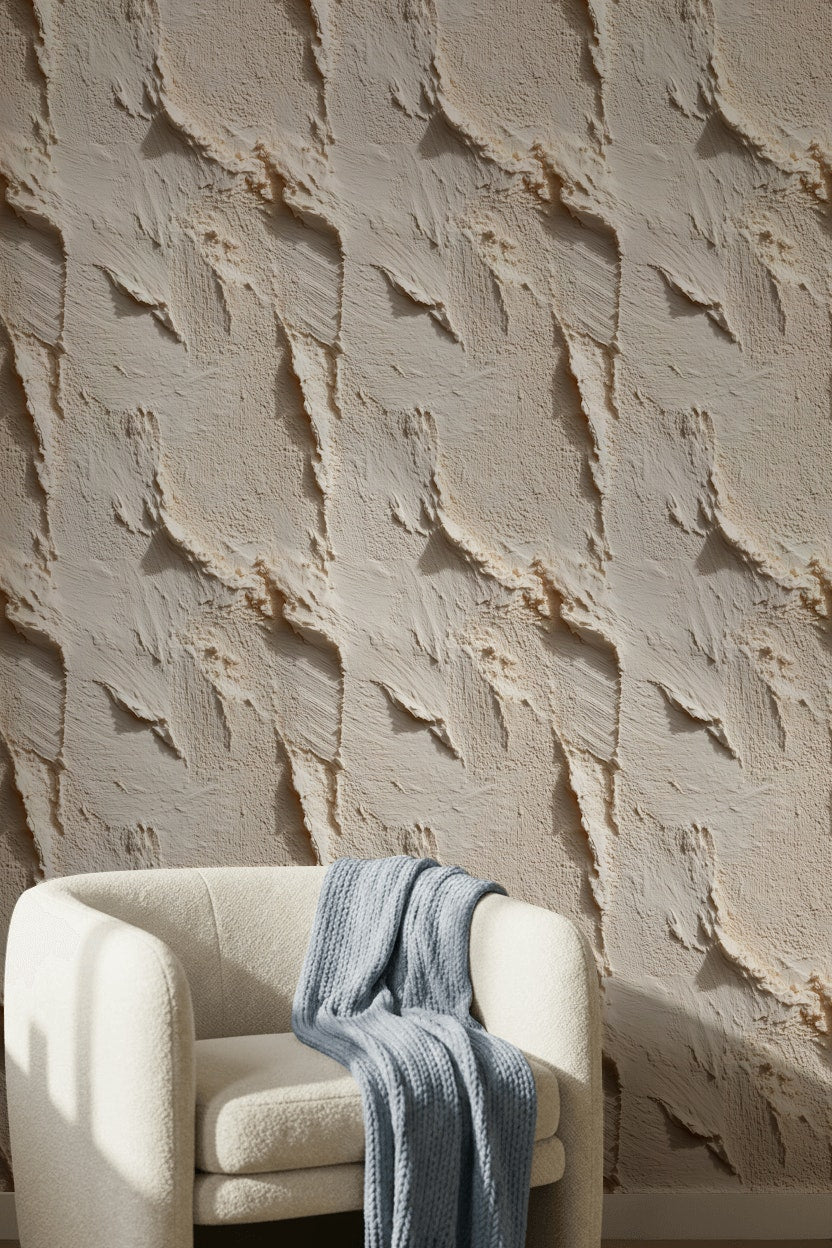
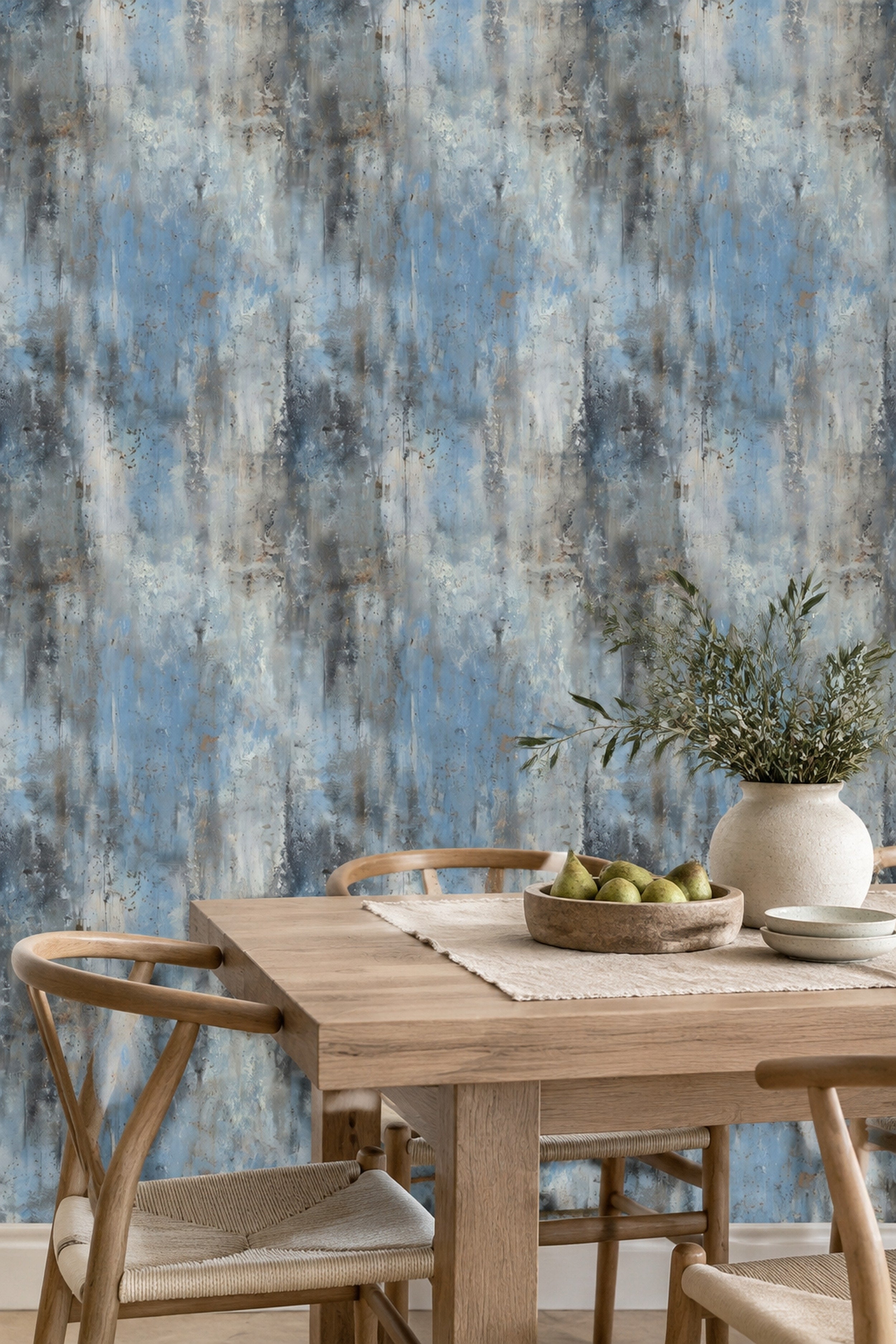
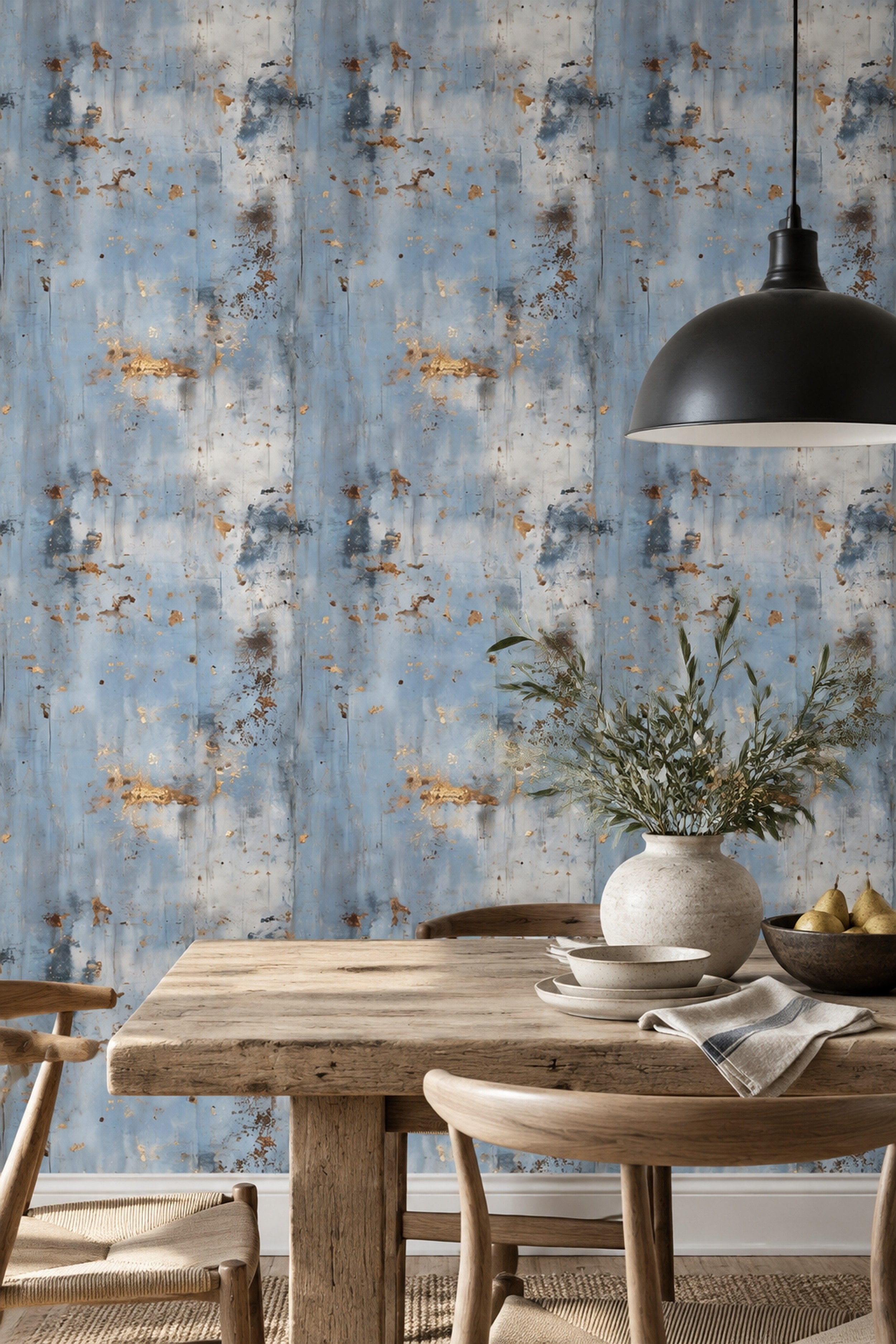
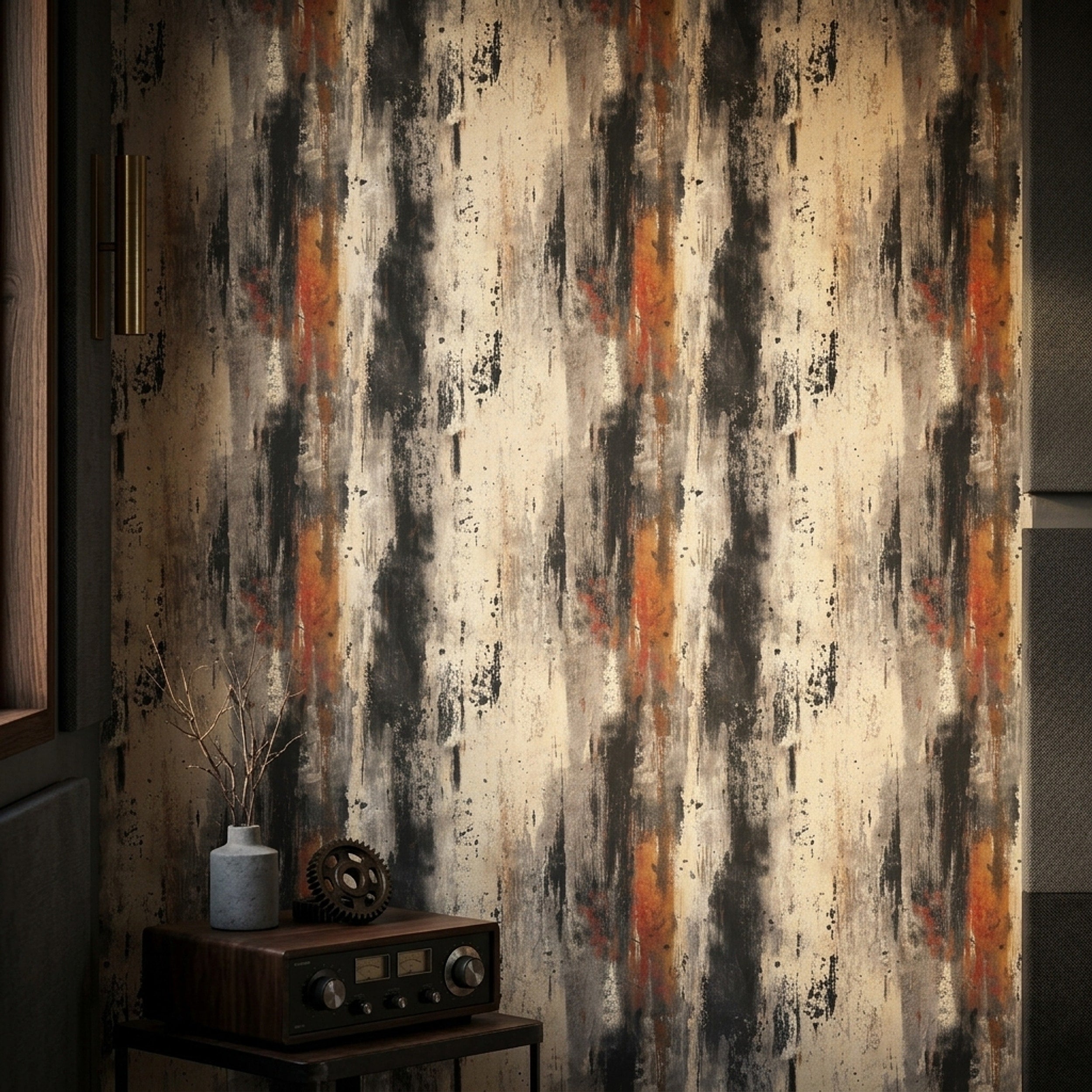
You walk into a room and something feels different. The wall draws you in with its raw, industrial charm. Concrete Wallpaper designs offer an array of colors and textures that evoke a modern, urban feel. Whether it's a muted grey or a bold charcoal, these wallpapers set the mood for creativity and style, making a statement that’s hard to ignore.
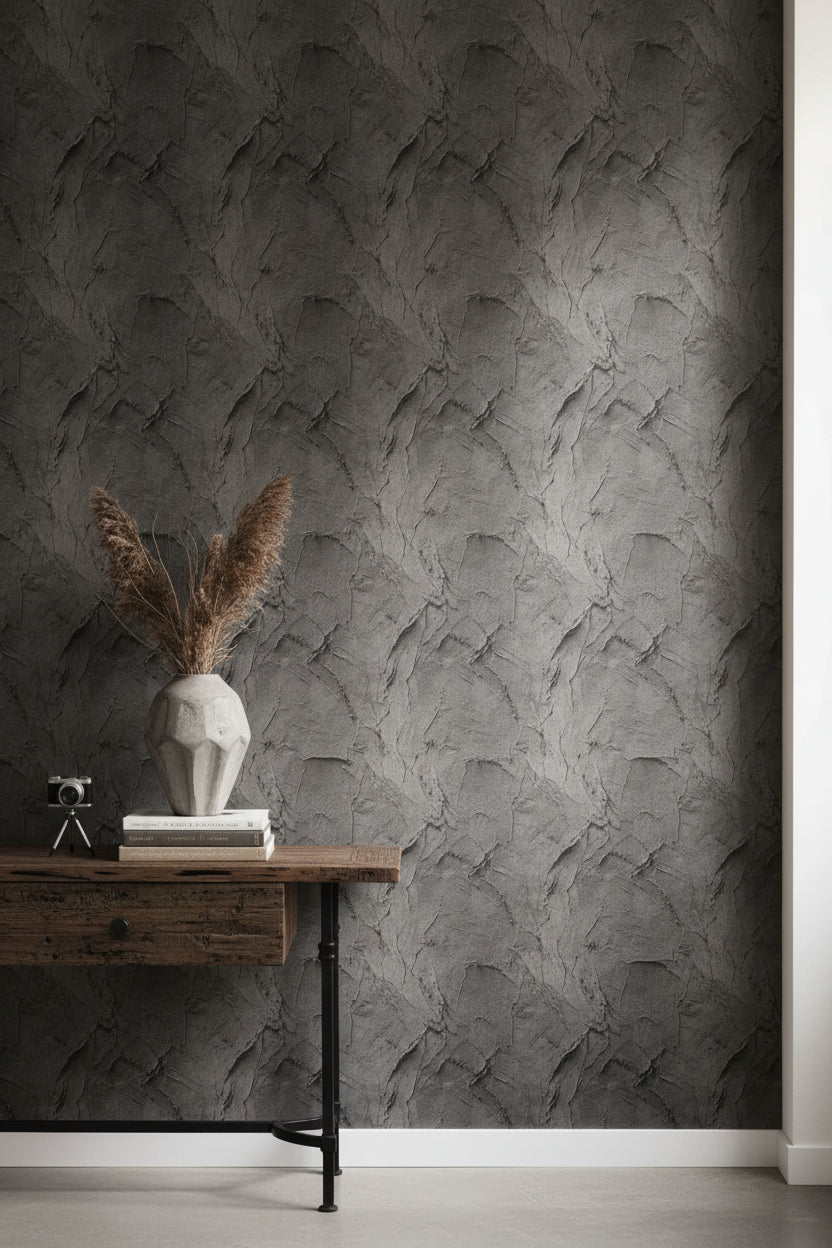
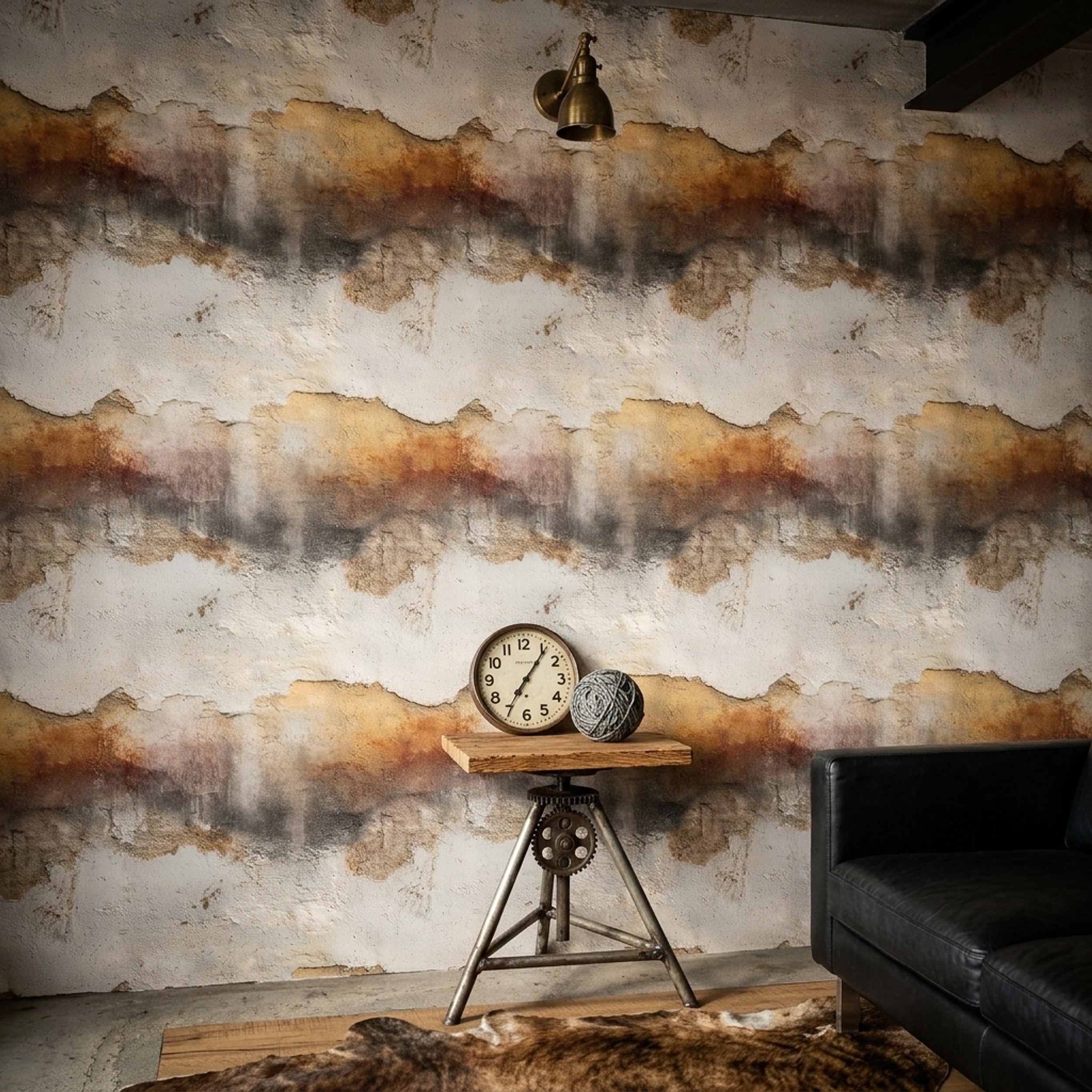
Concrete Wallpaper is unique in its ability to mimic the look of real concrete while providing the practicality of wallpaper. The surface features textured patterns that replicate the feel of concrete, giving depth and character to your walls. The color palette ranges from sleek, dark shades to lighter, more natural tones, allowing you to choose something that aligns with your vision. The intricate patterns add a layer of dimension, making your walls a focal point in any room.
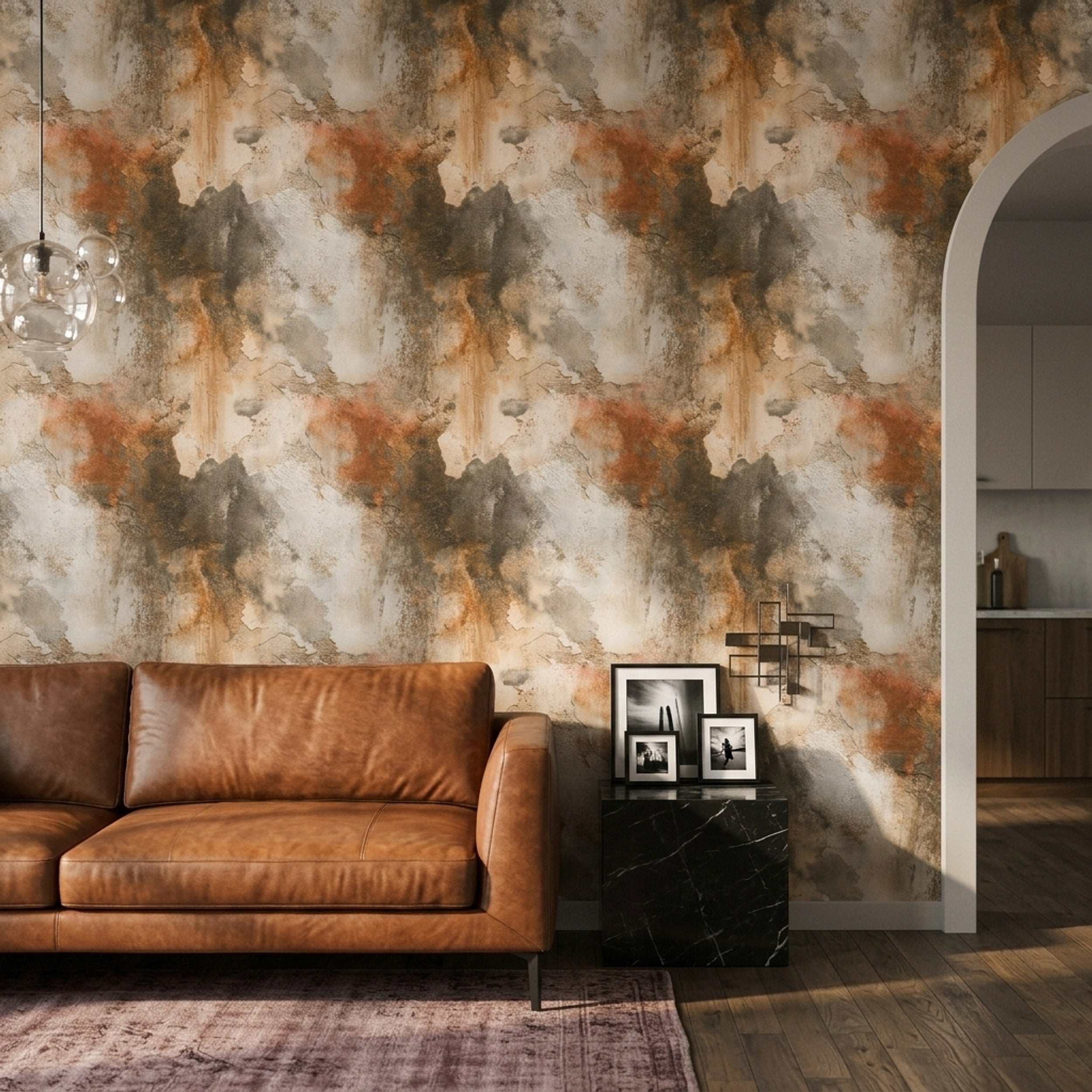
Consider applying Concrete Wallpaper in your living room, specifically on the wall behind your couch. This creates an impressive backdrop for your seating area, setting an industrial tone complemented by the right furniture. The dining room is another excellent choice; using it on the wall where your buffet or sideboard sits can provide a dramatic context for your dinner parties. In a home office, a feature wall with Concrete Wallpaper can inspire creativity and productivity, especially when positioned behind your desk. Lastly, if you have a hallway that feels a bit dull, dressing one side with concrete designs can introduce an element of surprise, inviting guests to appreciate the aesthetic as they move through your home.
Pairing your Concrete Wallpaper with carefully selected furniture can achieve a cohesive look. For your living room, consider an oak coffee table with brass accents. The warm tones of the oak will contrast nicely with the coolness of concrete, while brass lighting fixtures can add a touch of contemporary flair. In the dining room, a reclaimed wood dining table can enhance the rustic charm of the concrete design, especially when accompanied by minimalist black or metal chairs. In your home office, a glass desk alongside sleek, modern seating will create a clean, airy feel that doesn't overwhelm the senses. Accent pieces, such as colorful artwork or greenery, will further balance the industrial motif.
When you're ready to bring Concrete Wallpaper into your home, you'll find that Muralls.com offers custom-sized options to fit your specific walls. The easy paste-the-wall installation process means you won't need to struggle with complicated methods; simply apply the adhesive to the wall and position the wallpaper where you'd like. Plus, with shipping available worldwide, you can enjoy the industrial charm of concrete designs no matter where you live. Get started on your next interior project and let the walls speak for themselves.
Based on designs you explored, with fresh finds mixed in.
24 / 60
Load more— NEED HELP?
Can't find what you're looking for? Our team replies within 4 working hours, Mon–Fri.
In smaller rooms (around 8x10 ft), Concrete Wallpaper usually reads best as one accent wall—try the wall behind the bed or sofa so the texture feels intentional rather than heavy. In larger spaces (12x15 ft and up), an all-walls install works well if you choose a lighter “pale grey” or “warm greige” concrete print with fine speckling instead of big cracks. If you’re using peel and stick wallpaper, a single wall is also an easy way to test how the concrete tone plays with your lighting before committing to wallpaper for walls throughout the room.
A home office is a standout choice for Concrete Wallpaper because the matte, industrial look keeps the backdrop calm for video calls and screens—place it on the wall behind your desk to frame your setup. In a long hallway, using it on all walls in a light “cement grey” can make the space feel continuous without visual clutter. For bathroom wallpaper, keep Concrete Wallpaper to the vanity wall (not the shower zone) so the concrete texture adds edge without competing with fixtures.
Concrete Wallpaper pairs especially well with Scandinavian (add pale oak and off-white textiles) and Japandi (mix in black-stained wood and simple linen panels) because those styles like quiet textures. It can also work with mid-century pieces—think a walnut credenza against a “charcoal concrete” print—so the wood grain warms the cool surface. It tends to clash with busy, high-contrast floral wallpaper flowers on the same sightline; if you want both, keep the floral wallpaper to a separate room and let the concrete act as the calmer counterpart.
With Concrete Wallpaper, pick furniture that adds warmth and tactility: a walnut media console, a cognac leather lounge chair, and a black powder-coated steel floor lamp are reliable anchors. For softness, layer in an oatmeal boucle sofa or a chunky knit throw so the concrete print doesn’t feel cold. If you’re using wallpaper peel and stick in a rental, these pieces help the “industrial loft” vibe read intentional rather than temporary.
Concrete Wallpaper is trending because it delivers the raw “microcement” and loft look without construction mess, and it plays well with today’s preference for matte finishes and muted palettes like greige, putty, and charcoal. Designers also like it as a grounding backdrop for statement lighting (a smoked-glass pendant) or bold art, especially in open-plan homes. If you want a bit of contrast, pairing concrete with a small dose of lively wallpaper in an adjacent nook keeps the space from feeling too monochrome.
In an open plan, use Concrete Wallpaper to “zone” one function—like the dining area—by wrapping just the wall behind the table and keeping the rest of the space in a warm white paint. Choose a consistent undertone (cool cement grey vs warm greige) so it doesn’t fight your kitchen cabinets, and repeat that tone in a concrete-look coffee table or matte black hardware. If you’re layering surfaces, peel and stick wallpaper on wallpaper can work when the existing layer is smooth and firmly bonded, but keep the concrete print to one zone so the transitions still feel clean.
VISUAL SEARCH
Upload a reference image and discover visually similar designs.
BEST MATCHES
PERSONALIZED DISCOVERY
Describe a look or let your room lead the search.
CURATED FOR YOU
The chat is taking longer than usual.
Email support@muralls.com