Wallpaper
Deep Navy
From $23
Wallpaper
Deep Navy
From $23

The main space for Living Room Wallpaper is the sitting area, especially on the wall behind a low walnut sofa or a linen sectional in oatmeal or stone. In th...
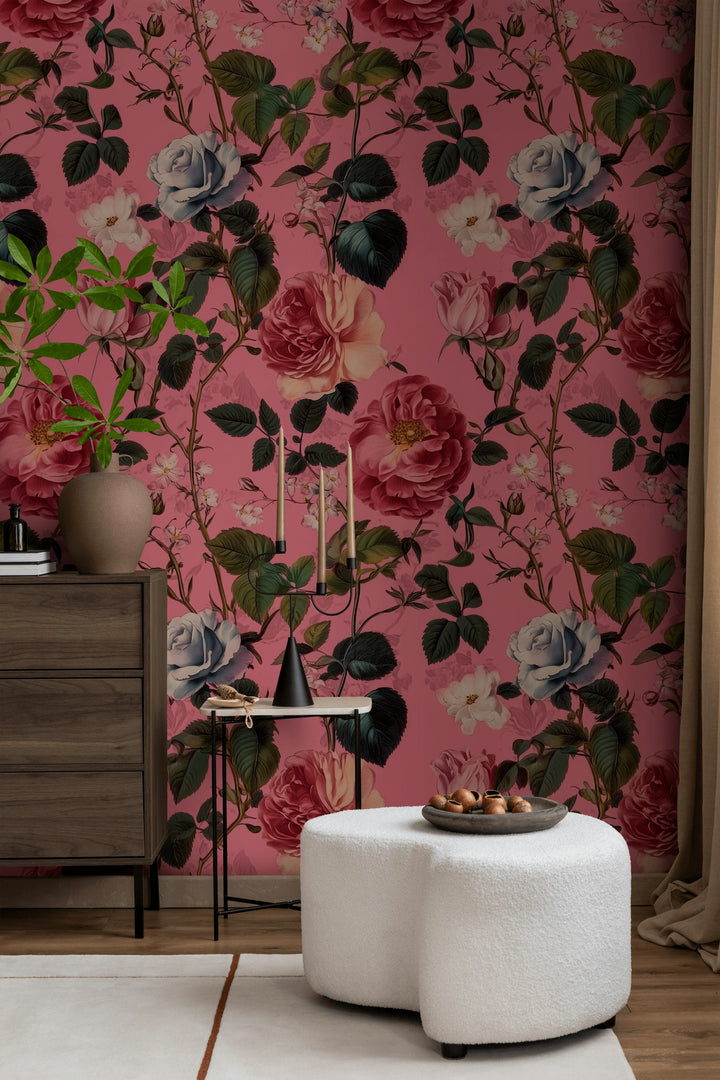
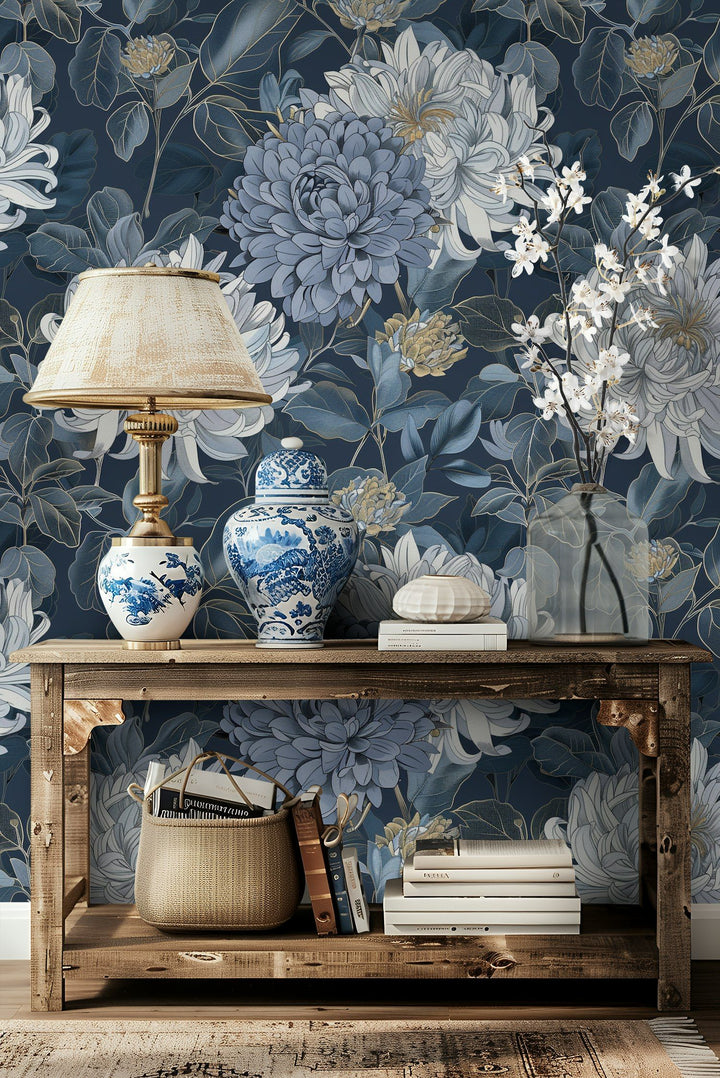
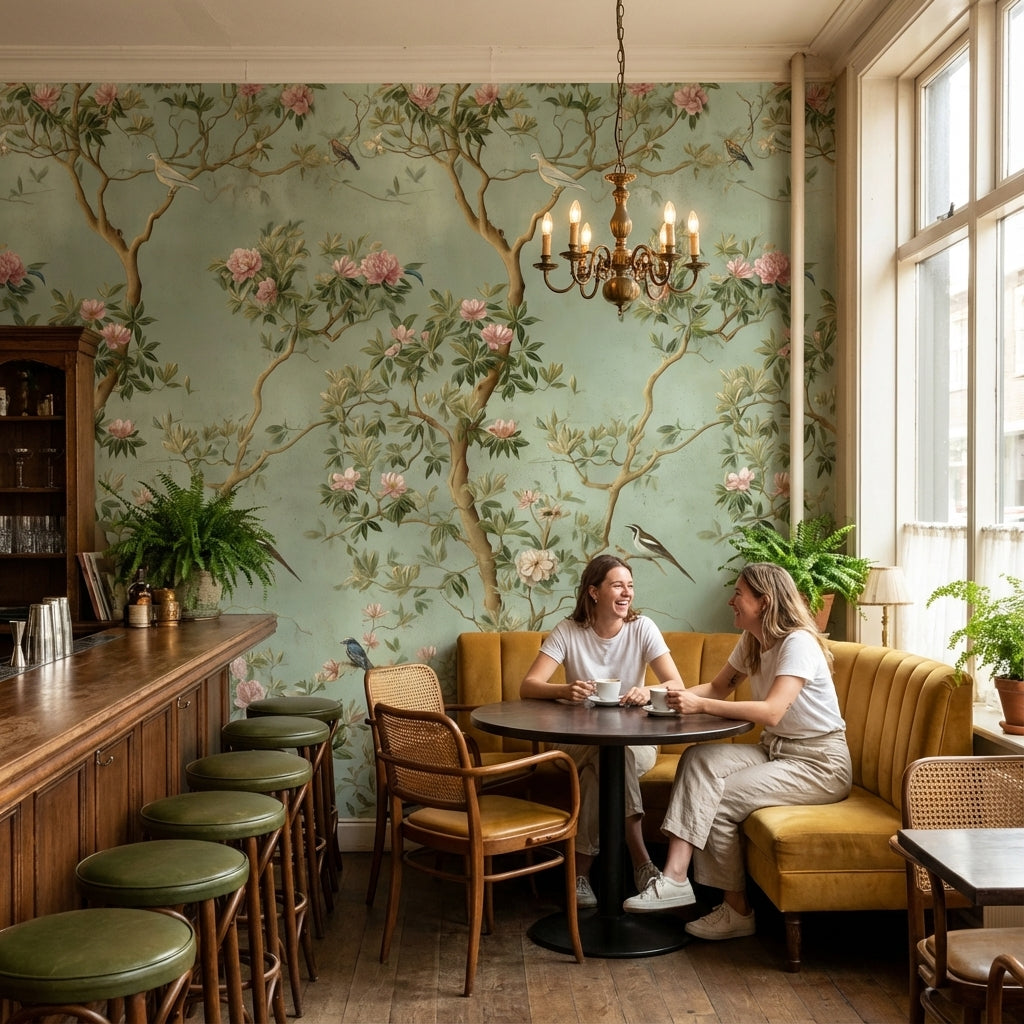
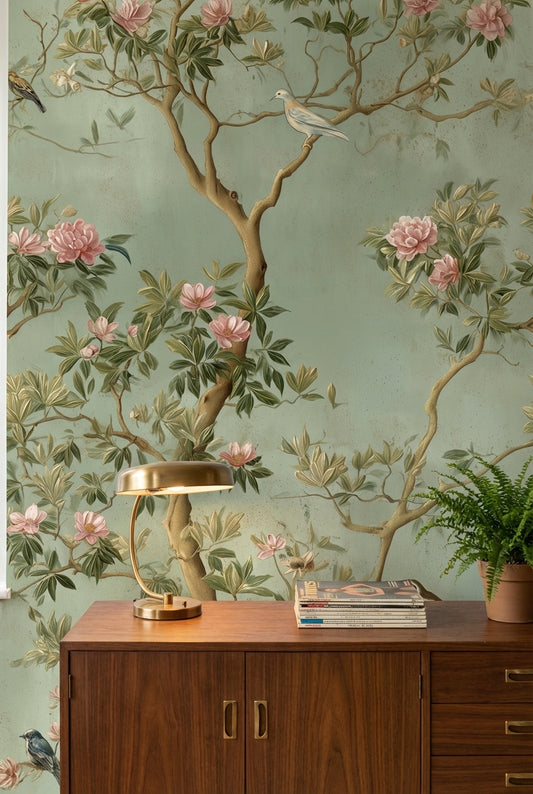
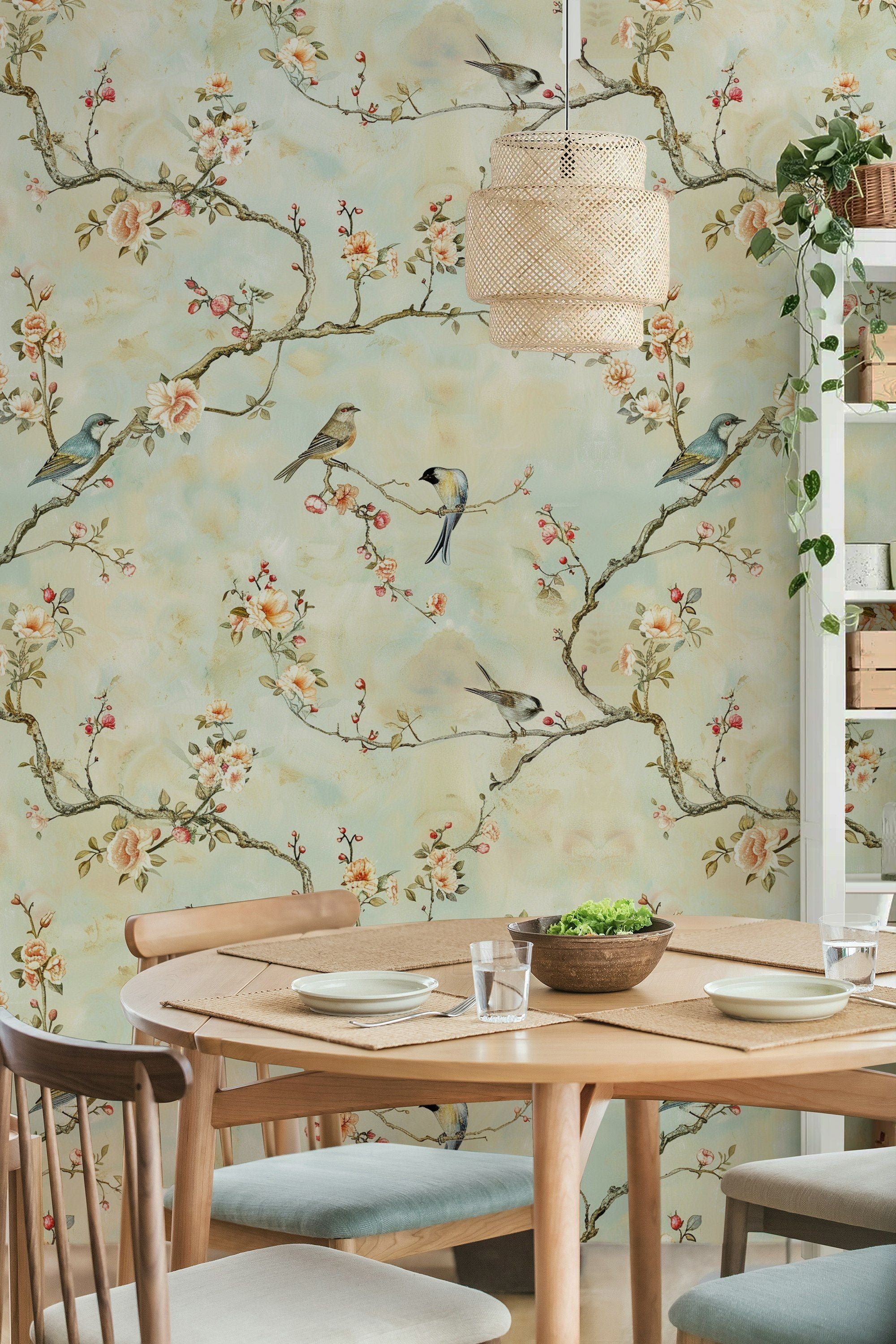
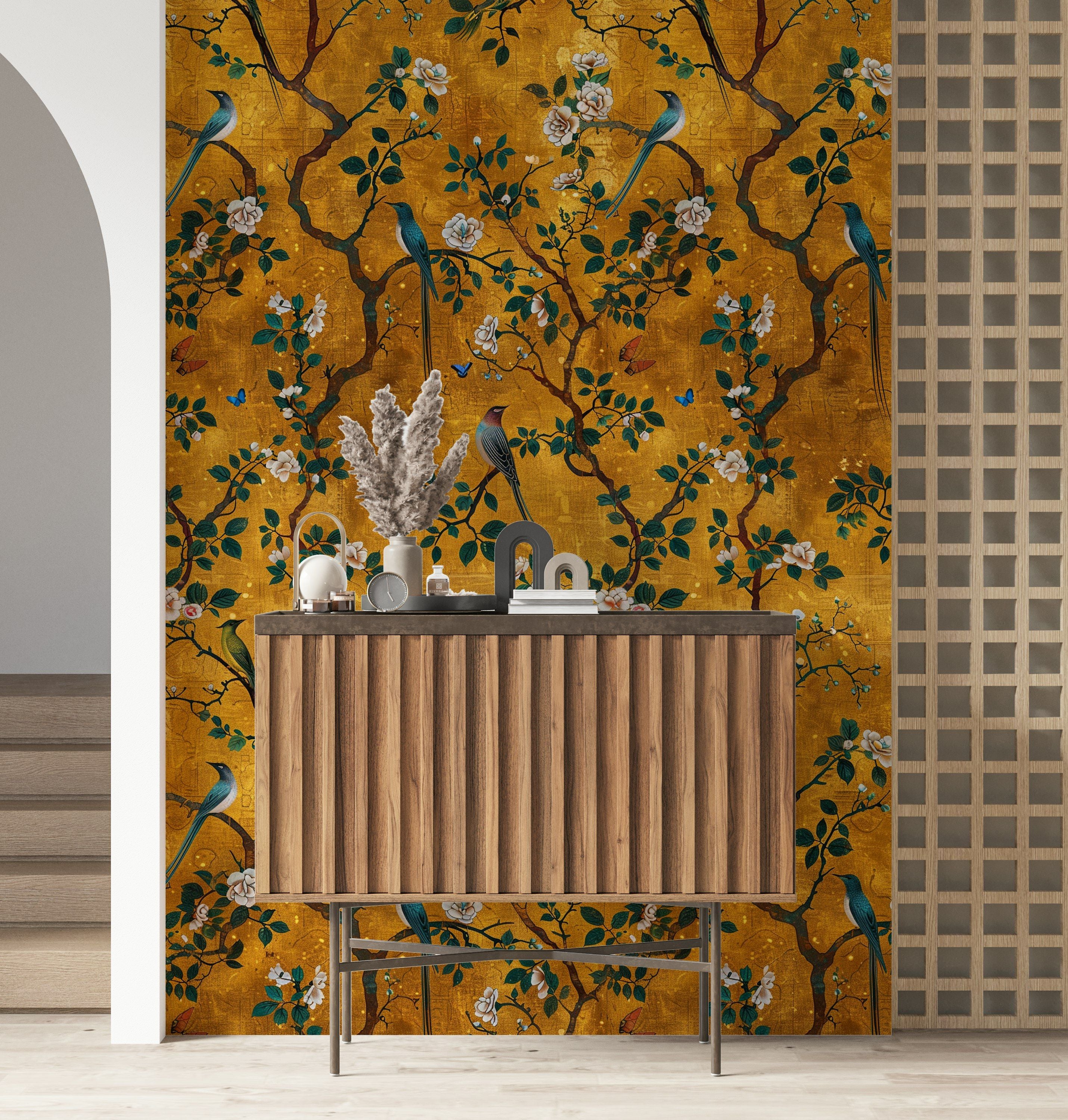
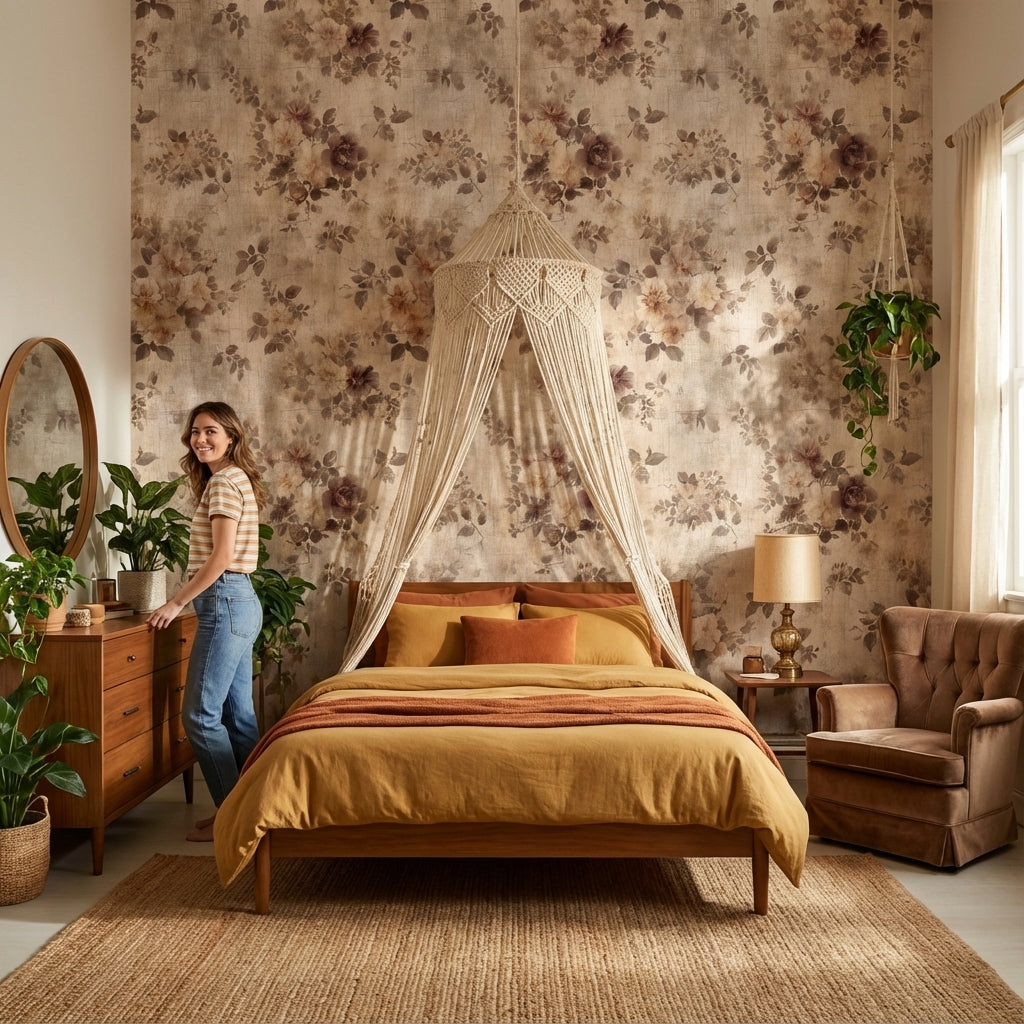
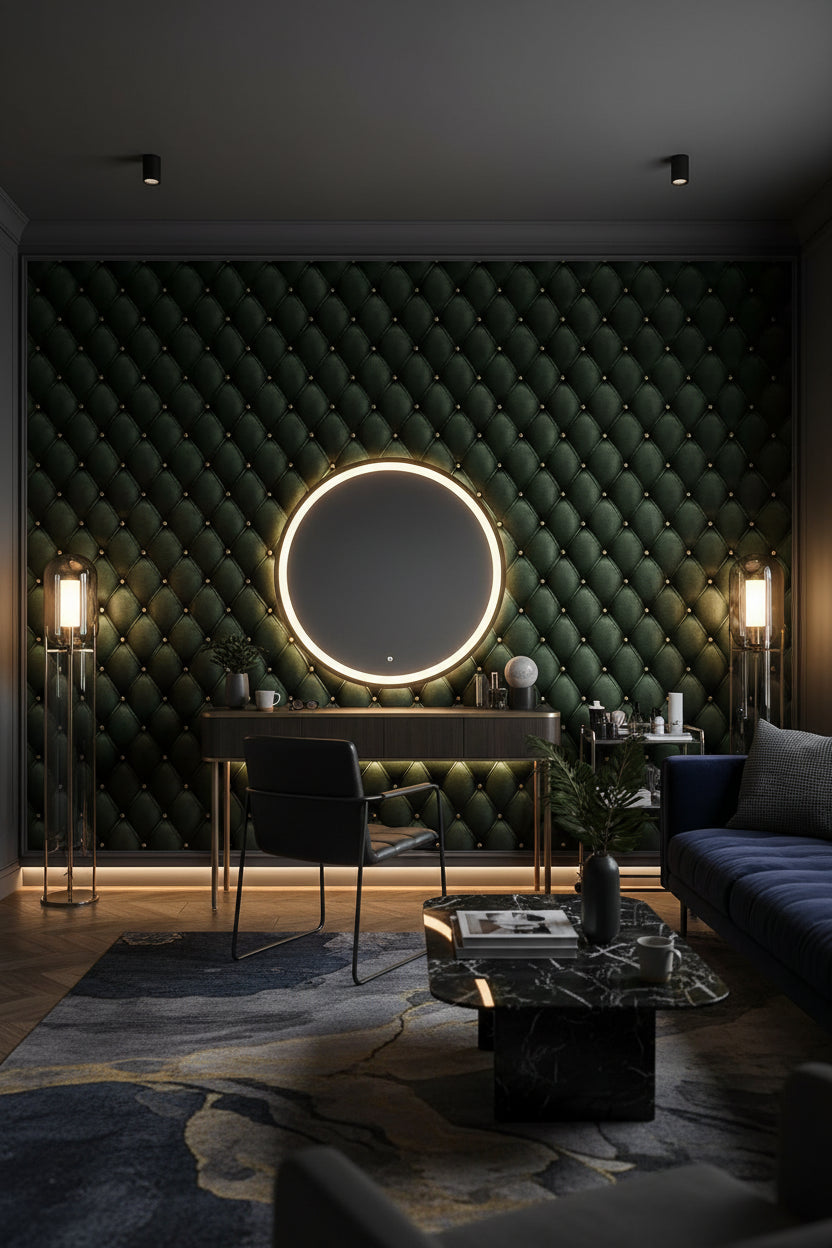
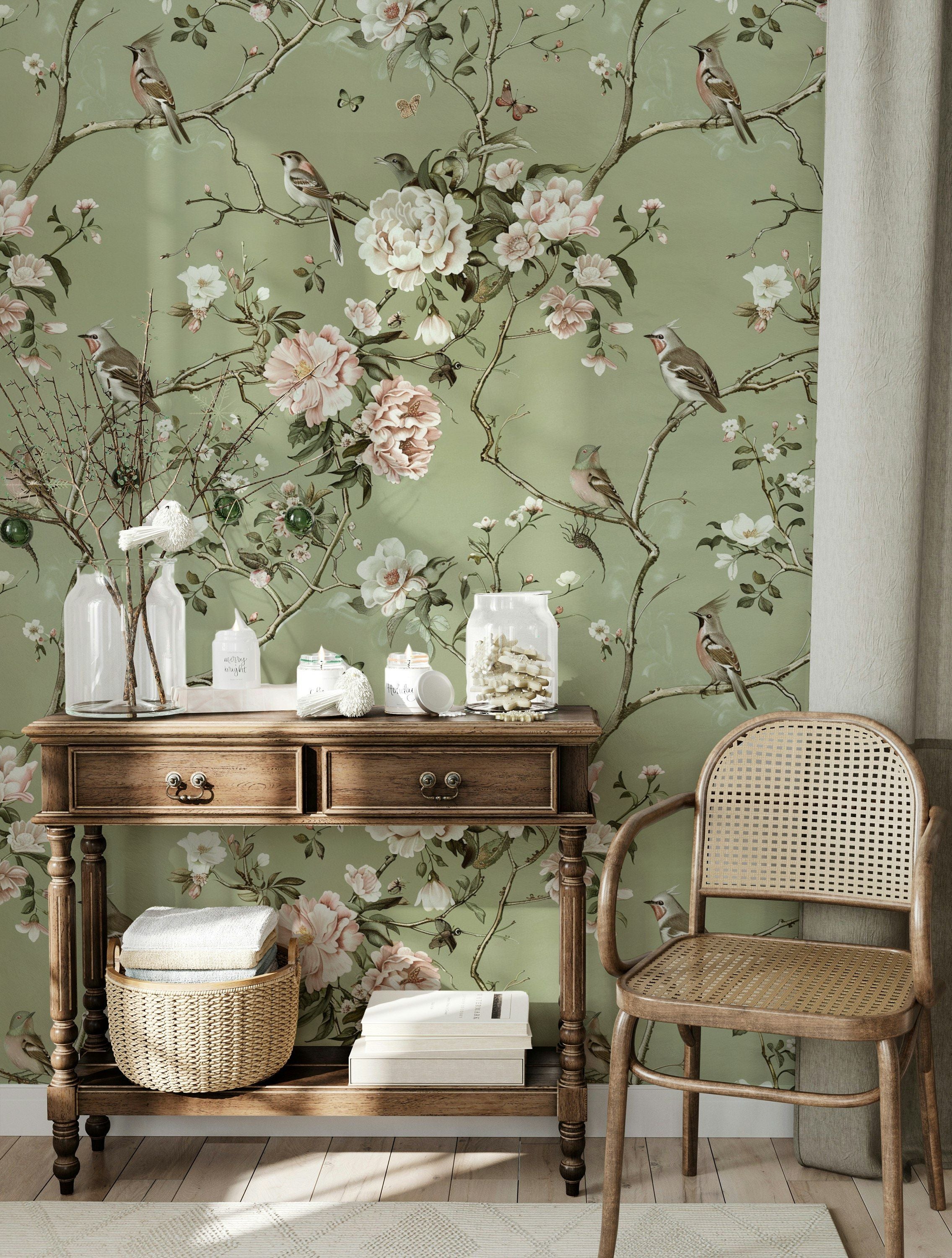
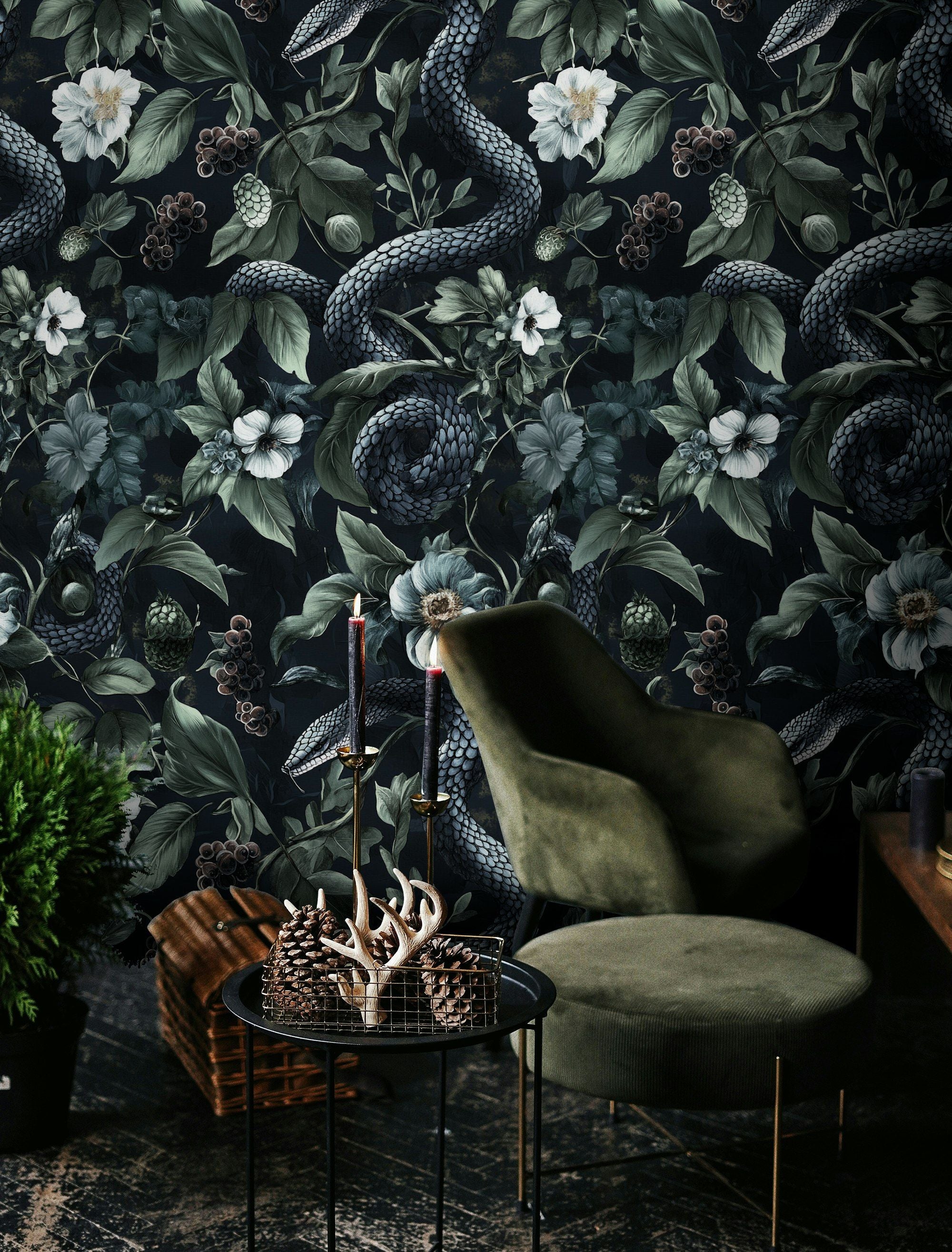
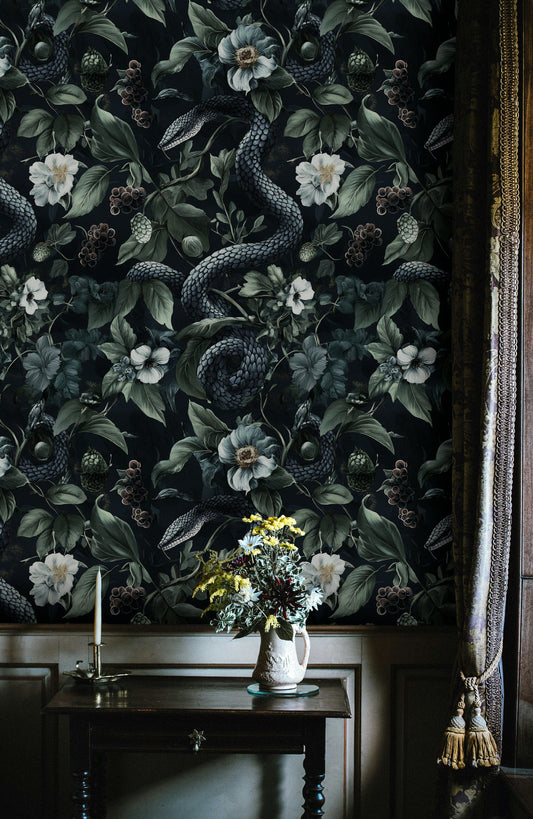
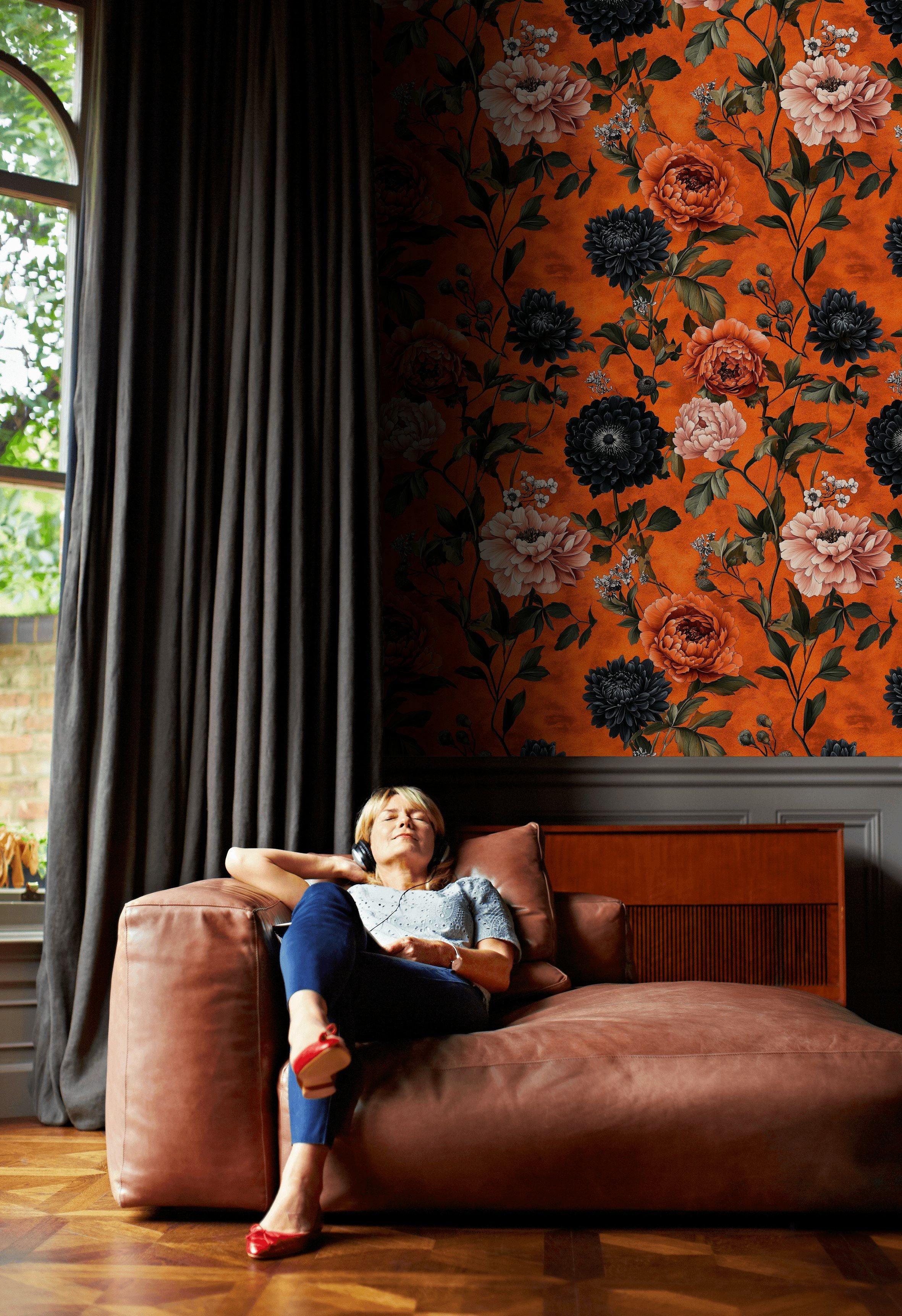
The main space for Living Room Wallpaper is the sitting area, especially on the wall behind a low walnut sofa or a linen sectional in oatmeal or stone. In this setting, Living Room Wallpaper gives structure to living room wallpaper decor by framing the seating zone and tying in exact finishes like a blackened-brass floor lamp, smoked oak coffee table, and rust or olive cushions. If your scheme leans lighter, pair it with a plaster-white media unit and accents from our Cream Wallpaper collection for a layered wallpaper for living room look that feels grounded rather than flat.
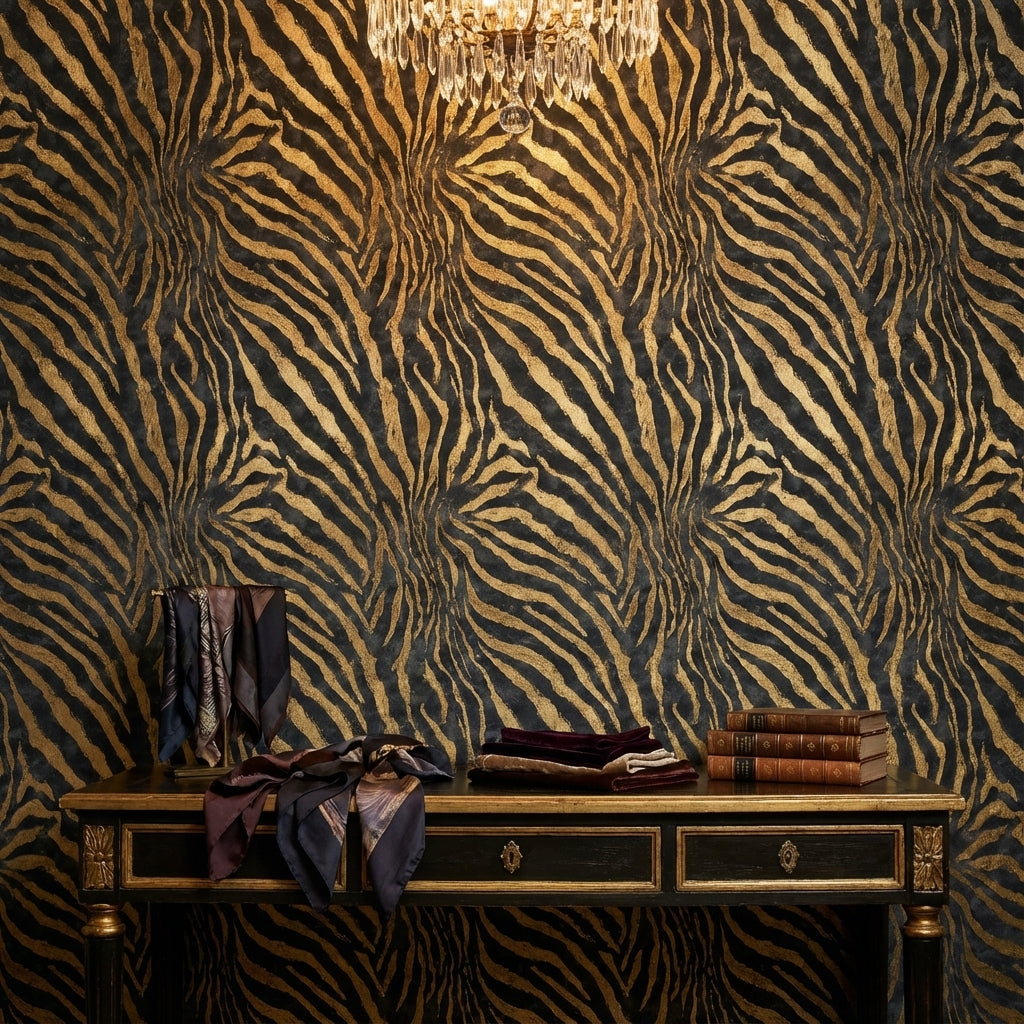
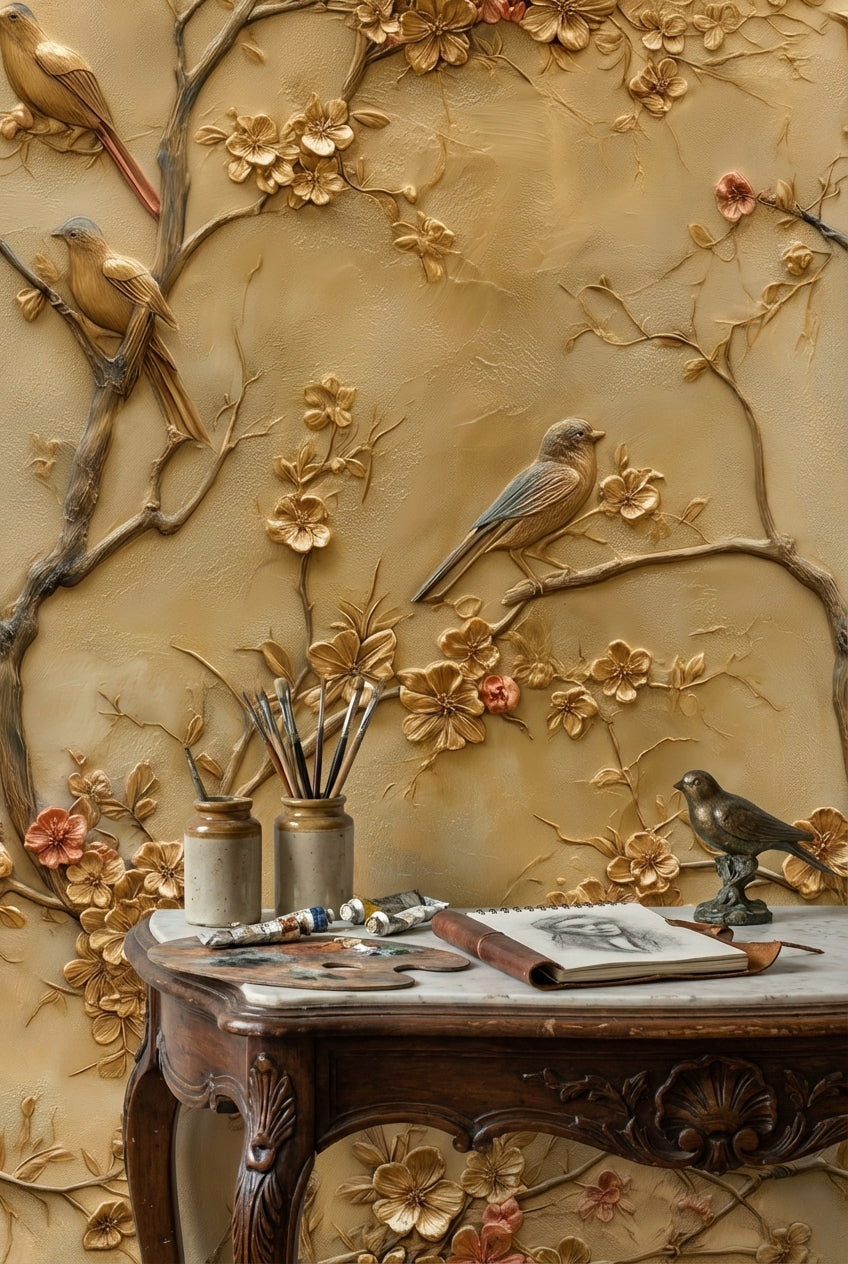
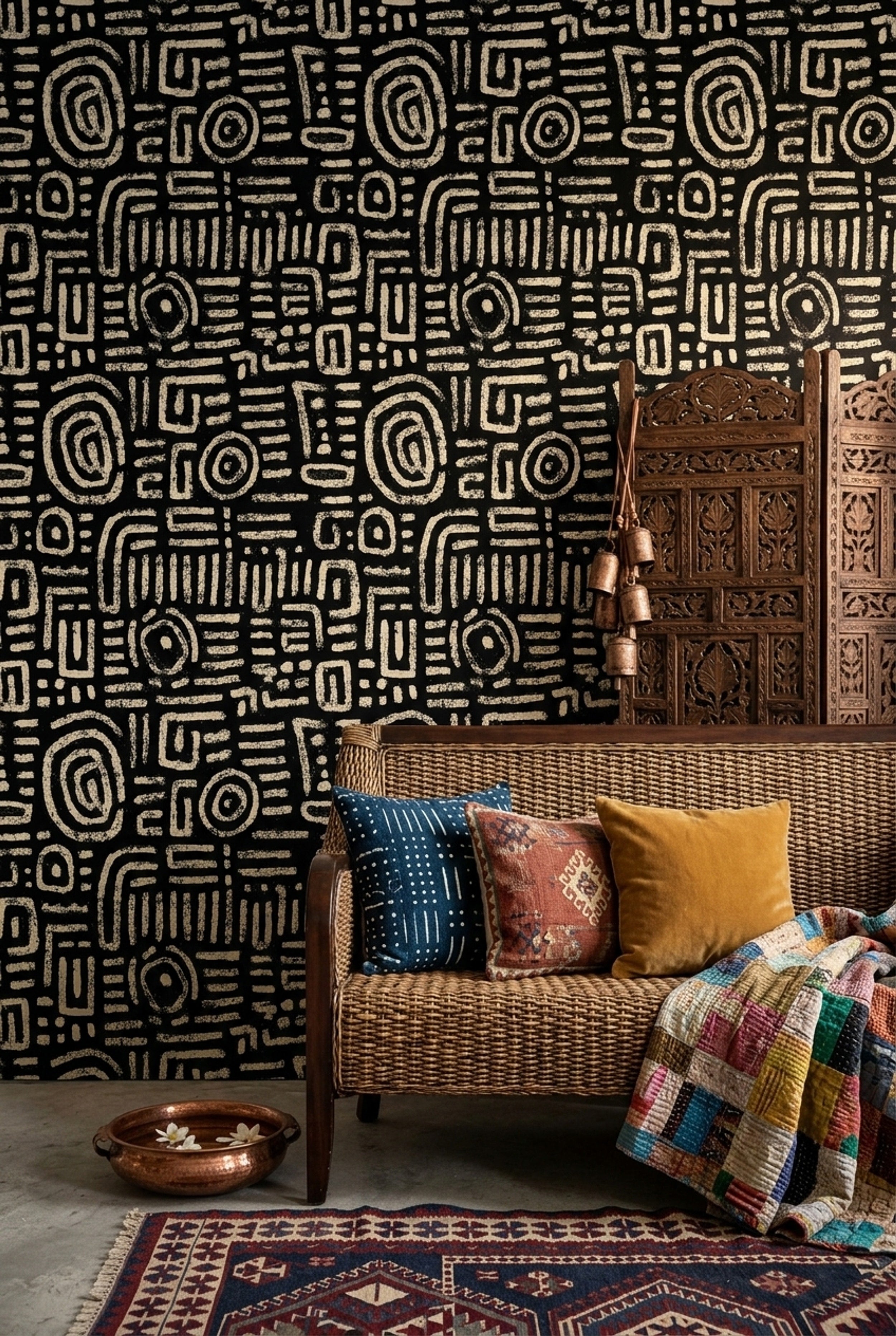
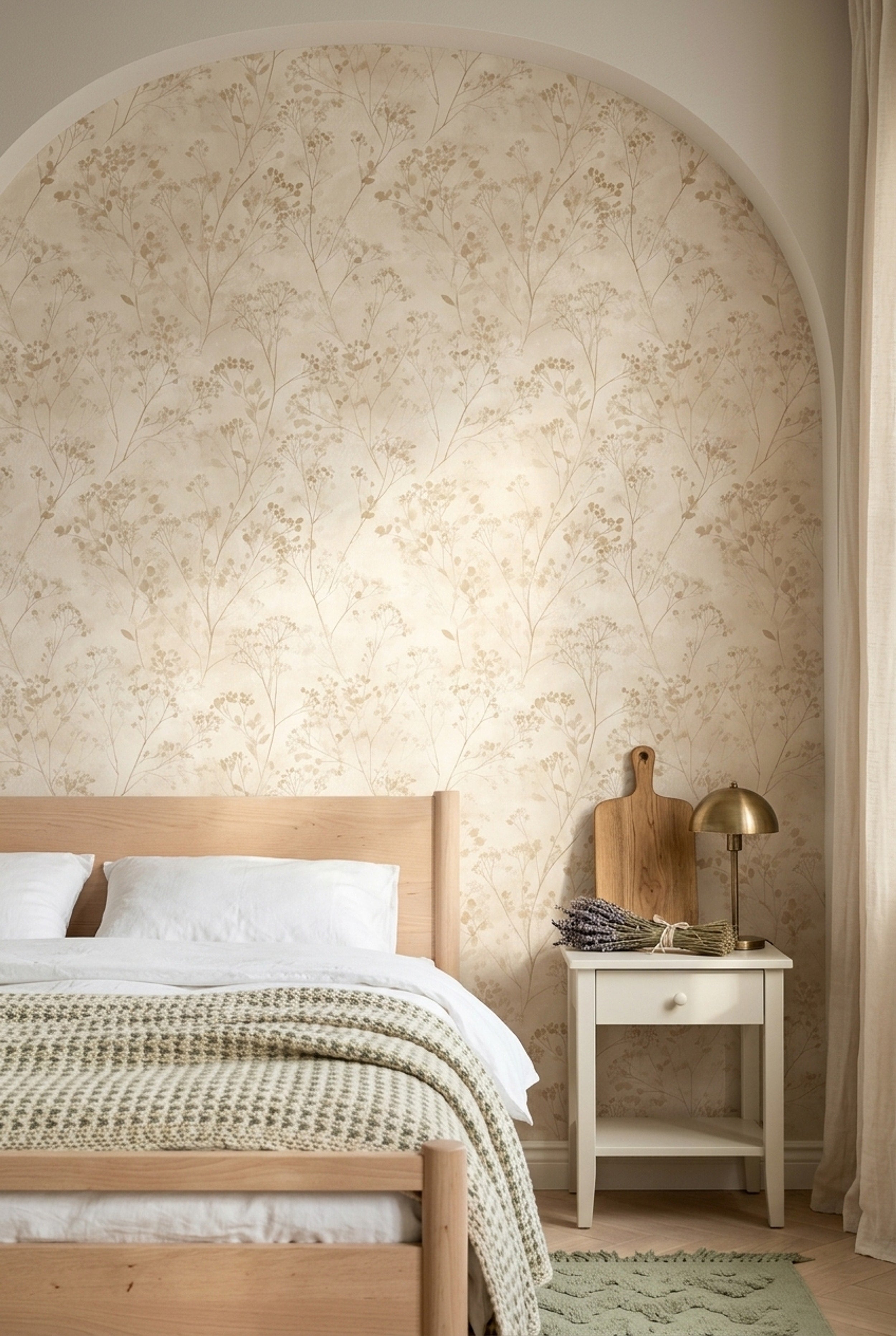
Living Room Wallpaper stands out through mineral beige, taupe, warm gray, and muted greige undertones that sit comfortably beside tan leather armchairs, ivory boucle benches, and dark wood sideboards. Fine linear patterns, brushed-linen textures, and subtle shadowed motifs give wallpaper designs for living room a more tailored read than plain painted walls, especially where daylight hits one side of the room and evening lamps deepen the pattern. For clients planning a wallpaper accent wall living room scheme, our guide to Statement Wallpaper For Living Room breaks down where stronger scale and cleaner pattern placement work most clearly. For a larger-format wallpaper mural living room option, see Living Room Wall Murals.
Use Living Room Wallpaper on the wall behind the main sofa, the chimney breast between built-in shelves, or the wall facing the entry so the pattern reads as soon as you step in. For more living room wallpaper ideas and practical wallpaper for living room wall layouts, our Wallpaper Ideas For Living Room page covers scale, placement, and living room accent wall wallpaper choices in detail. If your open-plan layout connects to a play corner or family den, a nearby kids zone can take a more playful direction with Cars Wallpaper, and our article on Space-Themed Wallpaper for Kids Bedrooms shows how to keep that area distinct. To refine proportion before ordering custom sizes, read How to Choose Wallpaper Patterns for Different Room Sizes. All Muralls designs are available in custom sizes, use paste-the-wall installation, and ship worldwide.
Based on designs you explored, with fresh finds mixed in.
24 / 3572
Load more— NEED HELP?
Can't find what you're looking for? Our team replies within 4 working hours, Mon–Fri.
Start with the biggest items you can’t easily change—your sofa and rug—then pick Living Room Wallpaper that supports their undertones. Warm beige rugs like oatmeal pair well with cream, sand, or terracotta-based prints, while cool gray sofas sit better with stone, slate, or soft blue. In rooms with limited daylight, skip high-contrast black-on-white patterns and lean into mid-tone designs so the space doesn’t feel harsh at night under lamps. For living room wallpaper decor, match pattern scale to viewing distance: large botanicals read best from 8–12 ft away, while tight geometrics suit smaller seating areas.
If your living room is under about 12' x 14', a wallpaper accent wall living room setup usually feels calmer—choose one main wall so the pattern doesn’t crowd the seating zone. In larger rooms (around 16' x 20' and up), all-wall Living Room Wallpaper can work when you choose a lower-contrast pattern or a textured look like linen effect or subtle 3d wallpaper for living room depth. A good rule: bold, high-contrast prints = one wall; softer tone-on-tone prints = more walls.
Use Living Room Wallpaper to “zone” the lounge area by placing it behind the sofa or on the wall that frames the seating group, then keep adjacent walls in a paint shade pulled from the wallpaper (think warm greige, soft sage, or muted navy). In open-plan layouts, repeat one finish across zones—like black metal lighting or oak shelving—so the wallpaper living room area feels connected rather than separated. For living room wallpaper decor ideas, align the wallpaper’s strongest color with one consistent element (bar stools, dining chairs, or curtains) to create visual flow.
Most living room wallpaper ideas work better on the sofa wall because you see it constantly and it won’t compete with screen glare. If you want Living Room Wallpaper on the TV wall, choose a low-sheen option and a quieter pattern (small-scale texture, soft stripes, or tone-on-tone geometrics) so subtitles and contrast stay readable. Either way, avoid busy high-contrast prints directly behind the TV to reduce visual noise in your wallpaper for living room setup.
For living room wallpaper decor, anchor patterned walls with one solid, grounded piece—like a walnut media console, an oak coffee table, or a matte black steel side table—so the room doesn’t feel busy when guests walk in. Pair with textiles that echo one wallpaper color: a rust velvet cushion, an oatmeal boucle throw, or linen curtains in warm white. If your Living Room Wallpaper has cool tones, swap in brushed nickel lamps and a charcoal wool rug to keep the palette consistent.
Living Room Wallpaper is available in peel-and-stick and paste-the-wall options; peel-and-stick is handy for renters or for testing wallpaper ideas for living room changes without long-term commitment. Paste-the-wall tends to handle larger living rooms and heavier patterns more reliably, especially on the main seating wall where you’ll notice seams and alignment. If you’re doing a wallpaper accent wall living room installation behind the sofa, paste-the-wall is often the steadier choice for crisp pattern matching.
VISUAL SEARCH
Upload a reference image and discover visually similar designs.
BEST MATCHES
PERSONALIZED DISCOVERY
Describe a look or let your room lead the search.
CURATED FOR YOU
The chat is taking longer than usual.
Email support@muralls.com