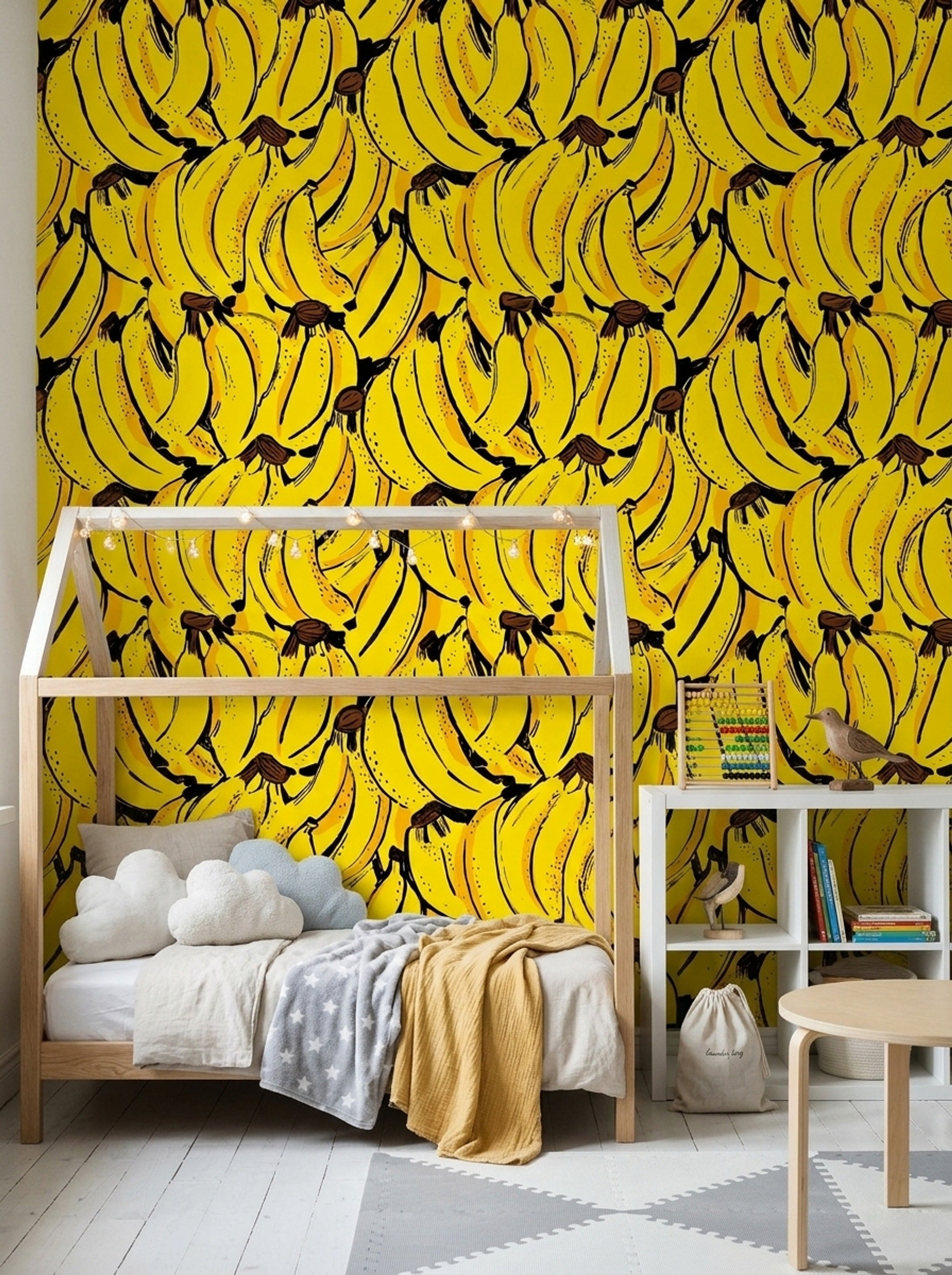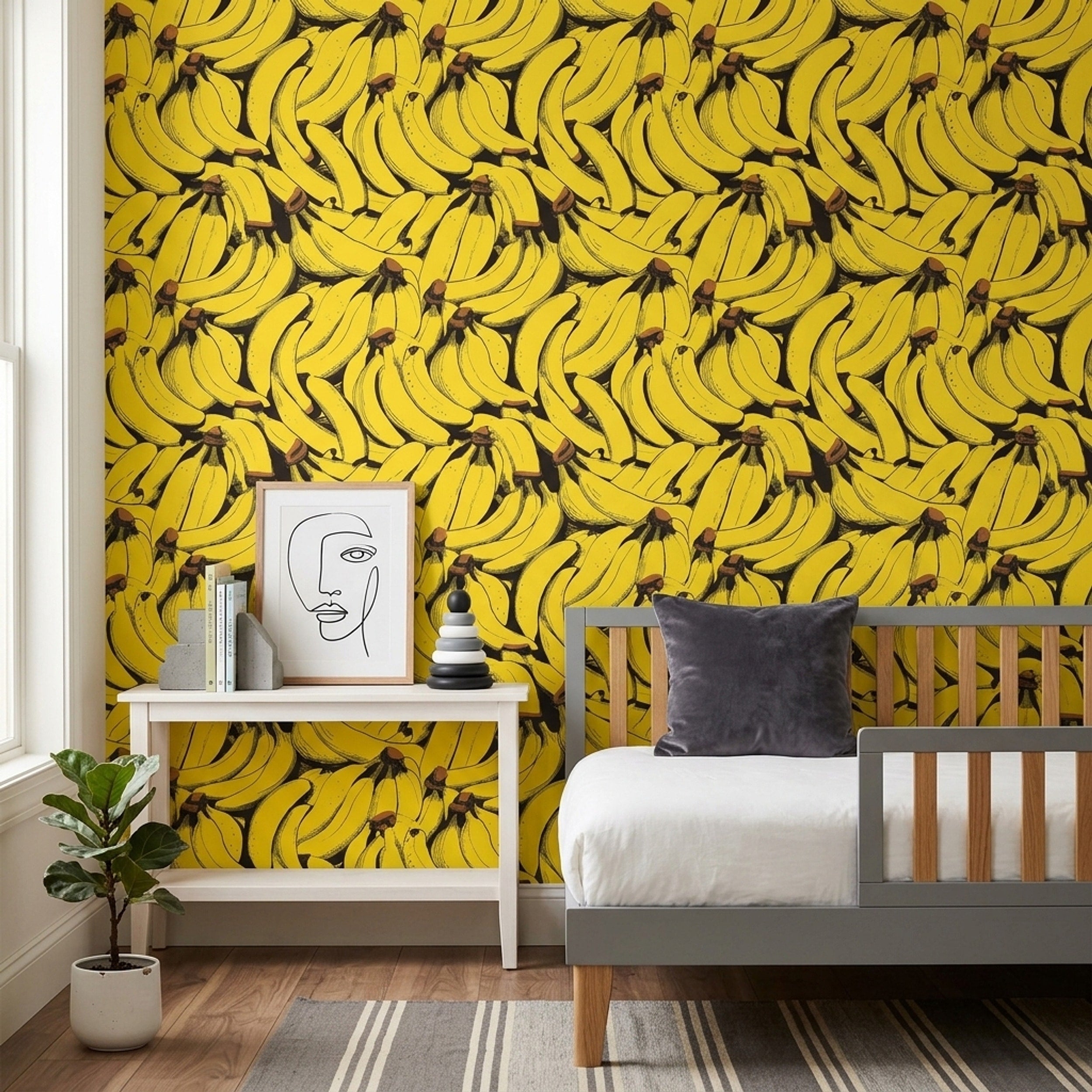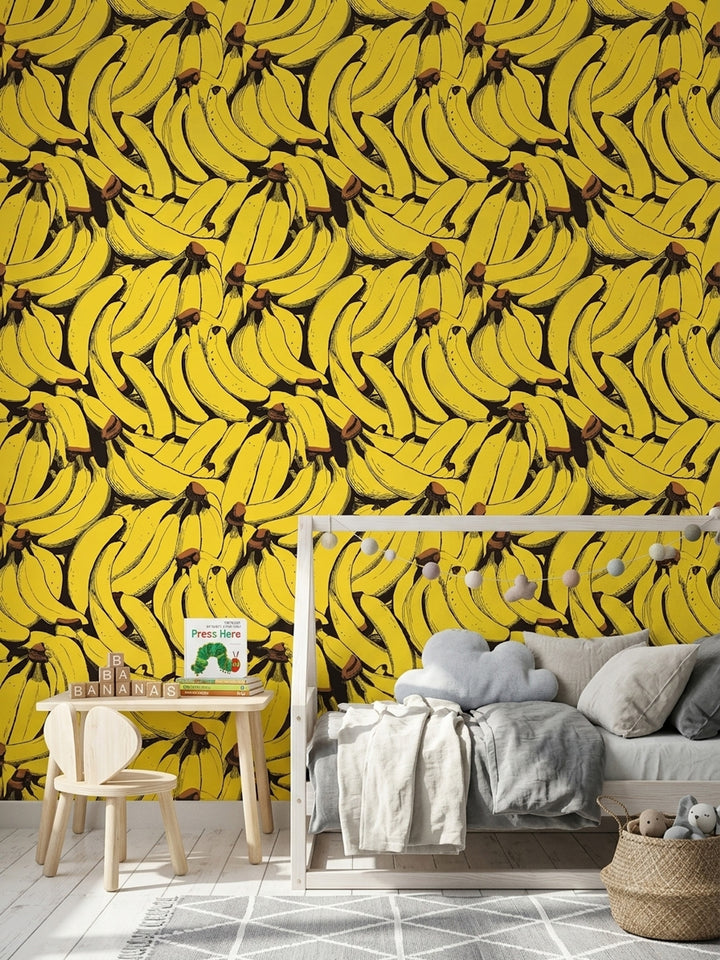
 Wallpaper
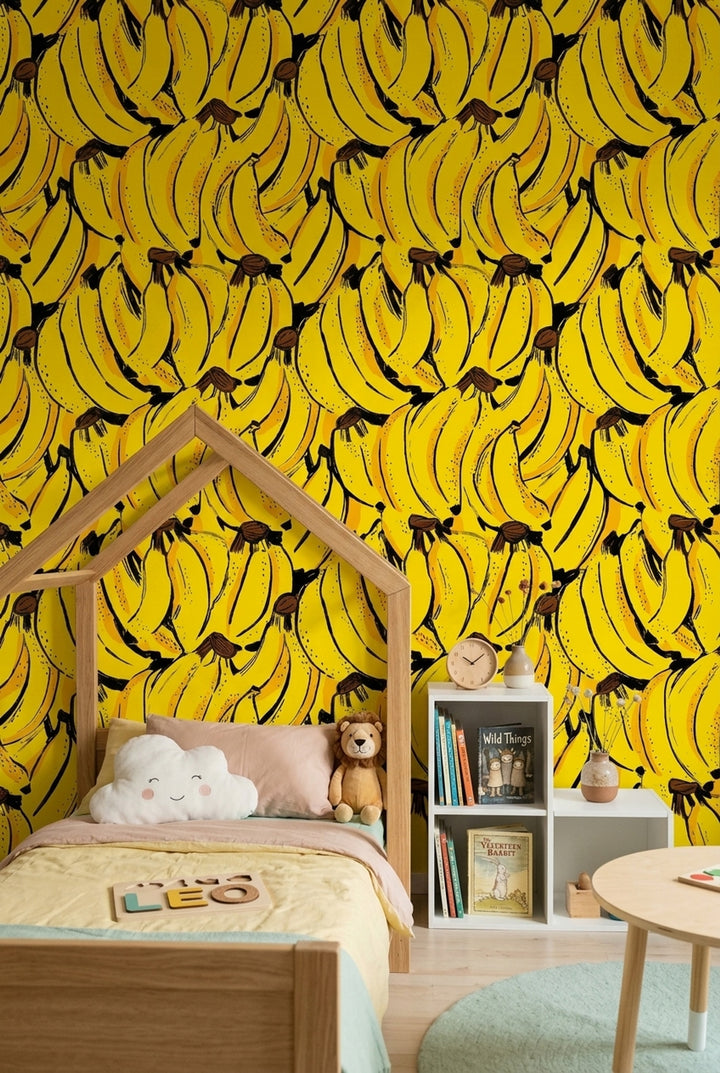
Banana Print
From $23
Wallpaper
Banana Print
From $23

Kitchen Wallpaper stands apart through its clean, food-inspired palette and its crisp, graphic rhythm: think olive green, warm cream, tomato red, lemon yello...
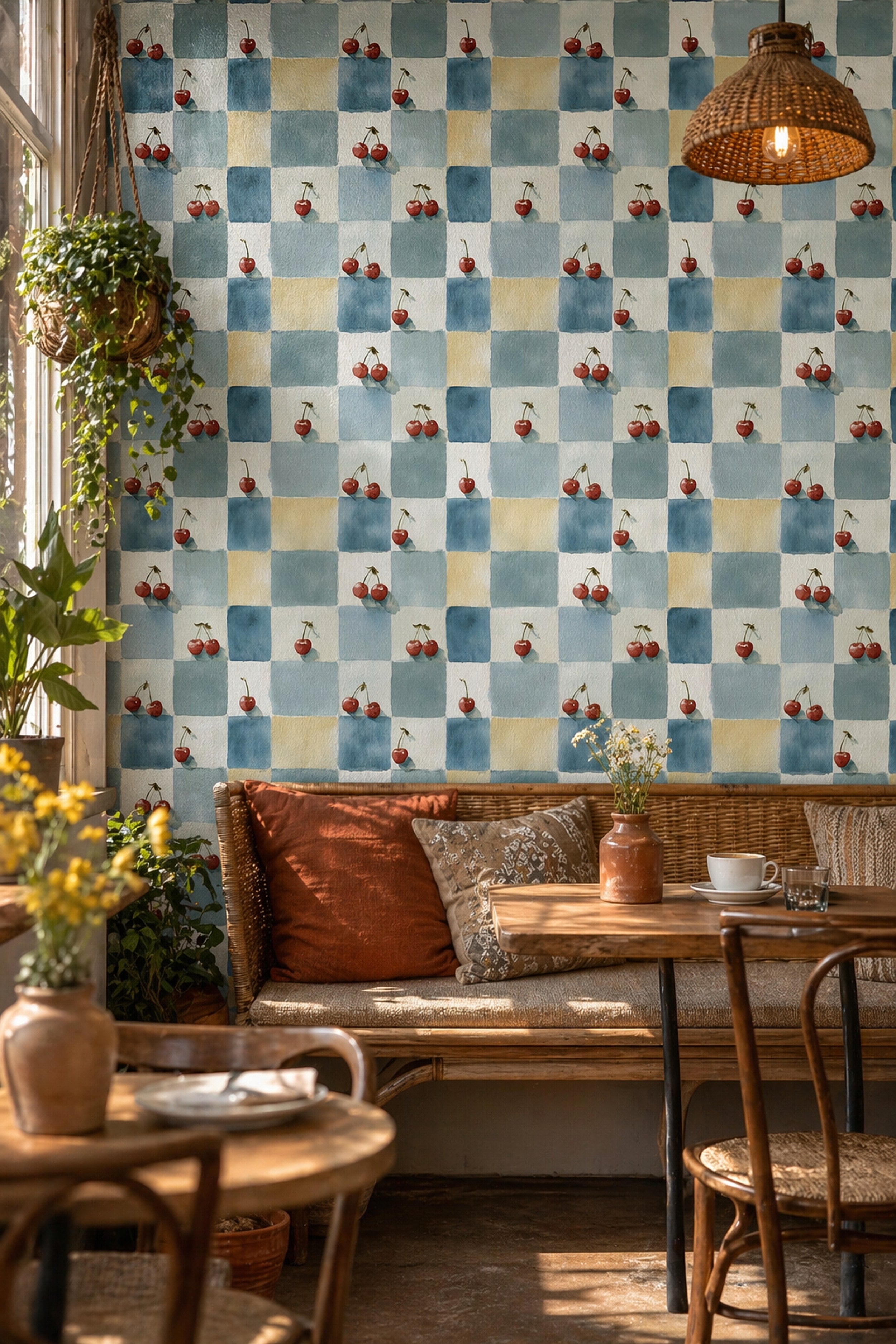
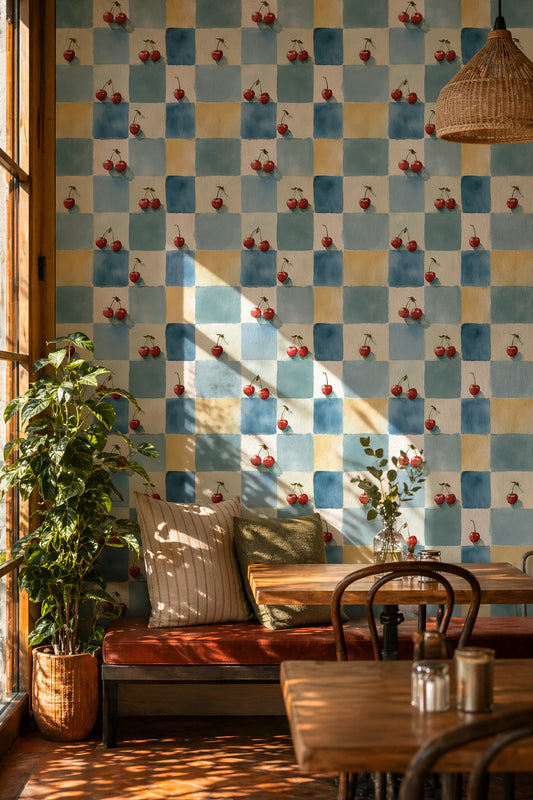
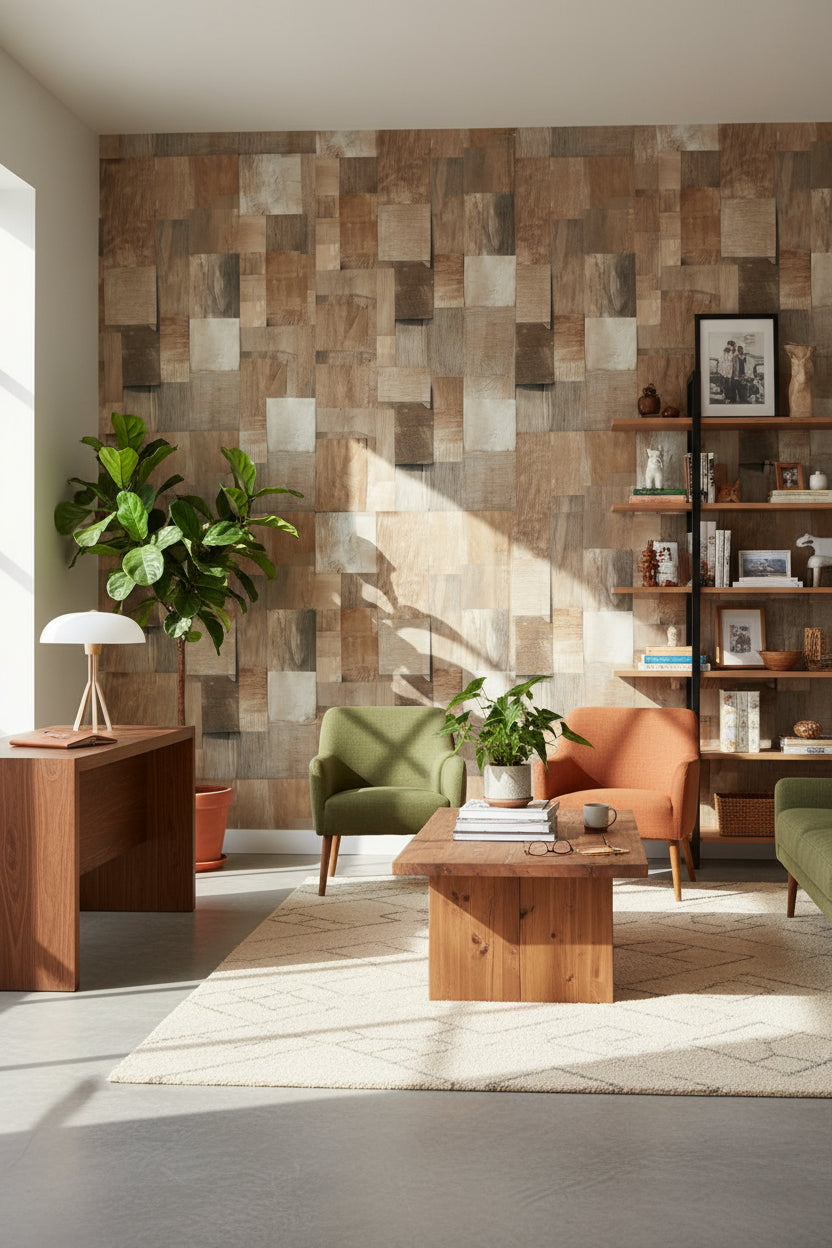
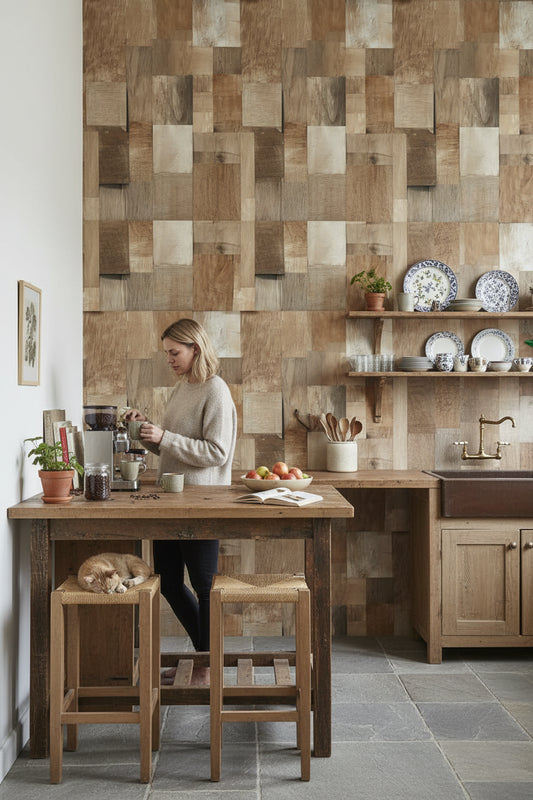
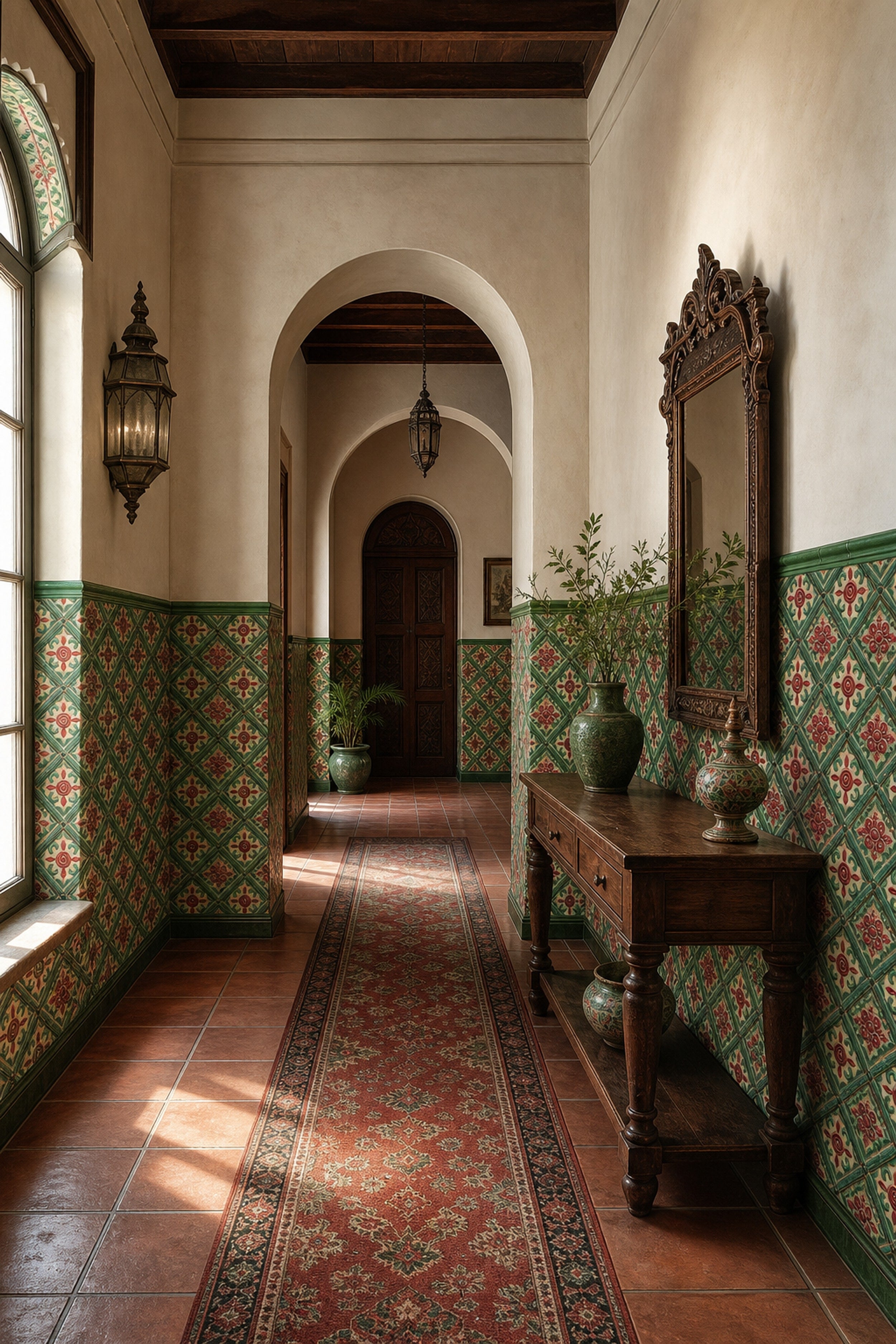
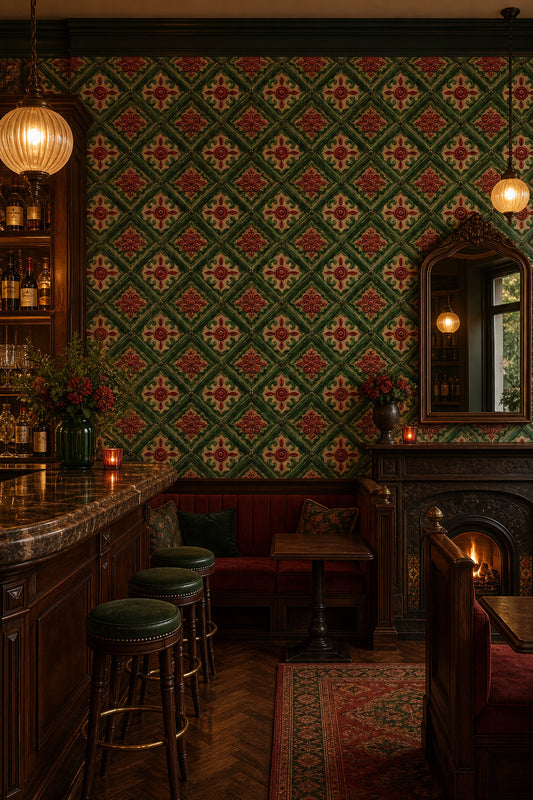
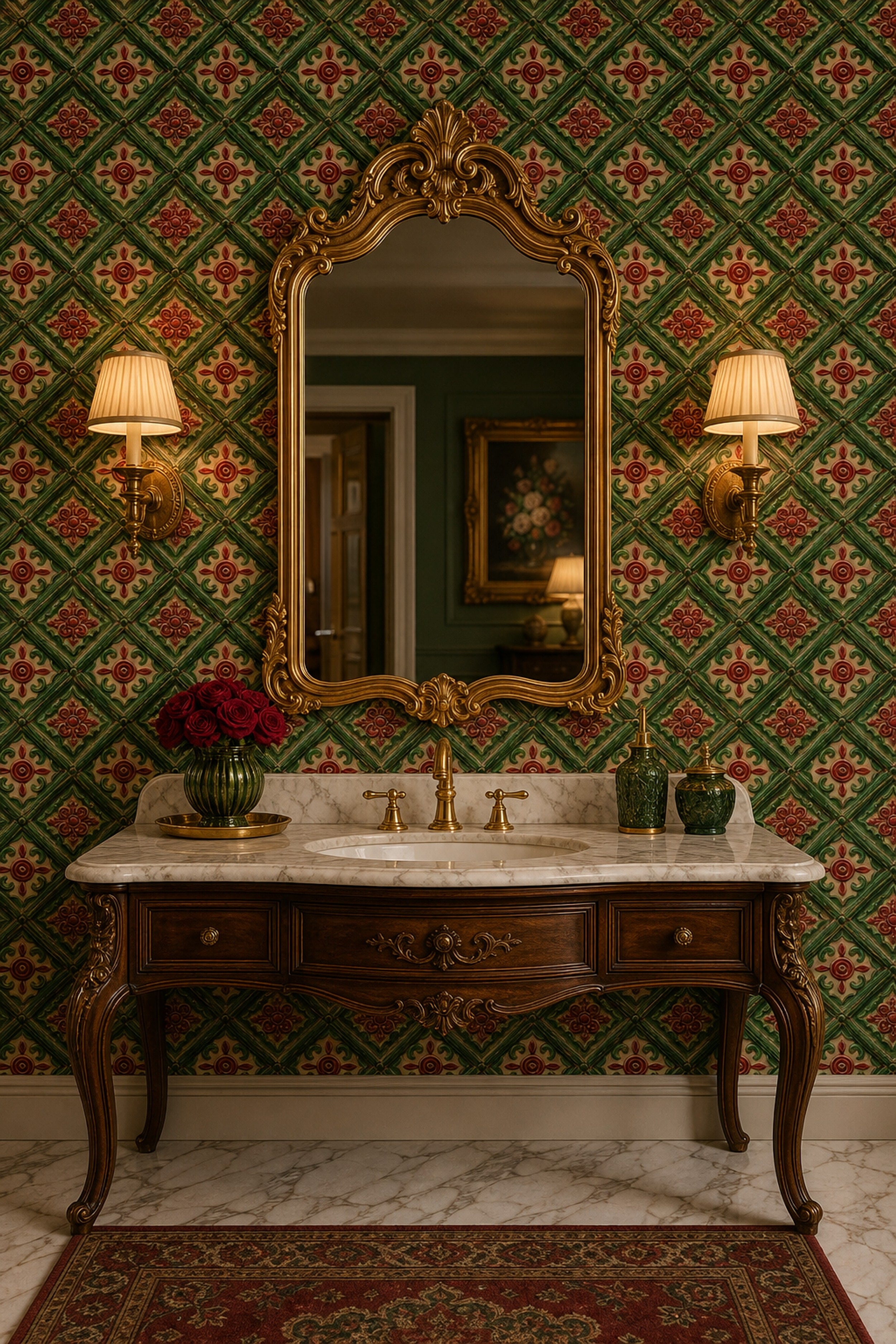
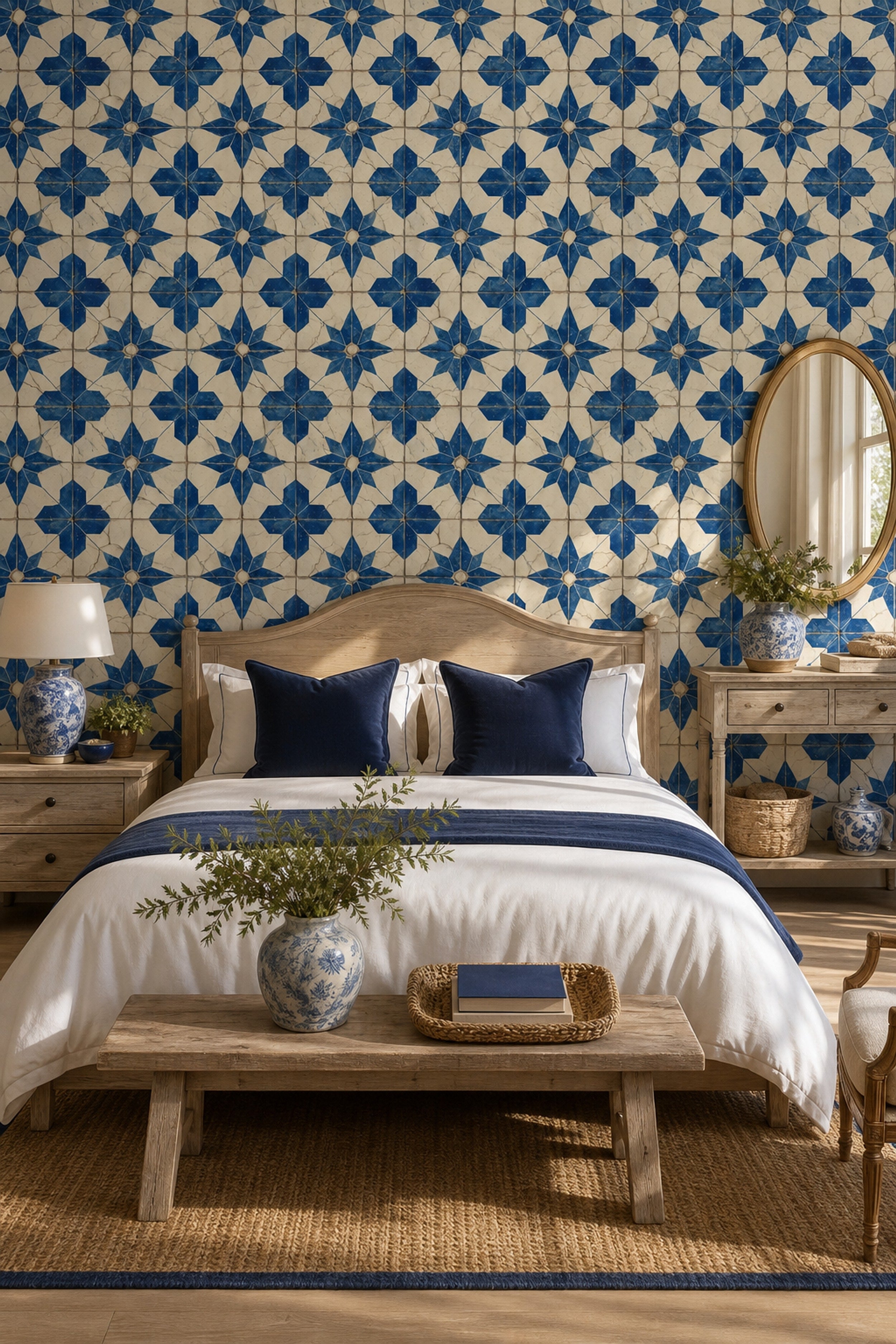
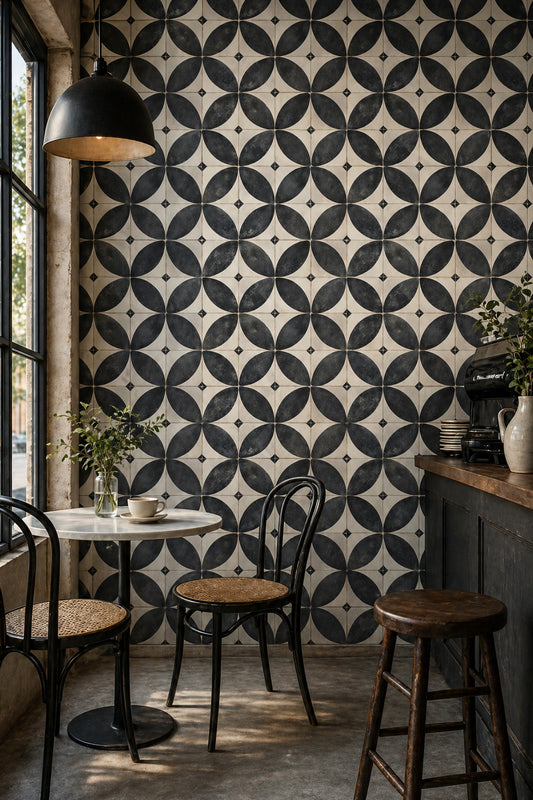
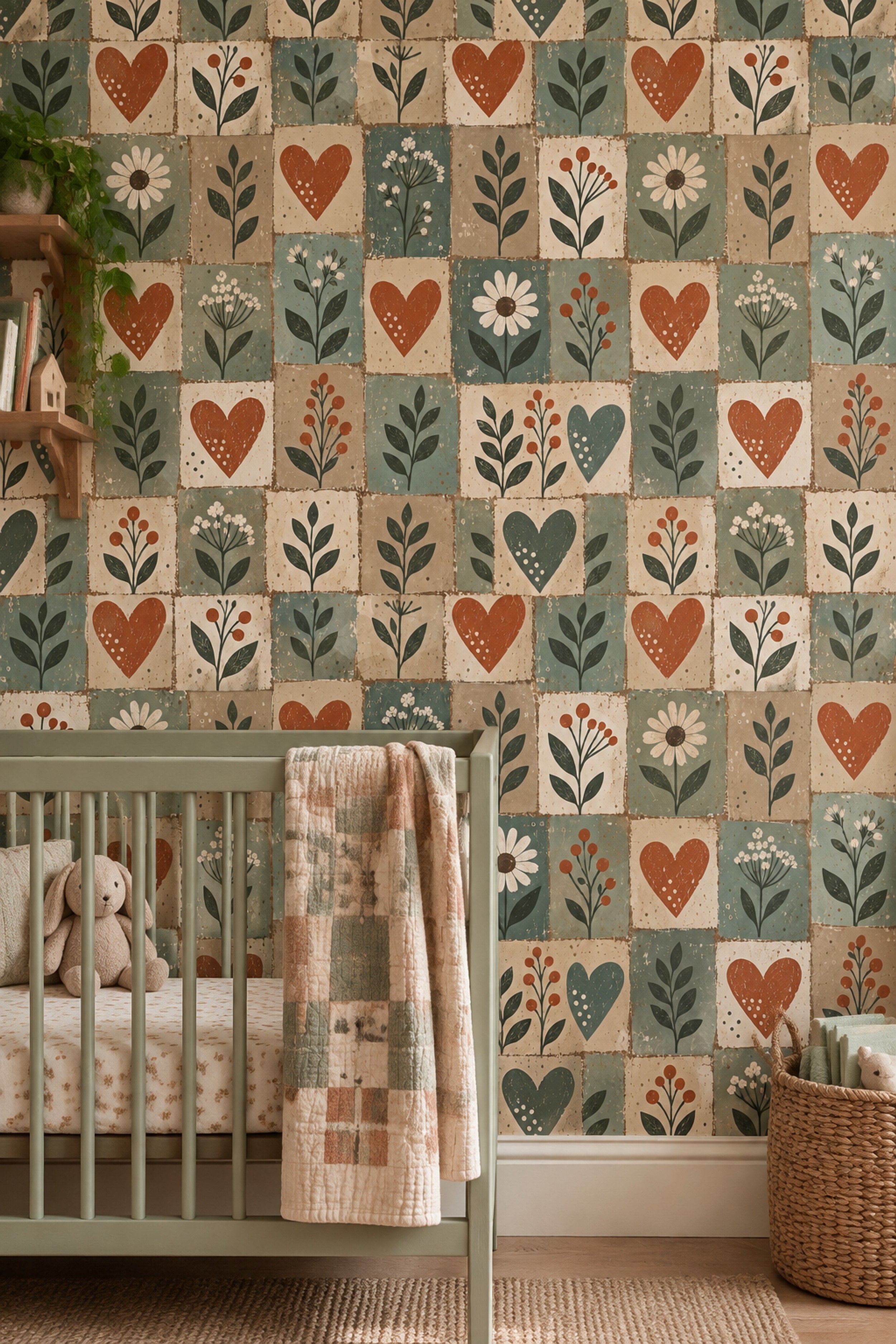
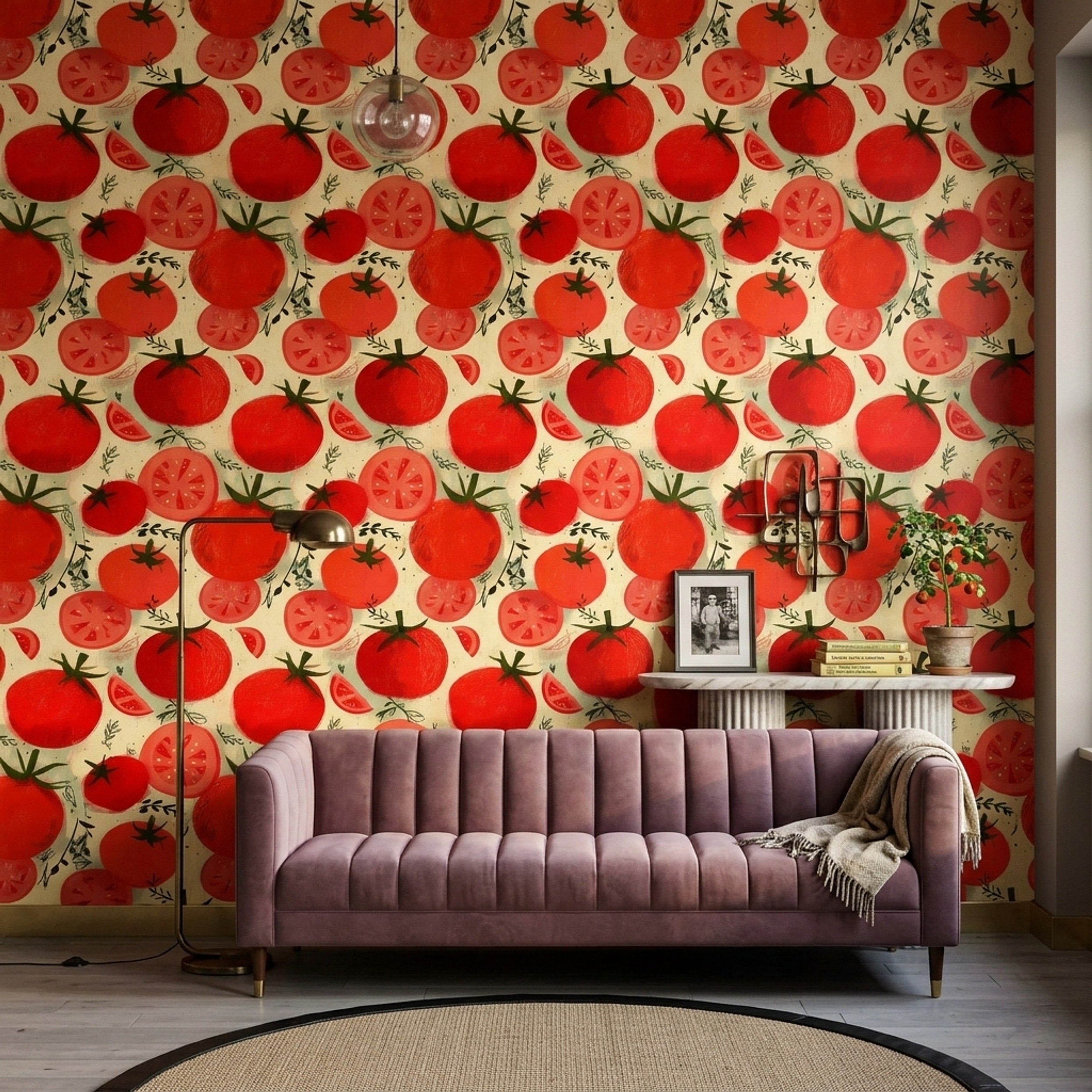
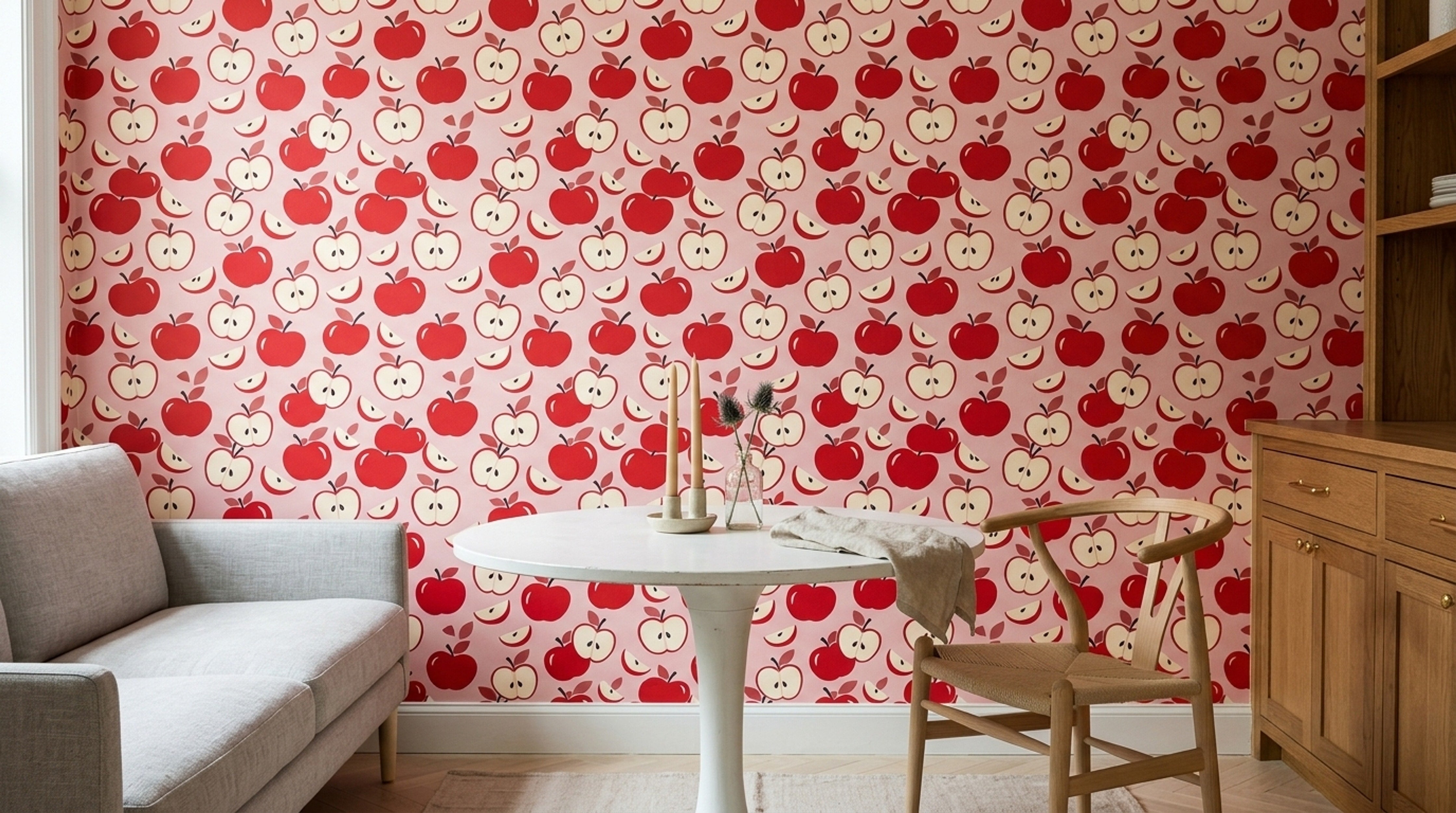
Kitchen Wallpaper stands apart through its clean, food-inspired palette and its crisp, graphic rhythm: think olive green, warm cream, tomato red, lemon yellow, and chalky black arranged in tile-like repeats, market-botanical prints, or fine line sketches that feel sharper than standard floral wallpaper. That specific mix gives kitchen wallpaper a lively wallpaper look without turning noisy, especially on walls near breakfast nooks or along the run between open shelving and a dining corner. For a lighter companion palette, Beige Wallpaper brings in oat and sand tones that keep painted oak cabinets and matte black bar stools looking grounded.
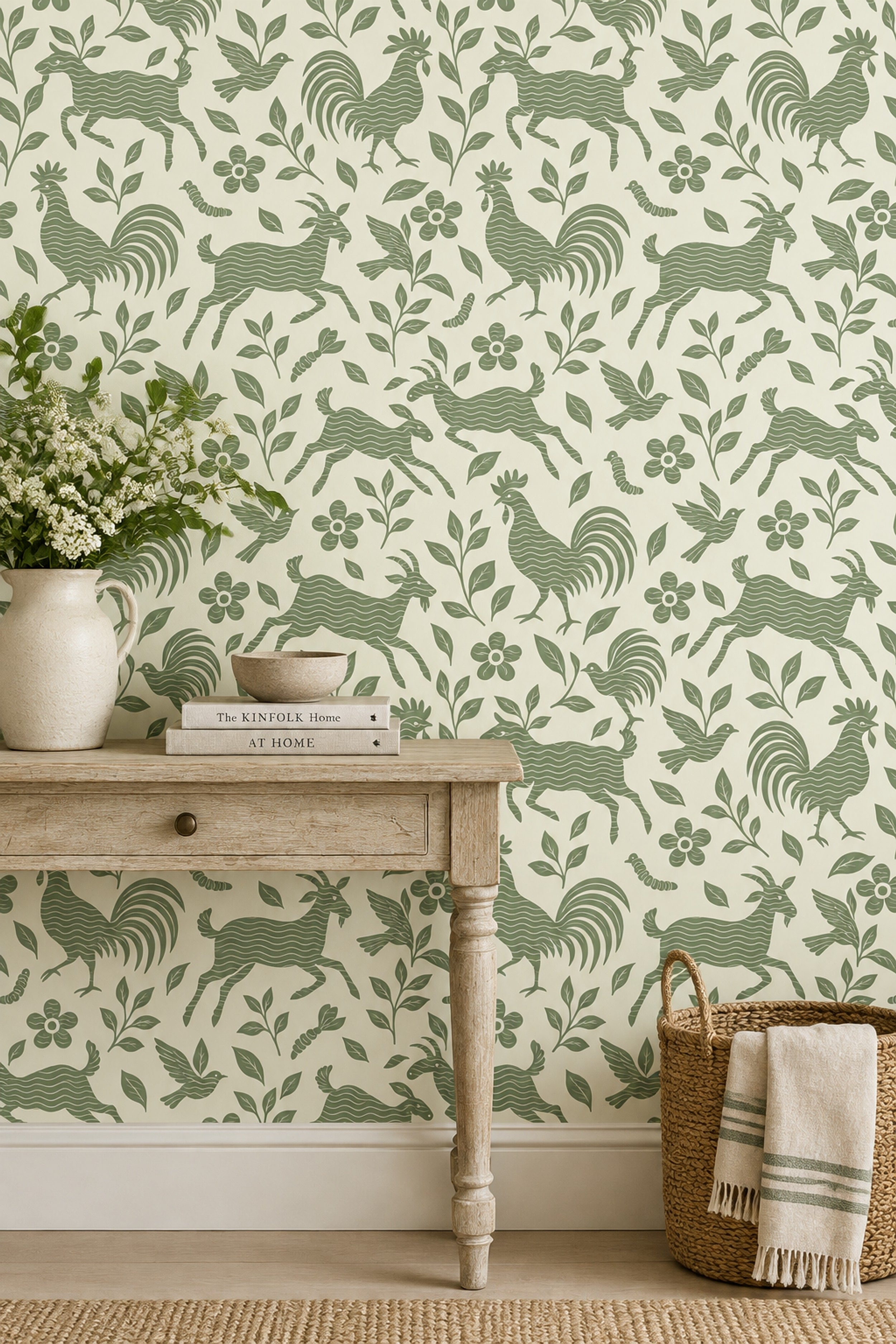
Kitchen Wallpaper often carries warm undertones such as butter, terracotta, basil, and ink, with patterns that echo checkerboard tile, hand-drawn herbs, citrus sprigs, or small-scale floral wallpaper flowers rather than broad living-room botanicals. On a wall behind a walnut sideboard, these shades sharpen the lines of brass handles and cream stone countertops; beside white Shaker cabinets, they read cleaner and more graphic than typical wallpaper for walls. If you are comparing layouts and finish direction, our guide to Modern Wallpaper For Kitchen breaks down the most current looks for kitchen wallpaper in practical terms. For a cooler contrast near pale ash cabinetry, Sky Wallpaper introduces washed blue that keeps chrome pendants and white cafe chairs looking crisp.
Kitchen Wallpaper is especially effective on the main wall behind a banquette, on the short return wall beside a pantry door, or above beadboard in an eat-in kitchen where you want pattern at eye level rather than across every surface. For larger artwork scale and mural wallpaper layouts, see Kitchen Wall Murals, especially if one uninterrupted wall sits opposite the island. If you need broader planning advice on wallpaper for kitchen zones with steam, seating, and open shelving, our Wallpaper For Kitchen guide covers the key decisions. For layout ideas in narrow galley kitchens and square breakfast rooms, read How to Choose Wallpaper Patterns for Different Room Sizes. Murals ships worldwide, offers custom sizes, and uses paste-the-wall installation, which keeps kitchen wallpaper straightforward to hang on feature walls and practical for measured, made-to-fit panels.
Based on designs you explored, with fresh finds mixed in.
24 / 119
Load more— NEED HELP?
Can't find what you're looking for? Our team replies within 4 working hours, Mon–Fri.
Yes—Kitchen Wallpaper works well as wallpaper for kitchen walls and also in a bathroom, as long as it’s not placed where water hits directly (like inside a shower). In kitchens, keep it off the splash zone behind the hob and sink; use it on the dining nook wall or the wall opposite the cooker where steam is lower. If you’re using kitchen peel and stick wallpaper, aim for a well-ventilated space and wipe condensation quickly so edges stay flat.
Kitchen Wallpaper looks especially good with matte black cabinet pulls, brushed brass taps, and a walnut or oak dining table—those finishes anchor busy kitchen wallpaper ideas without fighting the pattern. For seating, try cane-back dining chairs or black metal stools, then add a washable linen-look cushion in warm white or oatmeal to soften the hard surfaces. If your kitchen has white shaker cabinets, a sage-green runner or terracotta tea towels tie in colour without making the room feel overdone.
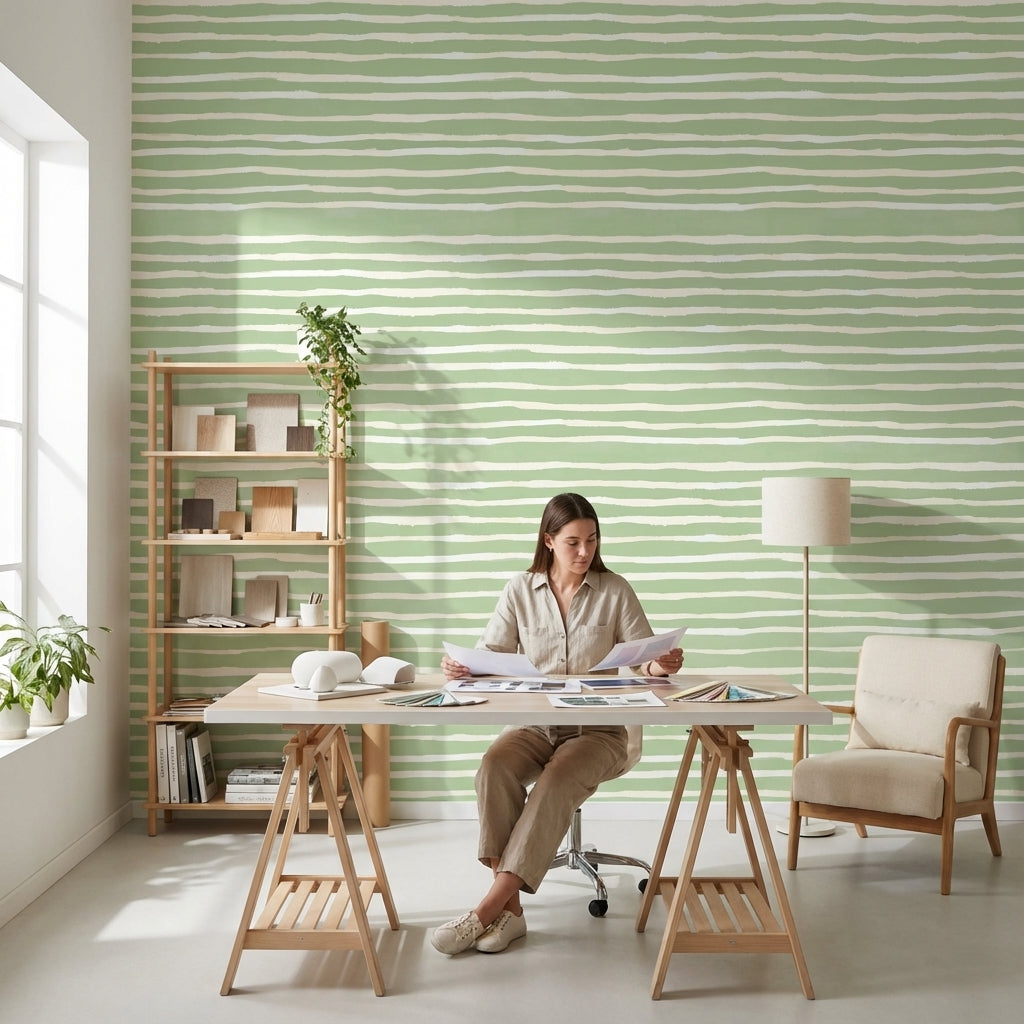
In a compact kitchen (around 2.5m x 3m), Kitchen Wallpaper usually works best on one main wall—often the dining nook wall or the wall you see first when you walk in—so the room doesn’t feel visually crowded. If the pattern is small-scale (like a tight geometric or mini floral), you can wrap all walls, but keep cabinetry finishes simple (white or light oak) and limit competing tile patterns. For kitchen sticker wallpaper, an accent wall also makes future updates easier if you change cabinet colour later.
The safest placement for Kitchen Wallpaper is away from grease and heat: use it on the breakfast nook wall, the wall behind open shelving, or the wall opposite the hob. Avoid using it as kitchen backsplash wallpaper directly behind the cooker or sink unless the area is fully protected by a continuous glass or acrylic panel. If you want impact without splashback risk, run wallpaper on kitchen walls above a 10–15cm painted “wipeable band” in a colour like warm grey or soft cream.
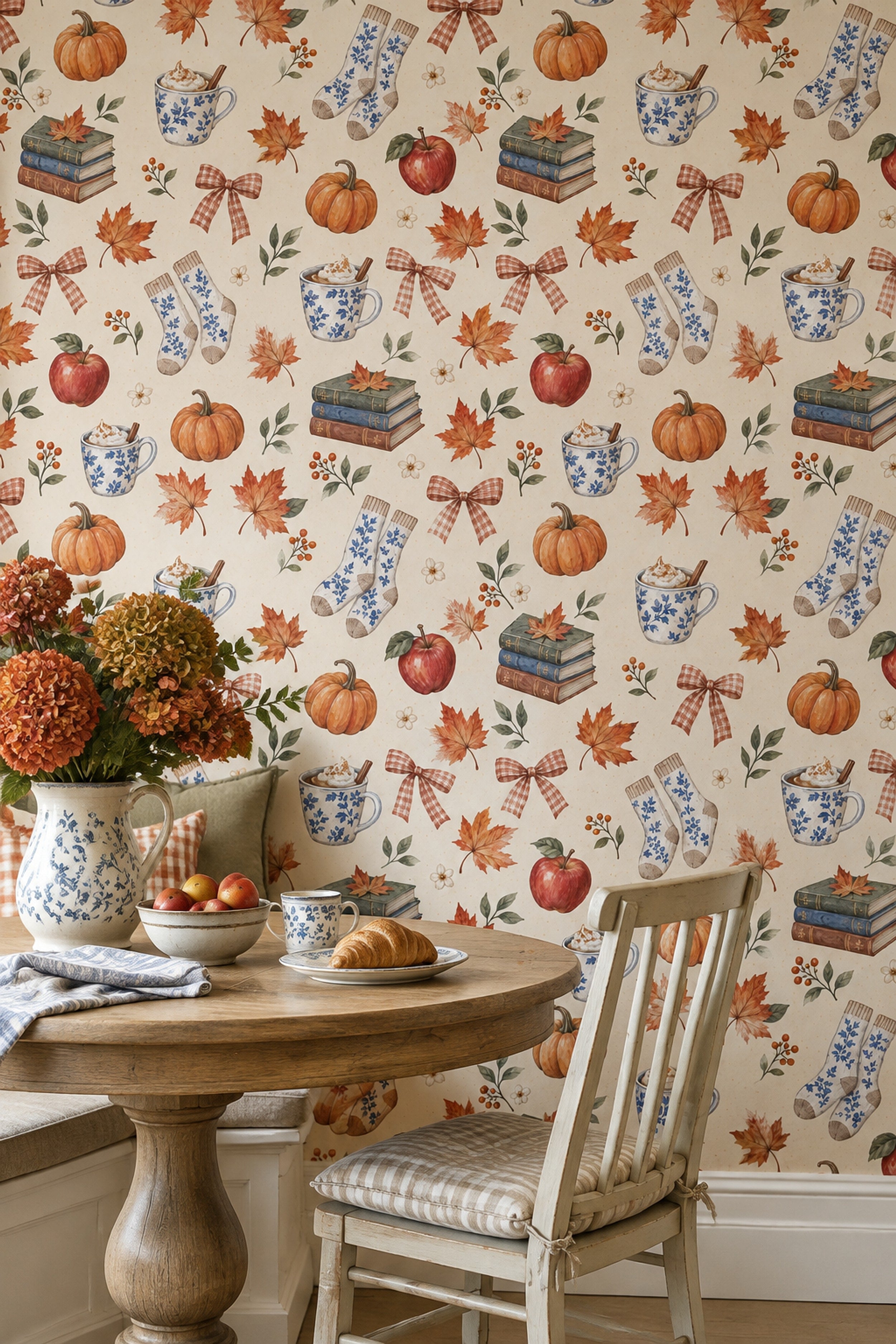
Kitchens are being treated more like living spaces, so kitchen wallpaper ideas are replacing plain paint to make kitchen-diners feel intentional, especially around banquettes and coffee corners. Designers are pairing wallpaper for kitchen areas with natural materials—oak shelves, stone-look worktops, and plaster-effect paint—to add depth without adding clutter. Kitchen Wallpaper also fits the current move toward layered neutrals (warm white, taupe, sage) instead of cool greys.
The big one is putting Kitchen Wallpaper where grease and steam hit daily—right behind the hob or next to the kettle—then wondering why it marks; keep those zones tiled or protected with a clear panel. Another mistake is choosing a high-contrast pattern when you already have busy worktops (like heavy marble veining); instead, pick a softer motif or a calmer colour like oatmeal, sage, or warm grey. If you’re using peel and stick wallpaper for kitchen, don’t place it on textured or recently painted walls—kitchen humidity can lift edges faster on imperfect surfaces.
VISUAL SEARCH
Upload a reference image and discover visually similar designs.
BEST MATCHES
PERSONALIZED DISCOVERY
Describe a look or let your room lead the search.
CURATED FOR YOU
The chat is taking longer than usual.
Email support@muralls.com