 Wallpaper
Moody Blue
From $23
Wallpaper
Moody Blue
From $23

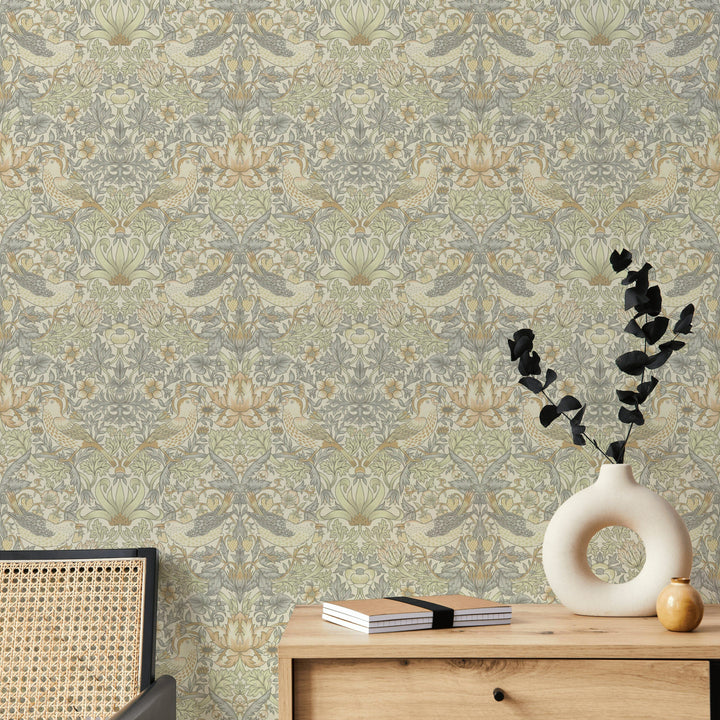
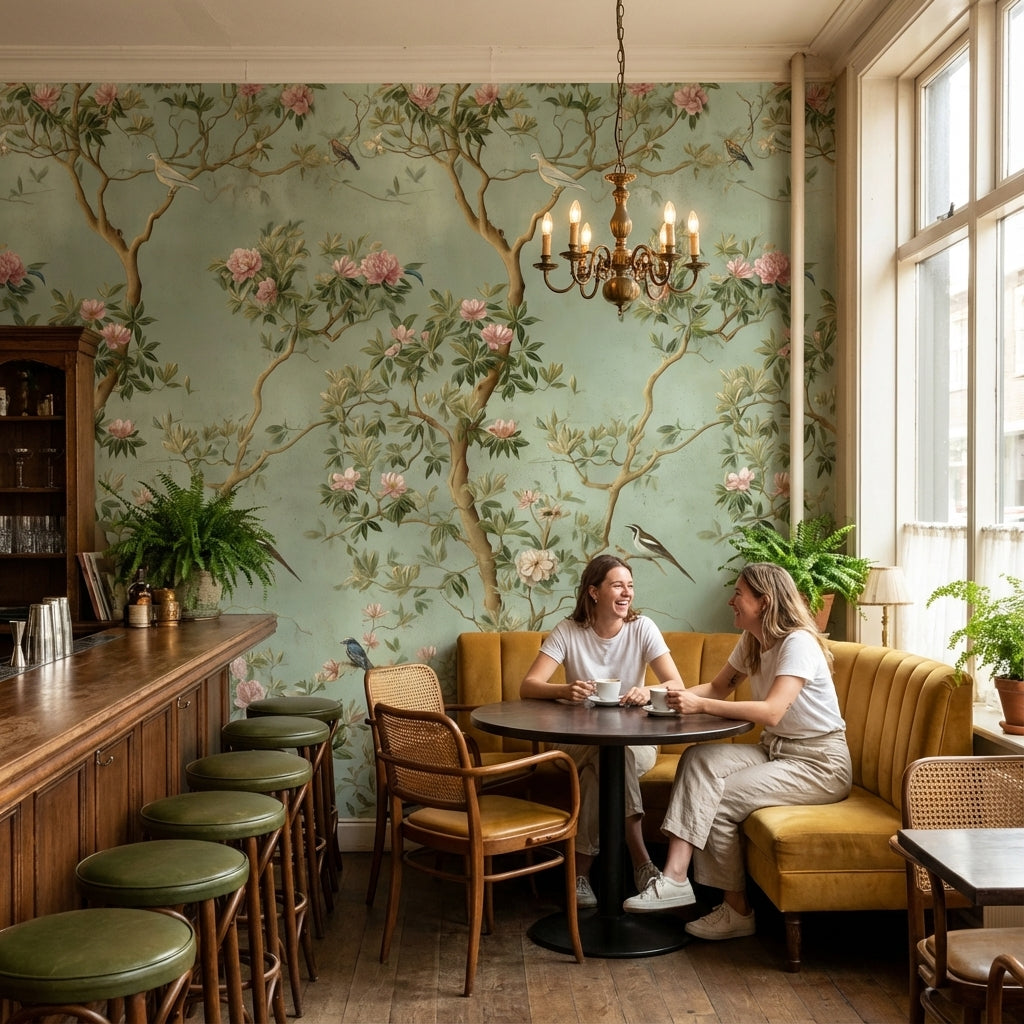
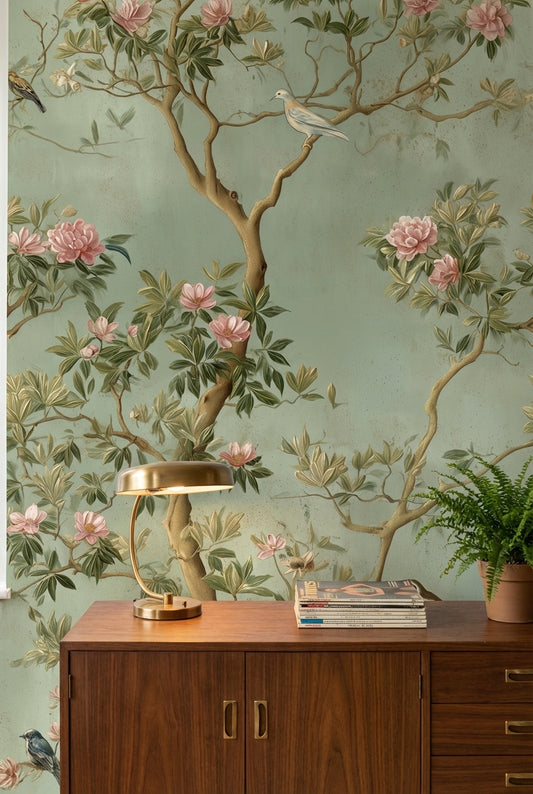
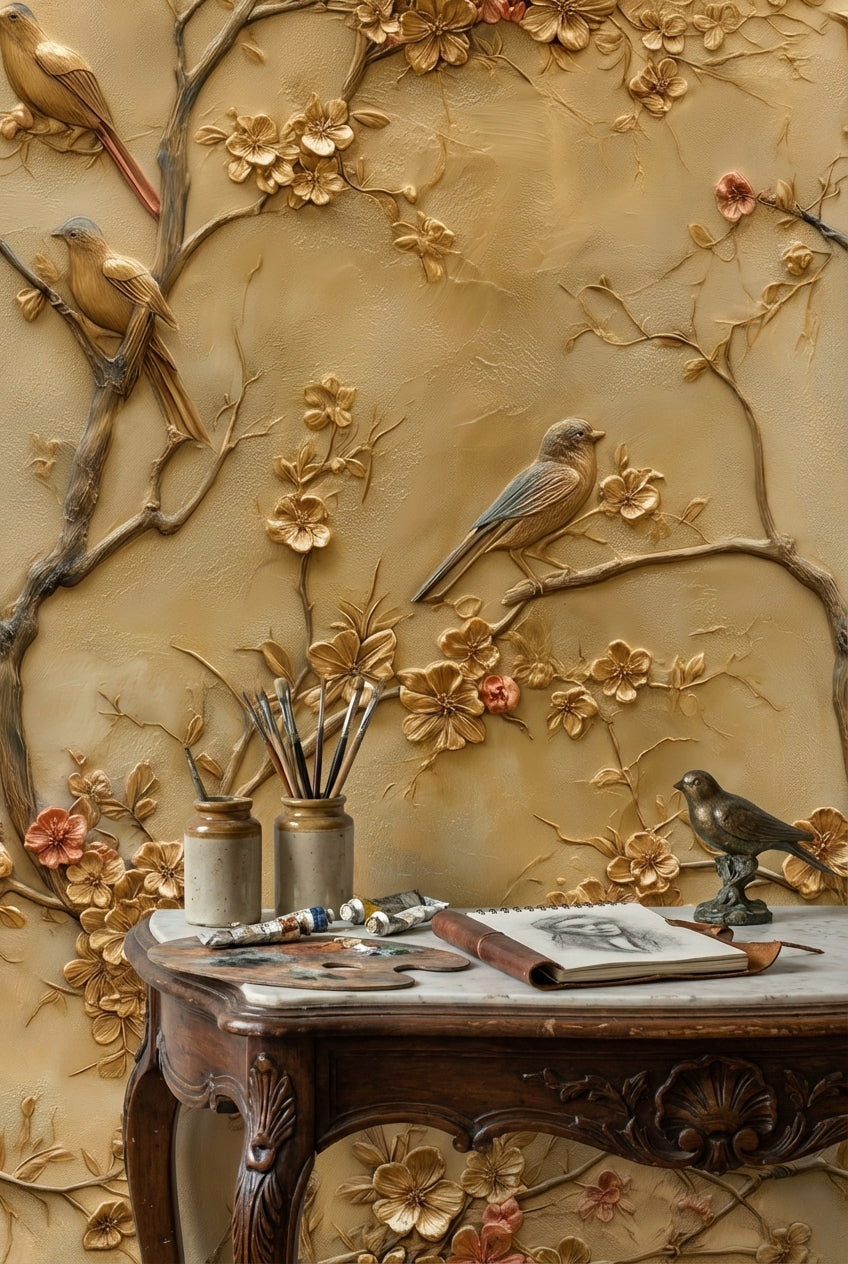
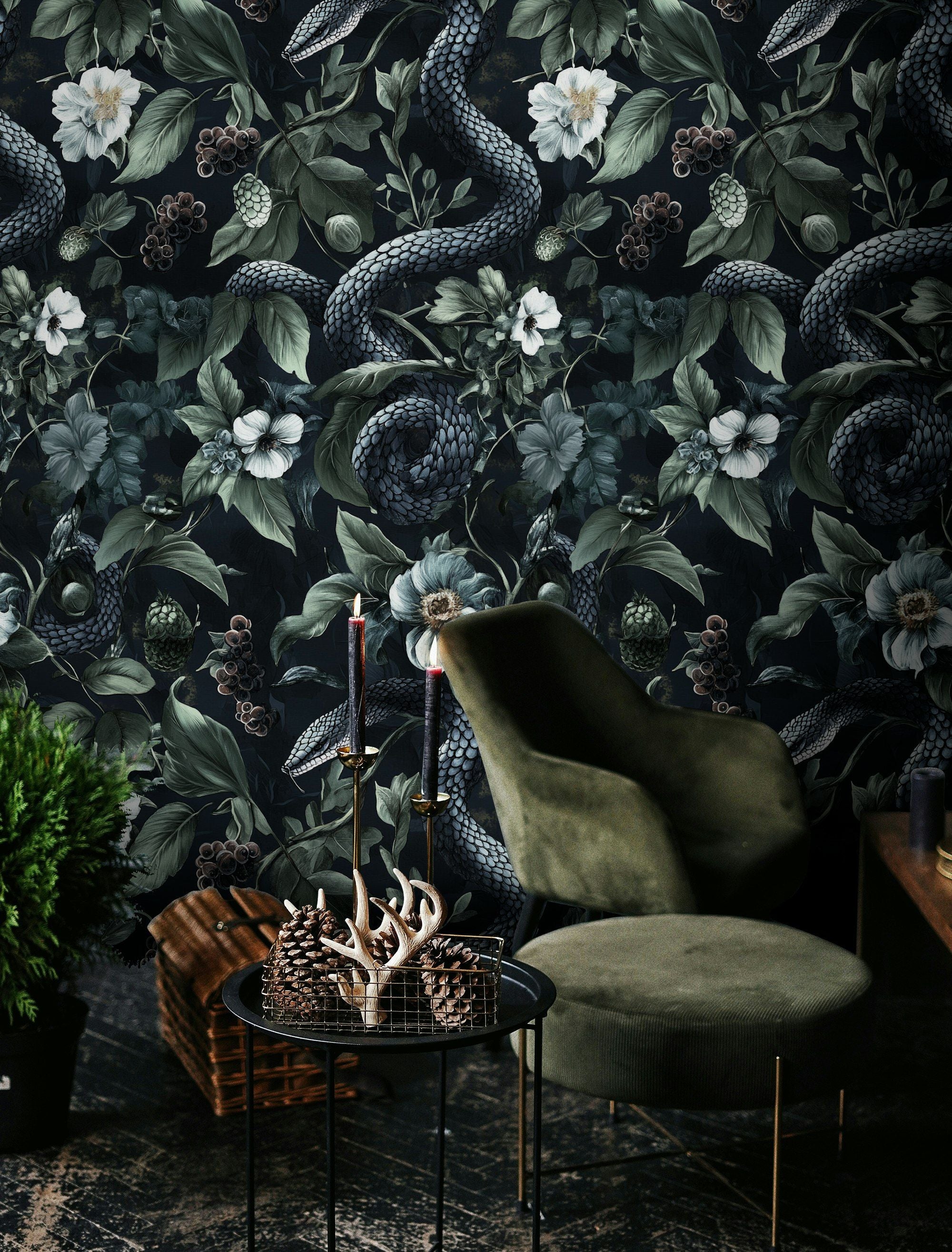
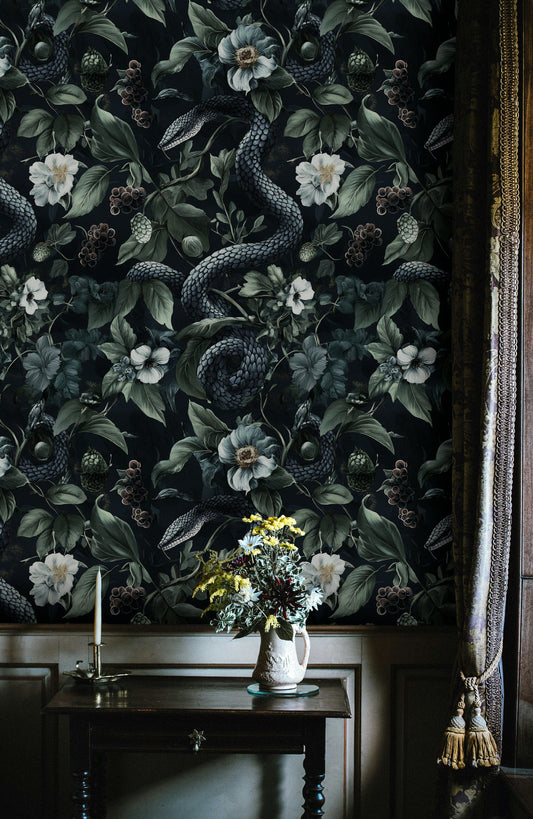
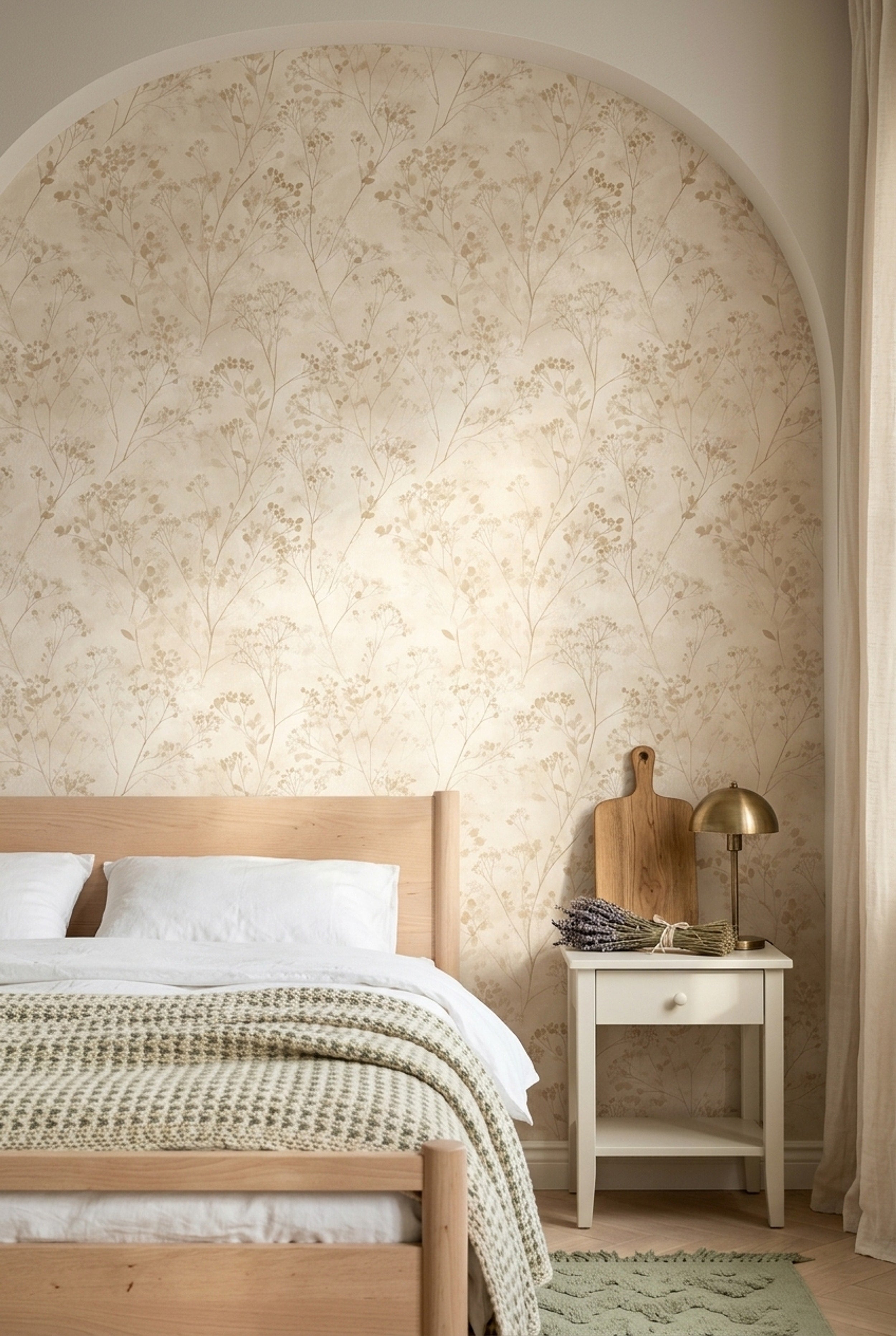
Place Botanical Wallpaper on the wall behind the bed in a main bedroom, where the leaf pattern can frame a low oak headboard and read clearly from the doorwa...
Place Botanical Wallpaper on the wall behind the bed in a main bedroom, where the leaf pattern can frame a low oak headboard and read clearly from the doorway. This is the position where Botanical Wallpaper gives the room a settled focal point without crowding the side walls, especially with white linen bedding and a moss green bench at the foot of the bed. For spaces that need moisture-friendly pattern placement, our Bathroom Wallpaper collection shows how leafy designs can sit neatly above half tile or behind a freestanding tub.
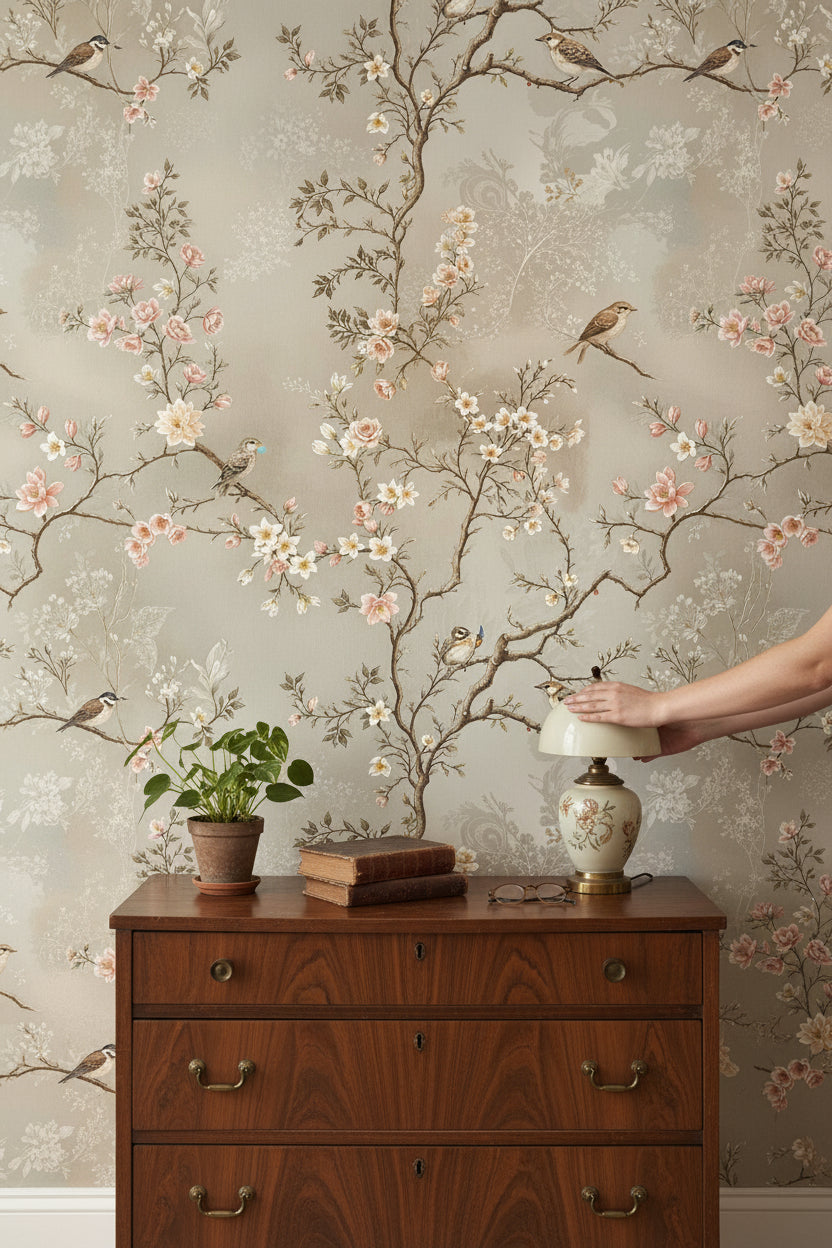
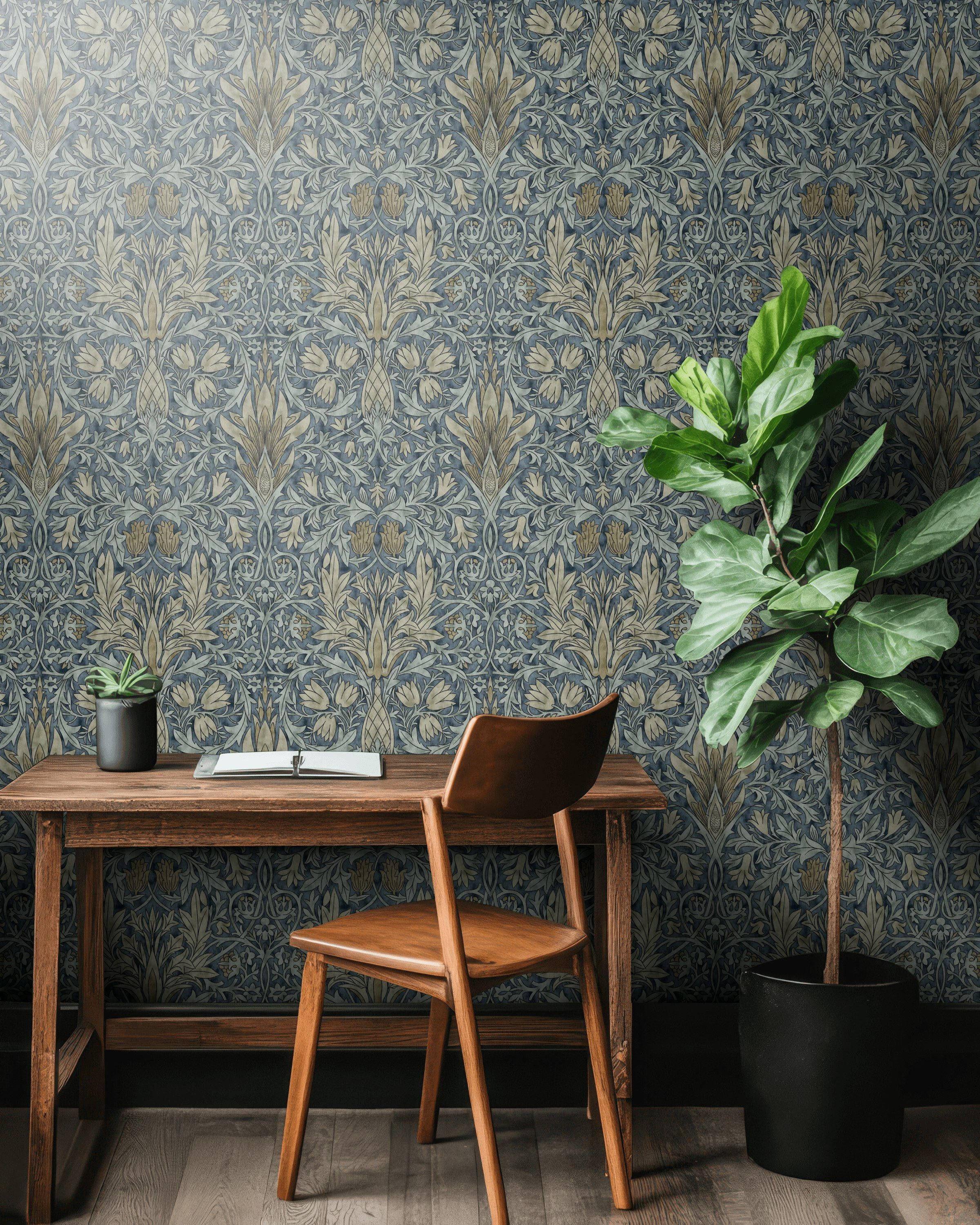
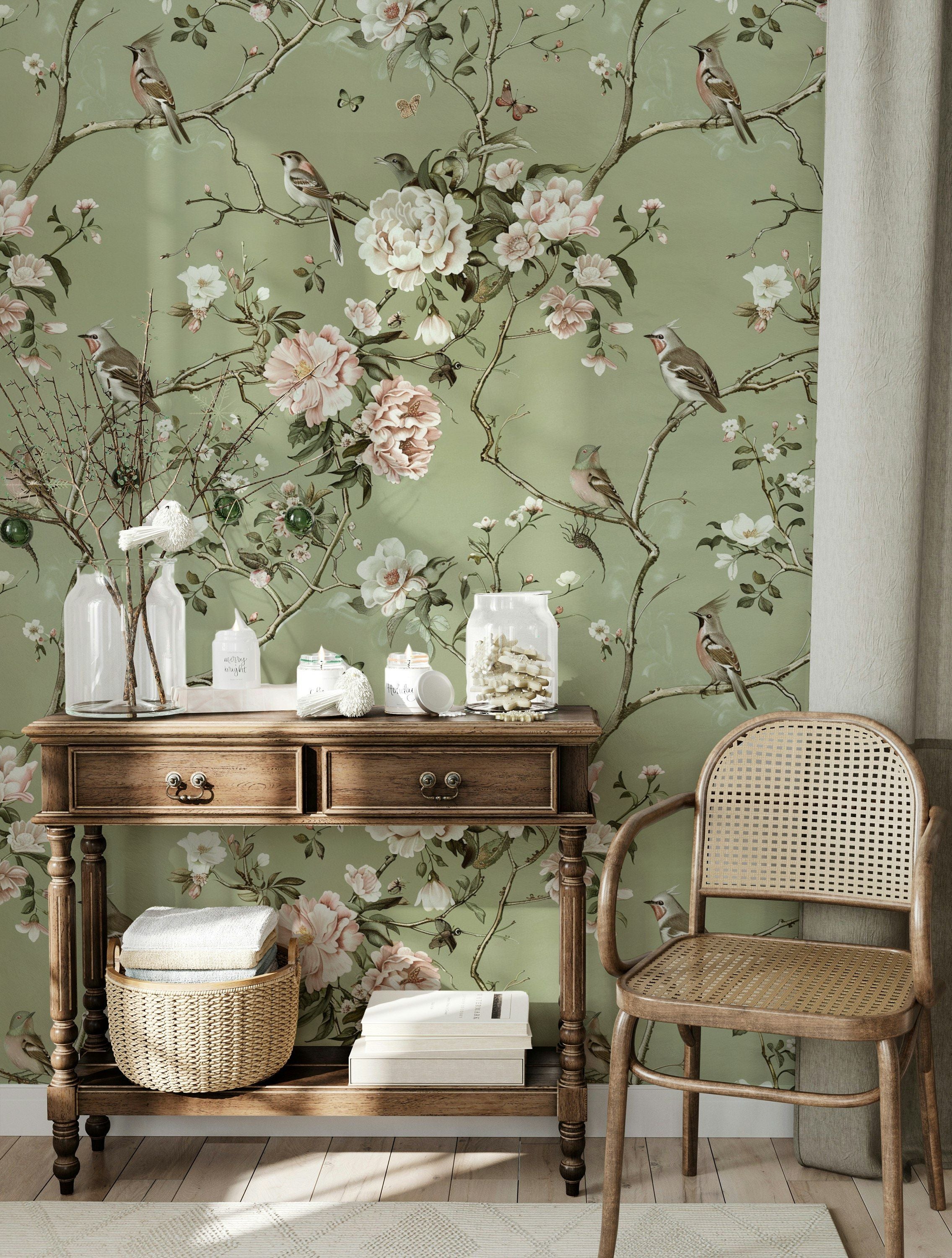
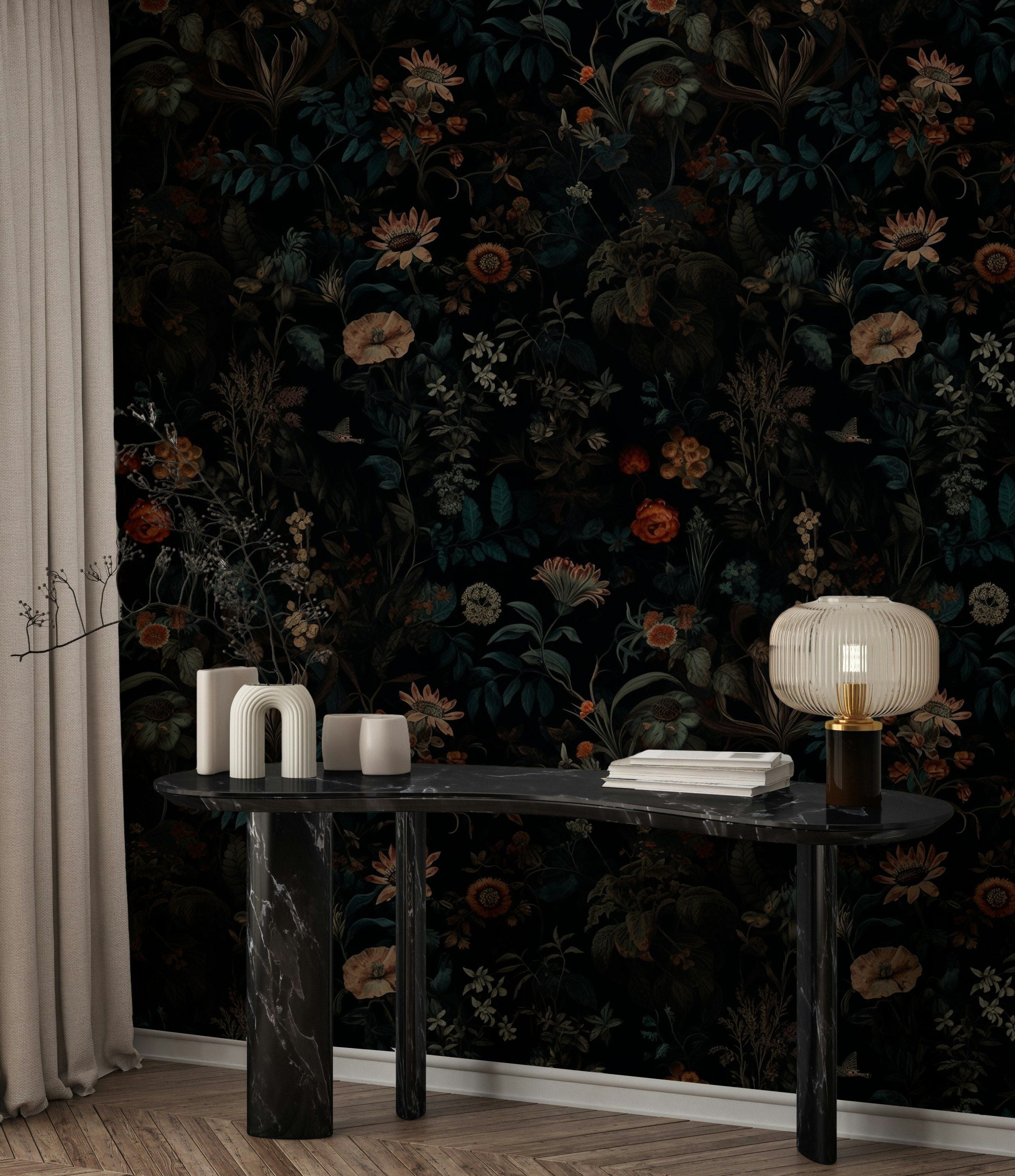
Botanical Wallpaper stands out through olive, sage, and eucalyptus undertones, with fern silhouettes, trailing stems, and painterly floral wallpaper flowers that create depth rather than a flat printed look. We pair Botanical Wallpaper with a walnut dresser, a cream boucle chair, and matte black bedside sconces, while rooms that lean greener can pull from our Olive Green Wallpaper edit for a closer match in tone. For a more room-specific starting point, the guide to Botanical Wallpaper For Bedroom breaks down scale, placement, and color direction for bedroom walls with morning and evening light.
In living rooms, Botanical Wallpaper reads strongest on the wall behind the sofa or on the chimney breast, where the branching pattern sits cleanly between shelving and gives you a true statement wall without covering the whole room; our Statement Wallpaper For Living Room guide shows how to handle that placement with sectionals, media units, and artwork. If you prefer a larger mural wallpaper layout with oversized foliage, see Botanical Wall Murals. We offer custom sizes for precise wall widths, paste-the-wall installation for a cleaner fit, and ships worldwide, so Botanical Wallpaper works for full-height bedroom walls, reading nooks, and even wallpaper for walls in guest rooms where lively wallpaper is needed without a loud palette. For styling direction, read Botanical Wallpaper Trends Inspired by Nature, and for denser tropical layouts with a jungle feel, the article on Jungle Wallpaper Trends for Bold Interior Design is a useful next step.
Based on designs you explored, with fresh finds mixed in.
24 / 852
Load more— NEED HELP?
Can't find what you're looking for? Our team replies within 4 working hours, Mon–Fri.
Botanical Wallpaper leans on recognizable leaves and plant structures—think monstera splits, fern fronds, eucalyptus stems, and palm fans—often shown as repeated sprigs rather than big bouquet clusters. If you see labeled “specimen” layouts or vintage plate-style drawings, you’re in vintage botanical peel and stick wallpaper territory; if it’s mostly petals and blossoms, it’s more floral botanical wallpaper than true botanical. Look for leaf-forward patterns in olive green, sage, deep emerald, or inky charcoal to keep the plant theme front and center.
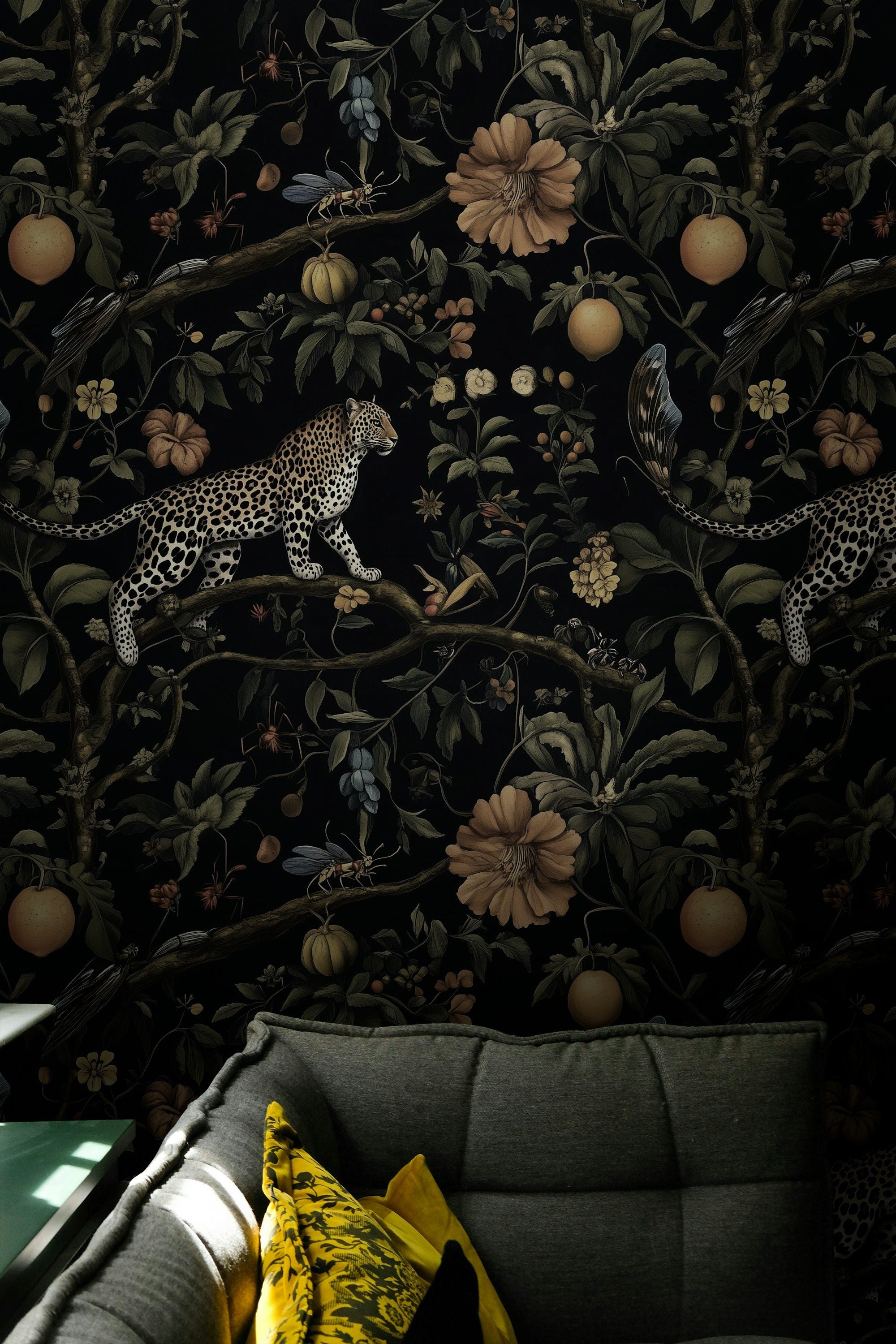
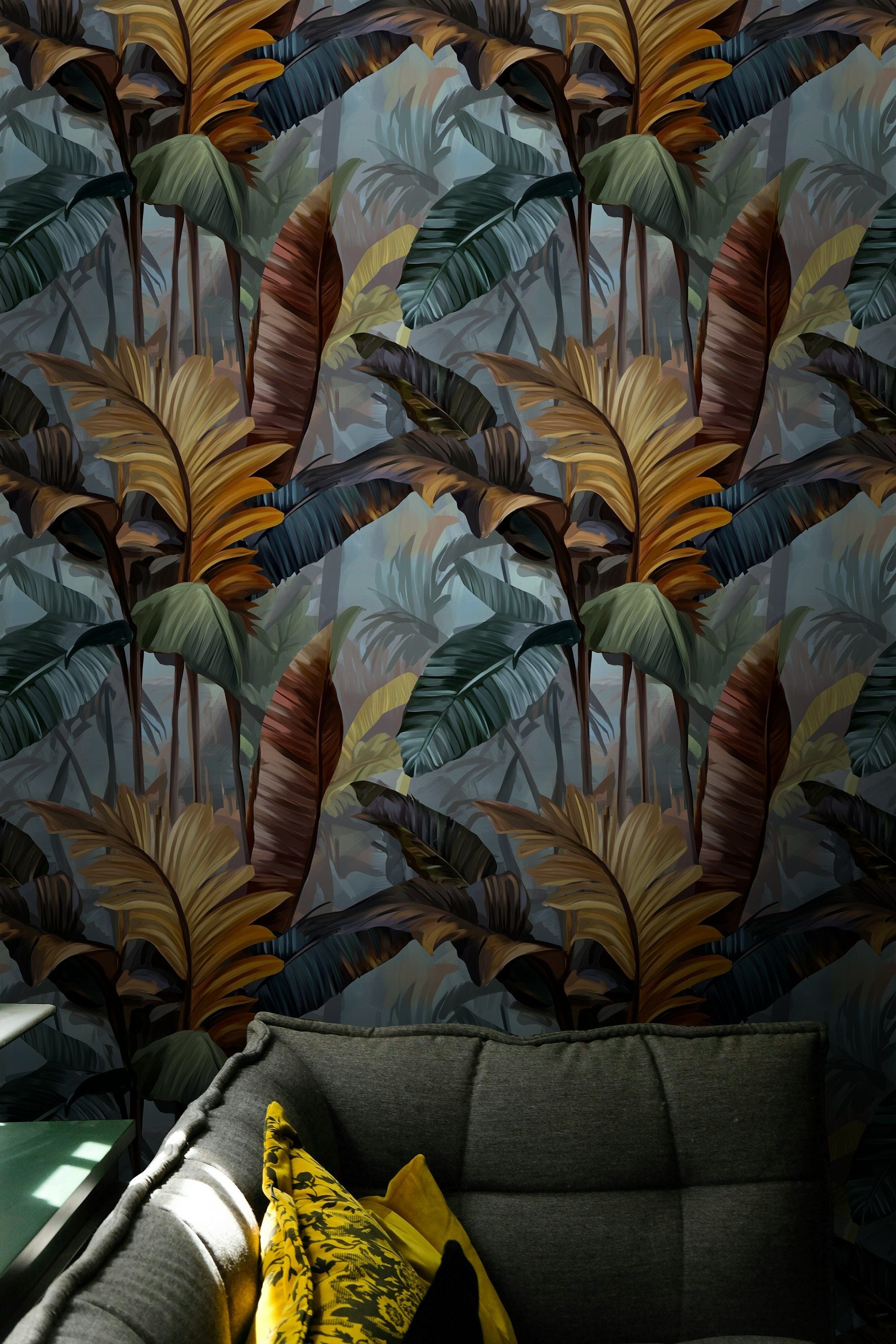
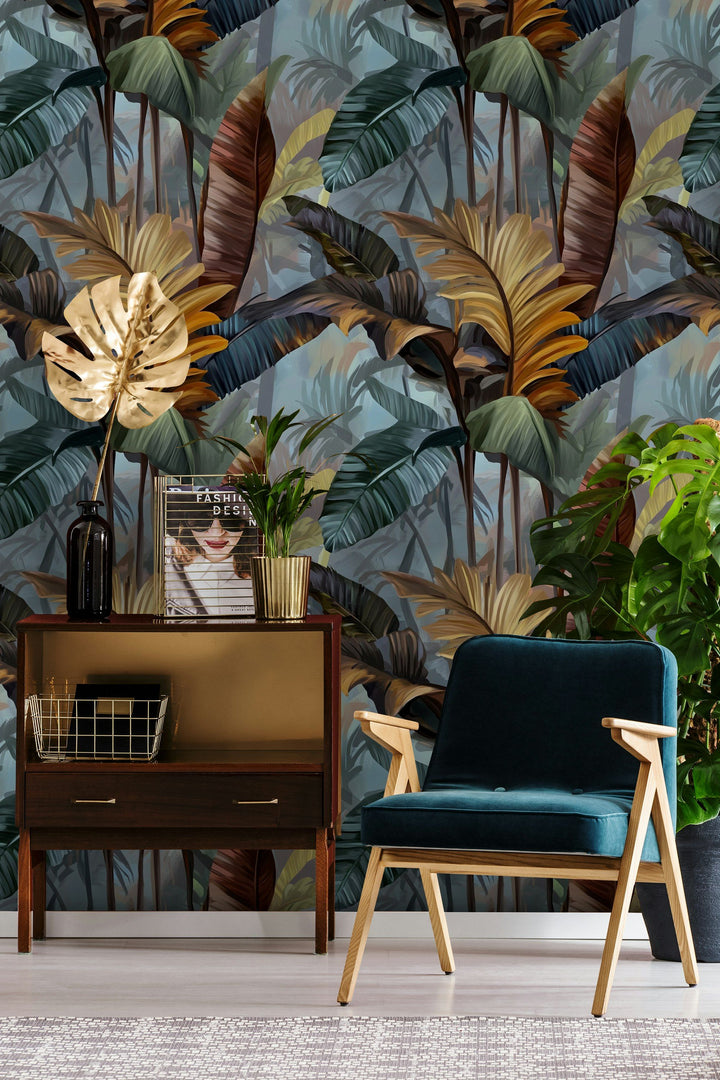
Tropical motifs (banana leaf, palm, monstera) read bold and energetic, so they suit a powder room or bar nook where you want impact—try a dark botanical peel and stick wallpaper in deep green with black accents. Temperate botanicals (fern, ivy, wildflower stems, eucalyptus) feel calmer and work well in bedrooms and home offices, especially in soft sage, linen, or warm greige. If your room already has rattan, cane, or teak, tropical prints click; if you have oak, wool, and matte black hardware, temperate prints usually look more natural.
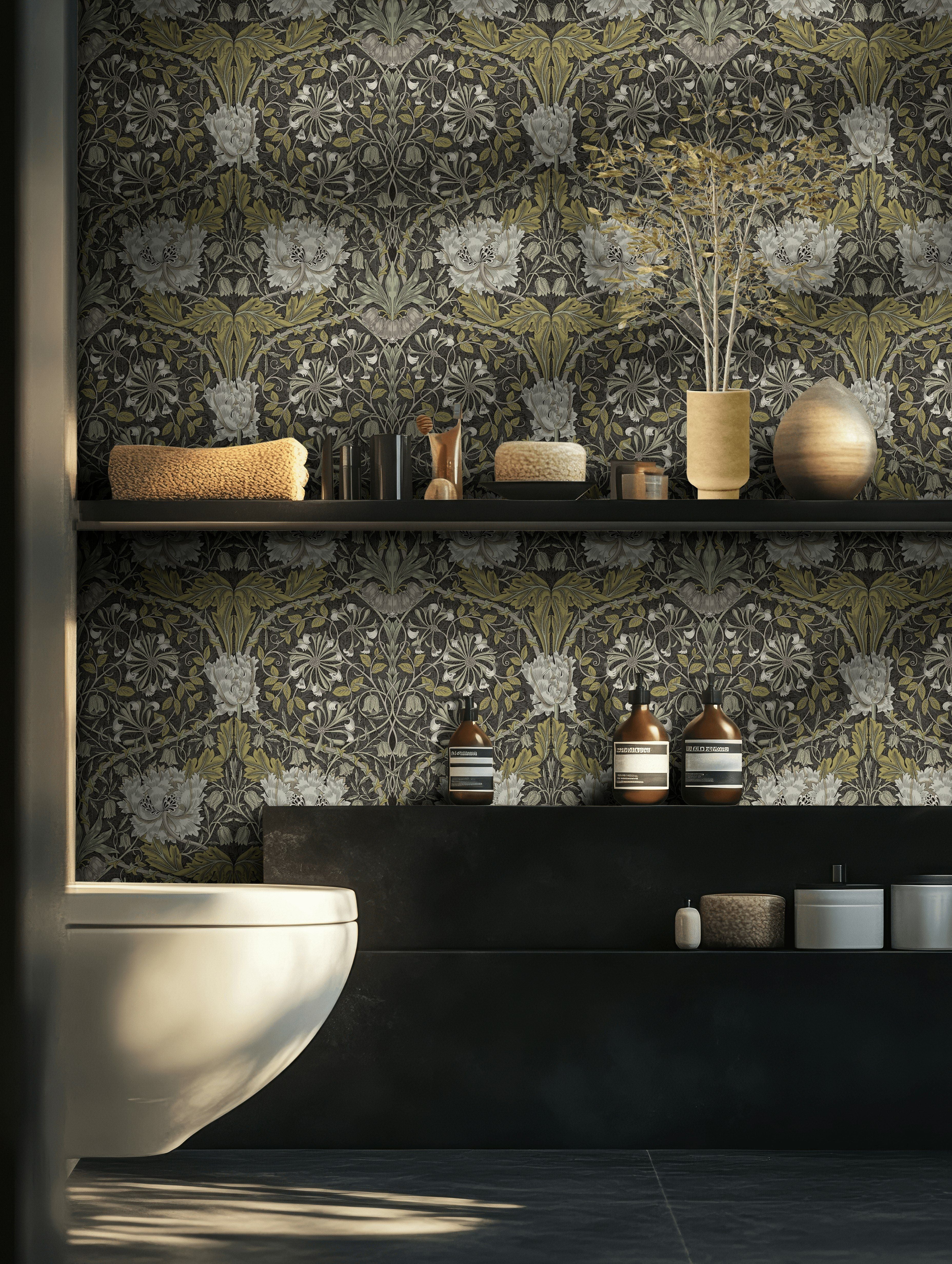
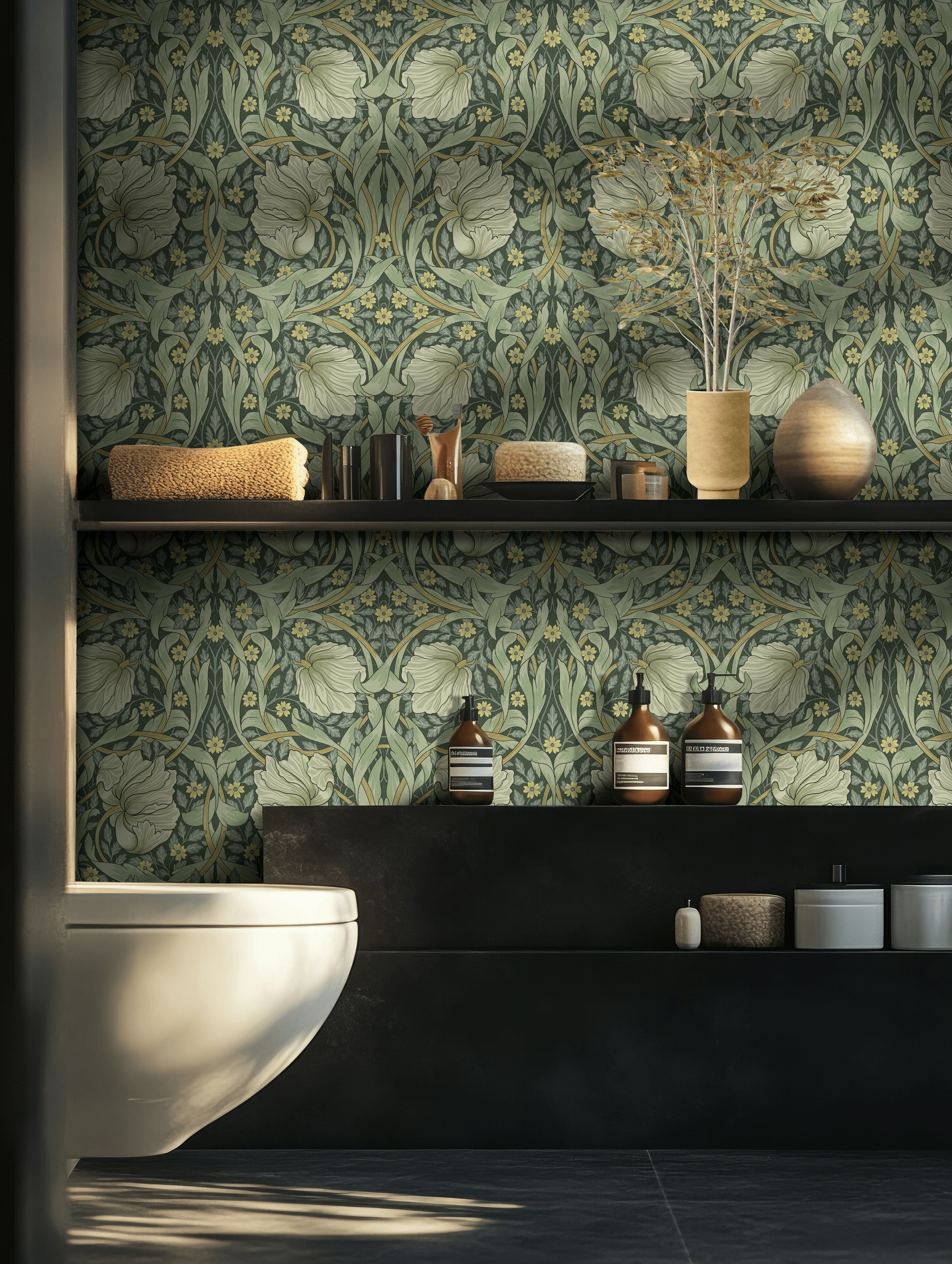
A botanical wallpaper bathroom is one of the best matches because greenery patterns bring spa energy and pair well with white subway tile and brushed brass. In a small bath (around 5'×8'), do one accent wall behind the vanity to avoid visual crowding; in a larger primary bath, you can wrap all walls with a smaller-scale leaf repeat. For a playful option, put peel and stick botanical wallpaper on the ceiling above a freestanding tub and keep the walls a soft warm white.
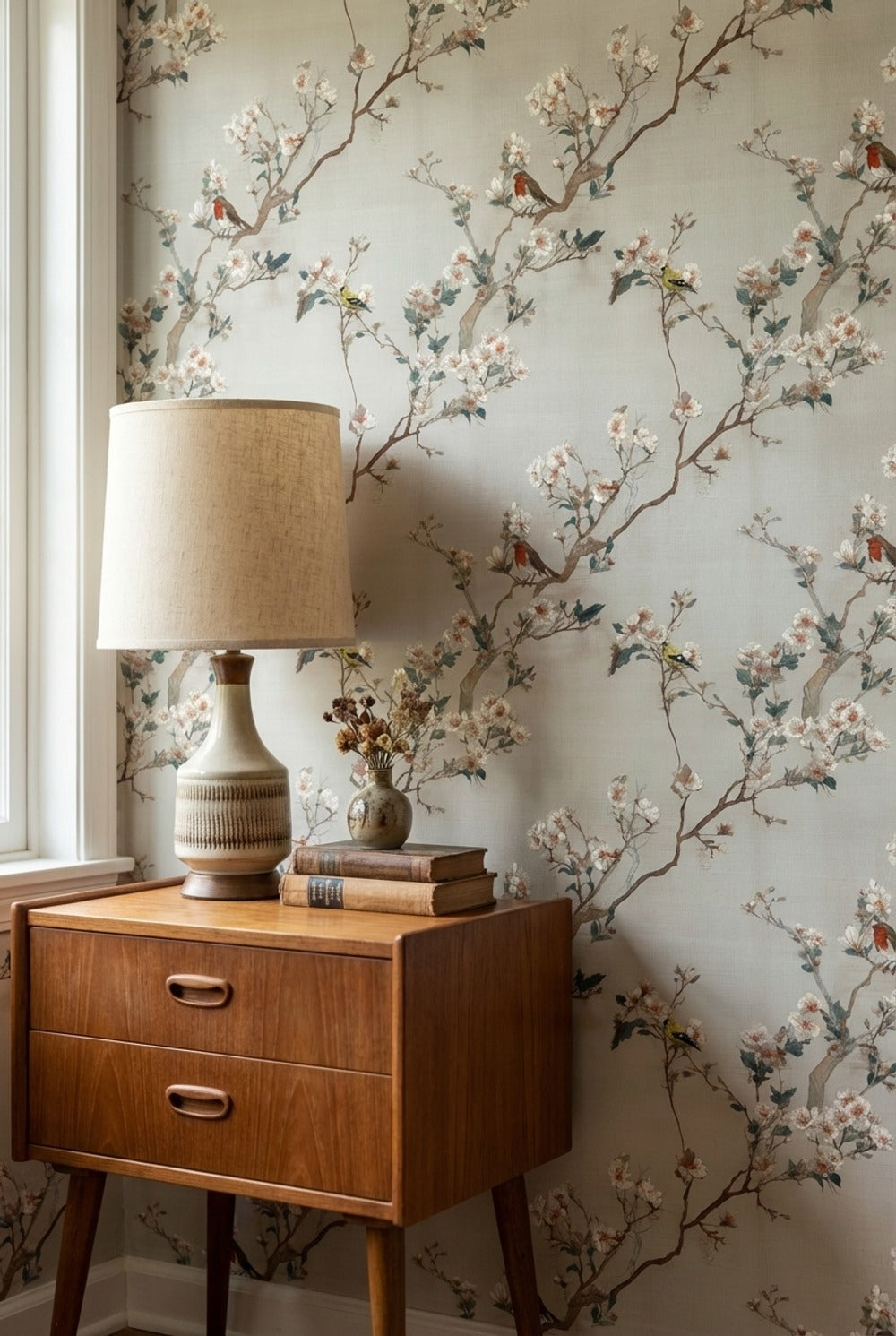
Botanical Wallpaper pairs easily with mid-century pieces (a walnut credenza, tapered legs) and with Scandinavian rooms when you keep the palette to sage, off-white, and light oak. It also works with traditional spaces if you choose floral and botanical wallpaper in a vintage engraved style and add aged brass picture lights. What tends to clash is high-gloss ultra-modern rooms with loud neon accents—those compete with organic leaf shapes and make the pattern feel busy.
For leafy prints, start with natural textures: a cane-back chair, a walnut nightstand, and a travertine or white marble side table keep the room grounded. Add textiles like oatmeal linen curtains, a boucle bench in cream, and a jute or sisal rug to echo the plant theme without adding more pattern. If you’re using botanical wallpaper peel and stick with a dark background, balance it with matte black frames and a warm leather lounge chair in cognac.
Go accent wall when the print is large-scale (oversized palms) or the room is under 10'×10'—a single wall behind the bed or sofa reads intentional without shrinking the space. Wrap all walls when the pattern is small-to-medium (ferns, sprigs, vintage plates) and you want a cozy envelope effect; botanical peel and stick wallpaper is a common choice for this because it’s easier to change later. For durability, pick a wipeable peel and stick wallpaper botanical option in high-traffic spots like hallways and kids’ rooms, and plan on gentler cleaning (soft cloth, mild soap) in low-traffic bedrooms to keep the print crisp for years.
VISUAL SEARCH
Upload a reference image and discover visually similar designs.
BEST MATCHES
PERSONALIZED DISCOVERY
Describe a look or let your room lead the search.
CURATED FOR YOU