Wallpaper
Botanical Wallpaper Floral
From $23
Wallpaper
Botanical Wallpaper Floral
From $23

You’ve narrowed your search to Wallpapers, so let’s make a decisive move: in a living room, I’d put Wallpapers on the wall behind the sofa (the one you see f...
You’ve narrowed your search to Wallpapers, so let’s make a decisive move: in a living room, I’d put Wallpapers on the wall behind the sofa (the one you see first when you walk in). That placement lets the pattern read at full scale and keeps the rest of the room calm and usable. If your goal is a sleep-forward scheme, I’d pull the same design family into the headboard wall and then fine-tune the tone using Bedroom Wallpaper as a reference point for scale and contrast.
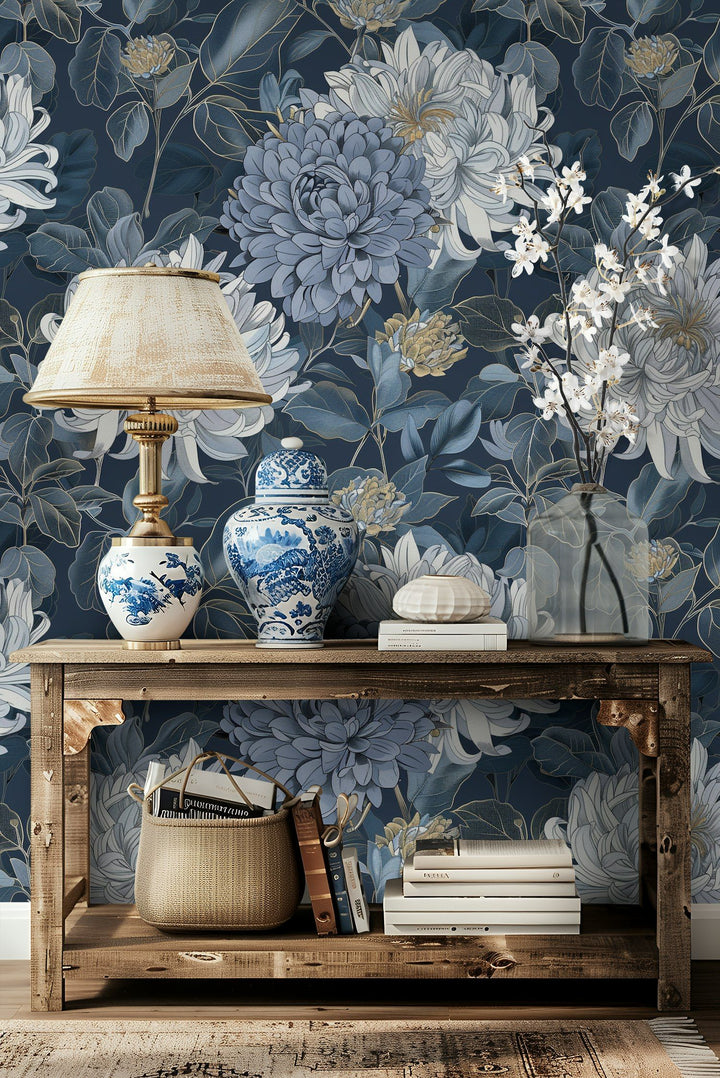
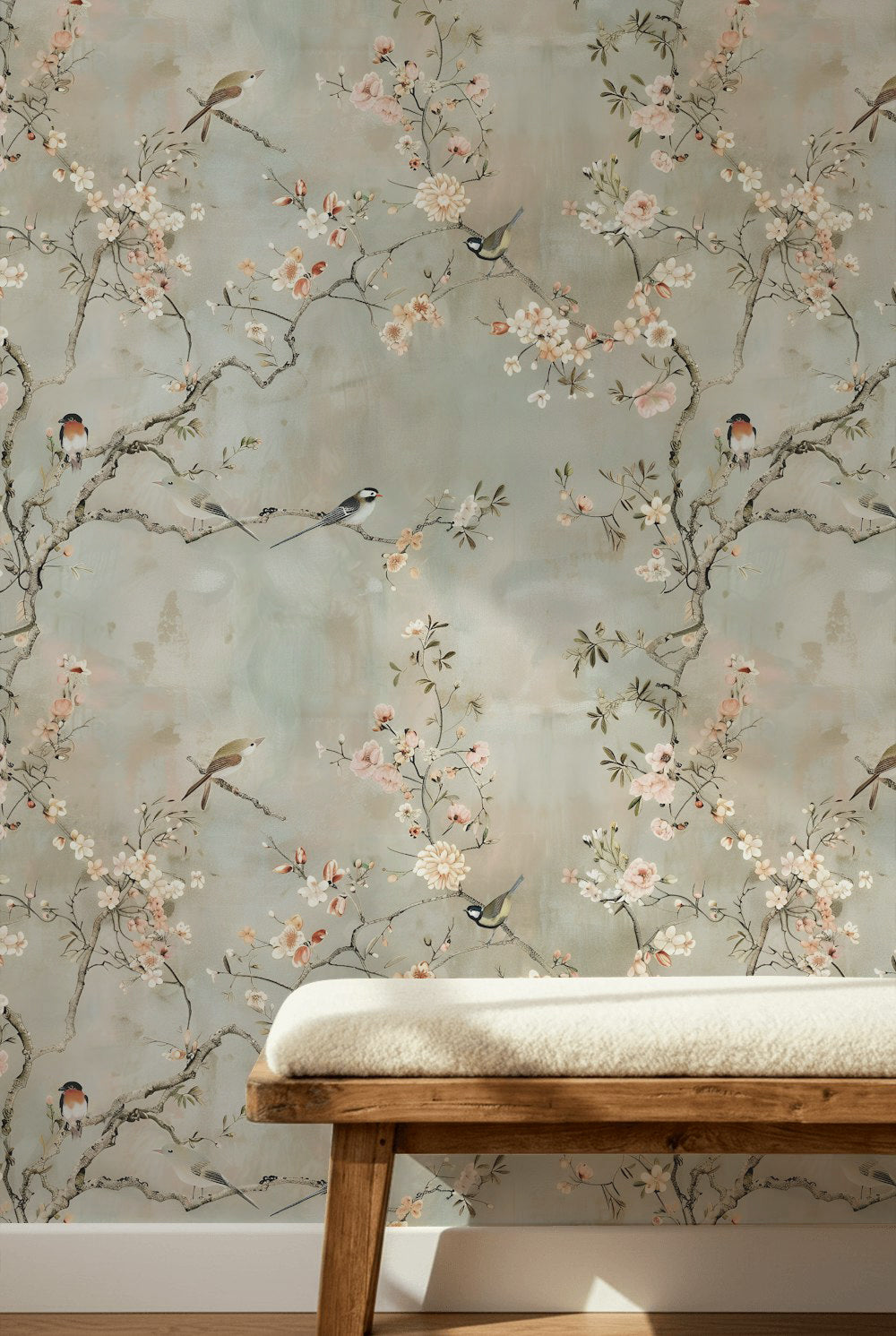
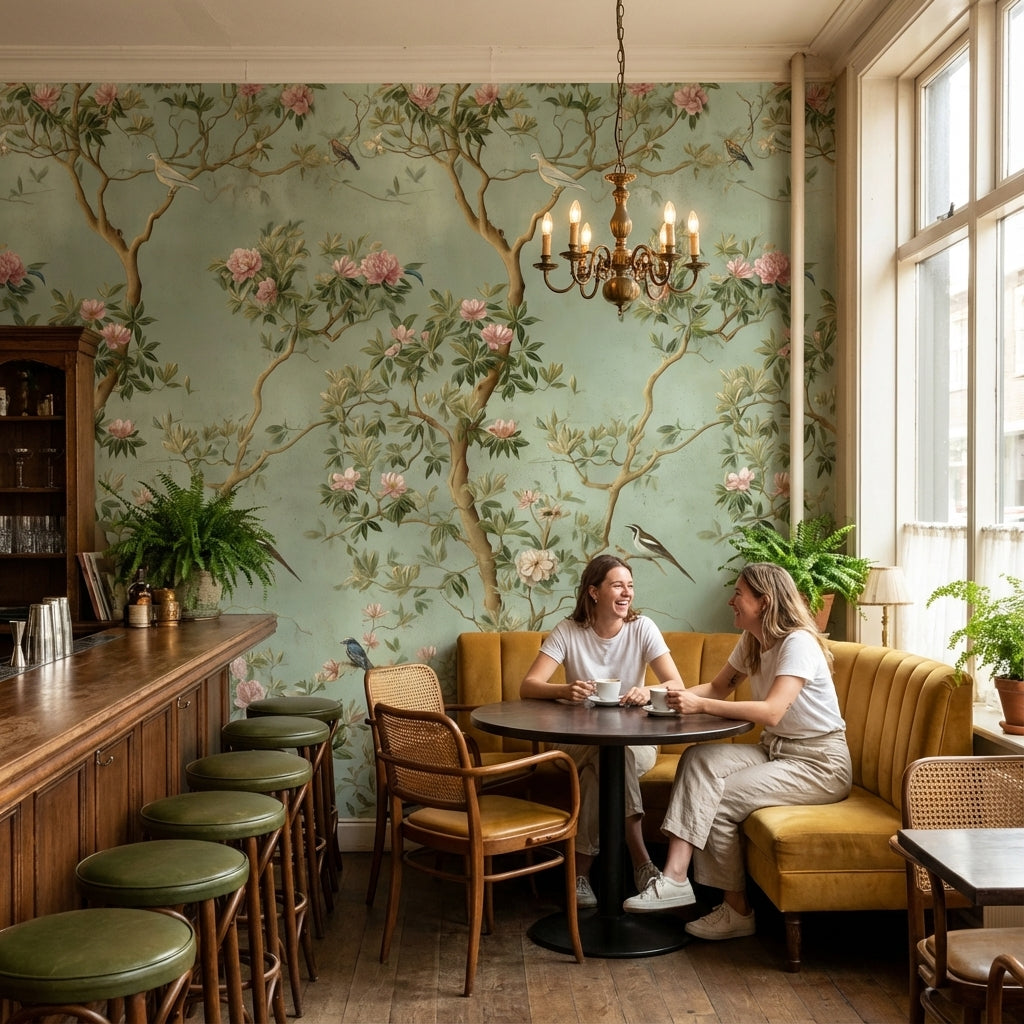
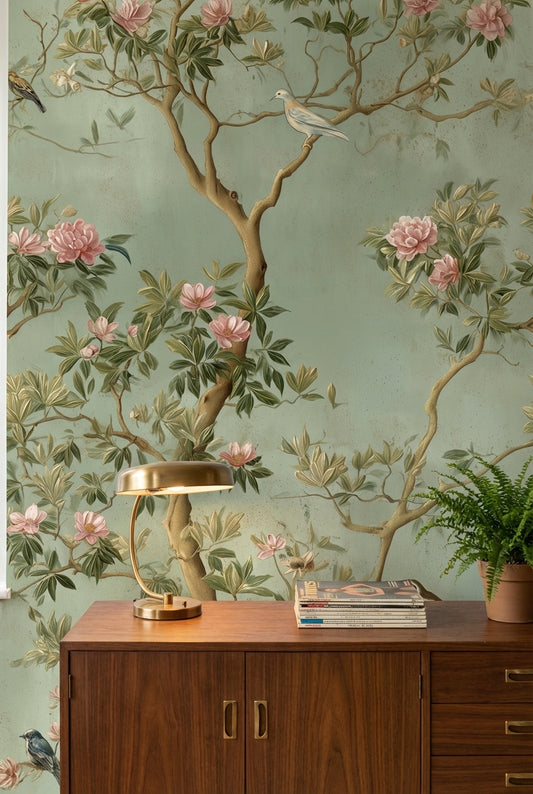
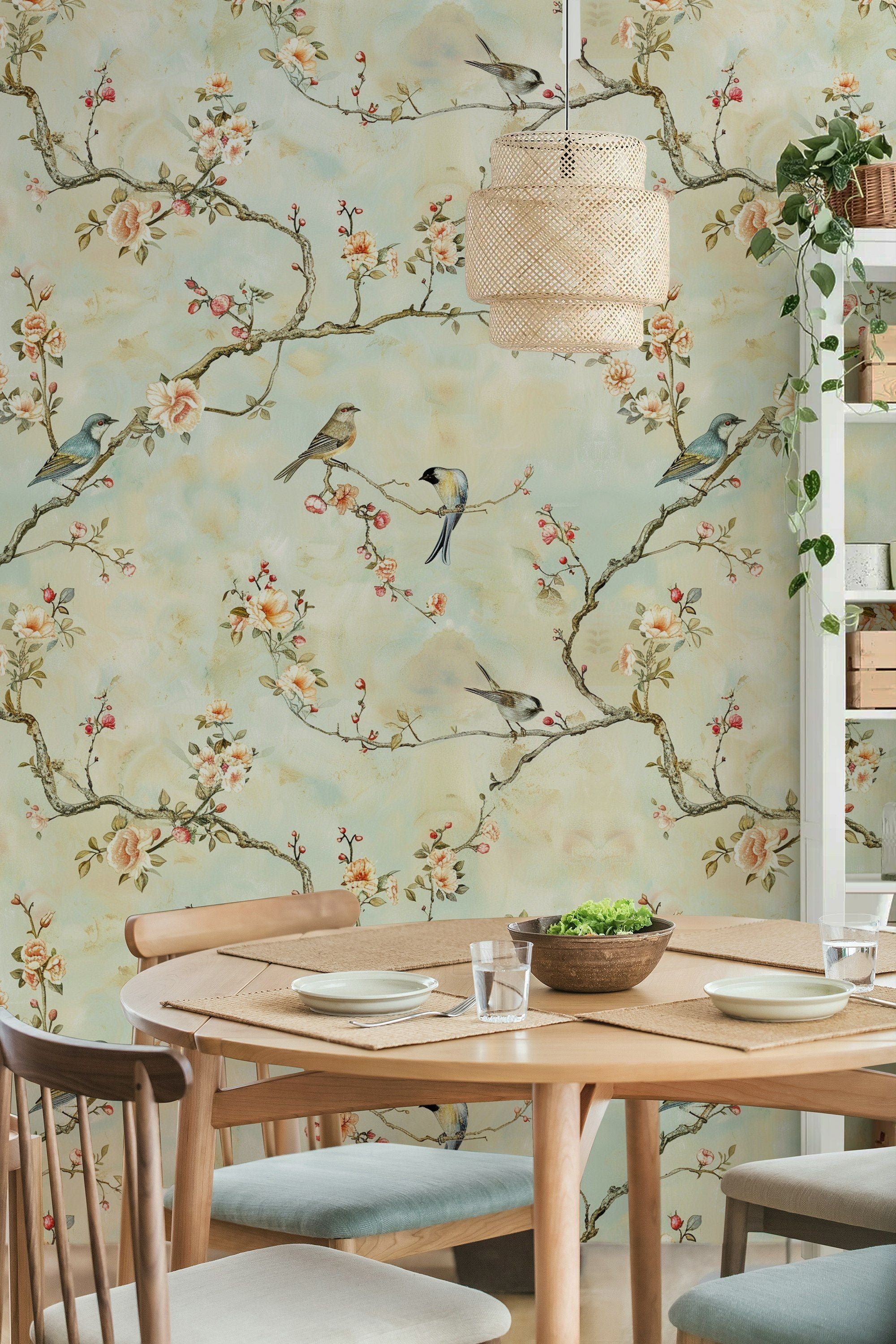
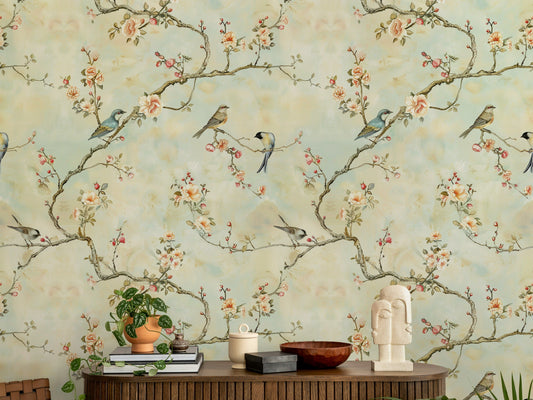
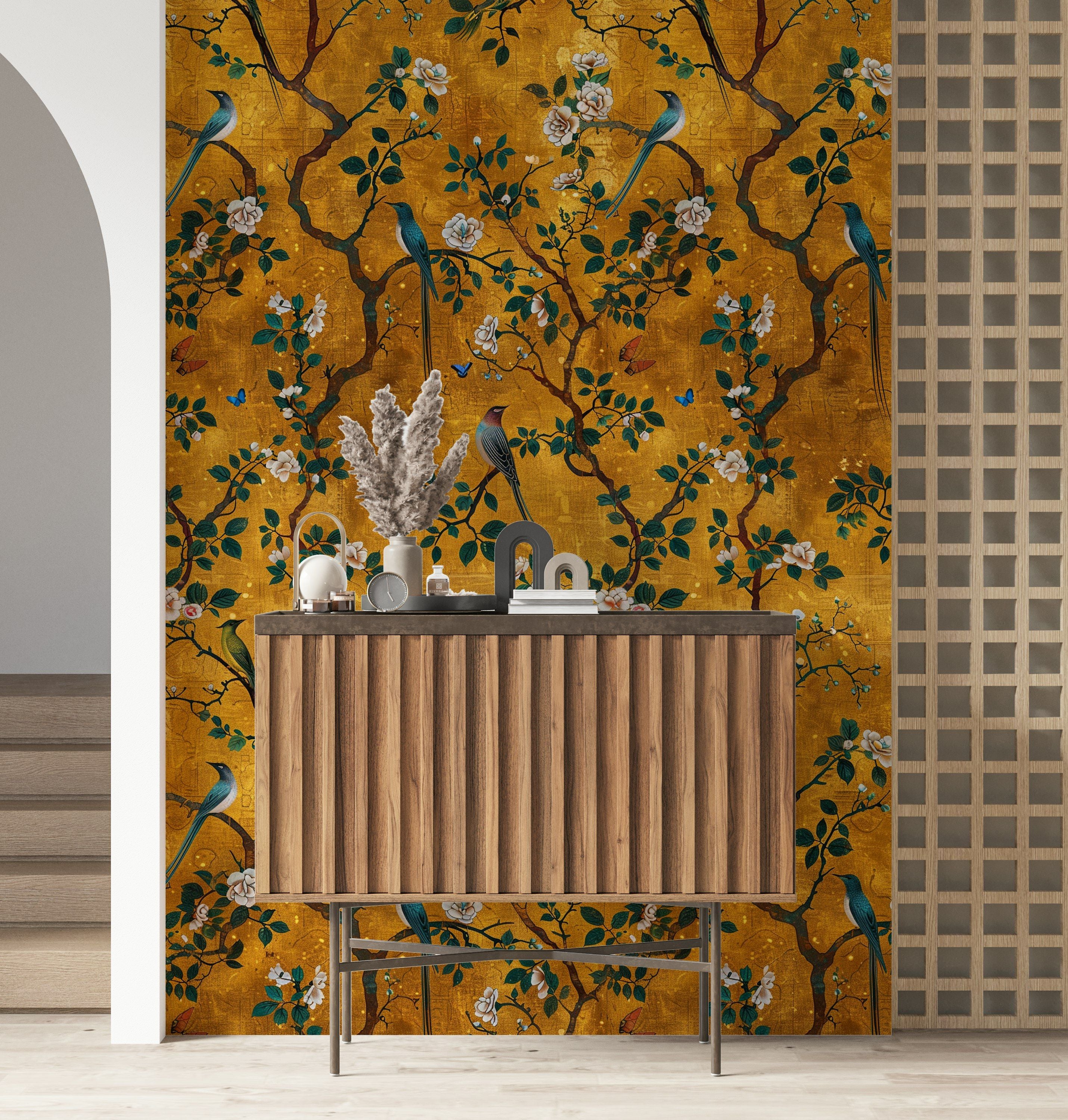
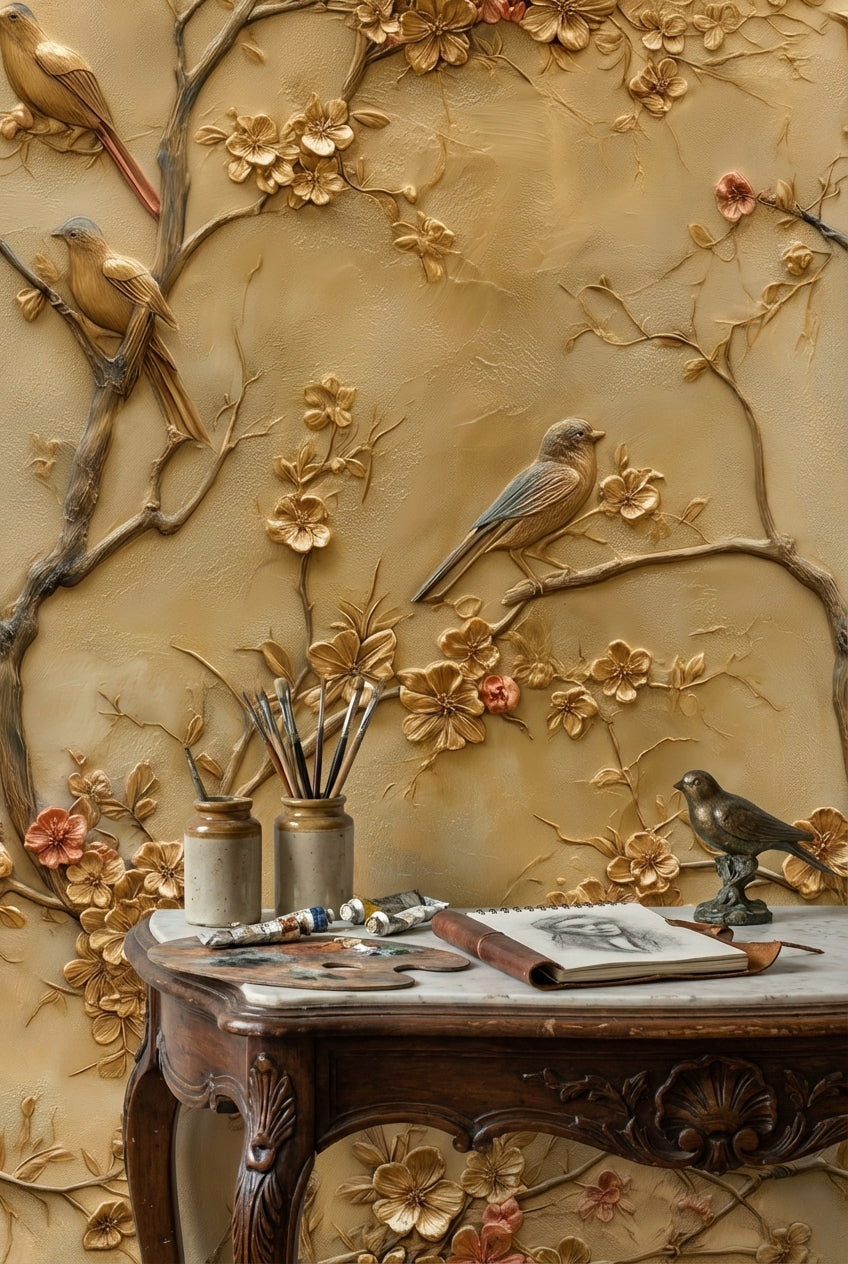
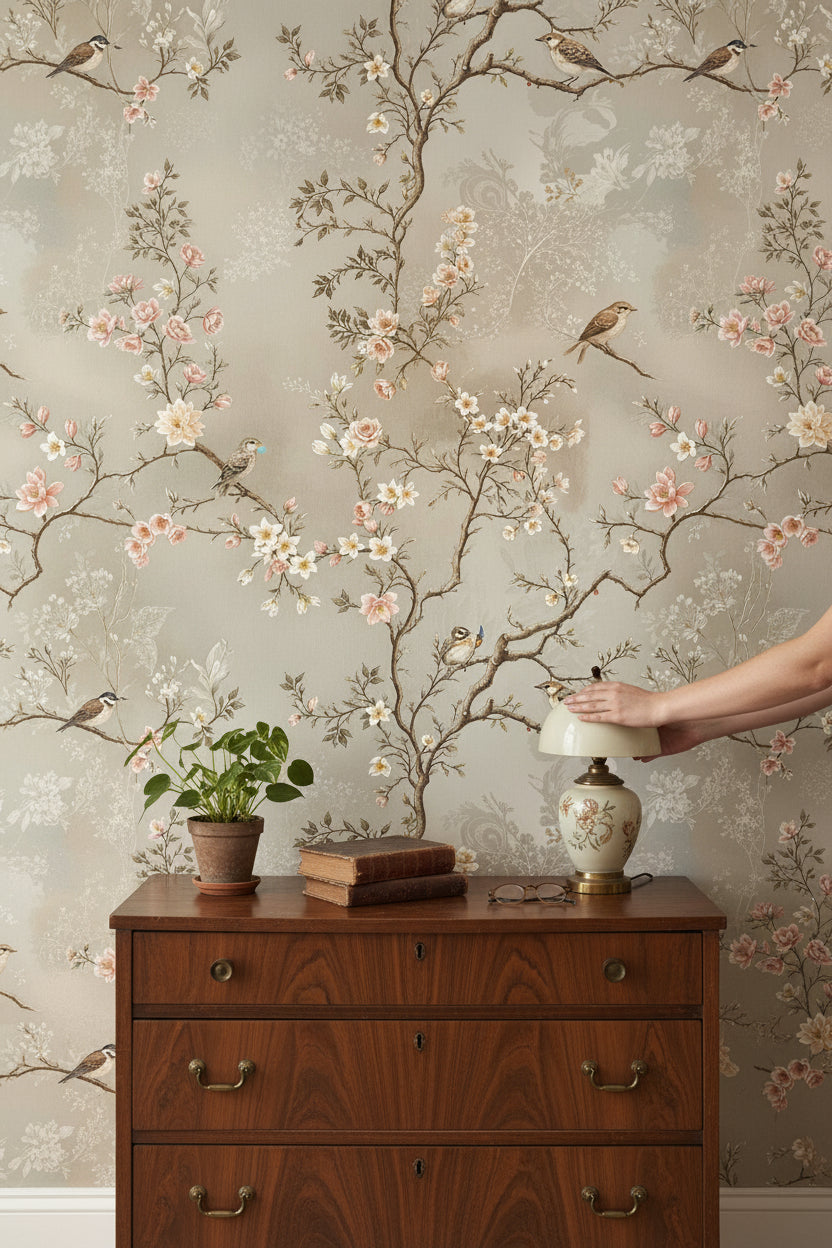
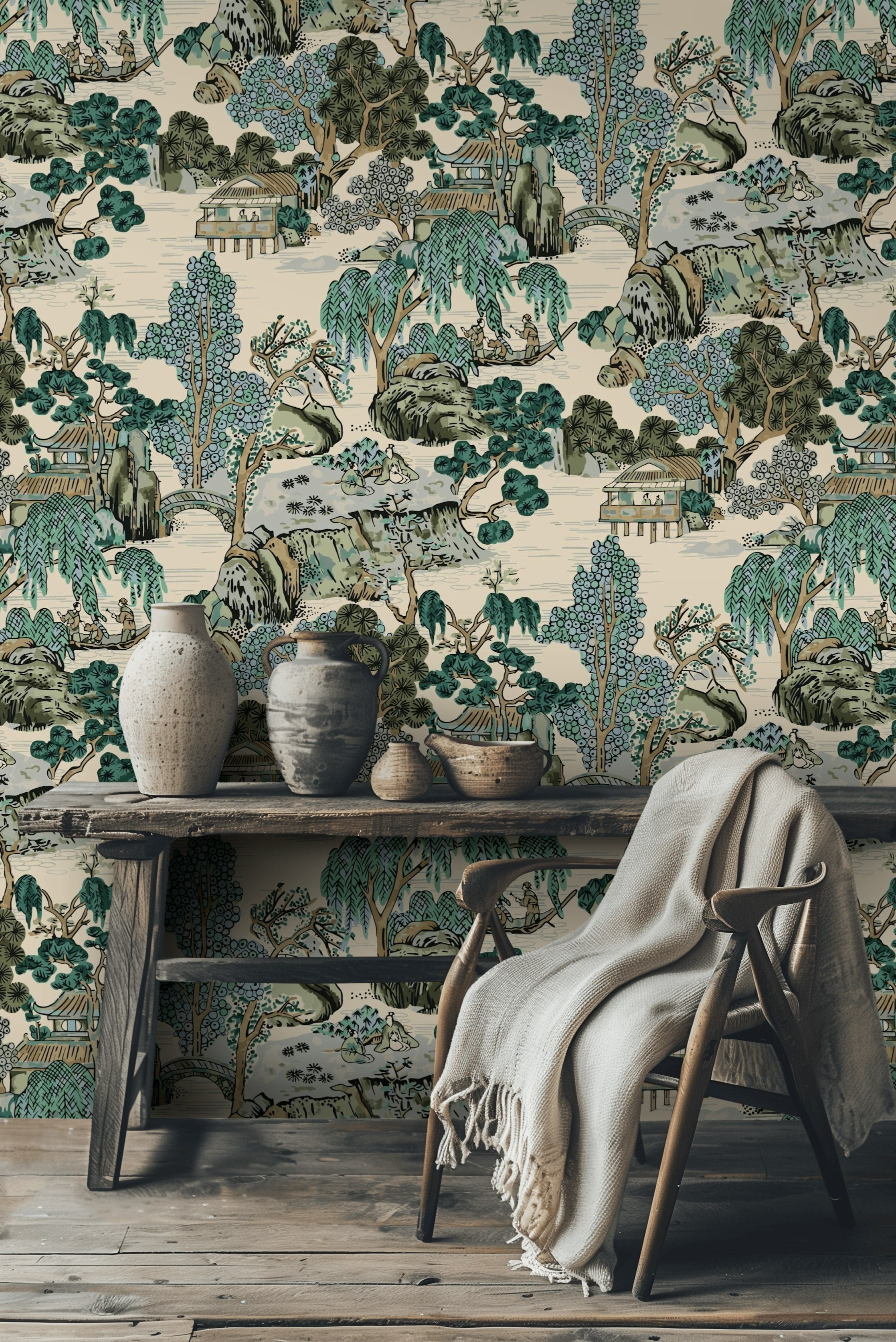
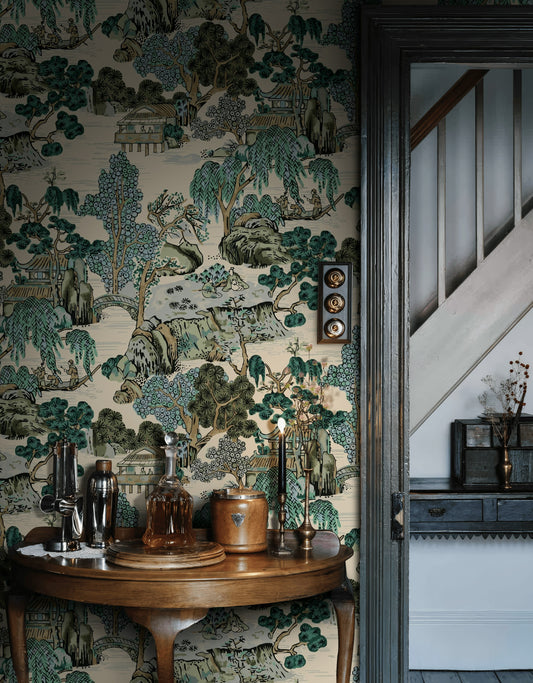
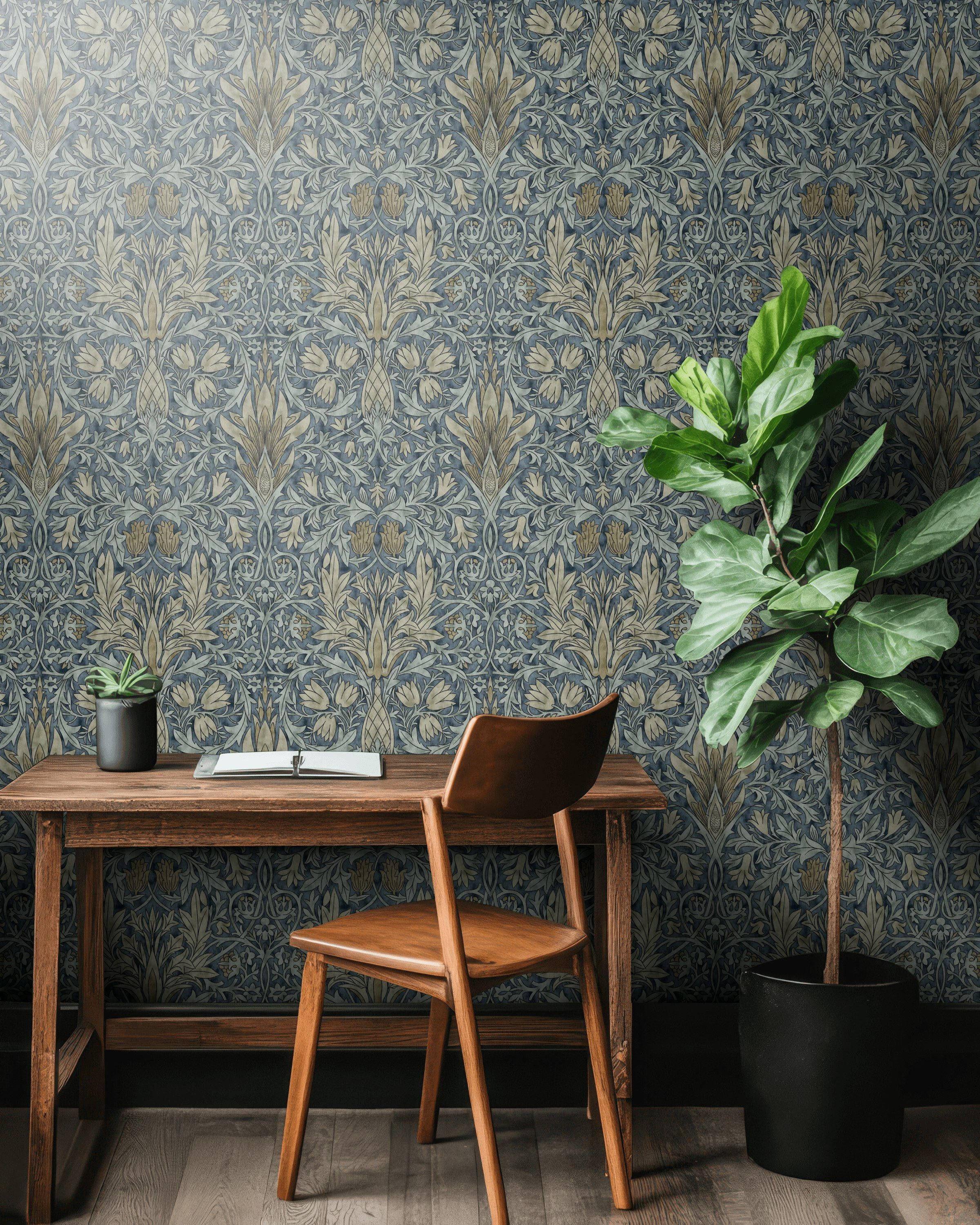
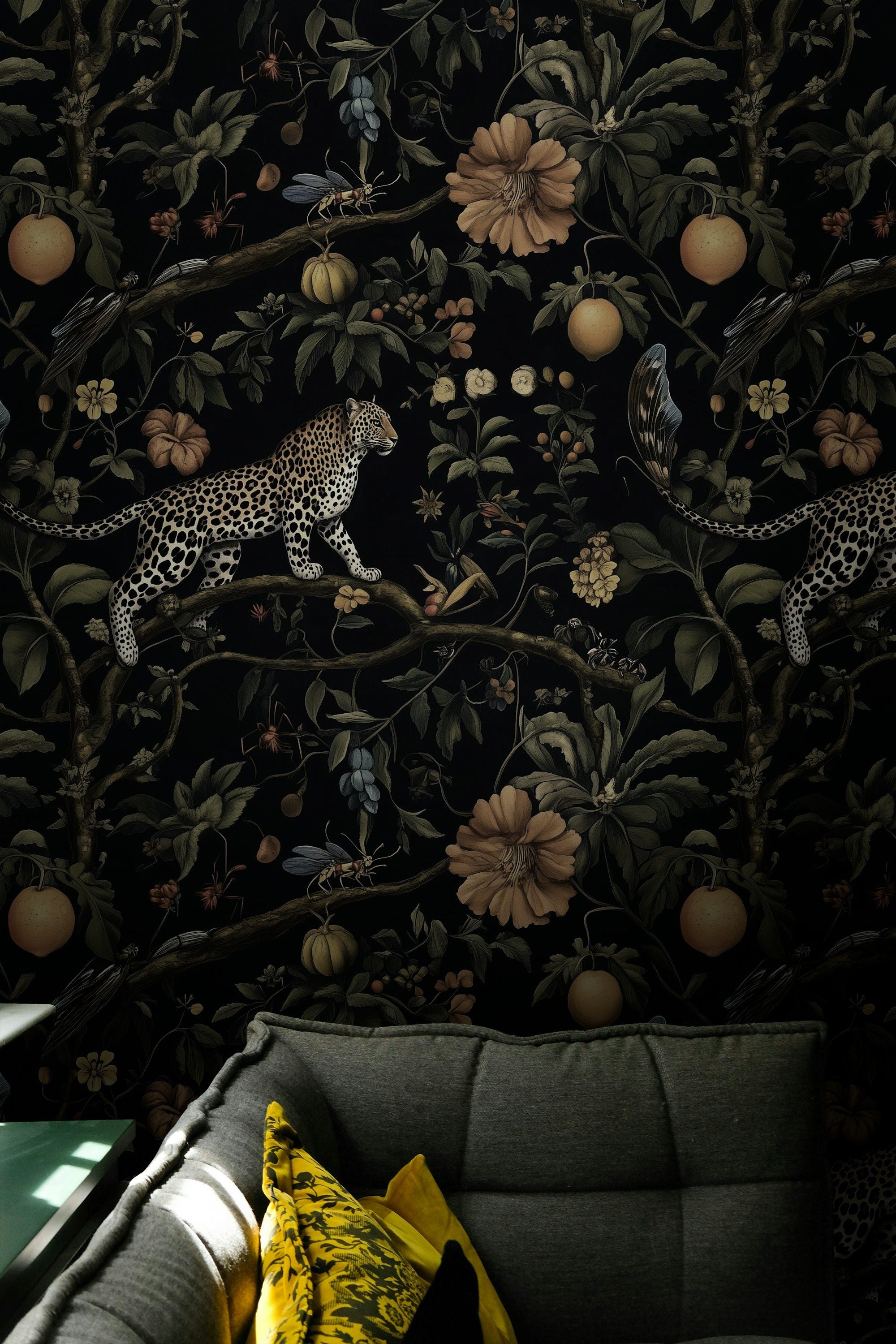
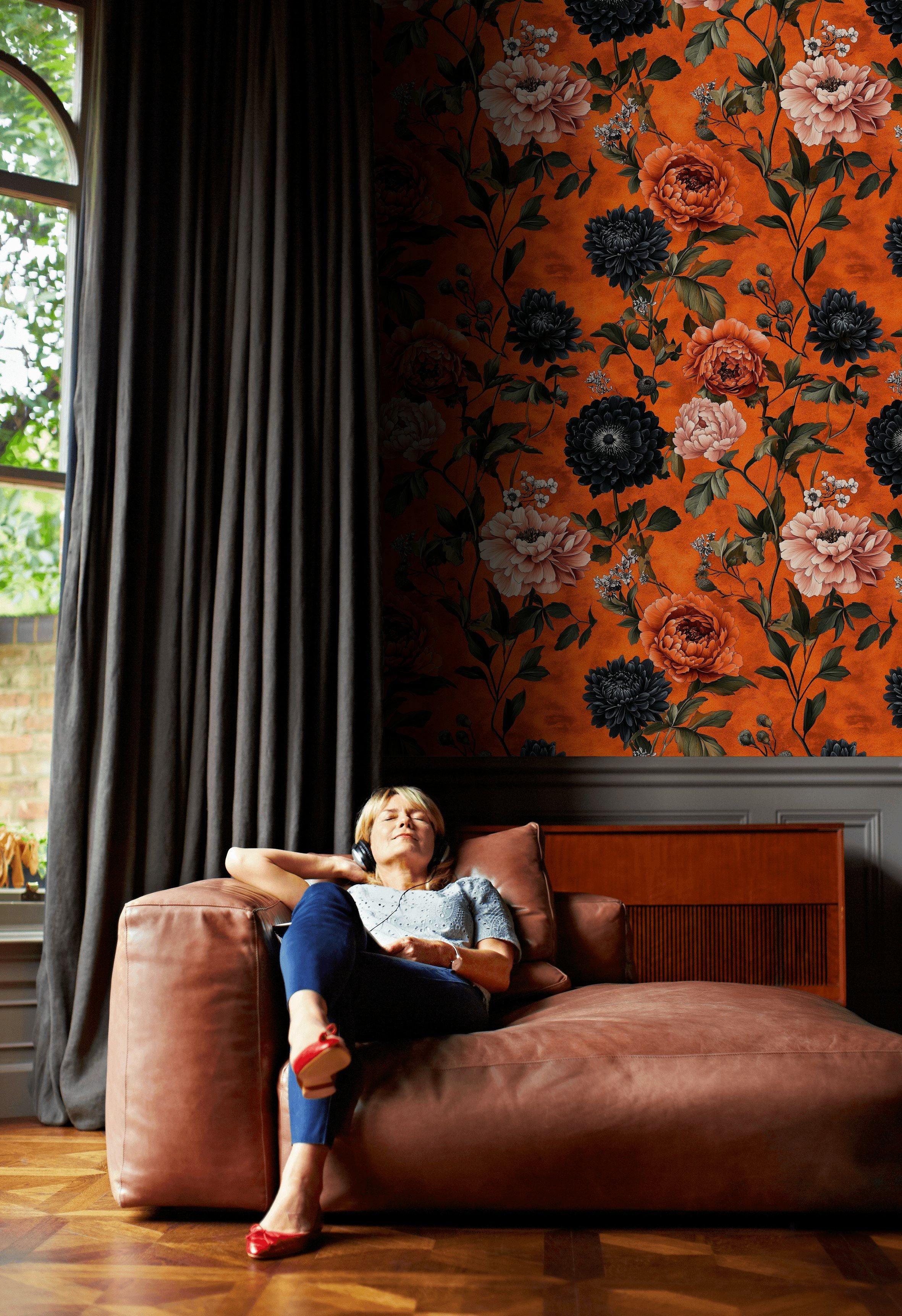
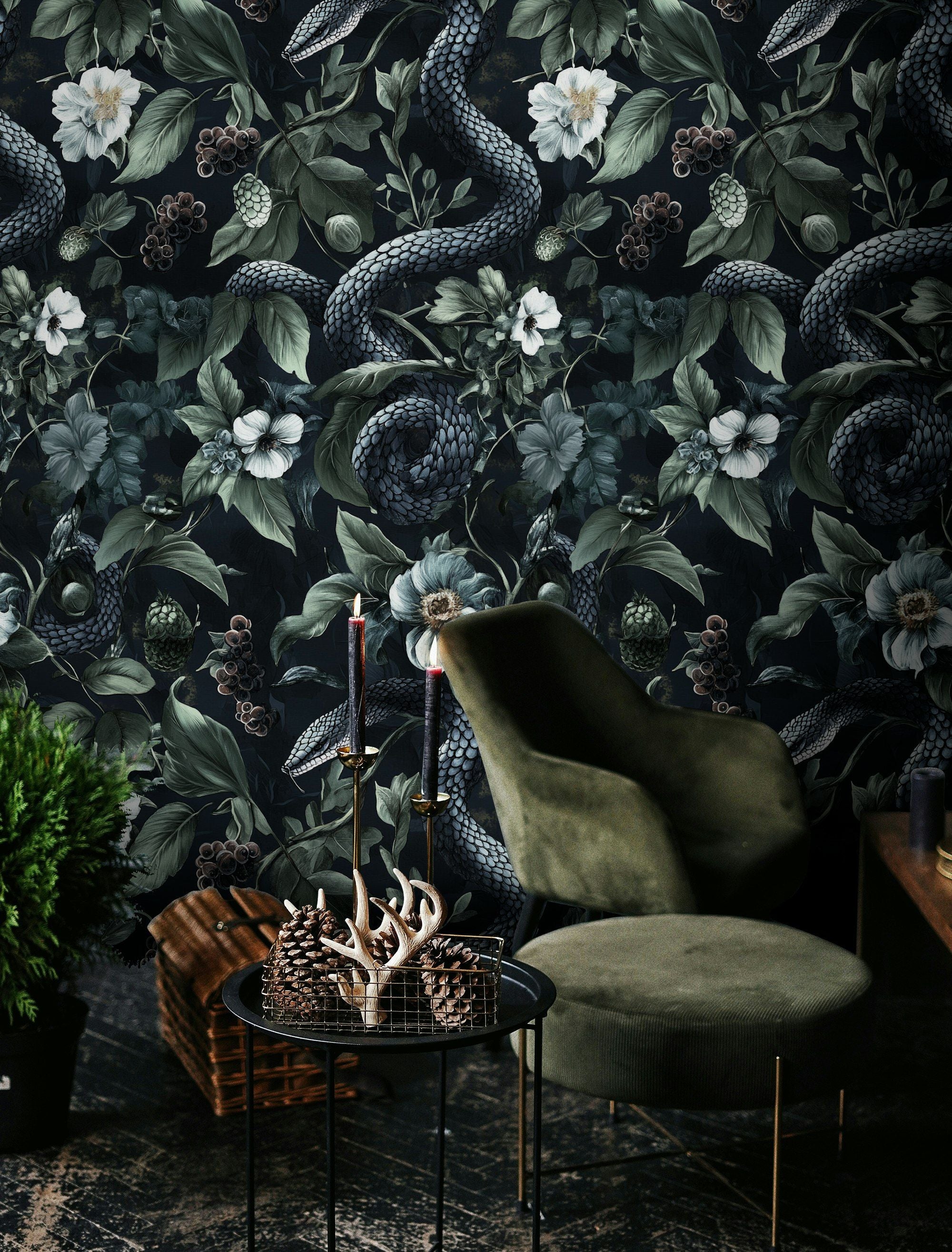
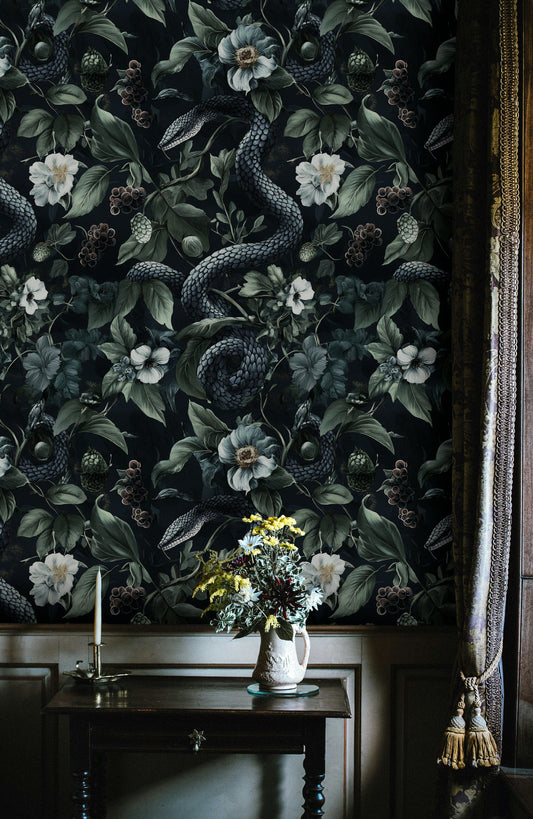
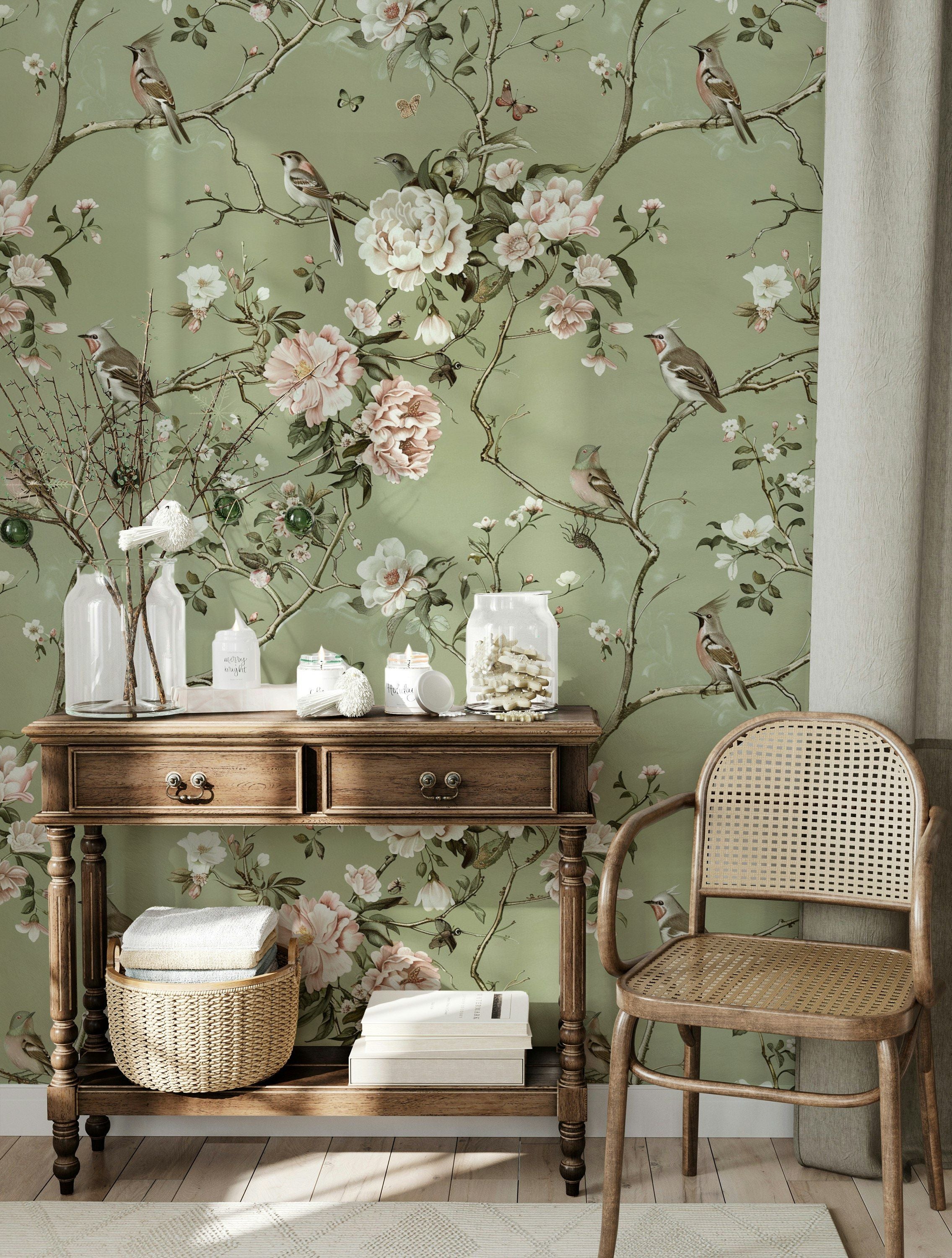
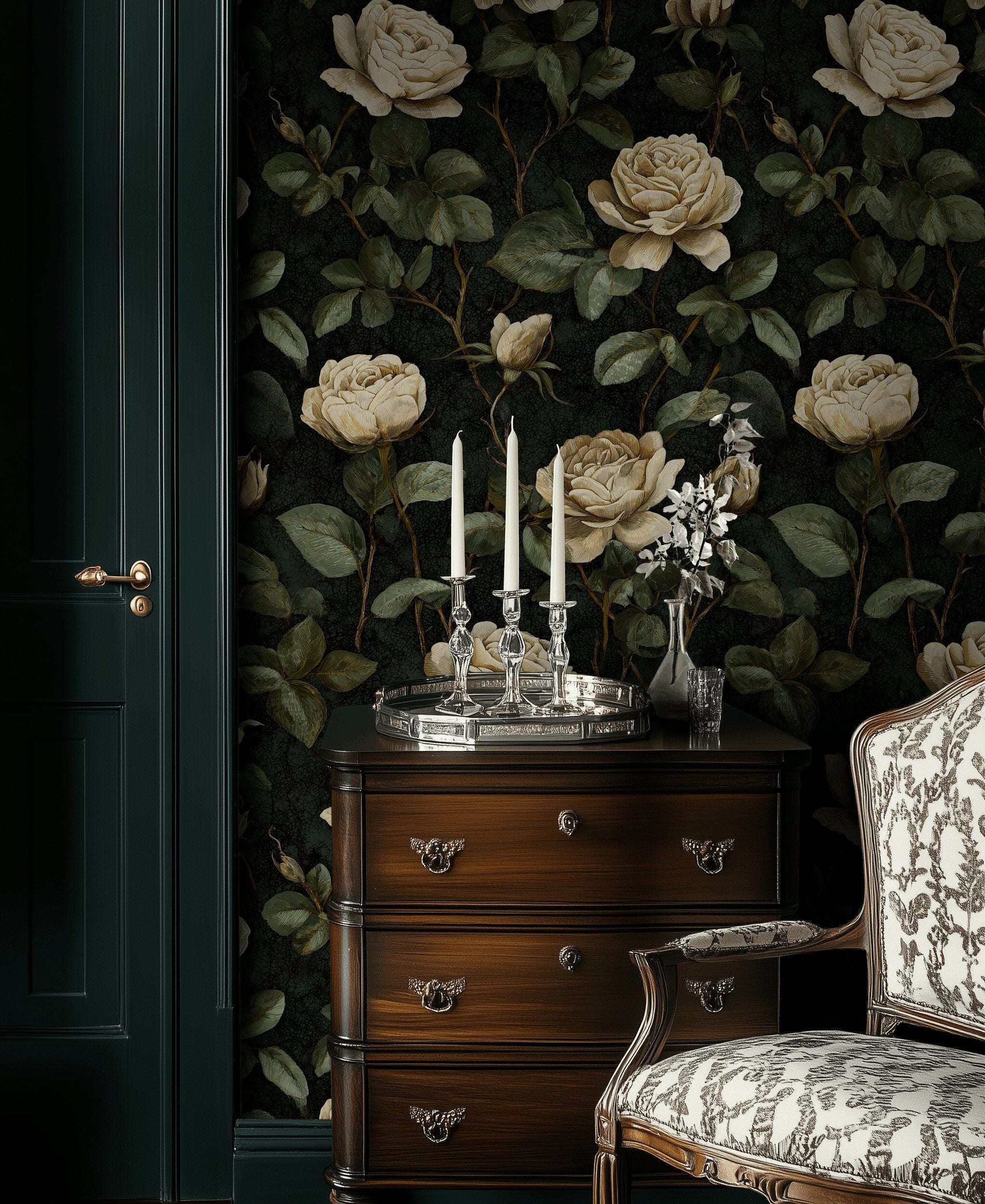
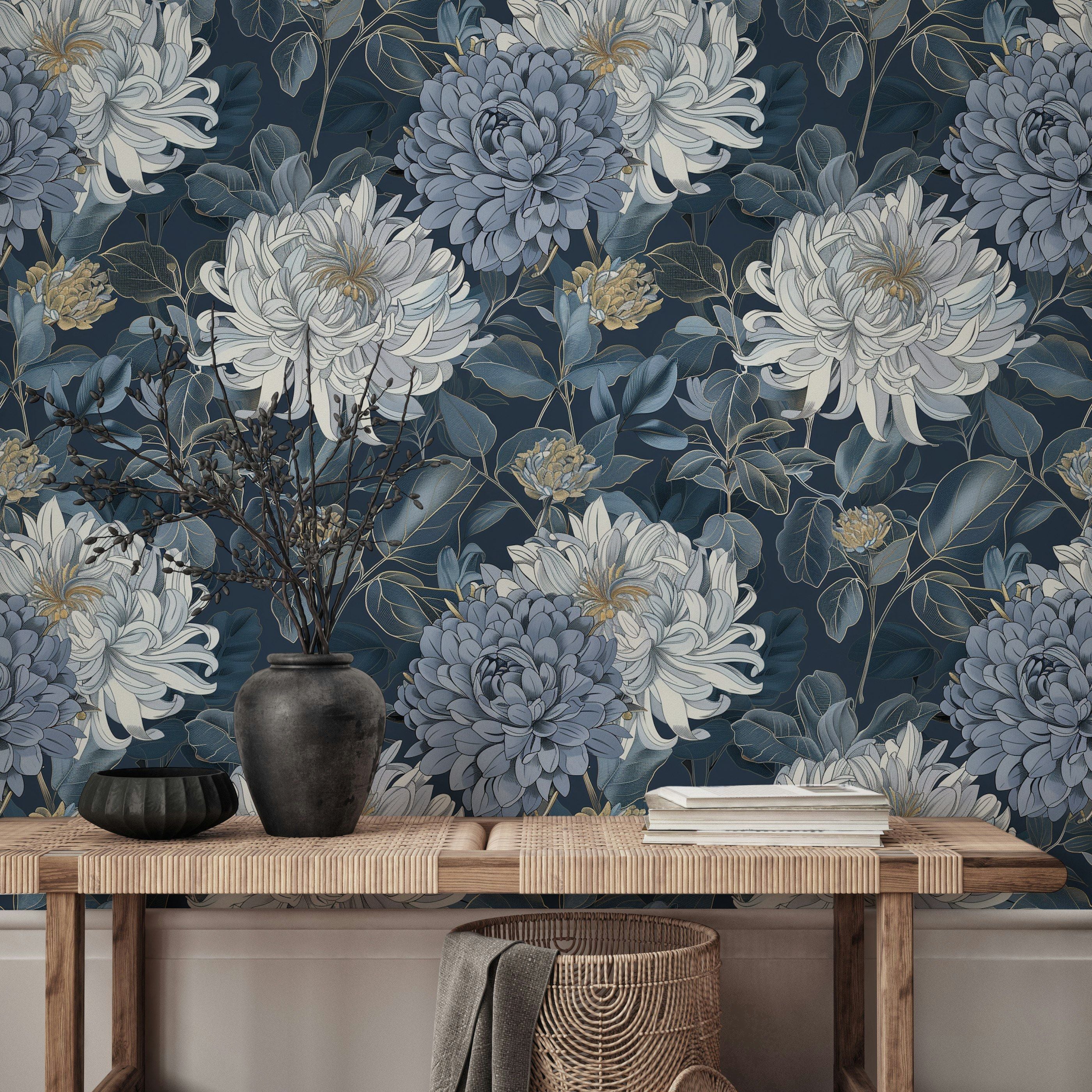
Wallpapers leans into lively wallpaper with watercolor-style edges, micro-speckled shading, and a tactile, linen-print grain that keeps large repeats from looking flat. Look for creamy alabaster bases with a hint of yellow undertone, then pair them with inky charcoal stems or dusty-sage leaves for a floral wallpaper that reads intentional in daylight and less contrasty under evening lamps. I like this kind of wallpaper for walls alongside a walnut media console, a caramel leather sectional, and brushed-brass sconces; add an off-white bouclé chair to echo the base tone. If you want the room to feel brighter without losing depth, compare the lighter grounds in Light Wallpaper and keep your trim in a clean white like Chantilly Lace to sharpen the edges around the pattern.
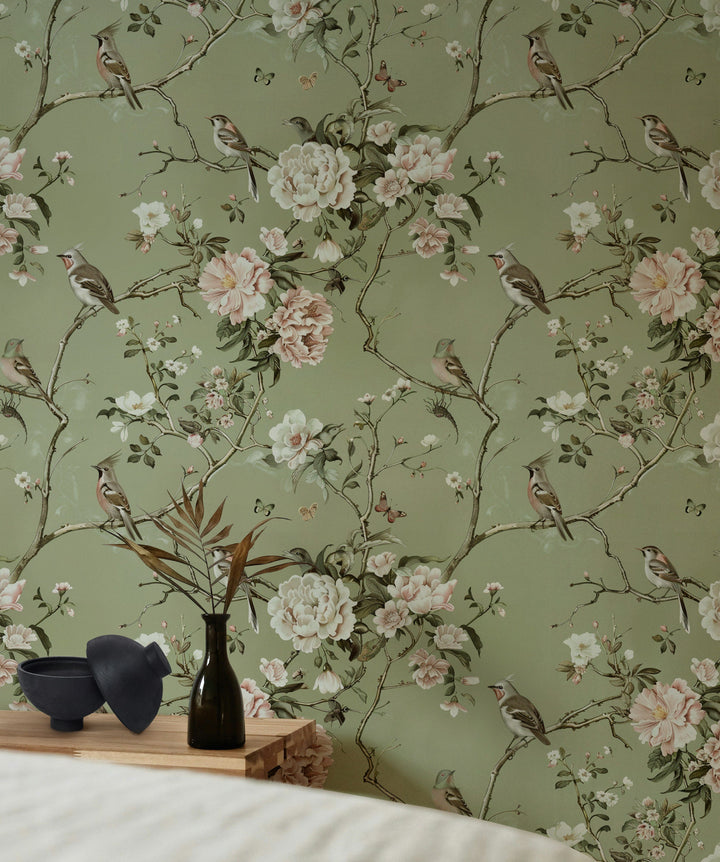
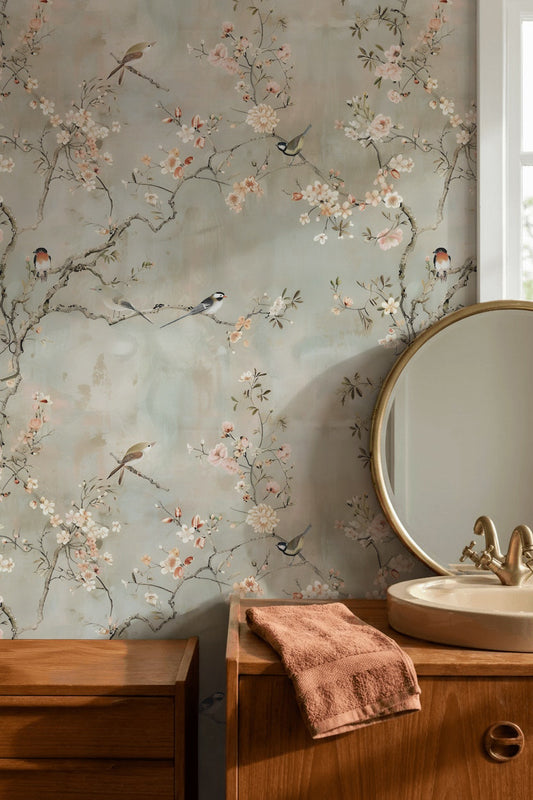
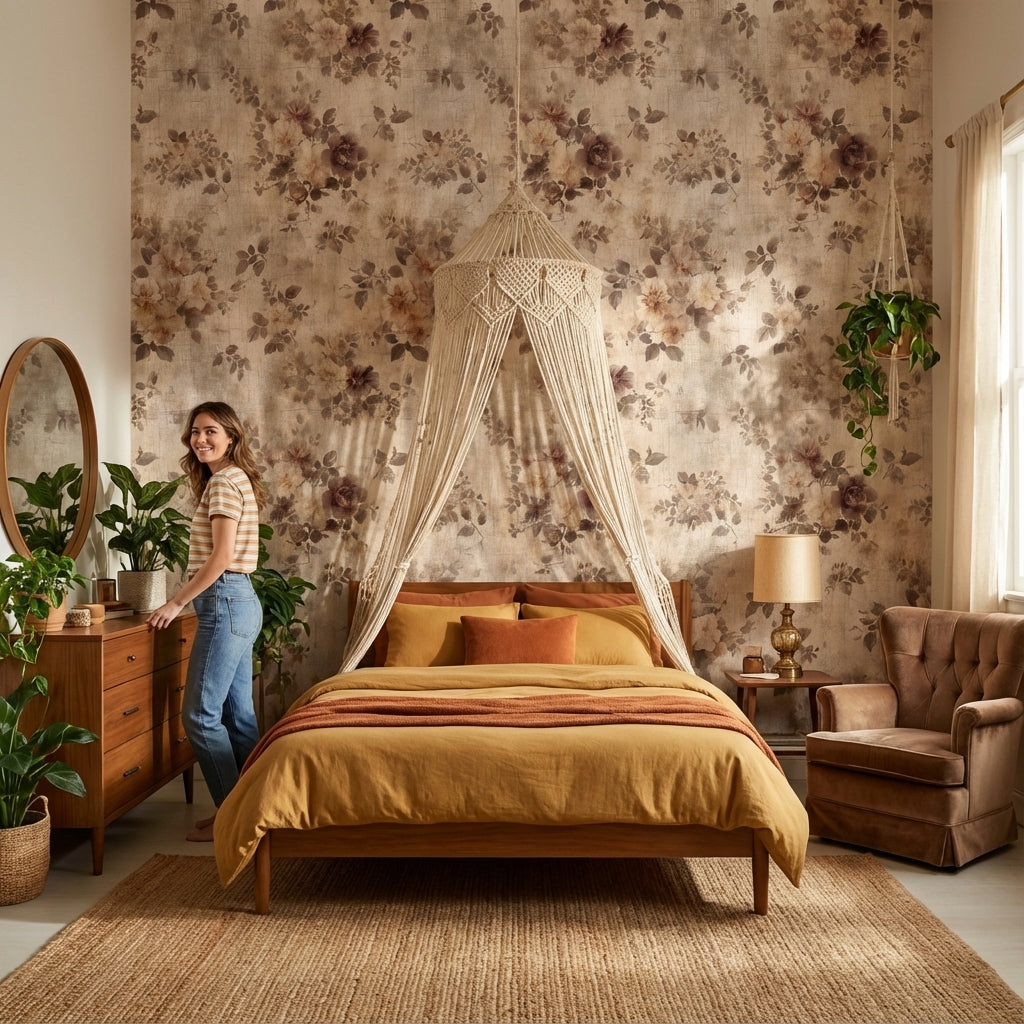
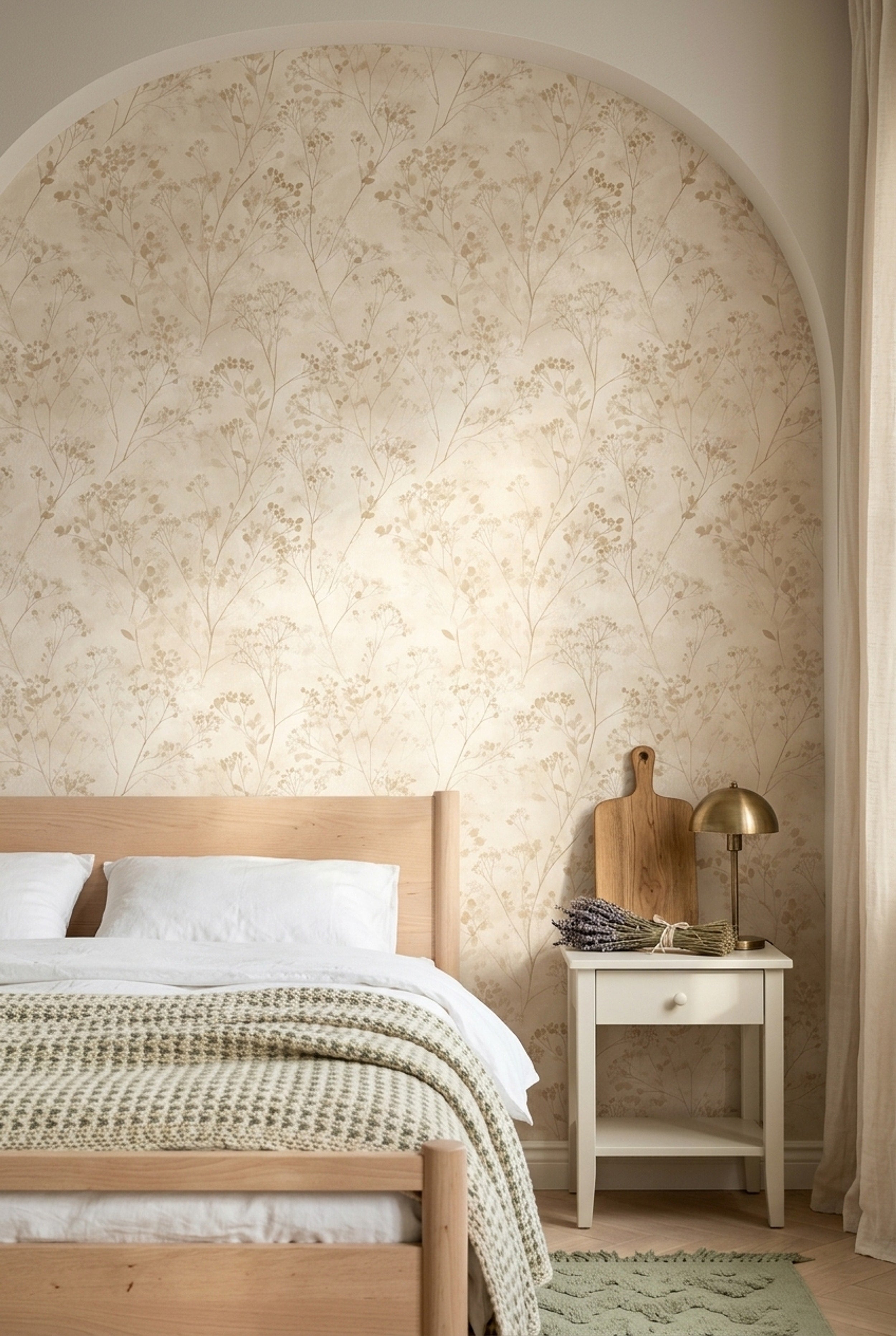
For a bedroom, install Wallpapers on the headboard wall only, running it from baseboard to ceiling so the repeat sits centered behind your pillows; keep adjacent walls in warm white paint so the floral wallpaper flowers stay the focal point. In a bathroom wallpaper moment, use Wallpapers on the vanity wall (not inside the shower) and stop it cleanly at the outside edge of a mirror or medicine cabinet for a tailored line; a white oak vanity and matte-black faucet make the colors read crisp. Wallpapers can be ordered in custom sizes, and we recommend paste-the-wall installation for faster alignment—use the Installation Guide to confirm wall prep and to understand when peel and stick wallpaper is appropriate, including peel and stick wallpaper on wallpaper. Wallpapers also ships worldwide, and if you’re planning a larger statement, think mural wallpaper scale on the primary wall so the pattern lands in a single, continuous view.
Based on designs you explored, with fresh finds mixed in.
24 / 4289
Load more— NEED HELP?
Can't find what you're looking for? Our team replies within 4 working hours, Mon–Fri.
Our Wallpapers collection includes everything from classic stripes and geometrics to botanicals, floral wallpapers, plus textures that mimic linen or plaster. You’ll see color stories from soft sage and warm beige to navy, charcoal, and terracotta—great for anything from calm backdrops to lively wallpaper feature walls. If you’re shopping for wallpaper for walls across a whole home, mixing a small-scale pattern in hallways with a bolder print in living areas works well.
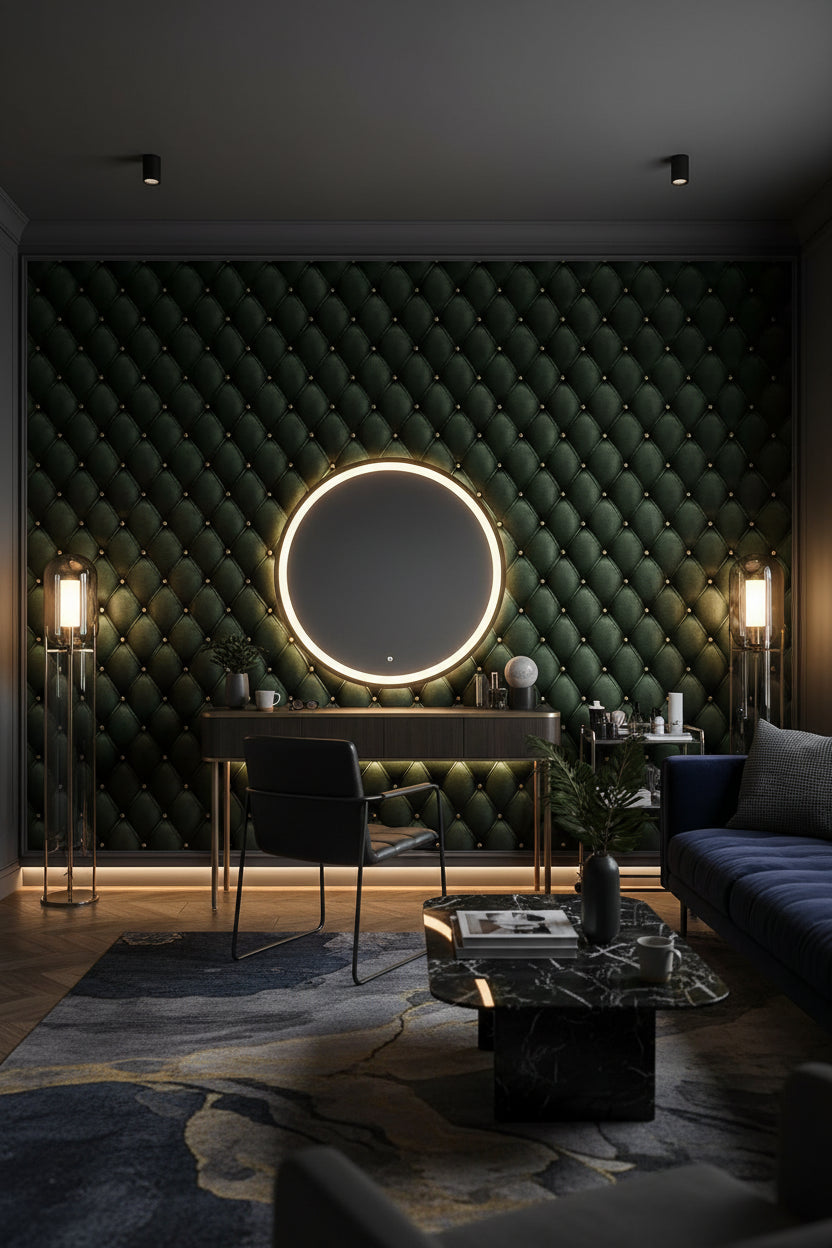
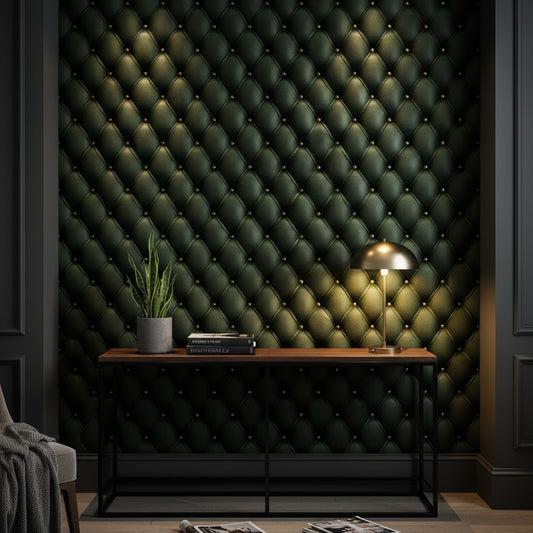
In smaller rooms, lean toward lighter tones like ivory, pale gray, or misty blue and smaller patterns (pinstripes, tight geometrics) to keep things feeling open. Larger rooms can handle deeper colors like forest green or ink navy and bigger motifs like oversized florals or murals. If your style is modern, try clean lines and color-block looks; if it’s traditional, floral wallpaper or damask-inspired prints are a safe bet.
Measure the width of each wall you’re covering and the wall height, then subtract doors and large windows; with repeats (like floral wallpaper), you’ll usually need a bit extra for pattern matching. Because roll sizes and repeat lengths vary, use the calculator on Muralls.com for the most accurate roll count. If you’re unsure between two quantities, we typically recommend rounding up so you don’t run short mid-wall.
Peel and stick wallpaper has an adhesive backing—great for quick updates, rentals, and smaller projects like a powder room accent wall. Paste-the-wall wallpaper uses paste applied to the wall (not the paper), giving you more slip time to align patterns and often a stronger hold for long-term installs. If you’re deciding for bathroom wallpaper, check the product’s suitability and pair it with good ventilation either way.
Bedrooms and living rooms are the easiest places to start—try a headboard wall in soft blush or sage, or a living room feature wall in geometric black-and-white or navy. Kitchens and bathrooms can also work, but for bathroom wallpaper we recommend using it in low-splash zones (away from direct shower spray) and making sure the space has a fan. Hallways and entryways are also great for lively wallpaper since they benefit from a little visual energy.
Beginners usually find peel and stick wallpaper more forgiving because you can reposition as you go, especially with simple patterns like stripes. Paste-the-wall wallpaper is totally doable too, but you’ll want a level, a sharp blade, and patience for pattern matching on prints like floral wallpaper. If you’re new, start with one straight, unobstructed wall before tackling corners, outlets, or tight bathroom wallpaper areas.
VISUAL SEARCH
Upload a reference image and discover visually similar designs.
BEST MATCHES
PERSONALIZED DISCOVERY
Describe a look or let your room lead the search.
CURATED FOR YOU
The chat is taking longer than usual.
Email support@muralls.com