 Wallpaper
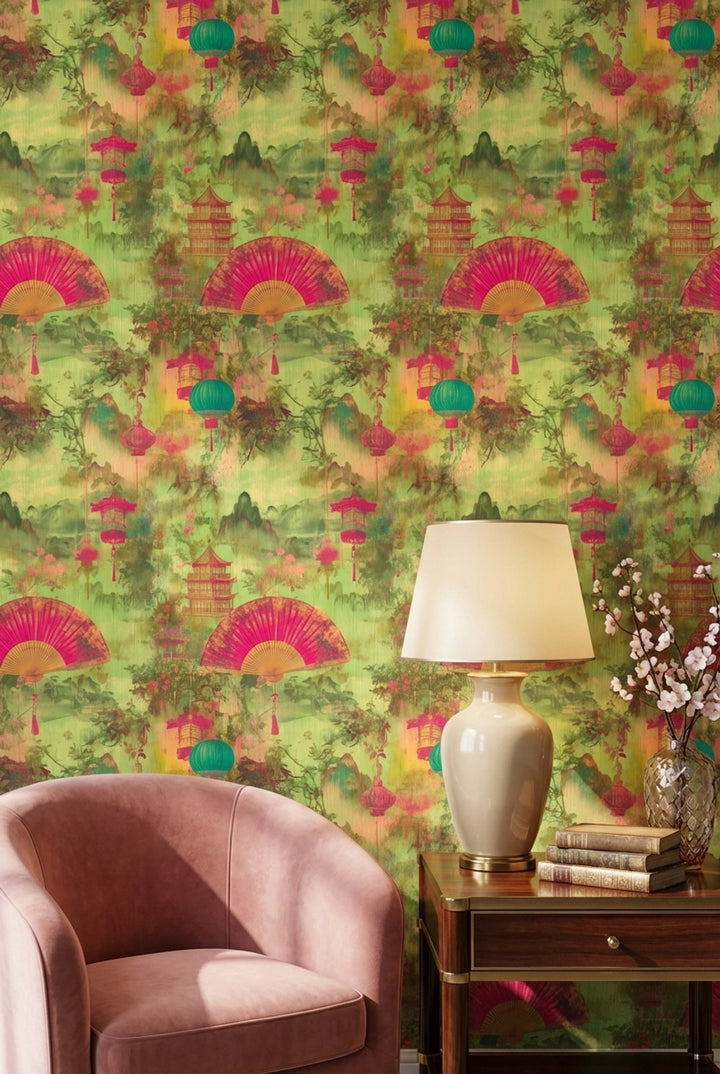
Asian Wallpaper Lanterns
From $23
Wallpaper
Asian Wallpaper Lanterns
From $23

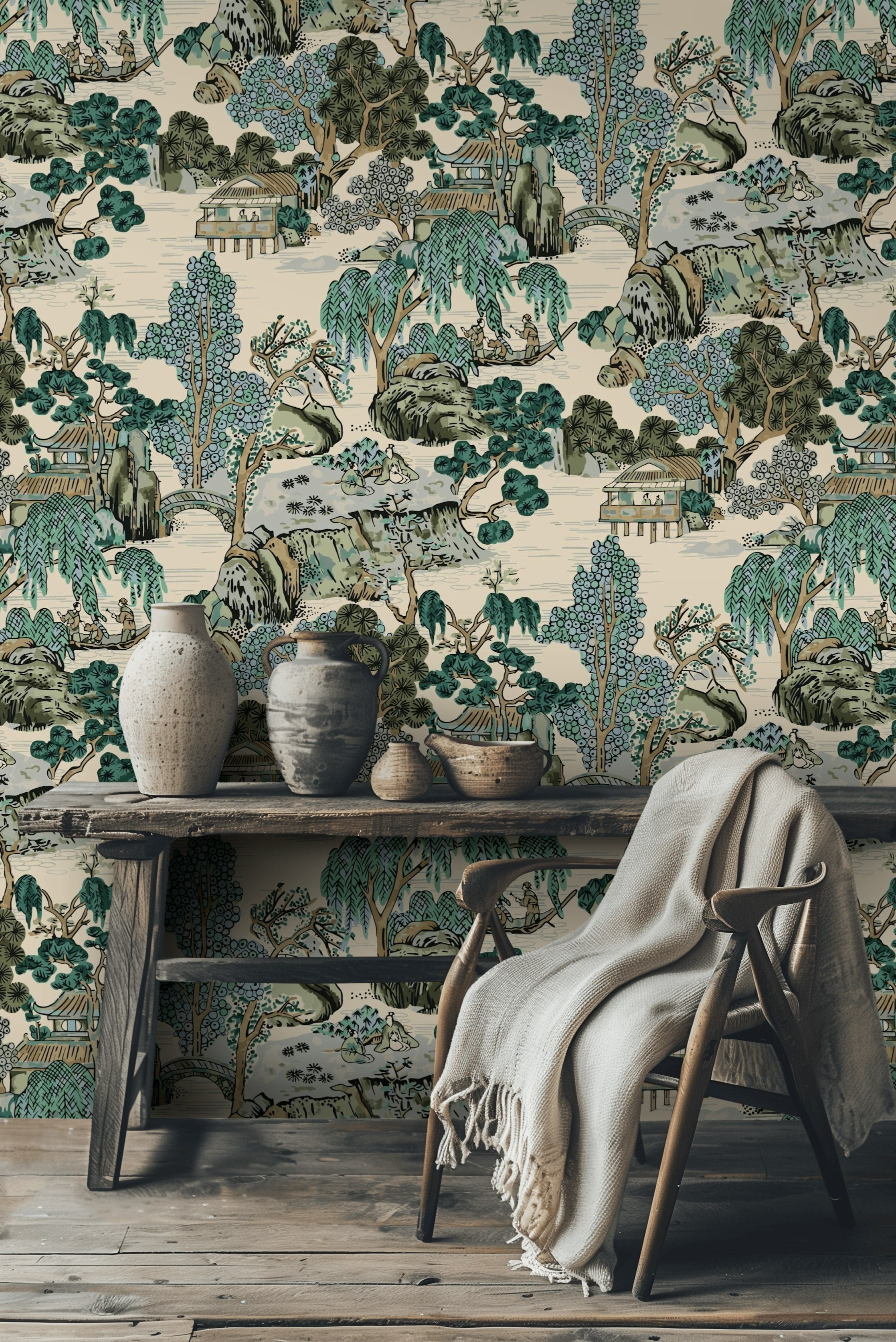
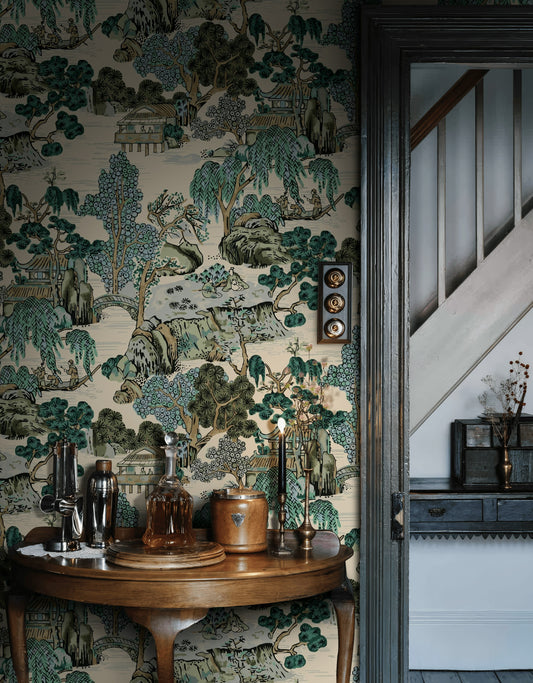
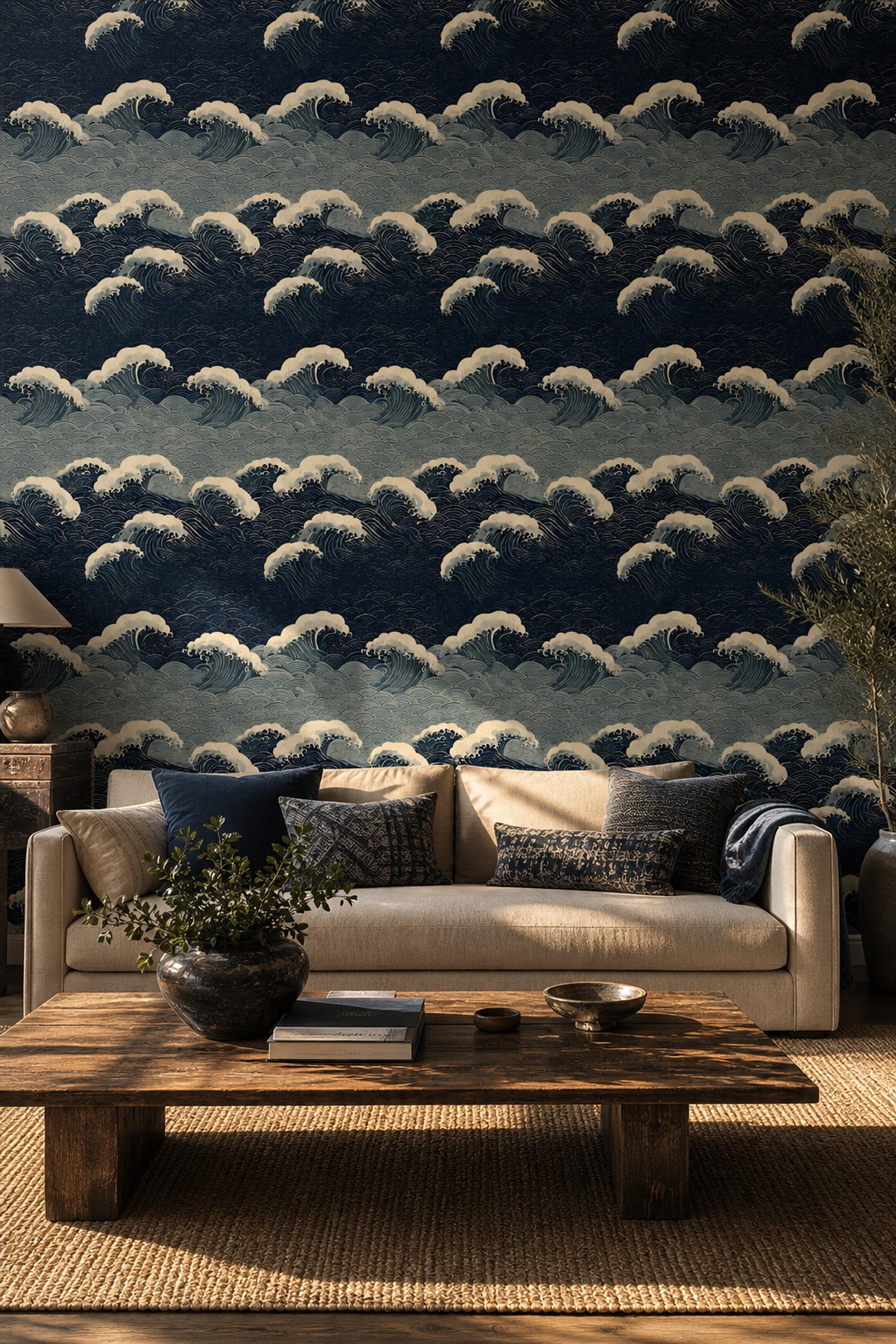
Japanese Wallpaper for Your Home There's something about Japanese designs that just works. The use of natural materials, subtle colors, a...
There's something about Japanese designs that just works. The use of natural materials, subtle colors, and intricate patterns creates a calming atmosphere that many find appealing. The blend of simplicity and detail invites a sense of tranquility that can transform your living space into a serene retreat.
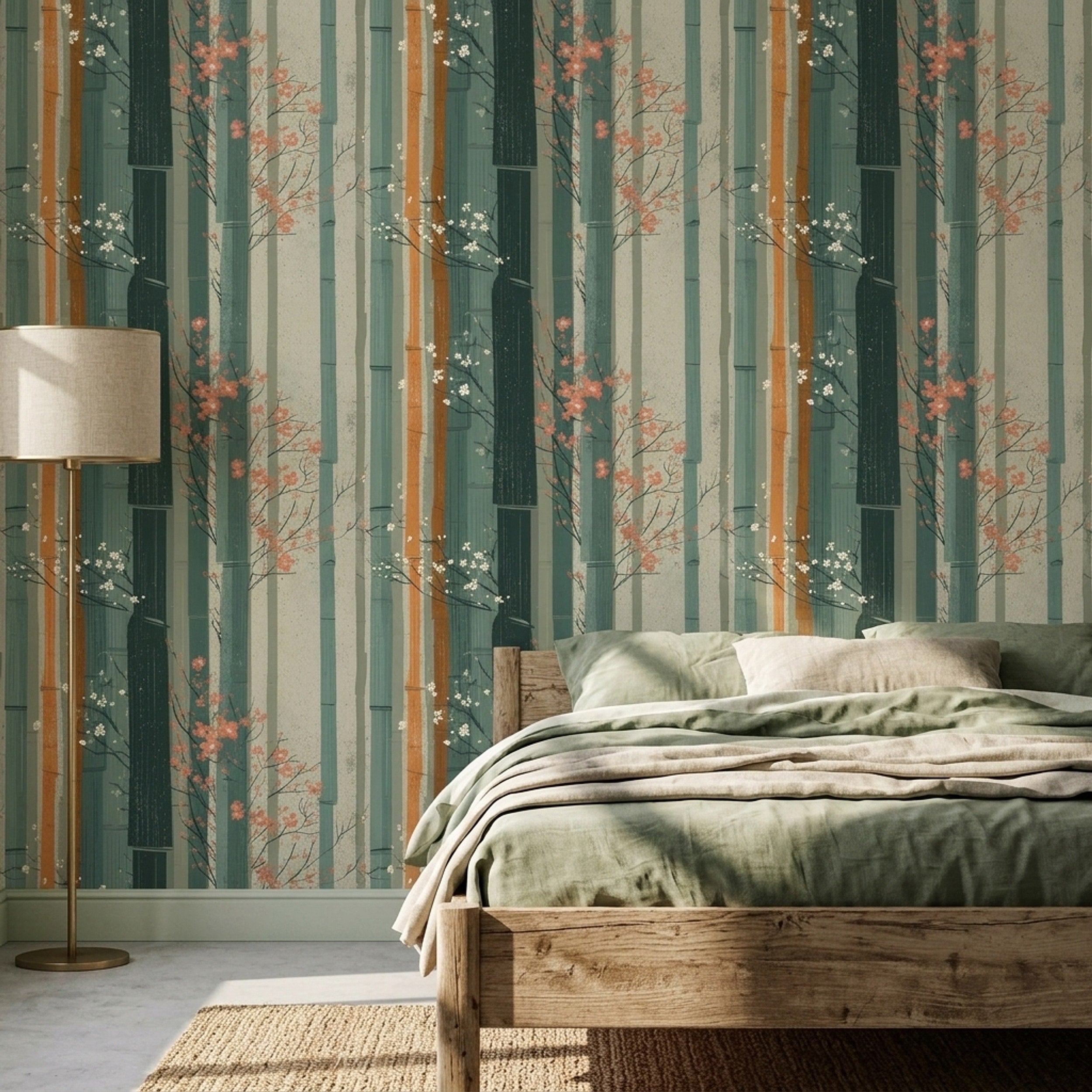
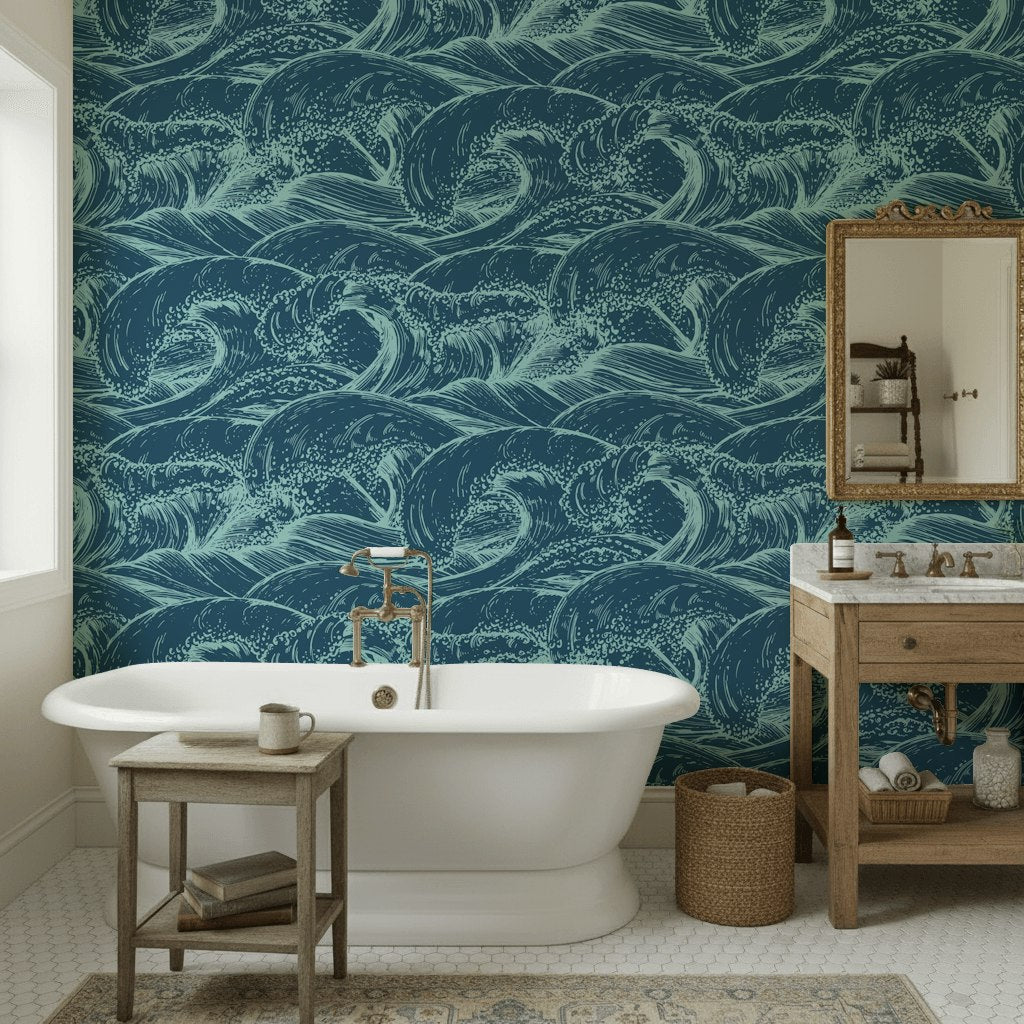
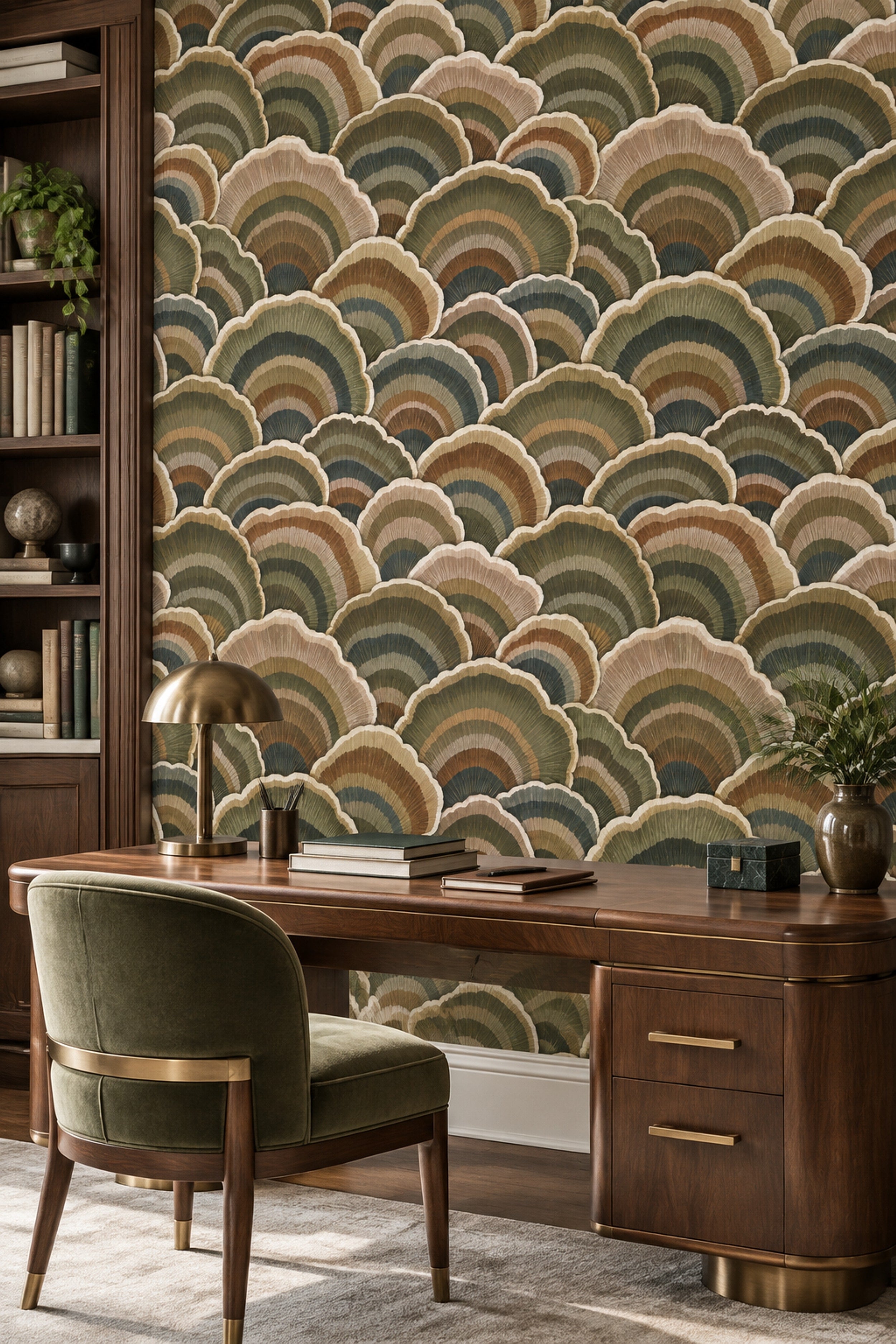
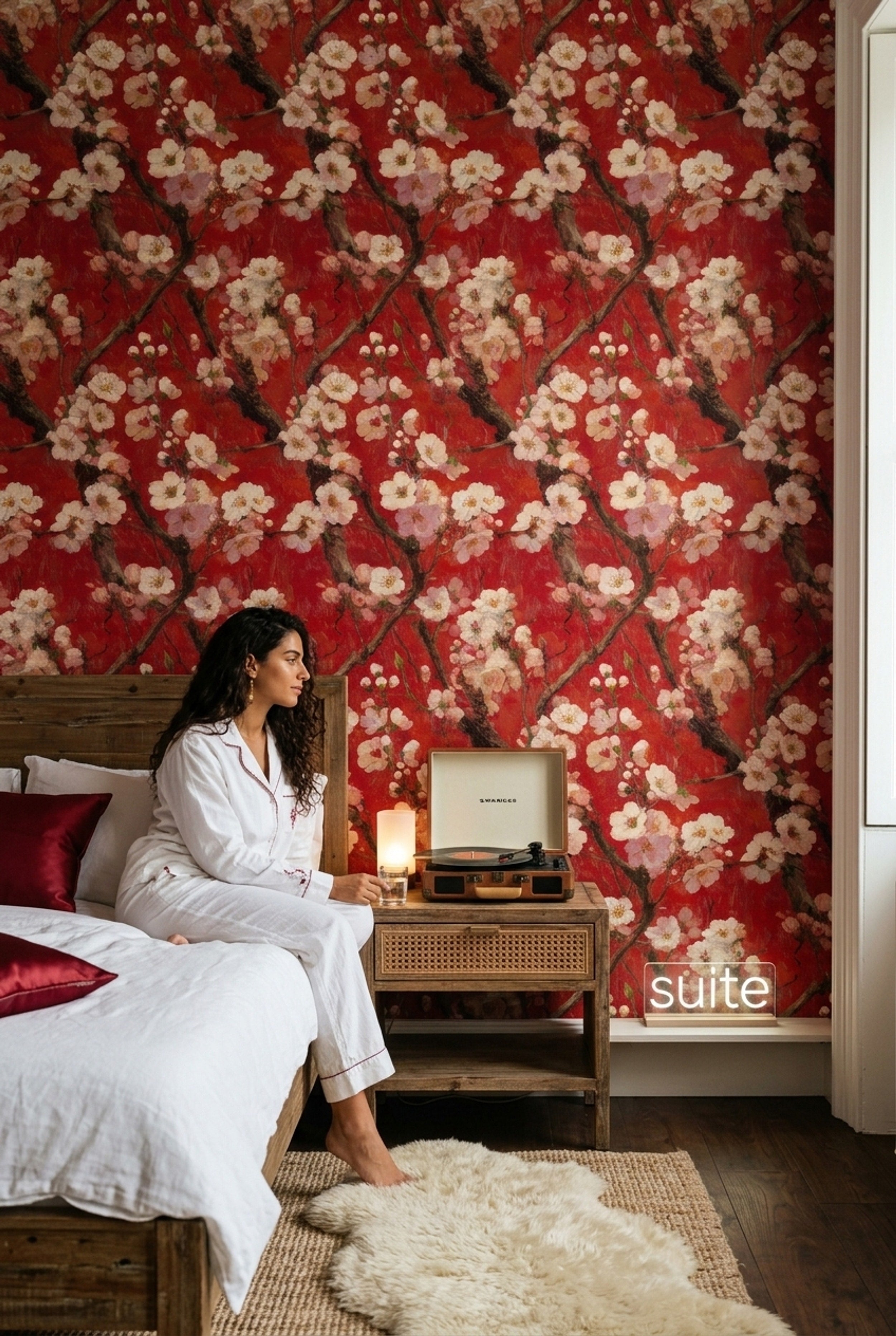
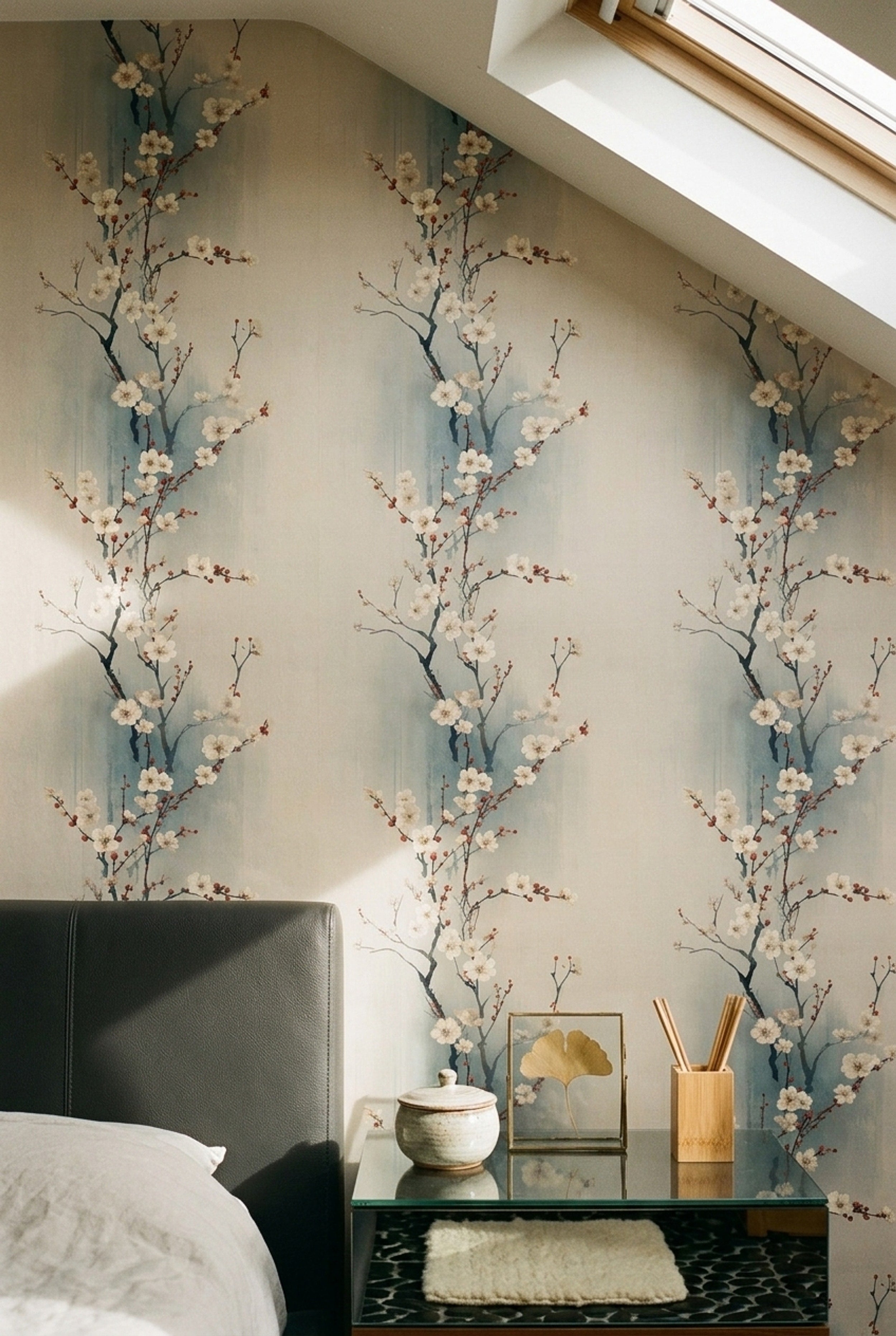
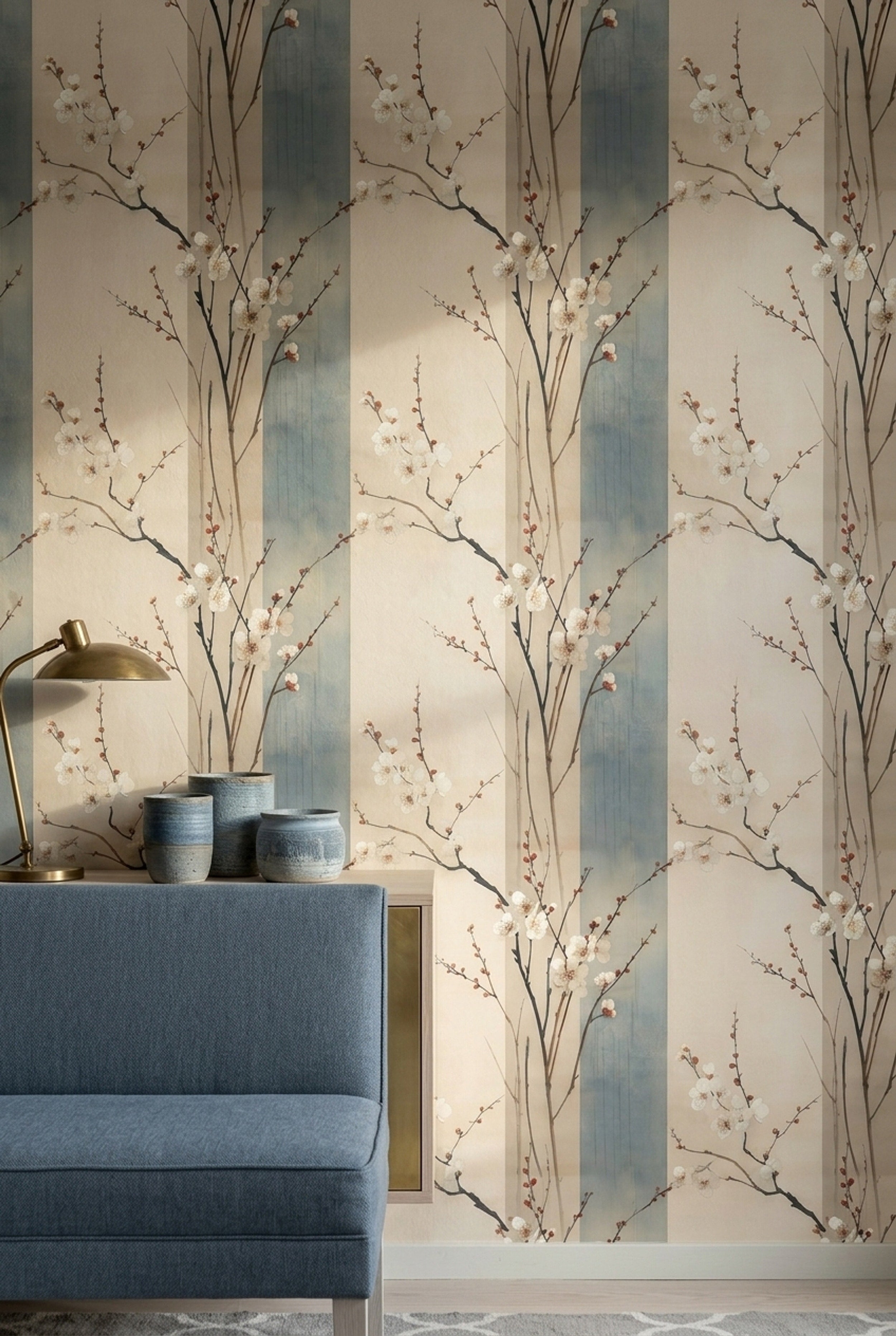
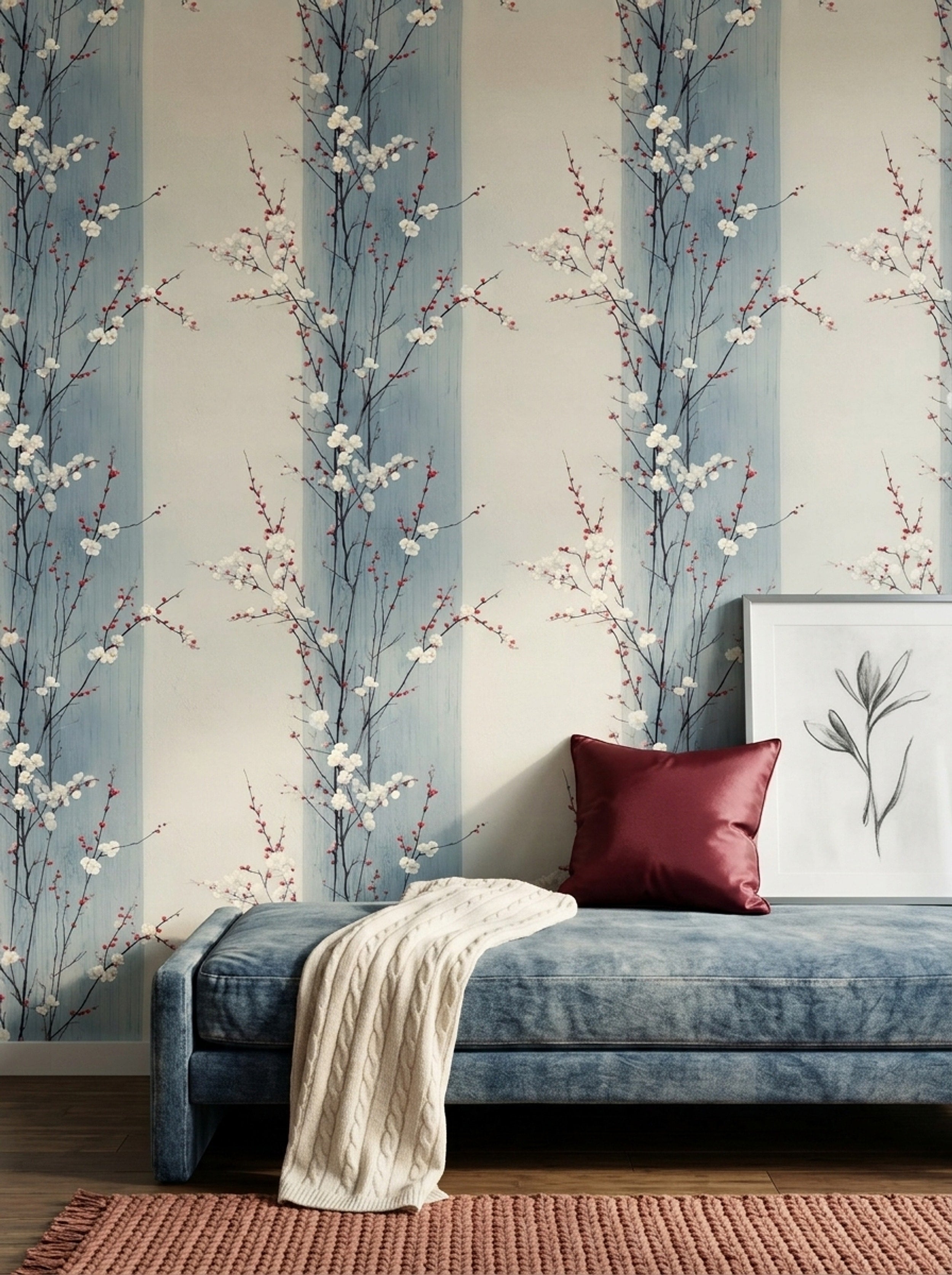
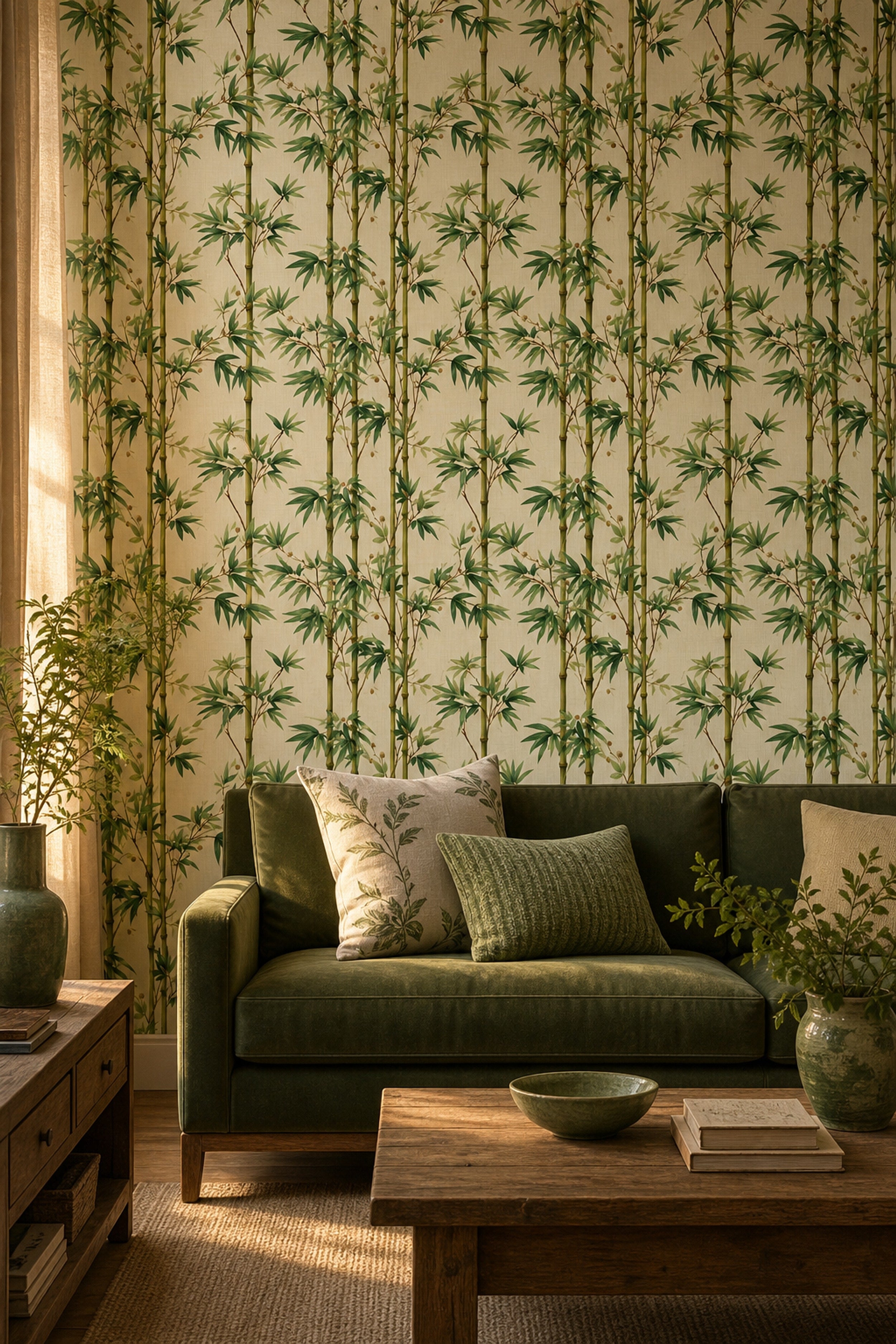
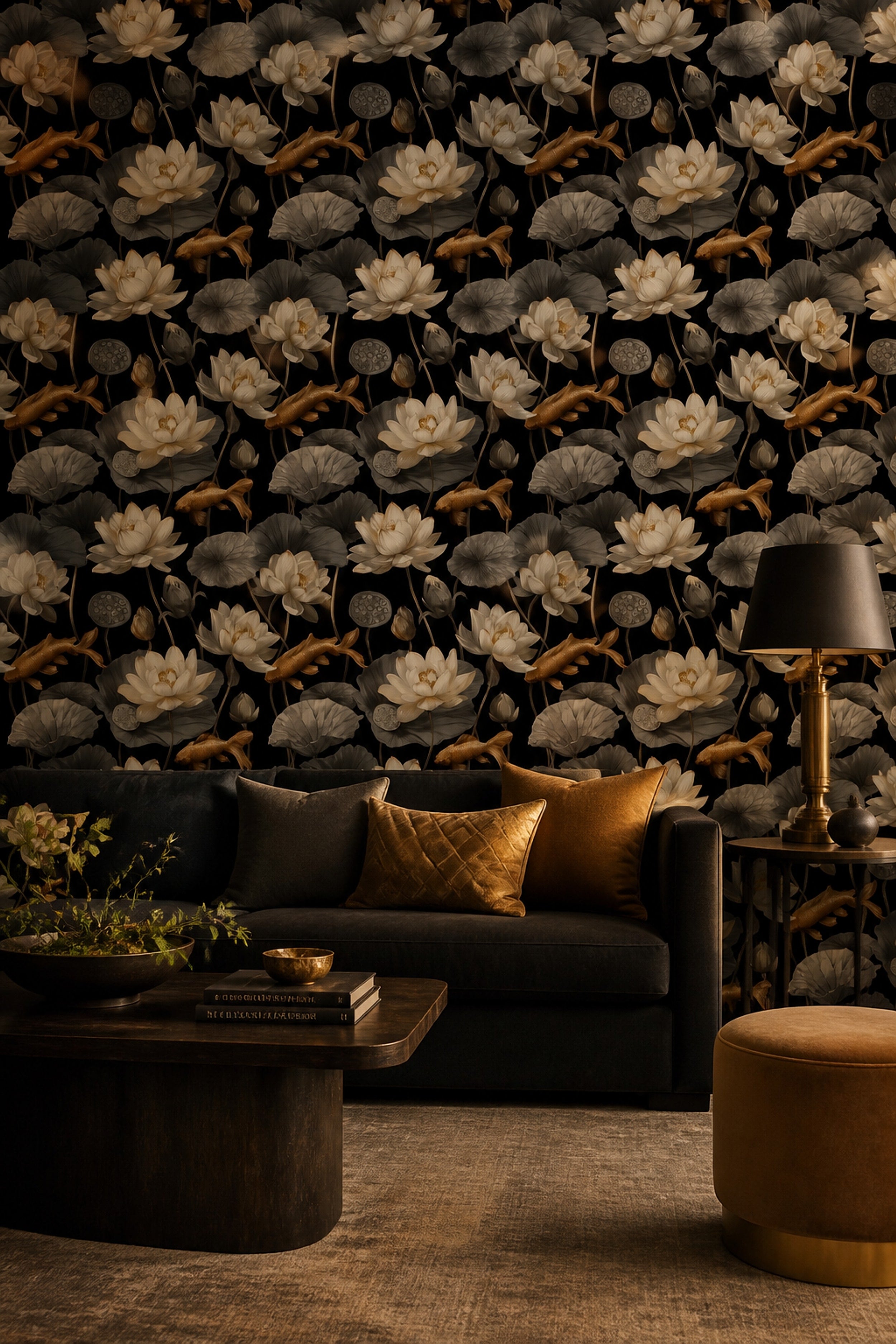
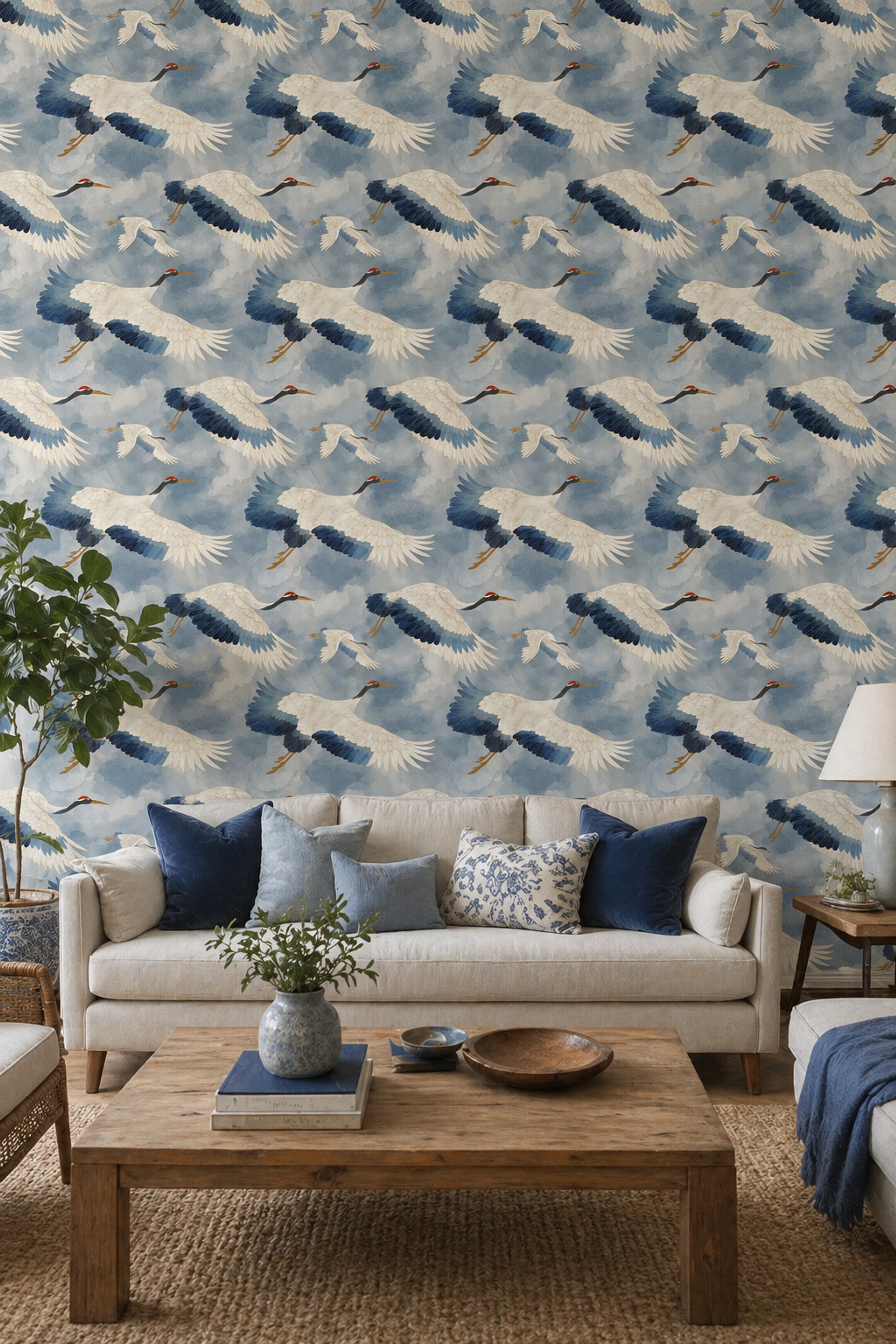
Japanese wallpaper is characterized by its delicate patterns and thoughtful color palettes that often feature muted tones inspired by nature. You'll commonly see shades of soft greens, gentle blues, and warm earth tones that evoke feelings of balance and peace. Textures in these wallpapers can range from smooth, rice paper finishes to rich, tactile surfaces that mimic traditional textiles. This unique combination of motifs—such as cherry blossoms, koi fish, and bamboo—reflects a deep respect for nature, which is a hallmark of Japanese design.
Let’s consider how to incorporate Japanese wallpaper into your home:
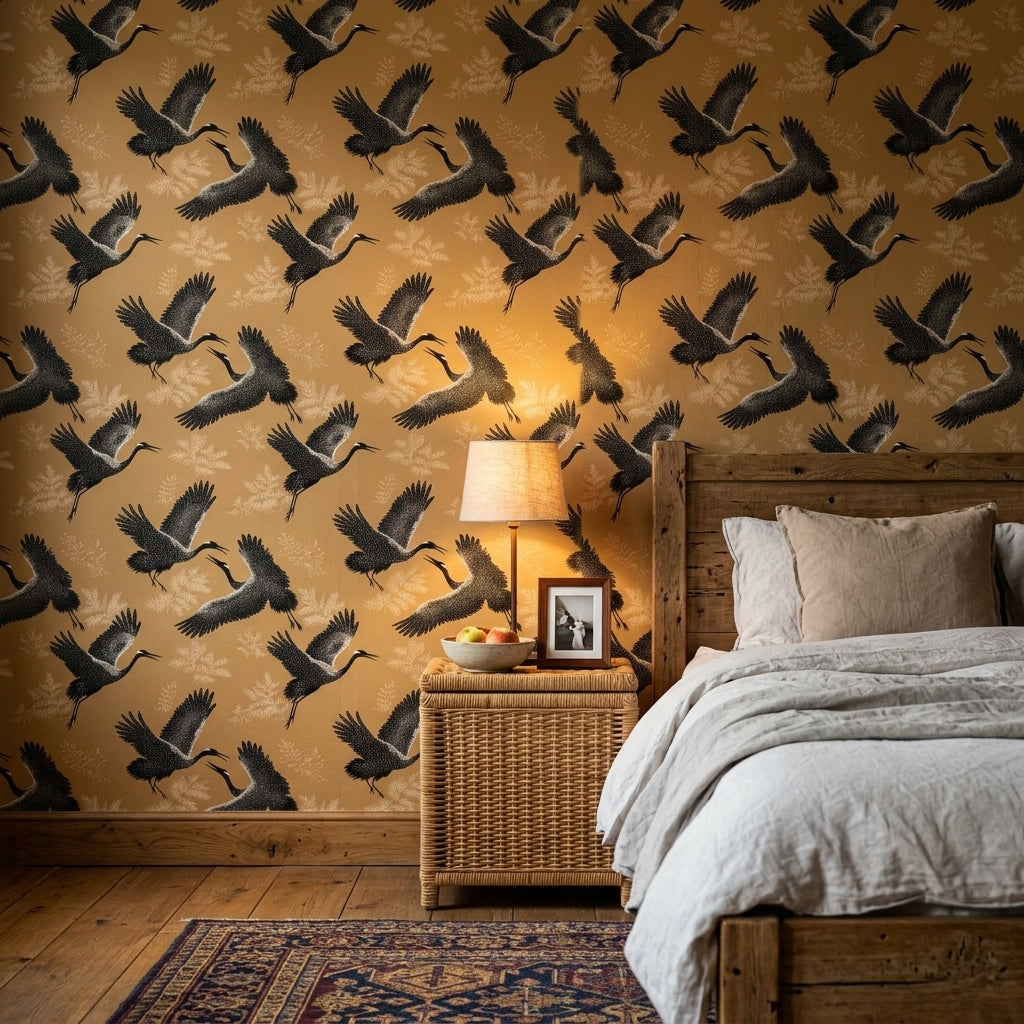
Choosing the right furniture can elevate the impact of your Japanese wallpaper. For instance, in the living room, an oak coffee table paired with brass lights can create a warm and inviting atmosphere. In the bedroom, opt for a simple platform bed in a natural wood finish to keep the focus on the wallpaper. Ensure your selection of textiles—like cotton or linen in muted colors—matches the wallpaper tones for a cohesive look. Additionally, incorporating plants can introduce vibrant greens that echo the natural elements found in Japanese design.
When you're ready to add Japanese wallpaper to your home, it's essential to consider custom sizing to fit your specific wall dimensions. Our wallpapers are designed for easy paste-the-wall installation, making the process straightforward even for those new to decorating. Plus, we ship worldwide, ensuring that you can incorporate these exquisite designs no matter where you reside. Start visualizing your spaces with these stunning wallpapers today!
Based on designs you explored, with fresh finds mixed in.
24 / 55
Load more— NEED HELP?
Can't find what you're looking for? Our team replies within 4 working hours, Mon–Fri.
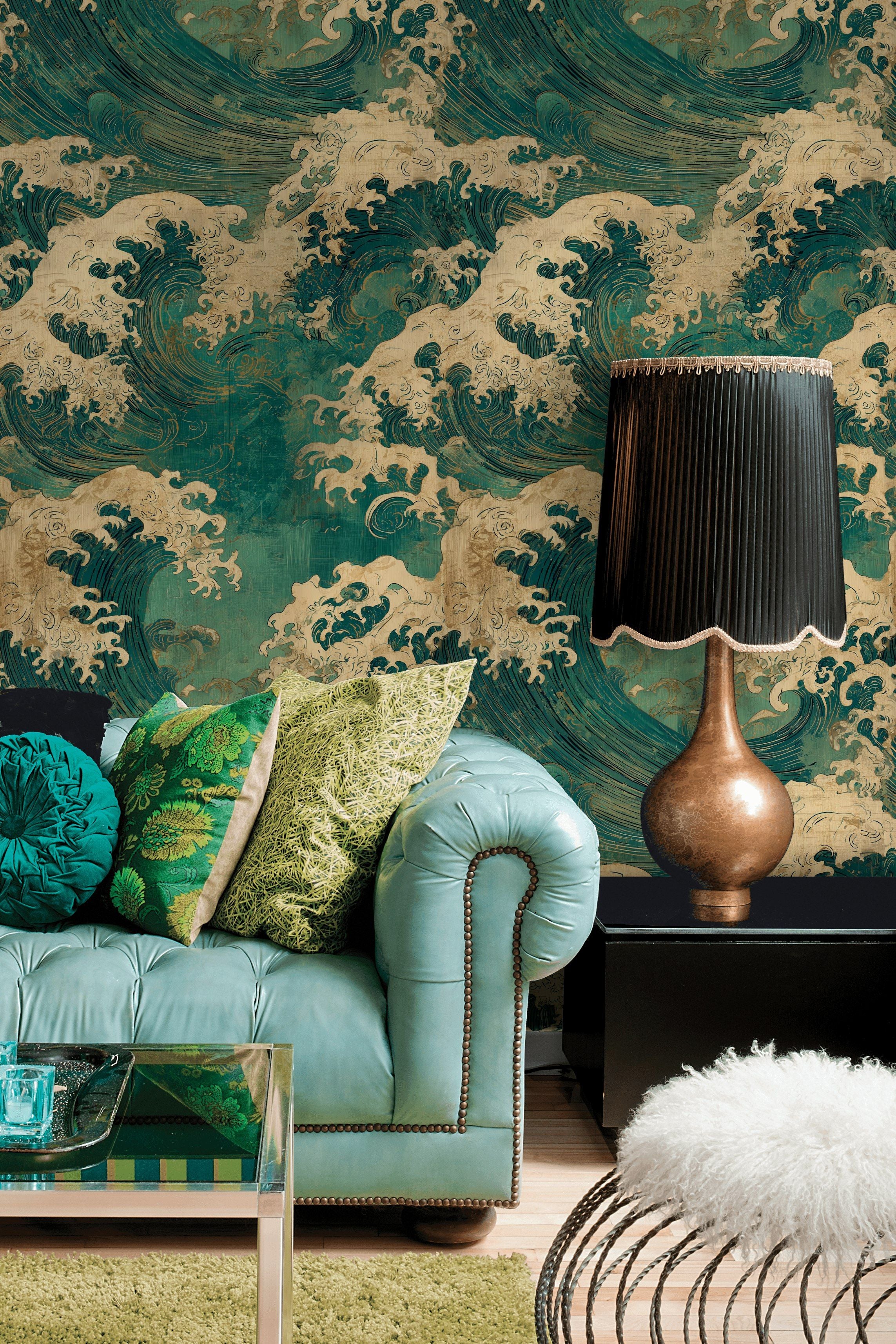
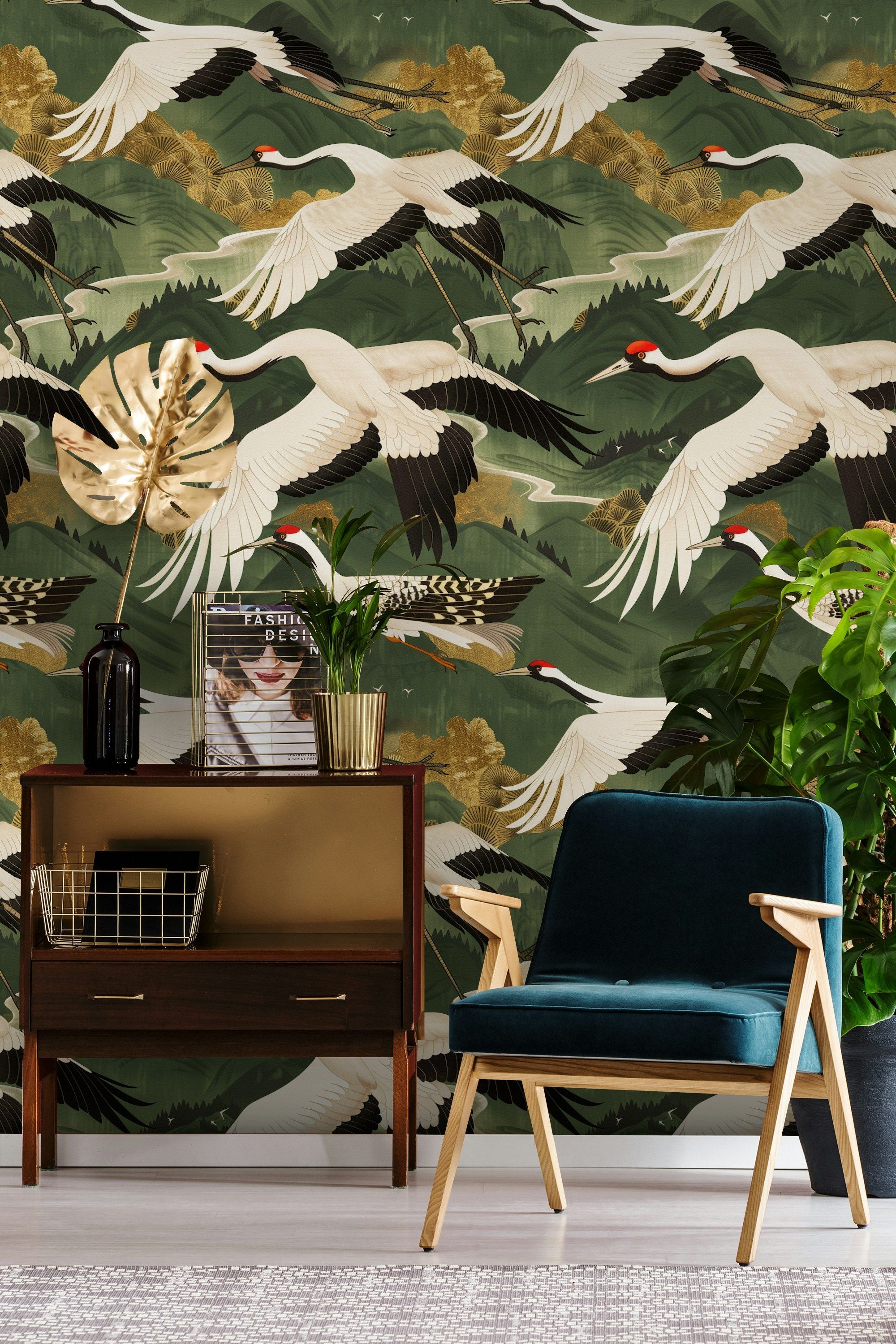
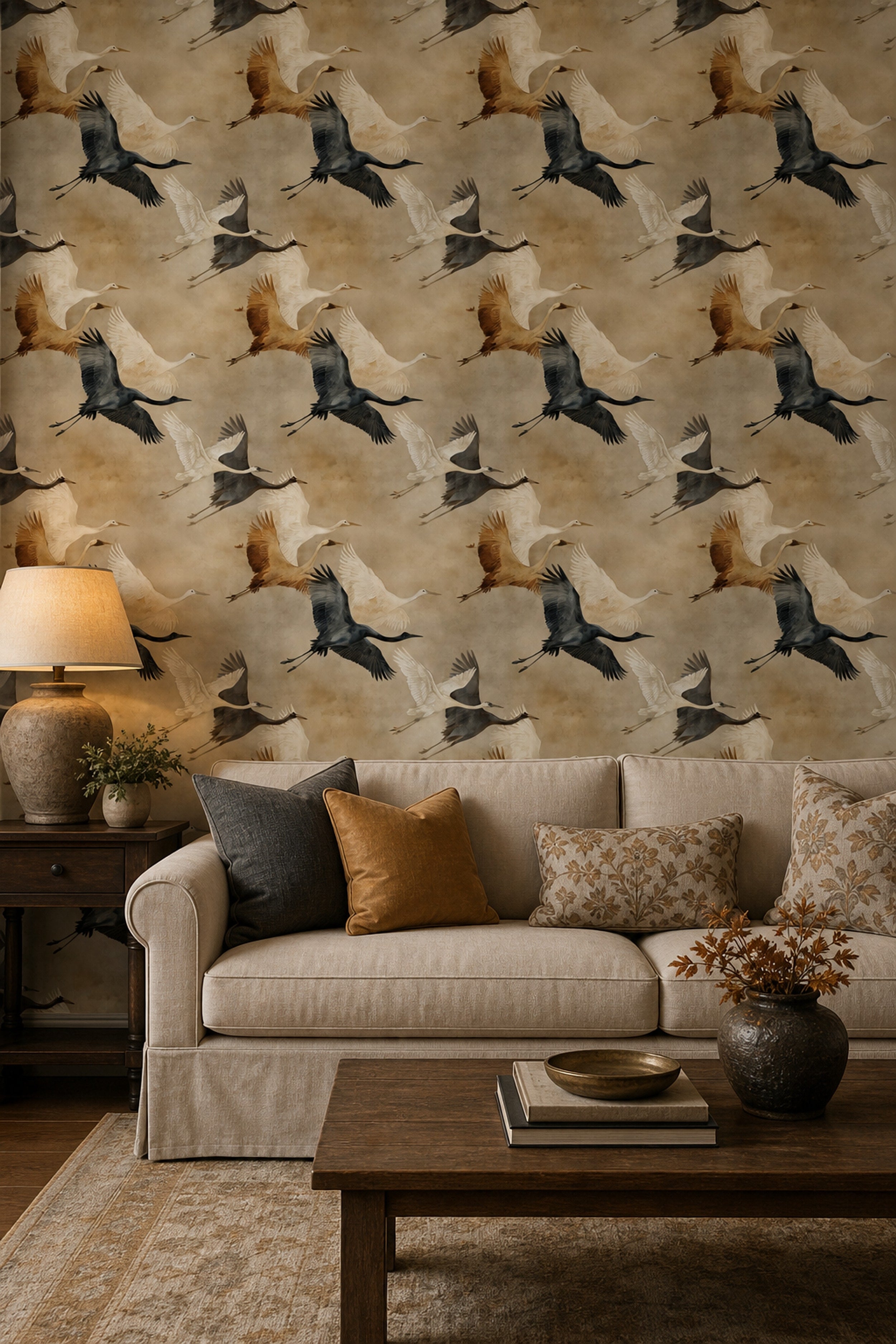
In a small room (around 8×10 ft), Japanese Wallpaper usually works best as one accent wall if the print is large-scale—think oversized cranes, koi, or bold wave motifs—so the space doesn’t feel busy. In larger rooms (12×14 ft and up), you can wrap all walls with a finer pattern like a repeating seigaiha wave or subtle washi-texture look. If you’re trying it in a rental, Japanese peel and stick wallpaper makes it easy to commit to one wall first.
A bedroom is often the best match for Japanese Wallpaper because the calm motifs—sakura branches, misty mountains, or ink-style landscapes—support a restful feel; place it behind the headboard as the focal wall. For a more enveloping look, use Japanese wallpaper for bedroom on all walls in a soft greige, warm ivory, or muted sage palette. In a powder room, a dark indigo or charcoal Japanese wallpaper for walls can even work on the ceiling for a lantern-lit effect.
Japanese Wallpaper pairs well with Japandi (light oak, matte black accents, and simple lines) and even modern industrial if you keep the palette restrained—try ink-gray prints with black steel shelving. It can also work with mid-century pieces like a walnut credenza, as long as the pattern stays graphic rather than overly ornate. What tends to clash is heavy French-country ruffles, shiny gold baroque frames, or busy multi-color boho rugs that compete with Japanese floral wallpaper and traditional motifs.
Start with light oak or ash furniture, a low platform bed or slim-profile sofa, and matte black hardware—these echo the clean lines often found in Japanese Wallpaper. Add textiles like a natural linen curtain, a ribbed cotton throw in sand or oatmeal, and a flatweave rug in charcoal to ground indigo or sumi-ink tones. If you choose a Japanese mural wallpaper look with cranes or mountains, keep decor minimal—one ceramic vase and a paper lantern pendant go further than a shelf full of objects.
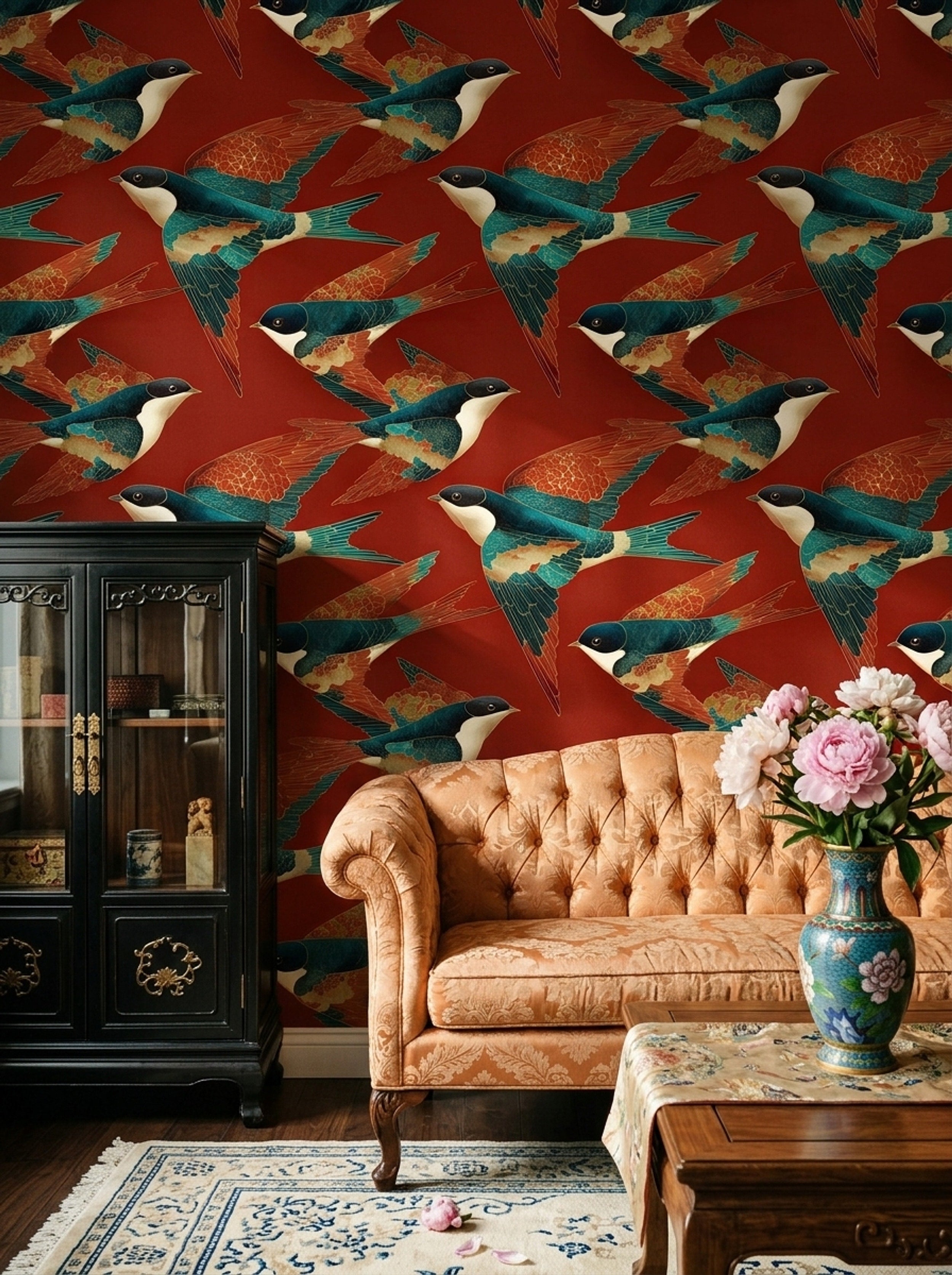
The current wave is about calmer rooms and fewer, more intentional patterns—Japanese Wallpaper fits that with negative space, ink-wash gradients, and nature motifs like bamboo and sakura. Designers are also using modern colorways (stone, clay, soft black, and dusty green) instead of only bright red-and-gold traditional palettes.
Use Japanese Wallpaper to “zone” one function—like the dining area—by placing it on the wall behind the table or banquette, then keeping adjacent walls in a quiet warm white so the eye can rest. In open-plan rooms, choose one dominant motif (for example, a seigaiha wave or crane print) and repeat its colors in small ways—indigo cushions, black-framed art—so it reads connected rather than random. If you want the impact of a Japanese wallpaper mural, keep the main view wall clear of tall cabinets so the scene stays readable from multiple angles.
VISUAL SEARCH
Upload a reference image and discover visually similar designs.
BEST MATCHES
PERSONALIZED DISCOVERY
Describe a look or let your room lead the search.
CURATED FOR YOU
The chat is taking longer than usual.
Email support@muralls.com