Wall Mural
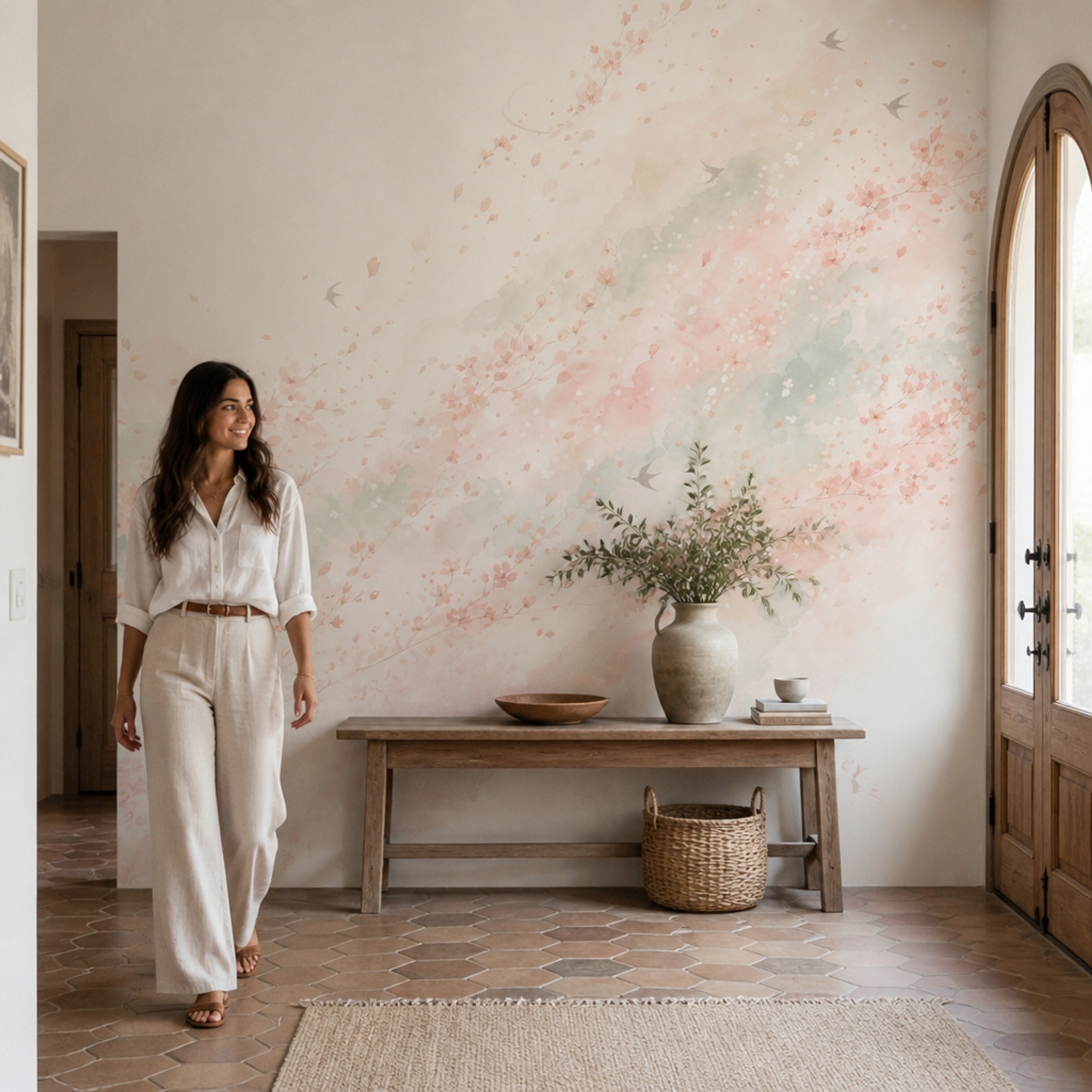
Pastel Watercolor
From $3.72 / sq ft
Wall Mural
Pastel Watercolor
From $3.72 / sq ft

There's something about Japanese designs that just works. The simplicity and elegance of Japanese aesthetics reflect a deep appreciation for nature, balance,...
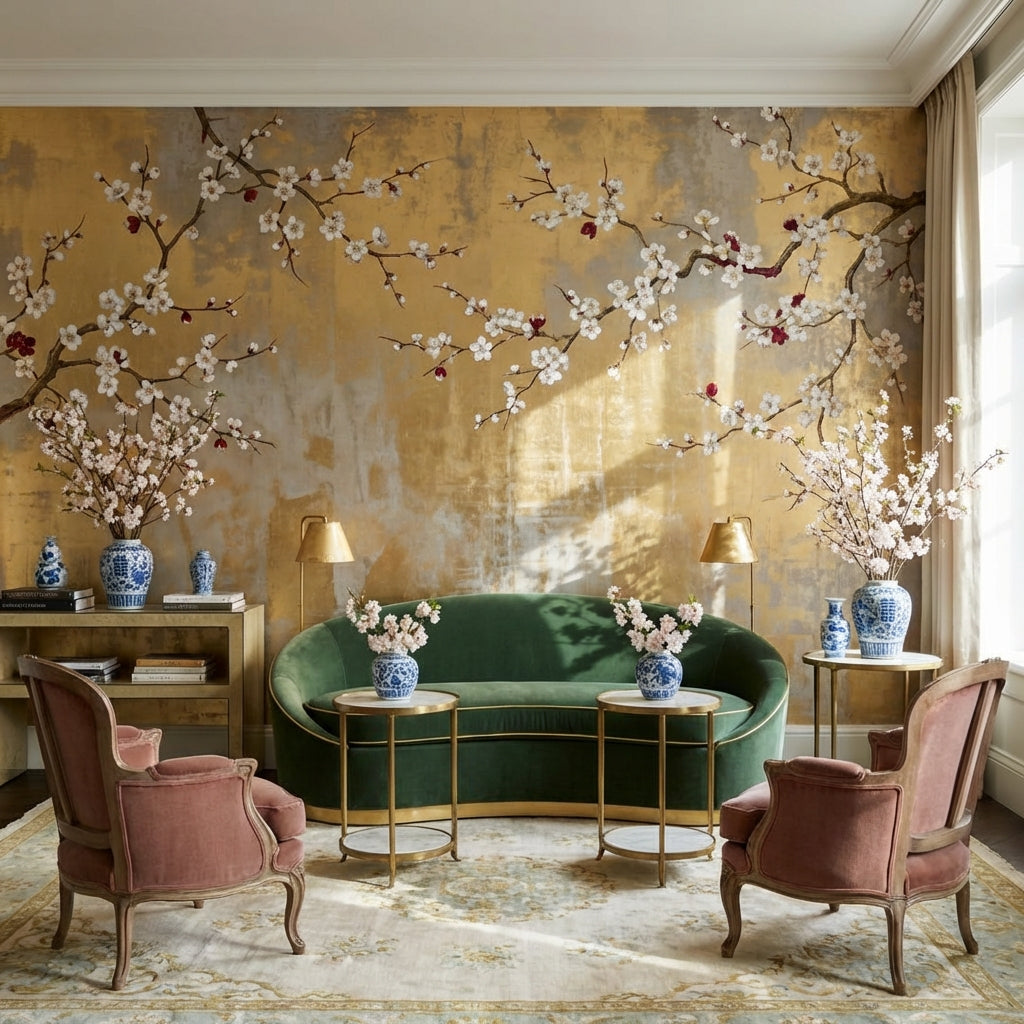
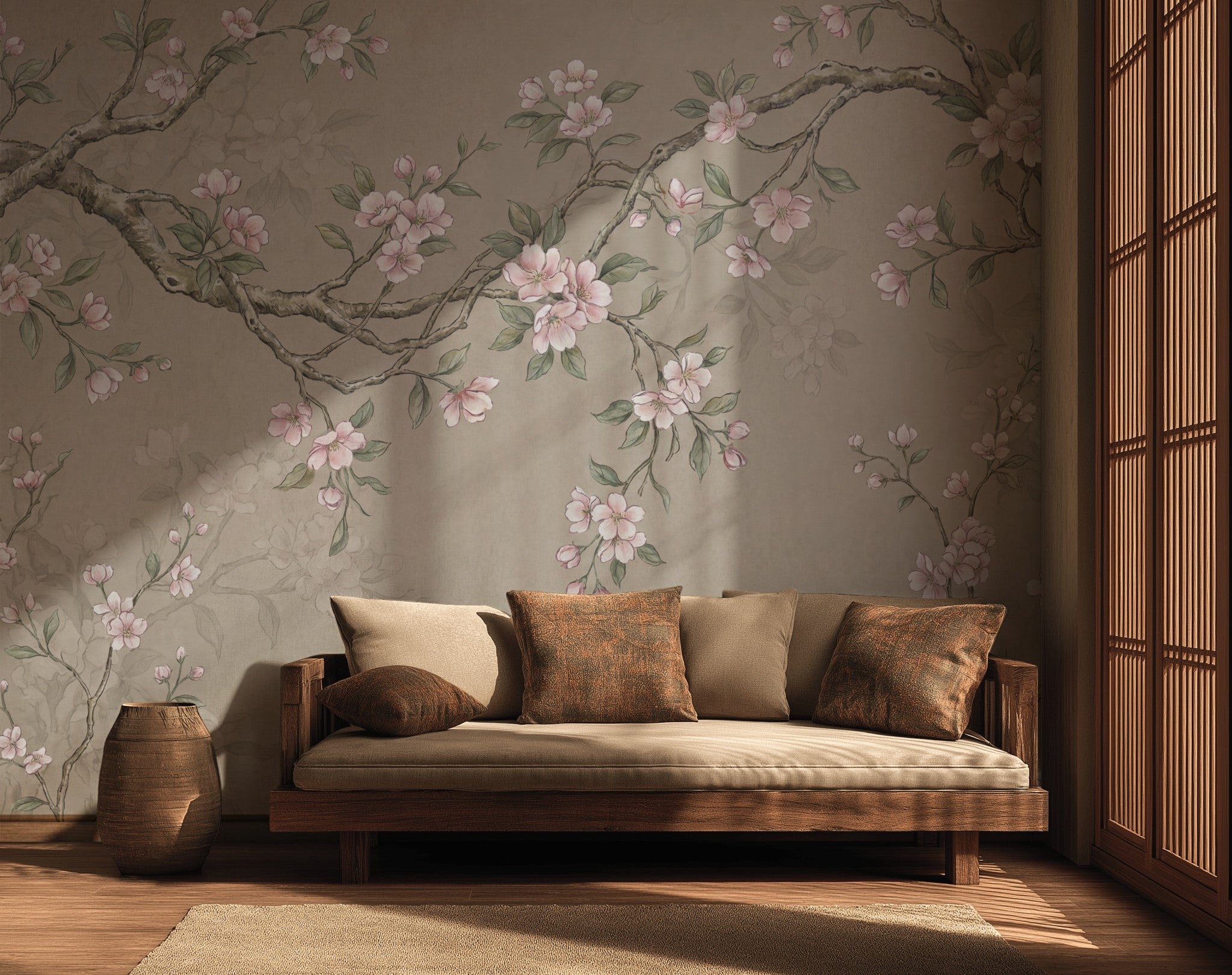
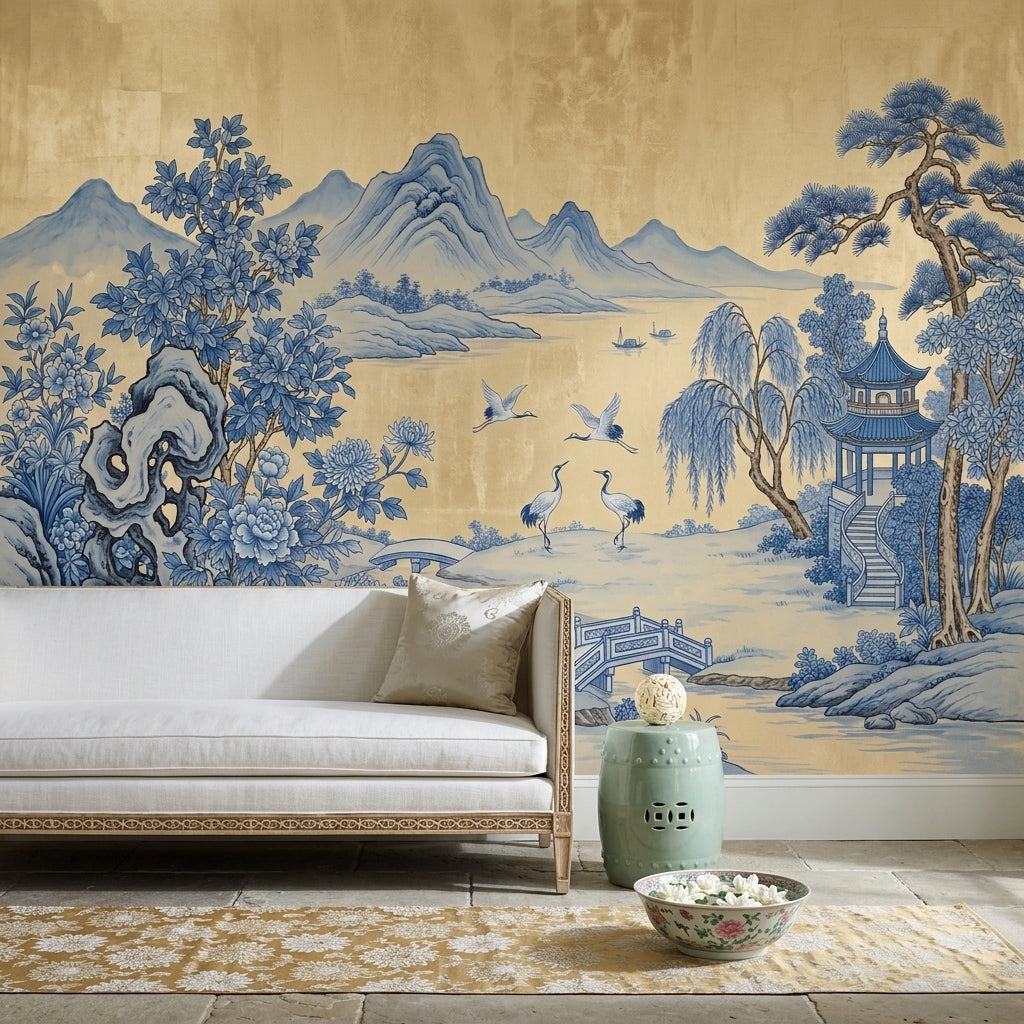
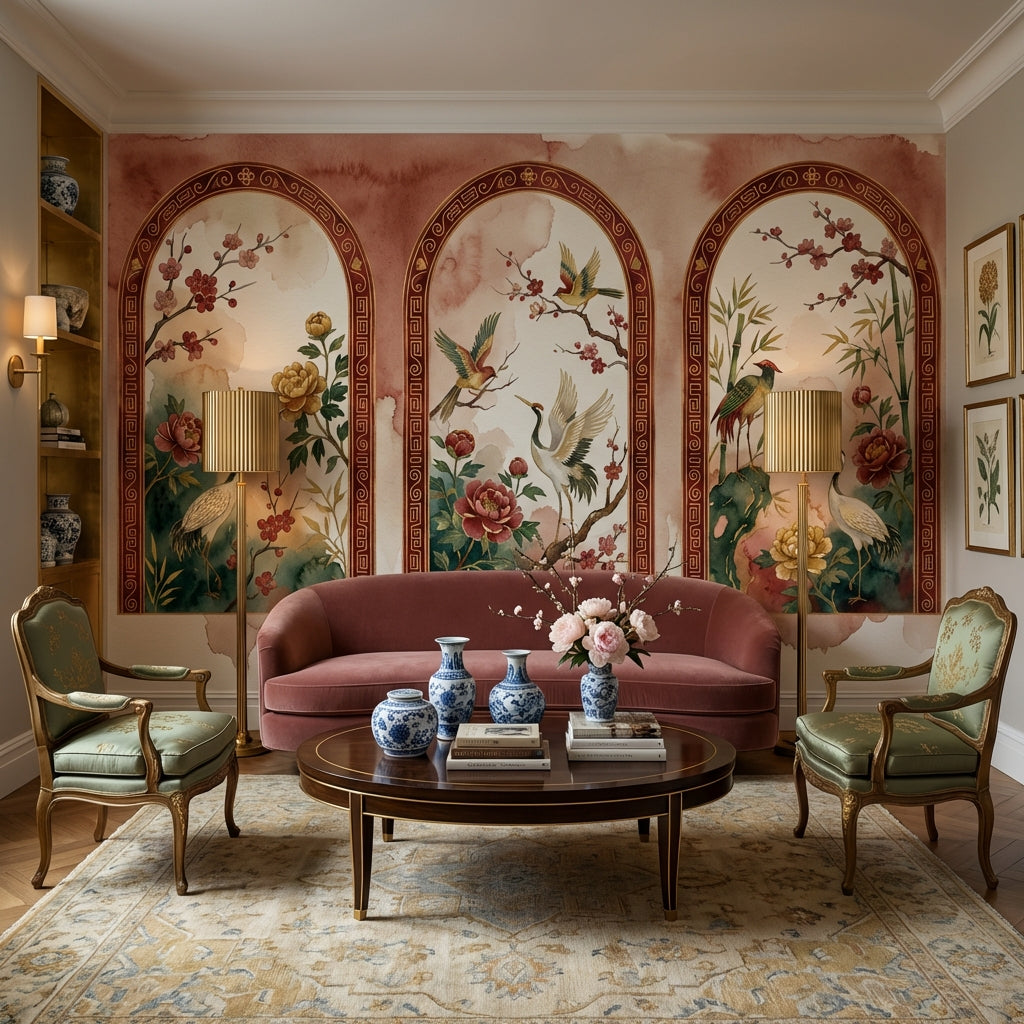
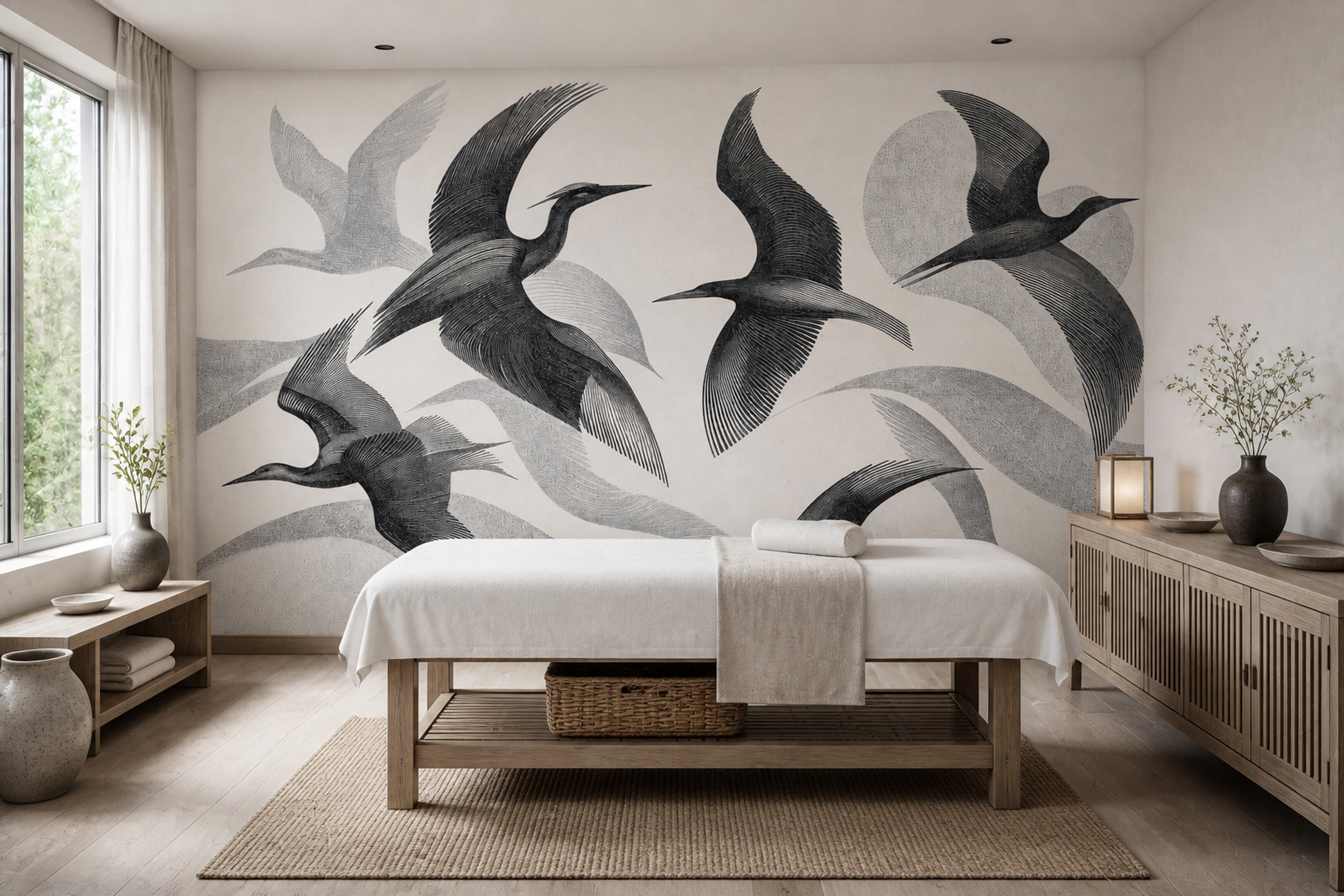
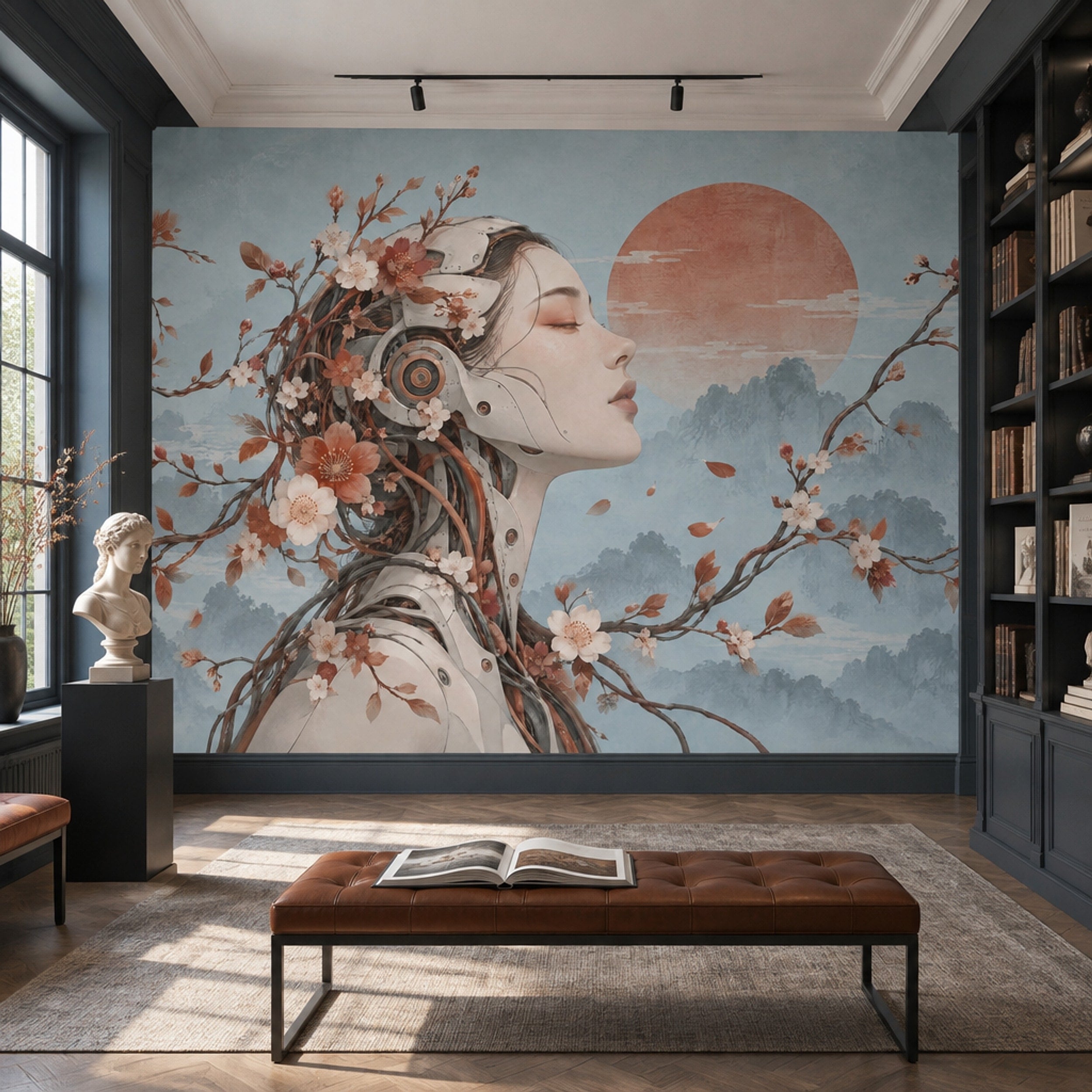
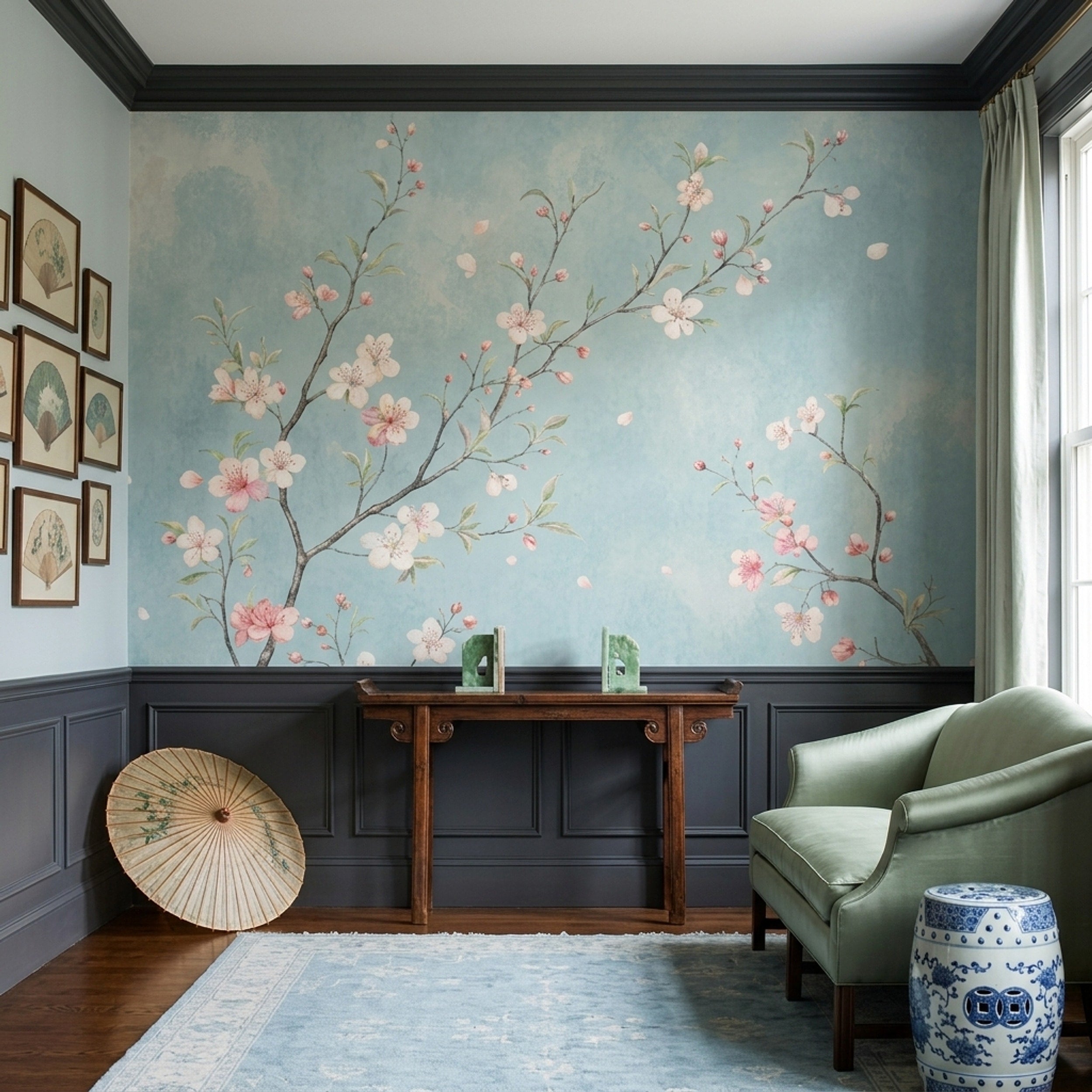
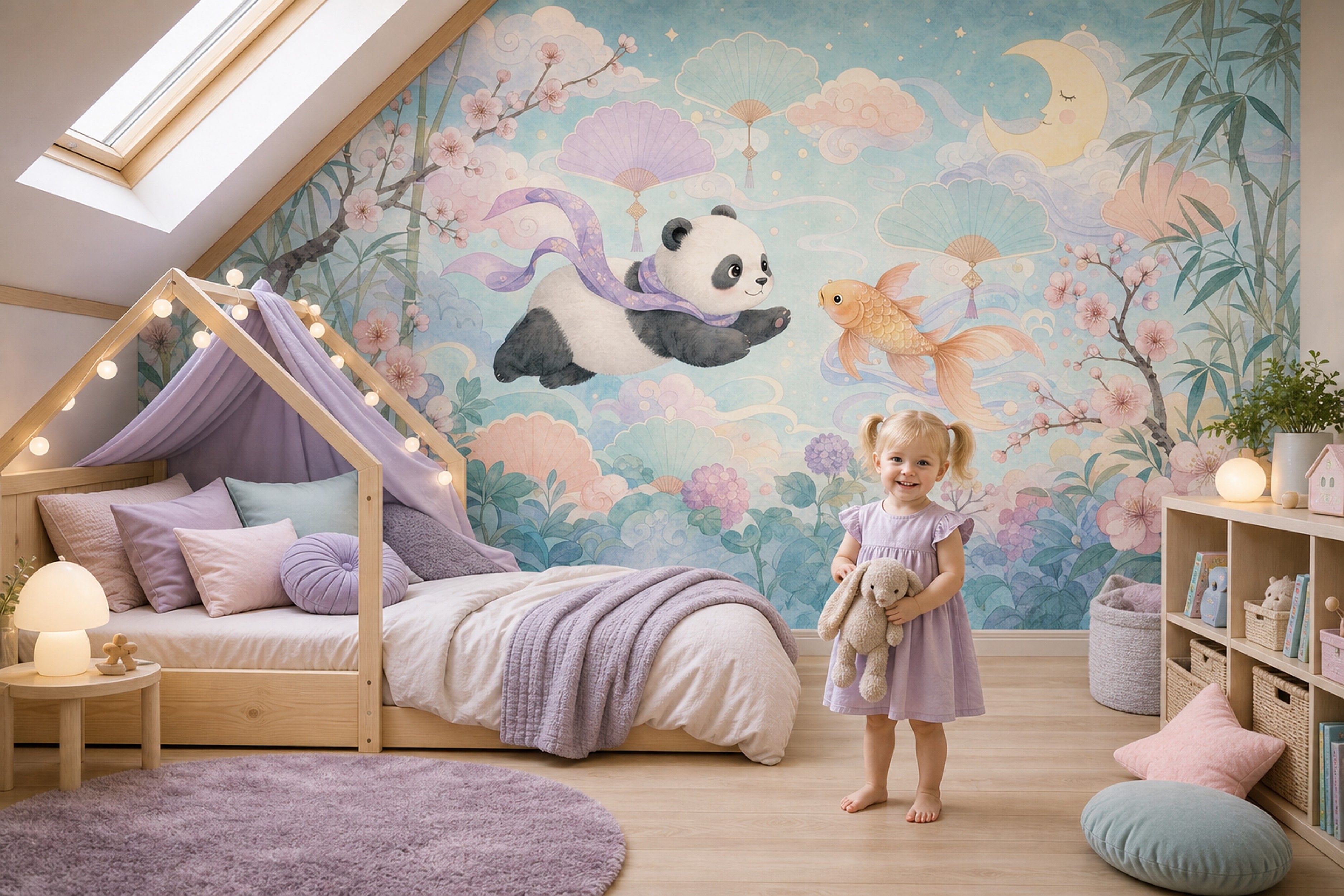
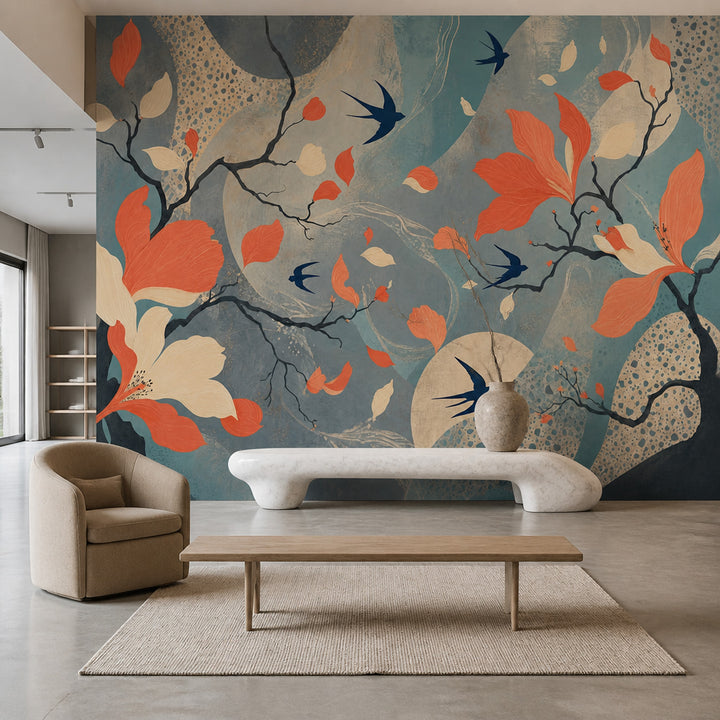
There's something about Japanese designs that just works. The simplicity and elegance of Japanese aesthetics reflect a deep appreciation for nature, balance, and minimalism. Soft, muted colors combined with intricate patterns create a serene atmosphere that can transform your home into a peaceful retreat. Whether through delicate cherry blossoms or bold geometric shapes, these designs evoke tranquility and sophistication.
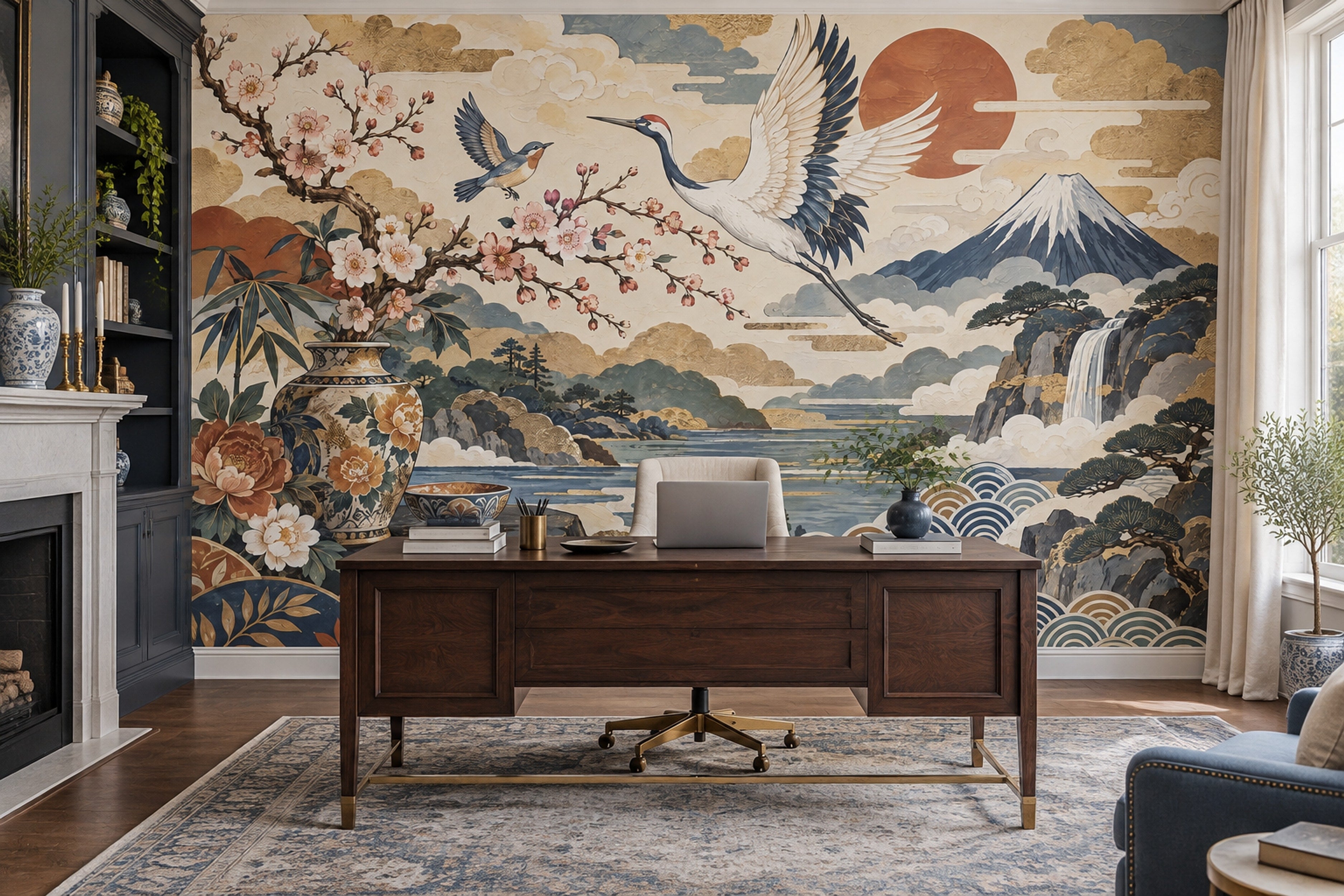
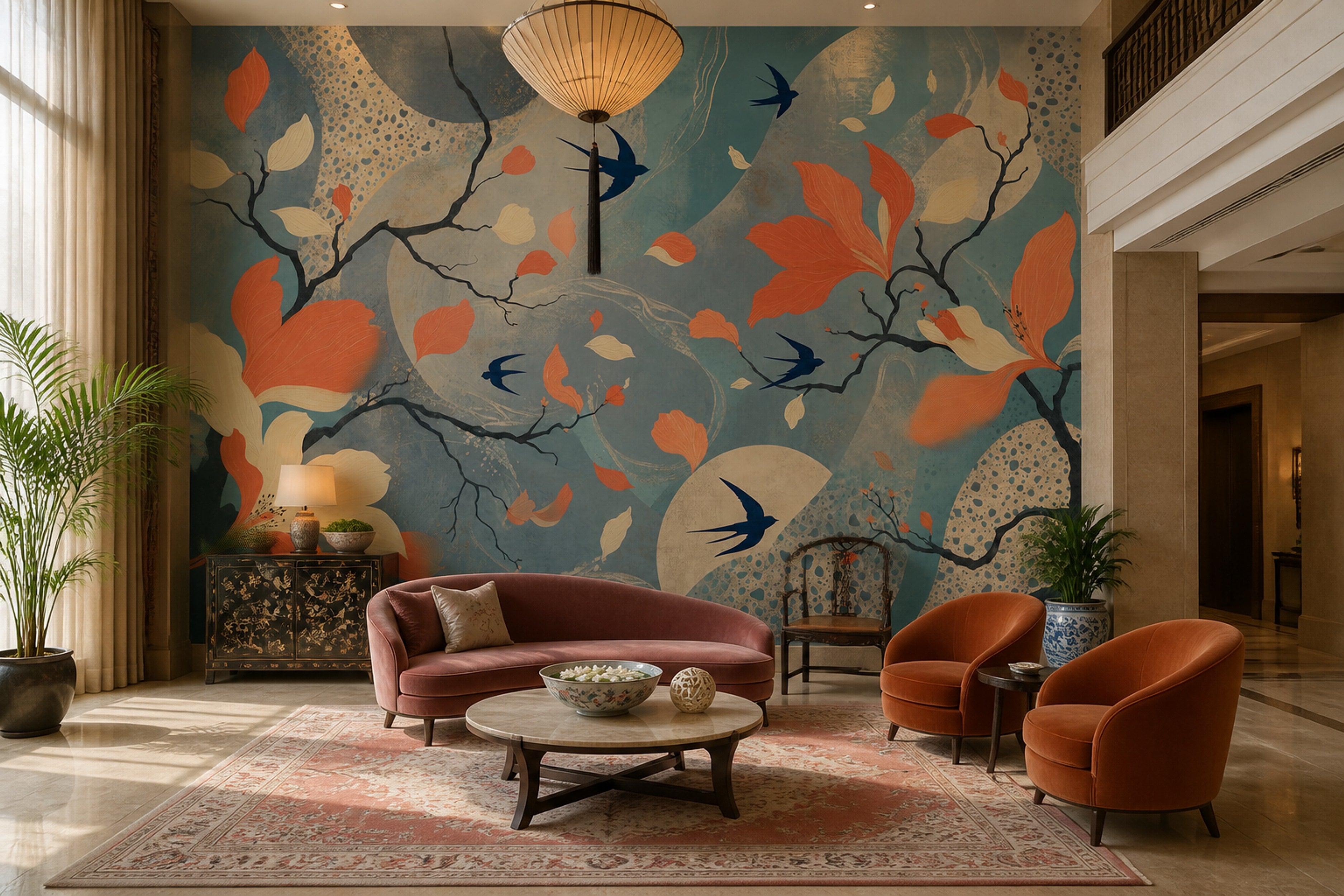
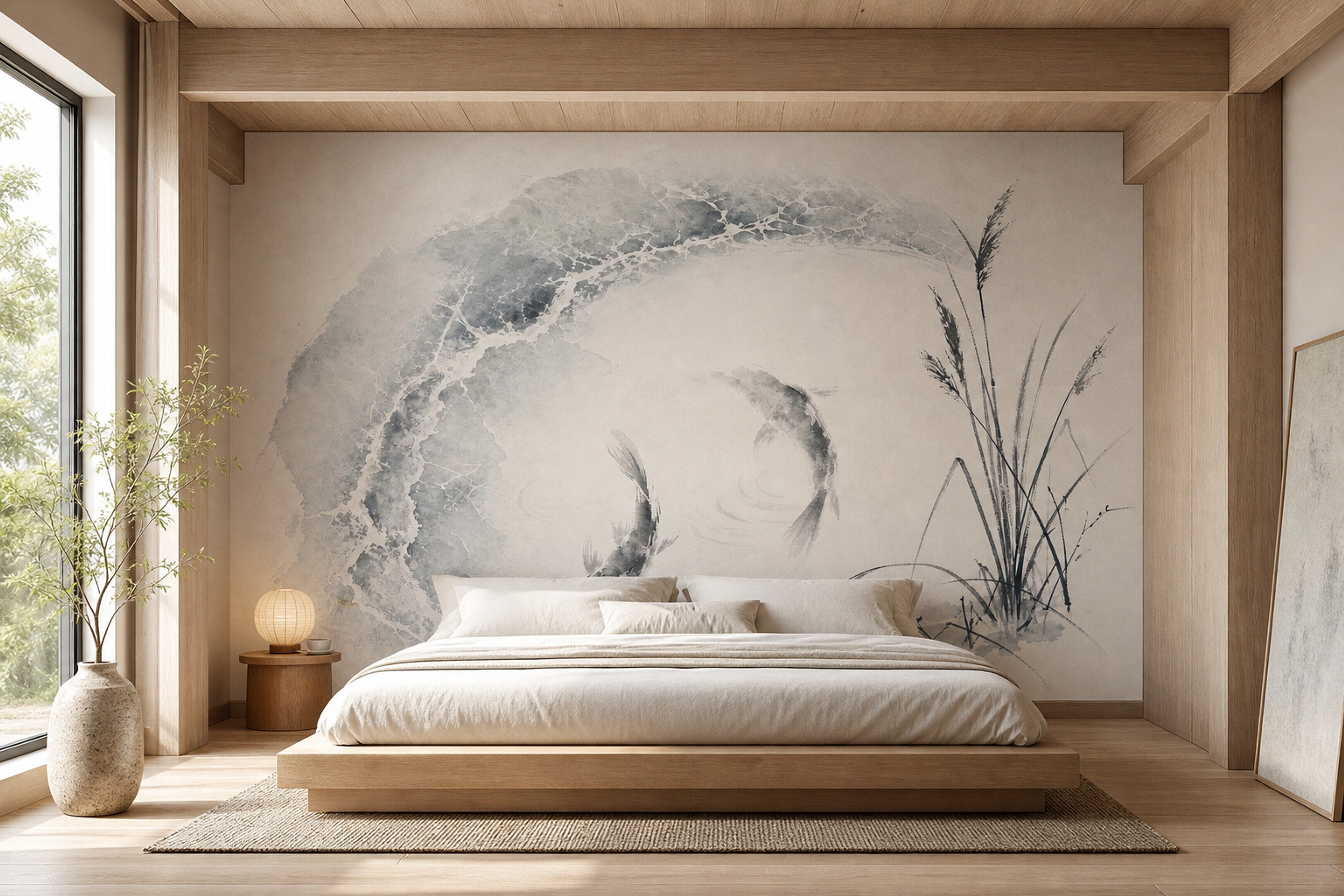
This collection of Japanese wall murals showcases unique designs that draw upon traditional themes. Expect to see rich hues of indigo and crimson, often inspired by nature. Patterns such as waves, bamboo, and koi fish are prevalent, each telling a story and adding a layer of cultural significance. The textures in these murals mimic traditional Japanese materials, inviting tactile interest to your walls.
When considering the placement of these murals, let's think about specific rooms:
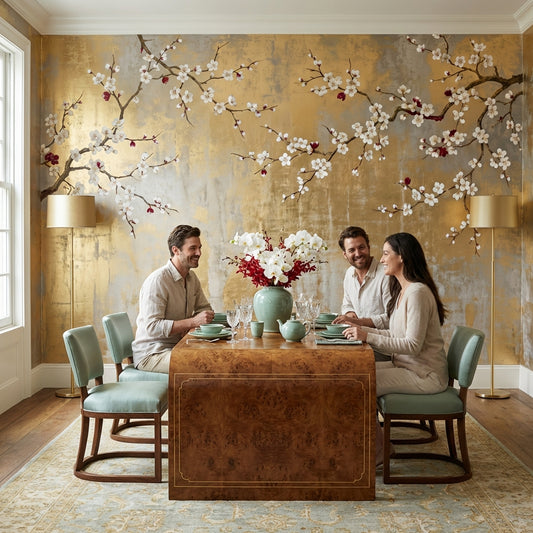
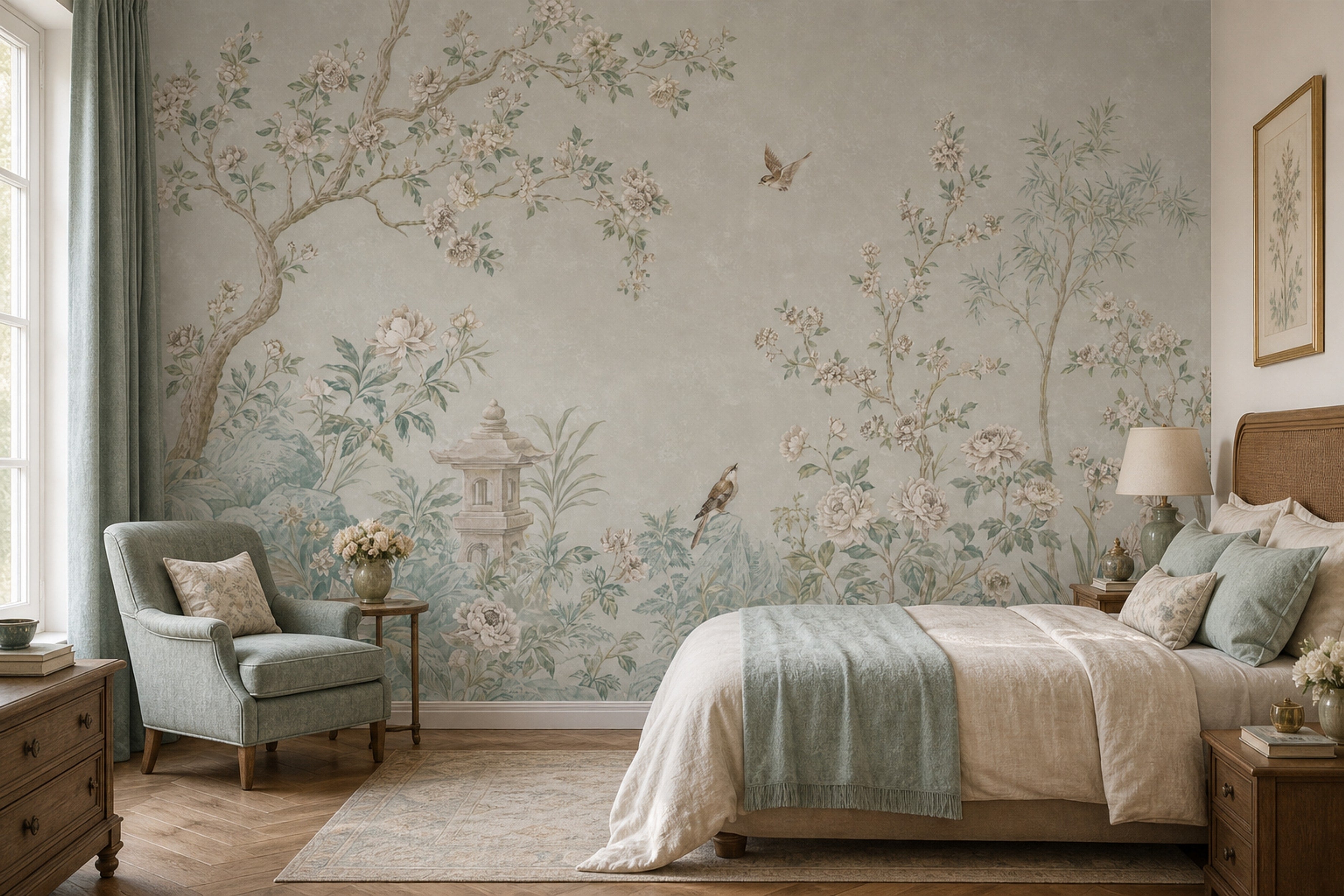
Pair these murals with carefully selected furniture for a cohesive look. Consider an oak dining table with brass lights above to complement the dining room mural. For the living room, a navy-blue velvet sofa can draw out the deep tones of the mountain landscape mural, while minimalist wooden accent tables can maintain a clean look. Incorporating textured throws and cushions will add warmth without overwhelming the design. In the bedroom, a simple platform bed with muted bedding can let the mural shine while creating a tranquil atmosphere.
Installing our Japanese wall murals is a straightforward and custom experience. Each mural can be tailored to fit your wall dimensions, ensuring a perfect fit. The easy paste-the-wall application makes installation a hassle-free process, allowing you to enjoy your new design in no time. Plus, we ship worldwide, so no matter where you are, you can incorporate these unique designs into your home.
Based on designs you explored, with fresh finds mixed in.




24 / 59
Load more— NEED HELP?
Can't find what you're looking for? Our team replies within 4 working hours, Mon–Fri.
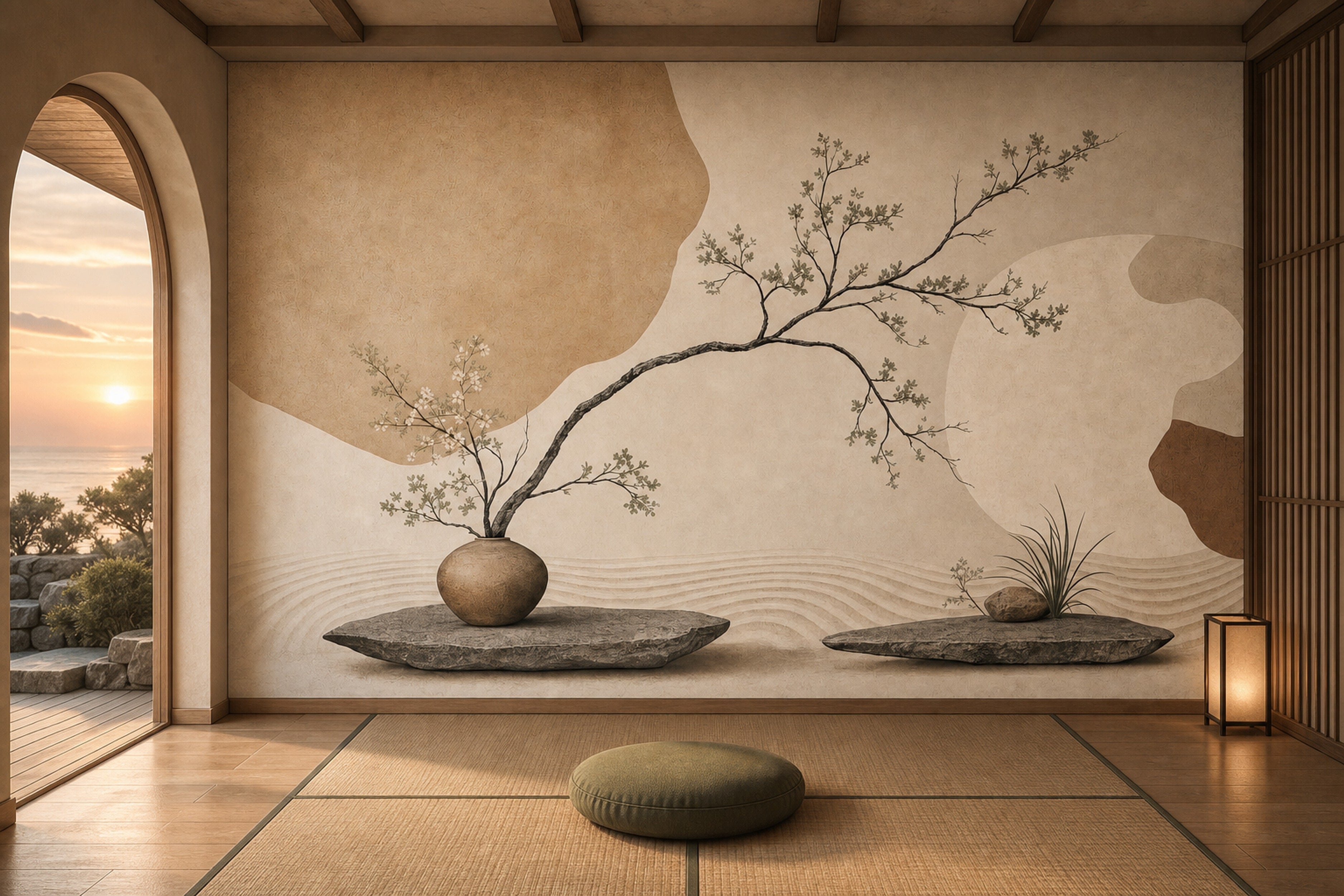
For most homes, Japanese Wall Murals work best as an accent wall when the artwork has a strong focal element—think a large torii gate, koi, or a single branch of sakura—especially in smaller rooms under about 3m x 3m. If you want all walls, choose a quieter pattern scale like a soft sumi-ink wash or a fine seigaiha (wave) repeat so the room doesn’t feel visually busy. Large-format japanese garden wall murals can suit a full room in open-plan spaces, but keep the other walls in warm white or light greige to let the scene read clearly.
For Japanese Wall Murals, measure the full wall width and height (in cm) and note any obstacles like a door return, radiator, or sloped ceiling so the artwork can be scaled without cutting off focal points. If your design includes a horizon line (common in Japanese painting wall murals), decide whether you want it at seated eye level (around 105–115cm) or standing eye level (about 145–155cm). Measure skirting-board height so key elements don’t land awkwardly behind furniture.
A bedroom is often the best match for Japanese Wall Murals because calm themes like Japanese forest wall murals or misty bamboo read restful behind a headboard. Place the mural on the wall behind the bed (or opposite the bed if you want it as the first view), and keep bedside lighting warm so ink and charcoal tones don’t turn flat. In a dining room, Japanese art wall murals also work well on the longest wall to anchor a rectangular table, while a subtle cloud or wave pattern can even work on a ceiling in a compact reading nook.
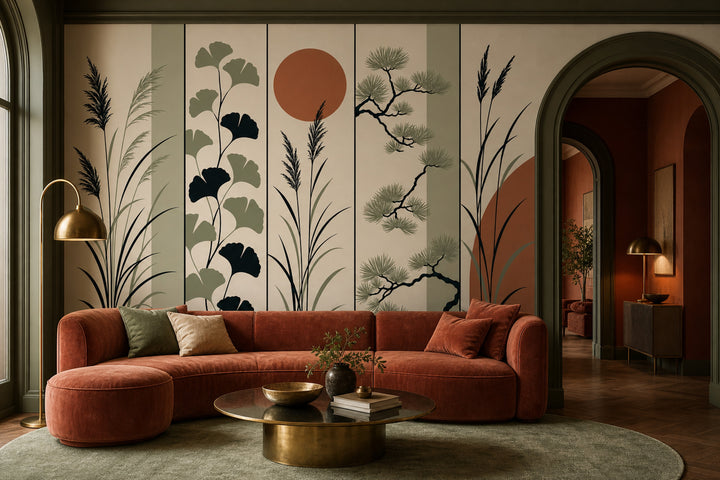
Japanese style wall murals pair naturally with Scandinavian (pale oak, off-white walls) and Japandi (low furniture, simple silhouettes), especially if you choose muted shades like bone, charcoal, and sage. They can also work with modern industrial if you pick a minimal black-and-ivory sumi design and keep metals in matte black rather than shiny chrome. What tends to clash is busy maximalist pattern-on-pattern—avoid pairing Japanese sakura wall murals with large-scale floral upholstery in competing pinks.
With Japanese Wall Murals, start with a low oak platform bed or a walnut slatted bench, then add a black steel floor lamp with a paper-style shade to echo lantern shapes. Textiles that work well include a natural linen duvet in oat, a charcoal wool throw, and a flatweave jute rug to keep the palette grounded. If you’re choosing Japanese garden wall murals, a stone-grey ceramic vase and a bonsai-style plant on a simple oak side table reinforces the theme without overdoing it.
Japanese Wall Murals feel current because interiors are leaning toward calmer visual noise—more negative space, fewer colors, and natural materials—so motifs like ink landscapes, bamboo, and restrained geometry fit the moment. Modern interpretations also mix traditional references (ukiyo-e waves, cranes, Mount Fuji) with contemporary cropping and softer neutrals like warm grey, sand, and smoke blue.
VISUAL SEARCH
Upload a reference image and discover visually similar designs.
BEST MATCHES
PERSONALIZED DISCOVERY
Describe a look or let your room lead the search.
CURATED FOR YOU
The chat is taking longer than usual.
Email support@muralls.com