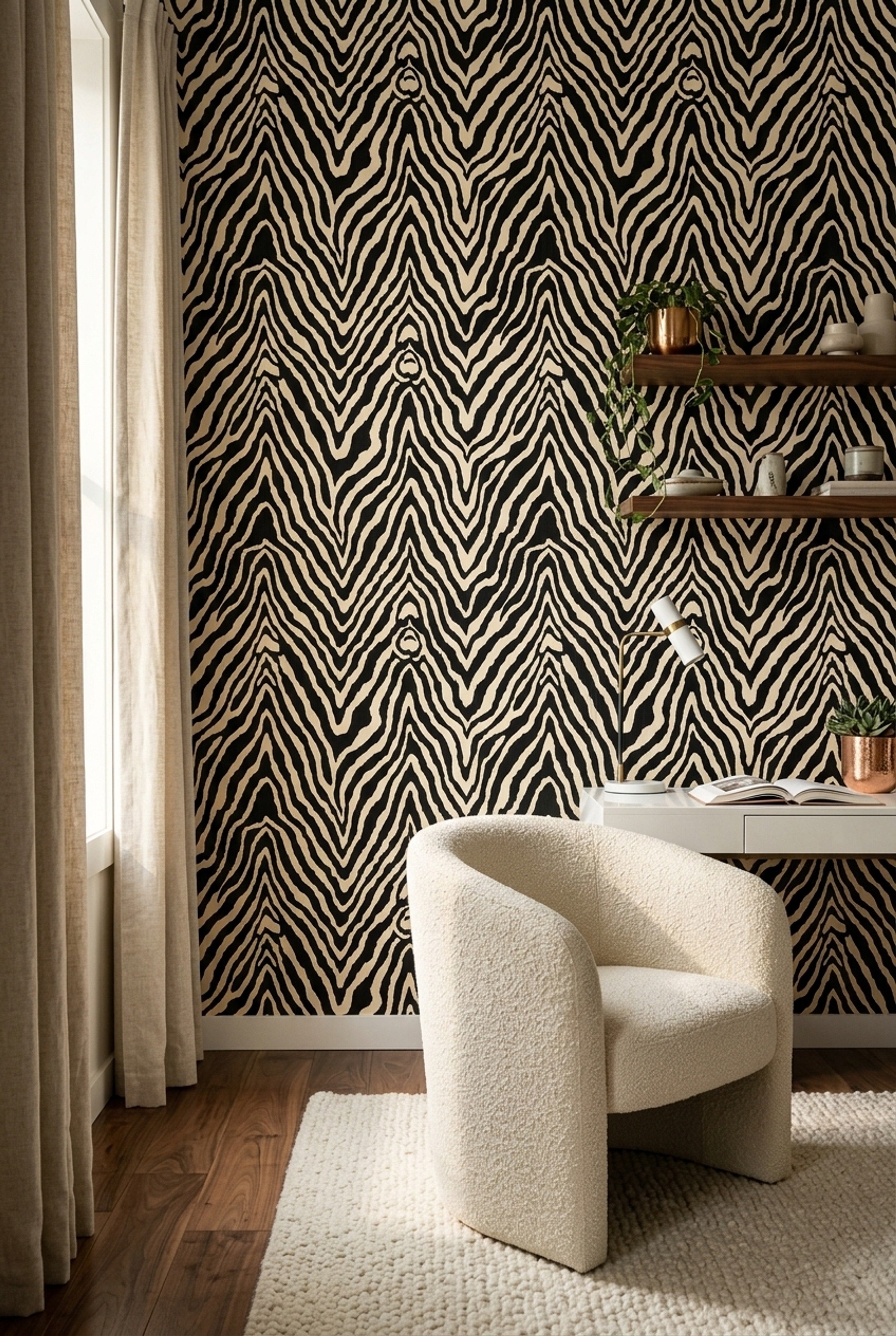
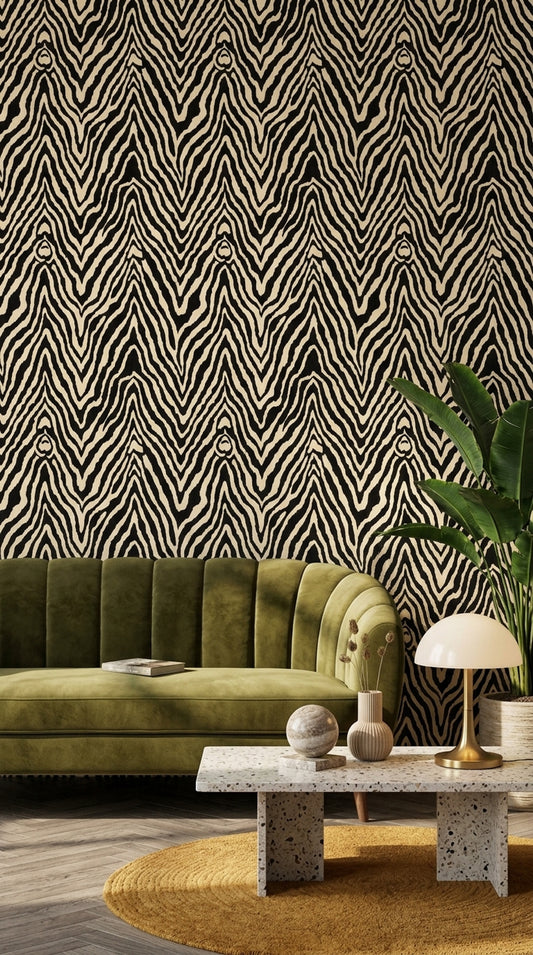
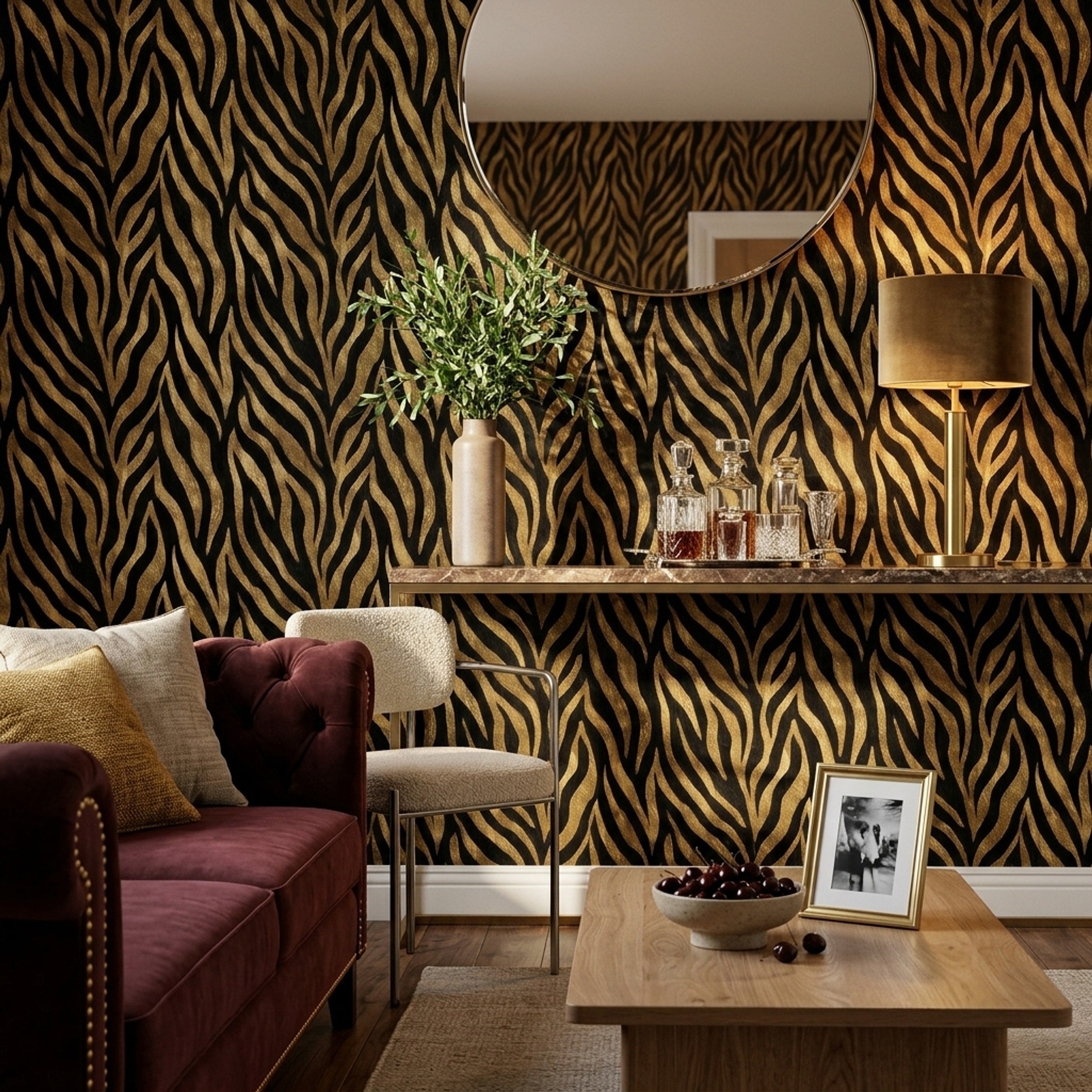
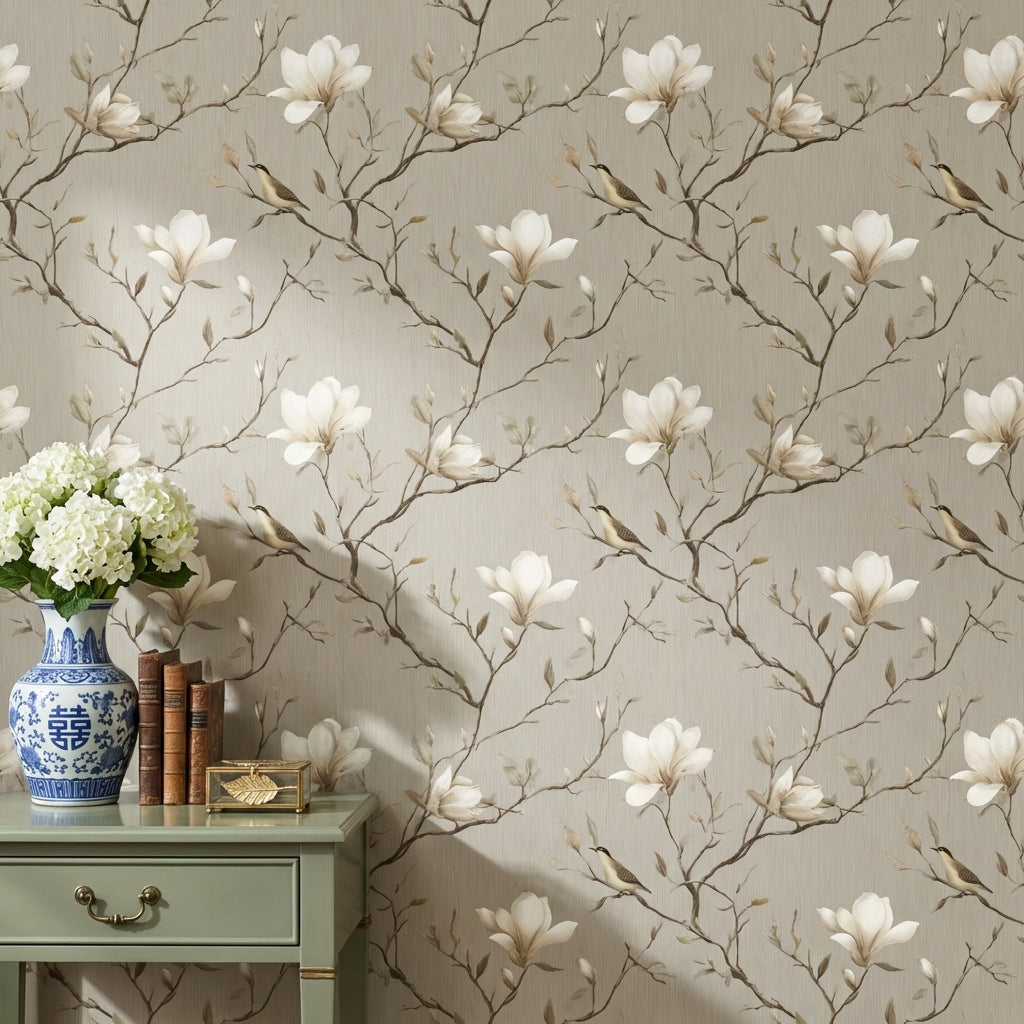
On the chimney breast wall of a south-facing living room, Animals Wallpaper reads with oat, stone, and warm sand undertones in the morning, then shifts towar...
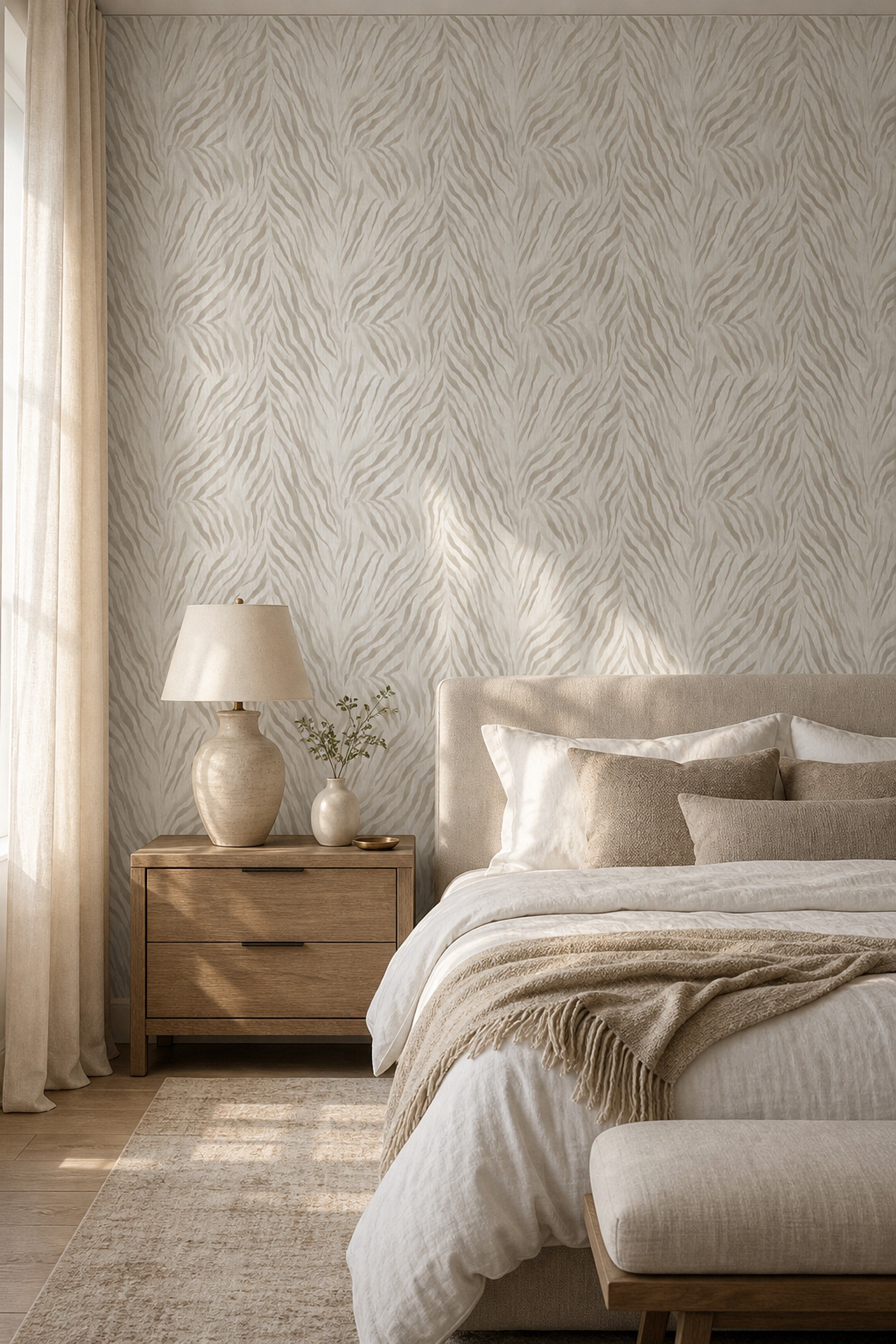
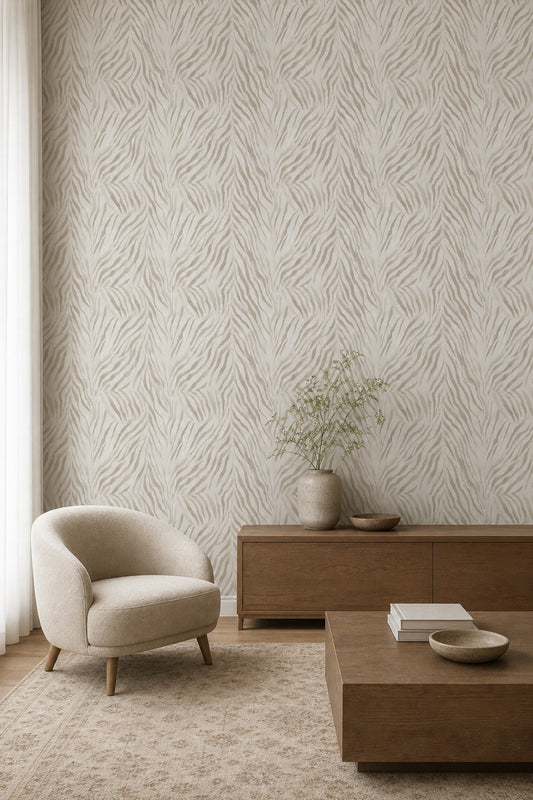
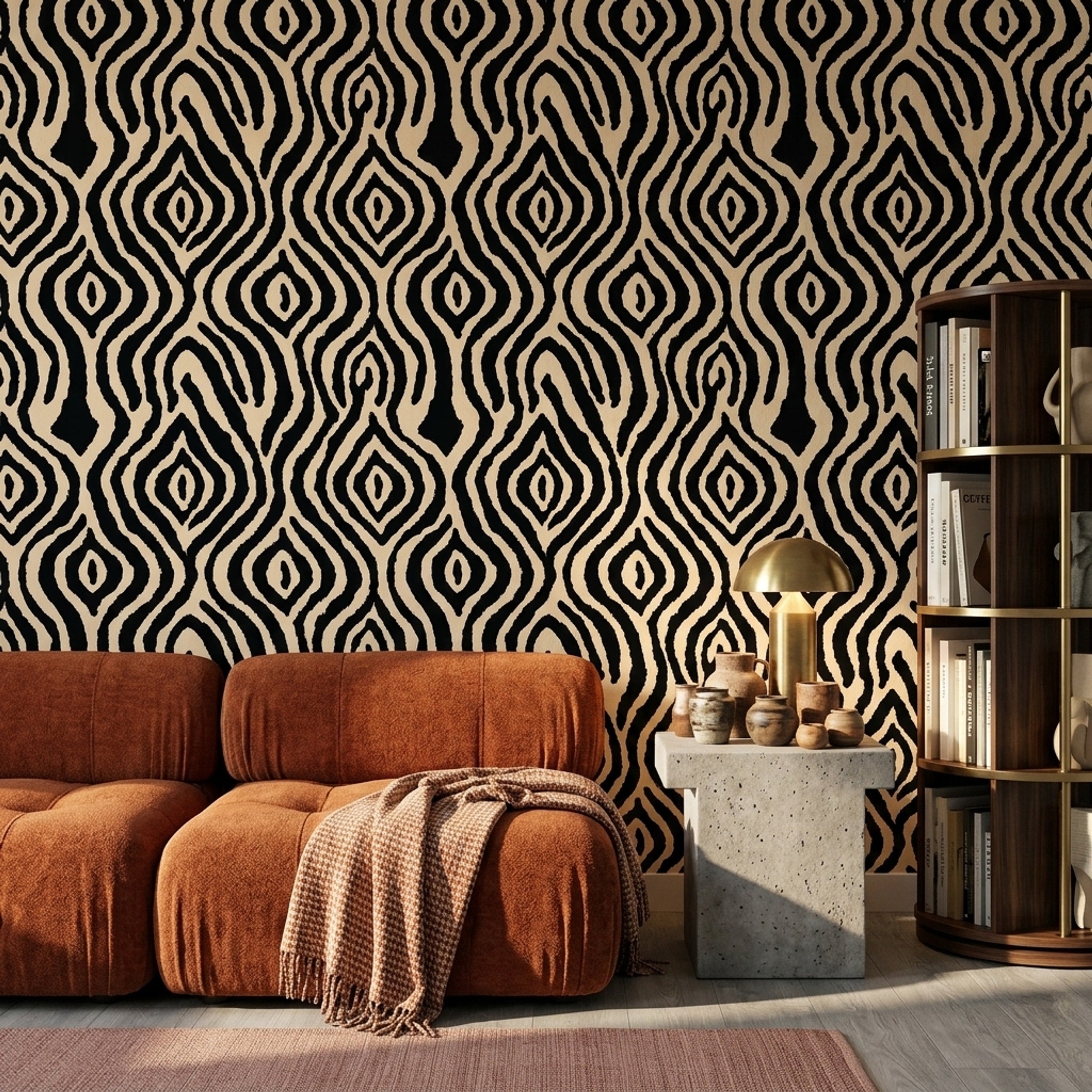
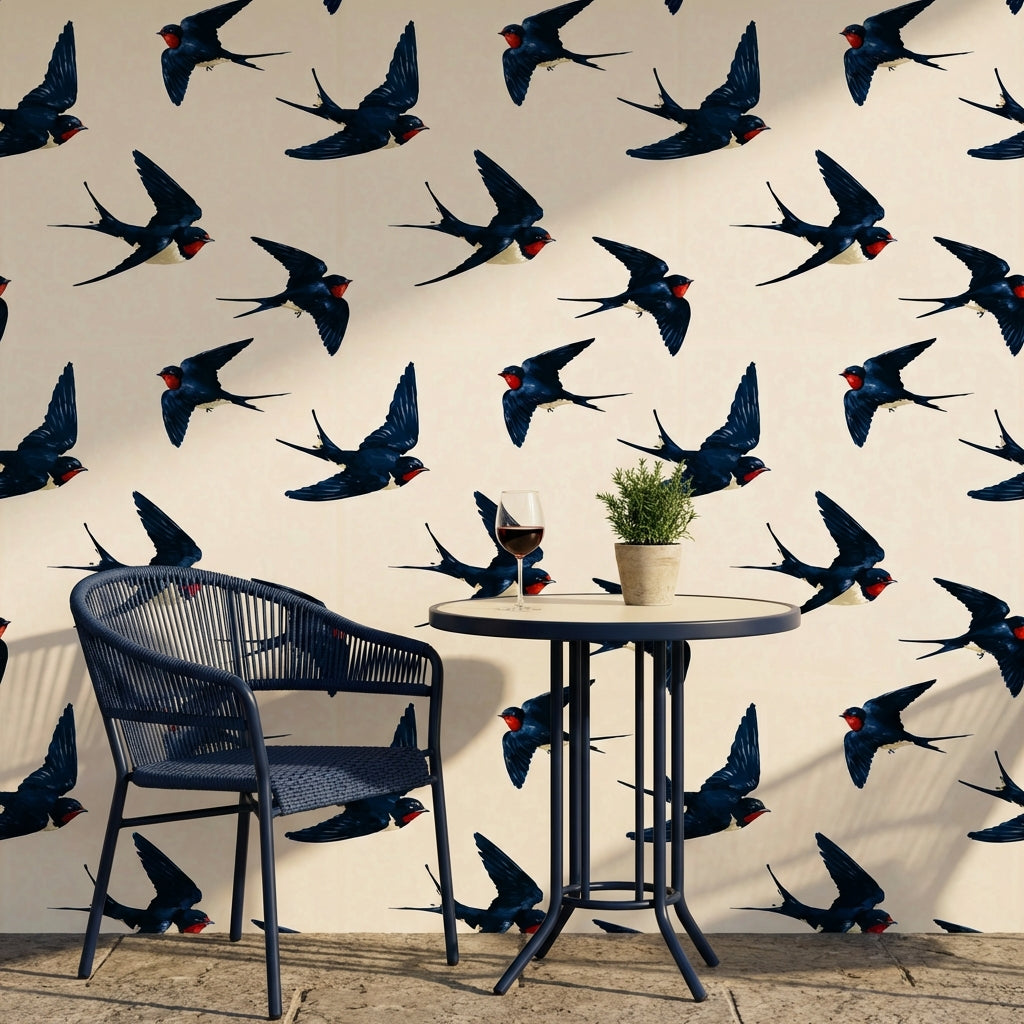
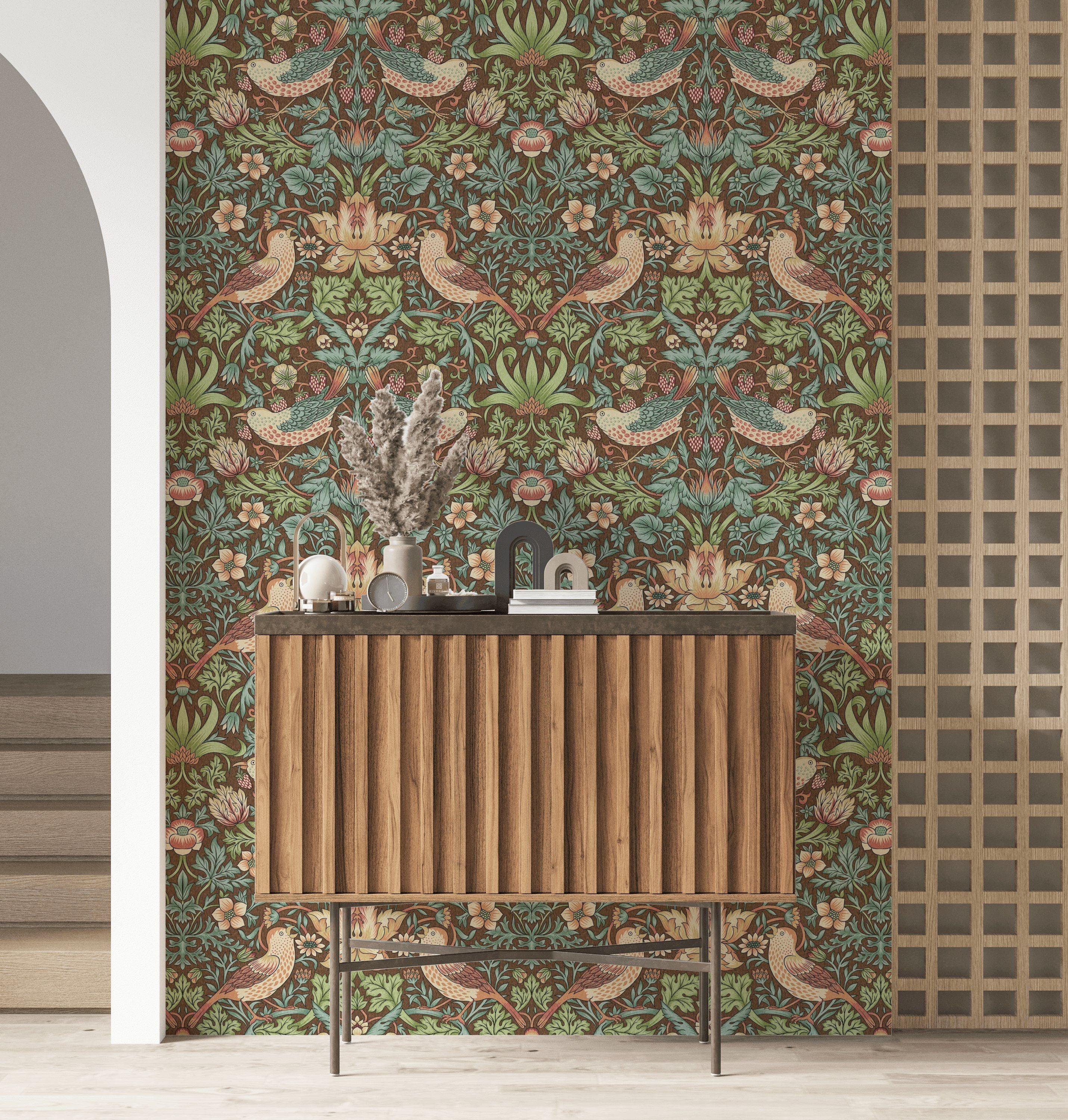
On the chimney breast wall of a south-facing living room, Animals Wallpaper reads with oat, stone, and warm sand undertones in the morning, then shifts toward deeper taupe and inked outline detail as evening light moves across the paper. This is where Animals Wallpaper feels most grounded: behind a low walnut sofa, above a rust velvet bench, and beside linen curtains with a dry flax cast. If you are comparing it with quieter neutrals, our Beige Wallpaper collection shows how these warmer undertones sit against oak flooring and brushed brass lighting.
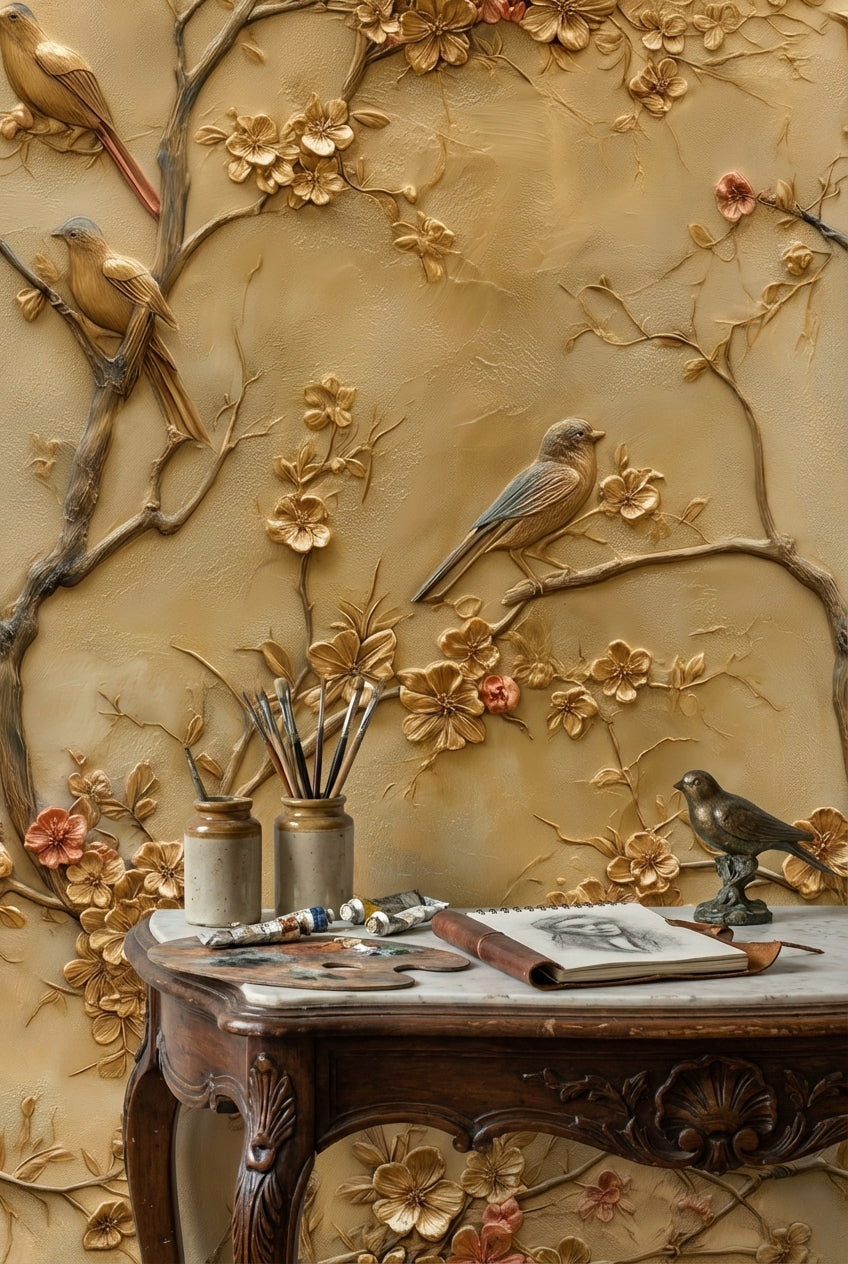
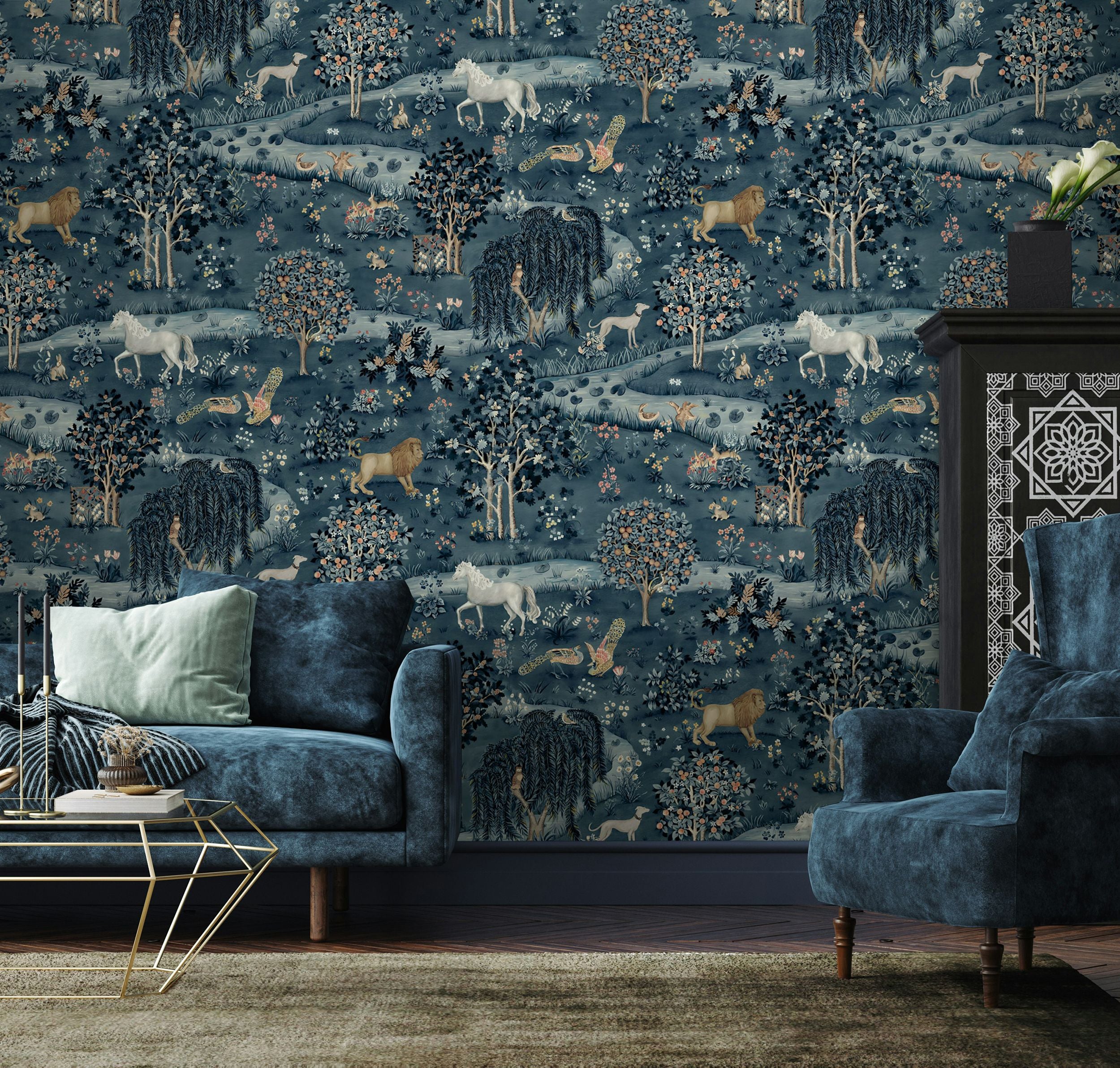
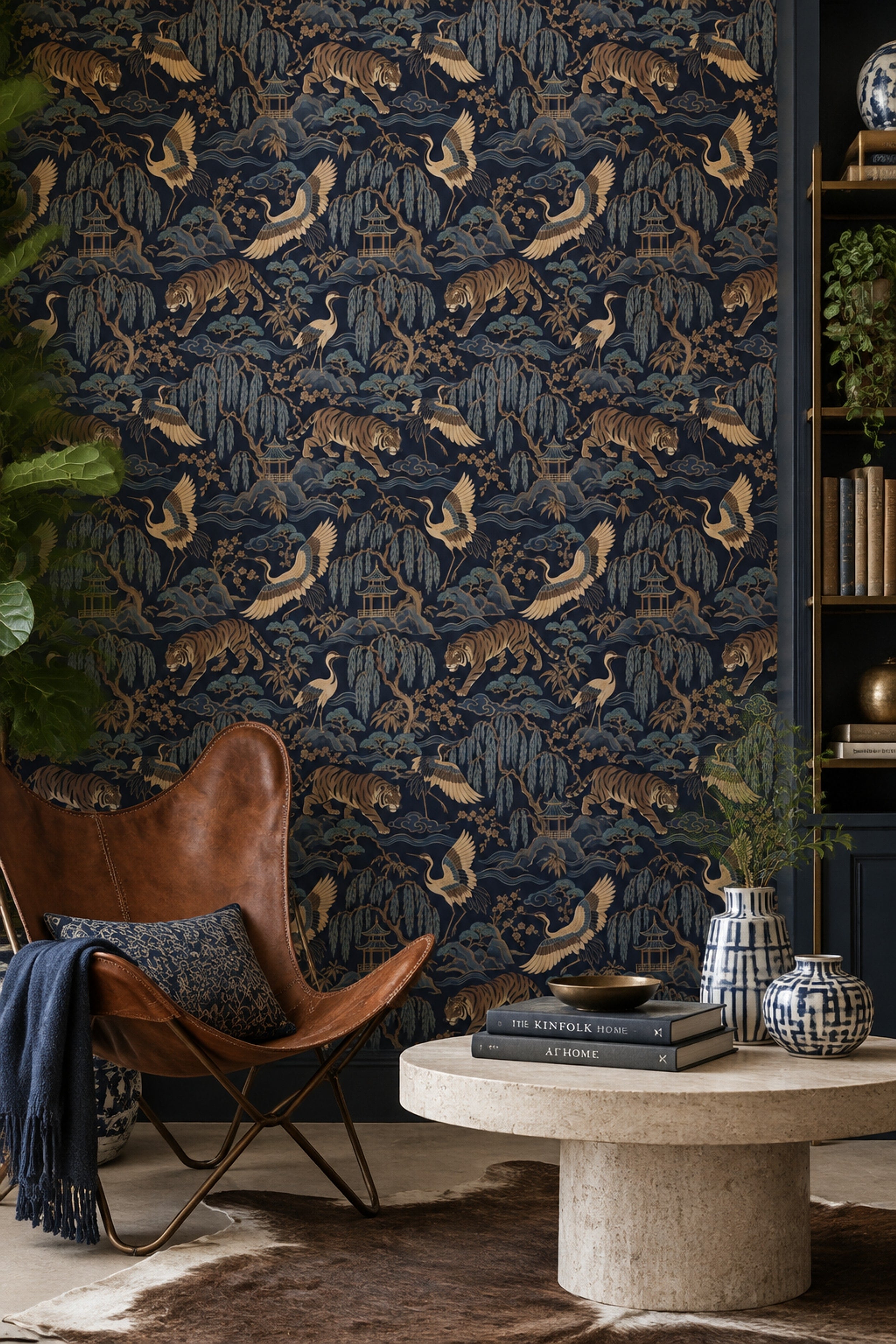
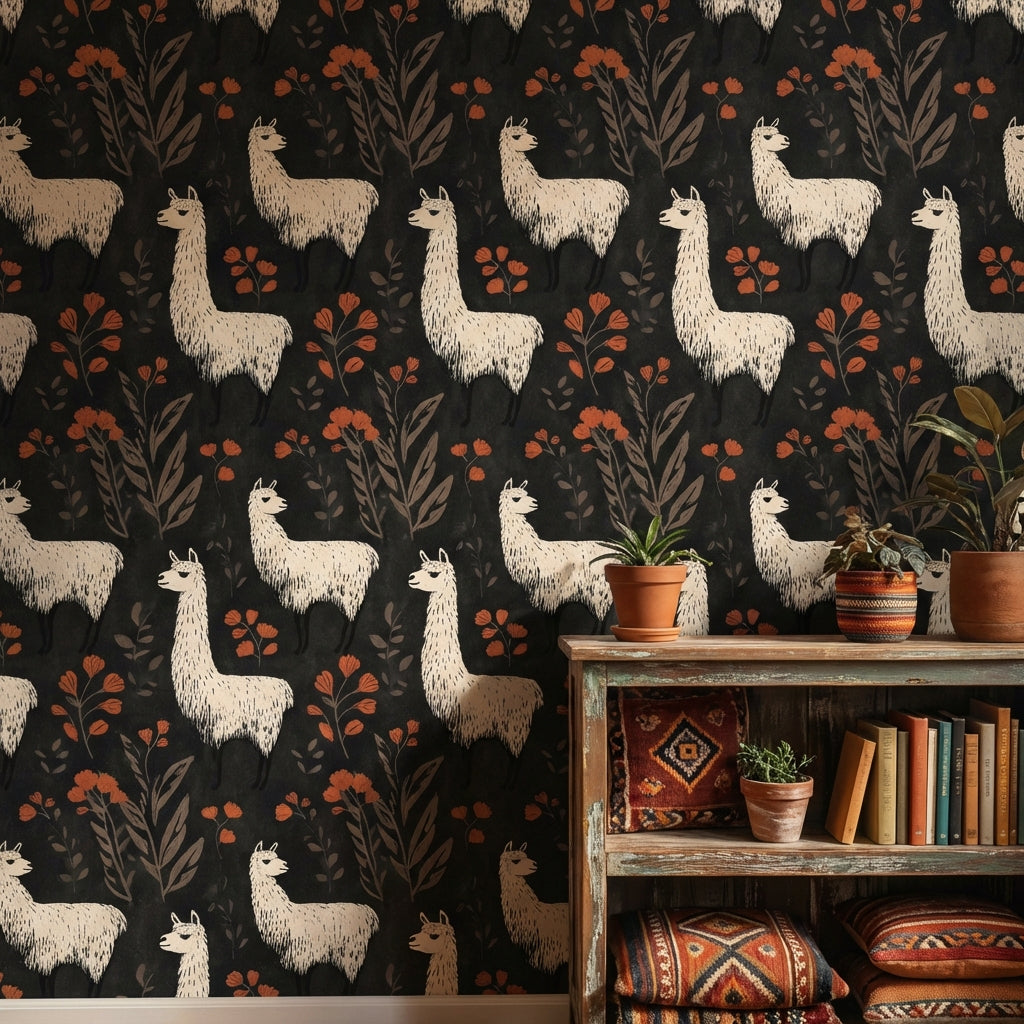
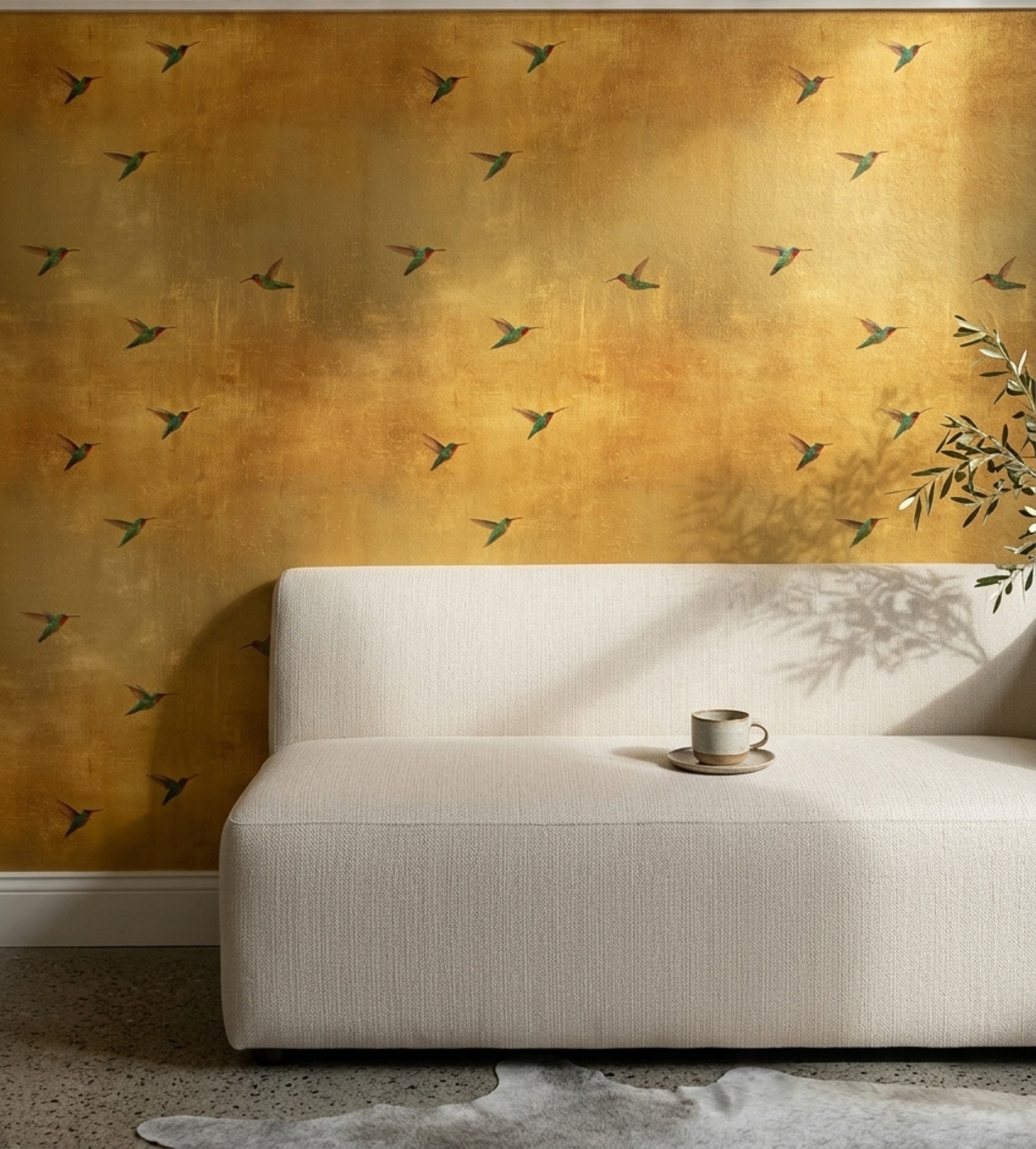
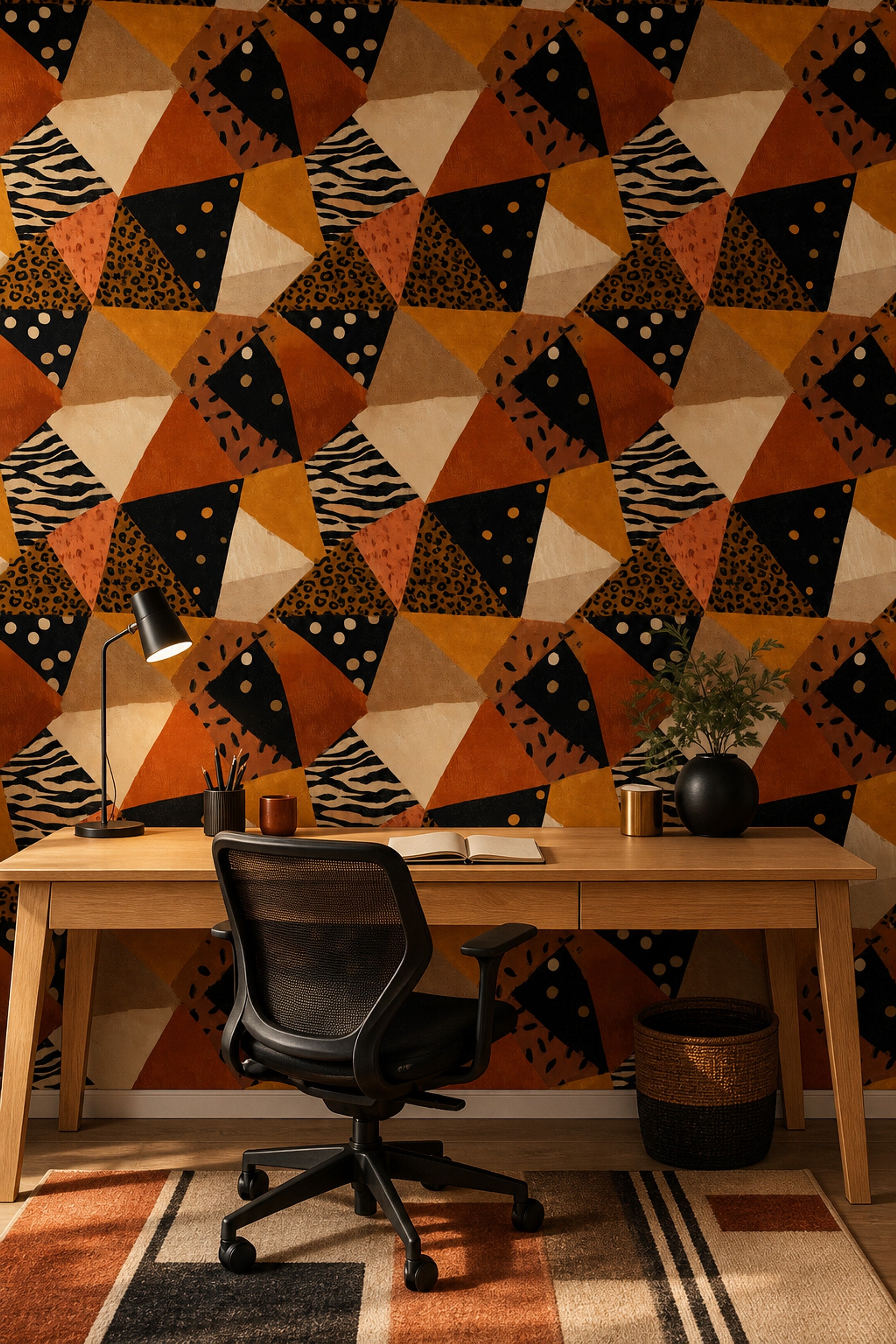
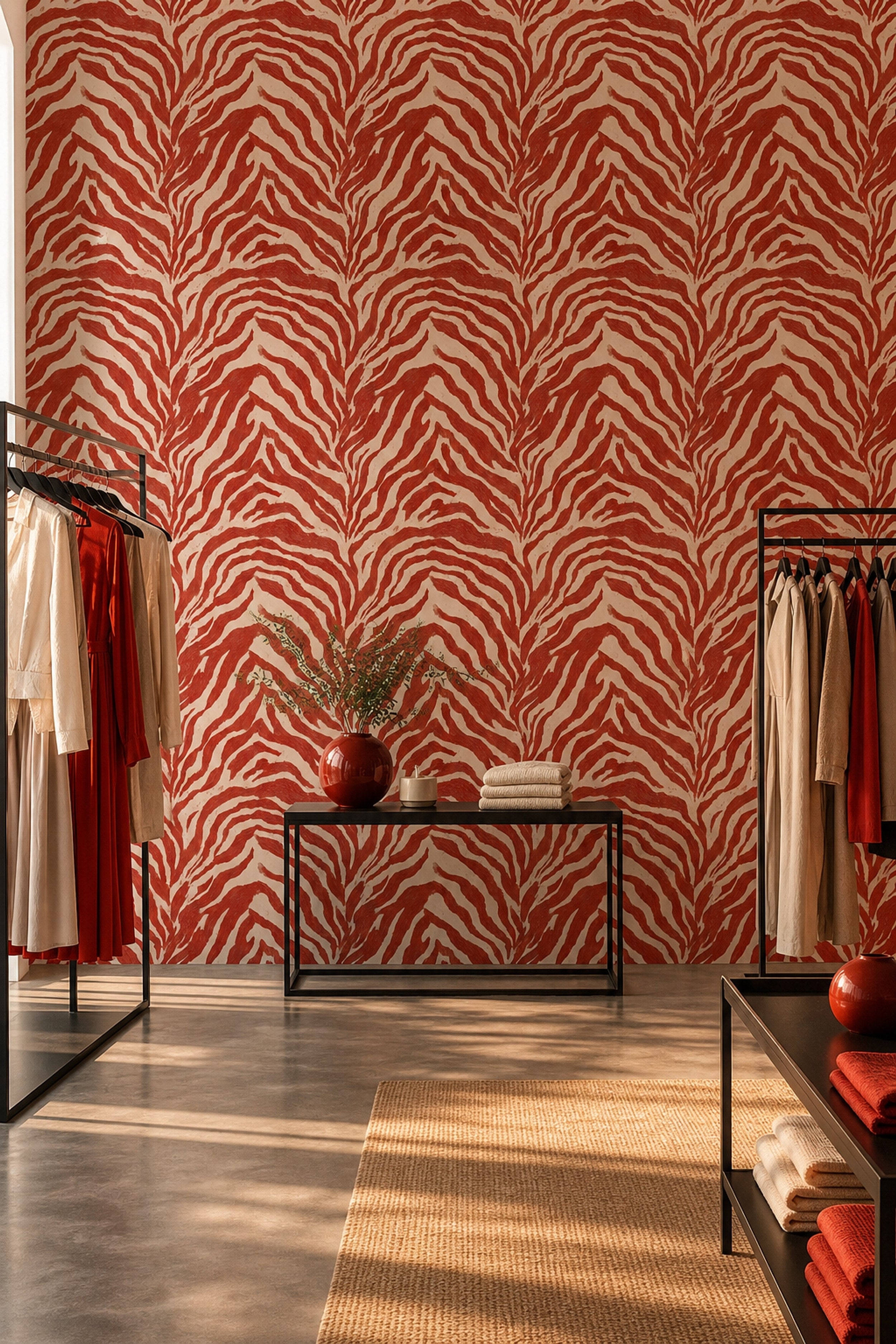
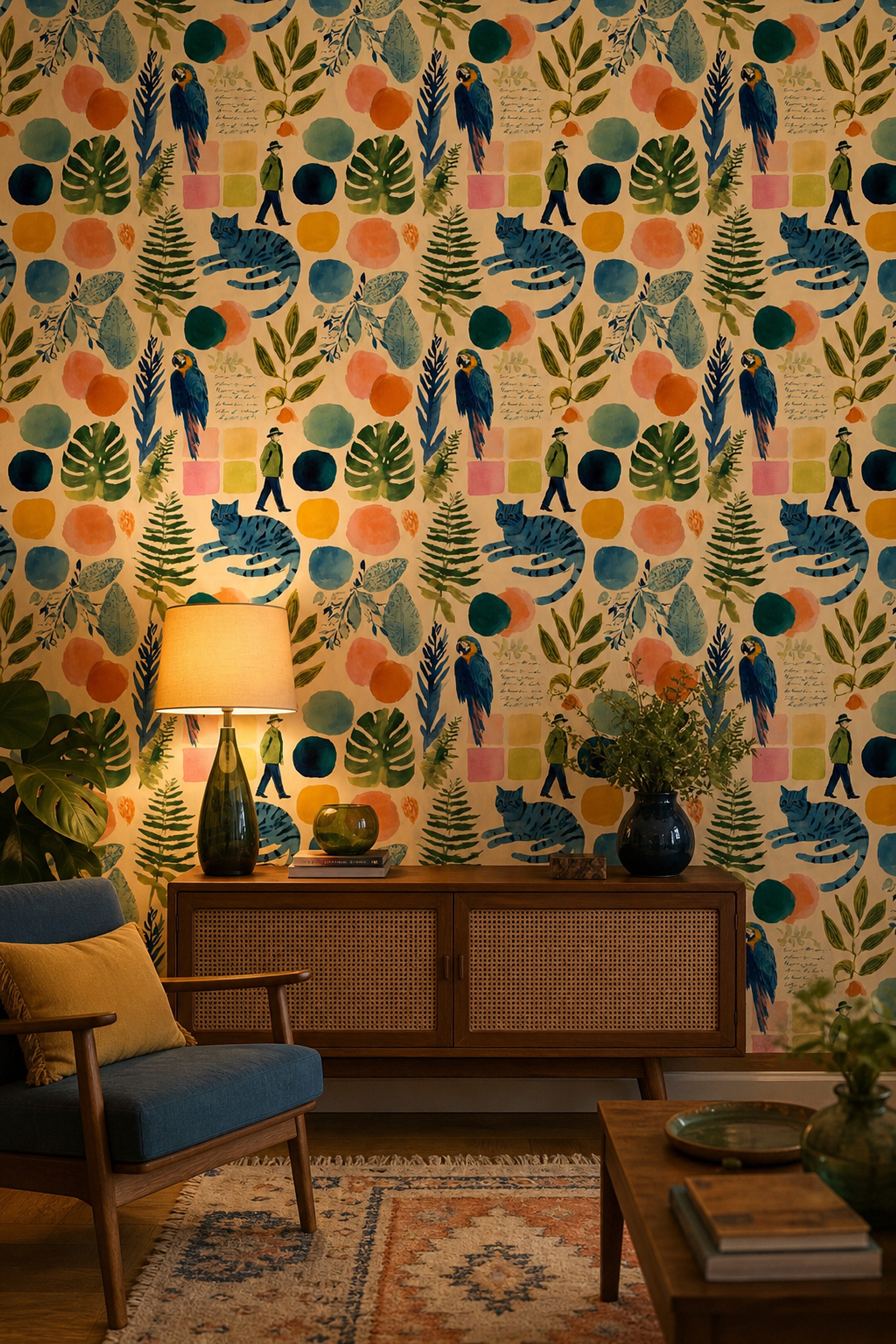
Animals Wallpaper stands out through layered pattern work that can read playful or refined depending on scale: fine line illustration, shaded fur and feather textures, and backgrounds that lean parchment, clay, or muted moss rather than flat cream. In a dining nook, Animals Wallpaper pairs well with black spindle chairs, a smoked-oak table, and a leather banquette in cognac; in that setting, it acts as lively wallpaper with more depth than standard floral wallpaper. For a wider view of placement around entertaining zones, browse Dining Room Wallpaper, and for larger-scale feature work, our guide to Statement Wallpaper For Living Room shows how patterned wallpaper for walls can hold its own behind shelving and artwork.
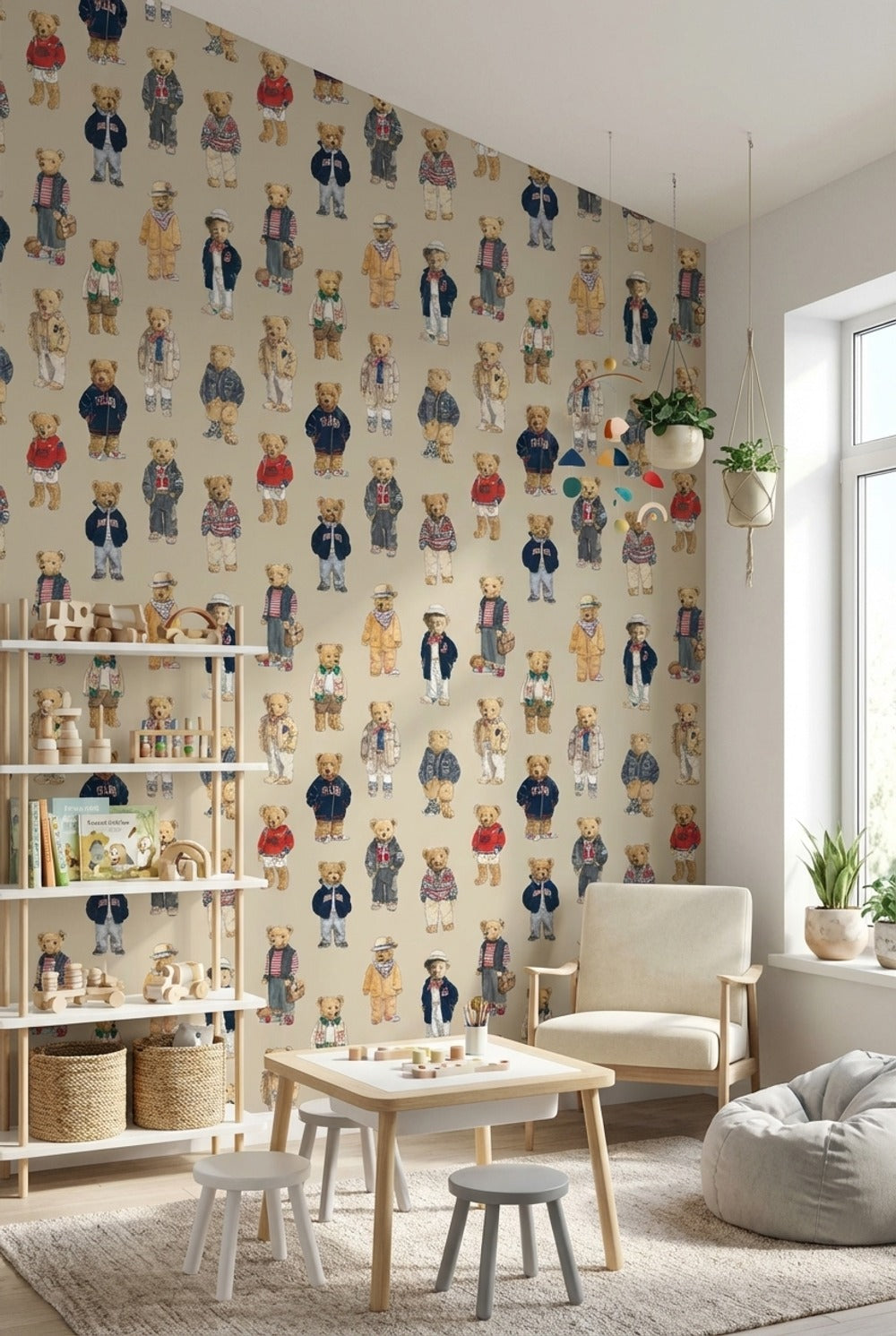
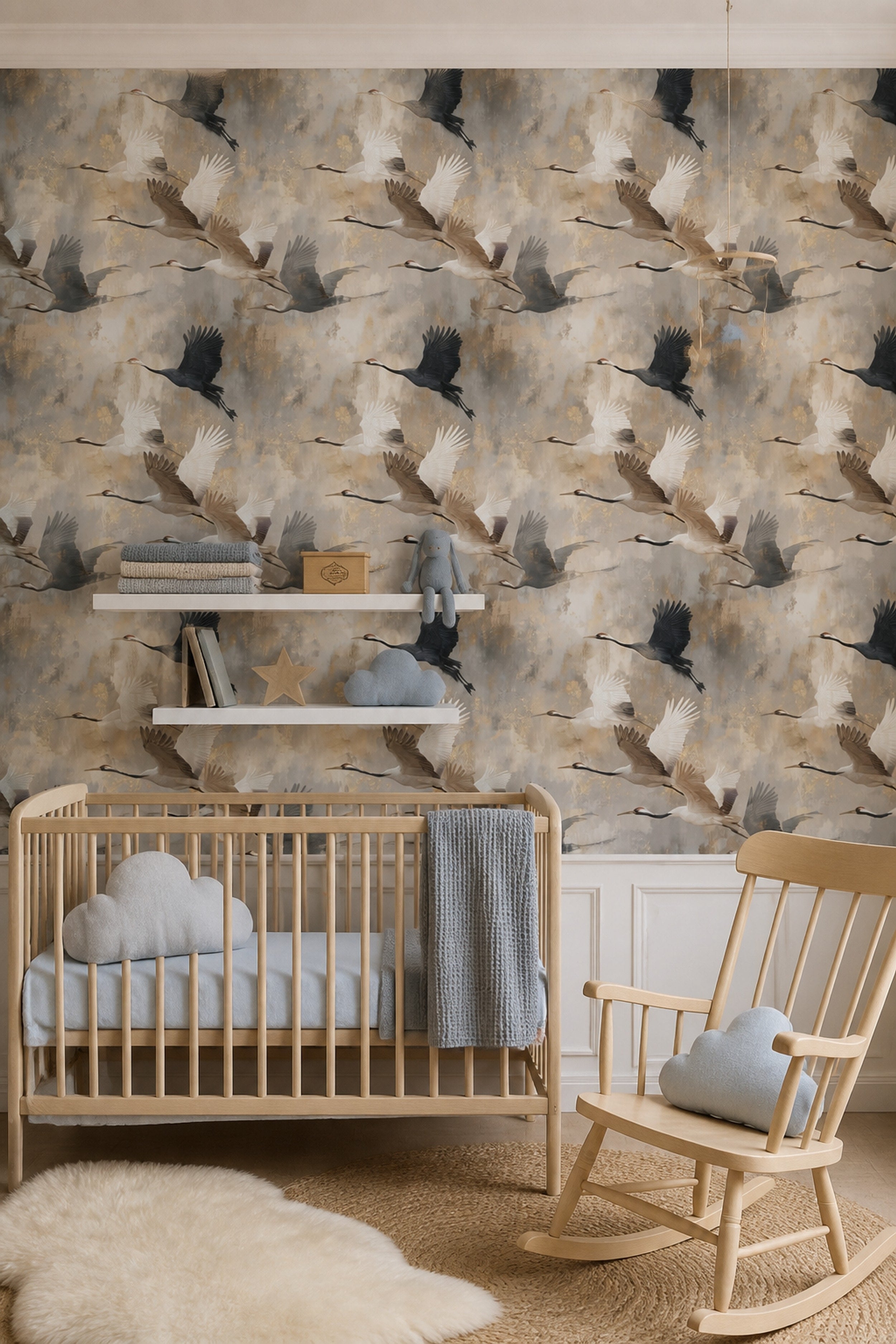
We use Animals Wallpaper most often on the wall behind a bed headboard, on the window wall of a breakfast room, or on the upper half of a playroom wall above painted paneling, where the pattern stays visible above toy storage and book ledges. Animals Wallpaper can suit kids wallpaper schemes and nursery wallpaper layouts, and many clients choose peel and stick wallpaper for faster updates; if you prefer a mural wallpaper format instead, see Animals Wall Murals. For styling ideas, read Animal-Themed Wallpaper Ideas for Playful Interiors. In kitchens and cloakrooms, Animals Wallpaper brings more movement than plain kitchen wallpaper or bathroom wallpaper, and our Modern Wallpaper For Kitchen guide covers practical pairings with painted cabinetry. For more imaginative wildlife scenes in creative rooms, read Underwater Animal Wall Murals for Creative Spaces. Muralls.com offers custom sizes, paste-the-wall installation, and ships worldwide.
Based on designs you explored, with fresh finds mixed in.
24 / 480
Load more— NEED HELP?
Can't find what you're looking for? Our team replies within 4 working hours, Mon–Fri.
Animals Wallpaper reads most intentional when you echo natural textures: a walnut sideboard, blackened-steel floor lamp, and a cane (rattan) chair work especially well. For textiles, try oatmeal linen curtains, a camel leather ottoman, or a boucle bench in warm white to balance busier animal prints. If your pattern includes greens, add moss or olive velvet cushions to keep it feeling like lively wallpaper rather than a themed room.
The current take on Animals Wallpaper leans into simplified silhouettes, hand-drawn linework, and muted palettes like sage, sand, and ink-black—more art print than cartoon. People are also mixing it with botanical elements (think floral wallpaper flowers tucked into the background) for a modern nature look that suits adult spaces. If you want the trend with less commitment, peel and stick wallpaper makes it easy to test a bolder animal motif in a hallway or nook.
In a small room (around 8×10 ft), go accent-wall if the Animals Wallpaper has large-scale animals (anything with figures wider than 12–18 inches) so the room doesn’t feel crowded. In larger spaces (12×15 ft and up), a smaller repeat can handle all walls—especially in a den or dining room where you want an enveloping, lively wallpaper effect. If you’re nervous, start with wallpaper peel and stick on the main wall behind the sofa and expand if you like the density.
A powder room is a top pick for Animals Wallpaper because the smaller footprint can handle more visual energy—try it on all walls and keep trim in crisp white. For a bedroom, place it behind the headboard as an accent wall and repeat one color from the print (like terracotta or navy) in your bedding. It can work as bathroom wallpaper too—use it on the wall opposite the mirror so you see the pattern without it competing with fixtures.
Animals Wallpaper pairs naturally with Scandinavian (light oak, matte black hardware) and with mid-century pieces like a teak credenza and tapered-leg chair. It also works with “grandmillennial” layering if you mix it with floral wallpaper in a smaller scale—just keep both prints sharing one anchor color like cream or forest green. It tends to clash when you add a third loud motif (like high-contrast chevrons) or when glossy chrome and neon colors fight the organic animal theme.
The biggest mistake is ignoring the direction of the artwork—animals that “face” a doorway can look like they’re marching out of the room, so aim them inward toward the seating area. Another is mismatching undertones: a warm beige animal print can look off next to cool gray flooring, so instead pull in warm whites or greige paint. If you’re layering over an existing pattern, test a sample first—peel and stick wallpaper on wallpaper can work when the old surface is smooth and the new print has enough contrast to read cleanly as wallpaper for walls.
VISUAL SEARCH
Upload a reference image and discover visually similar designs.
BEST MATCHES
PERSONALIZED DISCOVERY
Describe a look or let your room lead the search.
CURATED FOR YOU
The chat is taking longer than usual.
Email support@muralls.com