Wall Mural
Times Square
From $3.72 / sq ft
Wall Mural
Times Square
From $3.72 / sq ft

There's something about Architecture designs that just works. The intricate details, geometric patterns, and structural motifs can create an inviting atmosph...
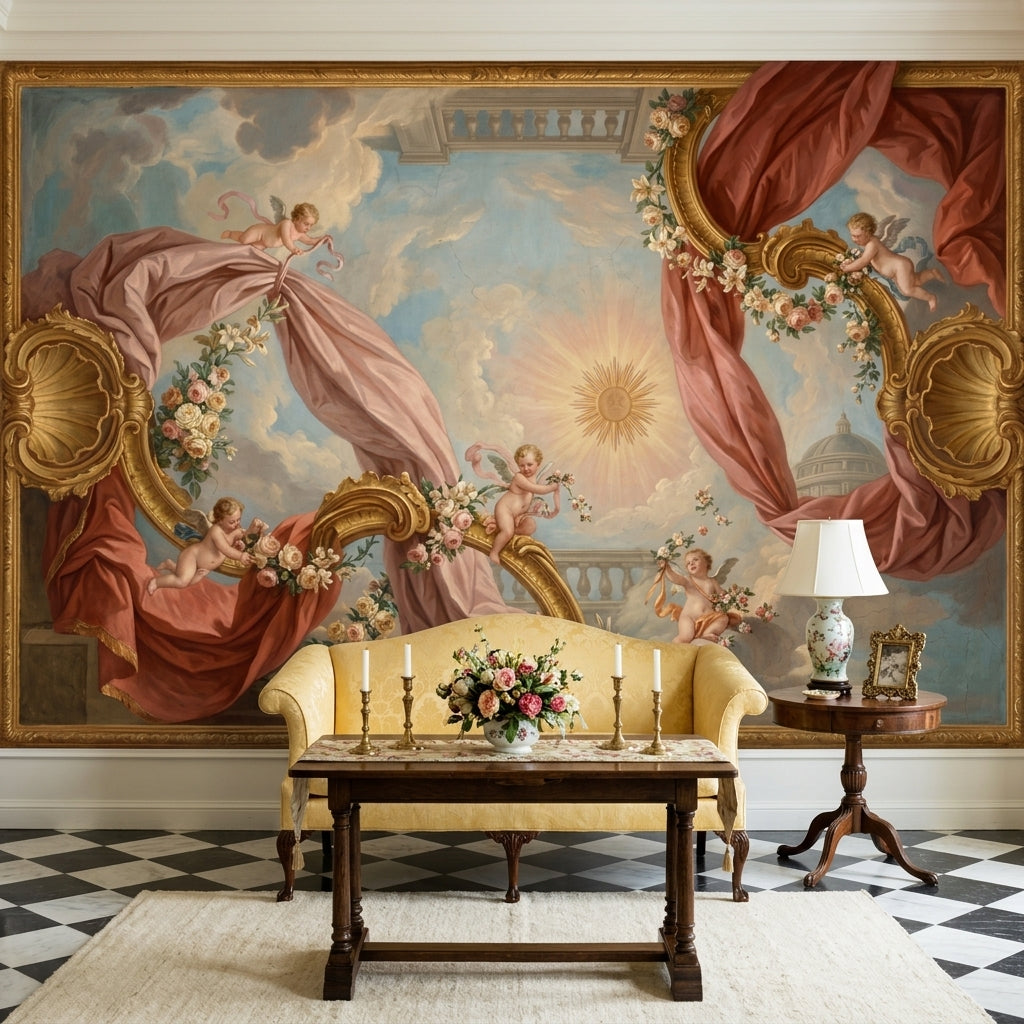
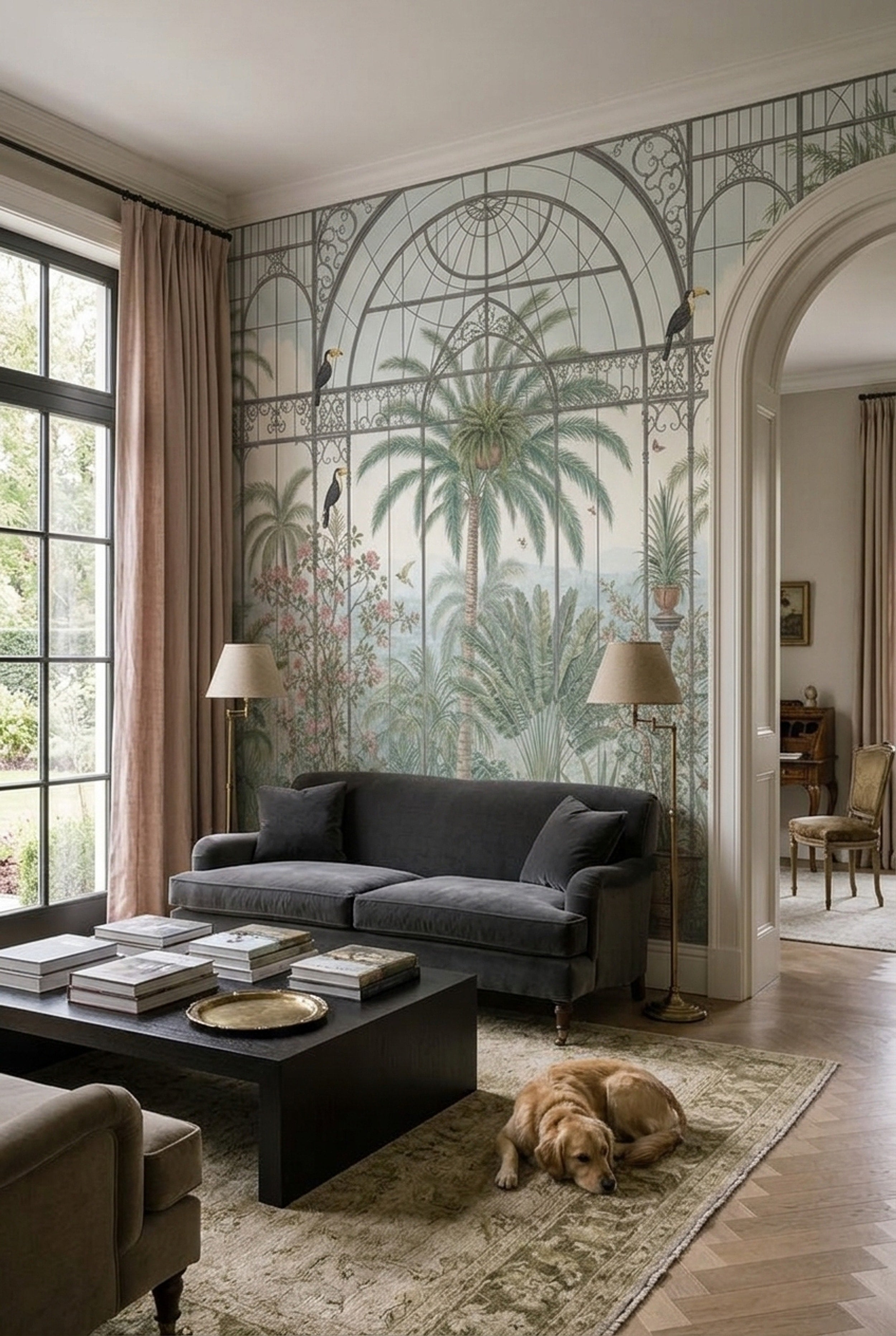
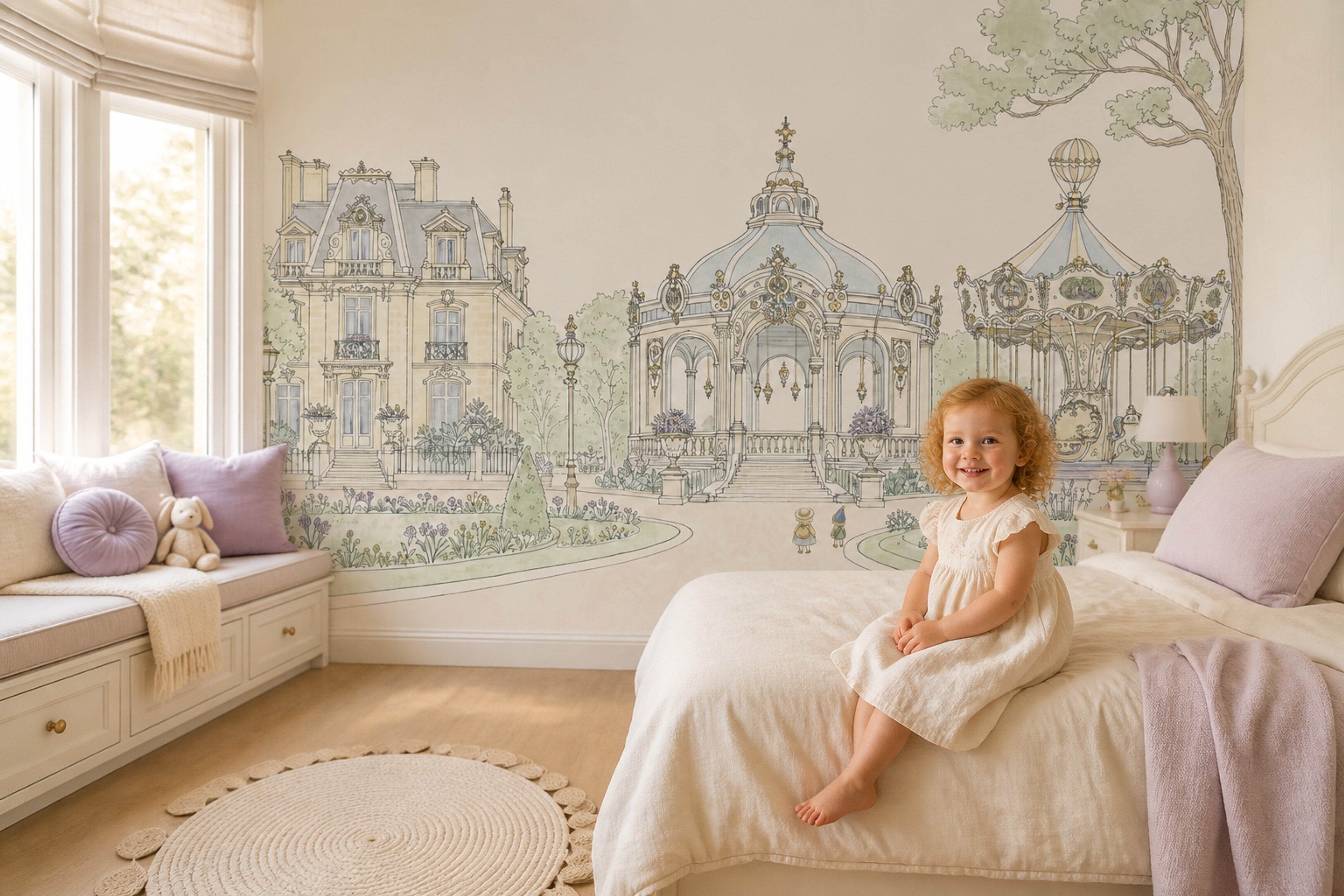
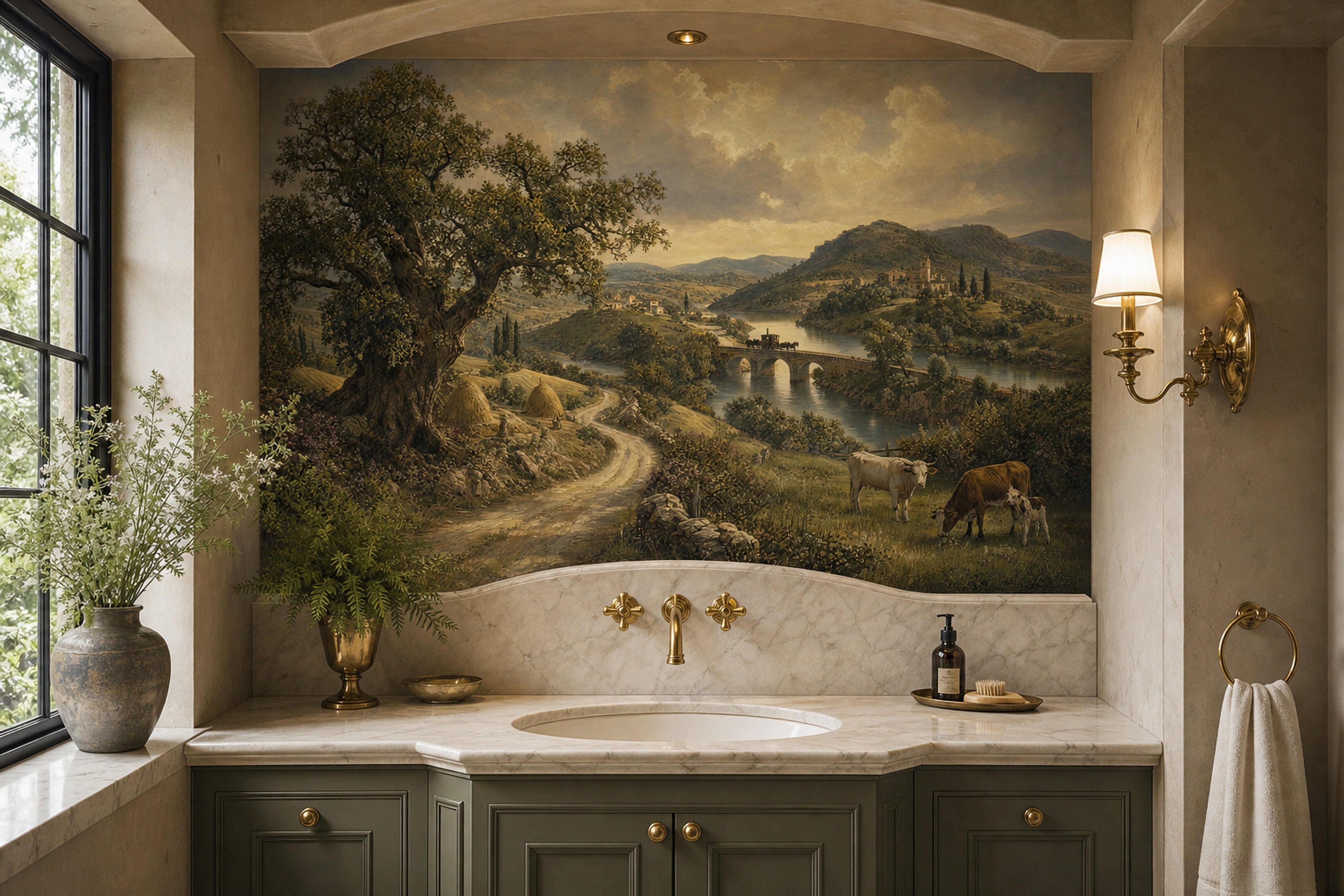
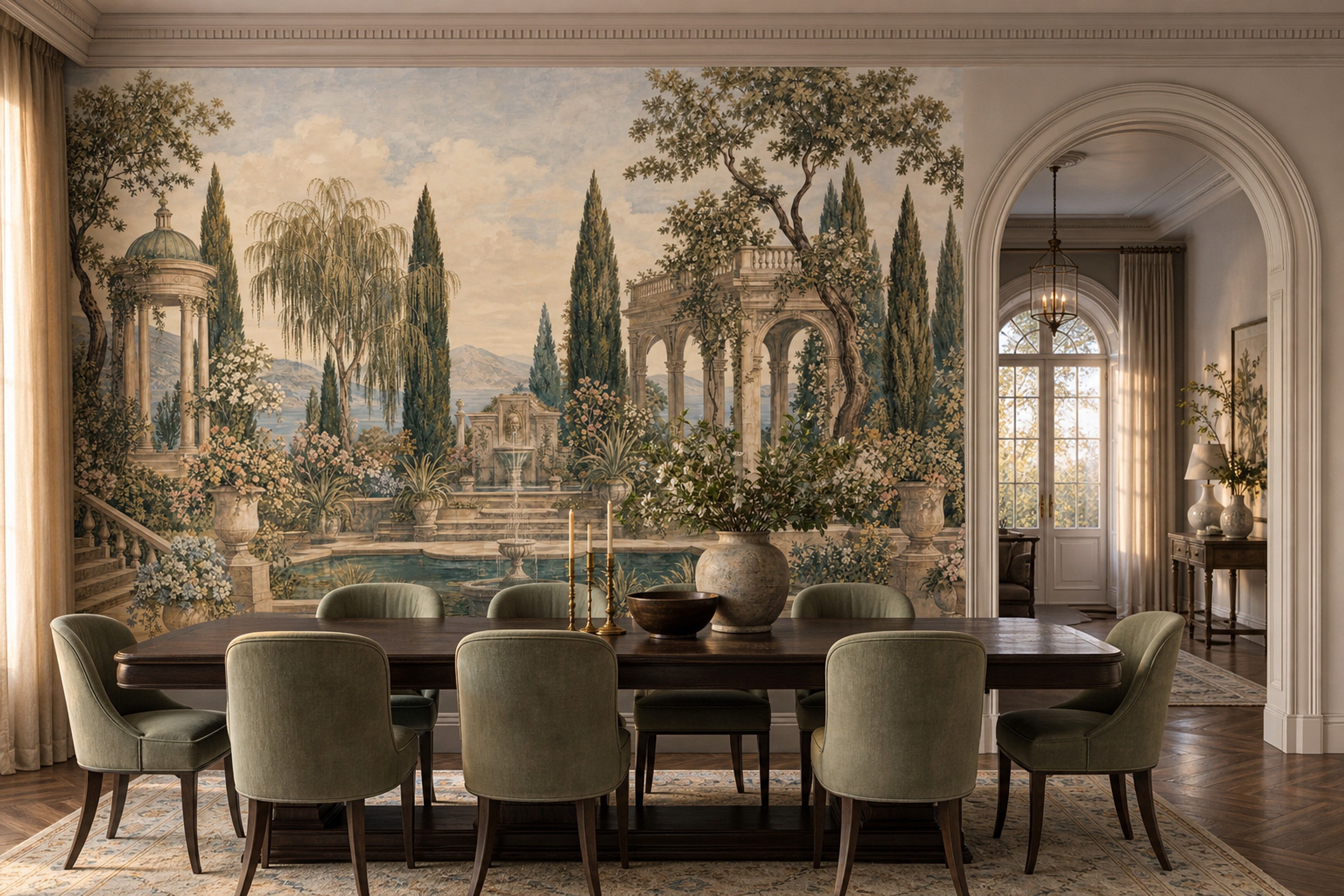
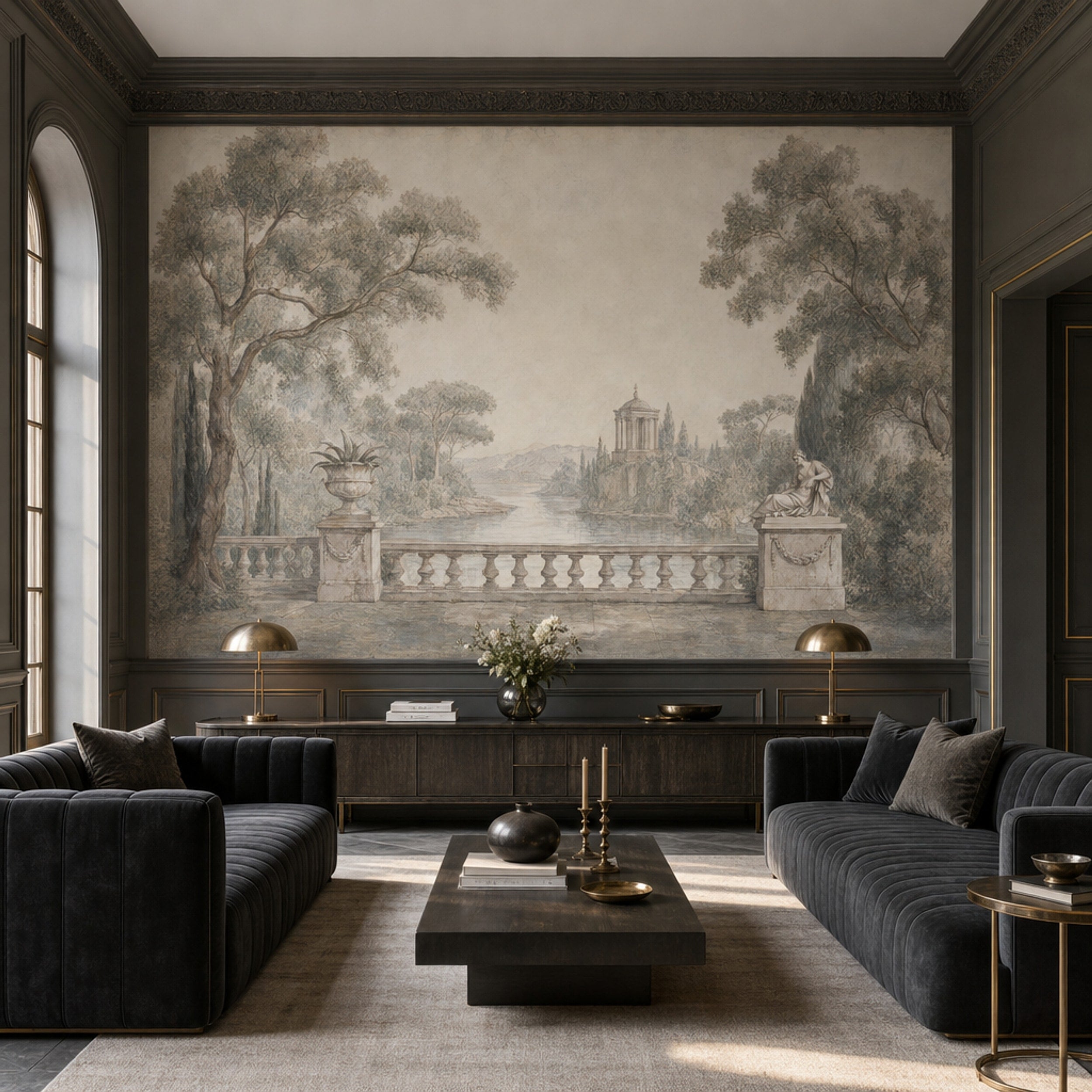
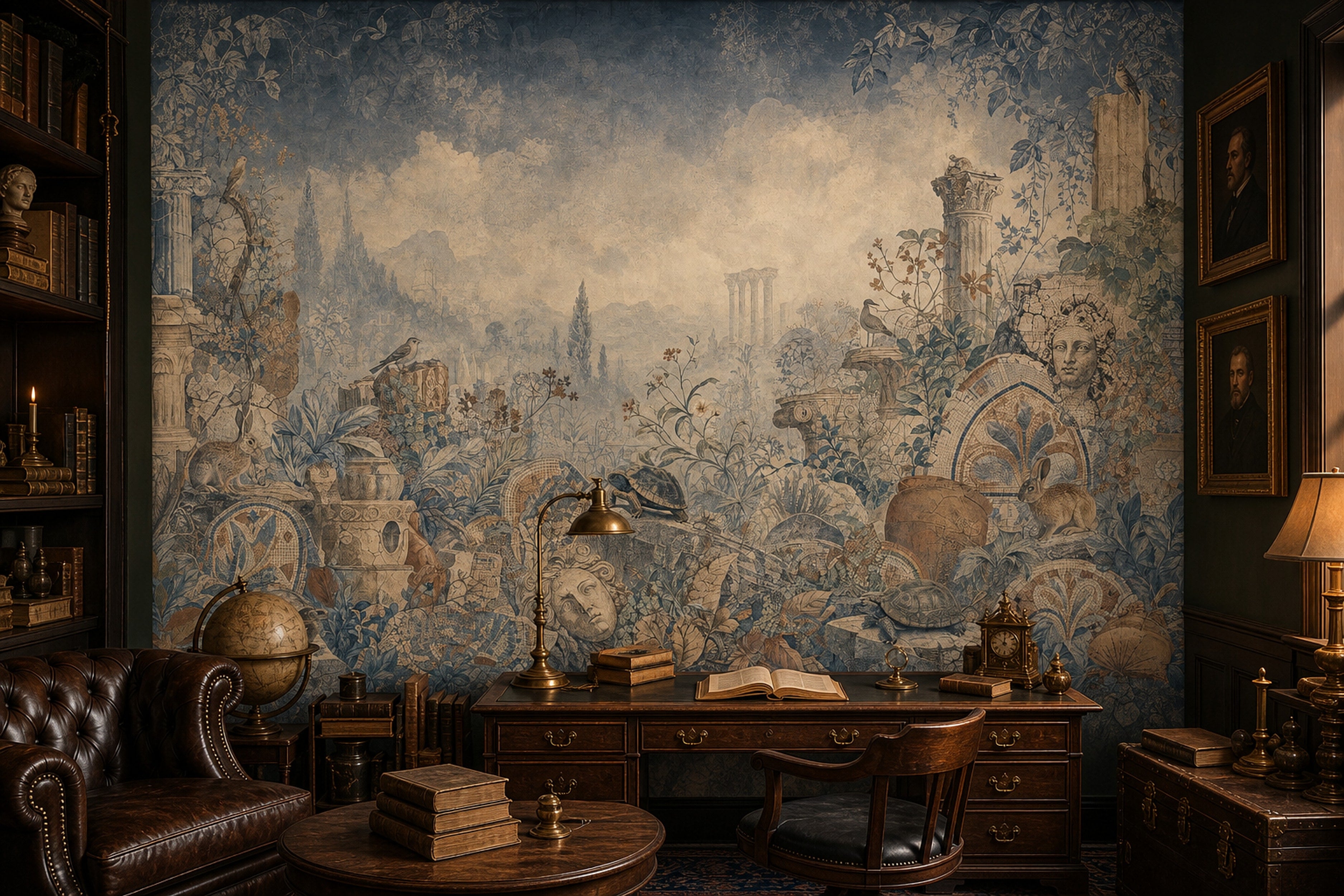
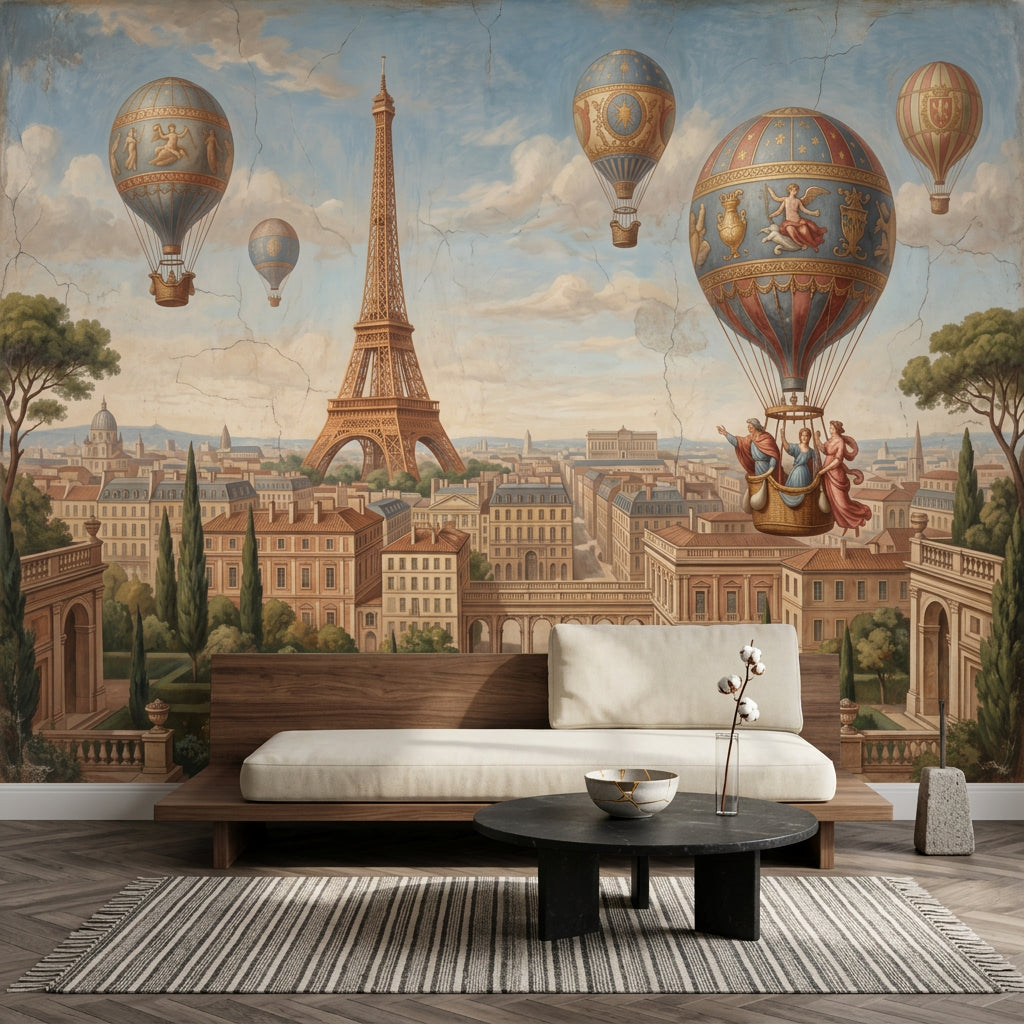
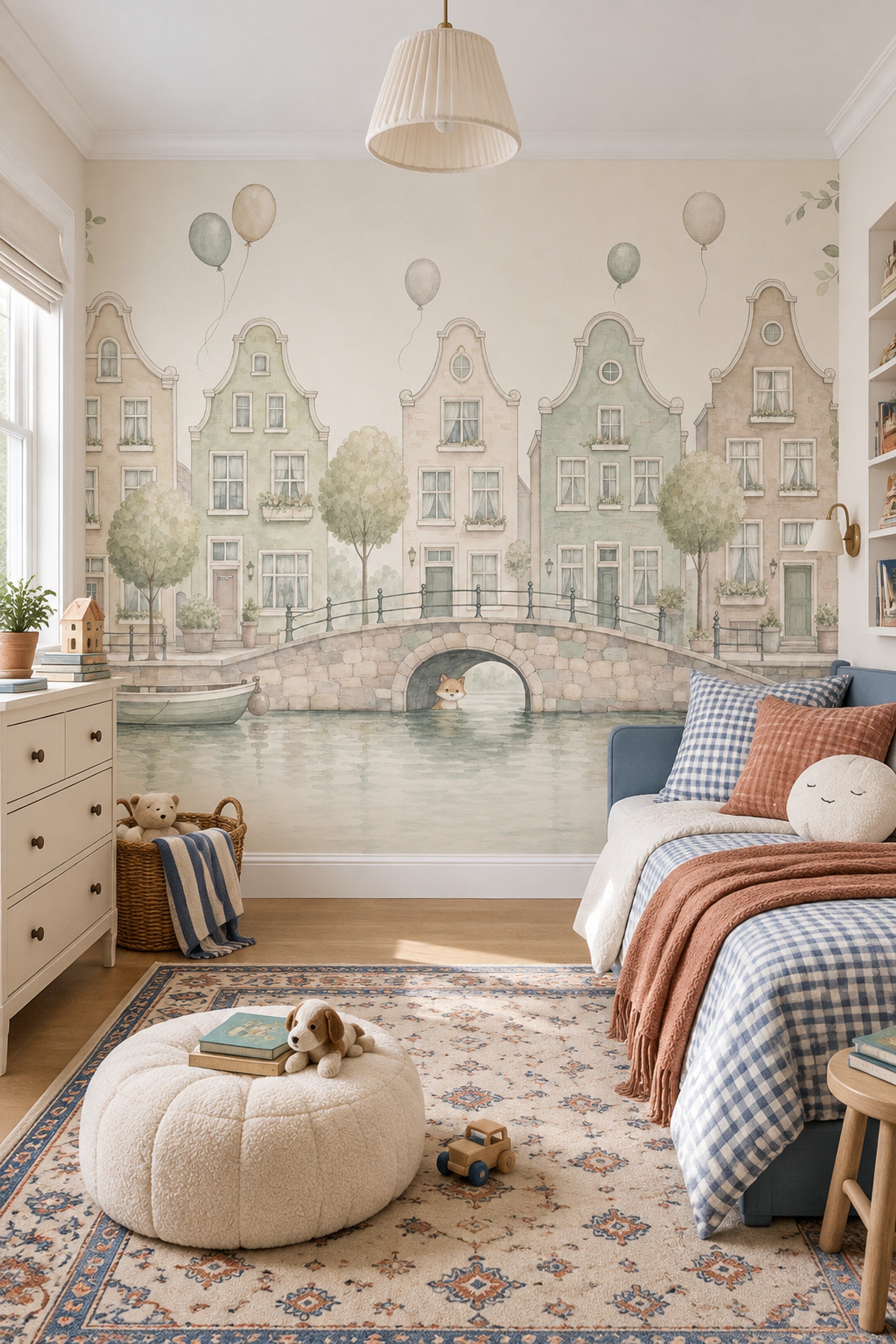
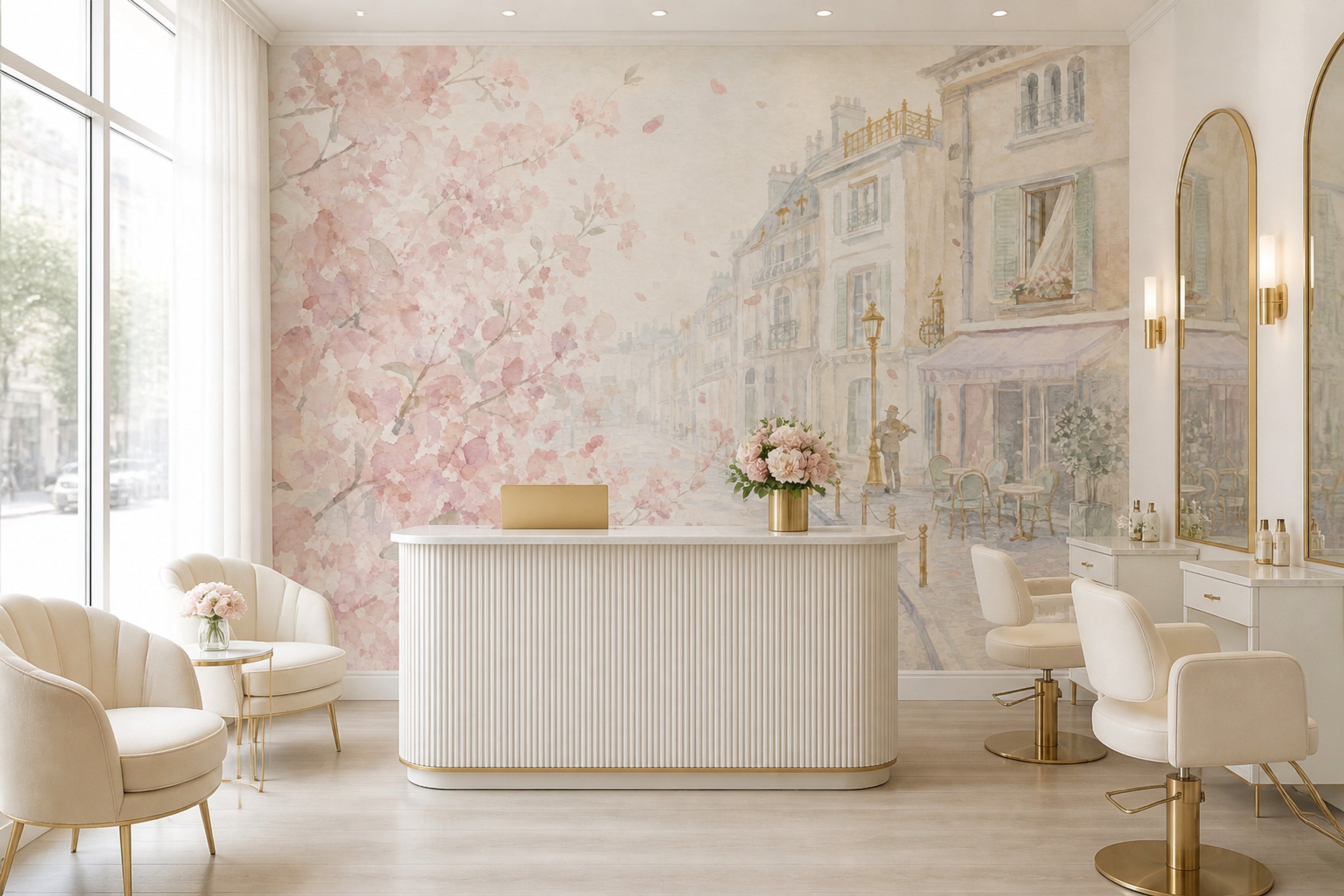
There's something about Architecture designs that just works. The intricate details, geometric patterns, and structural motifs can create an inviting atmosphere in your home or office. The color palettes often feature muted tones that evoke a sense of calm, while bolder elements can add a dramatic flair. Each design tells a story, inviting viewers to appreciate not just aesthetics but also the artistry involved.
Architecture wall murals are unique because they blend artistic representation with structural inspiration. You’ll find patterns inspired by famous buildings, abstract designs that mimic architectural lines, and textures that resemble natural materials. The color schemes vary widely, from earthy tones that ground a space to sharp blacks and whites that offer contrast and depth. This variety allows you to choose a design that reflects your personal style while providing an artistic focal point for your room.
Consider using architectural wall murals in the following specific spaces:
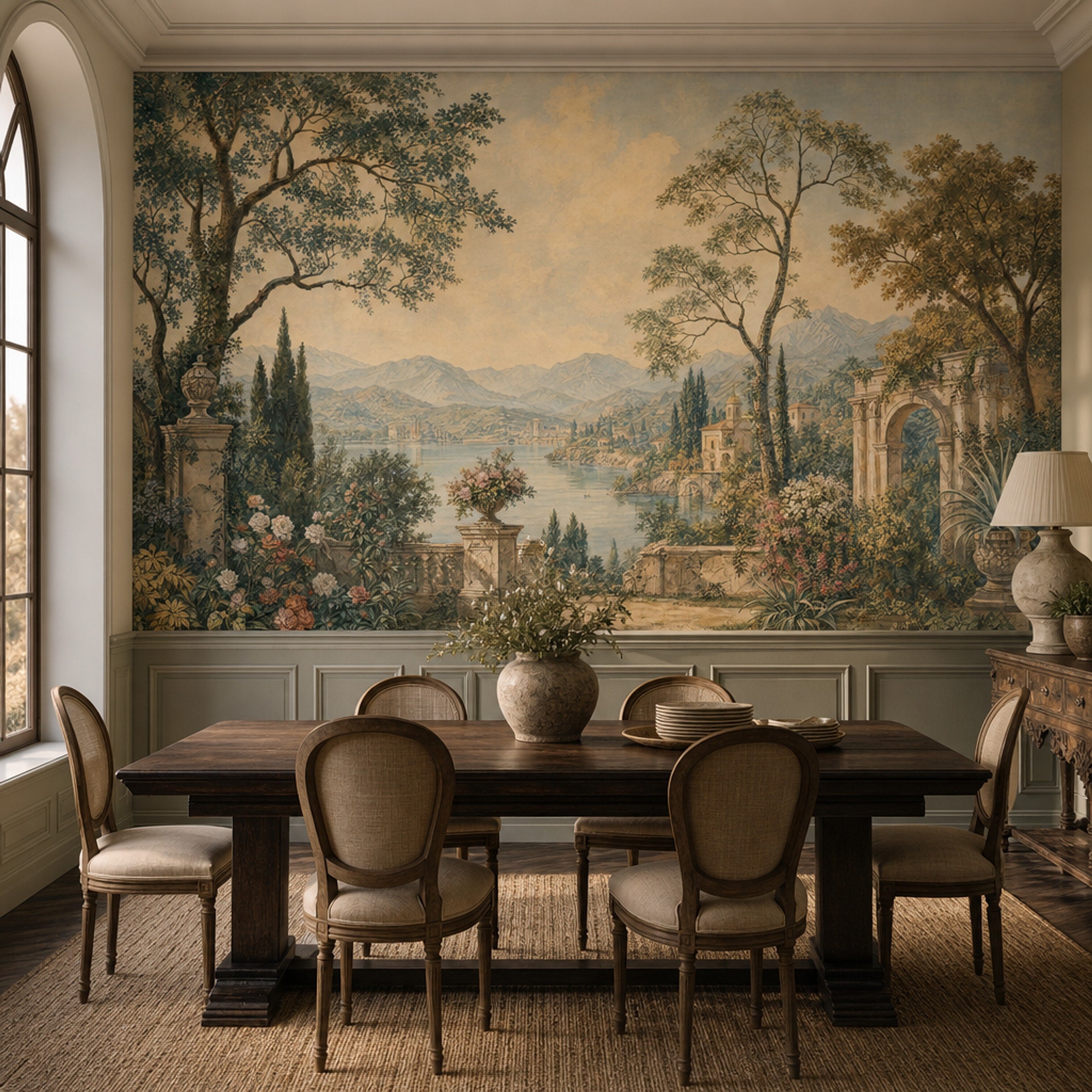
When styling your space with architecture wall murals, consider your existing furniture to ensure a cohesive look. For example, pair a mural with geometric patterns with a glass coffee table and metal accents to create a contemporary vibe. A mural with earthy tones can be complemented by a rustic wooden dining table and woven chairs for a cozy dining area. In a home office, juxtapose a mural with bold architectural lines with sleek white office furniture to create a modern yet functional workspace.
Our architecture wall murals are custom-sized to fit your specific wall dimensions, ensuring a perfect fit in your space. The materials are designed for an easy paste-the-wall installation, making it hassle-free for you. Plus, we offer worldwide shipping, so no matter where you are, you can transform your space with our stunning designs. Get started on your project today and watch as your walls become a canvas for architectural artistry.
Based on designs you explored, with fresh finds mixed in.




24 / 509
Load more— NEED HELP?
Can't find what you're looking for? Our team replies within 4 working hours, Mon–Fri.
For Architecture Wall Murals, measure the full wall width and height (in inches) and include any obstacles like a 36"-wide window, a door casing, or a 12"-deep built-in so the key lines—arches, columns, or perspective vanishing points—don’t land in awkward spots. If you have crown molding or baseboards, measure to the edges you want the mural to meet (ceiling-to-baseboard vs. molding-to-molding) and note it in your order for custom wall murals. For designs with strong geometry (grids, facades), add 2–3 inches of extra margin so the alignment stays intentional during install. These wall murals are most convincing when the main architectural feature sits centered on the viewing angle from your doorway or seating area.
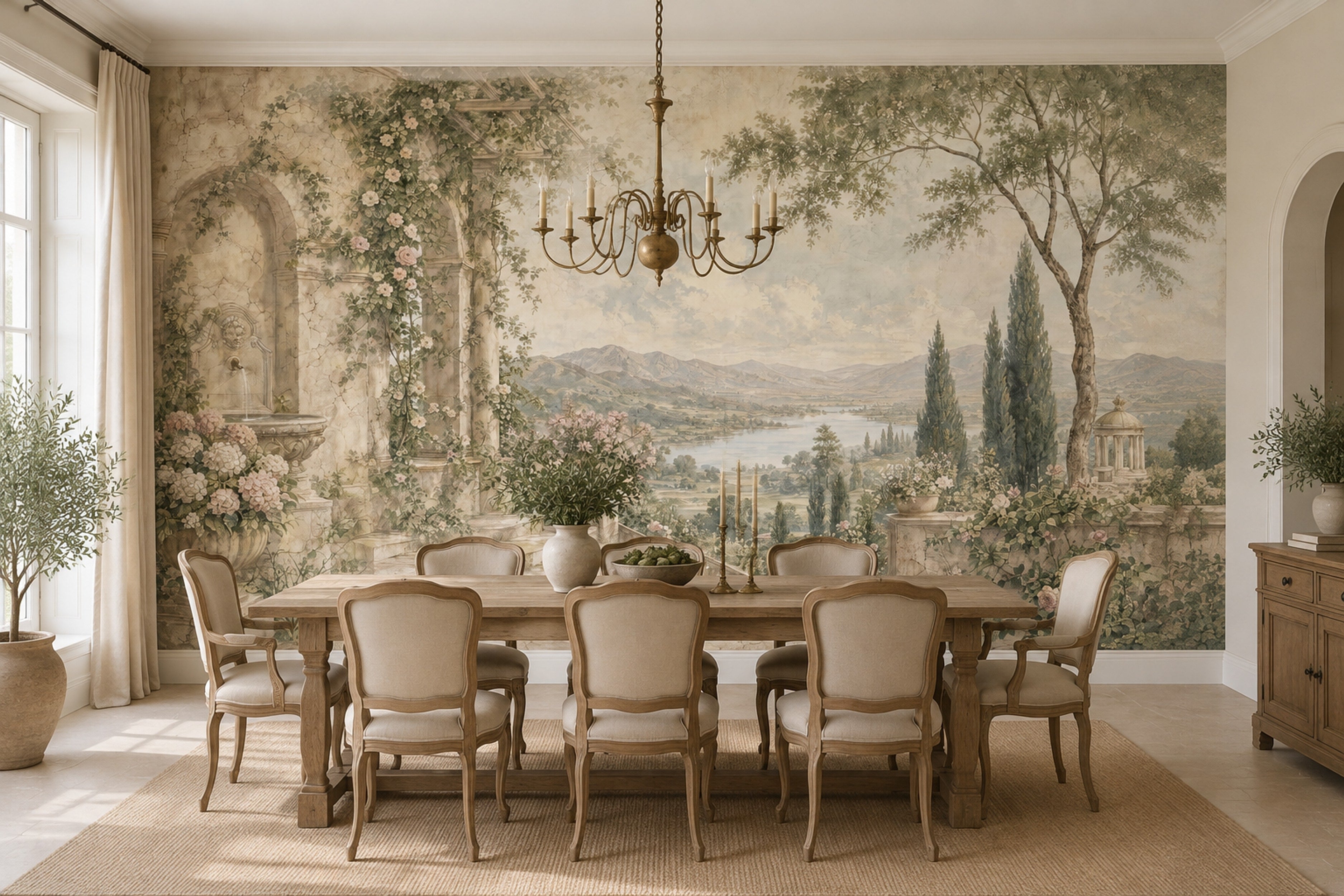
A dining room is often the best match for Architecture Wall Murals because long sightlines make arches, colonnades, and city facades read like real depth—try the mural on the wall behind the table so the perspective pulls you forward. In a narrow hallway, use a single accent wall at the end to create a “destination” view, especially with tunnel or corridor imagery. For a home office, place it behind your desk to frame video calls with clean lines like window grids or modernist facades. If you’re considering a ceiling application, pick a dome or skylight-style print so the geometry feels intentional rather than busy.
Architecture wall murals pair well with industrial (black metal, concrete tones), mid-century modern (walnut, slim profiles), and minimalist spaces where the mural becomes the main structure in the room. Classic European arches also play nicely with traditional decor if you echo one finish—like aged brass or warm oak—so it doesn’t feel like a mismatch. What tends to clash is very busy boho layering (multiple competing patterns) right next to strong perspective lines; keep textiles mostly solid—ivory, sand, or charcoal. If you want a modern interpretation, choose architectural prints in monochrome (graphite, bone, soft gray) to blend with contemporary wall and murals styling.
With Architecture Wall Murals featuring concrete, steel, or city scenes, use a blackened-steel console table, a smoked-glass coffee table, and a charcoal boucle sofa to echo the structural mood without competing. For classical arches or stone details, pair a travertine pedestal side table, a warm walnut credenza, and linen drapery in flax or oatmeal to keep it grounded. If the mural has crisp linework (blueprint or grid), add a matte white lacquer desk and a chrome arc floor lamp for a clean, gallery-like feel. These wall murals look best when you repeat one finish (matte black, brushed brass, or walnut) in 2–3 items rather than mixing everything at once.
Architecture is trending because people want structure and depth—arches, corridors, and facades create a sense of space without adding physical construction, which is why wall murals architecture searches keep growing. What feels current is choosing simplified geometry, modernist buildings, or monochrome cityscapes instead of overly ornate, sepia “postcard” looks. Pair the mural with contemporary lighting (a linear pendant or track lights) and restrained accents in graphite, taupe, and off-white so it reads modern. If you’re shopping for peel and stick wall murals, architectural linework and clean perspectives are especially forgiving in modern rentals.
Use one accent wall when the design has strong perspective (a hallway, bridge, or colonnade) and the room is under about 12' x 14'—it keeps the depth effect clear and avoids visual overload. Wrapping two or more walls works best with repeating architectural patterns like window grids, brick facades, or blueprint-style drawings because the seams feel intentional and rhythmic. In small rooms, pick a large-scale single feature (one arch) rather than many tiny details; in larger rooms, a wider panoramic cityscape can handle more wall area.
VISUAL SEARCH
Upload a reference image and discover visually similar designs.
BEST MATCHES
PERSONALIZED DISCOVERY
Describe a look or let your room lead the search.
CURATED FOR YOU
The chat is taking longer than usual.
Email support@muralls.com