Wall Mural
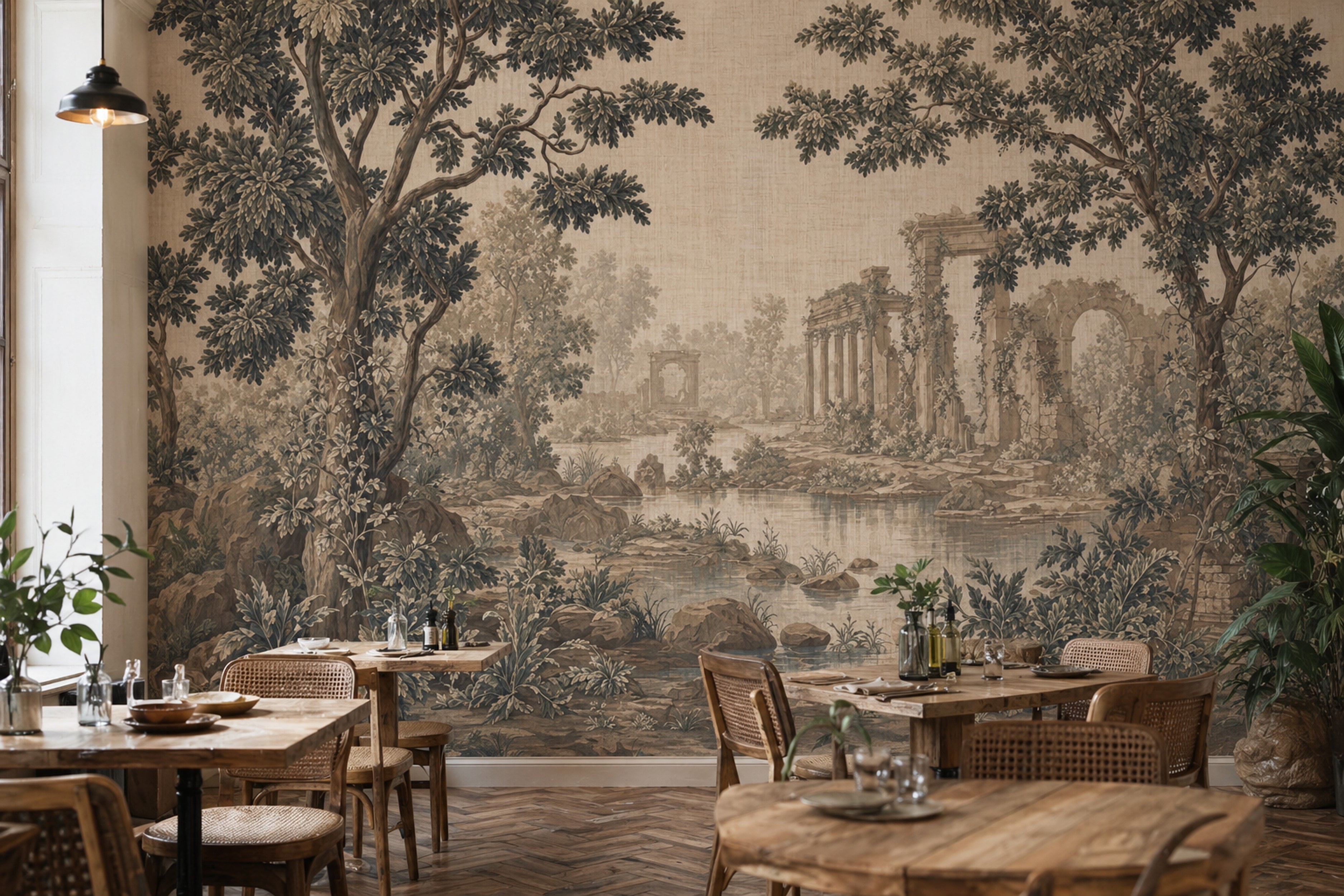
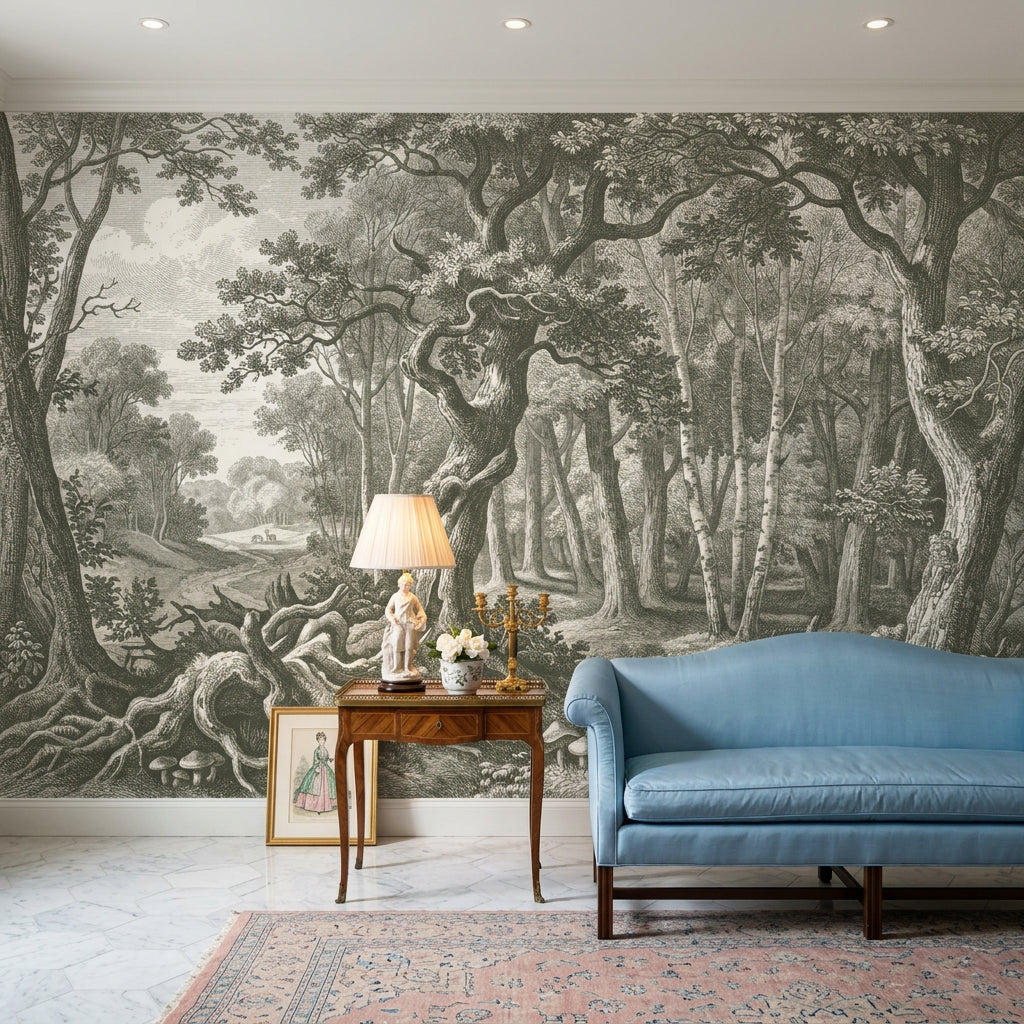
Vintage Forest
From $3.72 / sq ft
Wall Mural
Vintage Forest
From $3.72 / sq ft

If you've been scrolling through interior design posts looking for ideas that capture a historical charm, Antique Wall Murals might be the answer you're seek...
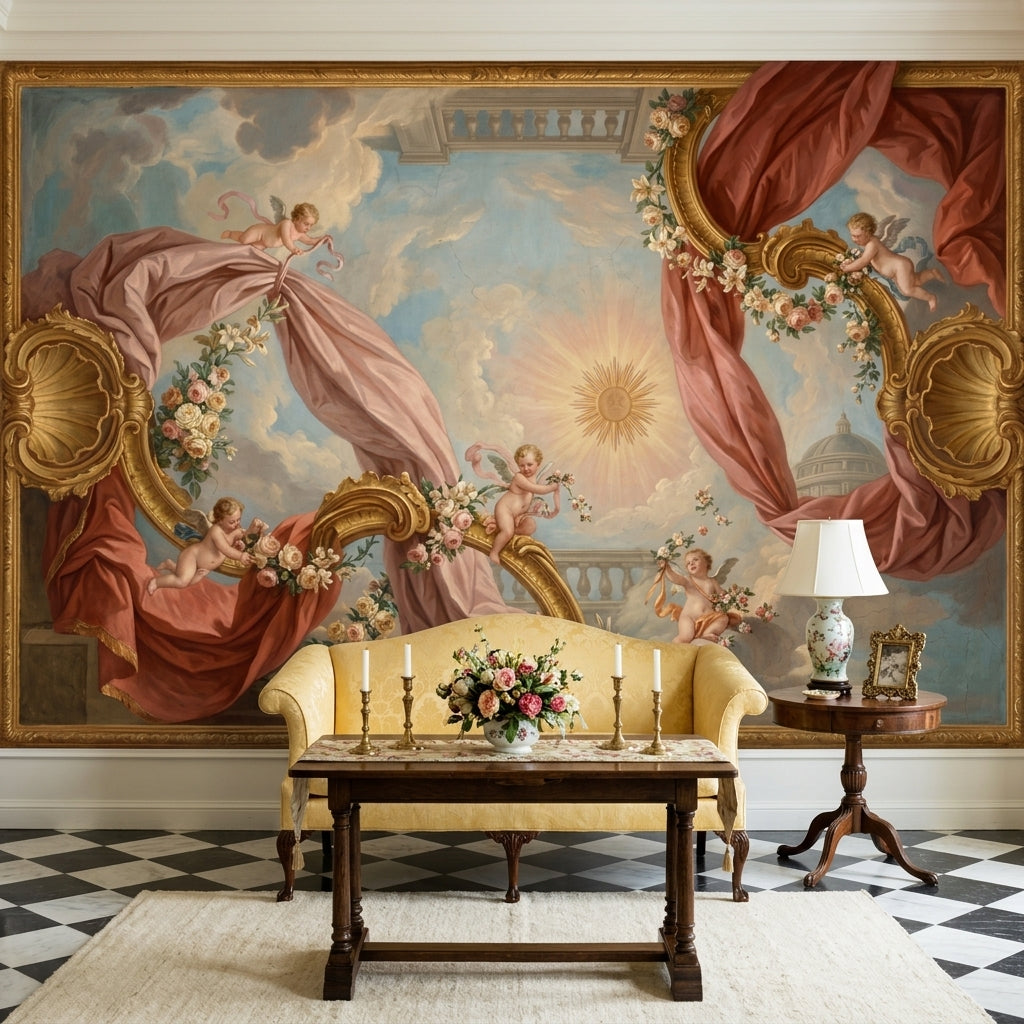
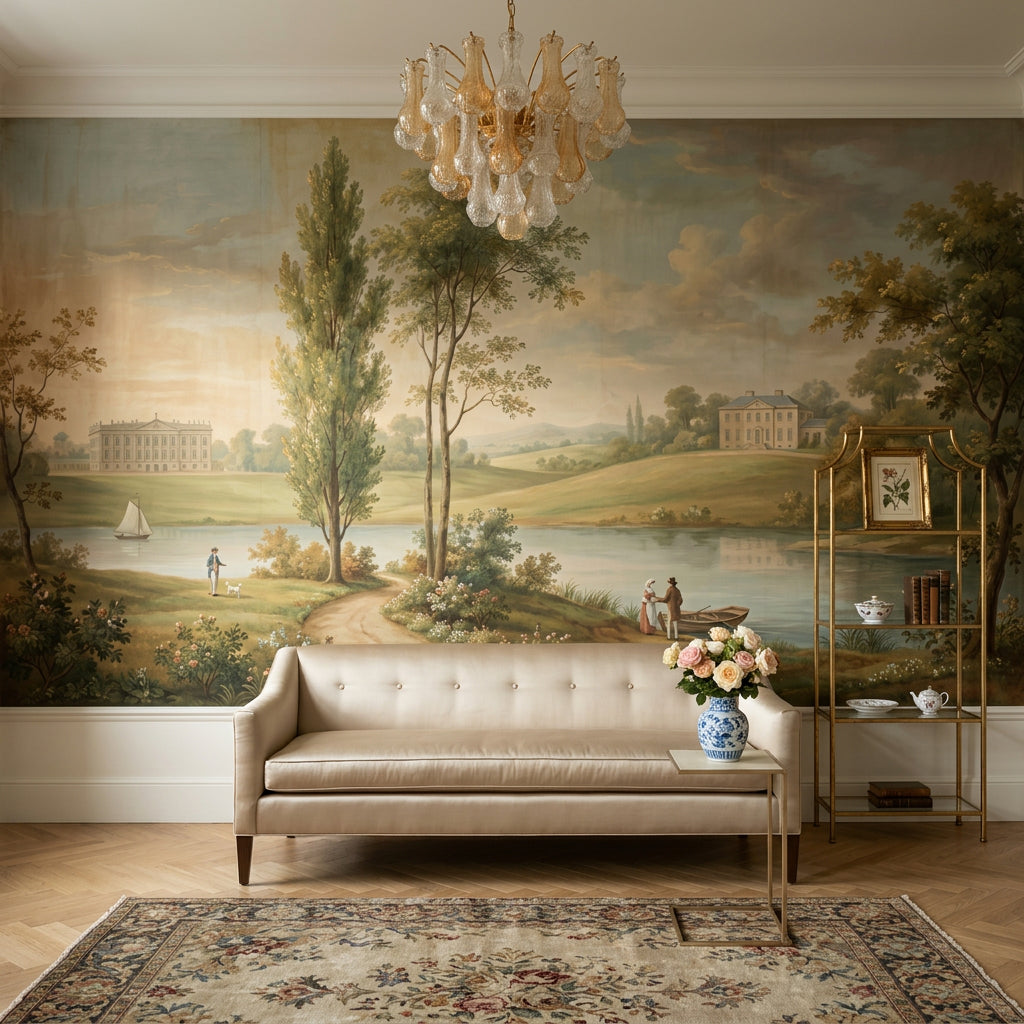
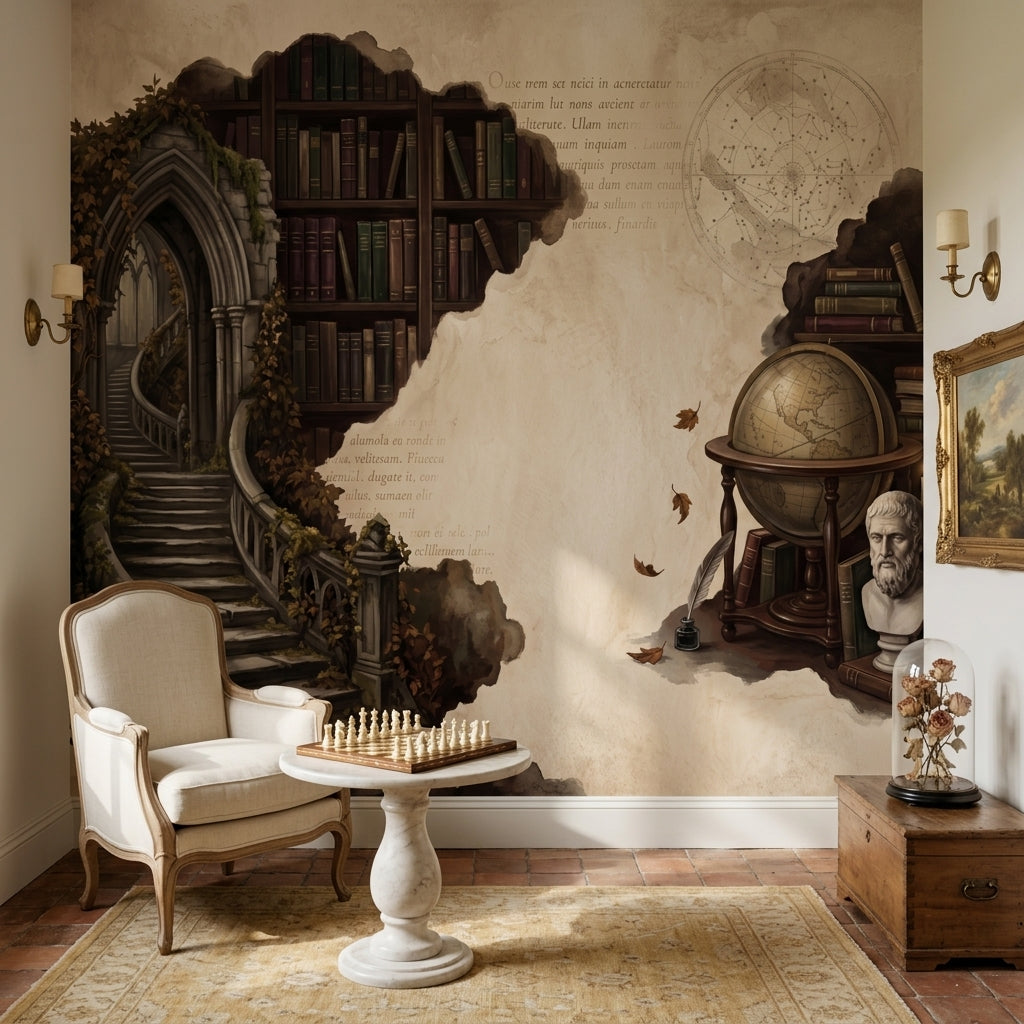
If you've been scrolling through interior design posts looking for ideas that capture a historical charm, Antique Wall Murals might be the answer you're seeking. Antique designs often feature rich colors like deep reds, muted greens, and soft browns, alongside intricate patterns that tell a story. The mood they create is one of warmth and nostalgia, making your home feel inviting and timeless.
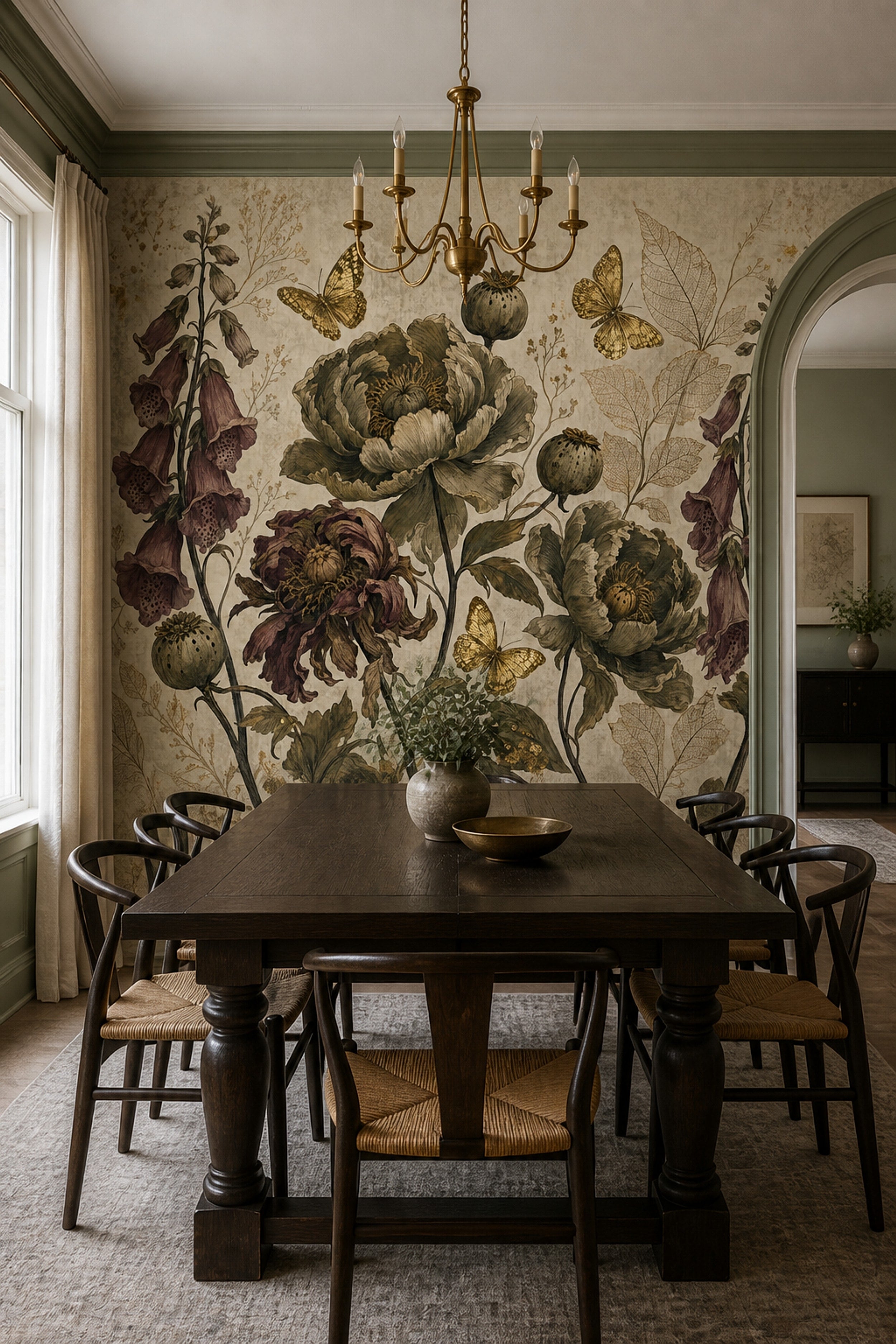
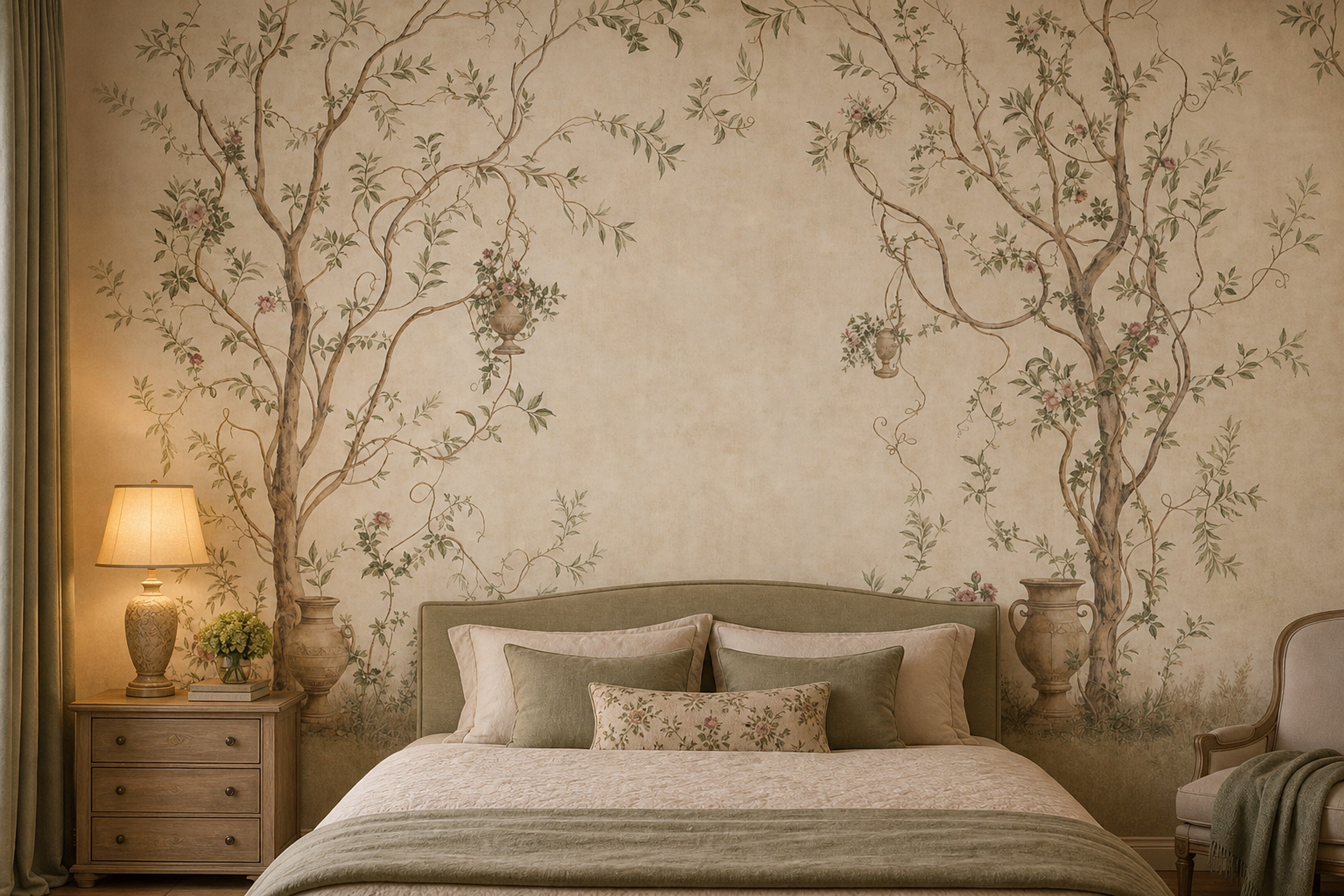
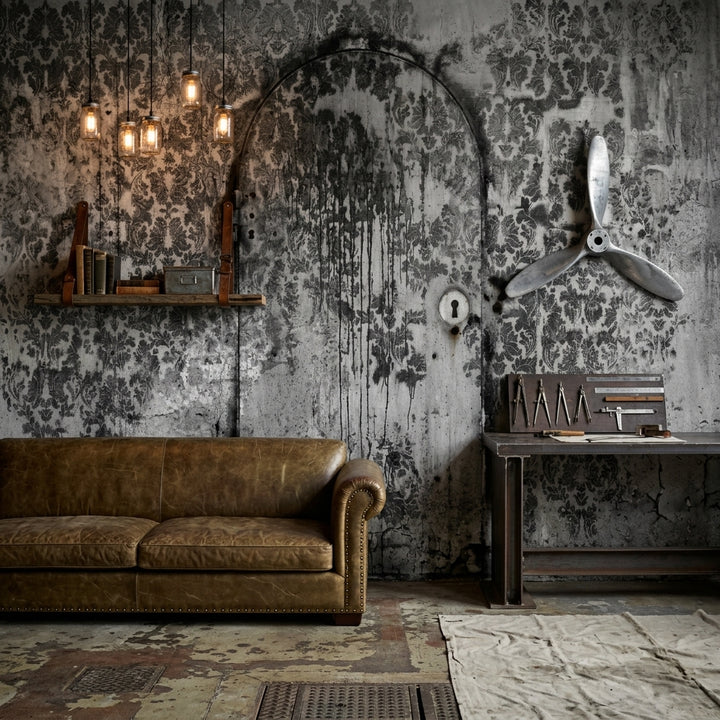
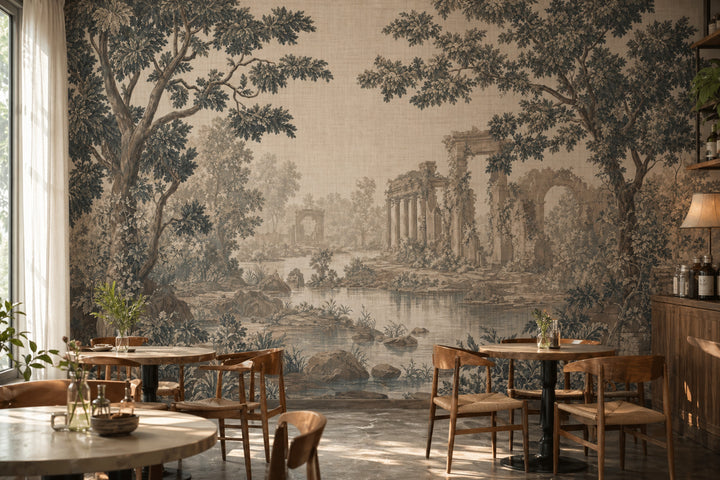
What makes Antique wall murals unique lies in their timeless motifs and textures. These murals often feature classic designs such as vintage florals, ornate arches, or pastoral scenes that evoke a sense of history. The color palettes typically include warm earth tones mixed with aged golds and muted blues, giving a vintage feel. Textures range from faded damask to rustic wood finishes, adding depth and character to your walls. It's this combination of colors and patterns that creates an atmosphere reminiscent of an elegant bygone era.
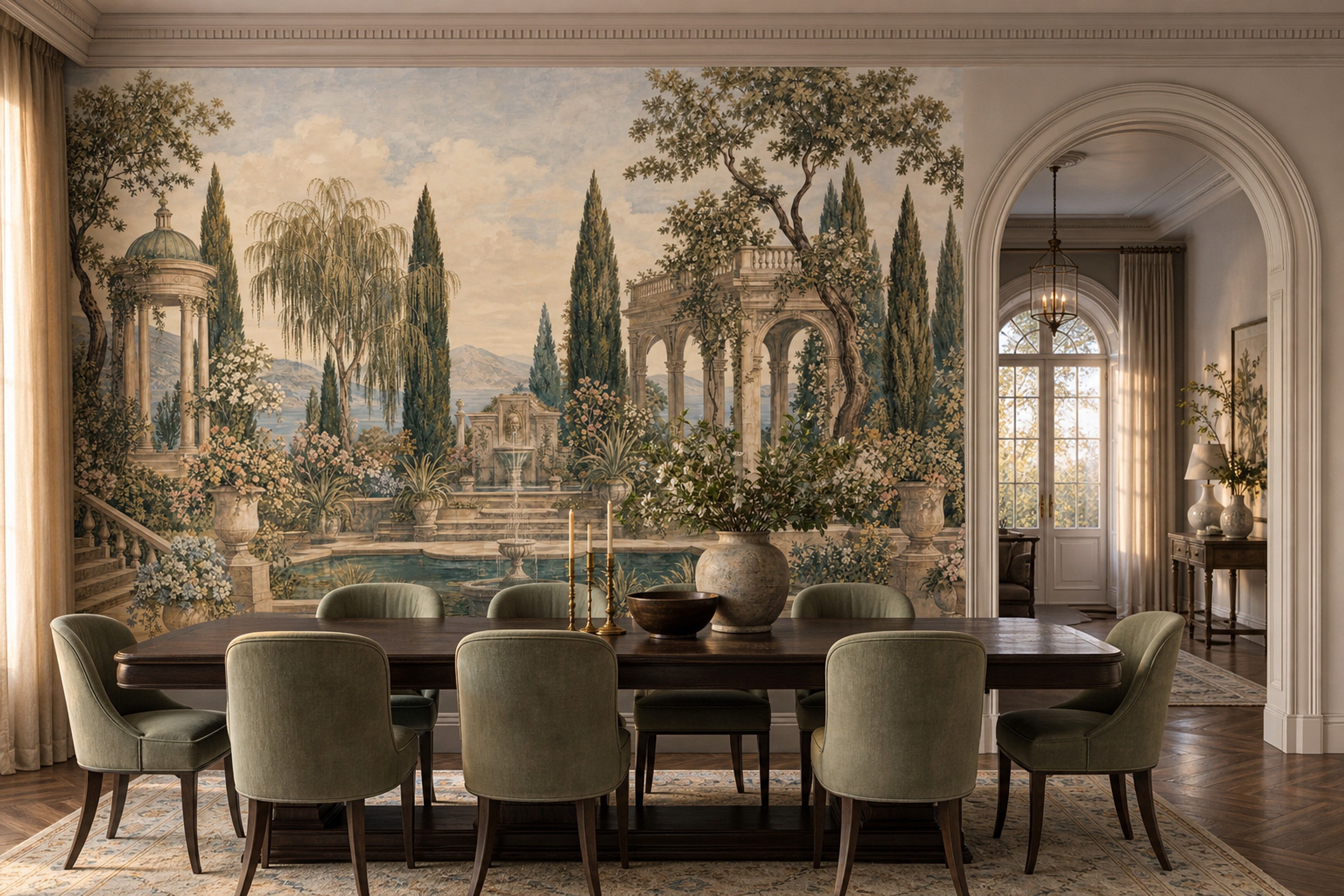
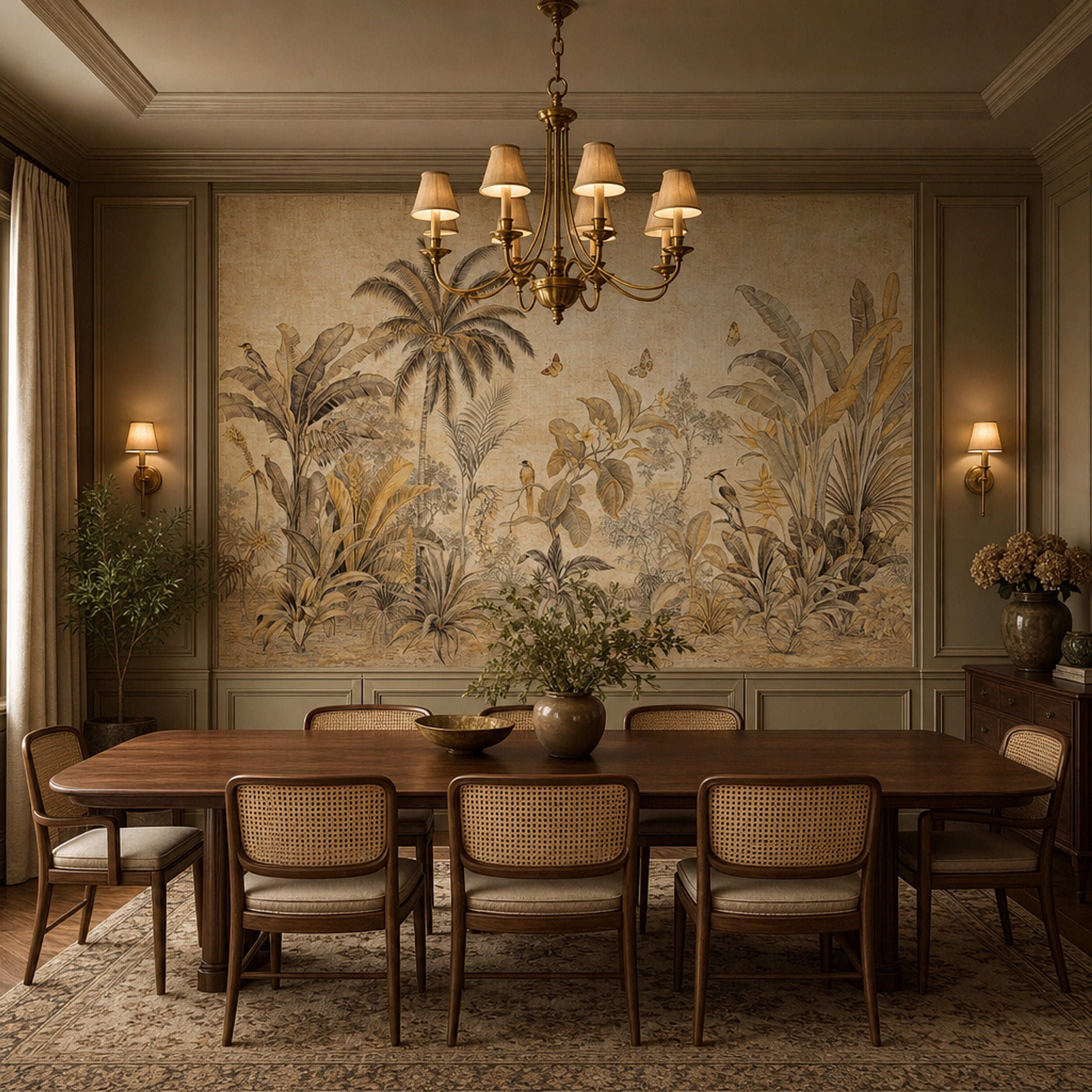
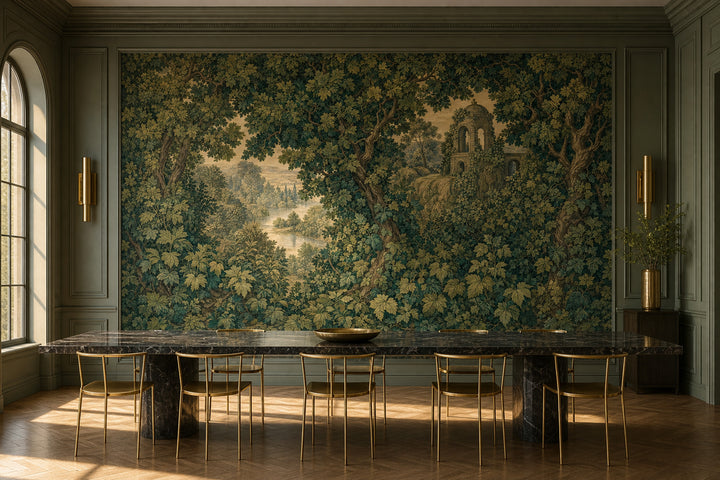
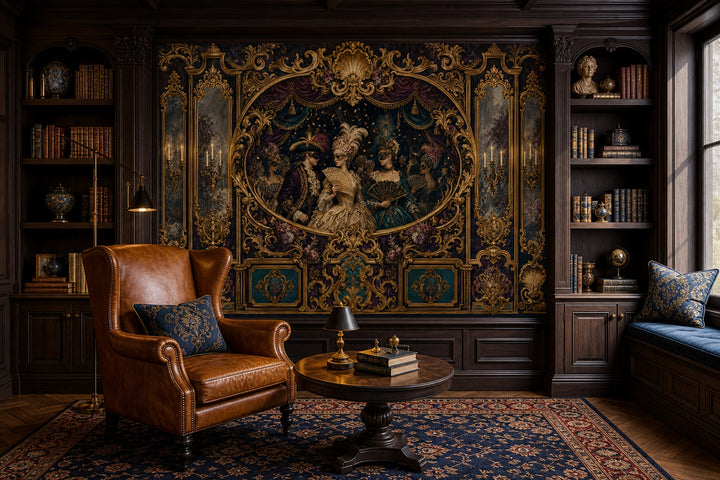
When considering Antique wall murals, think about how you can use them in key areas of your home. In a dining room, for instance, an antiqued mural positioned behind a dark wooden dining table can act as a stunning focal point, allowing the intricate design to frame your dining experience. In a cozy reading nook, placing an antique mural on the wall opposite a plush armchair creates an inviting backdrop that enhances your reading experience.
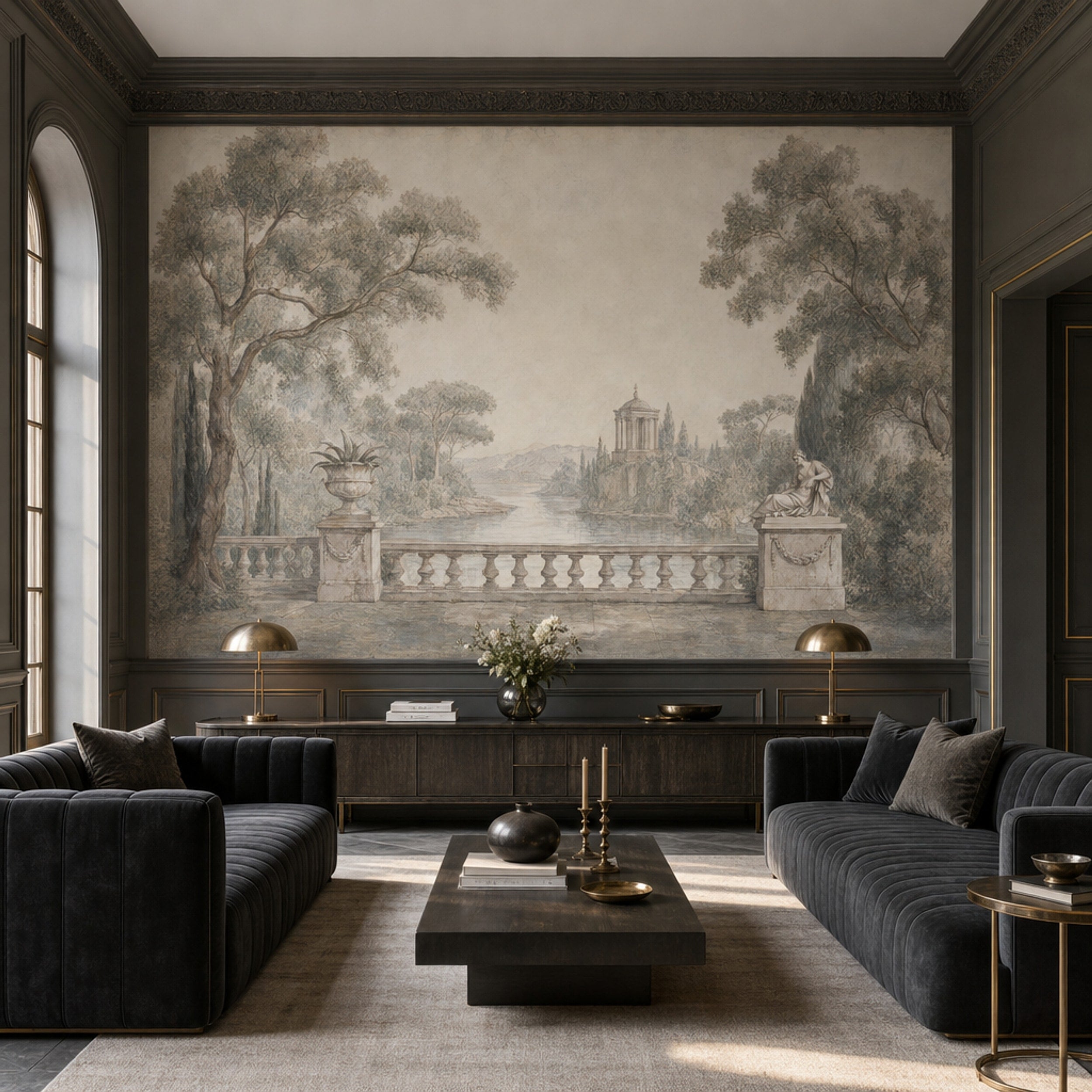
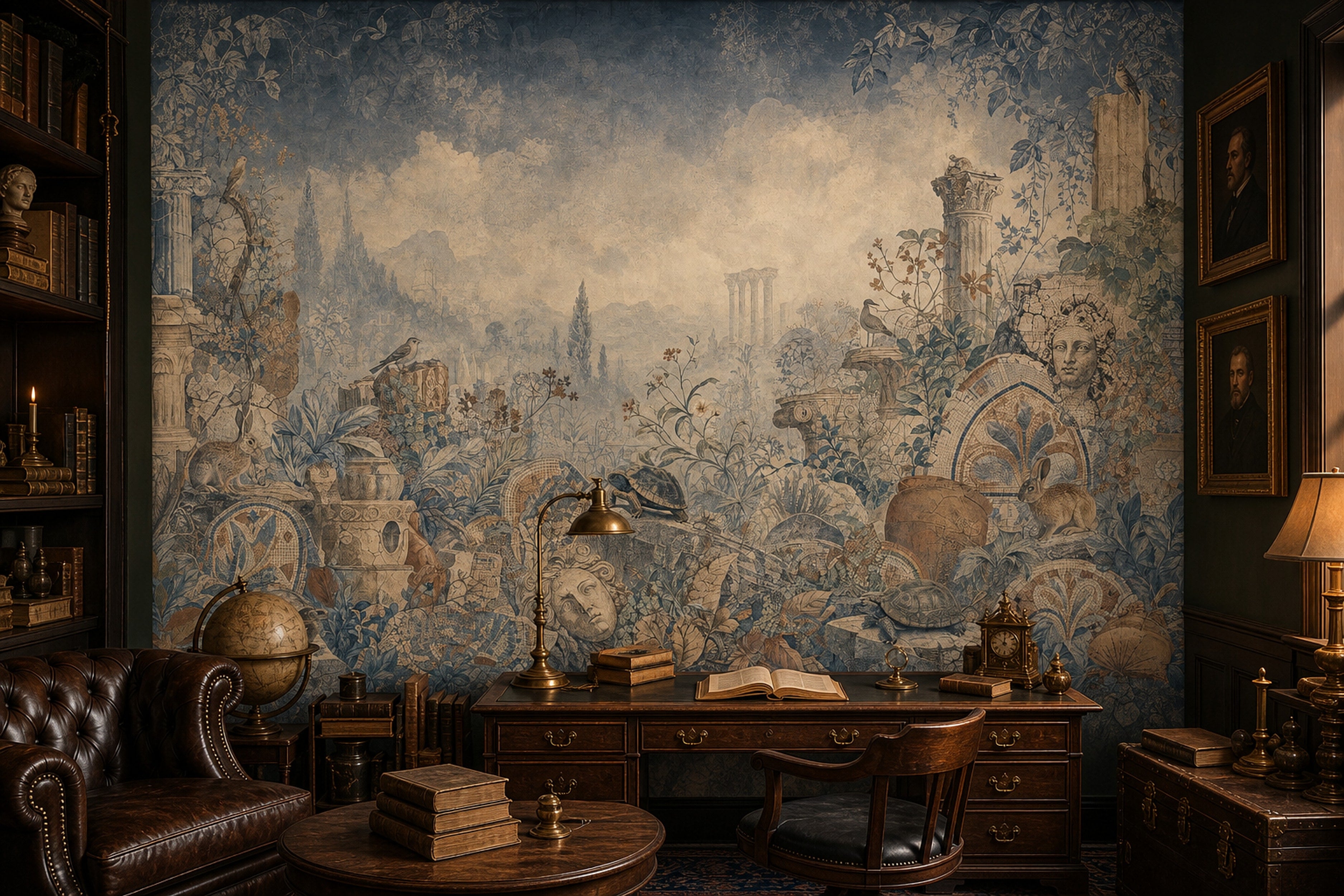
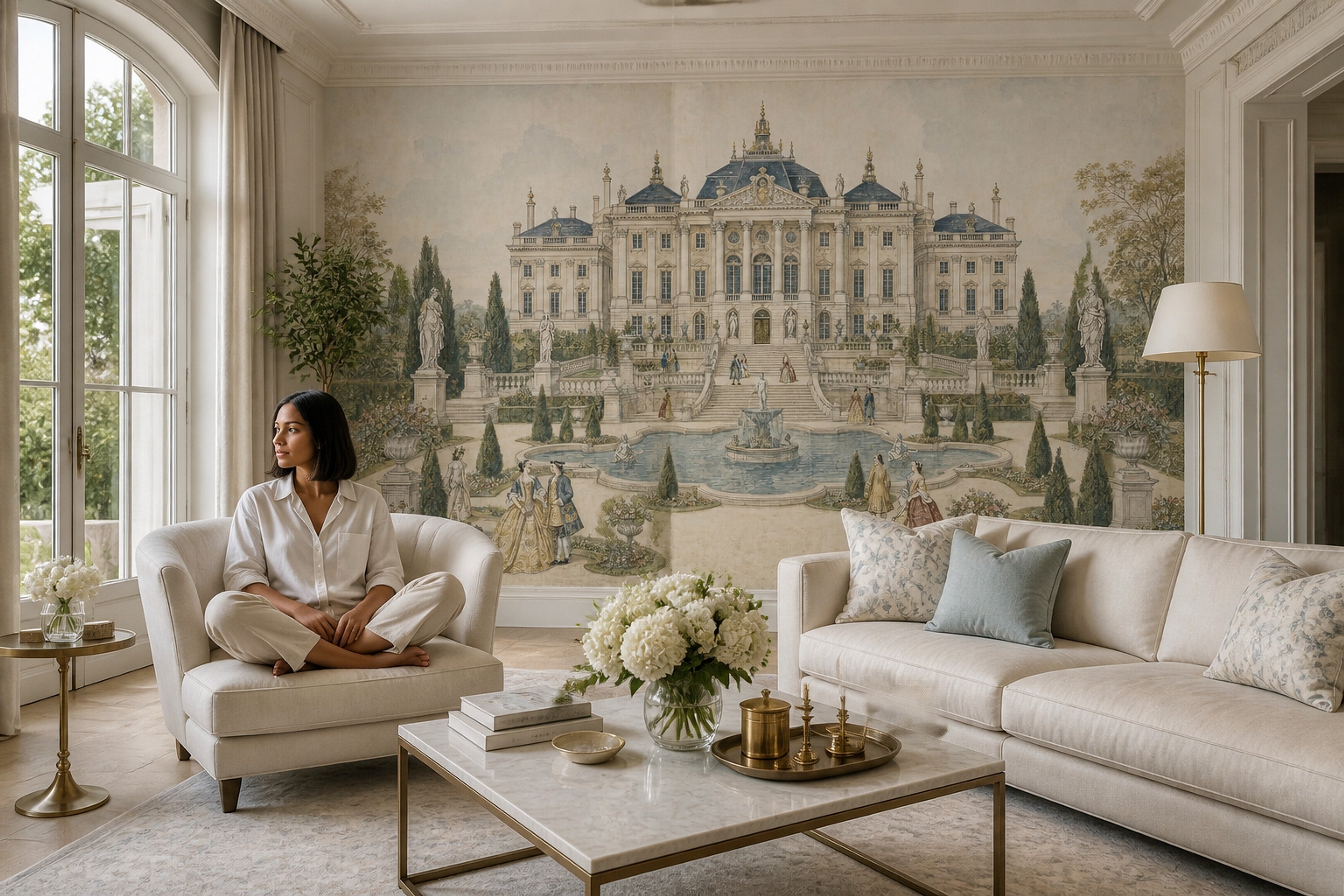
The living room is another ideal setting. A mural on the main wall behind your vintage sofa will set the tone for the entire room, especially if you choose a design that incorporates elements of nature or classical art. For your home office, consider an antique mural along the wall where your desk is positioned. This can inspire creativity while providing a sense of calm and professionalism.
To achieve a cohesive look, pair your antique murals with complementary furniture. For example, an antique floral mural can be beautifully paired with a wooden coffee table featuring intricate carvings and a set of upholstered chairs in muted colors. In the dining area, consider an oak table with brass lighting fixtures that echo elements found in the mural, tying the design together. In a reading nook, use a vintage armchair and a side table made of reclaimed wood to create a balanced aesthetic that feels both comfortable and refined.
Getting started with your Antique wall mural is simple. Muralls.com offers custom-sized options to fit your specific wall dimensions, ensuring a perfect fit for your home. The easy paste-the-wall installation makes the application a breeze, allowing you to achieve an antique look without the hassle of traditional wallpapering. Plus, with worldwide shipping, you can enhance your home’s aesthetic no matter where you are located. Let’s take that step toward creating a rich, historical ambiance in your home today!
Based on designs you explored, with fresh finds mixed in.



24 / 177
Load more— NEED HELP?
Can't find what you're looking for? Our team replies within 4 working hours, Mon–Fri.
Antique Wall Murals usually feature aged-paper tones (parchment, sepia, tobacco brown), softened contrast, and period details like engraved linework, cartouches, or faded typography. Look for designs labeled antique reproduction wall murals if you want that museum-print feel rather than a crisp modern graphic. Antique map wall murals often include compass roses and border frames—great cues that the artwork reads as genuinely old-world. These wall murals work best when the color palette stays warm and slightly muted.
Pair Antique Wall Murals with a walnut sideboard, an oak pedestal table, or a vintage brass pharmacy lamp—real wood grain and aged metal echo the mural’s patina. For textiles, use cognac leather (club chair or headboard), oatmeal linen drapery, and a Persian-style rug with rust, indigo, and olive notes to tie into sepia artwork. If you’re using peel and stick wall murals, balance the “paper” look with matte black picture frames or an iron console to keep it grounded and current. Avoid high-gloss lacquer right next to antique reproduction wall murals; it can make the print look flat by comparison.
Antique is trending because people want rooms that feel collected—especially with thrifted casegoods, reupholstered chairs, and gallery walls coming back. Antique wall murals are an easy way to add history and texture while still using clean-lined lighting and modern upholstery. Designers are also mixing “old print” imagery (like antique map wall murals or stencils antique advertising wall murals) with contemporary paint colors such as warm white, clay, or deep green. It’s a practical way to get character without relying on heavy ornament everywhere.
For a small room (say 8×10 ft), a single accent wall with antique map wall murals or a large-scale illustration keeps the detail readable without feeling busy. In a larger space (12×16 ft or bigger), you can wrap two walls with a quieter antique reproduction wall murals pattern—think soft type or subtle script—so it reads like a backdrop. If the mural has dense labels or ads, keep it to one wall and let the other walls stay in warm white or greige. The goal is to match the mural’s detail level to how long you’ll actually look at it from across the room.
With Antique Wall Murals, measure the full wall width and height and note any obstacles (windows, doors, built-ins) so key elements—like a map title, border frame, or vintage ad text—can be positioned intentionally. If you want a border visible, plan a small “safe margin” (a few inches) so the outer frame doesn’t land right on a corner or trim line. For wall murals with typography, tell us where your main viewing area is (bed centerline, sofa centerline) so the focal detail can sit at eye level. This is especially helpful for antique map wall murals where compass roses and legends are easy to accidentally crop.
A home office or library-style den is best—put Antique Wall Murals behind the desk so the engraving detail reads like a study backdrop, especially with a walnut desk and a green banker’s lamp. In a dining room, place antique reproduction wall murals on the wall you face while seated, so the artwork becomes a conversation piece without competing with art on every wall. For a powder room, a single panel of stencils antique advertising wall murals can work on the vanity wall, paired with unlacquered brass and a framed mirror. Ceiling placement can be great for an antique sky or map motif, but keep the surrounding walls quiet (warm white or light taupe) so it doesn’t feel heavy.
VISUAL SEARCH
Upload a reference image and discover visually similar designs.
BEST MATCHES
PERSONALIZED DISCOVERY
Describe a look or let your room lead the search.
CURATED FOR YOU
The chat is taking longer than usual.
Email support@muralls.com