Wall Mural
Tropical Birds
From $3.72 / sq ft
Wall Mural
Tropical Birds
From $3.72 / sq ft

Light Wall Murals stand out for the way their surface appears to hold a glow rather than simply show a pale color. Instead of reading flat like many light-to...
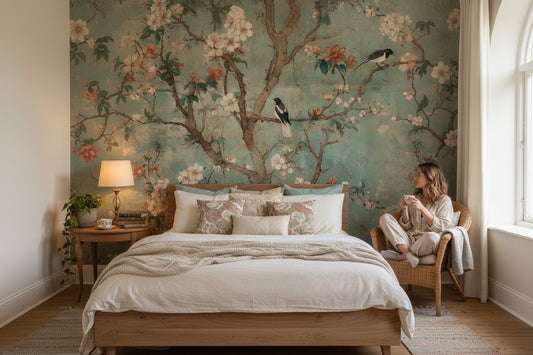
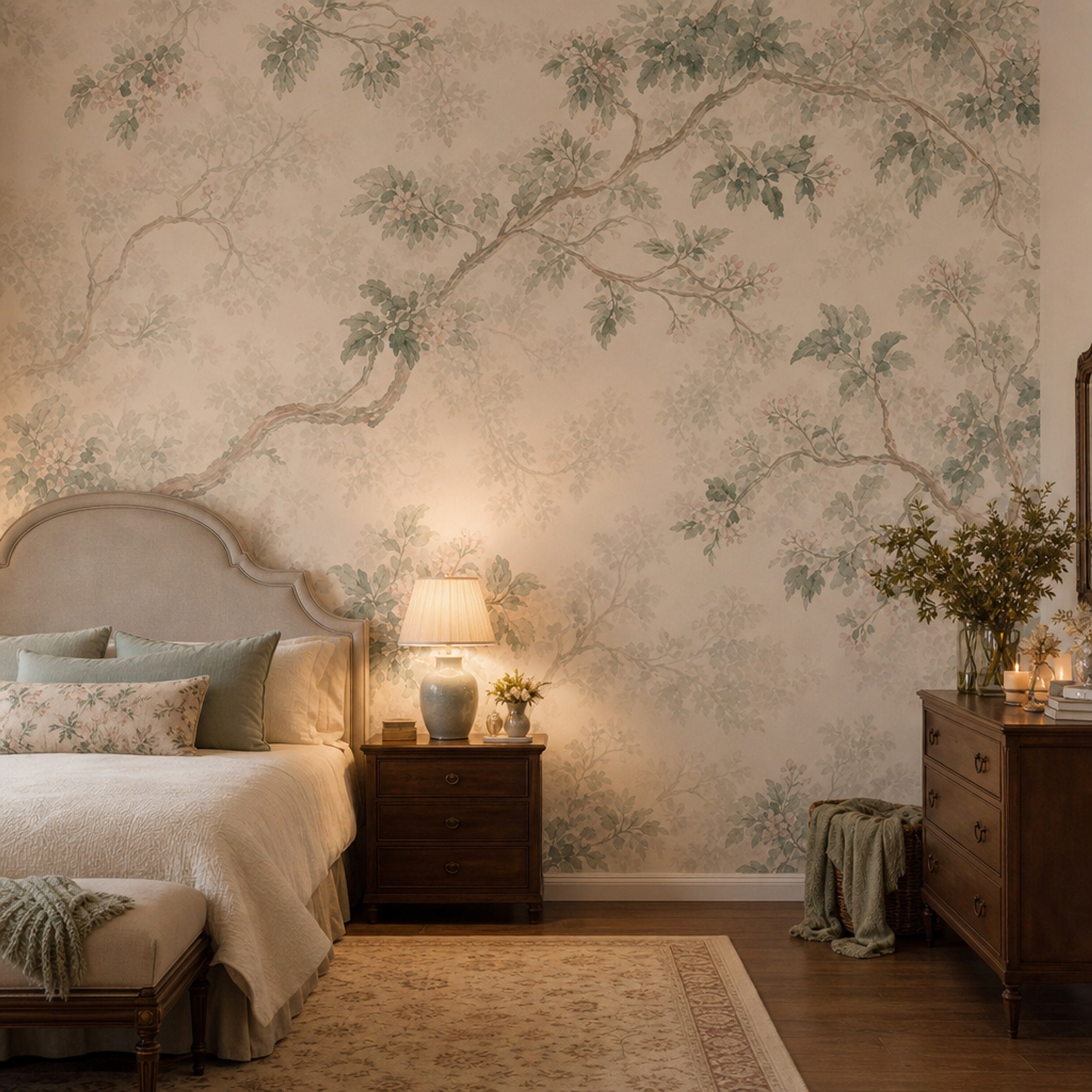
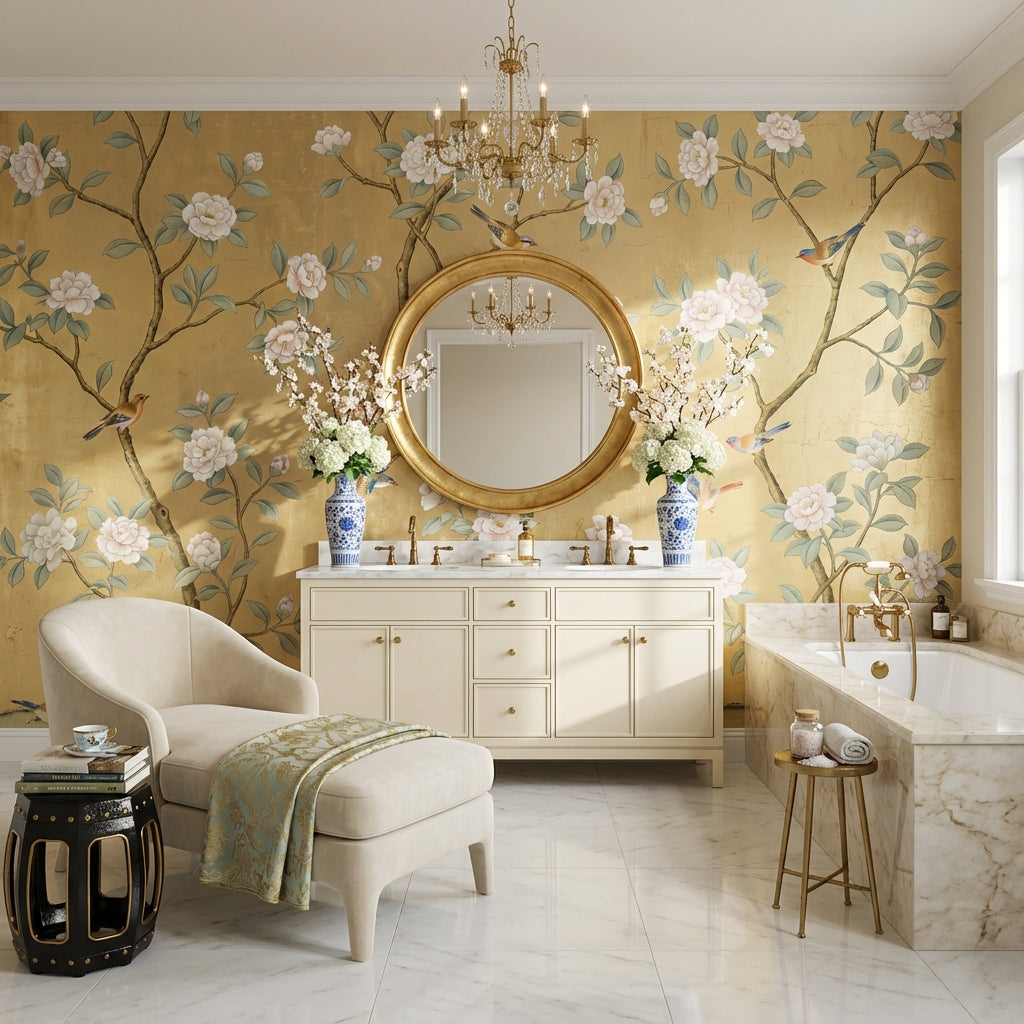
Light Wall Murals stand out for the way their surface appears to hold a glow rather than simply show a pale color. Instead of reading flat like many light-toned wall murals, Light Wall Murals reveal milky white, chalk beige, pearl grey, and faint silver undertones that shift across the wall as daylight moves. That layered brightness gives wall and murals a cleaner edge behind oak shelving, cream boucle chairs, or a slim black console. In open-plan spaces, they create a quieter backdrop than graphic wallpaper murals while still feeling intentional, especially near seating areas styled with pieces from our Living Room Wall Murals collection.
What makes Light Wall Murals unique is the mix of brushed haze, clouded gradients, and lightly diffused texture that keeps the design from looking blank. We often see a subtle pairing of warm ivory with dove grey or pale sand with off-white, which sits well with a walnut sideboard, a linen headboard, or matte brass floor lamps. In rooms where clients ask about light in the box wall murals or even light up wall murals, this collection gives a similar luminous impression through print depth rather than novelty effects. For a softer bedroom direction, our guide to Light Wallpaper For Bedroom shows how these lighter surfaces pair with oatmeal bedding and whitewashed bedside tables. If you want the same airy look in a wallpaper format, see Light Wallpaper.
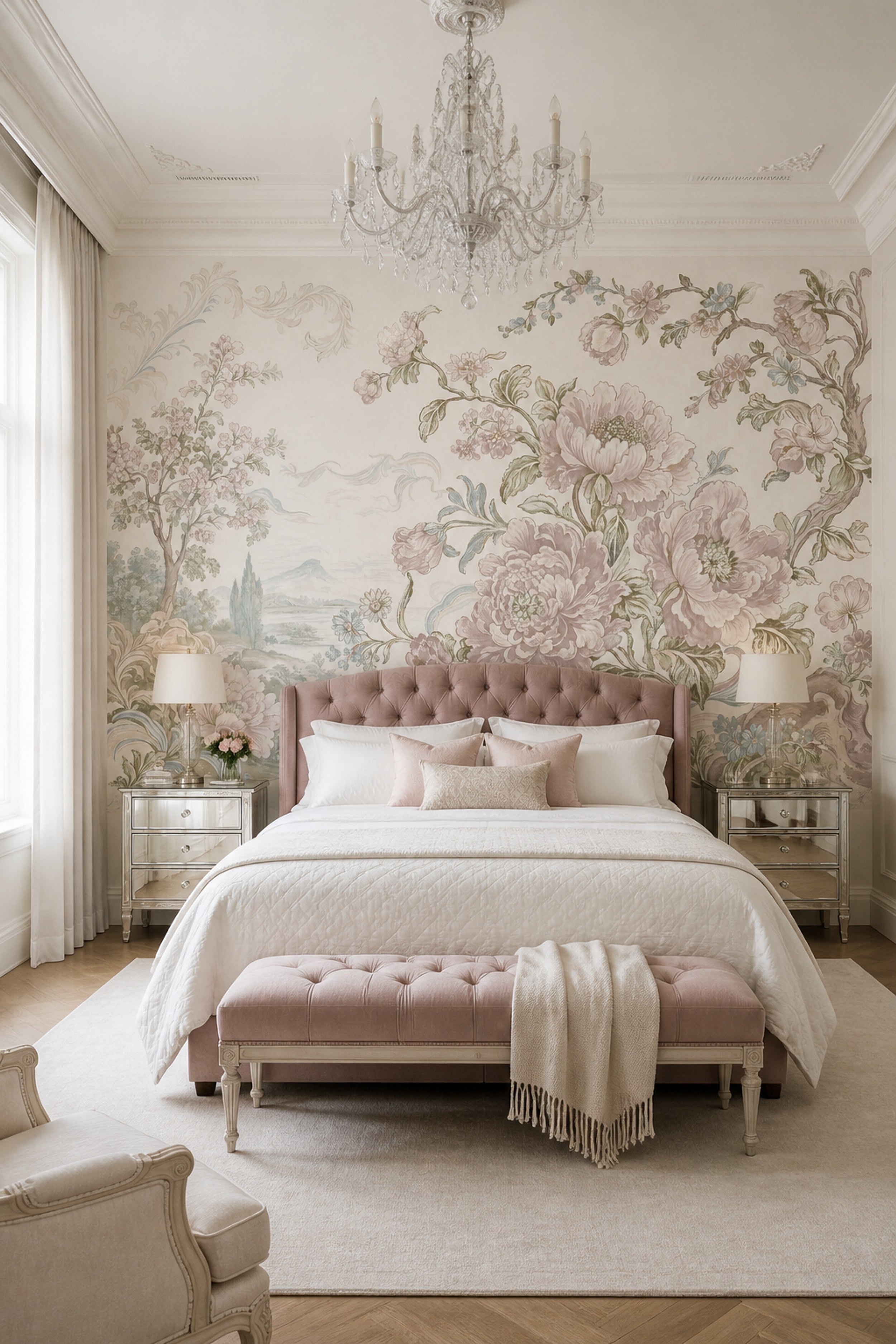
Light Wall Murals work especially well on the wall behind a low bed frame, on the full dining wall facing a window, or on the main run of cabinetry in breakfast areas where reflected daylight can move across the print. In a bedroom, place Light Wall Murals behind a taupe upholstered bed with ash wood nightstands so the pale undertones stay visible from morning to evening. In kitchens, Light Wall Murals can soften white shaker cabinets and honed stone counters, and they sit naturally beside ideas from our Kitchen Wall Murals range. Clients searching for wall murals that light up, star light wall murals, or how to light wall murals usually want that same sense of brightness, and this collection delivers it with custom sizes, paste-the-wall installation, and worldwide shipping.
Based on designs you explored, with fresh finds mixed in.

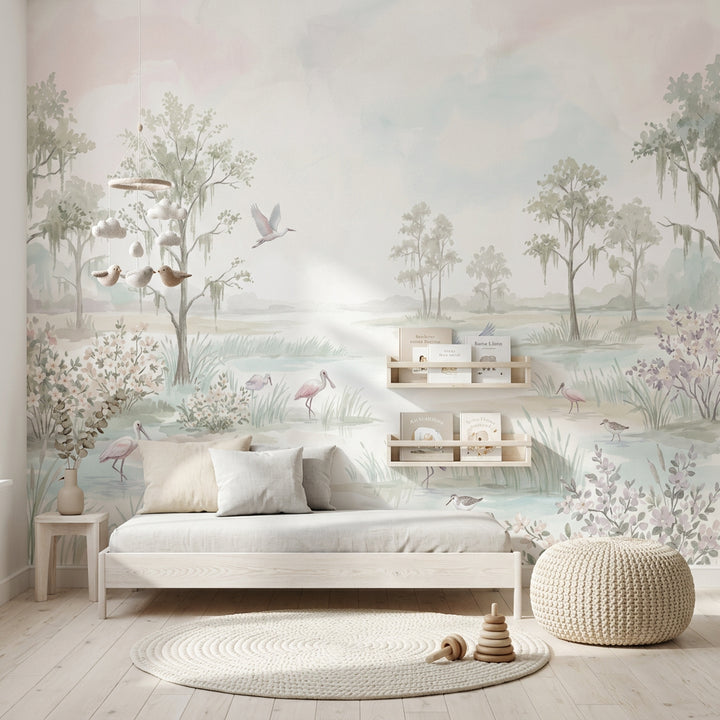
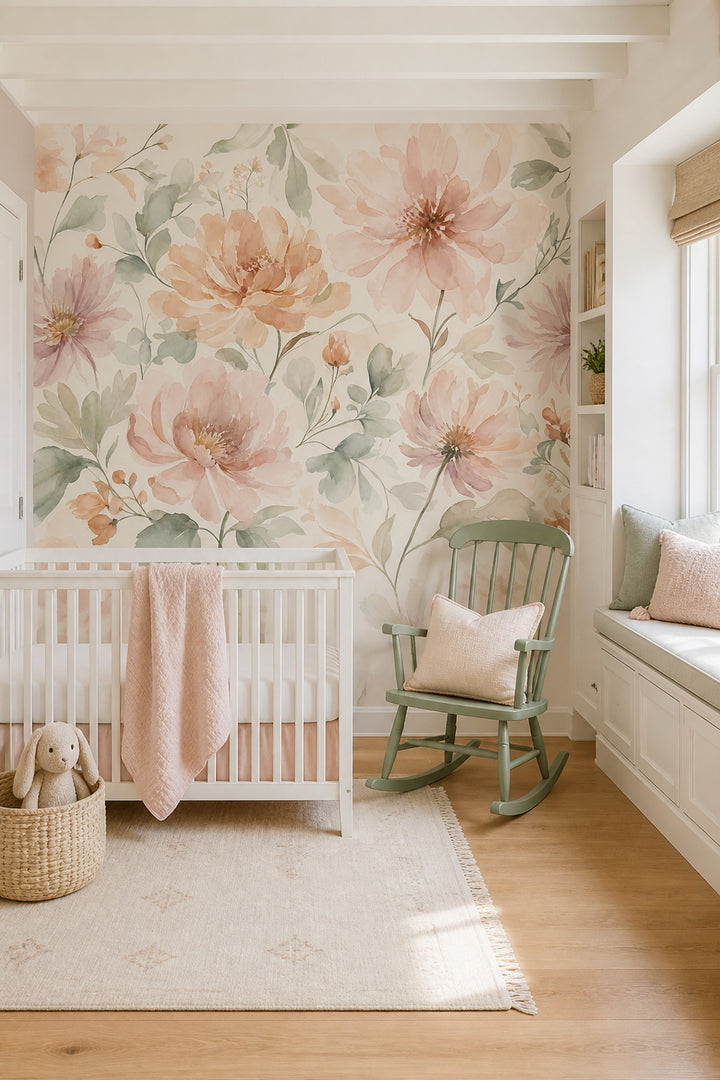


24 / 2843
Load more— NEED HELP?
Can't find what you're looking for? Our team replies within 4 working hours, Mon–Fri.
Aim for diffused lighting: a ceiling fixture with a frosted shade or a pair of wall sconces placed 24–36 inches from the mural will keep Light Wall Murals looking even. Use warm-white LEDs to keep blush, powder blue, and buttercream tones from turning icy. If you’re using pastel wall murals with a pastel rainbow wall mural or an abstract clouds mural pastel wall, avoid narrow-beam spotlights that create glare and hot spots on the light areas.
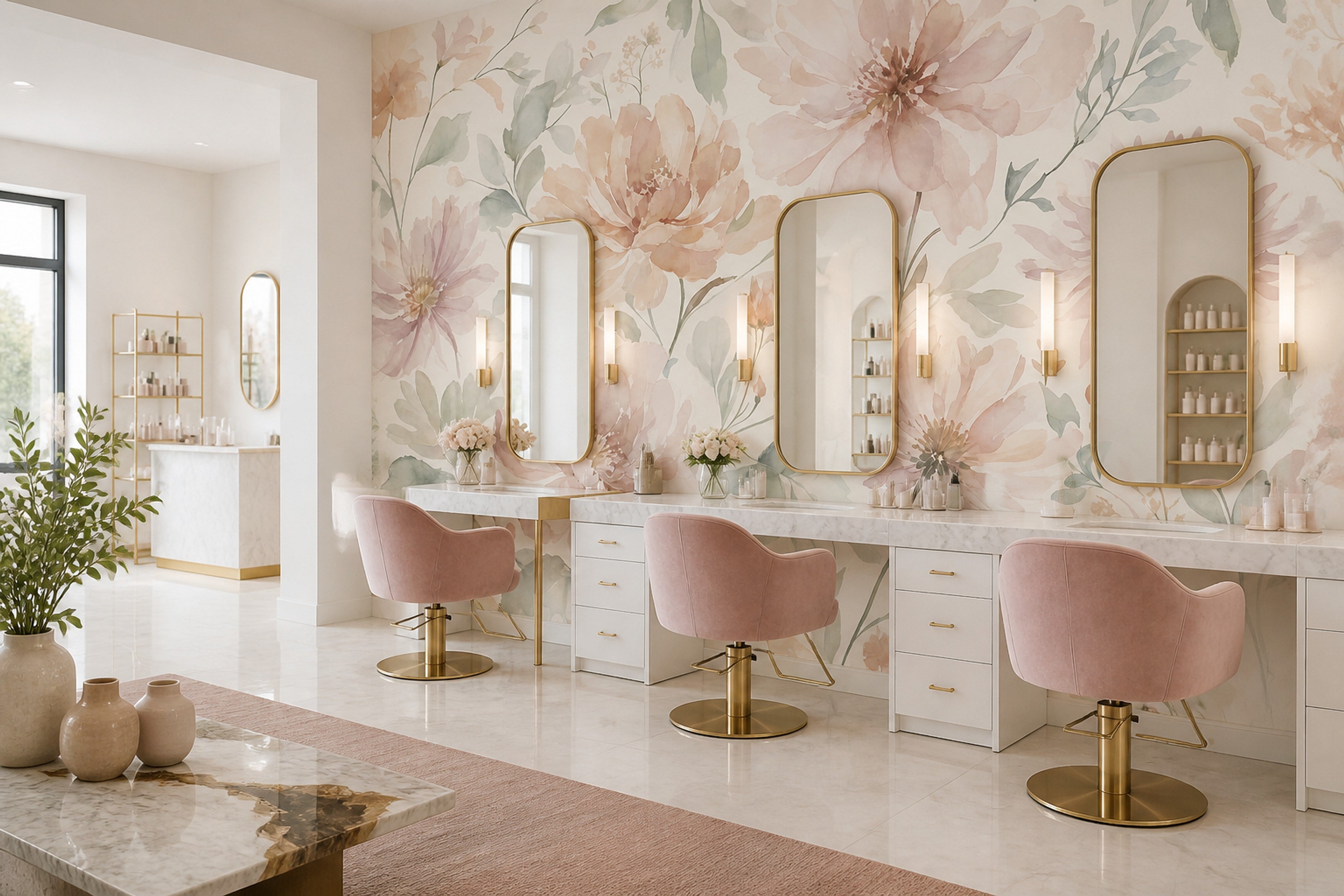
Look for families like ivory/cream, blush pink, powder blue, mist gray, and pale sage—each reads differently across a large wall. Cream and mist gray are best when you want the mural to feel like a quiet backdrop behind shelving or a media unit, while blush and powder blue read more playful (great for nurseries). If you want a little more structure without going darker, a pastel geometric wall mural in pale gray + sand gives definition without heavy contrast.
Use one accent wall if the design has recognizable shapes (like a pastel rainbow wall mural or a pastel geometric wall mural) and the room is under about 140 sq ft—this keeps it from feeling busy. Wrapping two or more walls works best with low-contrast designs such as an abstract mural pastel wall (clouds, watercolor washes) because seams and corners stay visually calm. In open-plan spaces, keep the mural to the wall behind the sofa or bed so the light palette anchors one zone.
For Light Wall Murals, try crisp white trim, matte black accents (hardware, picture frames), and warm woods like white oak or ash to keep the palette grounded. If your mural leans cool (powder blue, mist gray), add camel leather, brass, or terracotta textiles; if it leans warm (cream, blush), add sage green or navy for contrast. Avoid matching everything to the same pastel—too much baby pink + baby blue can make the room feel flat instead of layered.
For Light Wall Murals, measure the full wall width and height in inches and add 2–4 inches of extra “bleed” on each side so light gradients and soft patterns don’t end up with a hard edge at the ceiling or baseboard. Note any obstacles (windows, doors, outlets) so key parts of a pastel wall mural—like the center of a pastel rainbow—can be positioned where you’ll actually see it. If you’re placing a headboard or tall dresser in front, plan the focal area to start above that furniture line.
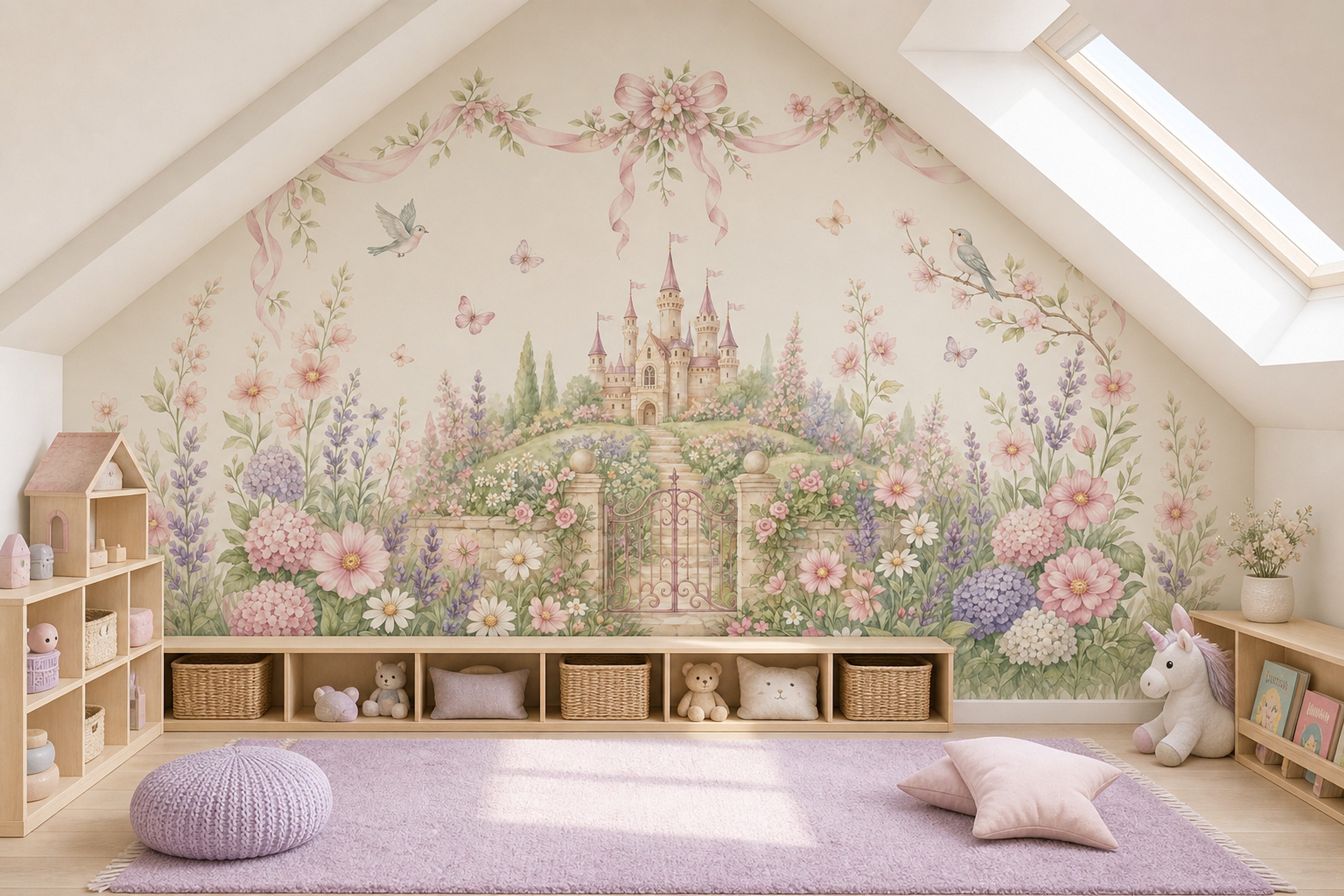
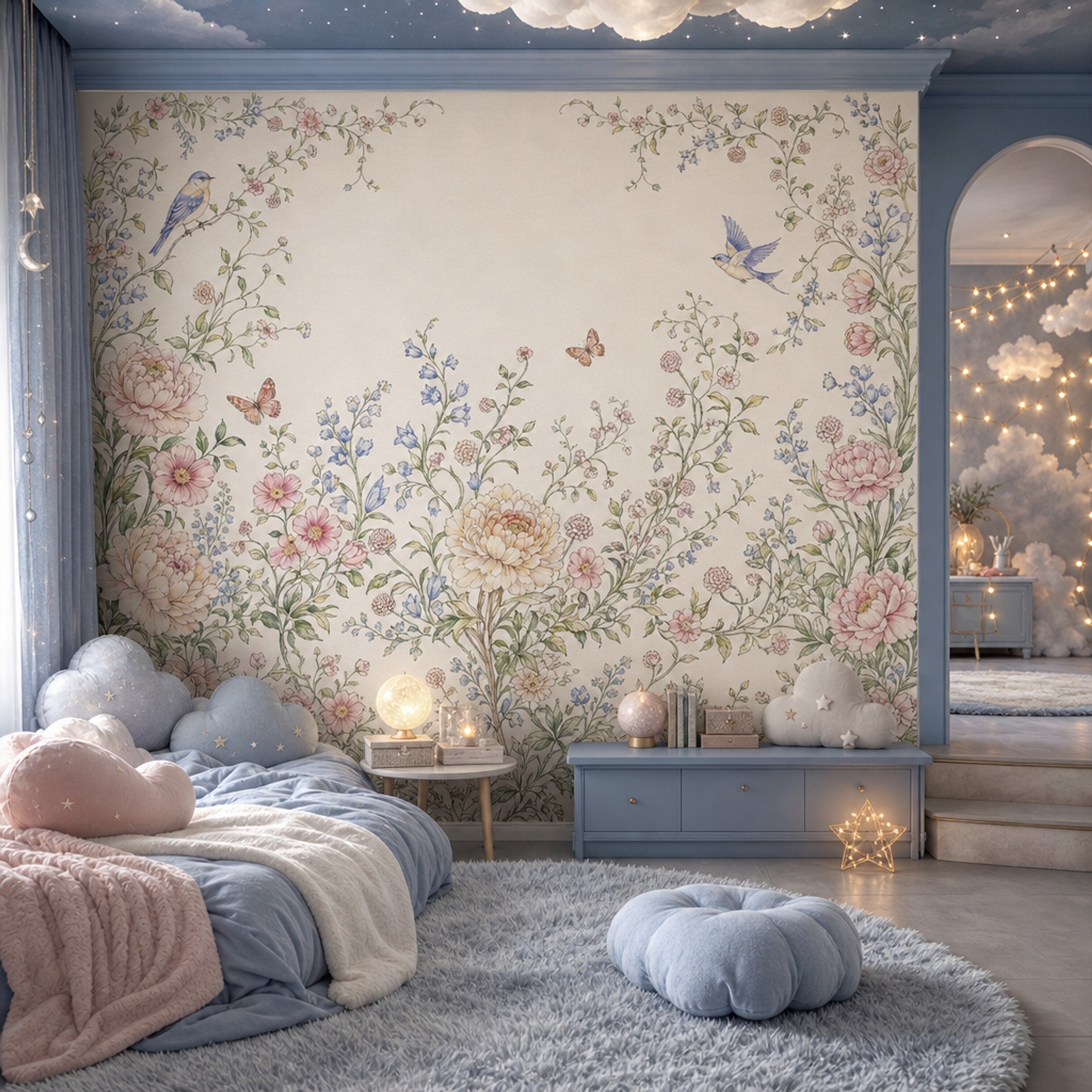
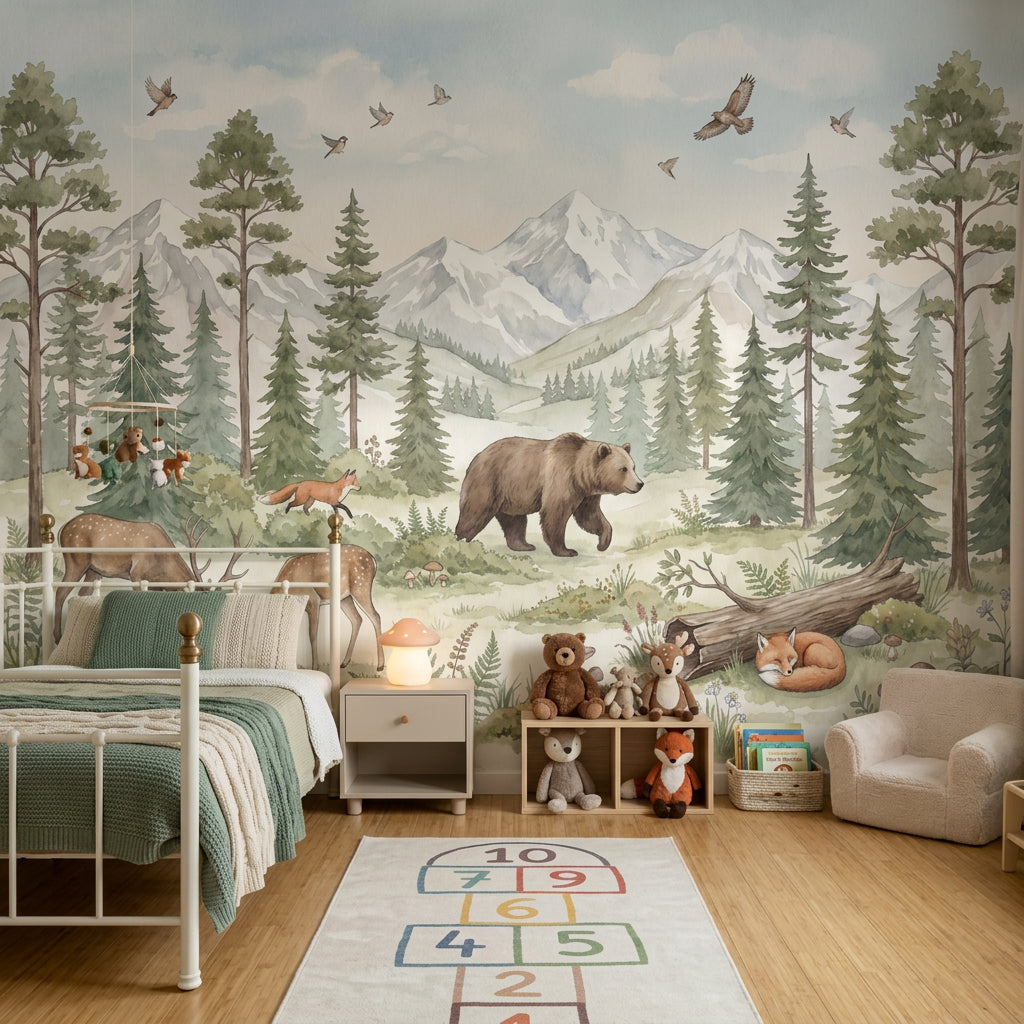
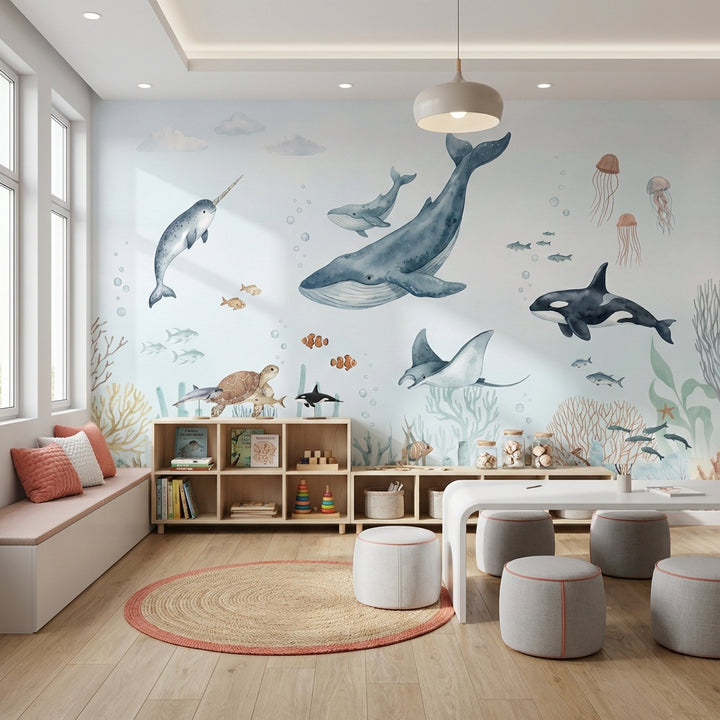
Bedrooms and nurseries are ideal because Light Wall Murals (cream, blush, powder blue) support a calmer mood and keep the room from feeling visually heavy. In a bedroom, place the mural on the headboard wall; in a nursery, put an abstract clouds mural pastel wall on the wall opposite the crib so it’s visible during rocking/feeding. For a small hallway, a pale, low-contrast pastel wall mural can brighten the space—just keep the busiest pattern away from a cluster of doors.
VISUAL SEARCH
Upload a reference image and discover visually similar designs.
BEST MATCHES
PERSONALIZED DISCOVERY
Describe a look or let your room lead the search.
CURATED FOR YOU