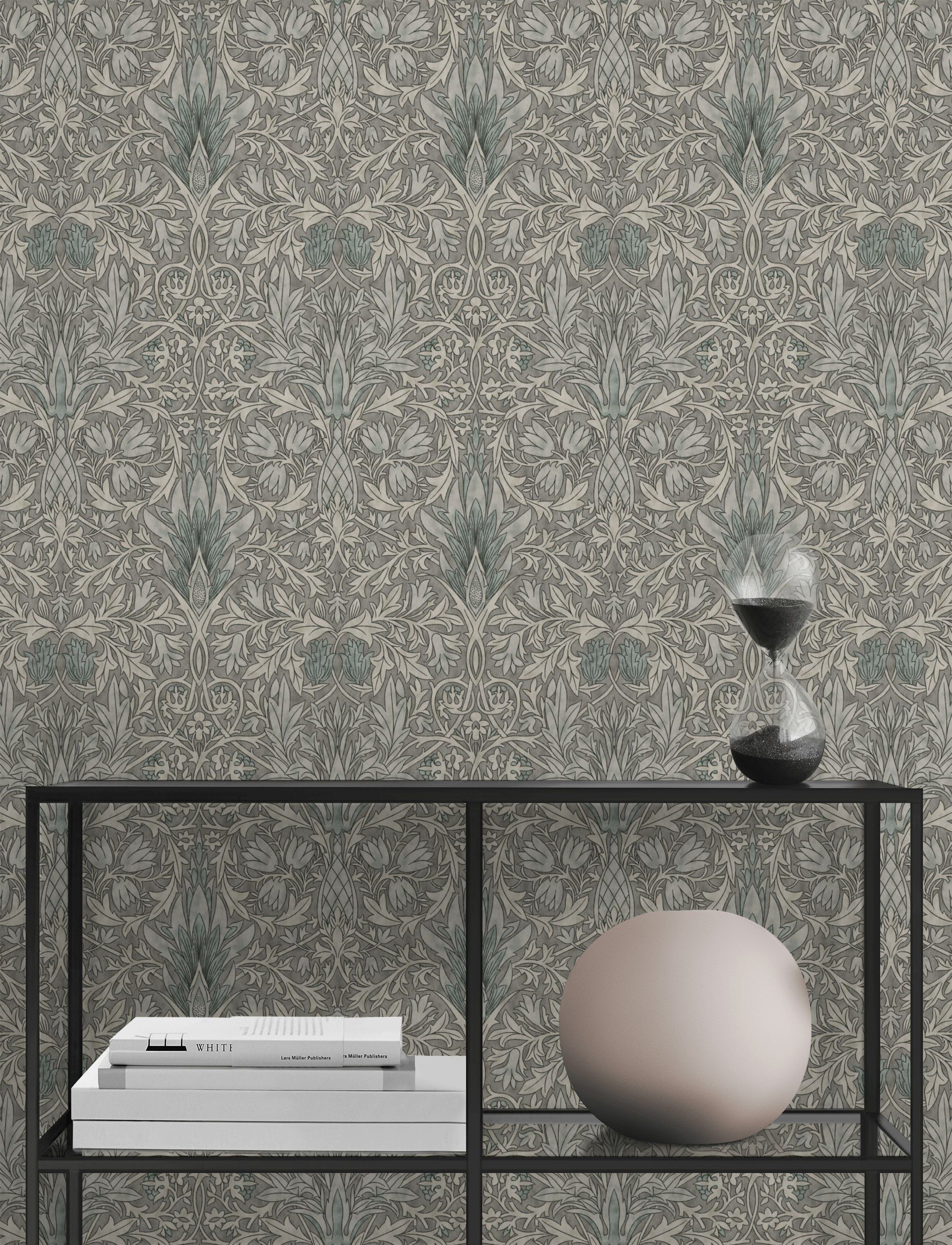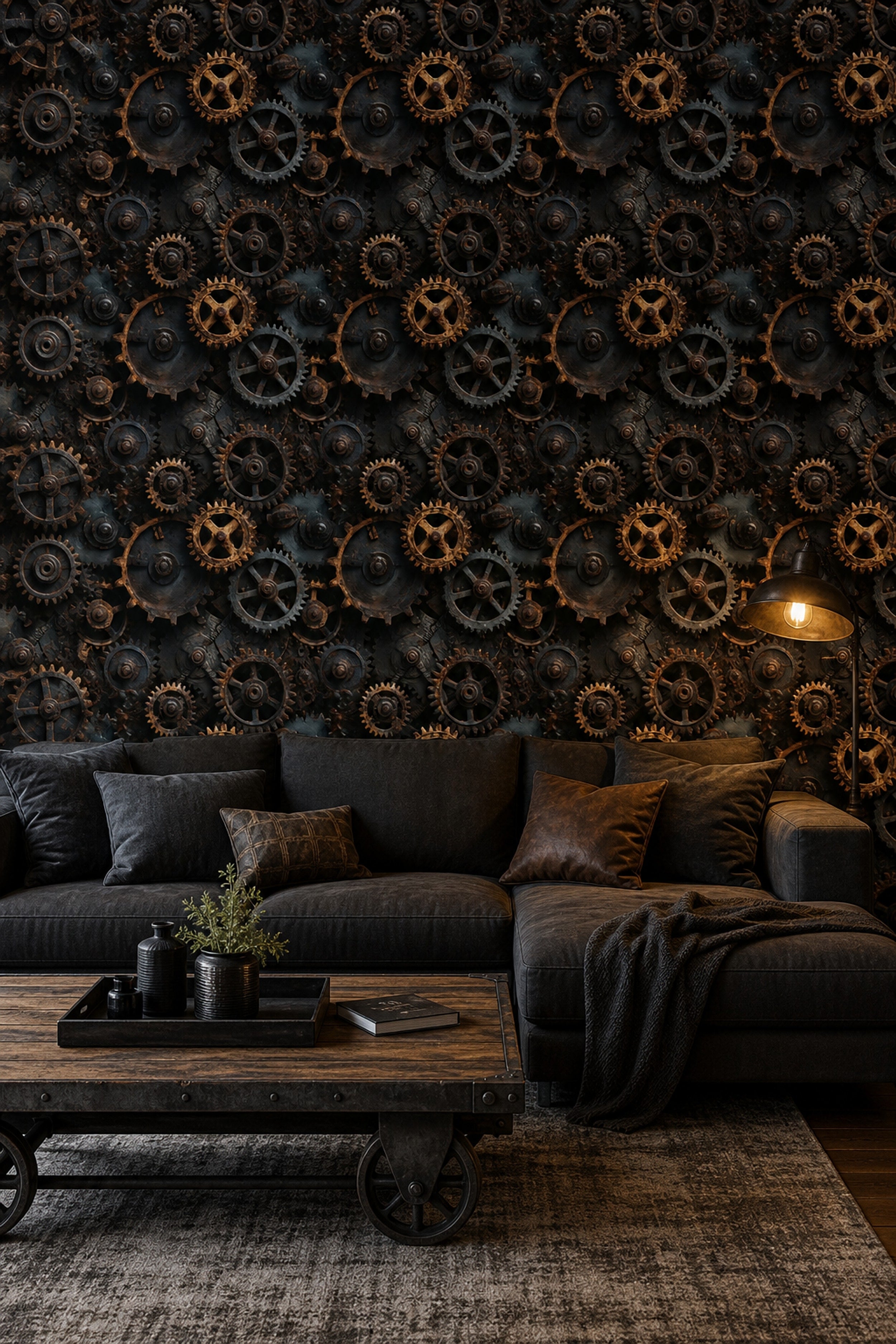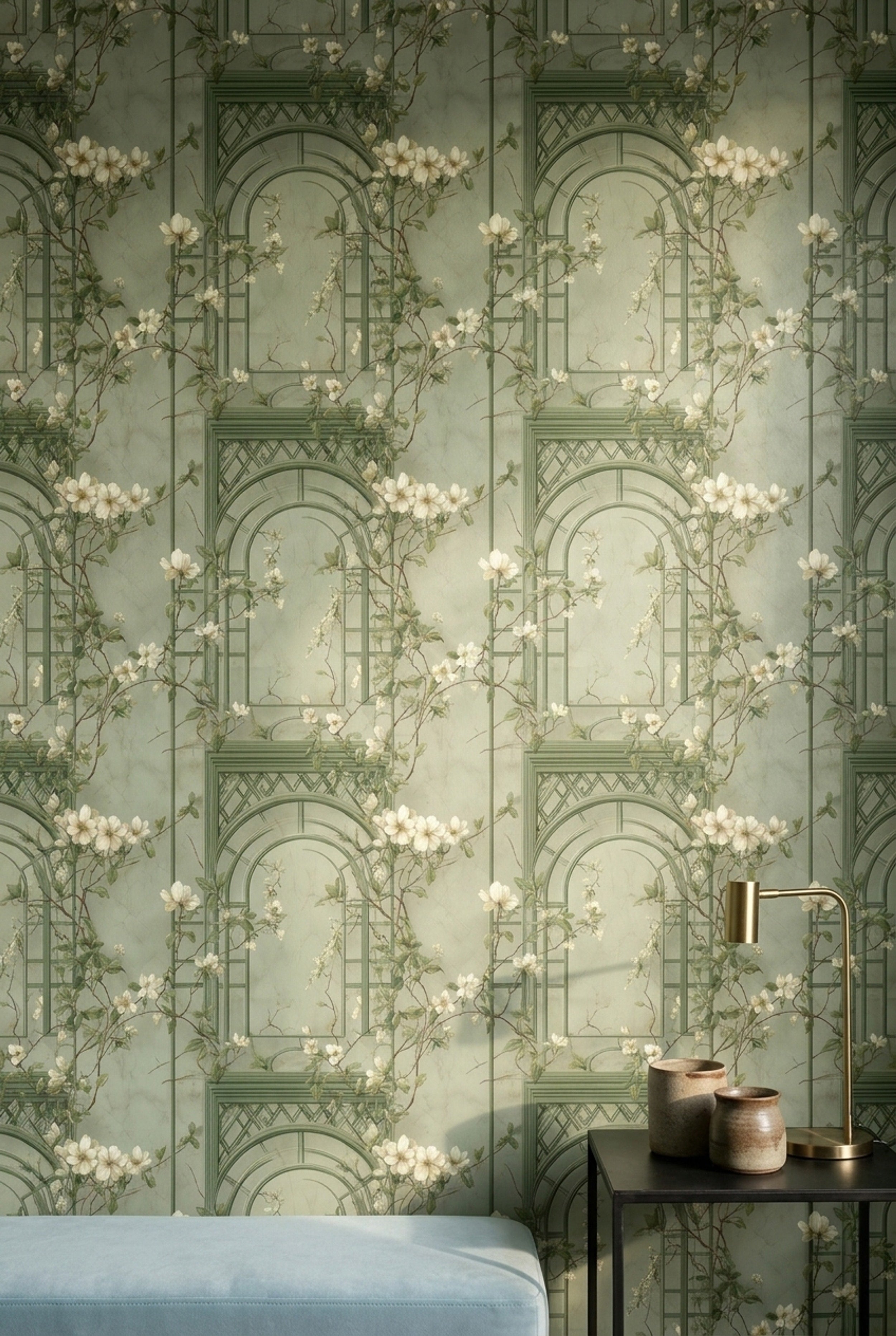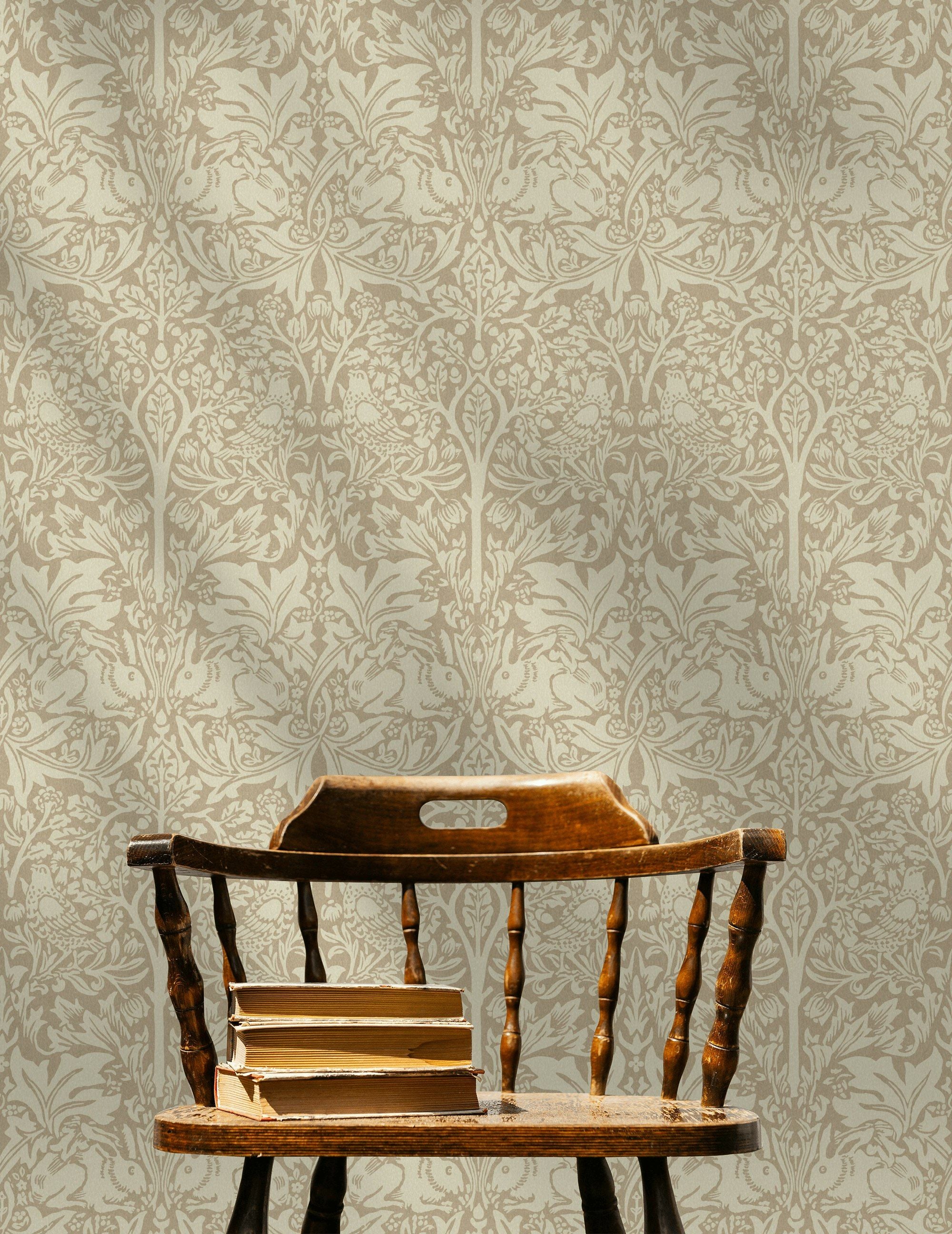
 Wallpaper
Dark Vintage
From $23
Wallpaper
Dark Vintage
From $23

Victorian Wallpaper for Muralls.com You walk into a room and something feels different. The wall draws you in, its rich patterns and deep colors ...
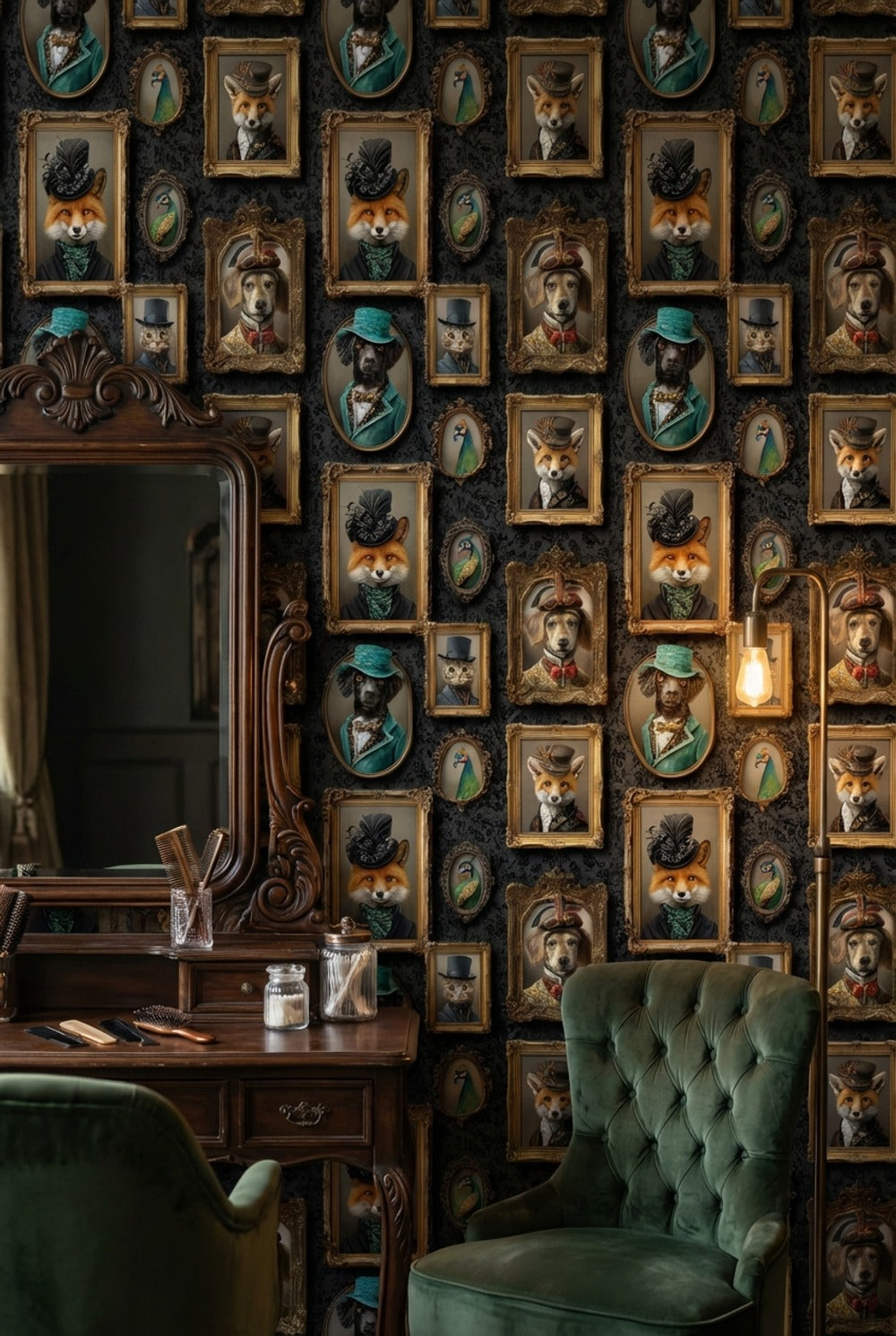
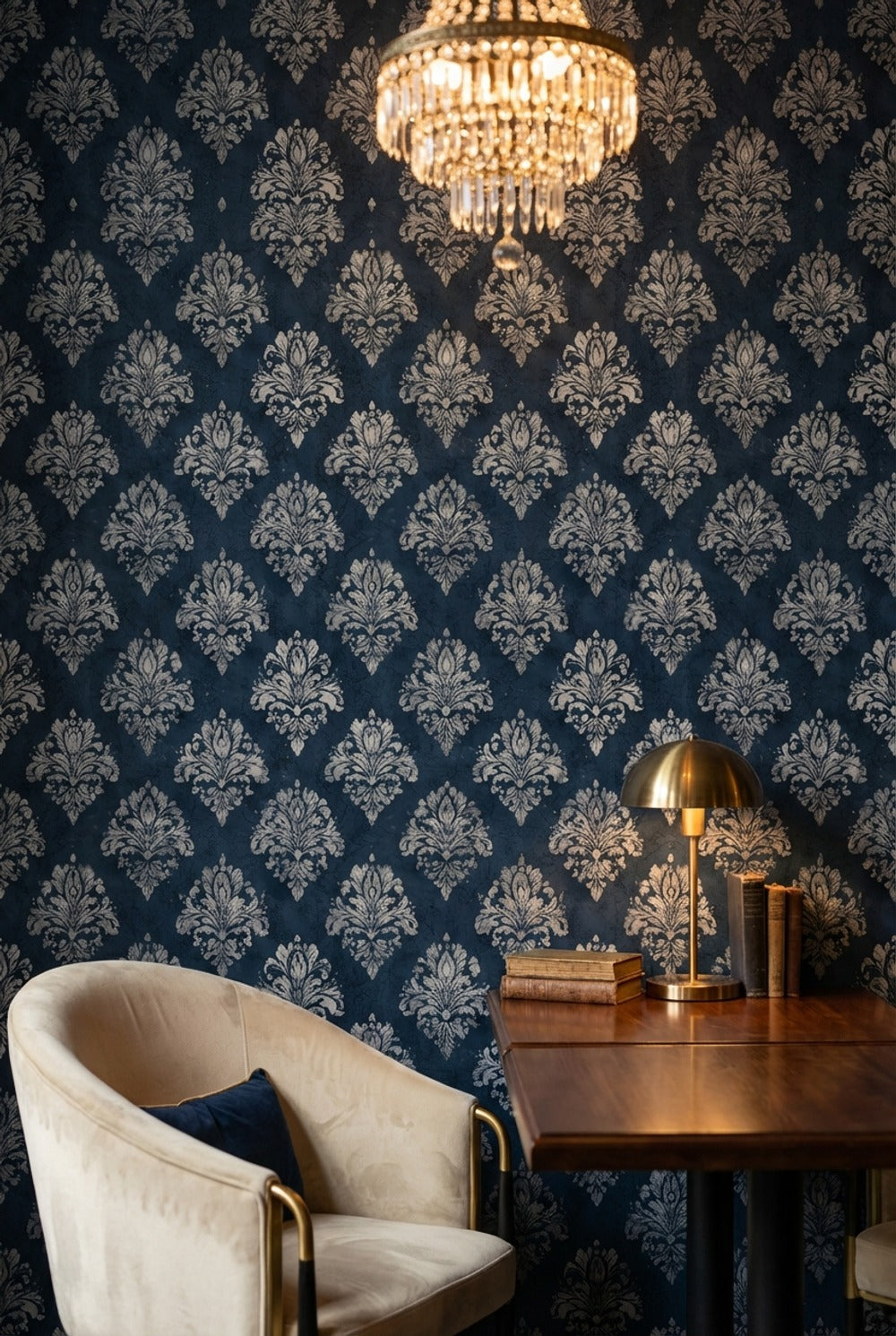
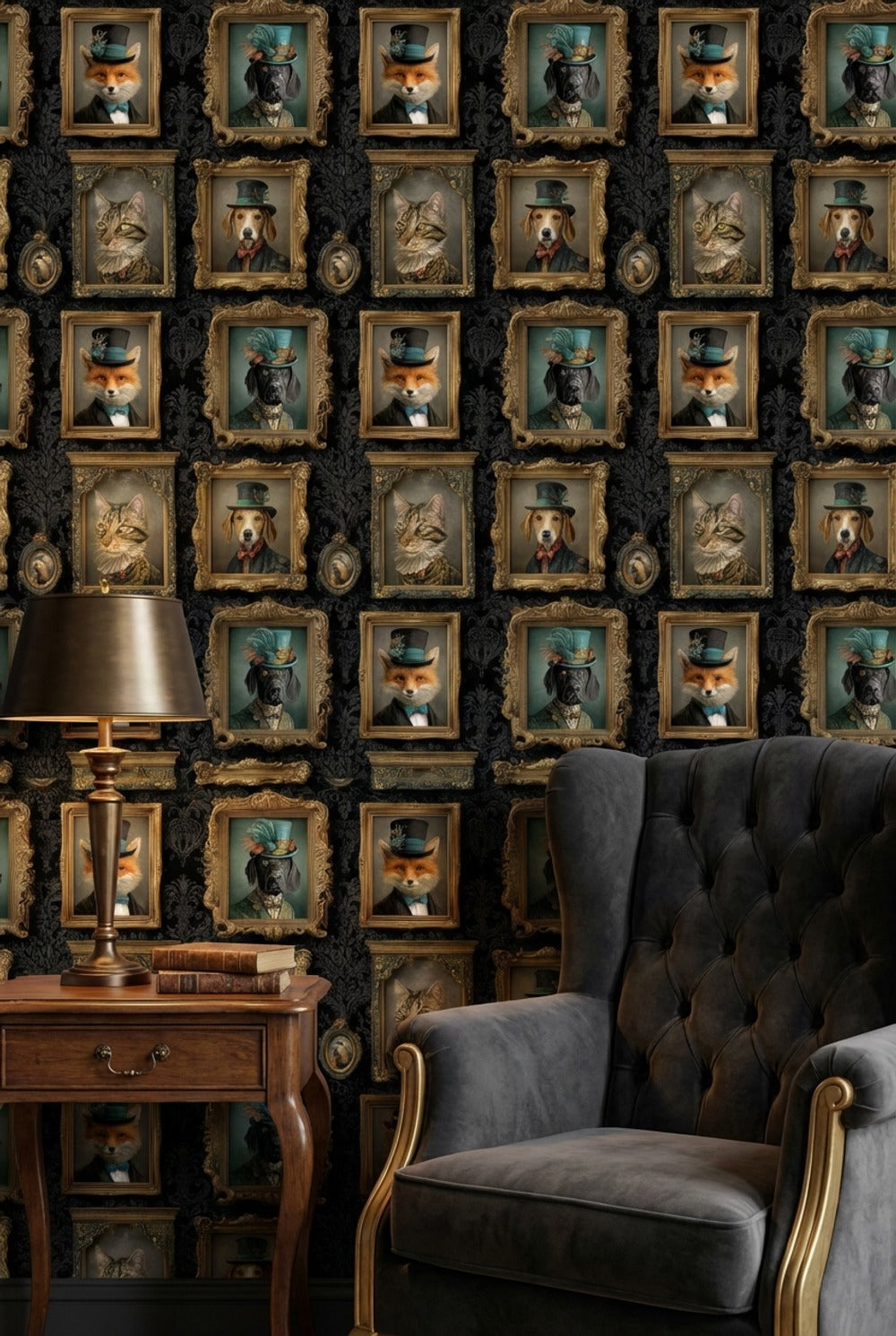
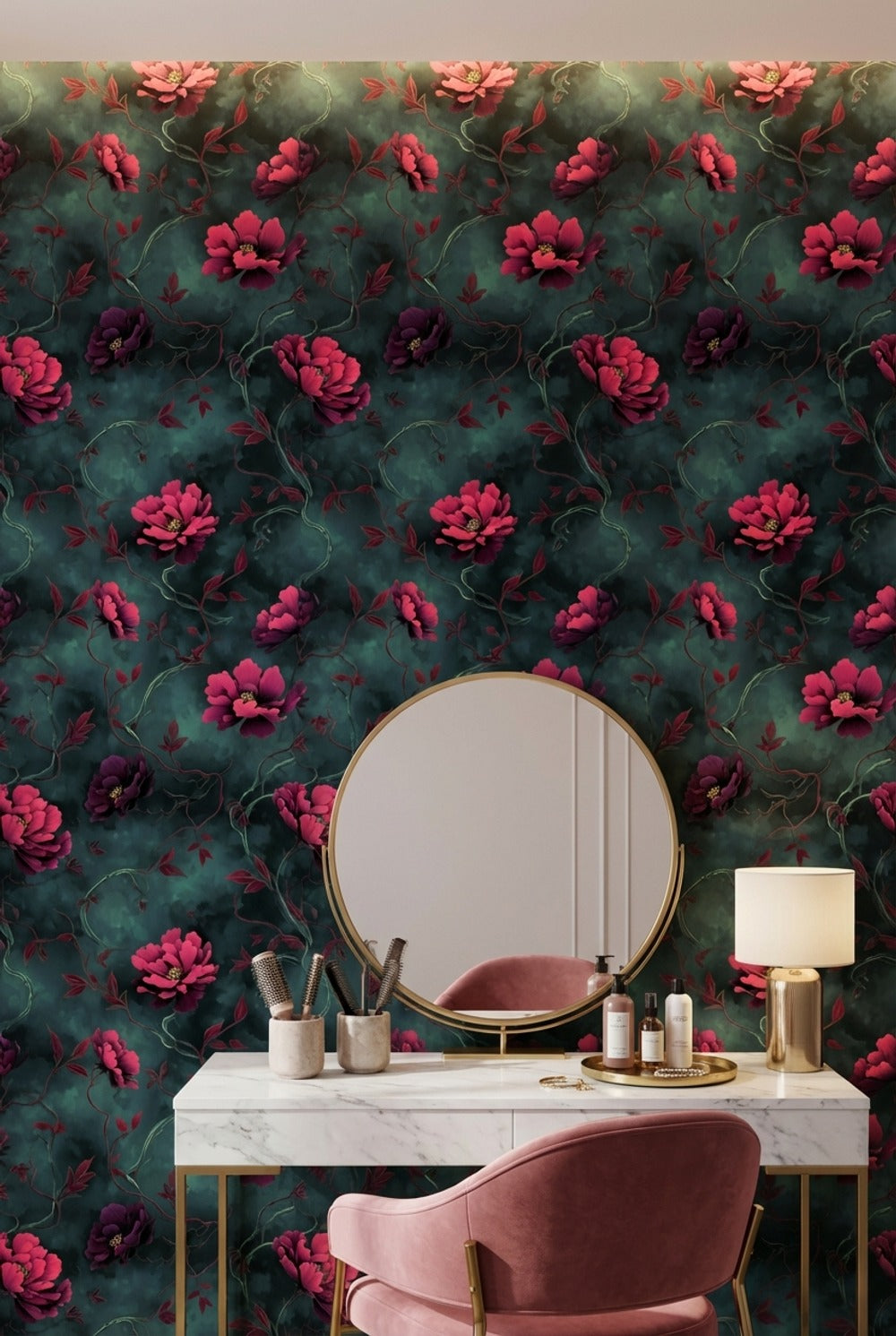
You walk into a room and something feels different. The wall draws you in, its rich patterns and deep colors bringing history and charm to life. Victorian wallpaper is characterized by intricate designs, warm tones, and a sense of grandeur that makes a statement. It evokes a mood of opulence and nostalgia, transporting you to a time when detail and craftsmanship reigned supreme.
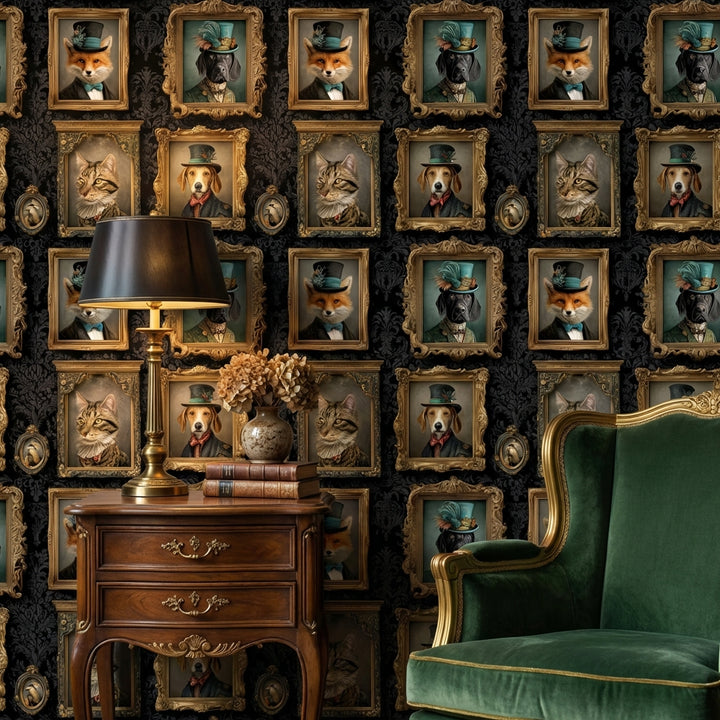
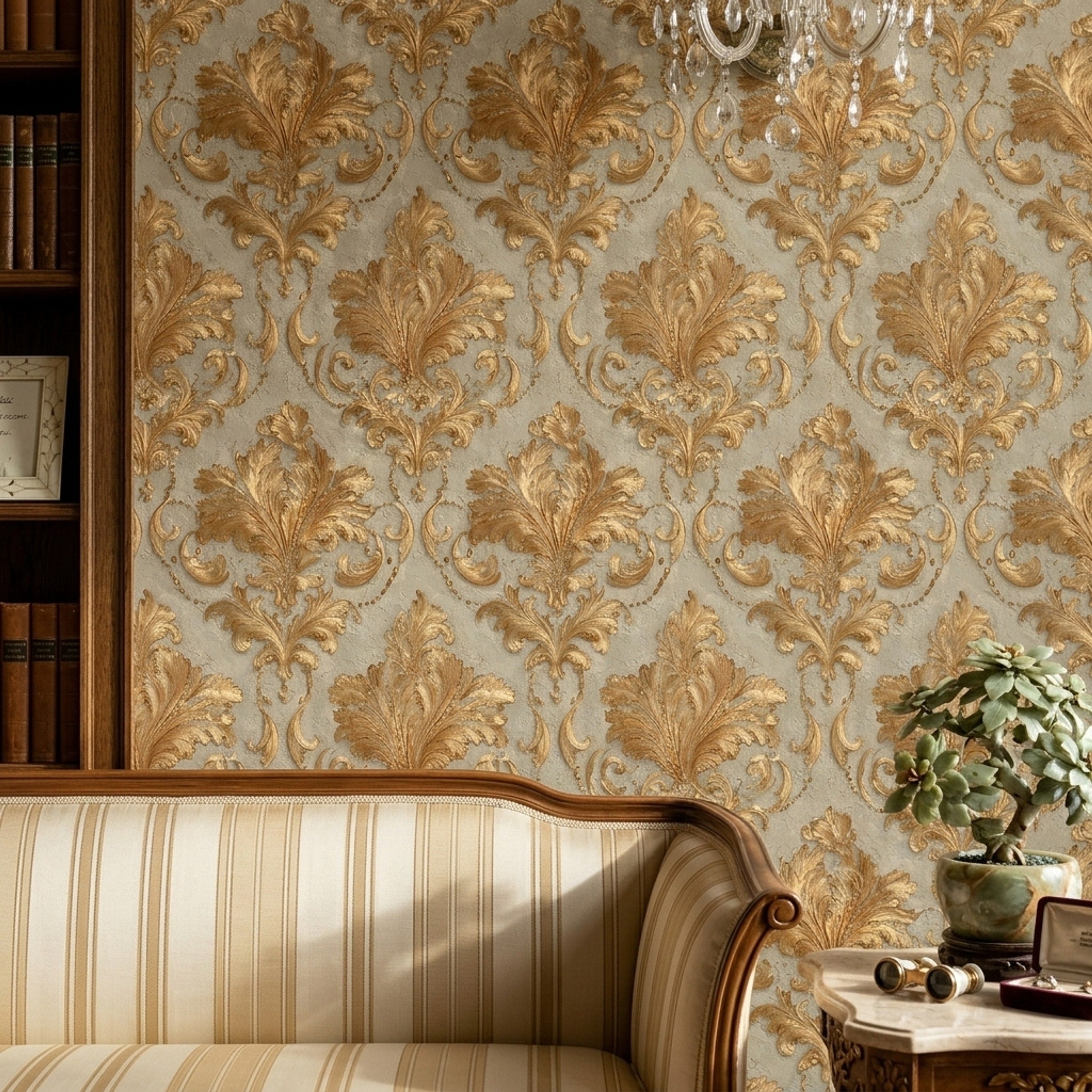
Victorian wallpaper stands out due to its unique combination of bold colors, elaborate motifs, and a variety of textures. Think of deep greens, burgundies, and golds, often accompanied by floral patterns or damask designs. The era is known for its emphasis on detail: from lush foliage to ornate geometric shapes. Each design tells a story, inviting you to appreciate not just the aesthetics but the artistry behind it. These wallpapers aren’t merely decorative; they invoke a certain atmosphere that can define the character of your home.
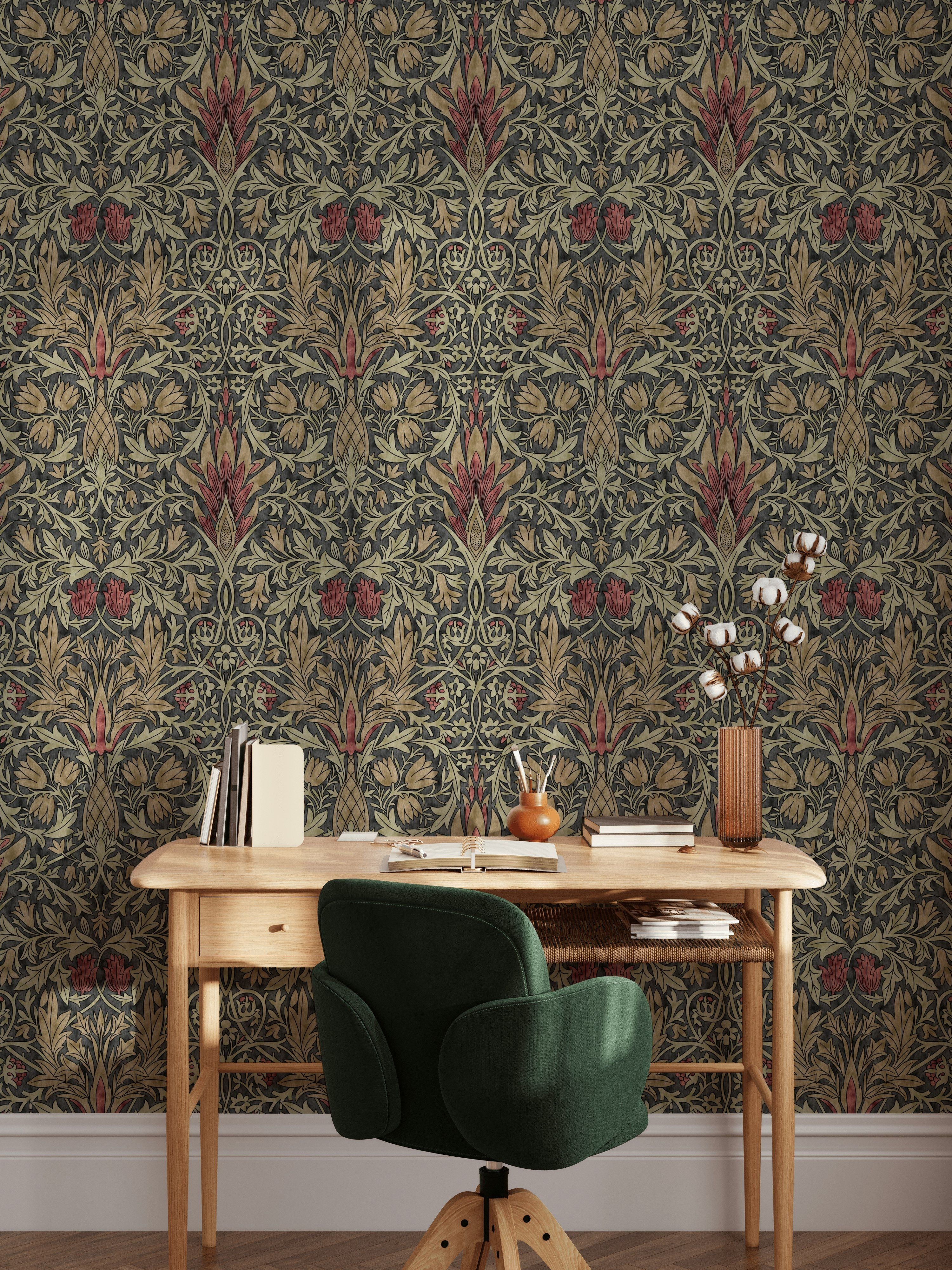
Consider placing Victorian wallpaper in your dining room, particularly on the wall behind your oak dining table. This wall can serve as a focal point, creating an inviting atmosphere for dinner parties. Another great location is the living room; the wall above your fireplace can become a dramatic backdrop that adds warmth and intrigue. In a home office, the wall behind your desk can be transformed into a statement piece that inspires creativity and productivity. Lastly, in a cozy reading nook, wallpaper on the wall behind your bookshelf can create an enchanting setting that encourages hours of reading and relaxation.
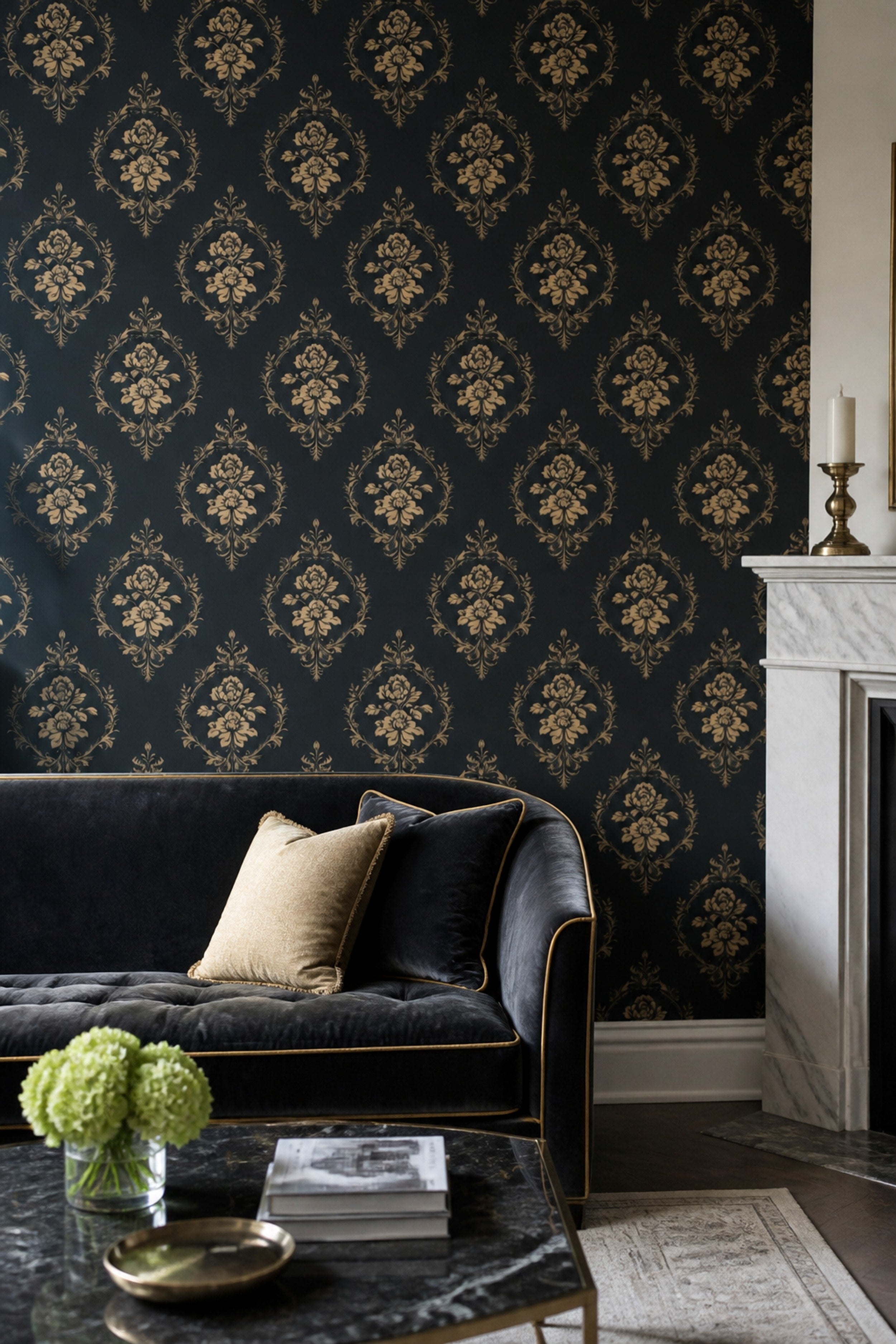
To achieve a cohesive look with Victorian wallpaper, it’s essential to consider your furniture choices carefully. For example, an antique mahogany sideboard paired with brass accents can harmonize beautifully with a rich damask wallpaper. In the living room, a plush velvet sofa in a muted tone will contrast nicely against a floral pattern, allowing both elements to shine. If you have a vintage writing desk in your home office, a wallpaper featuring ornate designs can elevate the space, marrying the past with modern functionality. Remember, each piece of furniture should complement the wallpaper rather than compete with it.
Based on designs you explored, with fresh finds mixed in.
22 / 22
— NEED HELP?
Can't find what you're looking for? Our team replies within 4 working hours, Mon–Fri.
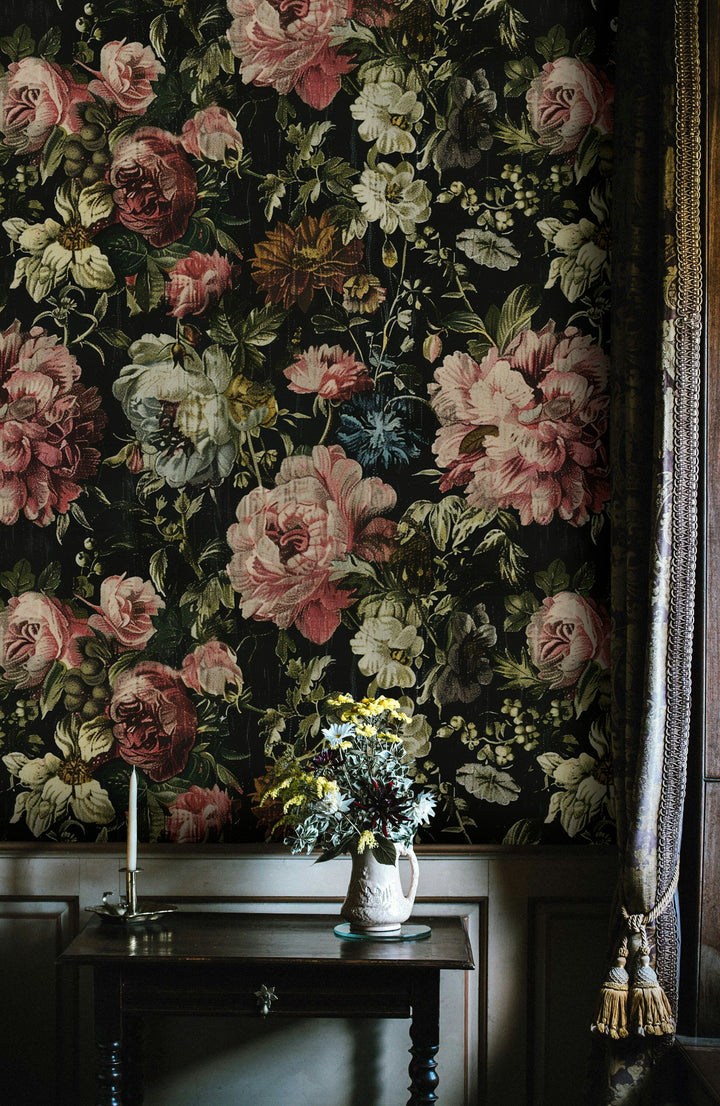
Victorian Wallpaper typically shows dense repeats, layered botanicals, and details like scrolling acanthus leaves, damask medallions, or trailing roses that feel hand-drawn. Look for moody ground colors such as oxblood, sage, or deep teal with warm cream highlights—these are common in Victorian floral wallpaper. If the pattern feels small-scale and busy with little negative space, it’s leaning more “authentic Victorian” than modern vintage.
Victorian Wallpaper pairs well with dark walnut or mahogany casegoods (think a marble-top dresser or a carved sideboard) and antique brass hardware. For upholstery, go for tufted velvet in emerald or burgundy, or a camel leather club chair; finish with linen or lace sheers to soften floral Victorian wallpaper. If you’re using Victorian vintage floral wallpaper, add a Persian-style rug in rust and indigo to tie the tones together.
People are leaning into pattern again—especially botanicals—because it adds character in a way paint can’t, and Victorian wallpaper floral prints fit that shift. The “current” take is mixing heritage motifs with cleaner silhouettes, like pairing Victorian peel and stick wallpaper with a simple oak console and modern globe sconces. Dark florals on charcoal or ink backgrounds also align with today’s preference for richer, cocooning rooms.
In a smaller room (around 8×10 ft), a large-scale floral wallpaper Victorian print can feel busy on all four walls, so use it behind the bed or sofa as a single feature wall. In a larger room (12×14 ft and up), you can wrap the space in Victorian home wallpaper if the pattern has a softer contrast (cream on sage, or taupe on parchment). If you want commitment-free impact, peel and stick Victorian wallpaper is a smart way to test a full-room look.
A powder room is a top choice—Victorian bathroom wallpaper looks intentional in a small space and plays well with high-contrast fixtures like a black pedestal sink and unlacquered brass tap. Try running Victorian Wallpaper on all walls above wainscoting (paint the lower half in warm white or deep green) for a period feel without overwhelming the room. For a dramatic twist, use a tight-repeat floral Victorian wallpaper on the ceiling with plain walls.
The biggest mistake is mixing too many competing patterns—if your preferred design is a busy Victorian floral wallpaper, keep nearby fabrics mostly solid (velvet, linen) and limit additional prints to one small item like a cushion. Another common issue is ignoring undertones: a rose-on-cream Victorian vintage floral wallpaper can clash with cool gray flooring, but it reads better with honey oak or warm walnut. Also watch scale—tiny, dense florals can look “fussy” in open-plan spaces unless you ground them with simple trim and matte black or antique brass lighting.
VISUAL SEARCH
Upload a reference image and discover visually similar designs.
BEST MATCHES
PERSONALIZED DISCOVERY
Describe a look or let your room lead the search.
CURATED FOR YOU
The chat is taking longer than usual.
Email support@muralls.com