

Light Wallpaper stands apart for its airy surface quality: pale grounds that catch daylight, fine tonal shifts that prevent a flat look, and motifs that feel...
Light Wallpaper
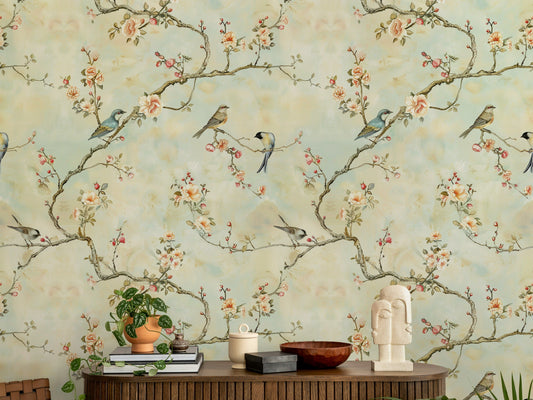
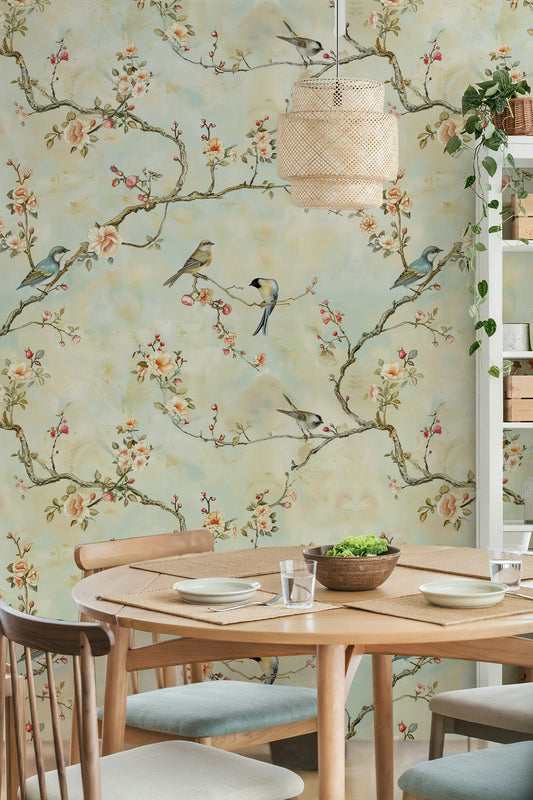
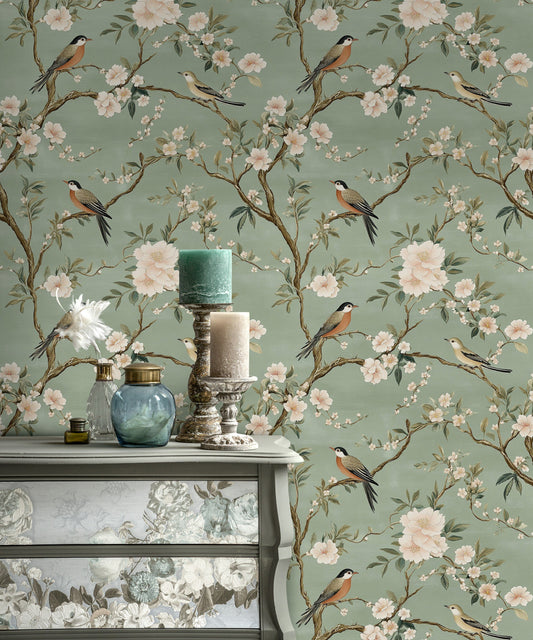
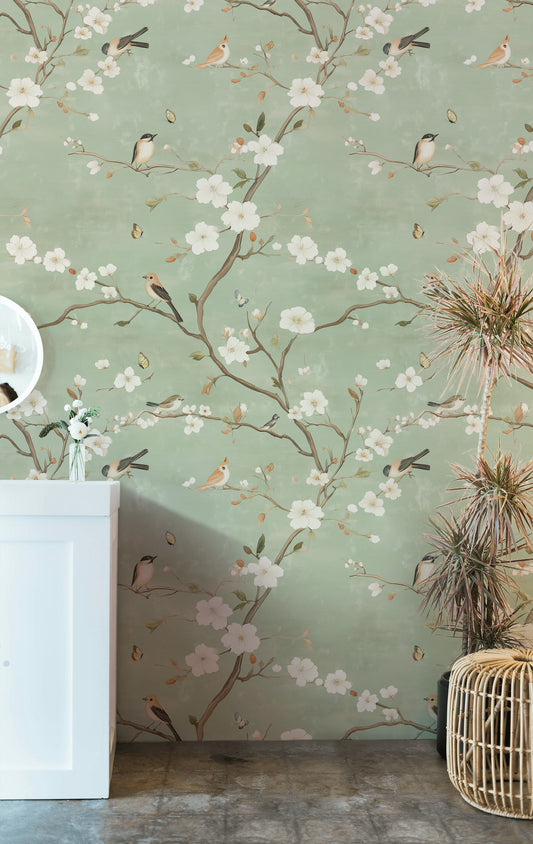
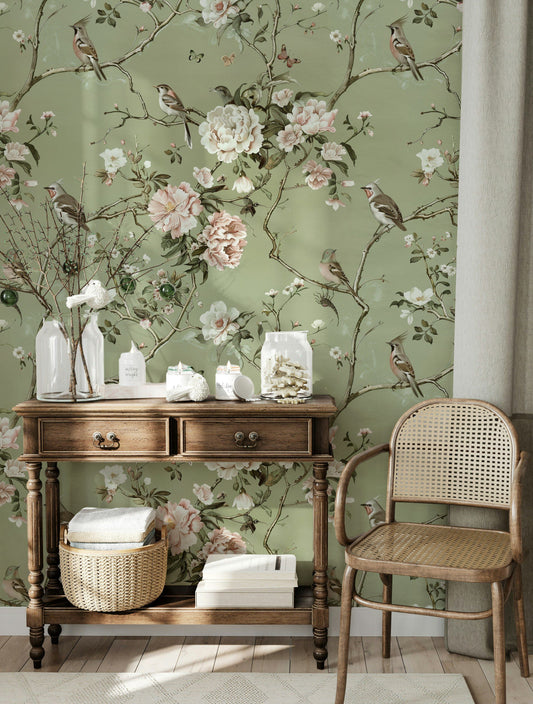
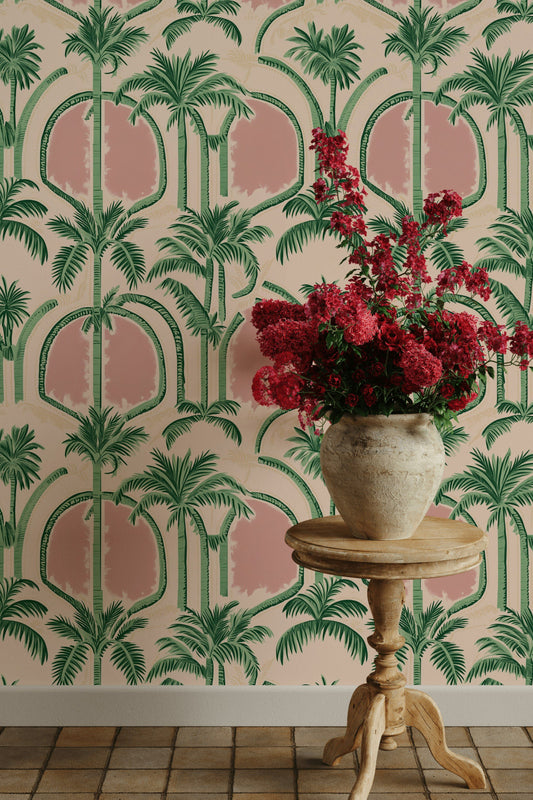
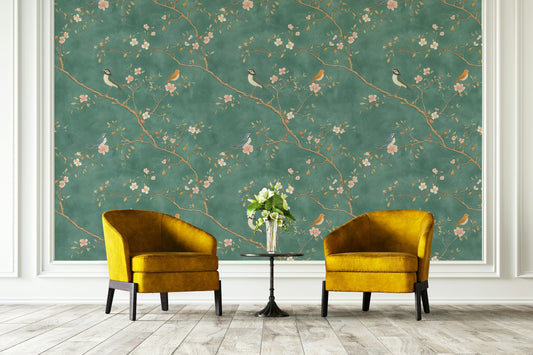
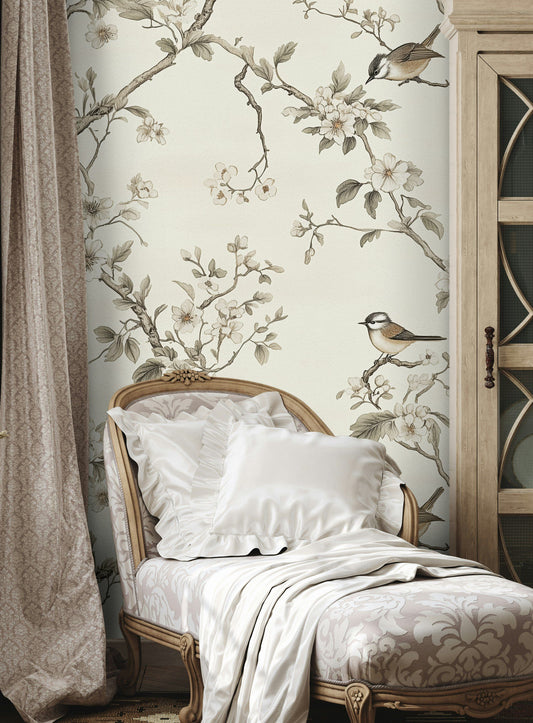
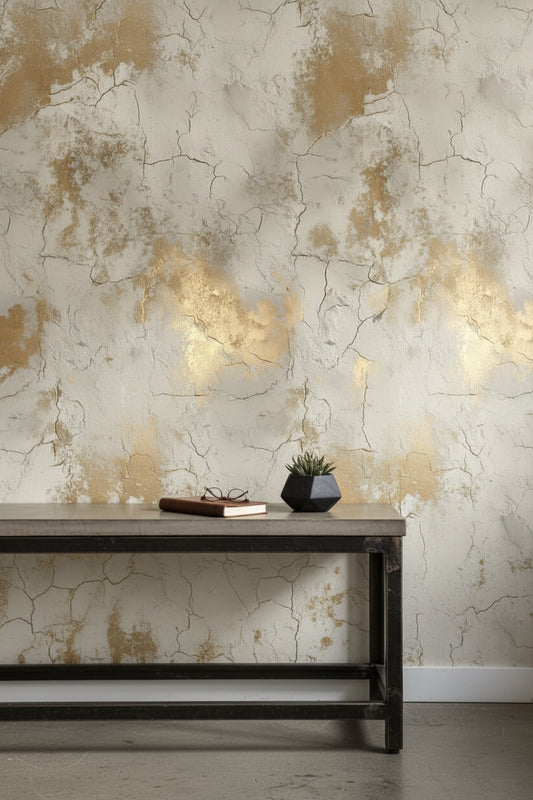
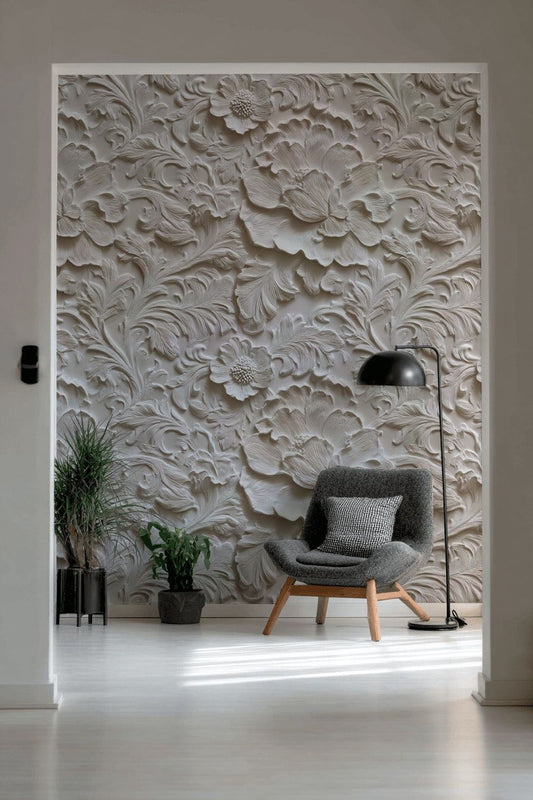
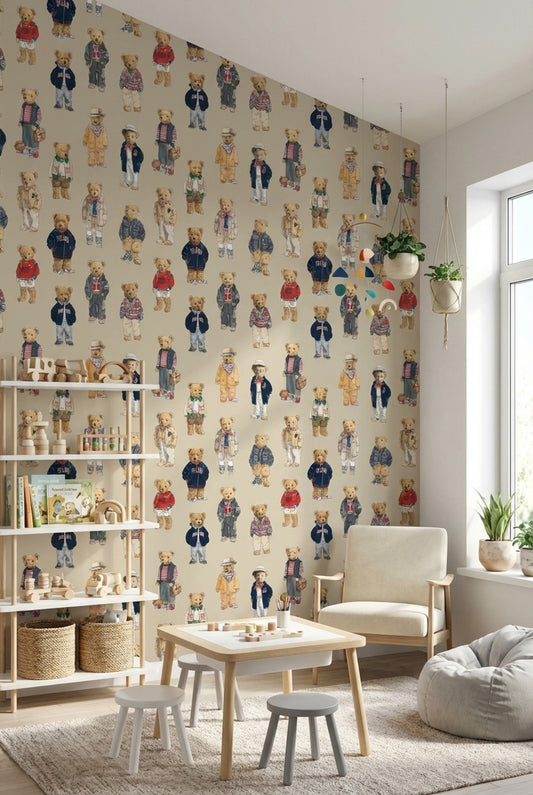
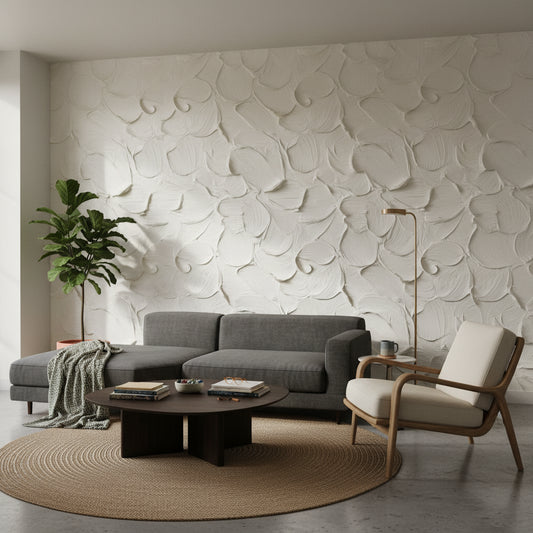
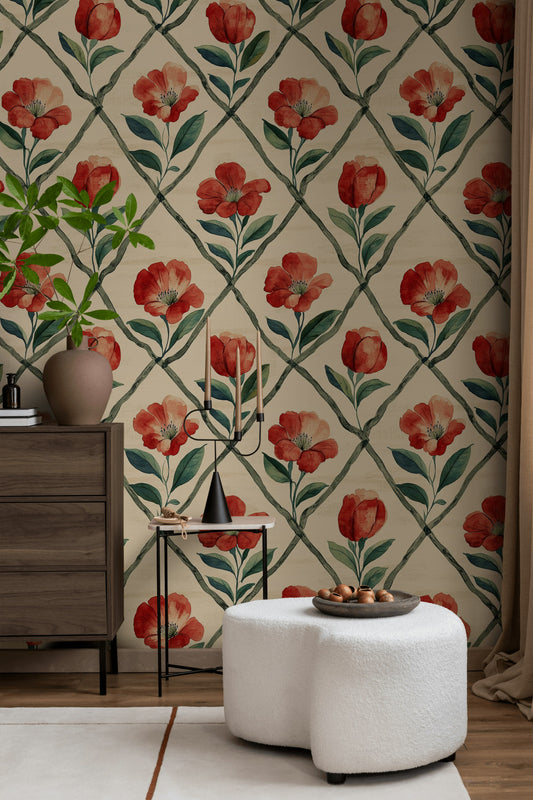
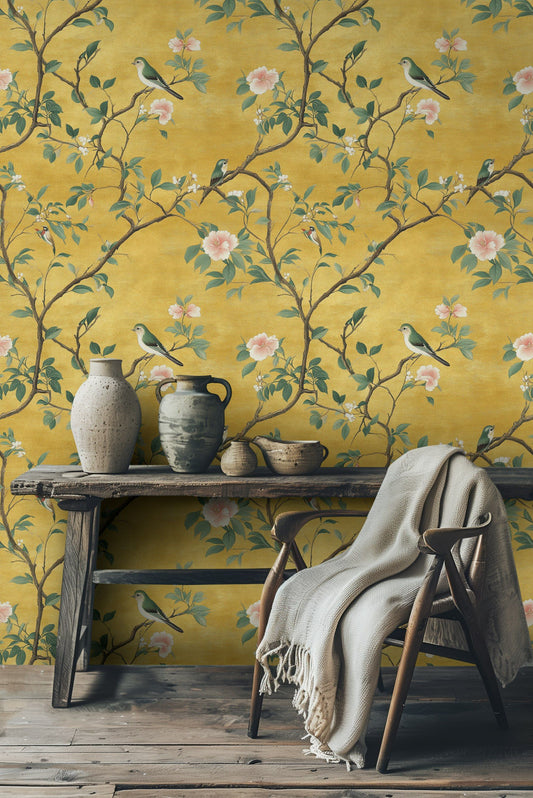
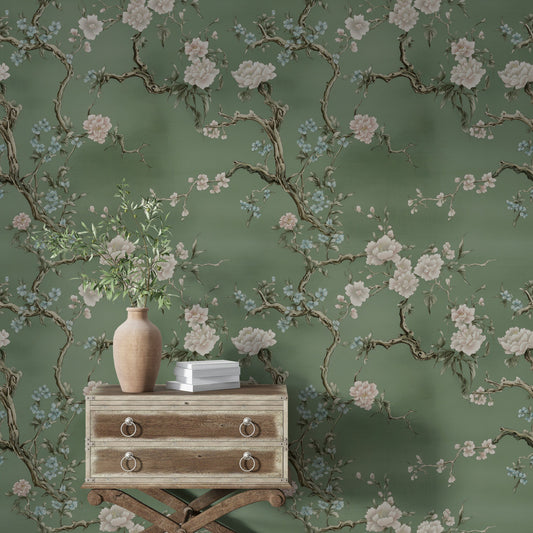
Light Wallpaper stands apart for its airy surface quality: pale grounds that catch daylight, fine tonal shifts that prevent a flat look, and motifs that feel lifted rather than dense. Compared with darker wallpaper for walls, Light Wallpaper keeps edges softer around trim, shelving, and artwork, so the wall reads open even when the design includes floral wallpaper flowers or delicate linework. We often use it in spaces that need brightness without glare, especially where a side window washes across the paper and brings out its layered finish. In a younger scheme, it can sit comfortably alongside Teen Room Wallpaper when you want a fresher, less saturated direction.
How Light Wallpaper Reads Through Undertones, Texture, And Fine Pattern
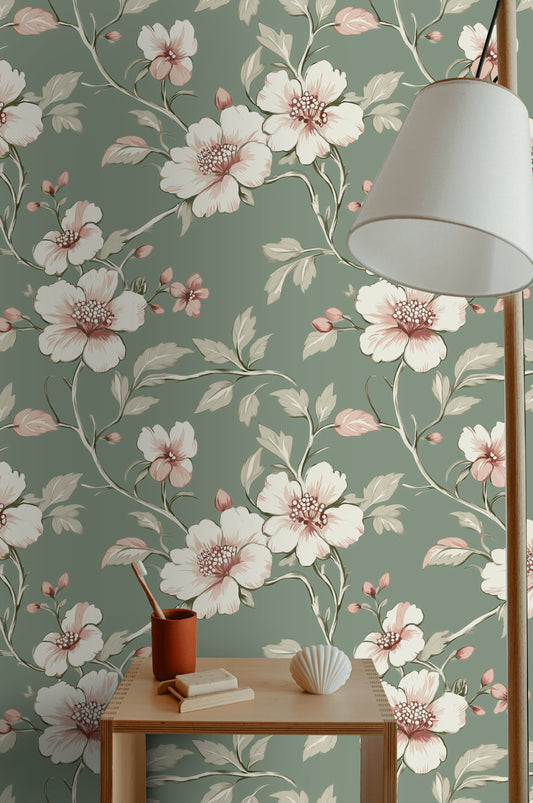
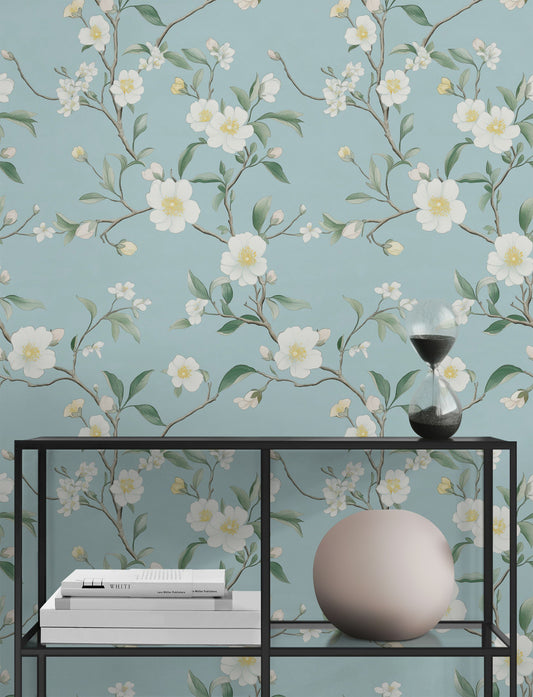
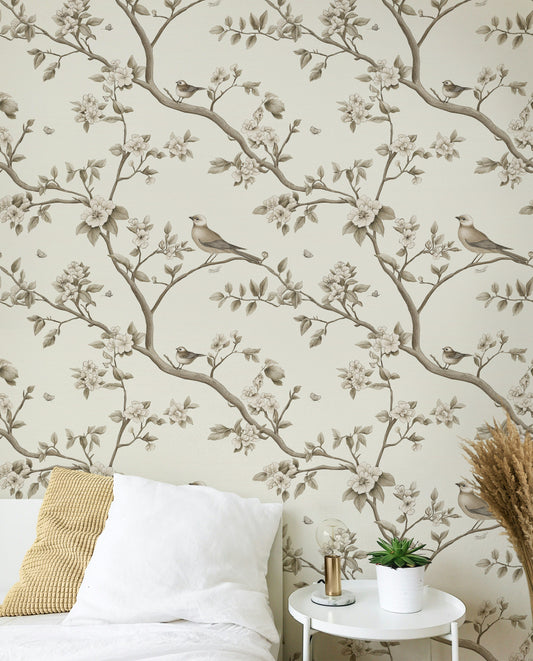
What makes Light Wallpaper distinctive is the way undertones show up differently across the day: chalk white with a drop of cream, pale beige with a gray cast, light blue floral wallpaper with a brushed sky note, or floral wallpaper traced in faded sage and warm sand. These details matter next to furniture. A light ivory pattern sits cleanly behind an oatmeal boucle bed, while a cooler stone tint sharpens the outline of a smoked oak sideboard or a matte black dining table. In rooms where you want a larger-scale effect than standard wallpaper murals, the mural format in Light Wall Murals gives the same open look with more sweep across the wall. For bedroom-specific pairings, our guide to Light Wallpaper For Bedroom covers layouts, headboard heights, and color choices in more detail.
Light Wallpaper In Living Rooms, Bedrooms, And Dining Room Feature Walls
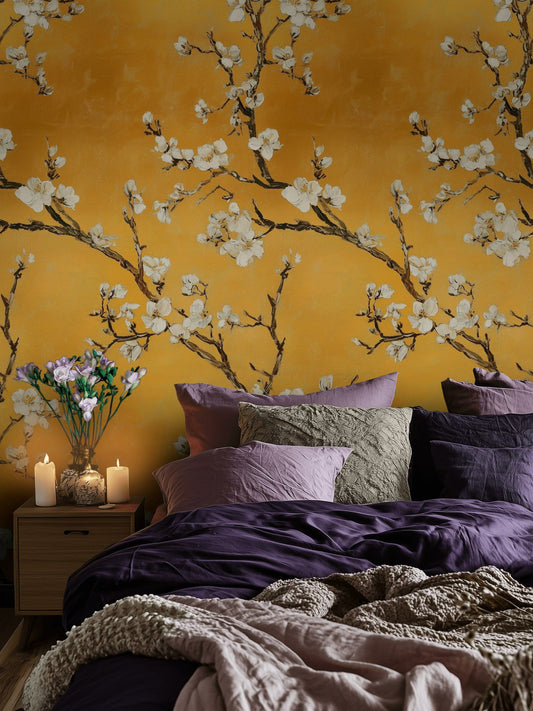
In a living room, place Light Wallpaper on the wall behind the sofa or on the chimney breast so daylight can skim across the surface and keep the pattern crisp by day and gentler by evening; for larger-scale styling ideas, see Statement Wallpaper For Living Room. In bedrooms, Light Wallpaper is especially effective on the headboard wall, where pale pattern helps linen upholstery, ash wood nightstands, and brushed brass lamps stand out without a heavy backdrop. In open-plan homes, it can continue into Dining Room Wallpaper schemes on the wall behind a banquette or sideboard. Many clients choose peel and stick wallpaper for quick installation, and our paste-the-wall option is just as straightforward for long-term use. We make custom sizes for alcoves, full-height feature walls, and sloped ceilings, and every order ships worldwide.
-
wallpaper
-
wallpaper
-
wallpaper
-
wallpaper






















— NEED HELP?
Frequently asked questions.
Can't find what you're looking for? Our team replies within 4 working hours, Mon–Fri.
01 What shade variations are included in the Light Wallpaper collection, and how do I choose between a warm light and a cool light?
Light Wallpaper spans warm off-whites (ivory, cream, soft beige) and cool lights (cloud white, pale gray, icy blue). Warm lights make north-facing rooms feel less flat, while cool lights can calm down sunny south-facing spaces. If you’re choosing light color wallpaper for walls to open up a smaller room, pick the palest background with low-contrast patterning so the edges visually recede.
02 Should I use Light Wallpaper on one accent wall or all walls, and how does pattern scale change that decision?
For a small room (around 10×12 ft), Light Wallpaper usually reads best as one accent wall when the pattern is medium-to-large (like oversized botanicals), so the print doesn’t dominate. If the design is a fine texture, micro-stripe, or small floral, it can work on all four walls and still feel airy. With light colored peel and stick wallpaper, an accent wall behind a bed or sofa is also an easy way to test the tone before committing to a full room.
03 Which accent colors pair best with Light Wallpaper—can you name specific shades that won’t look washed out?
Light Wallpaper pairs well with crisp accents like matte black, charcoal, deep navy, and forest green to keep contrast strong, especially on pale gray or cloud-white backgrounds. If you want softer color, try dusty rose, sage, or muted terracotta—these keep the “light” look without turning the room pastel-heavy. For floral pastel wallpaper styles, brass hardware and warm oak help the pattern read intentional instead of faint.
04 Which room suits Light Wallpaper best, and where should I place it (accent wall, full room, or even ceiling)?
A bedroom is a top pick for Light Wallpaper because pale backgrounds reduce visual noise and make bedding and art easier to layer; try the wall behind the headboard for a clear focal point. If you have a bedroom with light colored hardwood floor and accent wall wallpaper, choose a slightly warmer light (cream or sand) so the floor doesn’t look too cool. In a powder room, using Light Wallpaper on all walls can make the space feel larger—especially with a simple print and a bright mirror light.
05 What furniture finishes and textiles look best with Light Wallpaper—what exact pieces should I start with?
With Light Wallpaper, start with white oak or ash furniture (a low-profile platform bed, oak nightstands, or a cane-front dresser) to keep the palette light but not sterile. Add texture through a boucle accent chair, linen curtains in ivory, and a jute or flatweave rug to avoid a “blank” look. If you’re using pastel wallpaper for bedrooms—especially pastel floral wallpaper—choose a solid headboard in oatmeal linen so the print stays the main feature.
06 How does Light Wallpaper work in open-plan living spaces, and how can I use it to zone without breaking flow?
In an open-plan layout, use Light Wallpaper on the dining wall or the wall behind a console to define a zone while keeping the overall space bright. Repeat one small detail from the wallpaper—like a pale gray line or a blush accent—through cushions or a runner so areas connect visually. If you choose pastel peel and stick wallpaper or pastel decora wallpaper in a nook, keep adjacent walls a clean cloud white so the pattern reads as a boundary, not a patchwork.