

White Wallpaper
173 designs
The dining room is the one space where White Wallpaper earns its place fastest, because white-toned walls sharpen the lines of an oak pedestal table, black s...
White Wallpaper
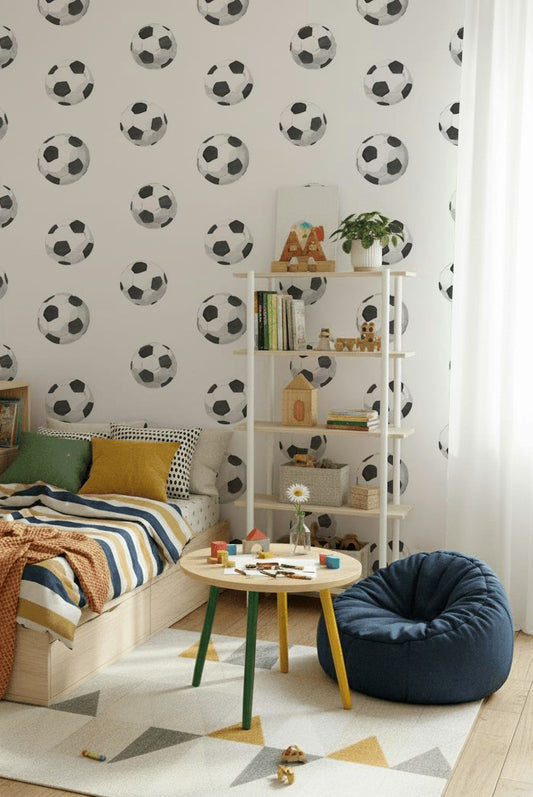
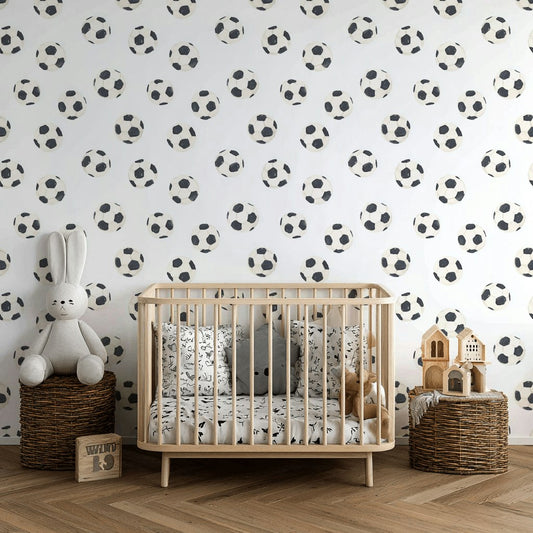
The dining room is the one space where White Wallpaper earns its place fastest, because white-toned walls sharpen the lines of an oak pedestal table, black spindle chairs, and a brushed brass pendant without making the room feel heavy. White Wallpaper with a chalk, alabaster, or ivory base keeps daylight moving across the wall behind a walnut sideboard, while dinner lighting brings out the depth in linen drapes and camel leather seating. For a playful adjacent setup, our Kids Room Wallpaper collection carries the same clean, light-focused approach in a more youthful direction.
How White Wallpaper Shows Texture, Undertone, And Pattern
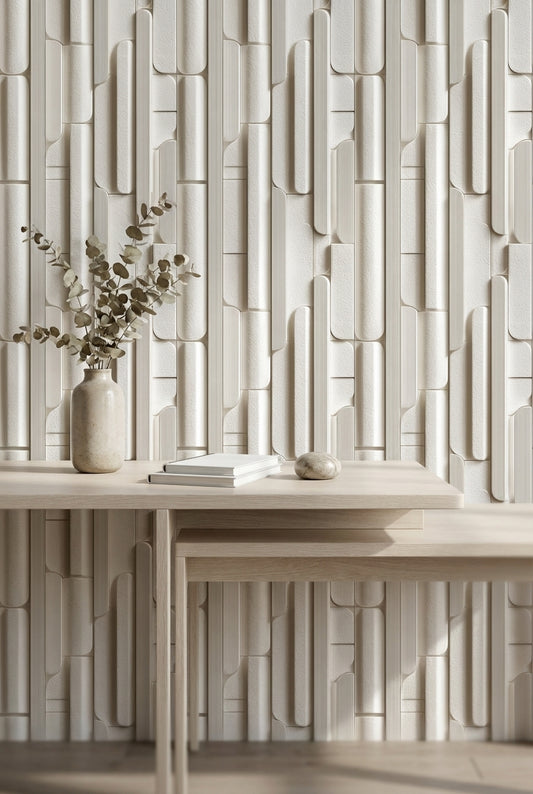
White Wallpaper is defined by its undertone: blue-white reads crisp beside chrome bar stools, cream-white sits naturally with a slipcovered sofa in flax linen, and greige-white settles comfortably behind a smoked oak console. White Wallpaper in plaster textures, limewash effects, raised linen grains, and black and white floral wallpaper gives wallpaper for walls a quieter kind of pattern, where shadow and surface do the work instead of heavy color. In kitchens, White Wallpaper with fine line botanicals or floral wallpaper flowers pairs neatly with shaker cabinets in putty, matte black hardware, and ash wood shelving; our guide to Modern Wallpaper For Kitchen shows where these lighter finishes sit most naturally. For workspaces, the same pale palette carries into our Home Office Wallpaper range, especially where white-based designs sit behind a mid-century desk and a black task lamp.
Where White Wallpaper Works In Living Rooms And Bedrooms
In living rooms, place White Wallpaper on the main wall behind the sofa so the texture catches side light from windows, especially with a cream boucle sofa, travertine coffee table, and dark bronze floor lamp. In bedrooms, White Wallpaper sits strongest on the wall behind the headboard, where ivory or bone undertones frame oak nightstands and charcoal bedding without flattening the room. If you prefer a mural wallpaper format with broader scale, see White Wall Murals. For larger seating areas, our Statement Wallpaper For Living Room guide shows how white-based wallpaper murals read across longer walls. Muralls.com offers custom sizes, paste-the-wall install, and ships worldwide, so White Wallpaper can be ordered for a narrow chimney breast, a full bedroom wall, or even bathroom wallpaper layouts where a clean white surface keeps tile and vanity finishes in focus.
-
wallpaper













Frequently Asked Questions
In the White Wallpaper collection, what’s the difference between warm white, cool white, and soft off-white—and when should I choose each?
Warm whites (think ivory, cream, or linen white) make north-facing rooms feel less stark, especially next to oak floors. Cool whites (chalk or snow white) look crisp with chrome fixtures and bright daylight, but can read bluish under LEDs. Soft off-whites (eggshell or alabaster) are the safest pick if you’re mixing finishes, because they keep White Wallpaper from feeling too clinical.
How do I keep White Wallpaper from looking flat or clinical—does texture really matter in this collection?
Texture is the secret weapon in White Wallpaper: look for subtle linen weave, plaster-effect, or matte-on-matte patterning so light creates gentle shadow rather than a blank surface. Pair it with a boucle accent chair, a chunky knit throw, or a natural jute rug to add depth without adding color. If you like pattern, a wallpaper white floral pattern in a low-contrast white-on-white print keeps it calm but not sterile.
What furniture materials and finishes pair best with White Wallpaper without making the room feel cold?
White Wallpaper loves warm materials—try a walnut sideboard, a cane-back dining chair, and brushed brass hardware to bring in softness. For upholstery, oatmeal linen or ivory boucle reads intentional against white peel and stick wallpaper, while black metal legs add definition. If you want a graphic option, a black and white peel and stick wallpaper can anchor pale oak furniture and keep the palette sharp.
Should I use White Wallpaper on one accent wall or on all walls, and how does pattern scale change that choice?
In a small room (around 8×10 ft), an all-over quiet texture or micro-pattern White Wallpaper can work on every wall without feeling busy. Go accent-wall-only when the design has higher contrast—like black and white floral wallpaper—or when the motif is large-scale. If you’re using peel and stick black and white wallpaper, place it behind the bed or sofa so the strongest contrast has a clear focal point.
What accent colors and complementary shades work best with White Wallpaper?
For a calm, tailored look, pair White Wallpaper with navy, slate blue, or dusty blue—especially if you’re considering blue and white floral wallpaper or blue and white peel and stick wallpaper for a softer pattern. For contrast, use matte black (picture frames, faucet, or curtain rod) and a touch of camel leather. Sage green and terracotta also work well with warmer whites like ivory or cream.
Which rooms suit White Wallpaper best, and where should I place it (full room, feature wall, or even ceiling)?
Bathrooms and powder rooms are ideal because White Wallpaper brightens tight spaces; choose black and white bathroom wallpaper on the vanity wall for definition without shrinking the room. In bedrooms, a white-on-white texture behind the headboard keeps it restful, while a subtle white floral wallpaper adds softness. For a modern twist, use a quiet White Wallpaper on the ceiling in a low-ceiling hallway to bounce light and reduce shadowy corners.