


On the wall behind a low oak toddler bed in a north-facing bedroom, Kids Room Wallpaper reads with clear powder-blue, peach-beige, and chalk-white undertones...
Kids Room Wallpaper
On the wall behind a low oak toddler bed in a north-facing bedroom, Kids Room Wallpaper reads with clear powder-blue, peach-beige, and chalk-white undertones that shift through the day. Morning light pulls the blue cooler and makes white grounds feel crisp, while lamplight in the evening warms the peach notes and softens the contrast around stars, animals, or playful linework often seen in kids wallpaper. This is the kind of wallpaper for kids room that gives a single wall real presence without crowding the toy shelf or book ledge, and if you want a broader color story, our Multicolor Wallpaper collection shows similar layered palettes in a wider range.
How Kids Room Wallpaper Reads Through Pattern, Undertone, and Furniture Pairing
Kids Room Wallpaper stands out through precise color balance: dusty aqua next to warm sand, muted terracotta beside milk white, or sage outlines over pale oatmeal backgrounds. In a shared bedroom, kids room wallpaper with scattered motifs or ordered repeats sits neatly above a white spindle crib, a birch dresser, and a cane-front wardrobe, while more angular prints from our Geometric Wallpaper collection suit a study corner with a lacquered desk and painted bookcase. For clients comparing wallpaper for kids with longer-term styling, our guide to Kids Room Wallpaper Ideas breaks down layouts, palettes, and kids room removable wallpaper options in a practical way.
Where Kids Room Wallpaper Works Best in Bedrooms, Playrooms, and Reading Corners
We use Kids Room Wallpaper most often on the wall behind the bed, on the wall opposite the bedroom door, or on the short wall beside built-in toy storage where the pattern stays visible without sitting behind tall furniture. In a playroom, wallpaper kids room layouts look especially clear on the wall above a low bench and under a picture rail, and if you prefer a mural-scale version, see Kids Room Wall Murals. For homes using kids room peel and stick wallpaper or paste-the-wall installation, each design is available in custom sizes and ships worldwide, and our editorial on Kids Room Wallpaper Ideas That Grow With Your Child shows how to plan around changing furniture. If you are styling a media nook or teen corner with stray kids wallpaper references, our Statement Wallpaper For Living Room guide helps with larger-scale placement, while families considering space wallpaper for kids room can get more direction from Space-Themed Wallpaper for Kids Bedrooms.
-
wallpaper
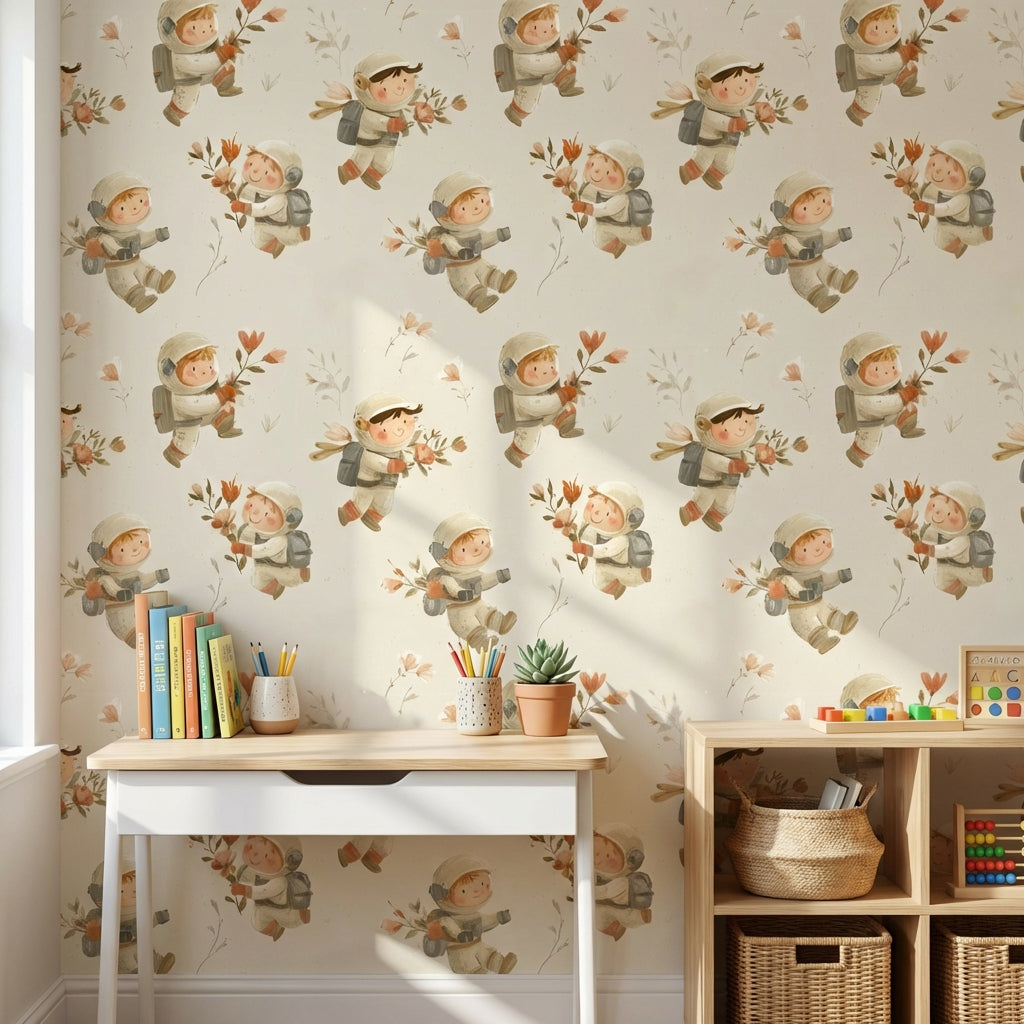
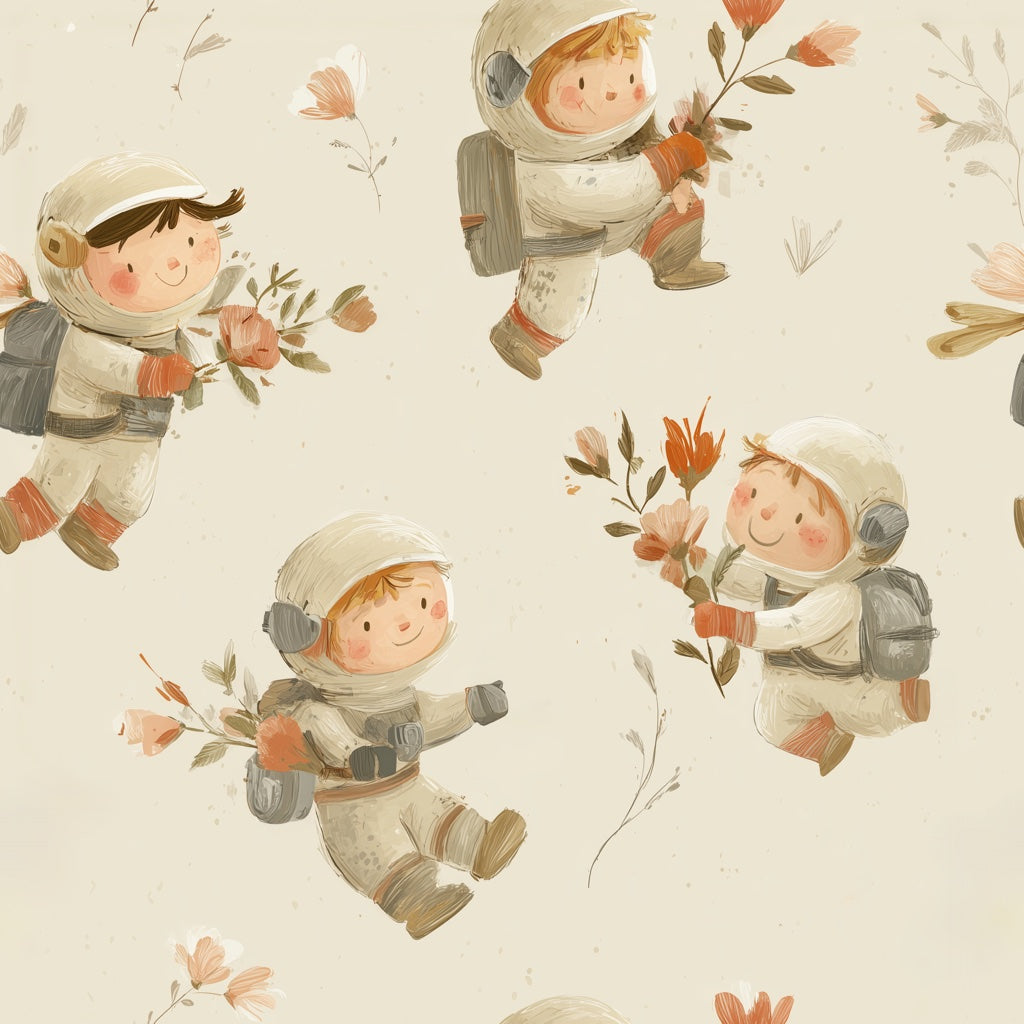
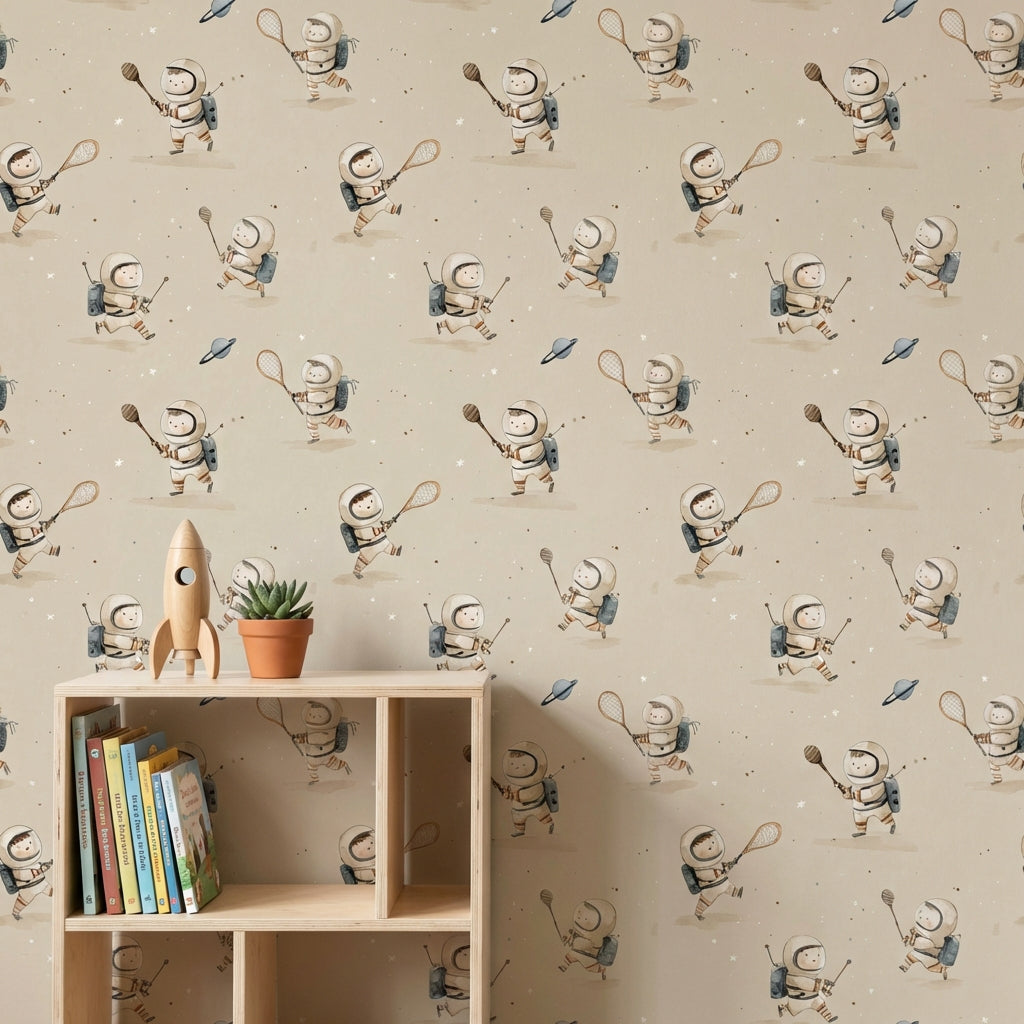
Astronaut Wallpaper Children
From $23 -
wallpaper
Astronaut Wallpaper Playful
From $23 -
wallpaper
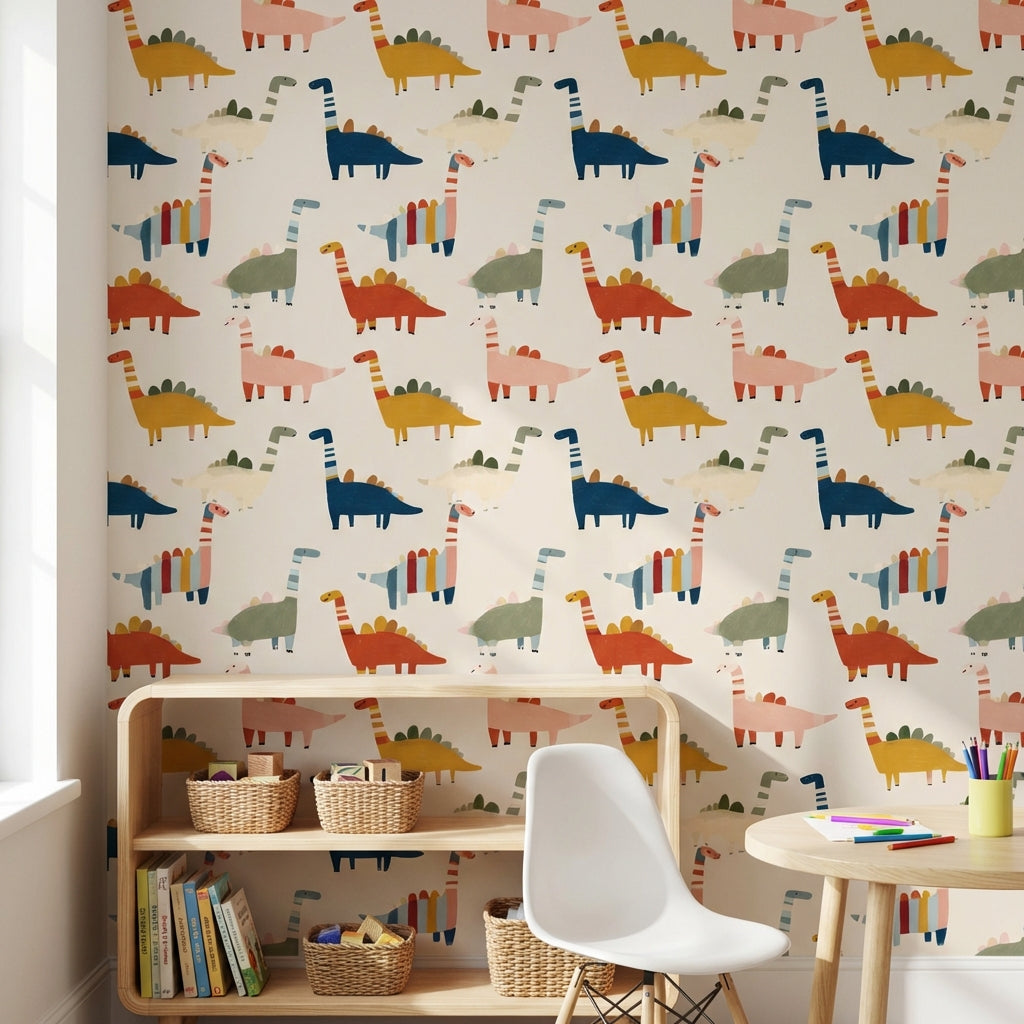
Dinosaurs Wallpaper Cartoon
From $23 -
wallpaper
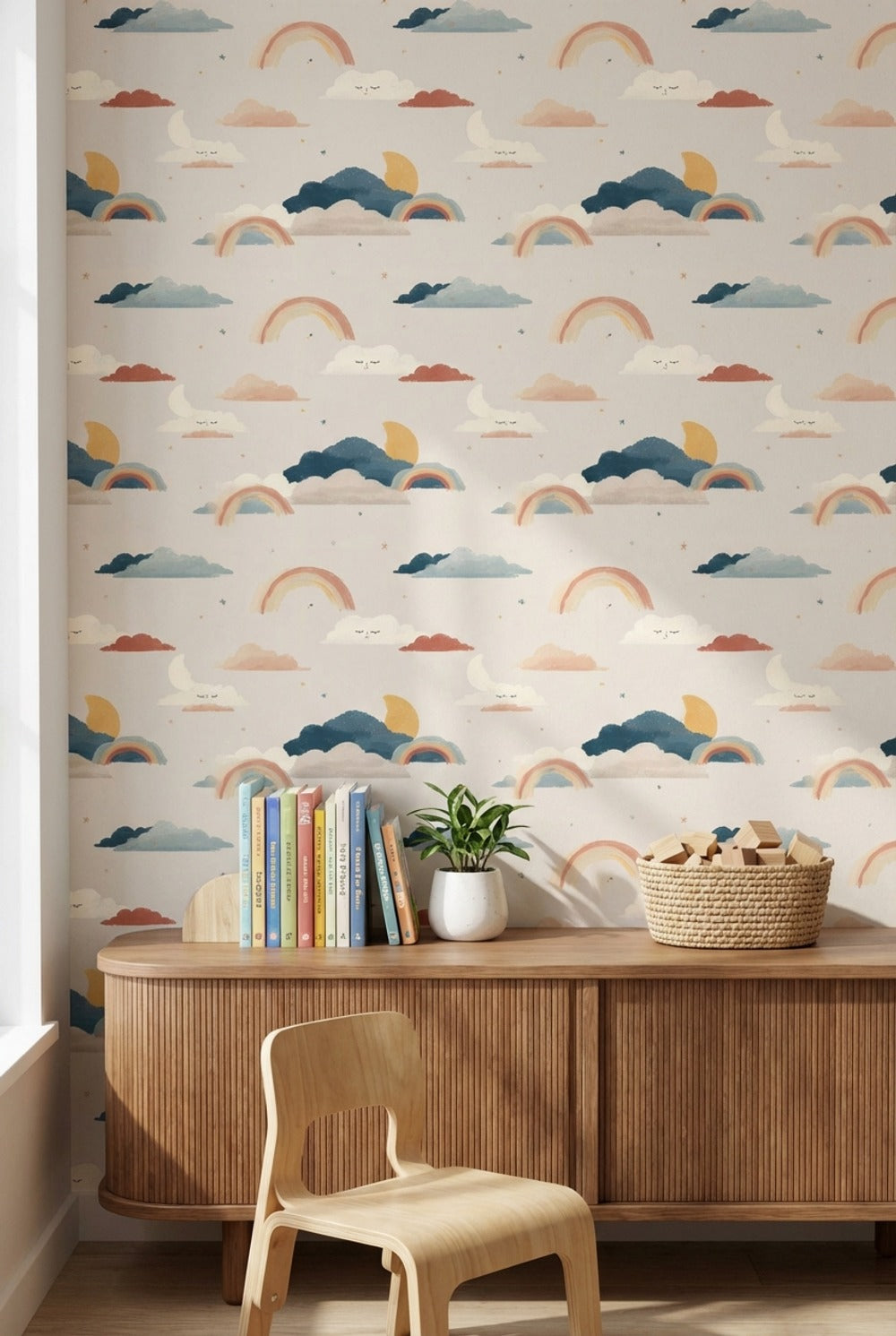
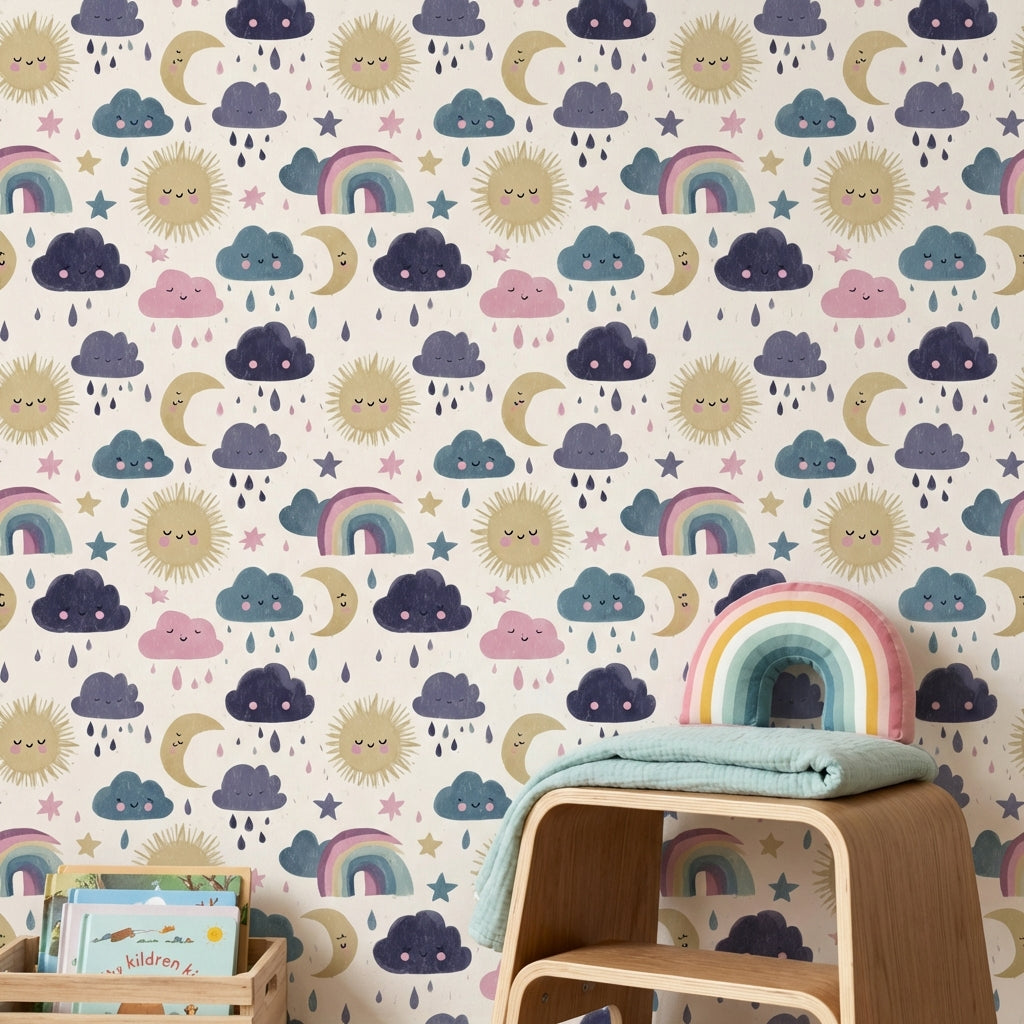
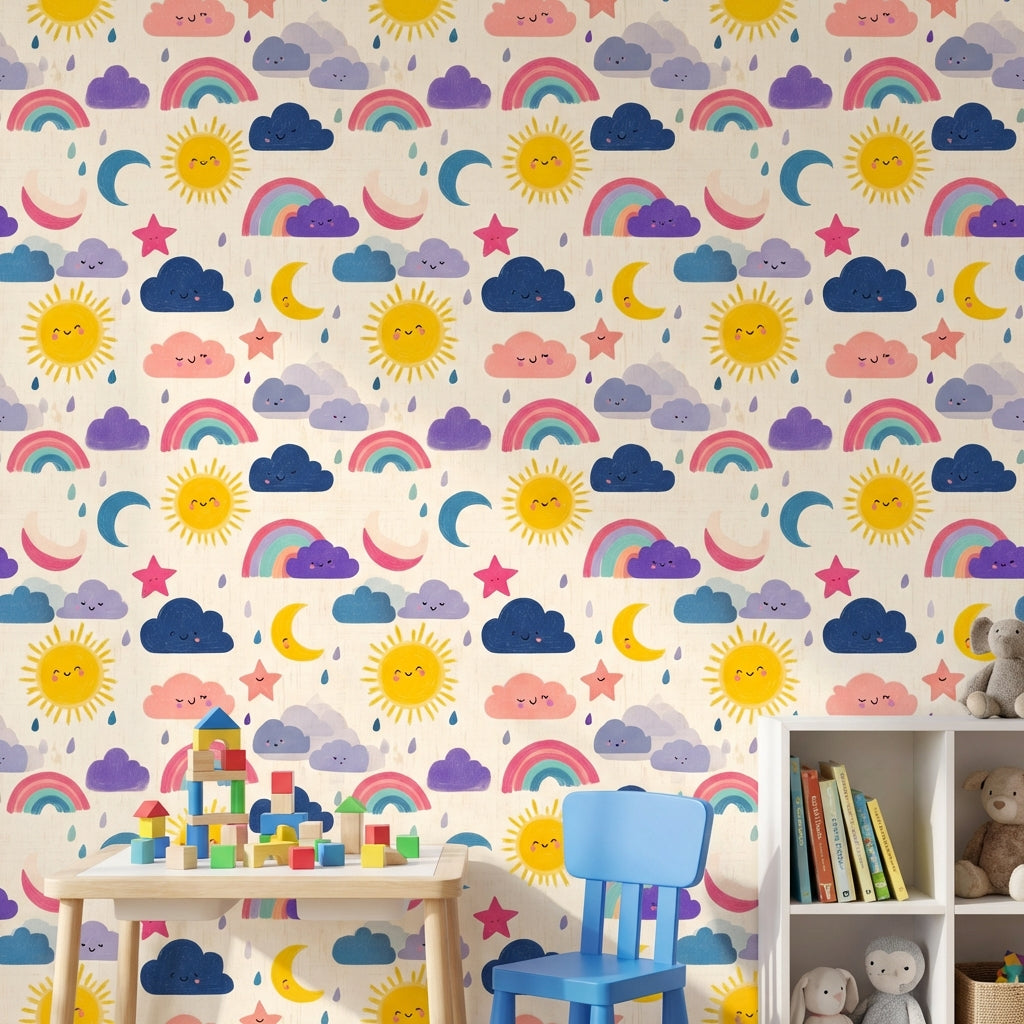
Clouds Wallpaper Whimsical
From $23 -
wallpaper
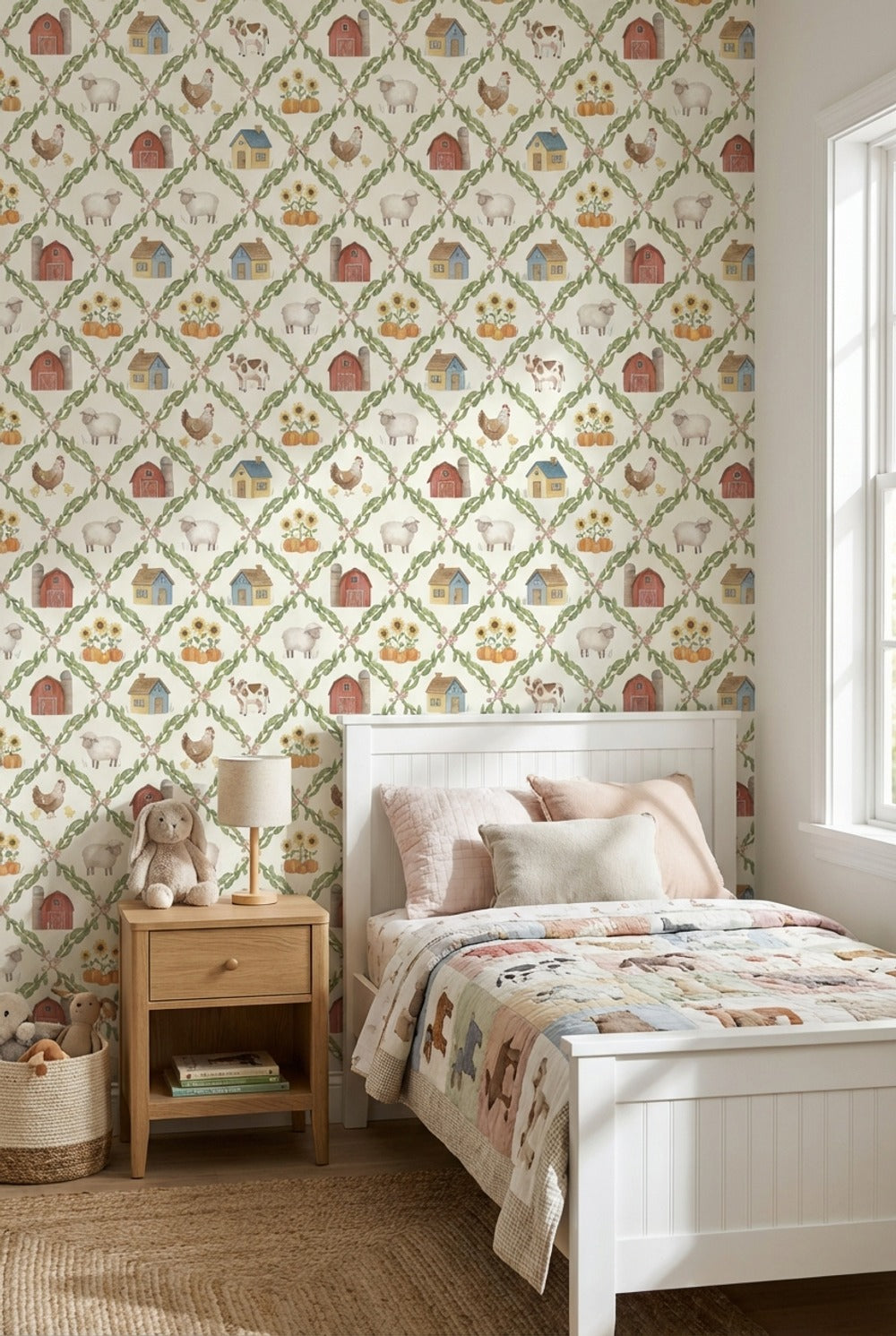
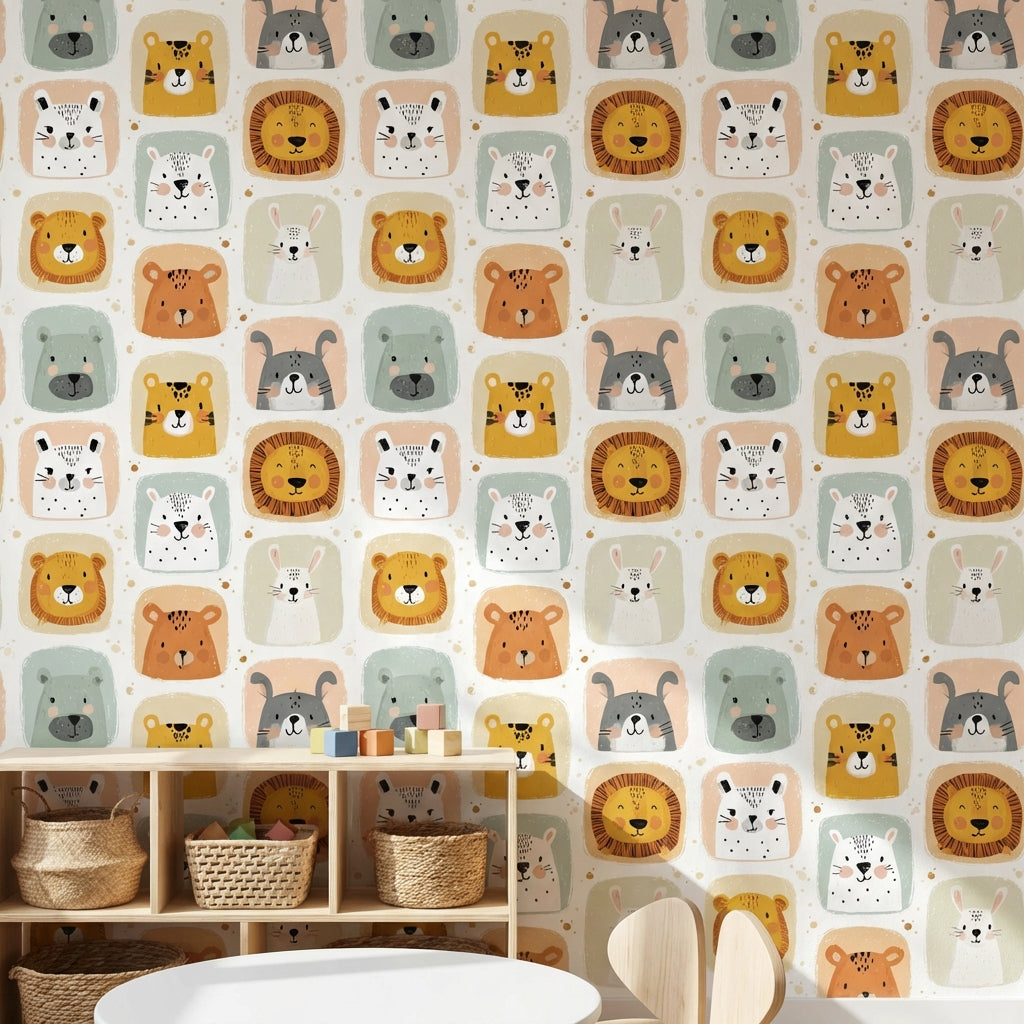
Animals Wallpaper Cartoon
From $23 -
wallpaper
Cartoon Animals
From $23 -
wallpaper
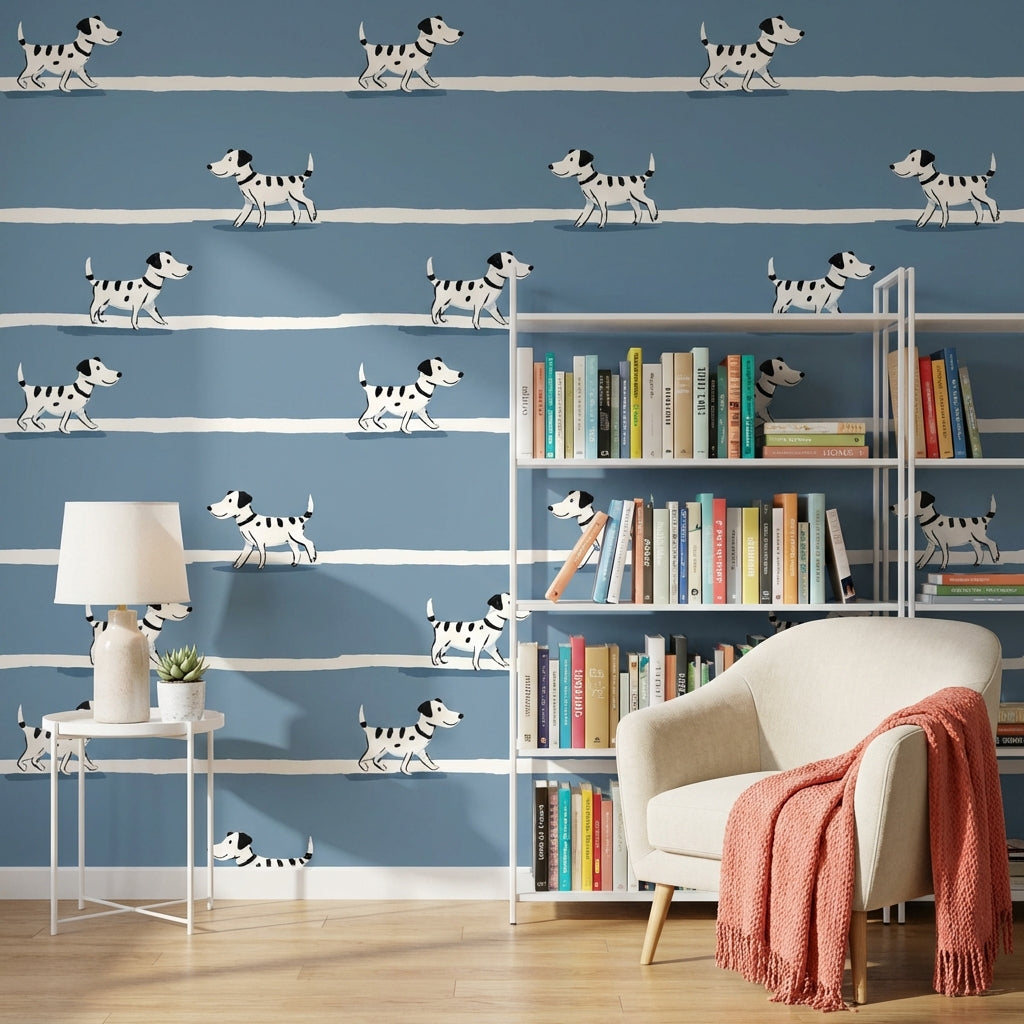
Dogs Wallpaper Striped
From $23 -
wallpaper
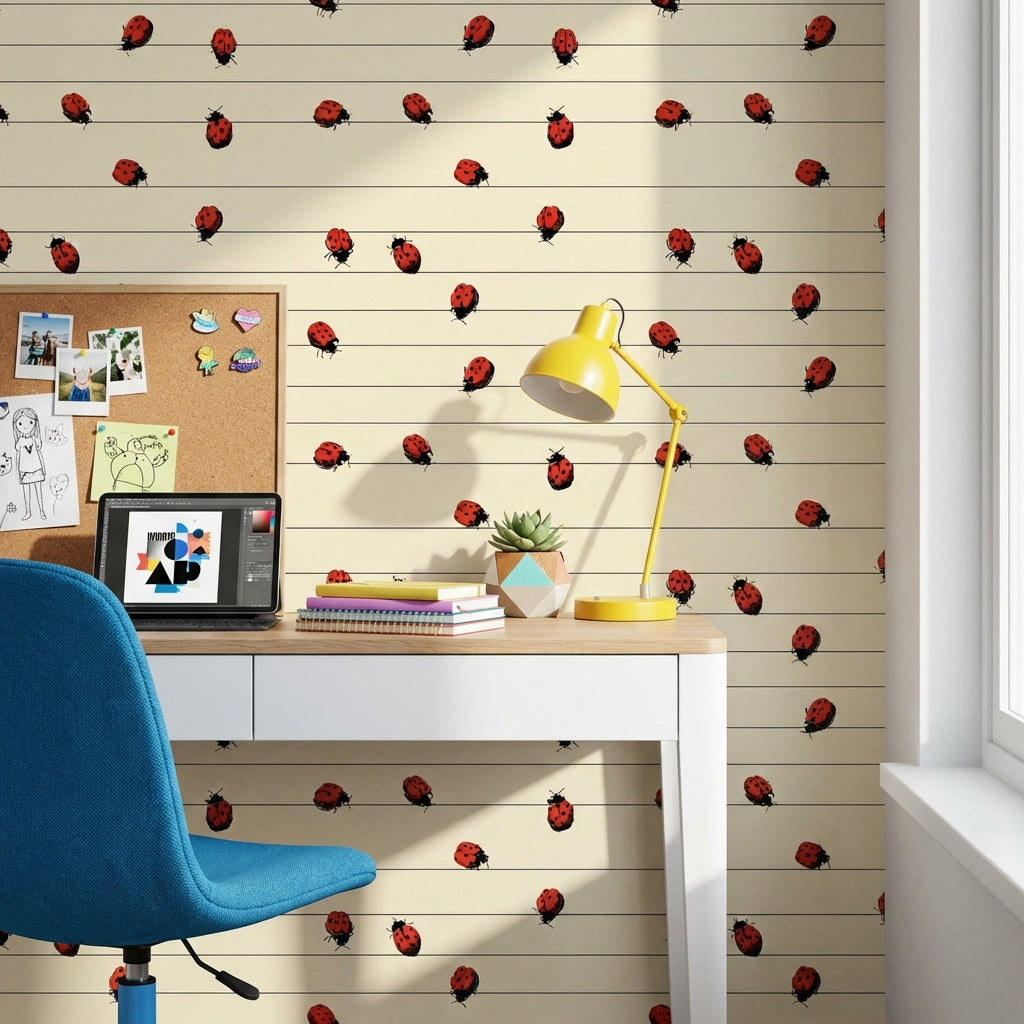
Ladybugs Wallpaper Striped
From $23 -
wallpaper
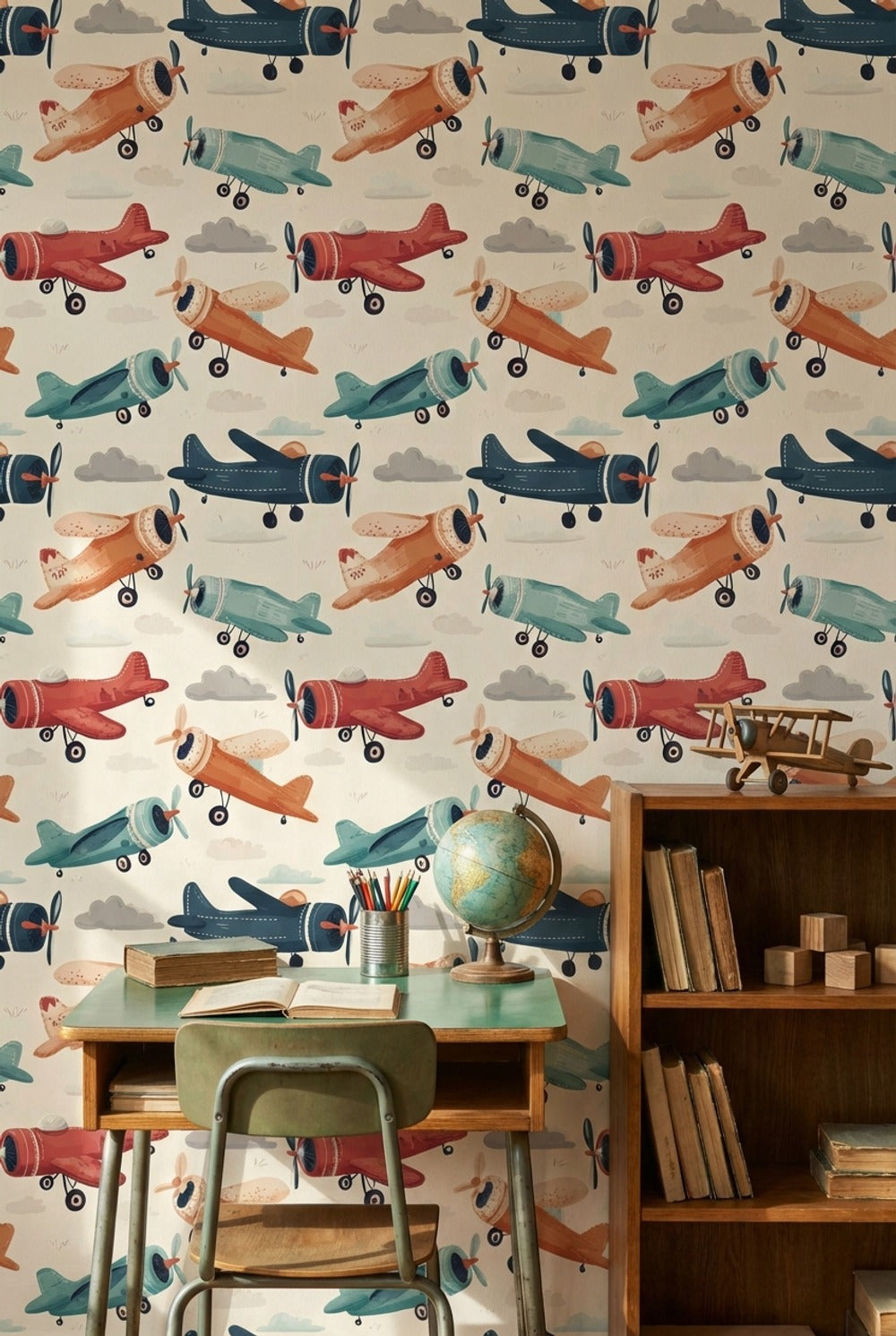
Airplanes Wallpaper Vintage
From $23 -
wallpaper
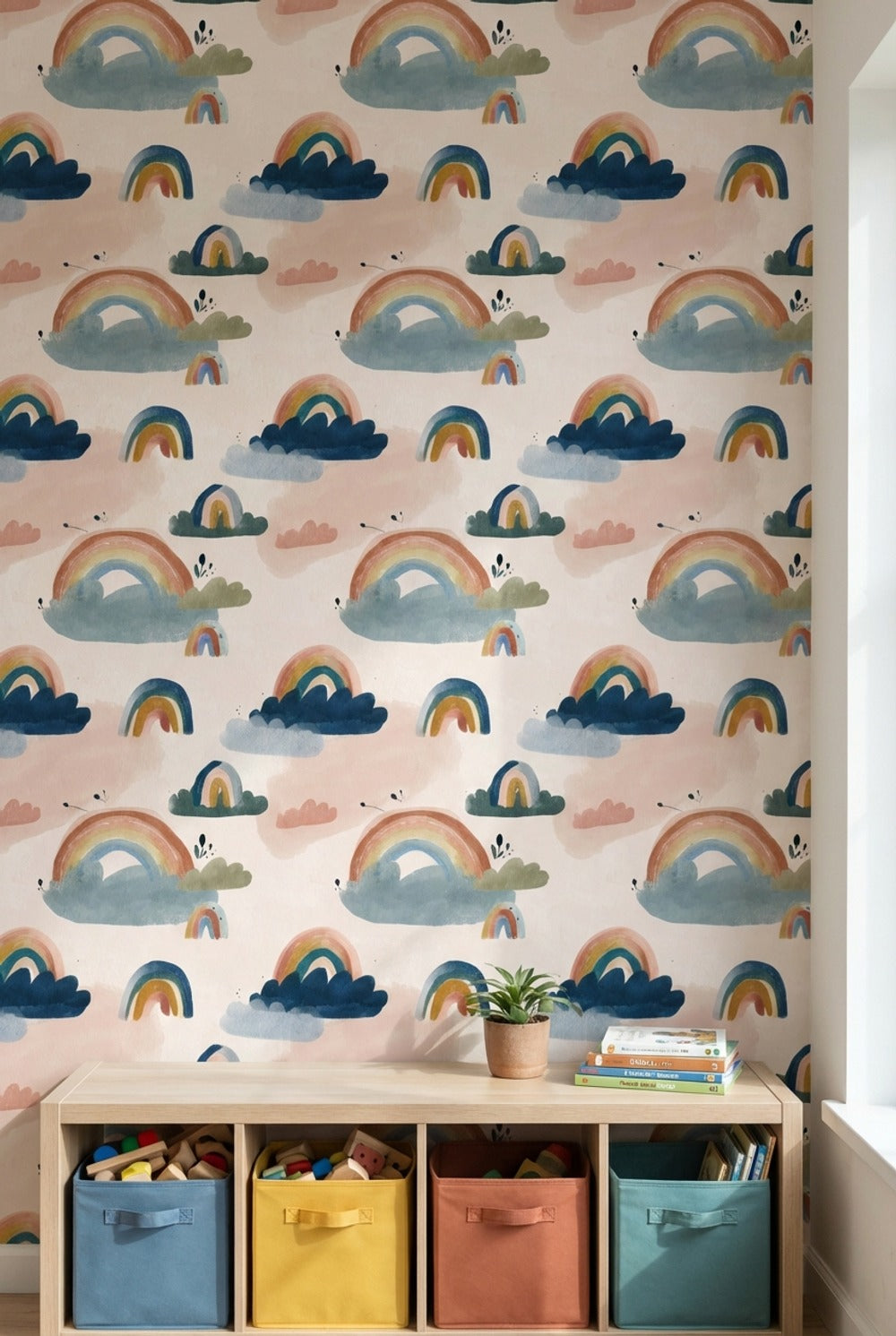
Pastel Rainbow
From $23 -
wallpaper
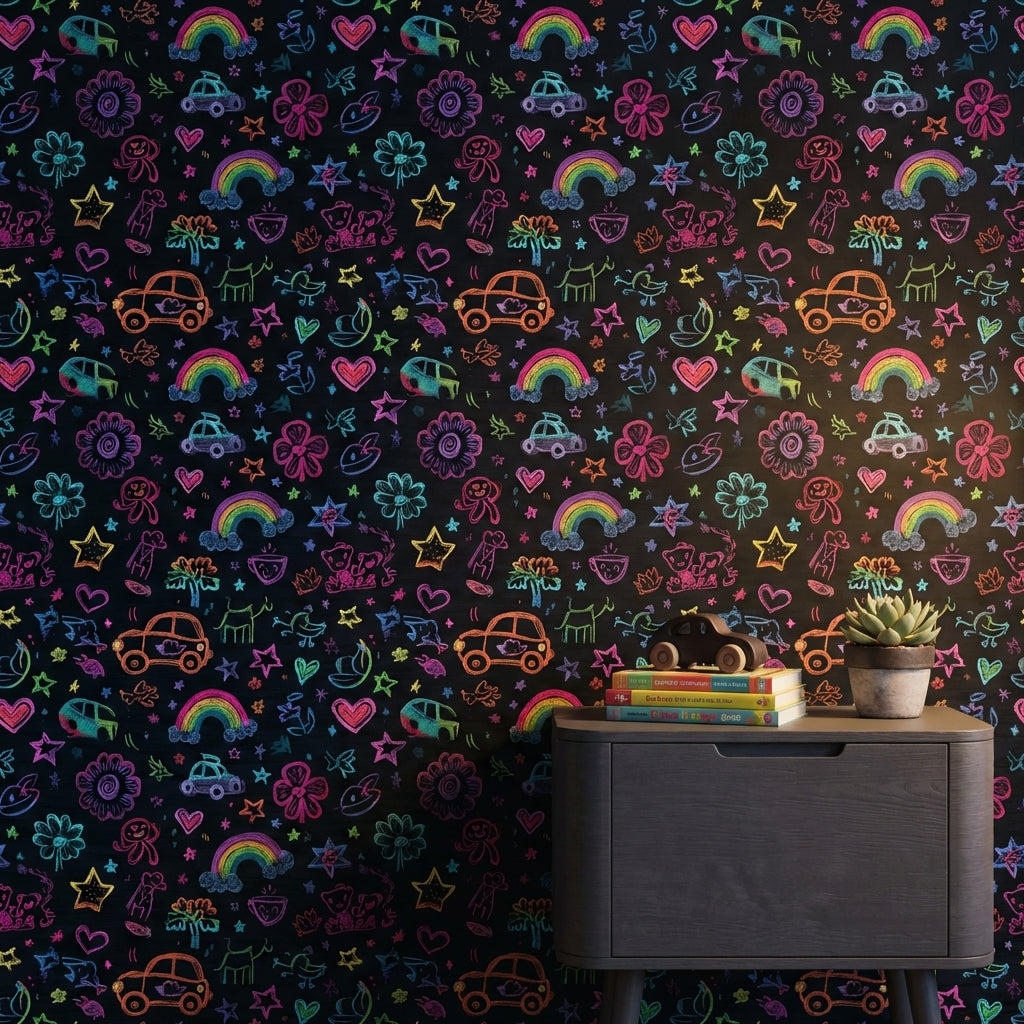
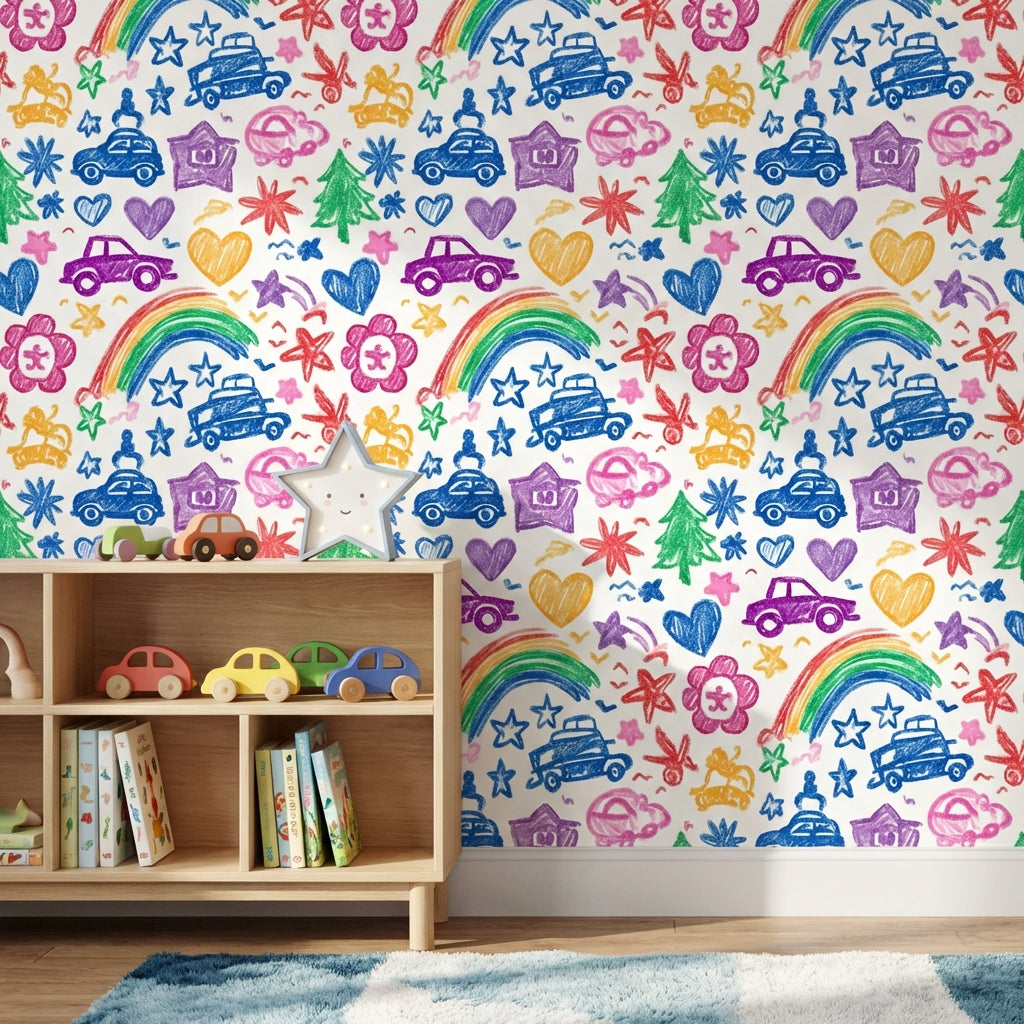
Kids Doodles
From $23 -
wallpaper
Kids Nursery
From $23 -
wallpaper
Vibrant Multicolor
From $23 -
wallpaper
Abstract Pattern
From $23 -
wallpaper
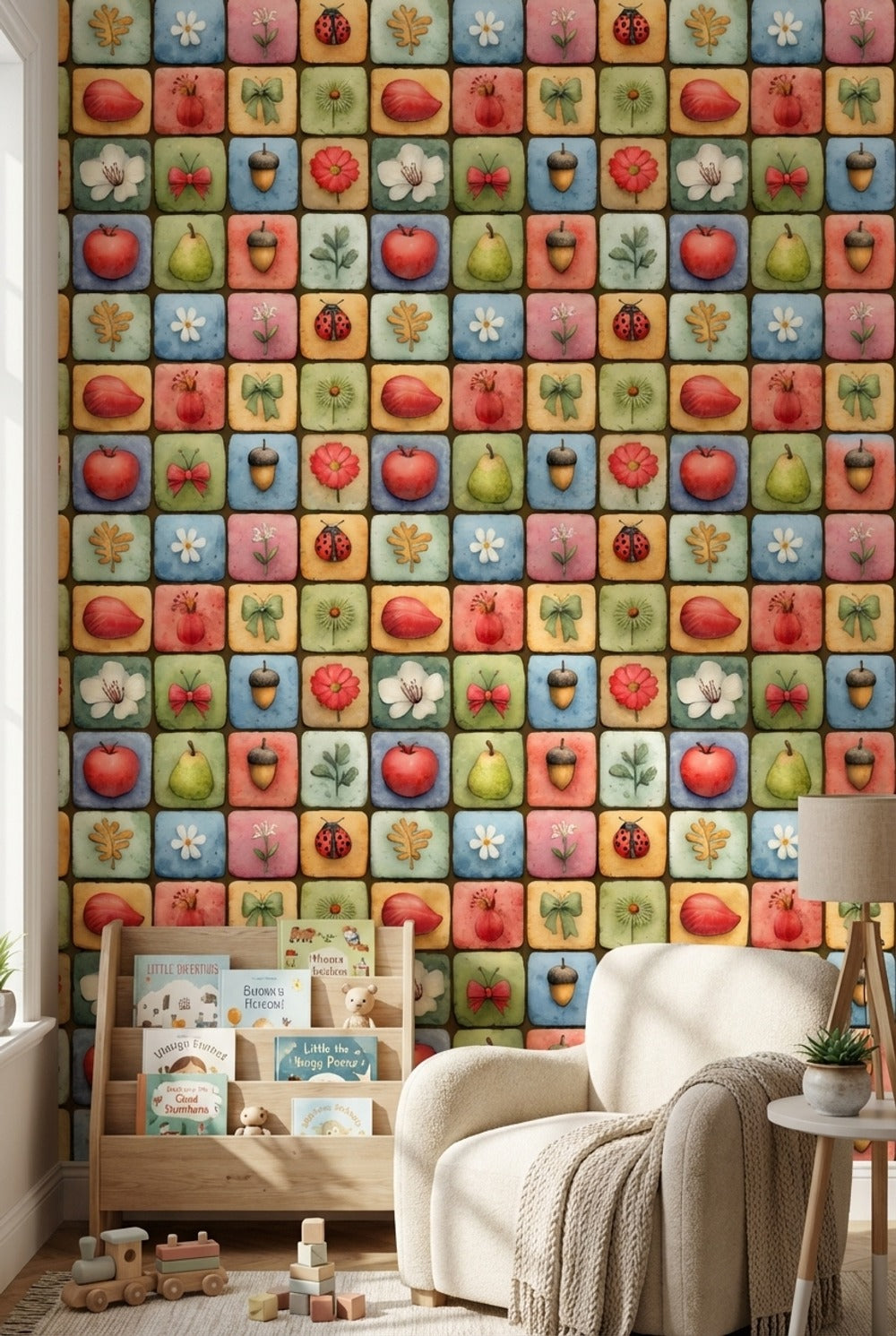
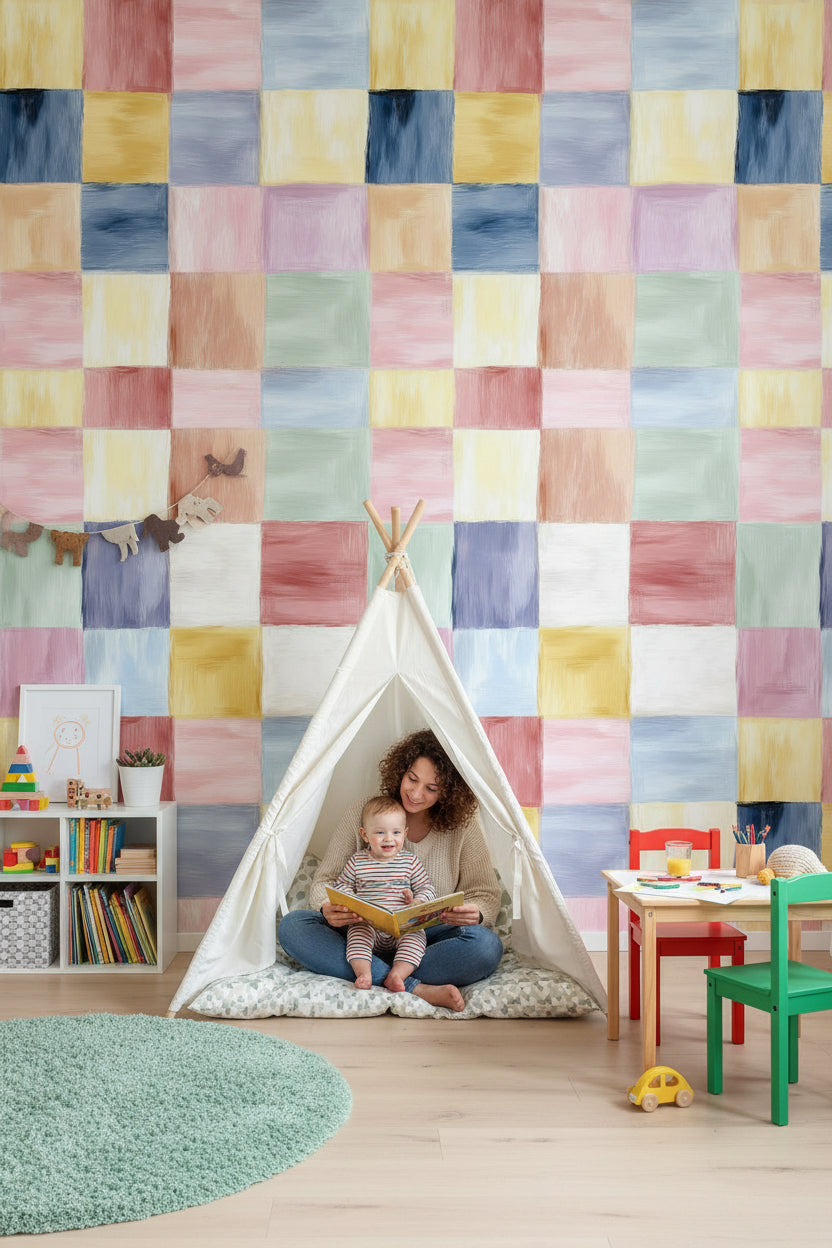
Colorful Patchwork
From $23 -
wallpaper
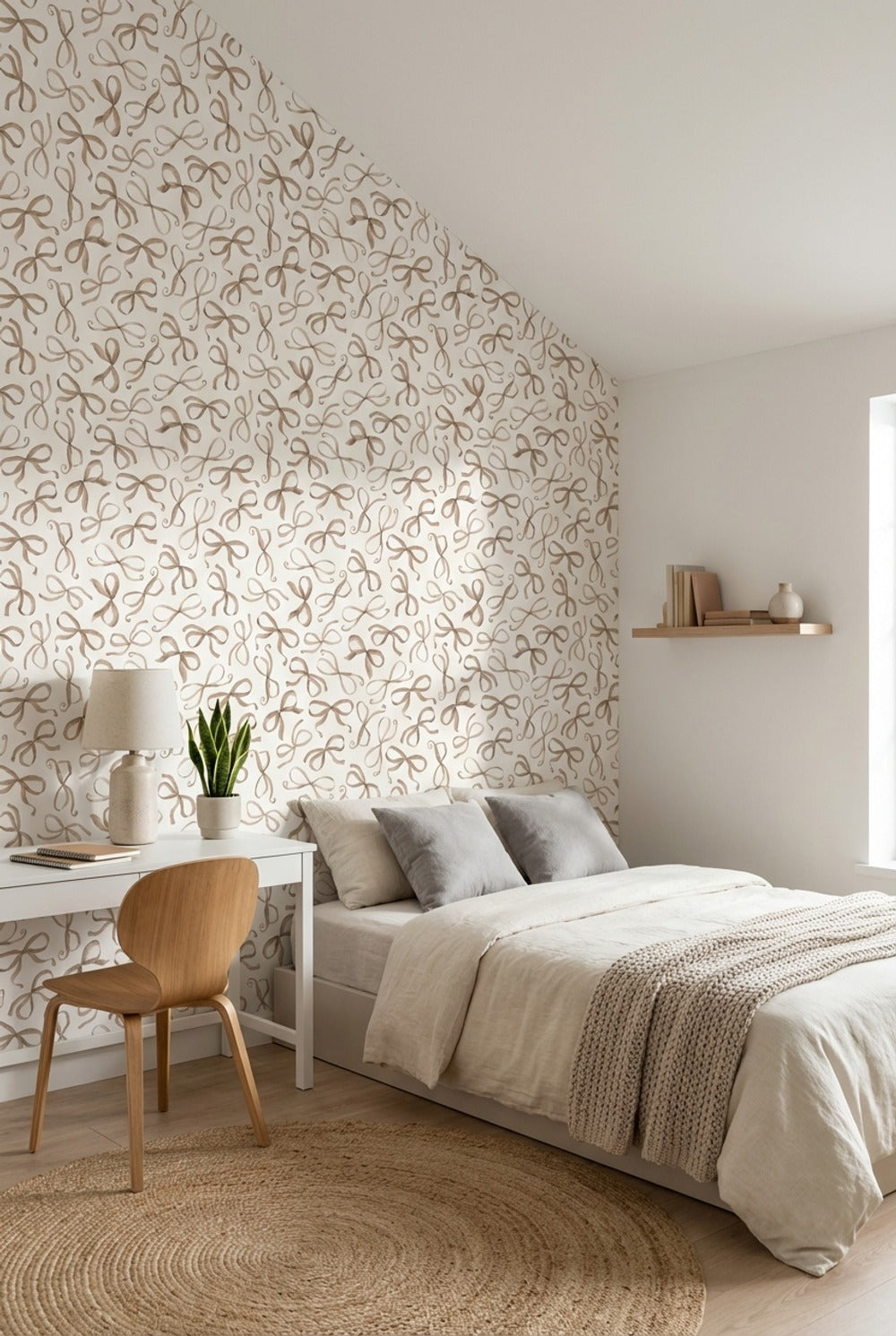
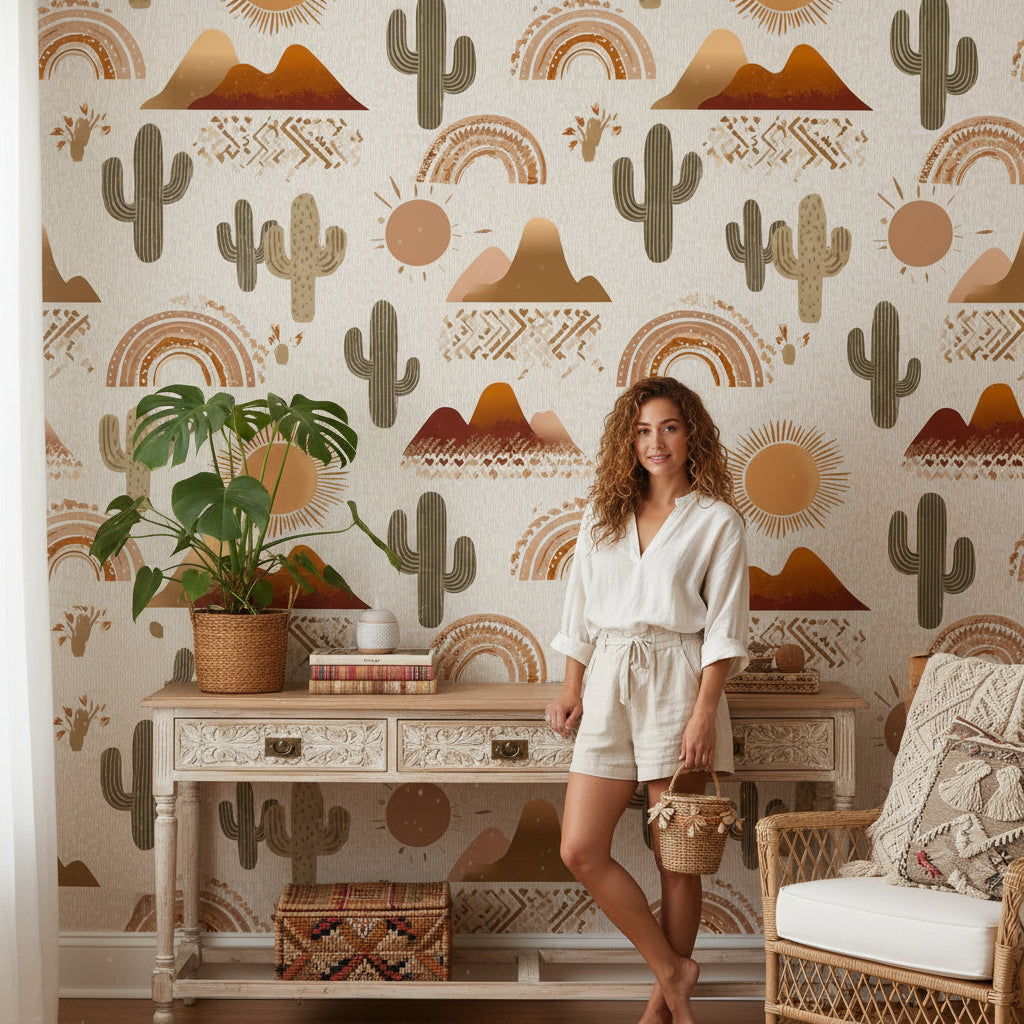
Warm Beige
From $23 -
wallpaper
Cream Desert
From $23 -
wallpaper
Multicolor Pastel
From $23










































312 / 550
Load more


— NEED HELP?
Frequently asked questions.
Can't find what you're looking for? Our team replies within 4 working hours, Mon–Fri.
01 Is Kids Room Wallpaper safe and suitable for children ages 3–12 (and for a nursery corner)?
Kids Room Wallpaper is a smart choice for spaces where little hands touch the walls—look for kids room peel and stick wallpaper if you want low-odor installation and easier updates. For ages 3–12, we recommend placing wallpaper behind the bed or crib wall rather than directly behind a craft table to reduce scuffing. If you’re styling a nursery corner inside a shared room, choose softer shades like sky blue, warm beige, or sage green to keep the look calm while still reading as wallpaper for kids room.
02 What furniture materials and textiles pair best with Kids Room Wallpaper without making the room feel busy?
With Kids Room Wallpaper, keep big pieces simple: a light oak bed frame, a white lacquer dresser, and a natural rattan bookcase let playful patterns read clearly. For textiles, try a solid-color wool rug (cream or heather gray) and cotton bedding in one accent color pulled from the print—like mustard, navy, or blush. This approach works especially well for wallpaper kids room setups where toys add visual noise.
03 Should I use Kids Room Wallpaper on one accent wall or all walls for a 3–12 year old’s room?
In smaller rooms (around 8'×10'), an accent wall behind the bed usually looks best—especially with bold motifs like dinosaurs, rockets, or rainbows from Kids Room Wallpaper. In larger rooms (10'×12' and up), you can wrap all walls if the pattern has more breathing room (small icons on a light background) and you keep furniture finishes simple. If you expect tastes to change quickly, kids room removable wallpaper on one wall is the easiest “switch later” plan.
04 Which wall placement works best for Kids Room Wallpaper in a shared kids room (bunk beds, two desks, lots of storage)?
For a shared room, Kids Room Wallpaper works best on the wall the beds share (behind bunk beds or two twins) so it becomes a headboard-style feature and doesn’t compete with desk clutter. If you have two desks on one wall, keep that wall painted and use the wallpaper on the opposite side to avoid a busy backdrop for homework. For a playful twist, a narrow wallpaper strip above a chair rail can zone each child’s side without covering the entire room.
05 Can Kids Room Wallpaper work in a small room without making it feel cramped?
Yes—choose Kids Room Wallpaper with a light ground color (white, cream, pale gray) and a smaller repeat so the pattern reads airy rather than crowded. In a compact 7'×9' room, avoid dense and dark prints; instead, do one wall in wallpaper for kids room and keep the other three in a matching paint tone. If you want maximum flexibility, peel and stick wallpaper kids room options make it easy to swap from “toddler theme” to “big kid” later.
06 How do natural and artificial lighting change the look of Kids Room Wallpaper (north-facing vs south-facing rooms)?
In north-facing rooms, Kids Room Wallpaper can read cooler—so warm it up with creamy whites, soft peach, or warm beige backgrounds, plus brass or warm wood lamps. South-facing rooms handle cooler palettes well, so sky blue, mint, or gray-based prints stay crisp without looking flat. Warmer lights ensure reds and yellows in wallpaper kids room designs look richer, while cooler keeps educational motifs like maps or alphabet prints more readable.