

Minimalist Wallpaper at Muralls.com There's something about Minimalist designs that just works. They offer a clean aesthetic that promotes simplicit...
Minimalist Wallpaper
There's something about Minimalist designs that just works. They offer a clean aesthetic that promotes simplicity through muted colors and subtle patterns. This approach creates an inviting mood that allows you to focus on what truly matters in your living environment. With an emphasis on space and light, minimalist wallpaper is an excellent choice for those looking to create a serene atmosphere.
About Minimalist Designs
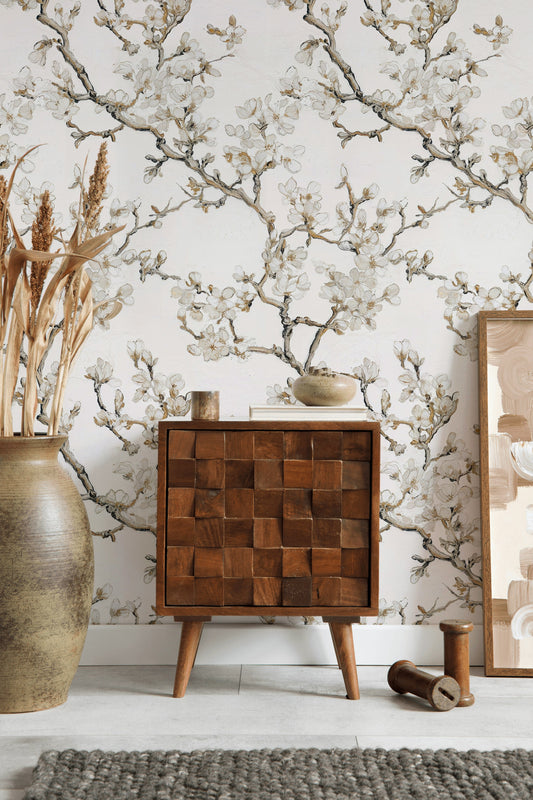
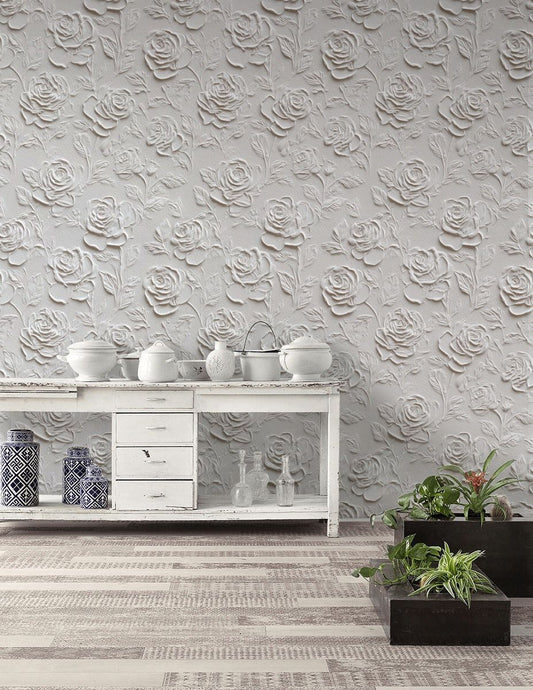
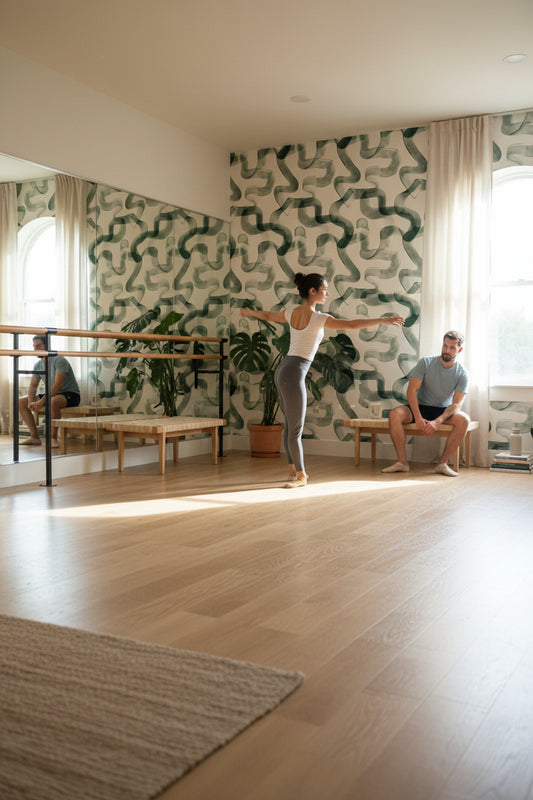
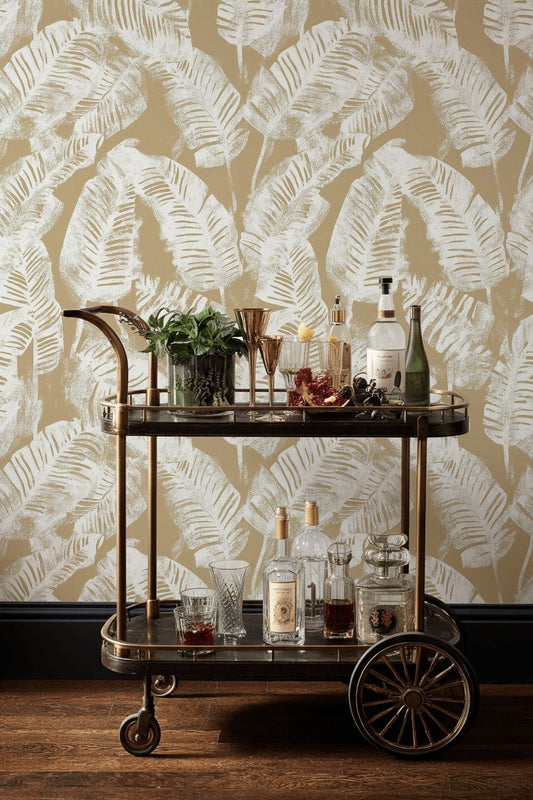
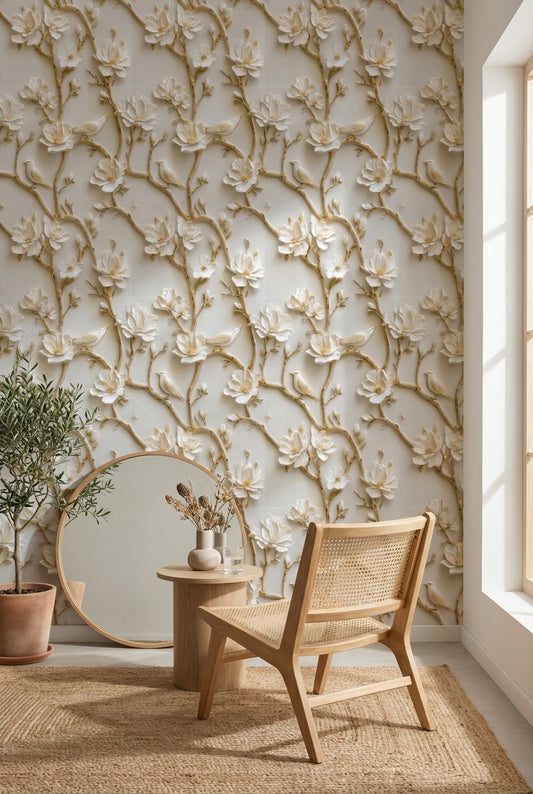
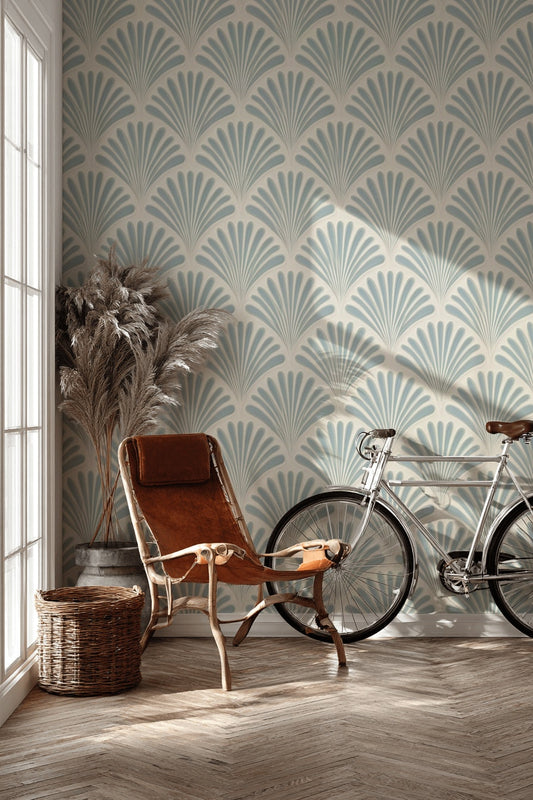
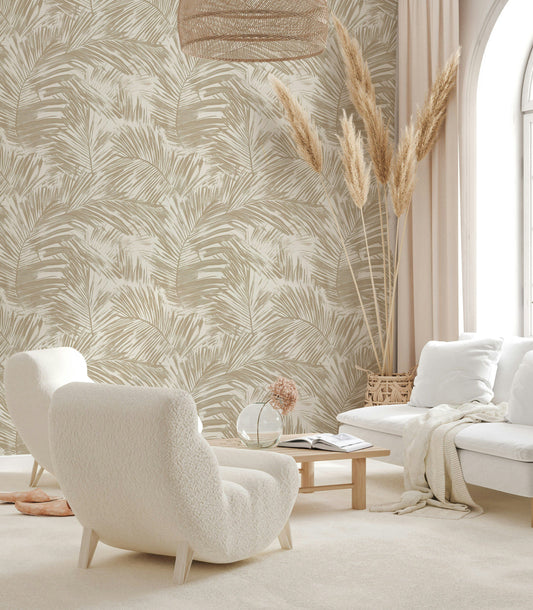
Minimalist designs stand out due to their use of neutral color palettes, such as whites, grays, and soft beige, often accented by muted greens or blues. The patterns tend to be geometric or organic, emphasizing clean lines and open spaces. Textures range from smooth finishes to soft, tactile elements that add dimension without overwhelming the eye. This simplicity allows for a tranquil environment that encourages relaxation and clarity.
Where to Use Them
To maximize the effect of minimalist wallpaper, consider these specific applications:
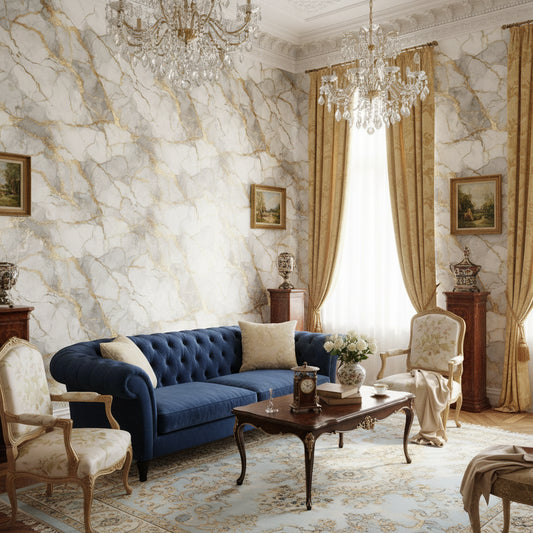
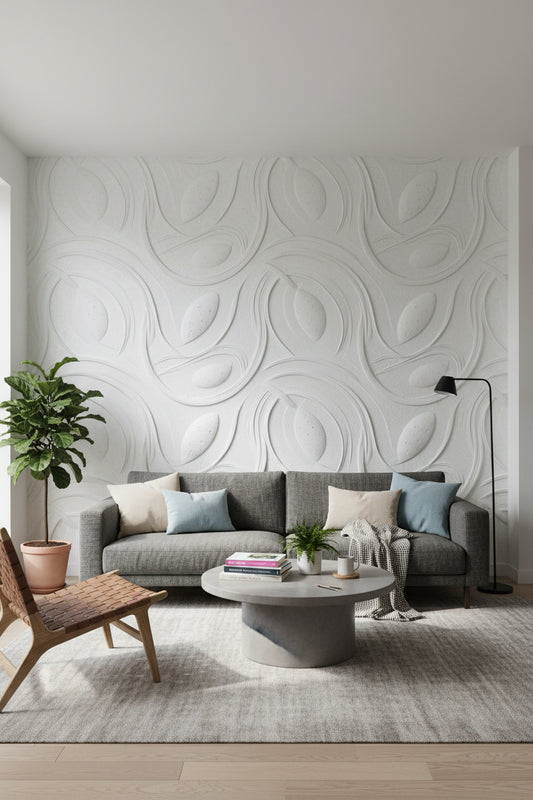
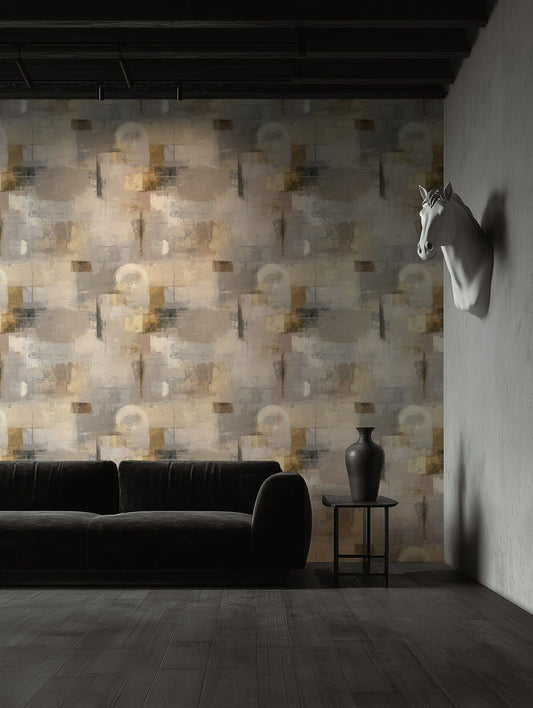
- Living Room: Use minimalist wallpaper on the wall behind your sofa to create a focal point without cluttering the space. This wall can anchor the room while allowing the design elements of your furniture to shine.
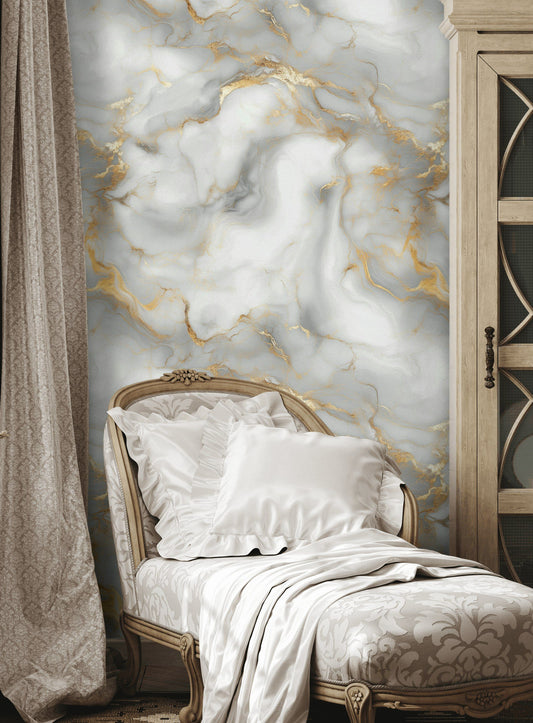
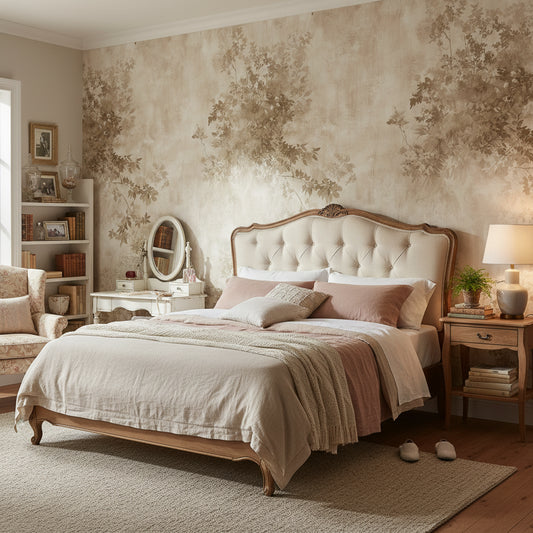
- Bedroom: Apply minimalist wallpaper above the headboard of your bed. This placement makes for a calm and restful backdrop that enhances your bedroom’s tranquility.
- Home Office: Choose a wall opposite your desk for minimalist wallpaper. By doing so, you create a serene working environment that minimizes distractions and promotes focus.
- Hallway: Consider using minimalist wallpaper along the entire length of your hallway. This can make the space feel longer and more inviting, while drawing attention to any artwork or photographs you may display.
How to Style Your Space
The key to styling with minimalist wallpaper is to select complementary furniture that supports the design's clean aesthetic. In a living room with wallpaper behind the sofa, consider a light oak coffee table paired with brass floor lamps for a striking contrast. In a bedroom, a platform bed in a natural wood finish alongside soft linen bedding can enhance the calmness established by the wallpaper. For your home office, a sleek black desk with modern white chairs creates a stylish contrast, allowing the wallpaper to remain the central focus.
Ordering & Installation
At Muralls.com, we offer custom-sized minimalist wallpaper that meets your specific needs, ensuring a seamless fit in your designated space. Our easy paste-the-wall installation method simplifies the process, allowing you to refresh your walls without hassle. Plus, we ship worldwide, making our minimalist designs accessible no matter where you are located.
-
wallpaper
-
wallpaper















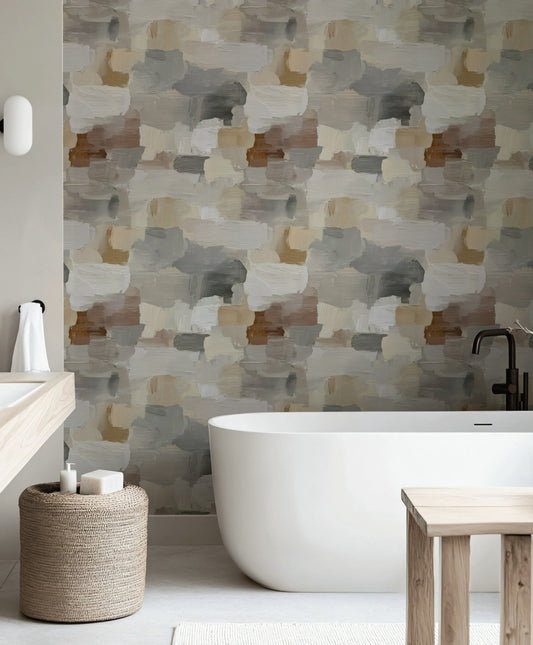

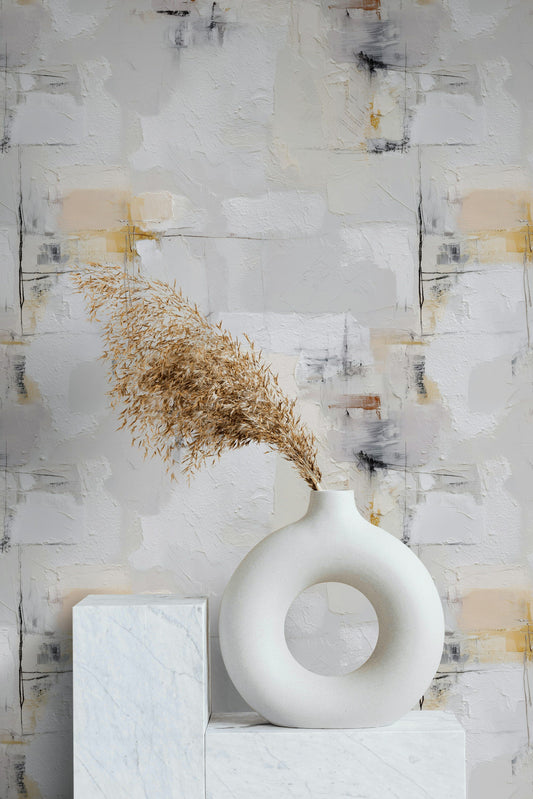

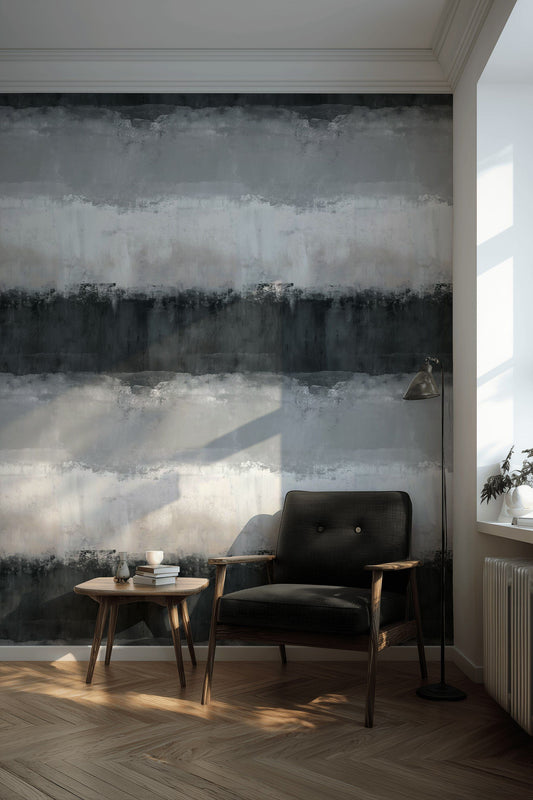

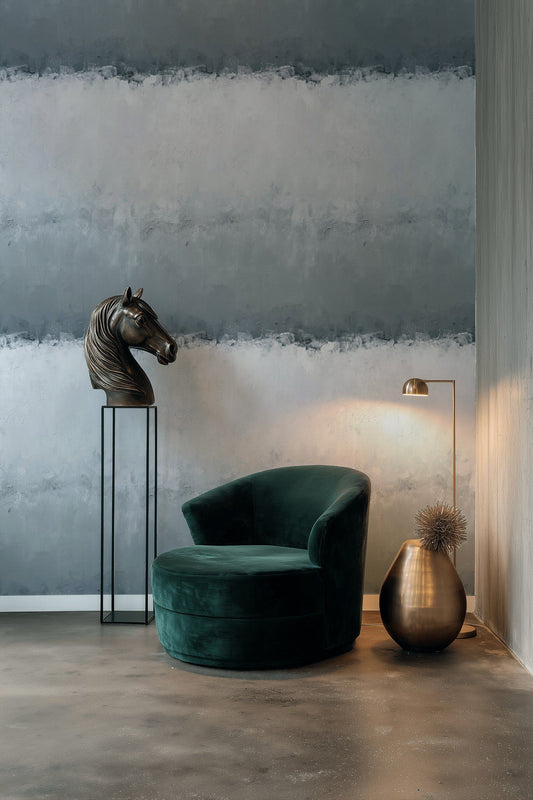

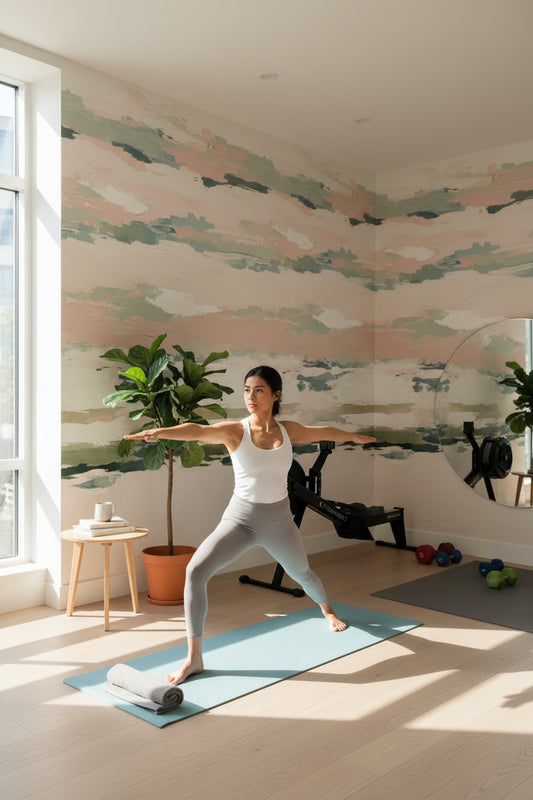

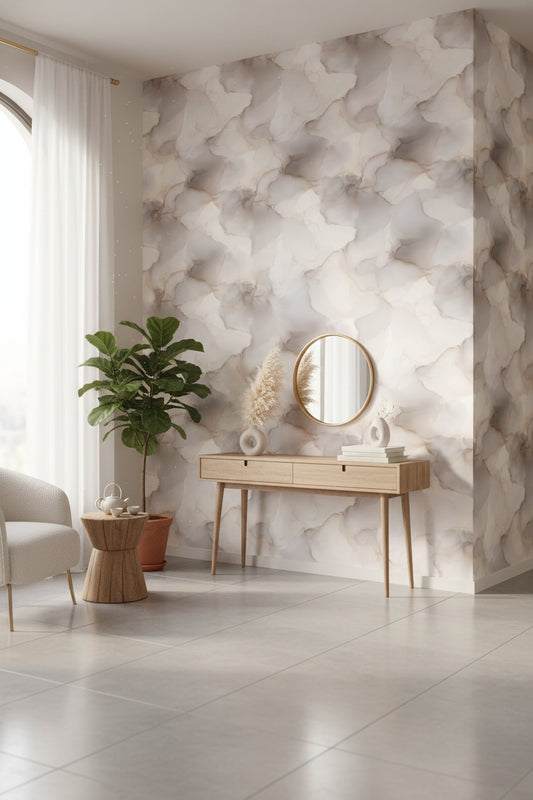


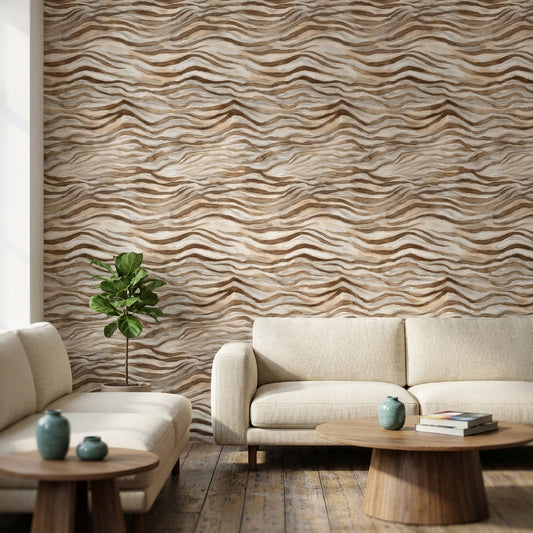

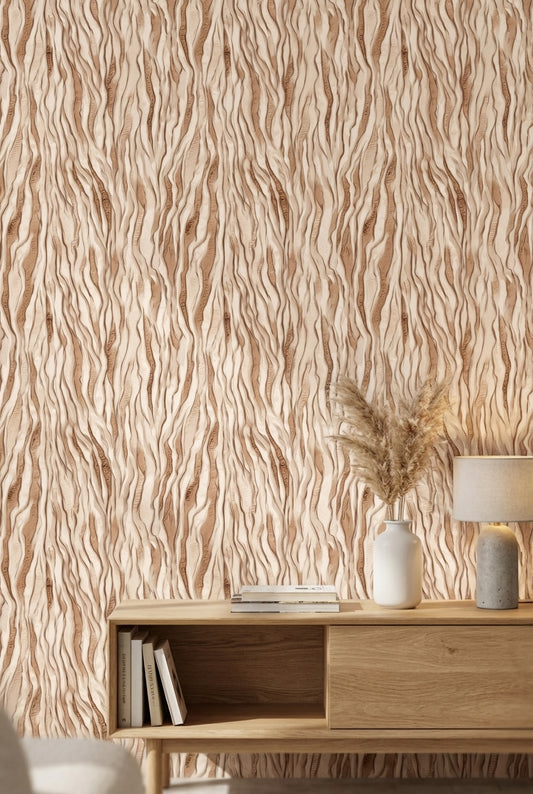
120 / 151
Load more


— NEED HELP?
Frequently asked questions.
Can't find what you're looking for? Our team replies within 4 working hours, Mon–Fri.
01 Should I use Minimalist Wallpaper on one accent wall or all walls—and how do I decide based on room size and pattern scale?
In a small room (around 9–12 m²), a single accent wall in Minimalist Wallpaper with a micro-pattern (fine linework, tiny dots, or a faint grid) keeps the space calm while still adding depth. In larger rooms (16 m²+), you can wrap all walls if you choose low-contrast shades like warm white, greige, or pale sand—especially when the design reads more like texture than print. If you’re choosing minimalist peel and stick wallpaper, test an accent wall first so you can adjust scale and contrast before committing to the whole room.
02 Which room works best for Minimalist Wallpaper, and where should it go (accent wall, full room, or even the ceiling)?
A bedroom is often the best match for Minimalist Wallpaper because restrained pattern helps the room feel quieter—try it behind the headboard as a single feature wall in soft clay, fog grey, or oatmeal. For a bedroom wallpaper minimalist look, keep the other walls in a flat paint that matches the lightest tone in the print. If you want a bolder move without loud pattern, use a plain-texture minimalist wallpaper on the ceiling to add depth without visual noise.
03 Can Minimalist Wallpaper be mixed with other design styles—and what tends to clash?
Minimalist Wallpaper pairs well with Japandi (light oak, low-profile furniture) and soft industrial (black steel frames, concrete tones) because the lines stay clean and the palette stays controlled. It also works with minimalist floral wallpaper if you keep the blooms sparse—think single-stem outlines in ink black on warm white—so it reads as calm rather than busy. What clashes is high-contrast maximal pattern right next to it (bold chevrons, loud tropicals) because Minimalist Wallpaper relies on negative space to work.
04 What specific furniture materials, finishes, and textiles look best with Minimalist Wallpaper?
Choose pieces with quiet surfaces: a light-oak platform bed, a matte black reading sconce, and a travertine or limestone side table sit naturally with Minimalist Wallpaper. Add texture through textiles—stonewashed linen bedding, a wool boucle lounge chair, or a flatweave jute rug—so the room feels layered without relying on pattern. If you’re using floral minimalist wallpaper, repeat one tone (like charcoal linework) in a single item such as a black-framed mirror or slim metal console.
05 Why is Minimalist Wallpaper trending right now, and what makes it feel current rather than plain?
Right now people want rooms that feel less busy, and Minimalist Wallpaper answers that with soft contrast, lots of negative space, and subtle texture that still reads intentional up close. The current look isn’t blank—it’s about controlled detail like linen-like grain, plaster effects, or a faint graphite sketch, including floral wallpaper minimalist designs with lots of breathing room.
06 How does Minimalist Wallpaper work in open-plan living spaces, especially for zoning without breaking visual flow?
Use Minimalist Wallpaper to “zone” by applying it only where you want a boundary—behind the sofa for the lounge area or on the dining wall behind a sideboard—then keep the rest in a matching paint tone. For minimalist wallpaper for living room spaces, pick a low-contrast greige or warm white so the wallpaper reads as a soft backdrop across sightlines instead of a hard stop. Peel and stick wallpaper minimalist options are handy in open plans because you can trial a single zone (like a 2.4 m-wide wall) before repeating it elsewhere.