 Wallpaper
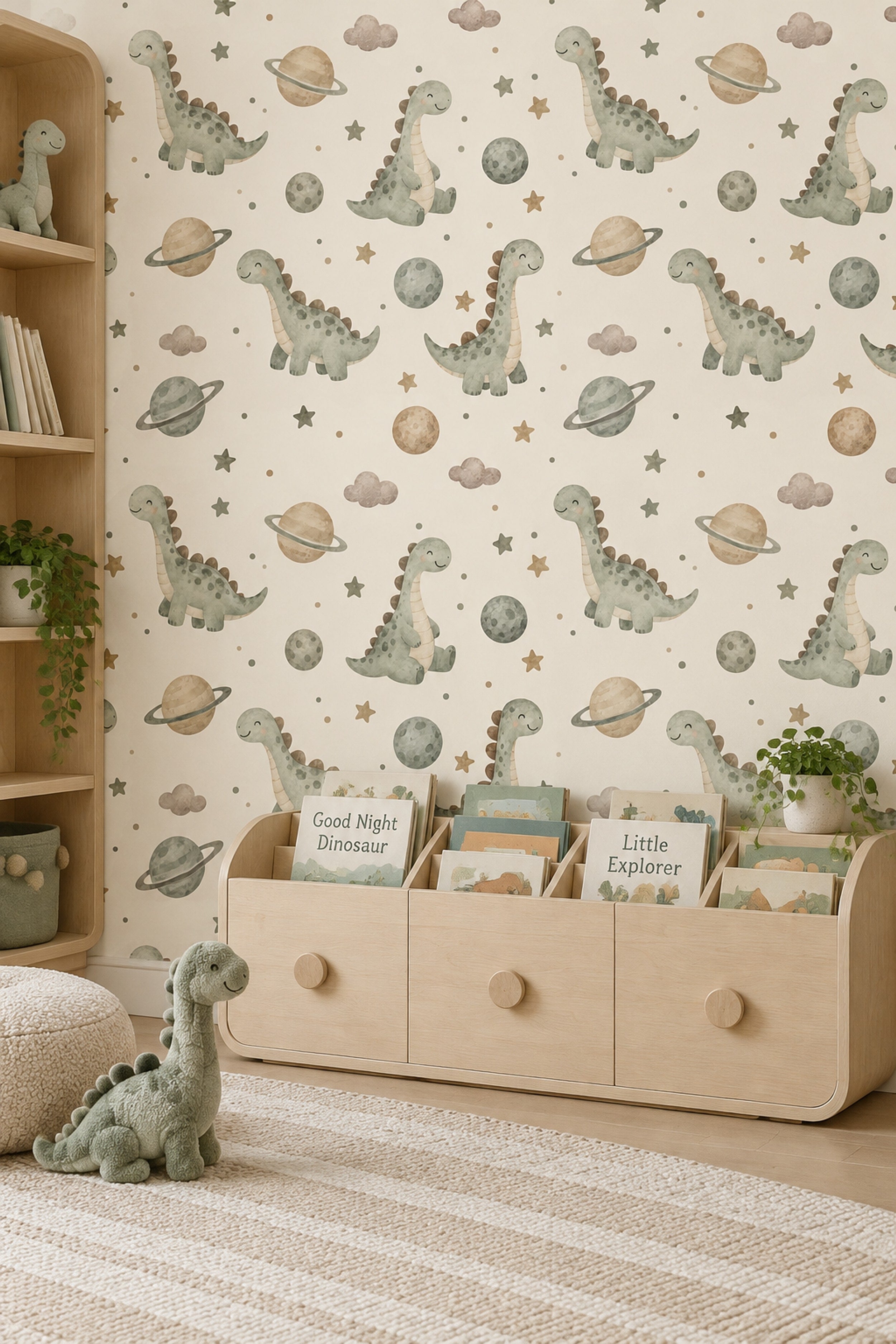
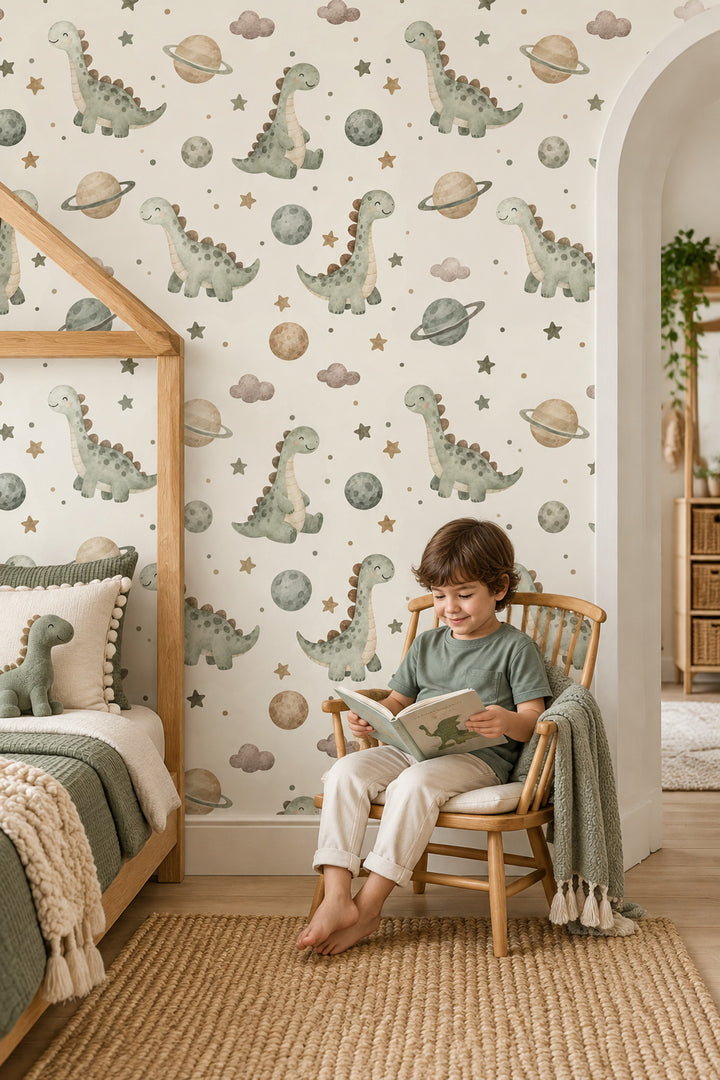
Cute Dinosaurs
From $23
Wallpaper
Cute Dinosaurs
From $23

Nursery Wallpaper stands apart from other kids wallpaper because the artwork is scaled for close-up viewing: tiny hand-drawn stars, fine leaf outlines, scatt...
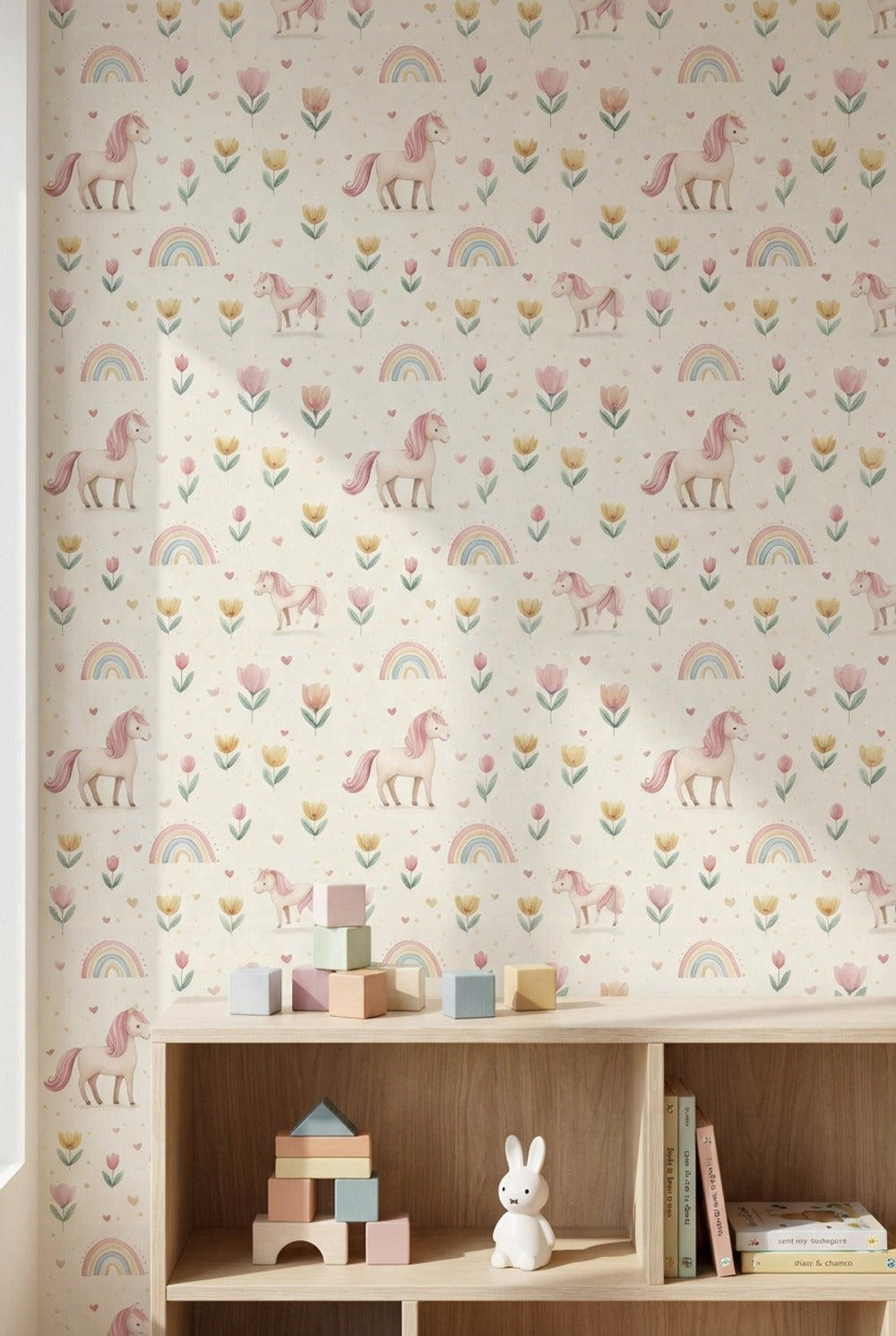
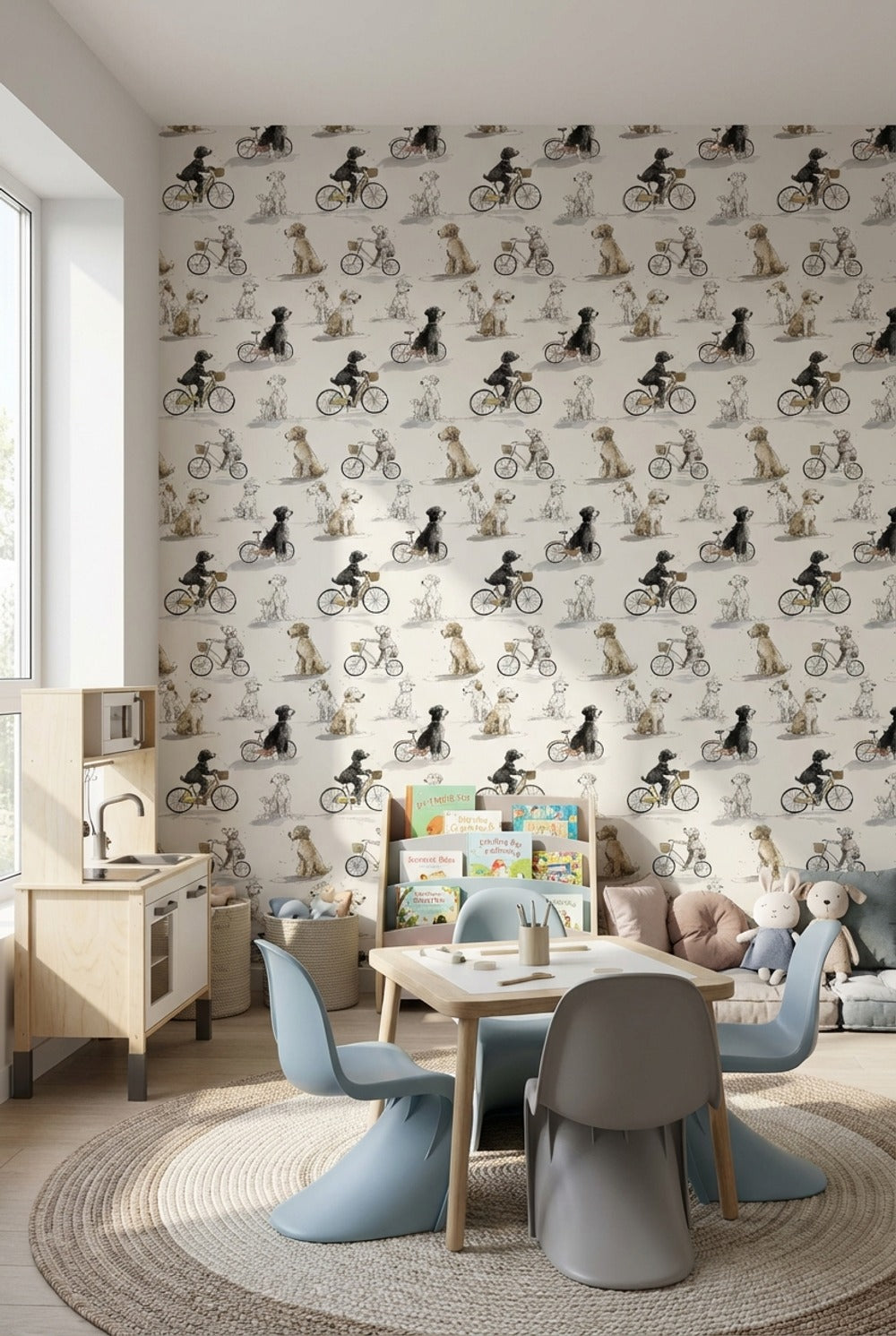
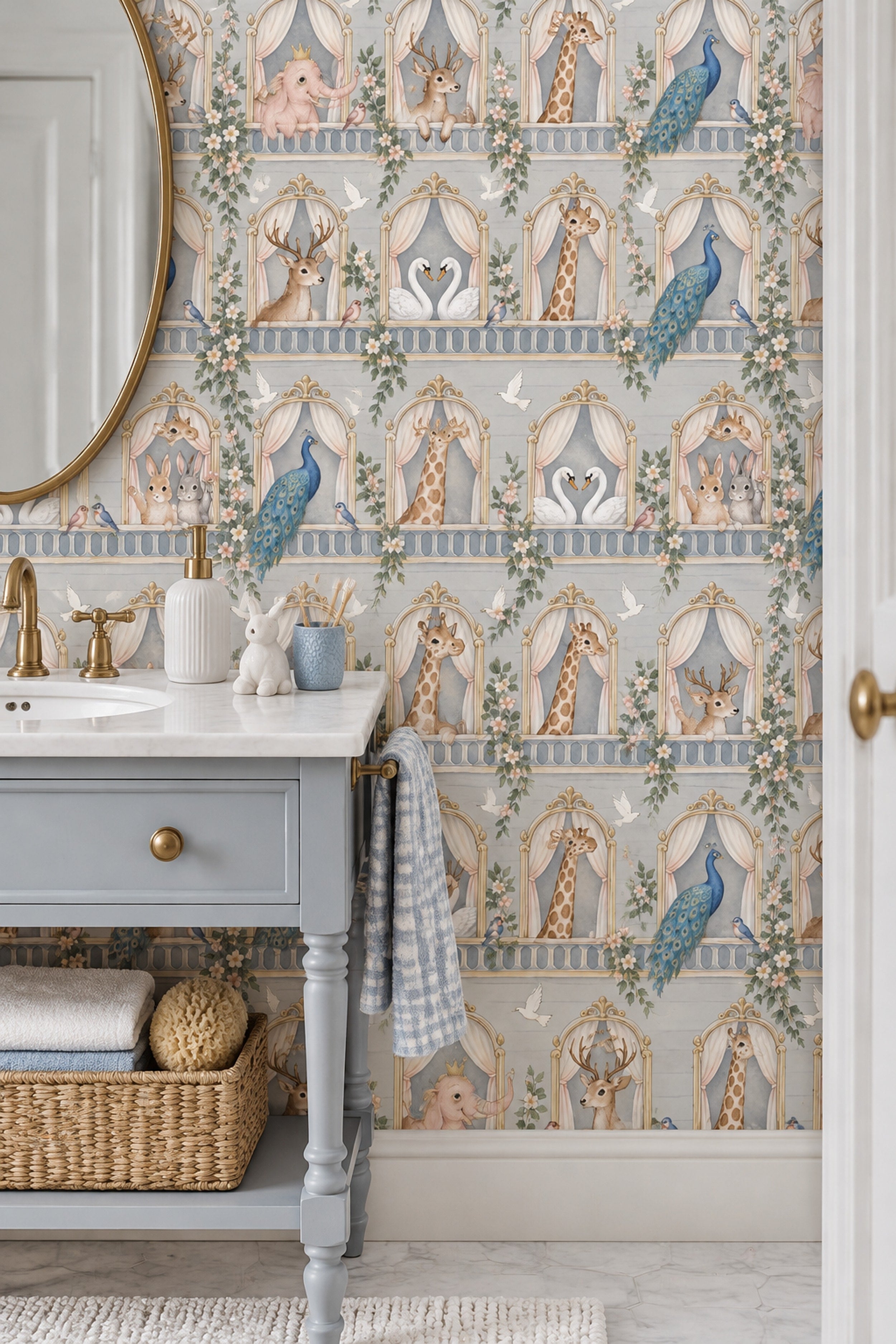
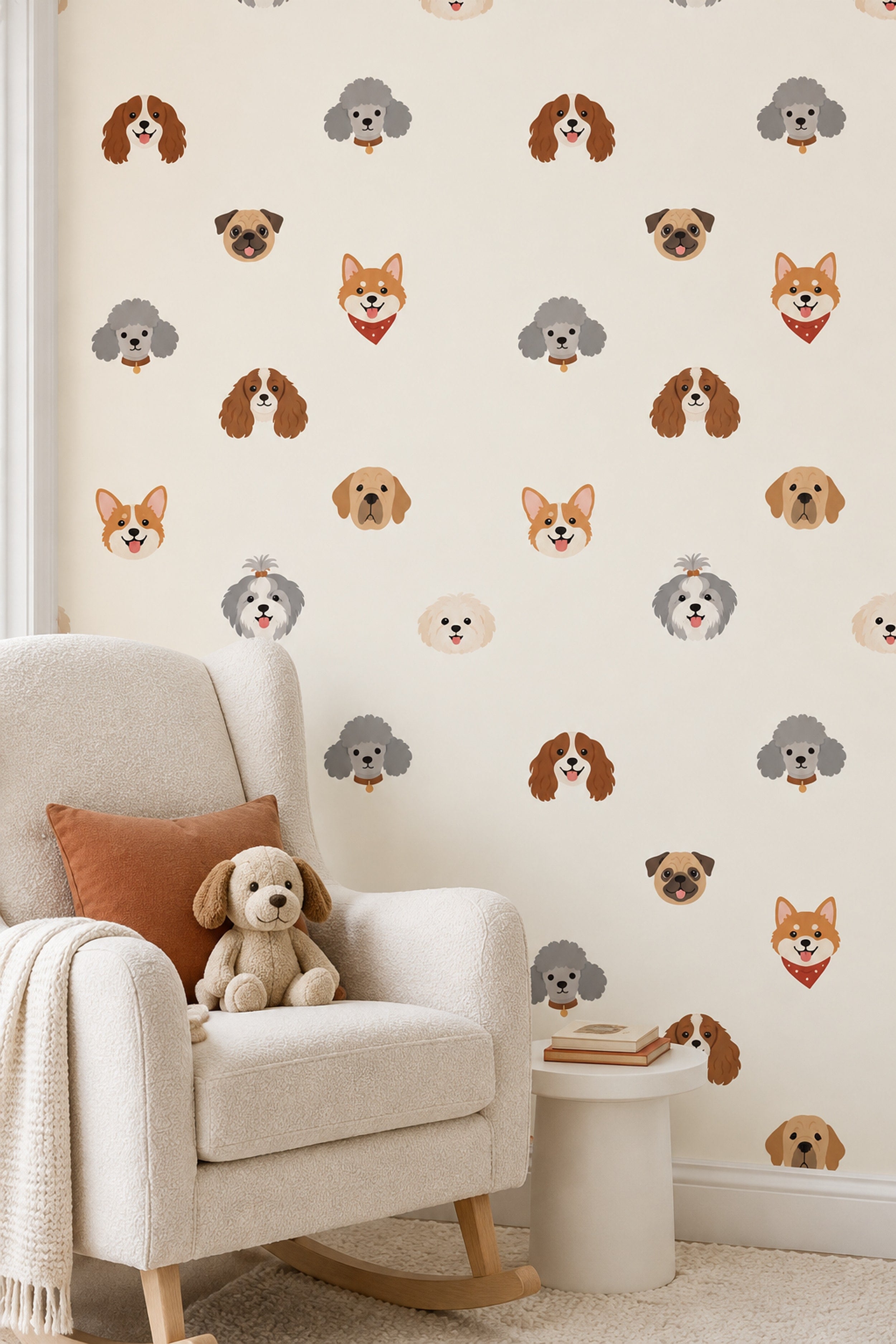
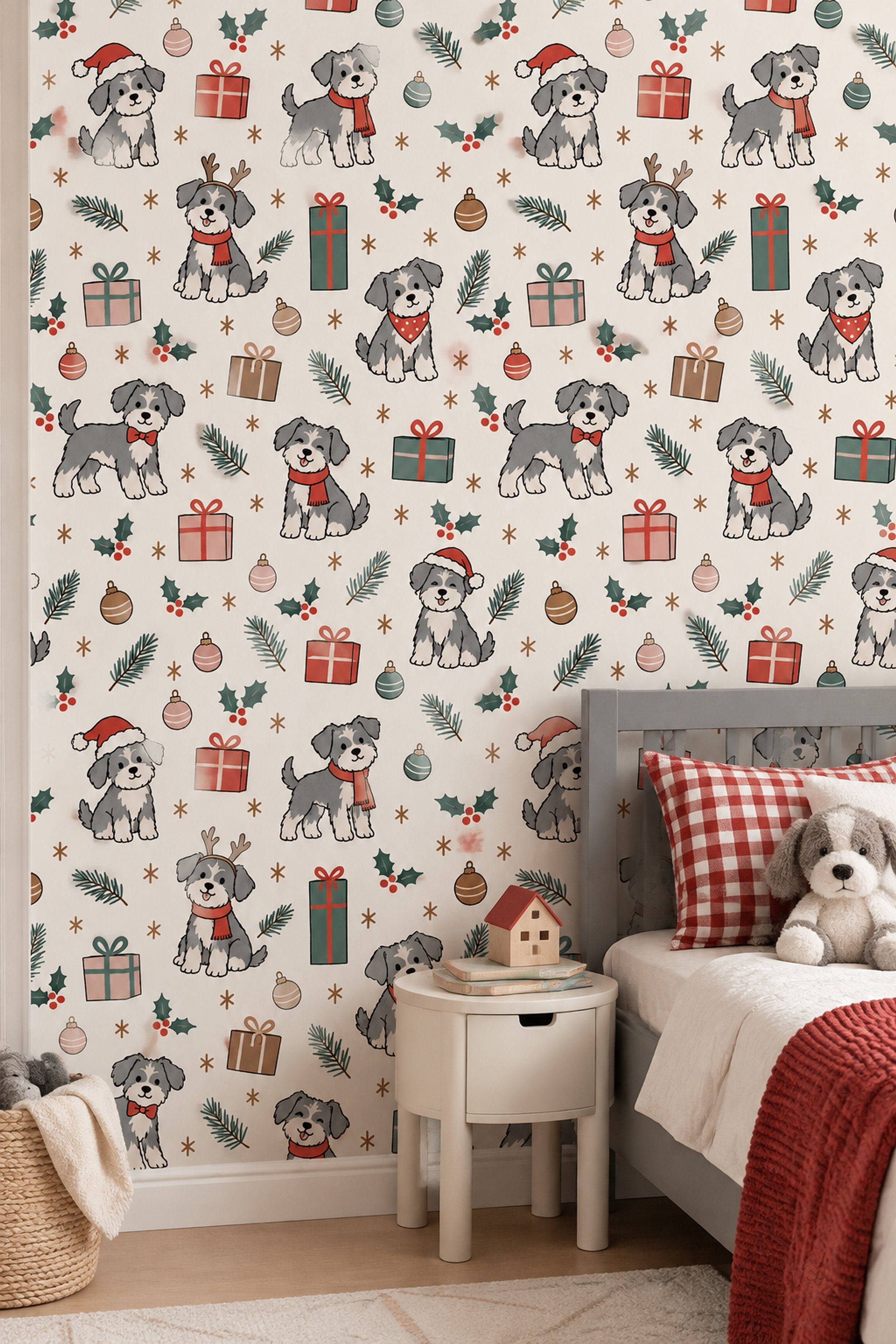
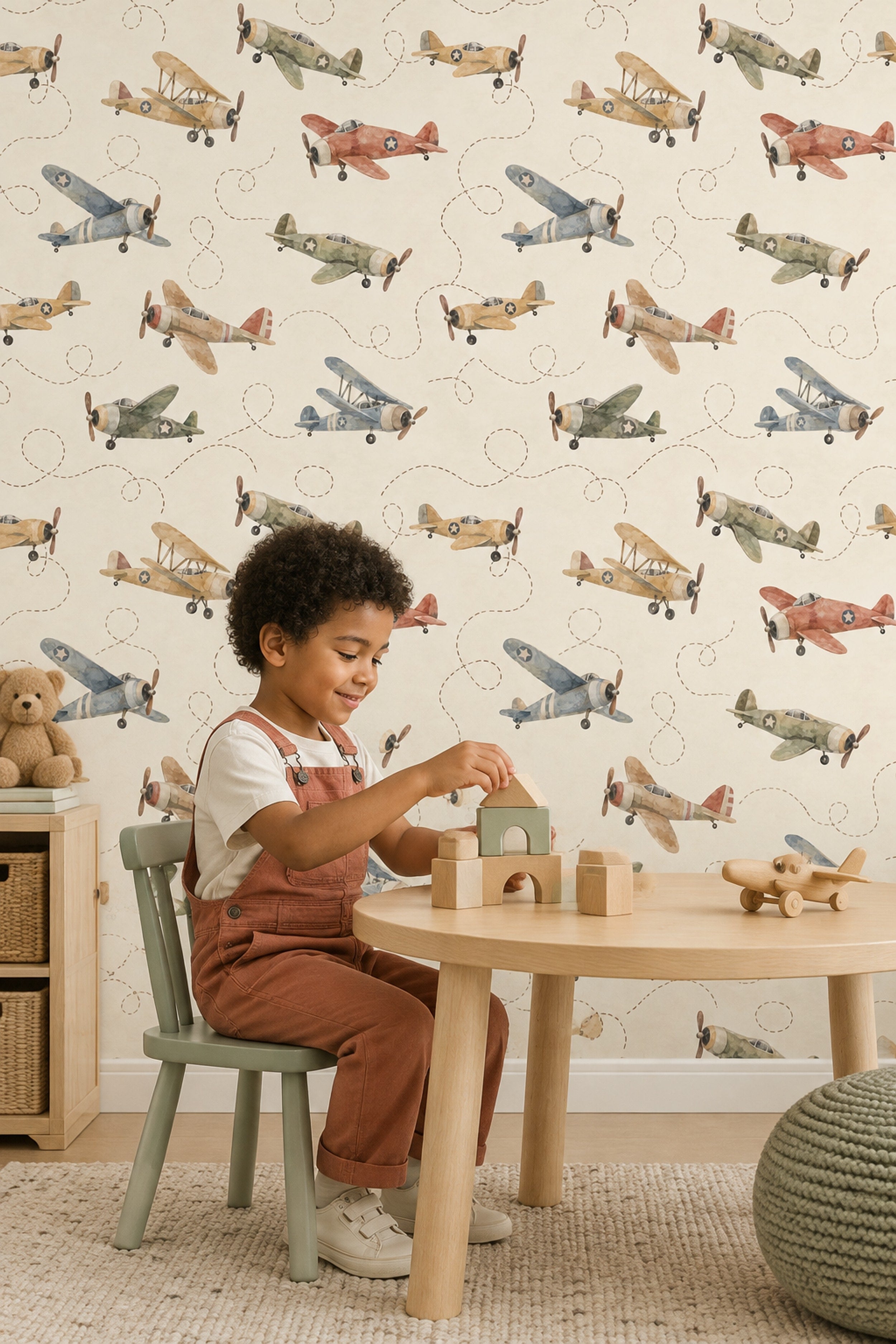
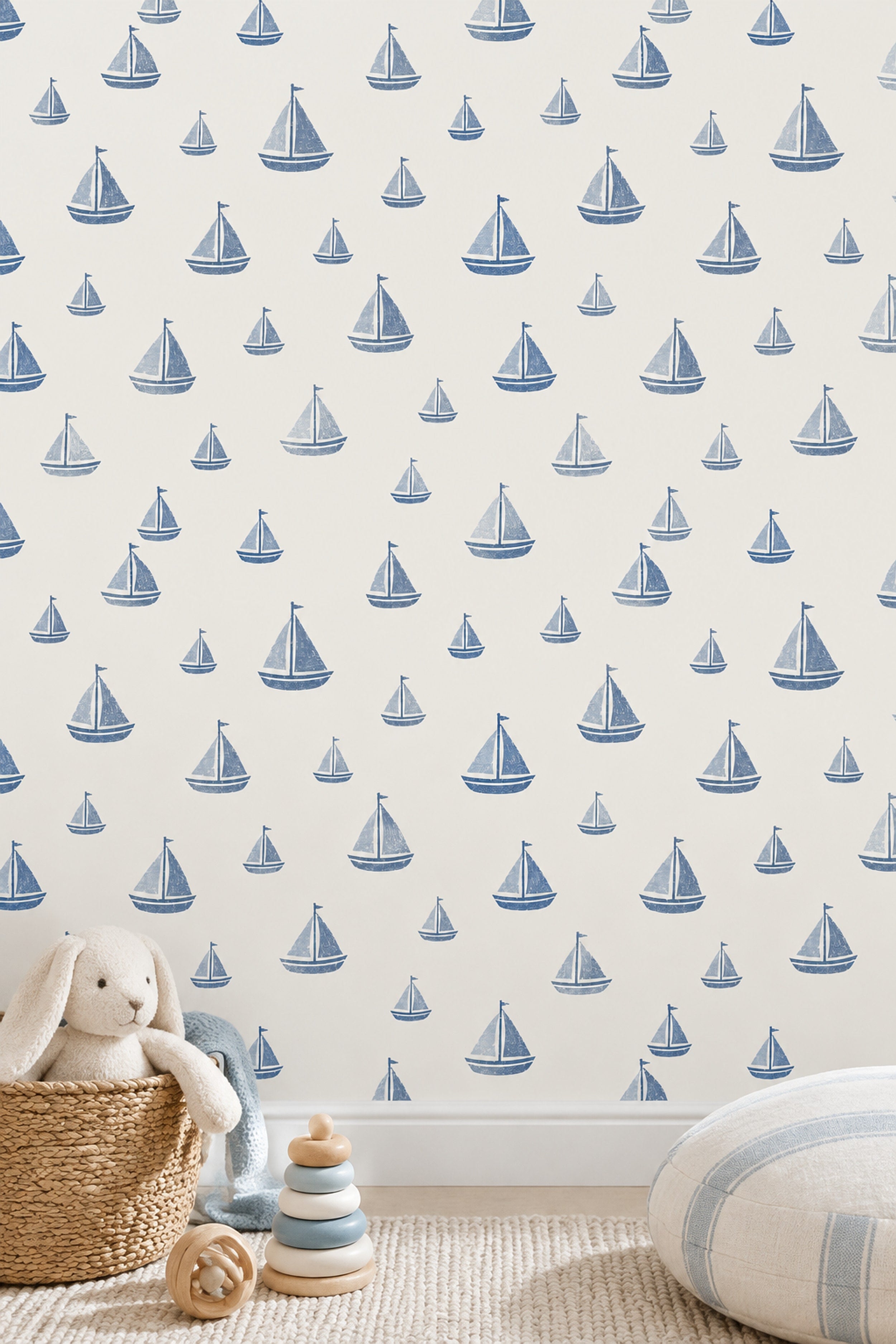
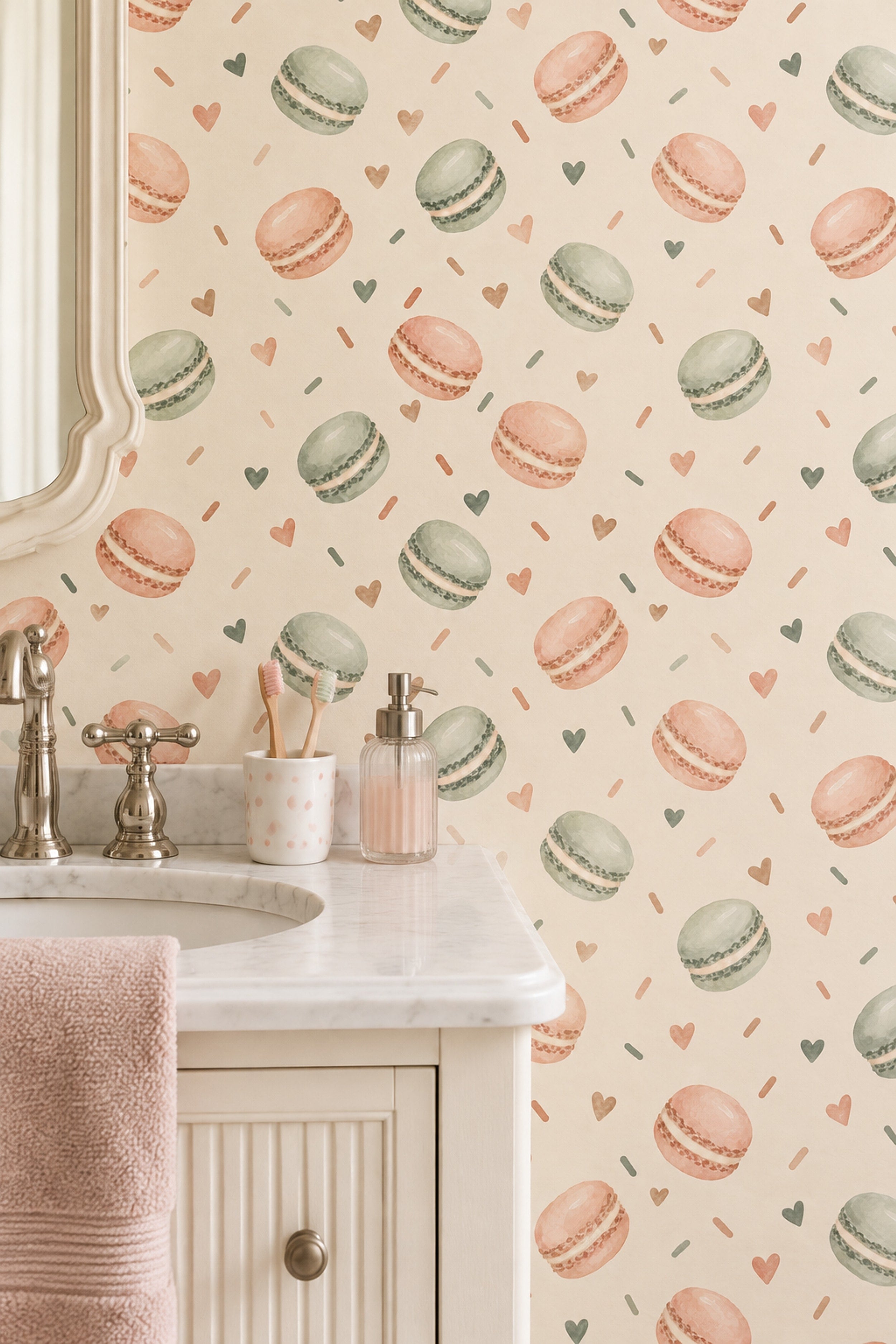
Nursery Wallpaper stands apart from other kids wallpaper because the artwork is scaled for close-up viewing: tiny hand-drawn stars, fine leaf outlines, scattered florals, and storybook animals read clearly from a crib, rocker, or changing table without looking oversized on the wall. That smaller pattern rhythm gives nursery wallpaper a quieter, more detailed surface than many playroom prints, especially in blush, oat, sage, powder blue, and warm ivory palettes. For rooms built around rosy textiles, Pink Wallpaper can echo the same gentle color story while keeping the walls tailored to early childhood.
Nursery Wallpaper often carries chalky undertones rather than bright primary color, so dusty rose sits well with a white spindle crib, muted sage pairs neatly with a natural oak dresser, and buttercream grounds a boucle glider without making the room feel flat. In floral wallpaper designs, the petals and trailing stems are usually outlined with a brushed, illustrated edge that gives wallpaper for walls a lightly painted look instead of a slick printed finish. For a broader view of pattern direction, scale, and wallpaper for nursery layouts, our guide to Nursery Wallpaper Designs breaks down the most suitable options, and Cute Wallpaper For Nursery focuses on smaller motifs with a sweeter storybook feel.
Nursery Wallpaper reads especially well on the wall behind the crib, where repeated moons, floral wallpaper flowers, or scattered animal motifs frame the cot without crowding shelving on the side walls. It is equally effective on the changing-table wall, where you can pair cloud, star, or lively wallpaper prints with a painted cream cabinet and a light wood peg rail for a clear focal point during daily routines. If you prefer a mural wallpaper format, see Nursery Wall Murals, and for narrative ideas built around books, read Nursery Wallpaper Themes Inspired by Storybooks. Muralls offers custom sizes, paste-the-wall installation, and ships worldwide, so Nursery Wallpaper can be fitted to a full crib wall, a narrow alcove by the rocker, or the upper half of a room above beadboard. For more adventurous themes as your child grows, Pirate Wallpaper suits bedroom schemes with navy toy chests, and Space-Themed Wallpaper for Kids Bedrooms shares ideas for ceiling-adjacent constellations and bed-wall placement.
Based on designs you explored, with fresh finds mixed in.
24 / 381
Load more— NEED HELP?
Can't find what you're looking for? Our team replies within 4 working hours, Mon–Fri.
Nursery Wallpaper is designed for baby spaces where you want low-odor, family-friendly finishes—place it on the wall behind the crib or above a changing table to keep the look intentional without encouraging little hands to pick at seams. If you’re considering peel and stick wallpaper nursery options, keep the bottom edge a few inches above baseboards and out of splash zones near a diaper pail. For the calmest feel in a baby nursery wallpaper setup, choose soft shades like warm ivory, cloud gray, or pale sage rather than high-contrast black-and-white all over the room.
With Nursery Wallpaper, start by matching the biggest pieces: a natural oak crib, a matte white dresser, and a light maple rocking chair keep patterns from competing. For textiles, layer a cream boucle glider cushion, a muslin crib skirt, and a low-pile wool rug in oatmeal to soften nursery room wallpaper without adding extra pattern. If you’re styling baby girl nursery wallpaper, dusty rose linen curtains work well; for boy nursery wallpaper, try chambray blue blackout drapes with a simple stitched edge.
In a nursery, an accent wall is usually the easiest win—use Nursery Wallpaper behind the crib or behind a reading nook so the pattern becomes a focal point without overwhelming a small space. If your room is under about 10' x 10', choose a larger-scale, airy print for the accent wall; in a bigger nursery (12' x 14' or more), you can wrap all walls in a low-contrast pattern like tiny stars or scattered dots. For wallpaper for nursery that needs flexibility later, nursery peel and stick wallpaper makes it simpler to change as your child grows.
The most common placement for Nursery Wallpaper is the crib wall, because it photographs well and keeps the strongest pattern away from diapering clutter. If you have a long wall with a dresser and changing pad, use a calmer nursery wallpaper (think soft stripes in sand and white) there and save a character print for the reading corner behind the rocker. In compact rooms, consider running wallpaper nursery on the upper two-thirds of the wall with a painted lower section in warm white to prevent a crowded look.
Yes—small rooms do best with nursery wallpaper in lighter tones (ivory, mist blue, pale eucalyptus) and patterns with more background space than motif. For a 8' x 10' nursery, avoid dense all-over repeats and choose a simple scatter print or thin vertical stripe to visually stretch the walls. If you like the idea of nursery wallpaper stickers, keep them to one zone (like above the changing table) so the room still reads calm.
In north-facing nurseries, Nursery Wallpaper can read cooler, so lean into warmer bases like creamy white, butter beige, or blush to avoid a gray cast. South-facing light makes colors look stronger—soft sage, sky blue, and sand tones stay gentle even in bright sun, which is ideal for baby nursery wallpaper. Under warm lights, neutrals look richer; under cooler bulbs, whites can look sharper, so test your nursery peel and stick wallpaper sample near the crib at night as well as during naps.
VISUAL SEARCH
Upload a reference image and discover visually similar designs.
BEST MATCHES
PERSONALIZED DISCOVERY
Describe a look or let your room lead the search.
CURATED FOR YOU
The chat is taking longer than usual.
Email support@muralls.com