


On the wall behind a low oak sideboard in a south-facing dining room, Turquoise Wall Murals read as a layered mix of blue-green, sea-glass teal, and a faint ...
Turquoise Wall Murals
On the wall behind a low oak sideboard in a south-facing dining room, Turquoise Wall Murals read as a layered mix of blue-green, sea-glass teal, and a faint mineral gray. Morning light pulls out the cooler aqua notes, while late afternoon sun warms the surface toward greener jade, giving wall murals a shifting depth that flat paint cannot match. In homes where you want that same placement to feel intentional, the scale and tone often sit well alongside Dining Room Wall Murals that use similarly expansive compositions and clean wall and murals coverage.
How Turquoise Wall Murals Show Teal, Aqua, And Mineral Undertones
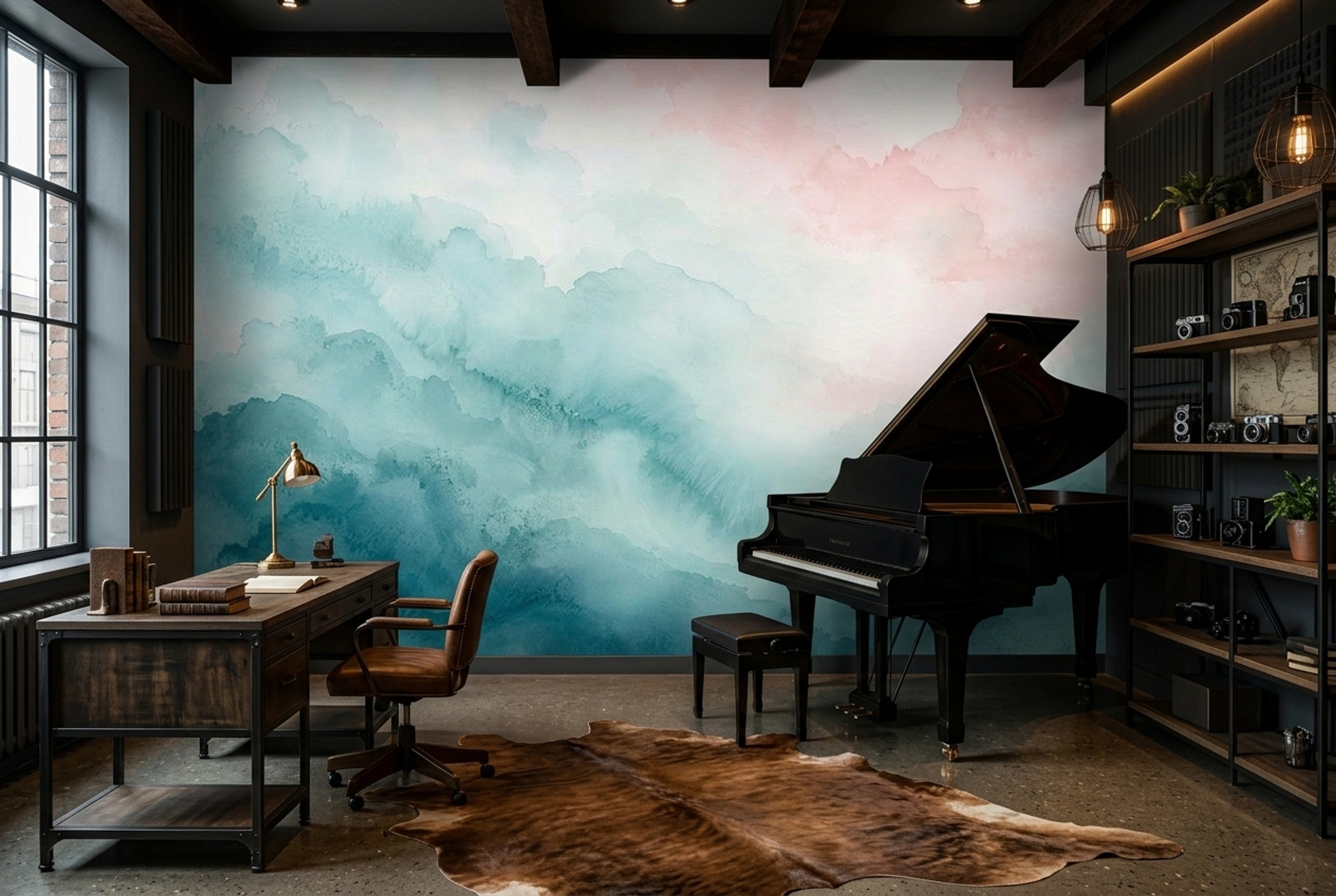
Turquoise Wall Murals stand apart because the color is never flat: you see teal washed with blue, aqua edged with gray, and in some designs a brushed effect that recalls hand painted wall murals or lightly weathered plaster. These patterns sit especially well with walnut dining chairs, a cream boucle bench, black metal sconces, and travertine tables, where the cooler pigment sharpens the furniture lines instead of fading behind them. If you want the same palette in a smaller repeat, the wallpaper version is available in Turquoise Wallpaper, and it pairs well with wallpaper murals styling in rooms that need a more contained pattern.
Turquoise Wall Murals In Bedrooms And Hallways: Exact Wall Placement
In a bedroom, Turquoise Wall Murals work most clearly on the headboard wall, where the blue-green undertones frame an ivory upholstered bed and smoked-oak nightstands without crowding the rest of the room. In a long entry, place Turquoise Wall Murals on the wall facing the front door so the color opens the sightline immediately; for narrower layouts, we often compare scale with Hallway Wall Murals to keep the composition proportional. These custom wall murals are available in custom sizes, install with a paste-the-wall method, and ship worldwide, making them a practical option for large wall murals, wall murals for home, and turquoise rooms wall murals that need a tailored fit rather than off-the-shelf wall paper murals.
-
wall mural
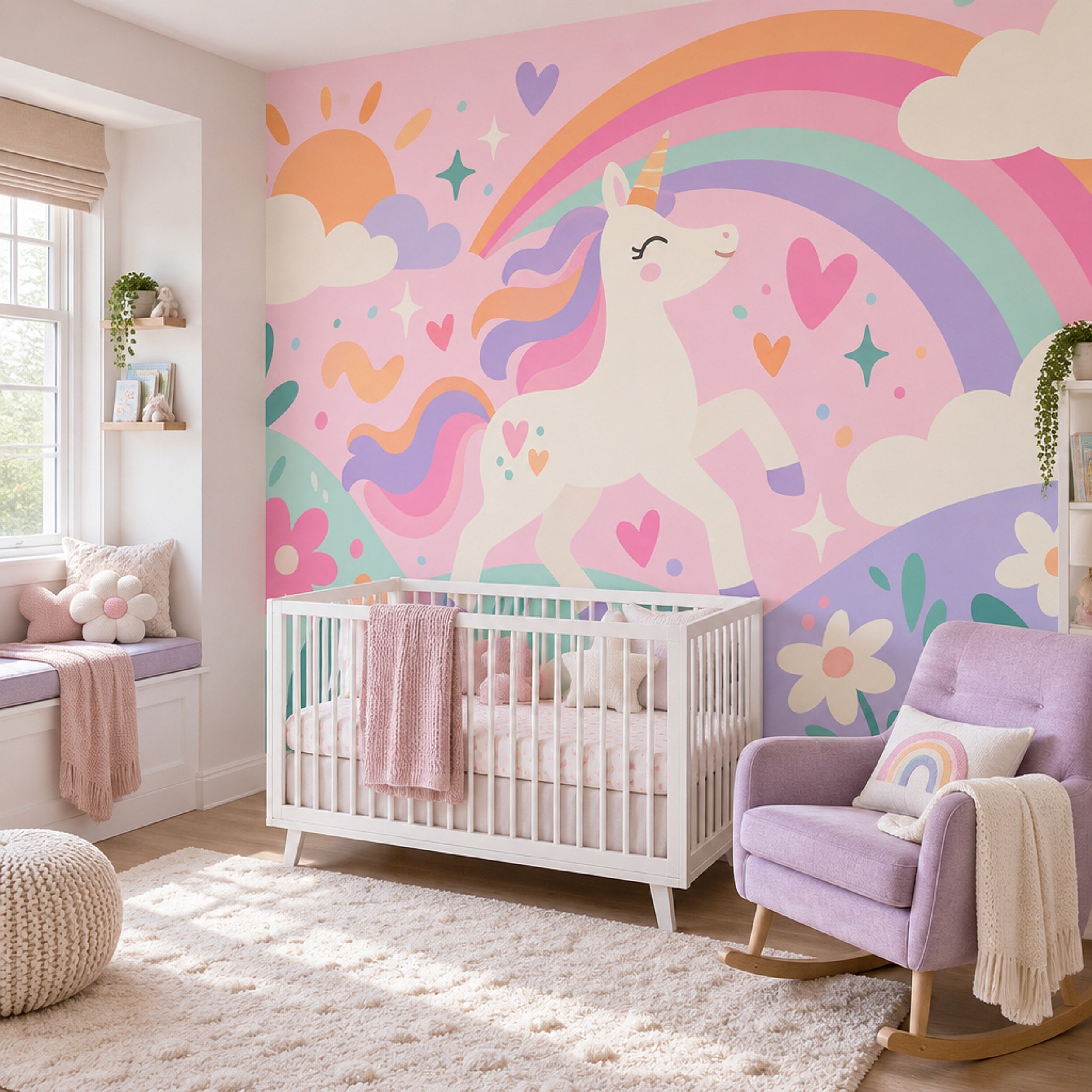
Pastel Unicorn
From $3.72 / sq ft -
wall mural
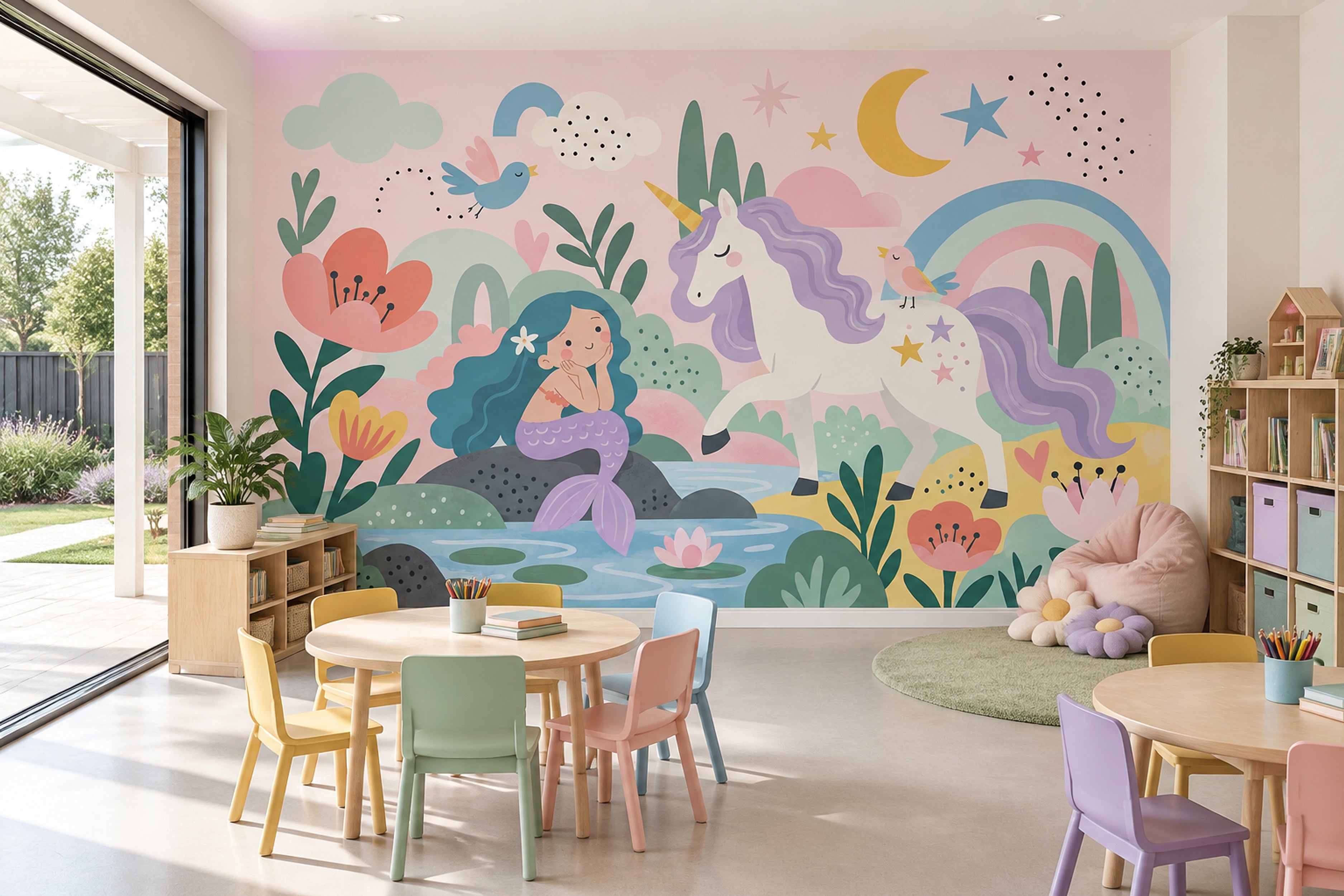
Unicorn Mermaid
From $3.72 / sq ft -
wall mural
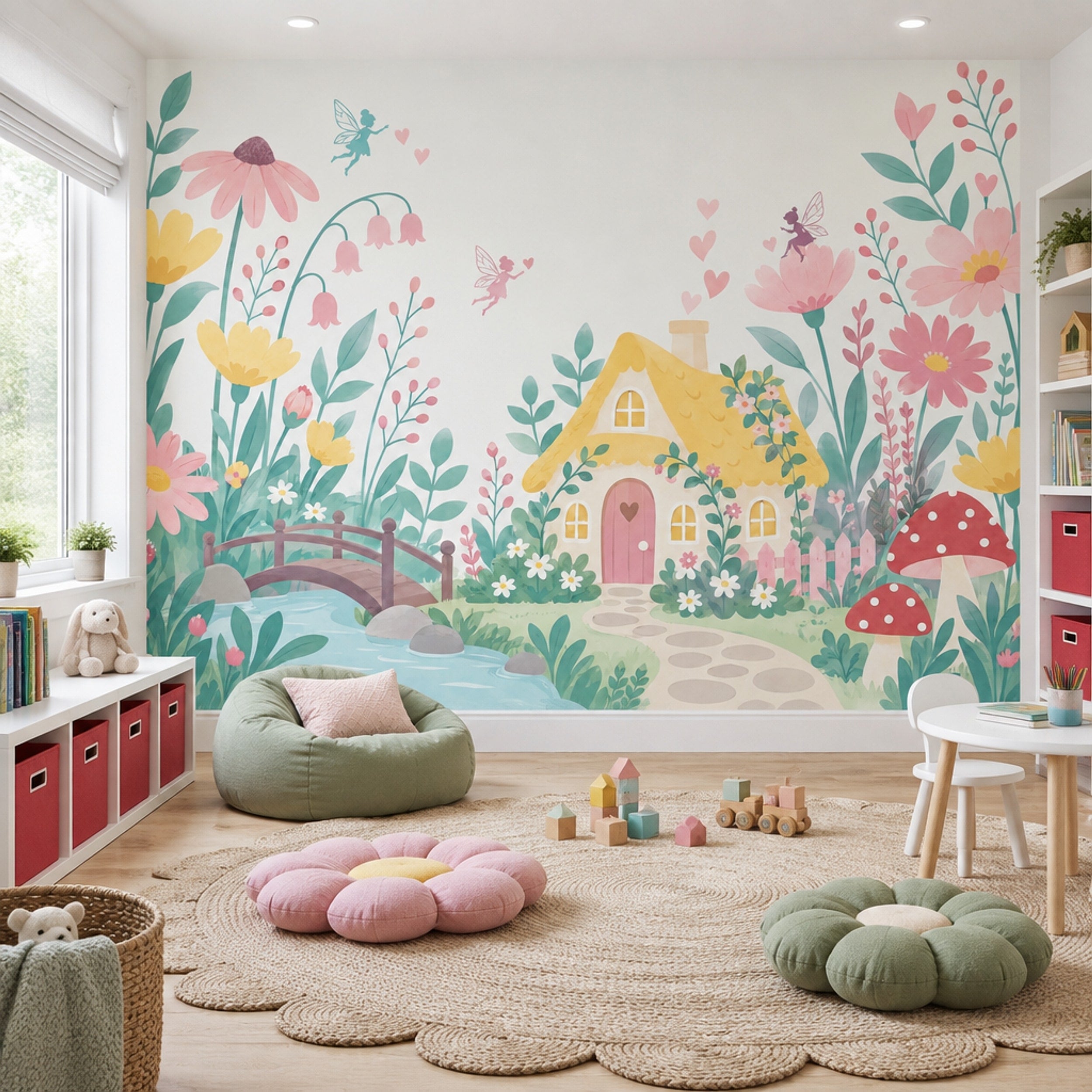
Fairy Garden
From $3.72 / sq ft -
wall mural
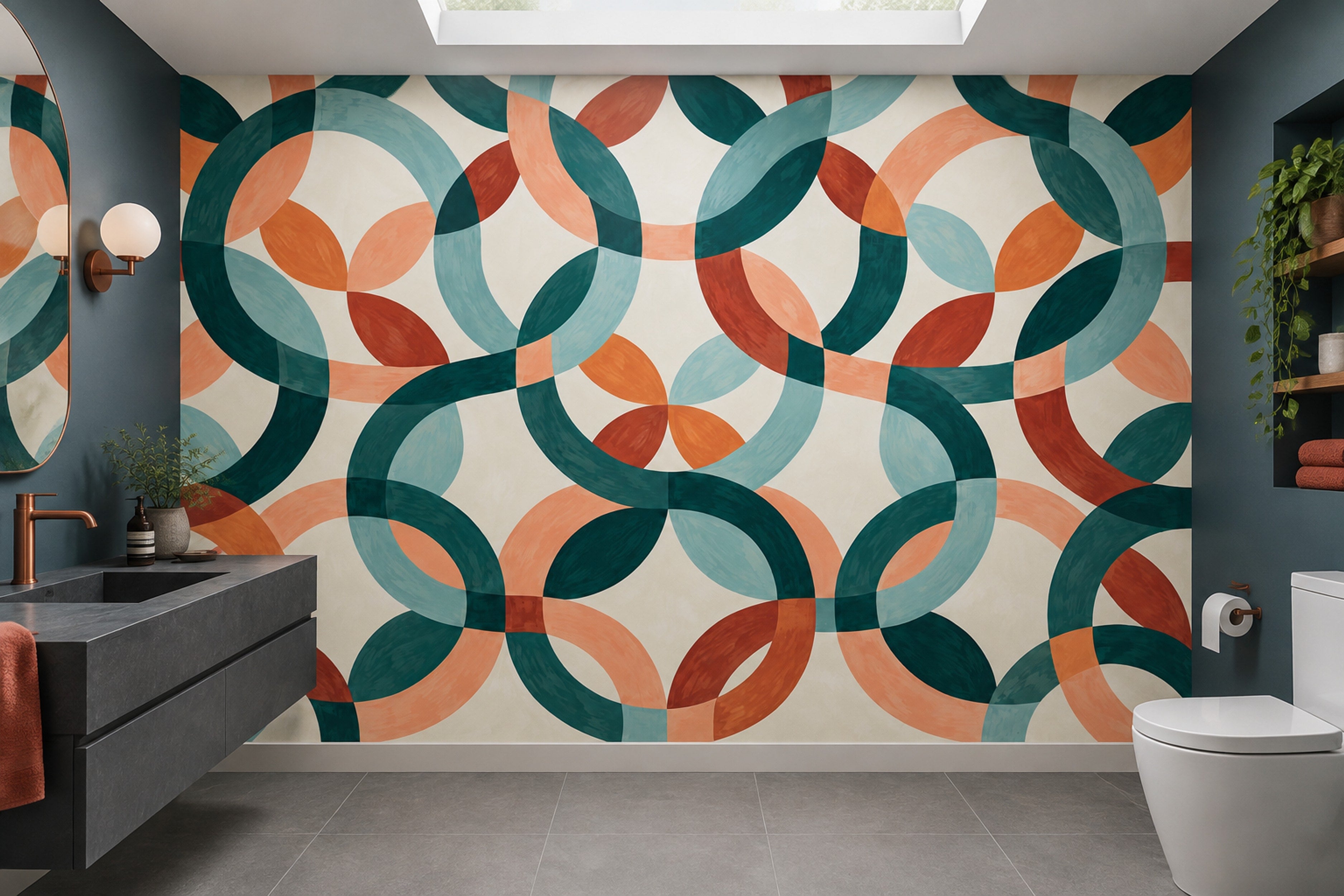
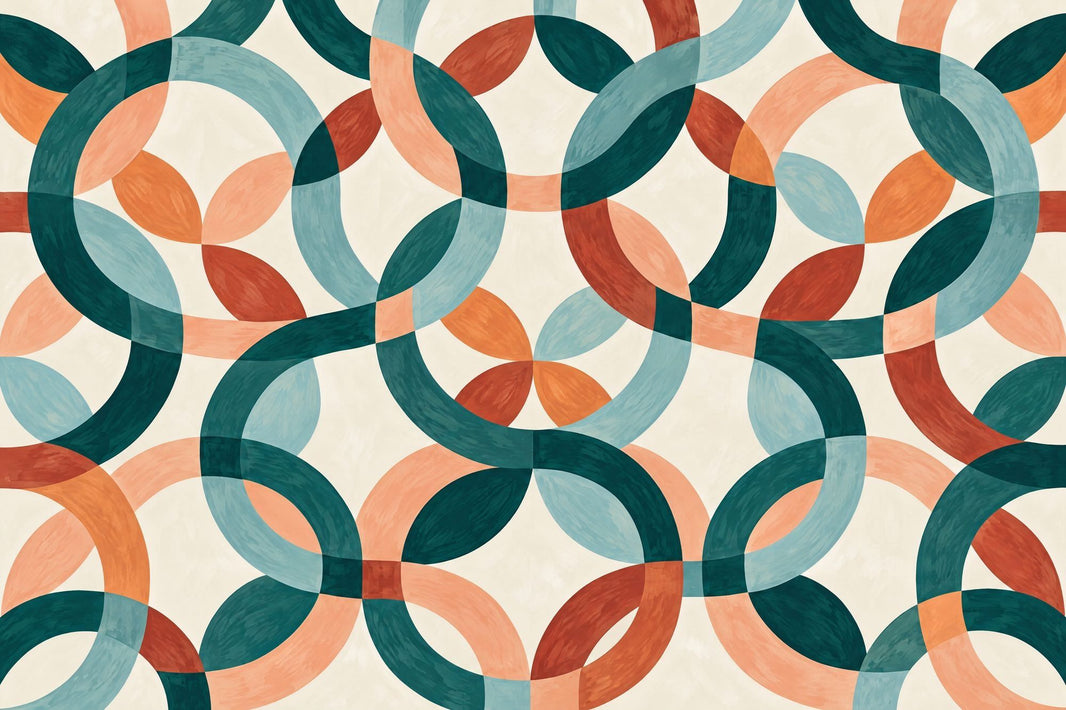
Interlocking Rings
From $3.72 / sq ft -
wall mural
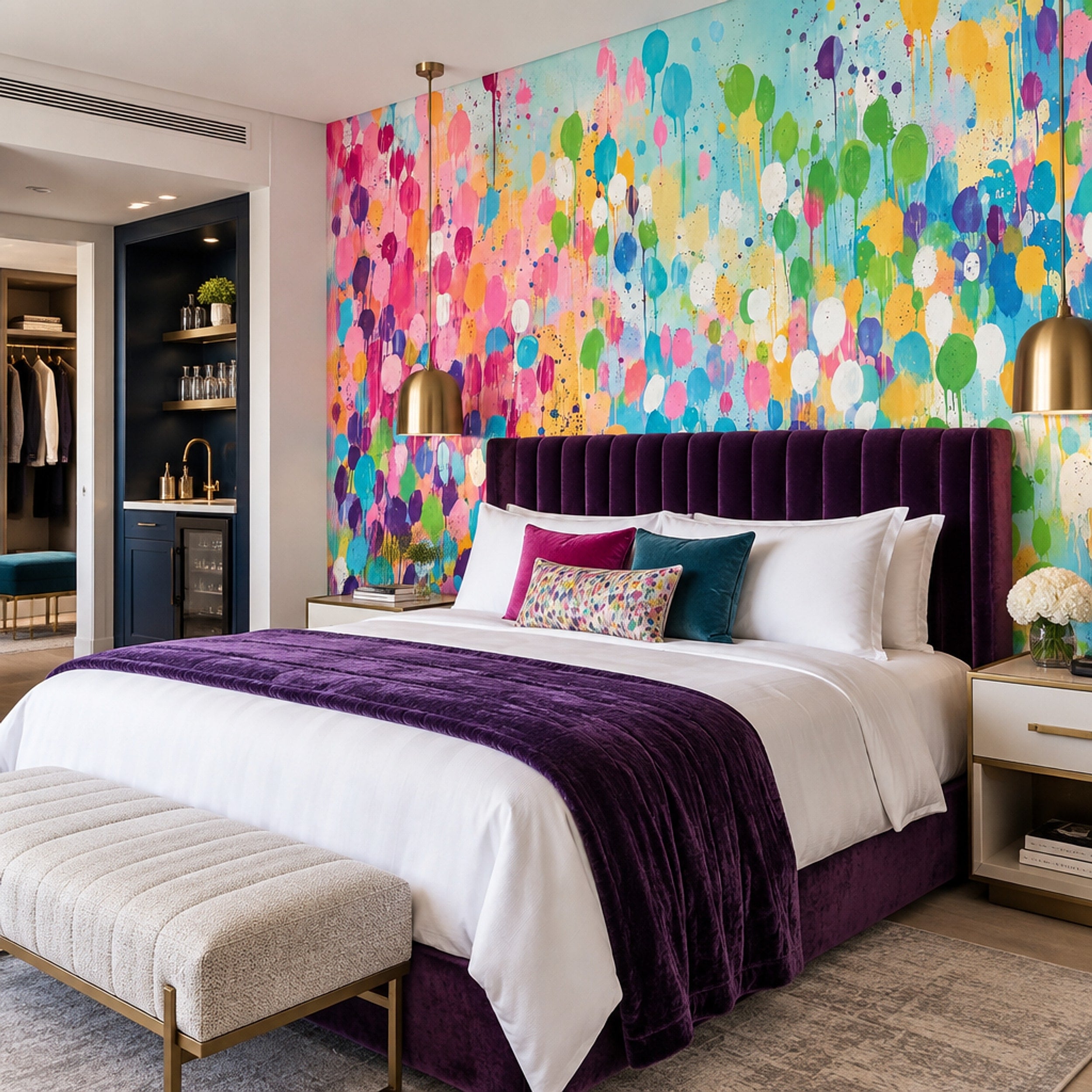
Abstract Paint
From $3.72 / sq ft -
wall mural
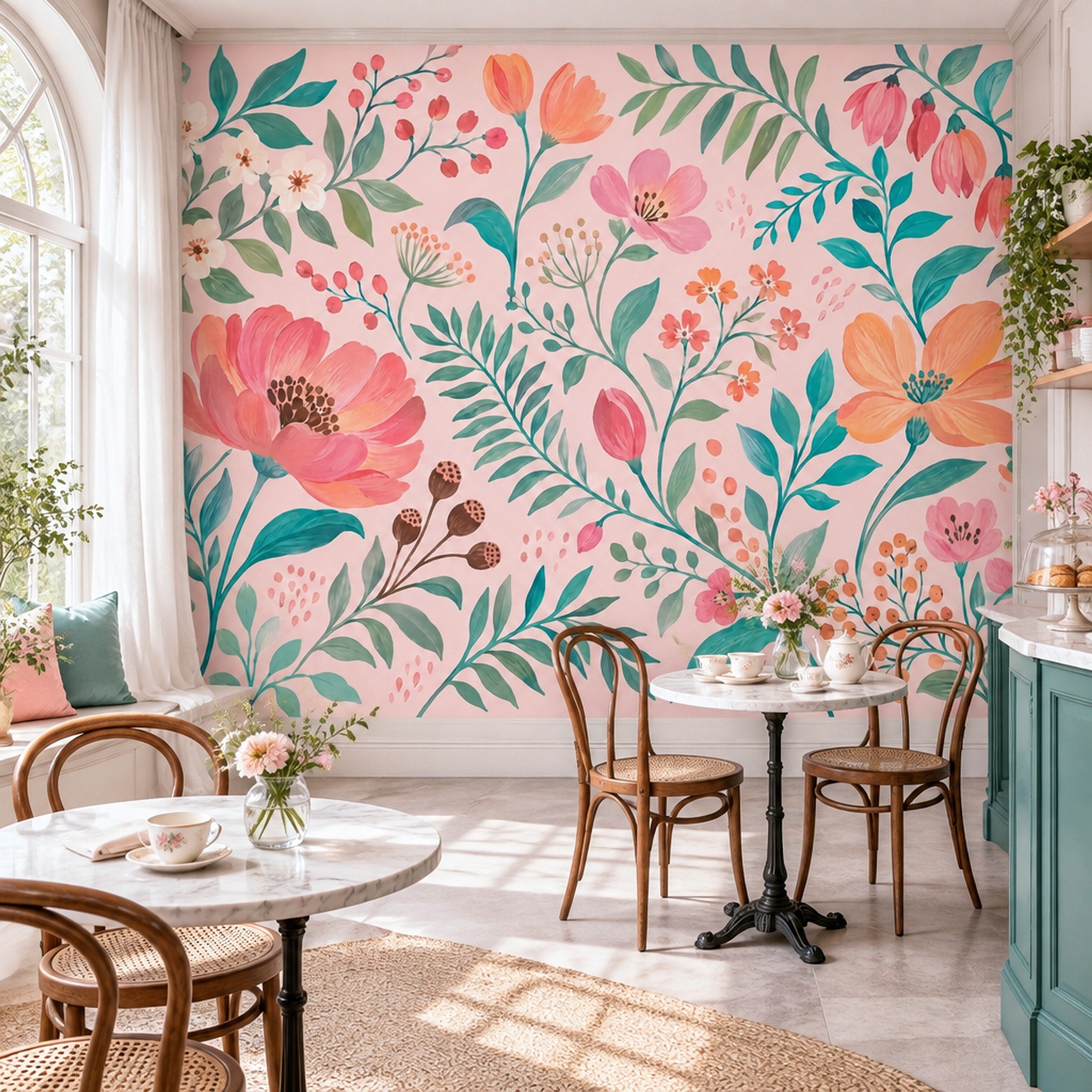
Watercolor Floral
From $3.72 / sq ft -
wall mural
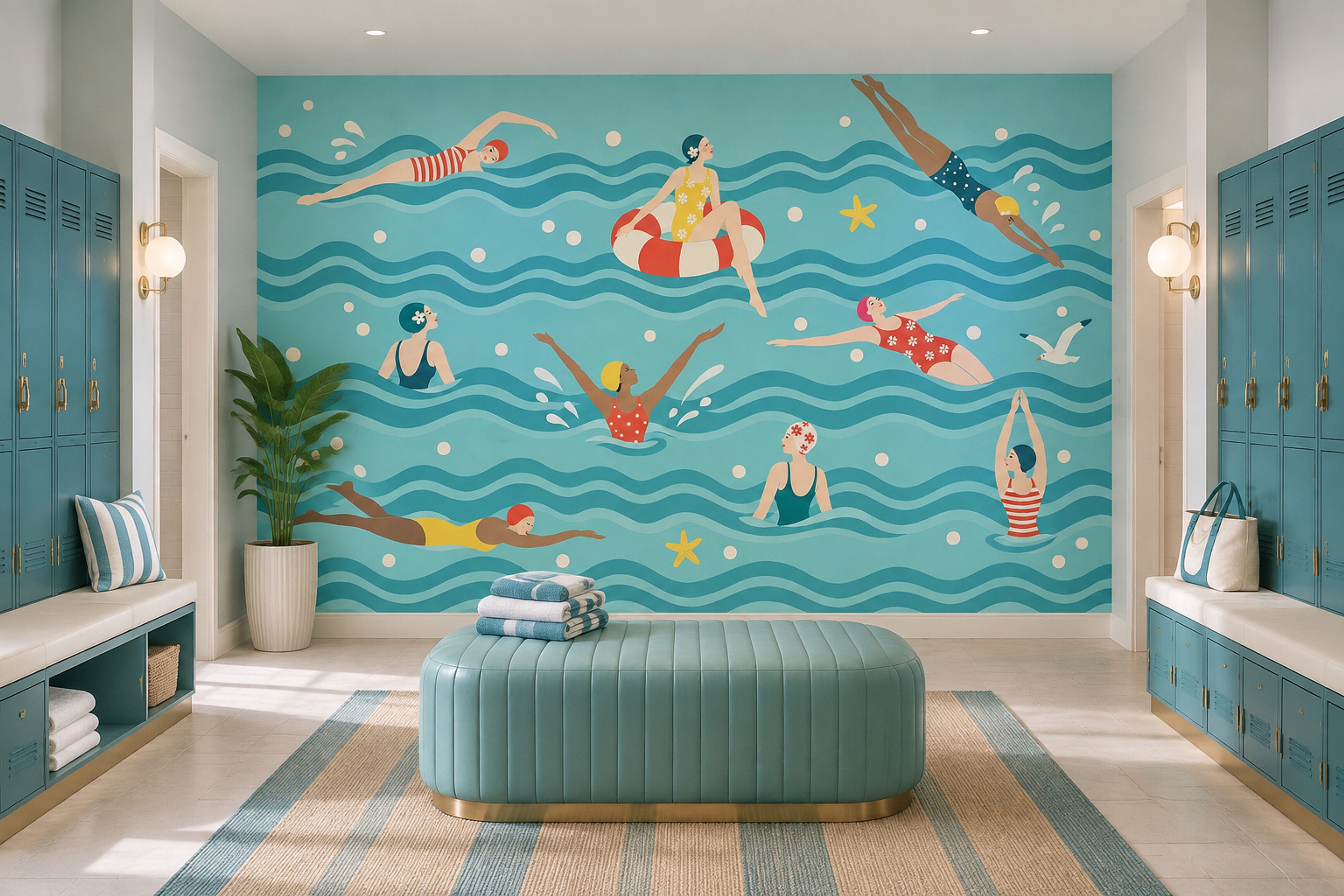
Retro Swimmers
From $3.72 / sq ft -
wall mural
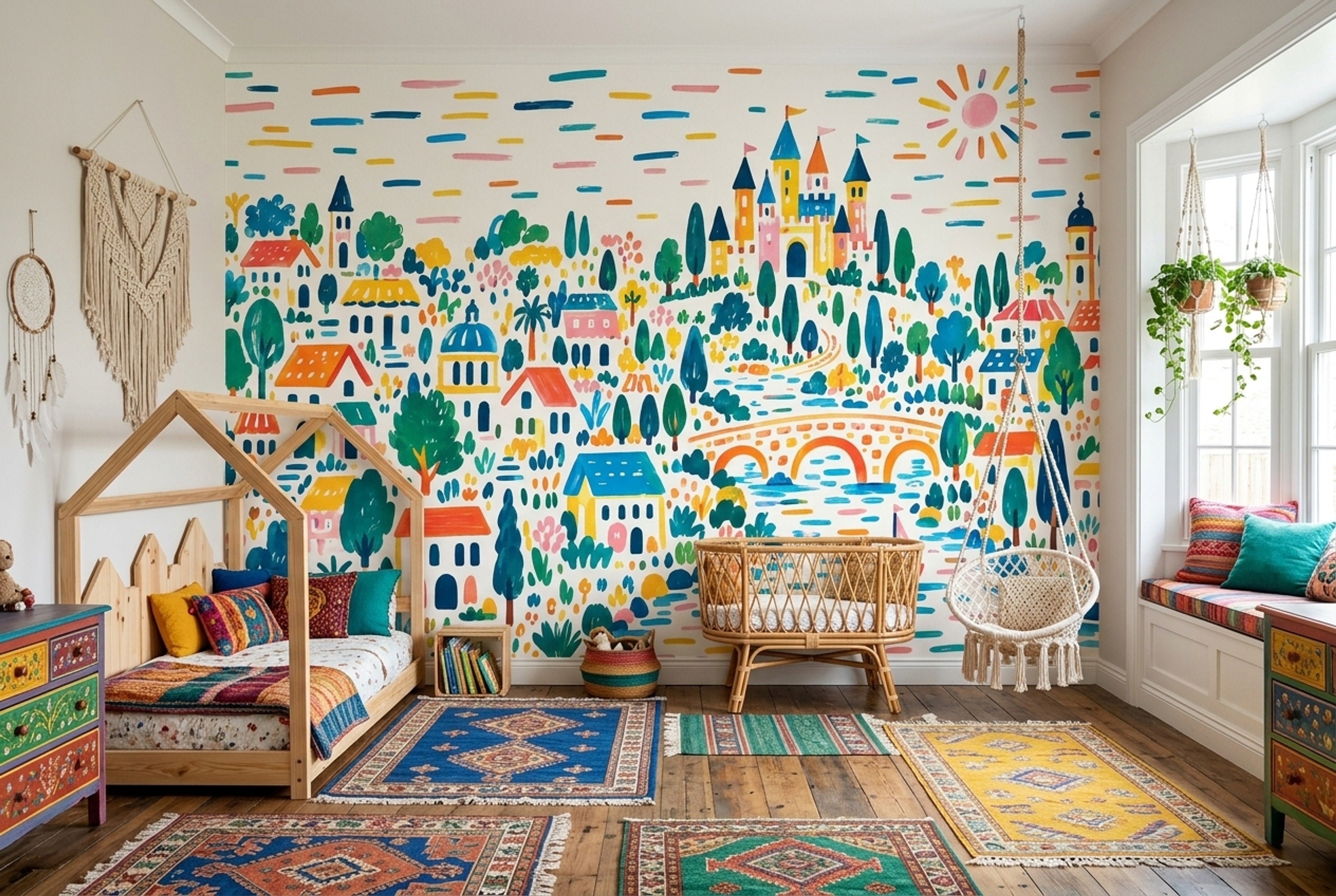
Fairytale Castle
From $3.72 / sq ft -
wall mural
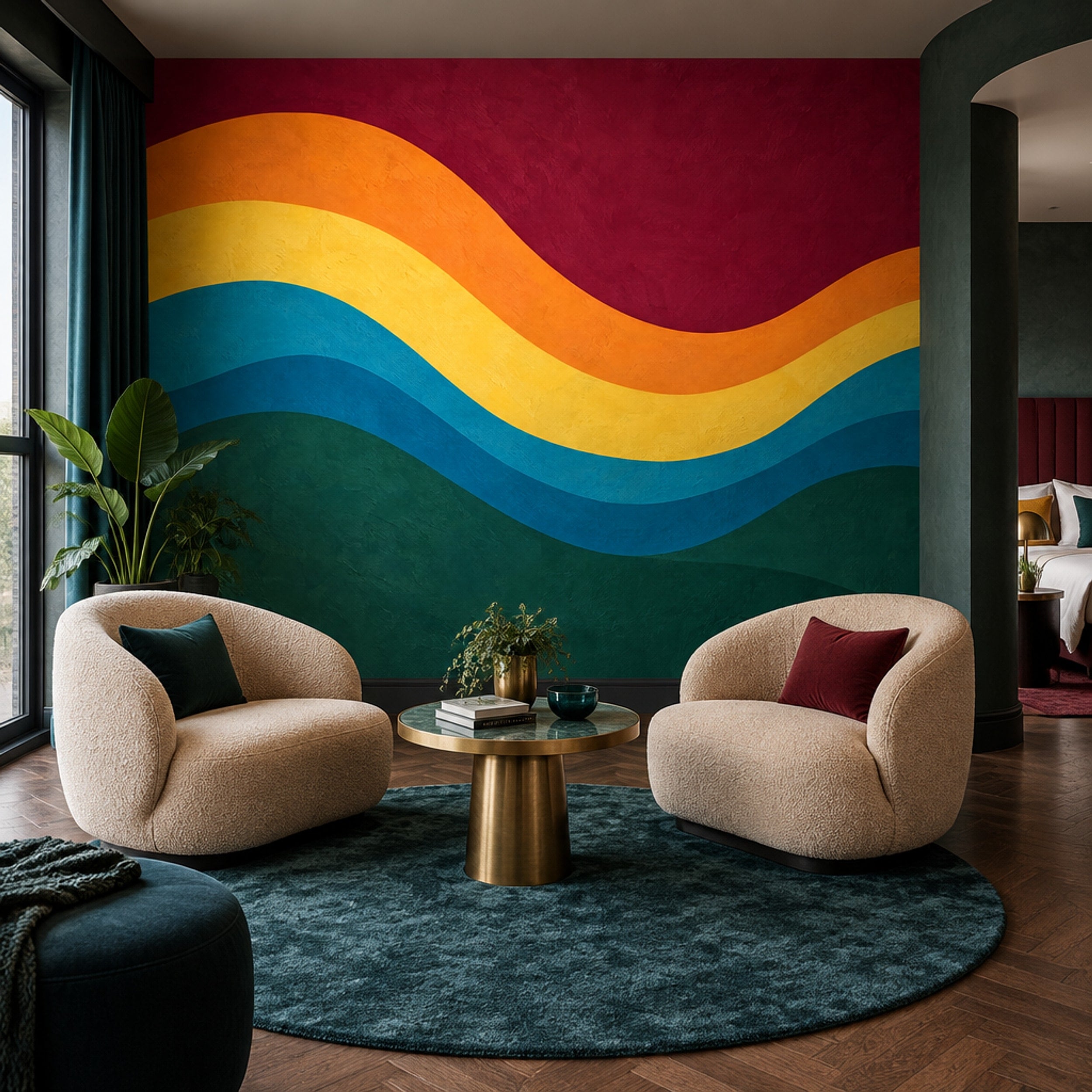
Abstract Color
From $3.72 / sq ft -
wall mural
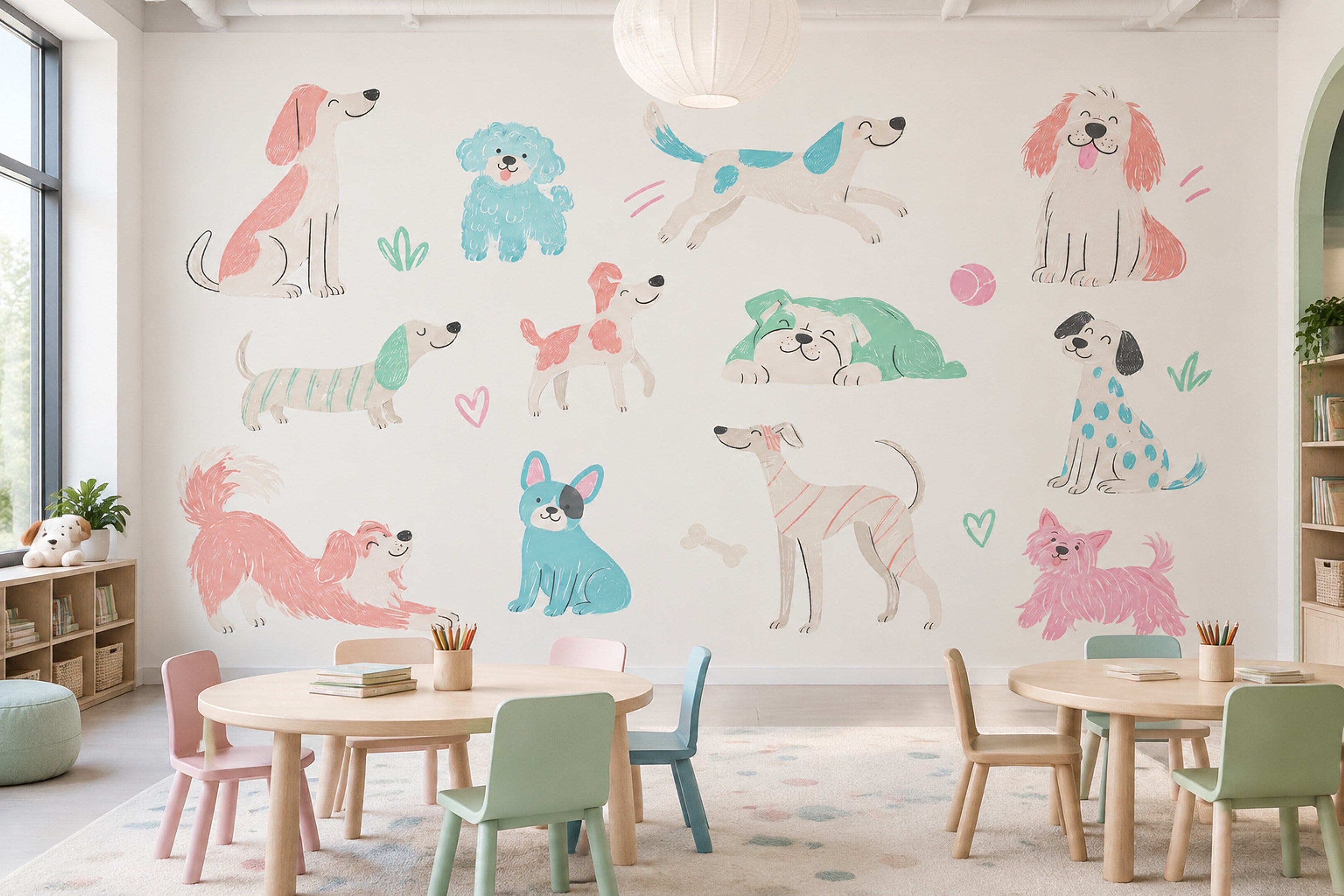
Playful Puppies
From $3.72 / sq ft -
wall mural
Pixel Art
From $3.72 / sq ft -
wall mural
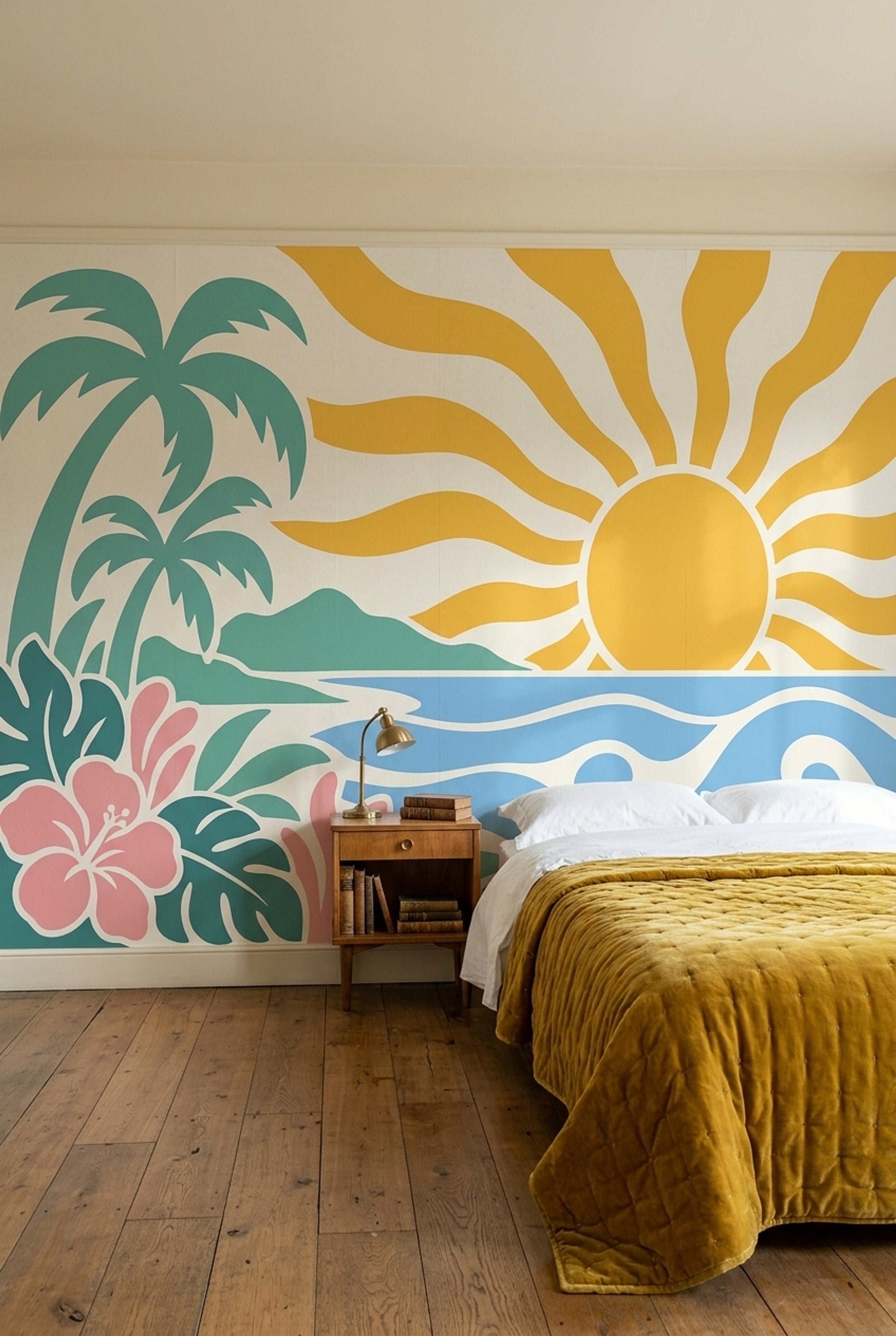
Tropical Beach
From $3.72 / sq ft -
wall mural
Abstract Watercolor
From $3.72 / sq ft -
wall mural
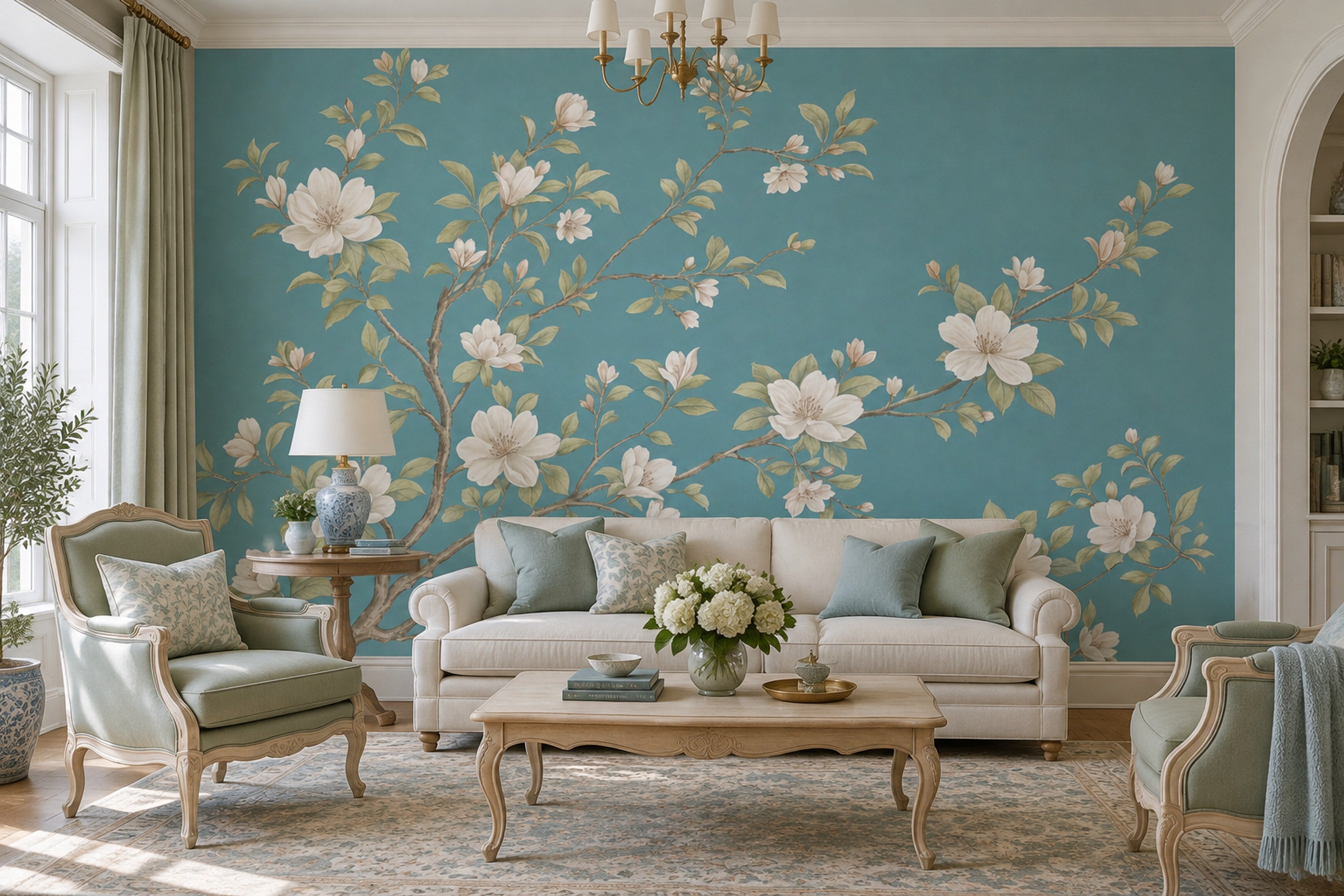
White Blossoms
From $3.72 / sq ft -
wall mural
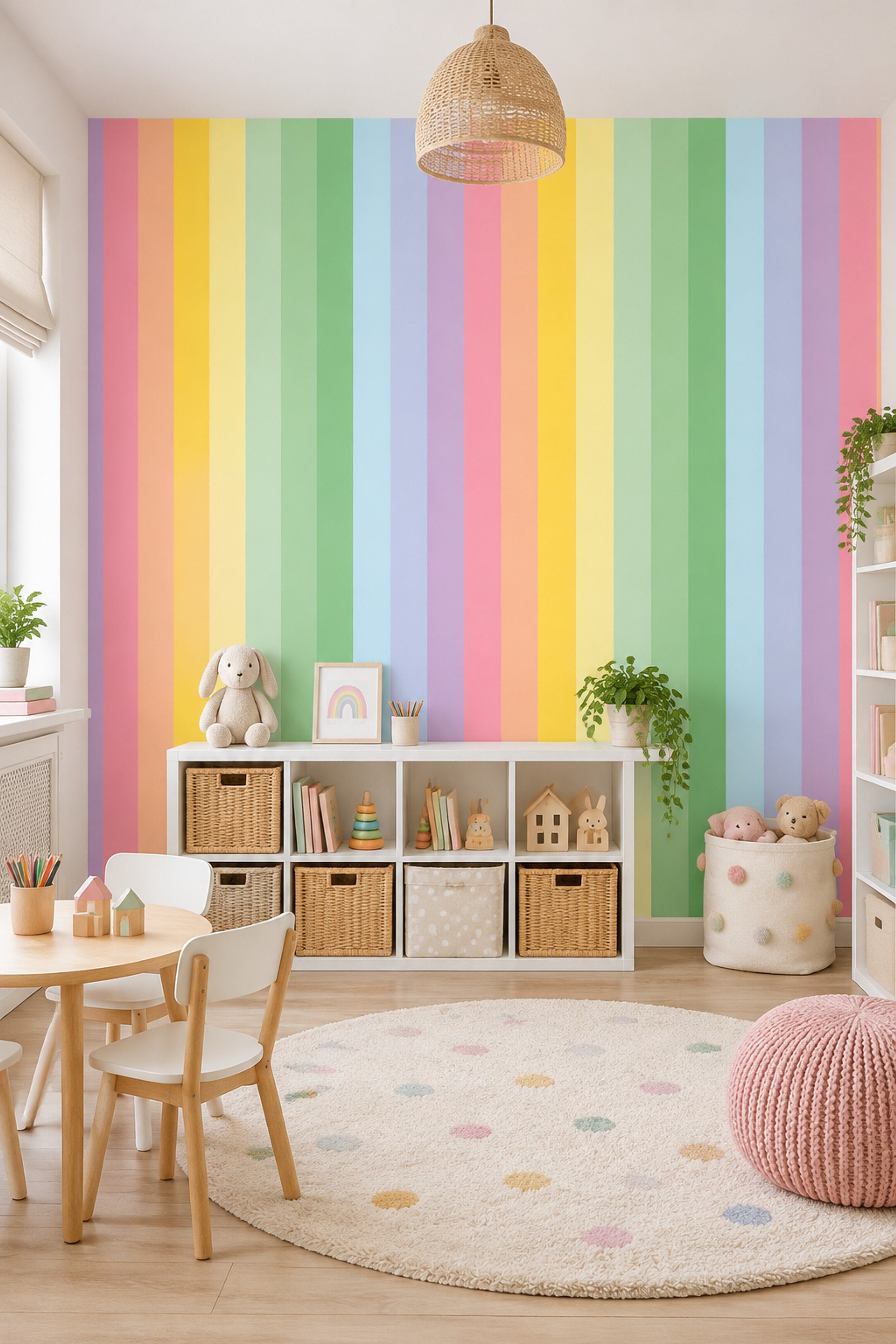
Pastel Vertical
From $3.72 / sq ft -
wall mural
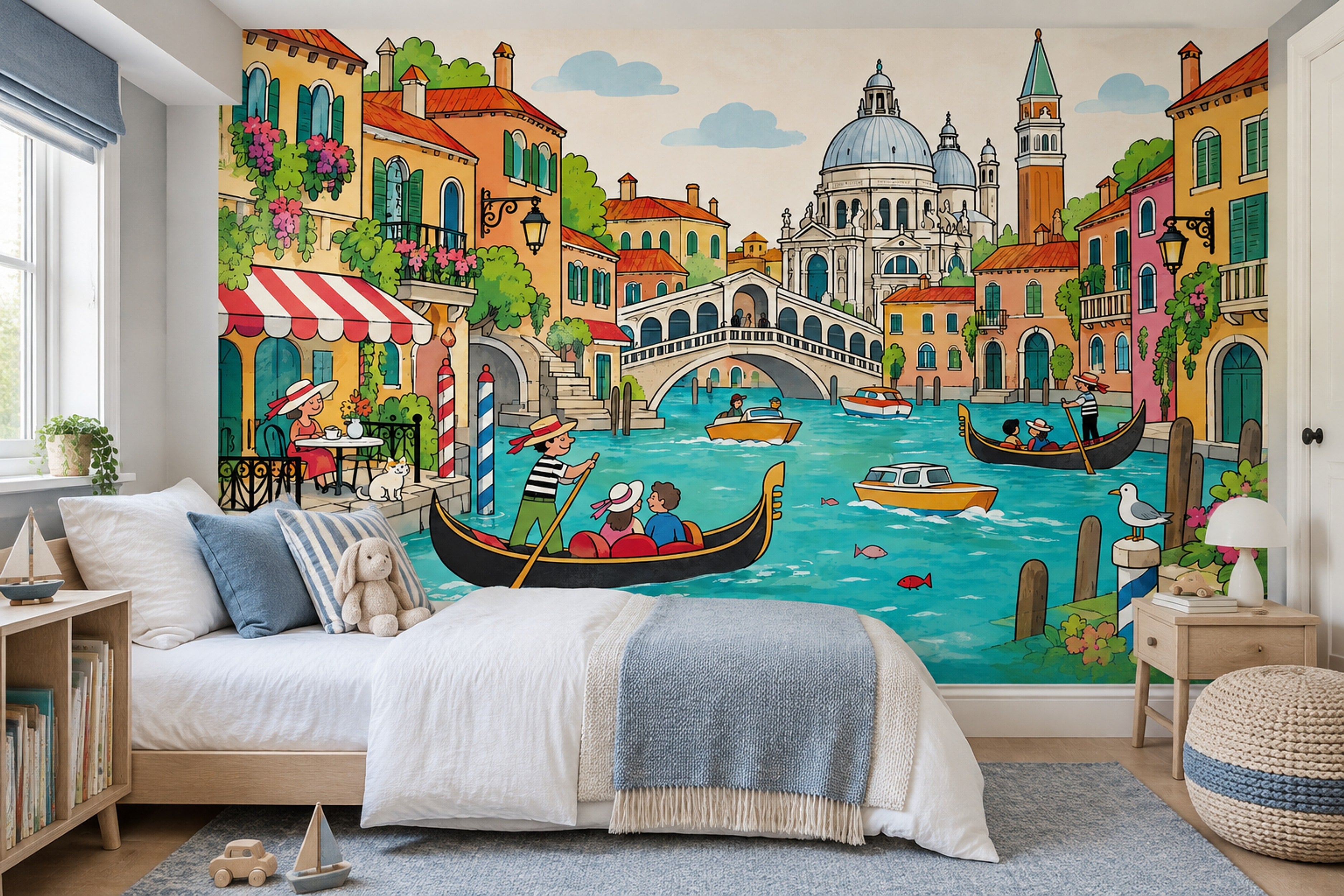
Venice Canal
From $3.72 / sq ft -
wall mural
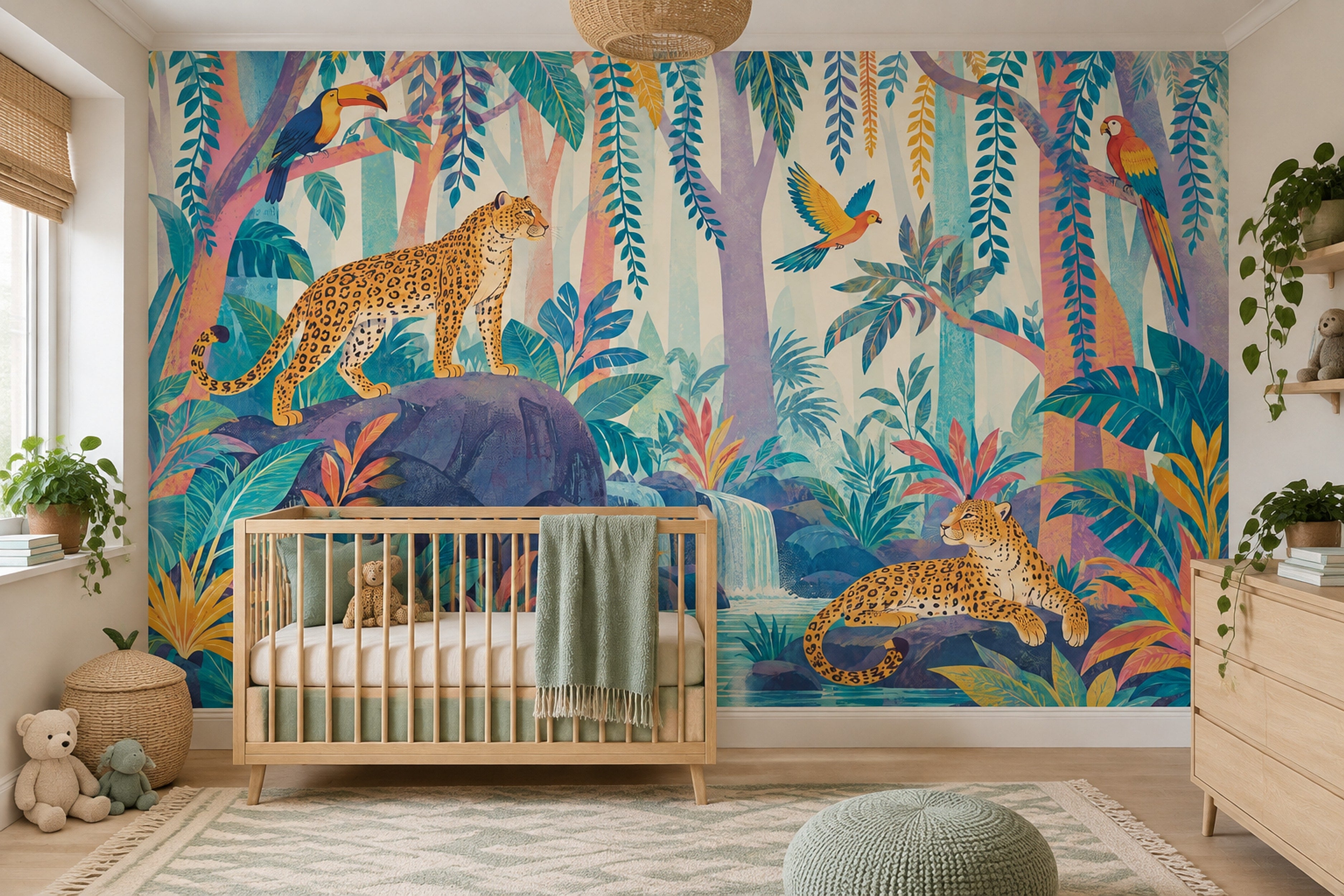
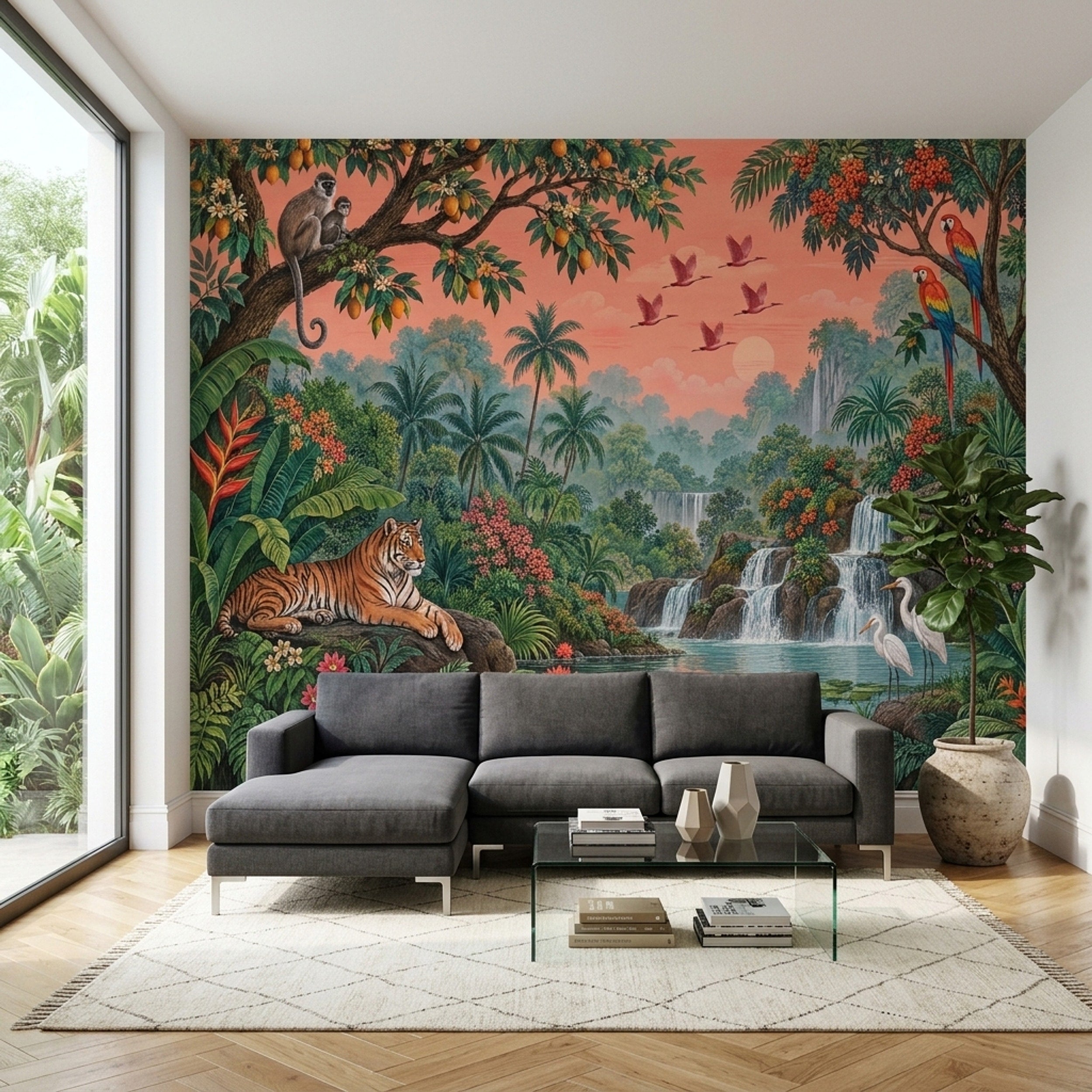
Tropical Jungle
From $3.72 / sq ft -
wall mural
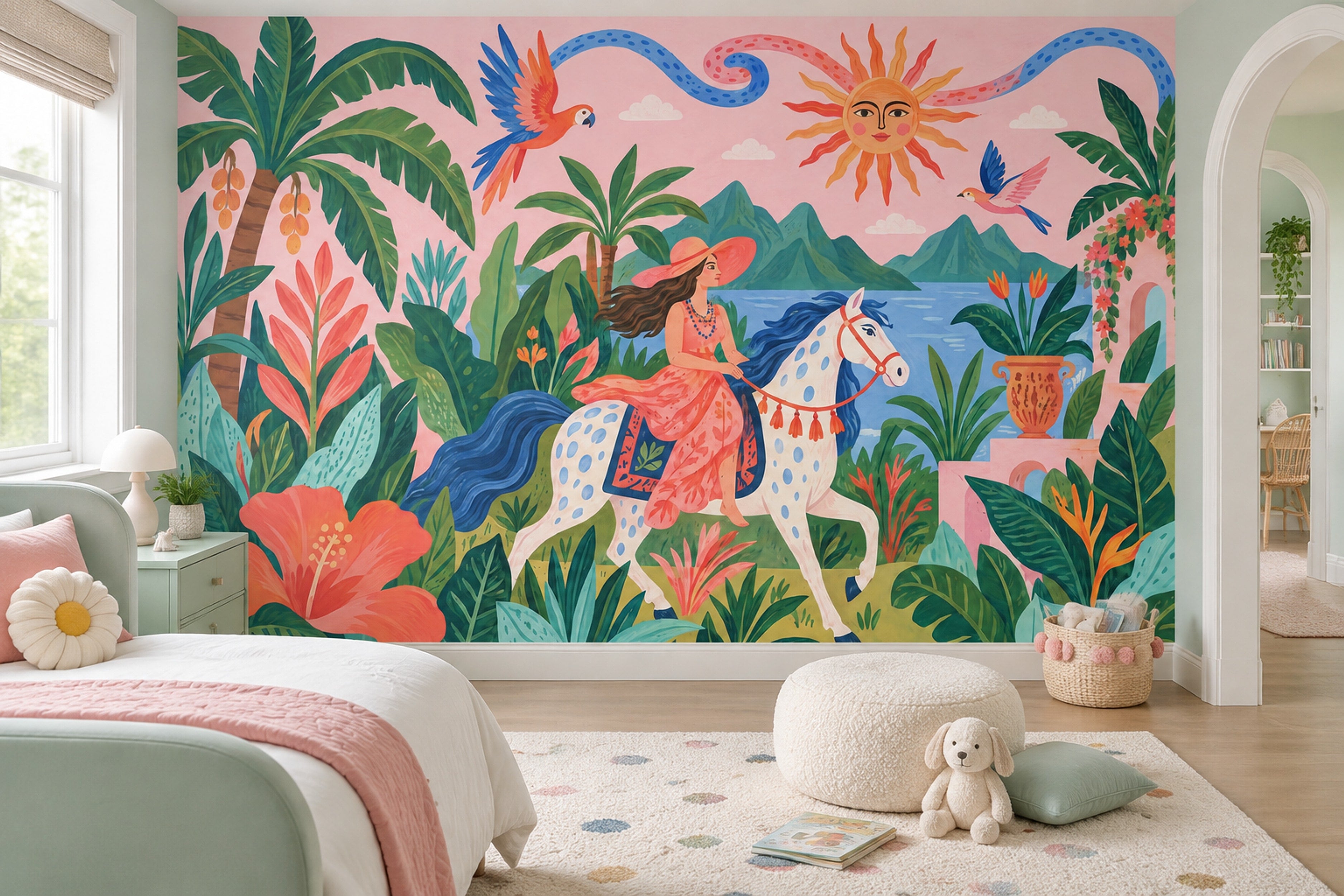
Woman On
From $3.72 / sq ft -
wall mural
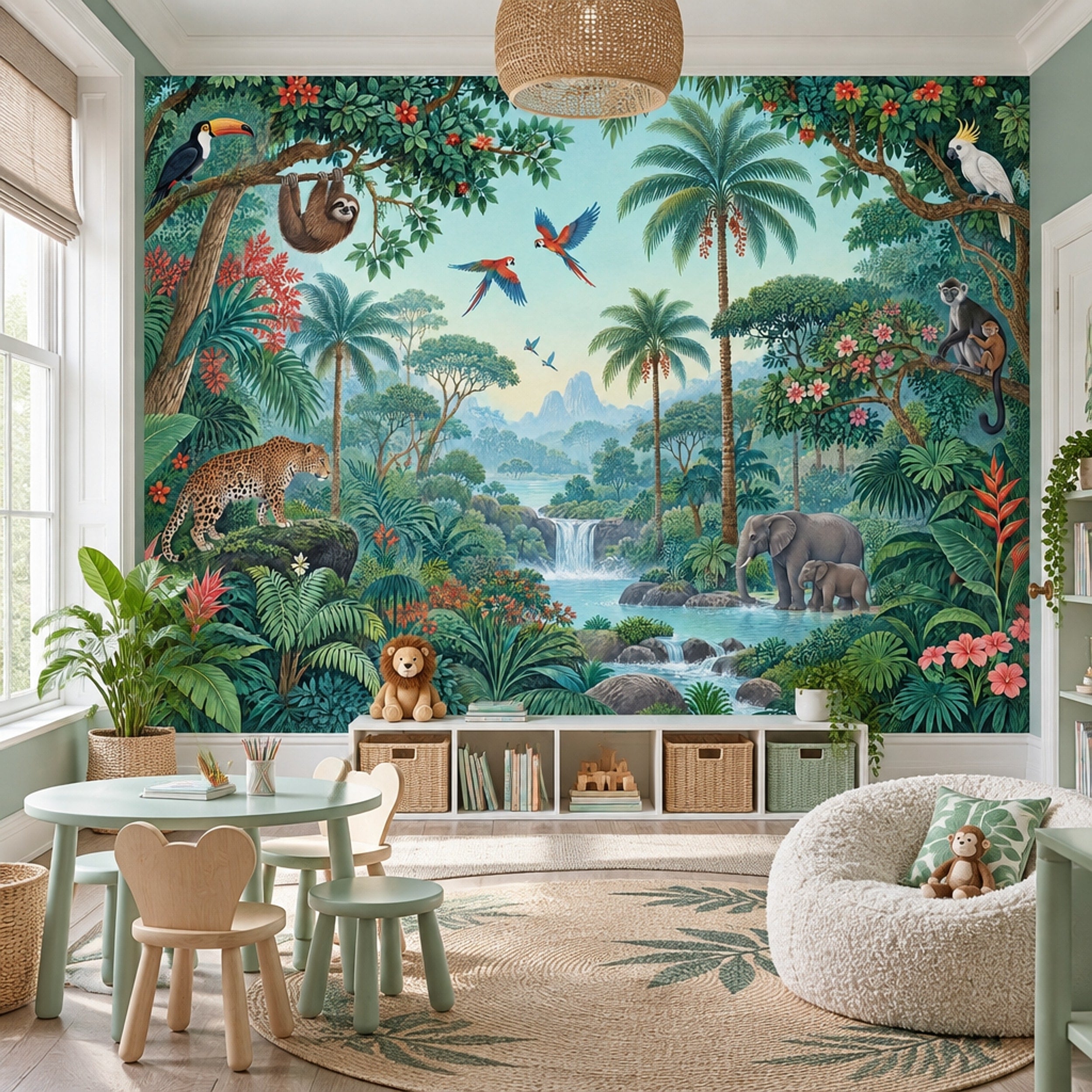
Tropical Jungle
From $3.72 / sq ft -
wall mural
Tropical Jungle
From $3.72 / sq ft -
wall mural
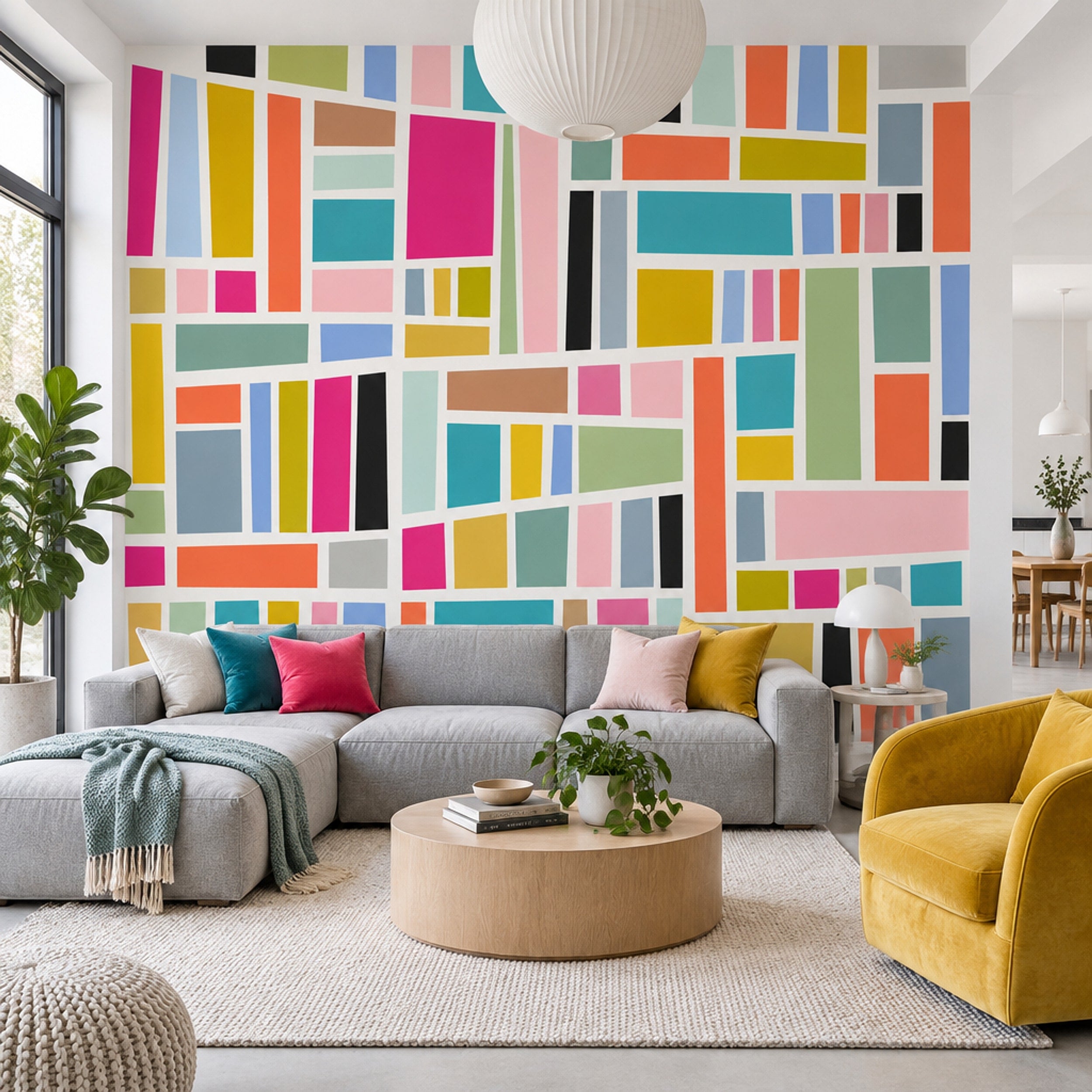
Color Block
From $3.72 / sq ft -
wall mural
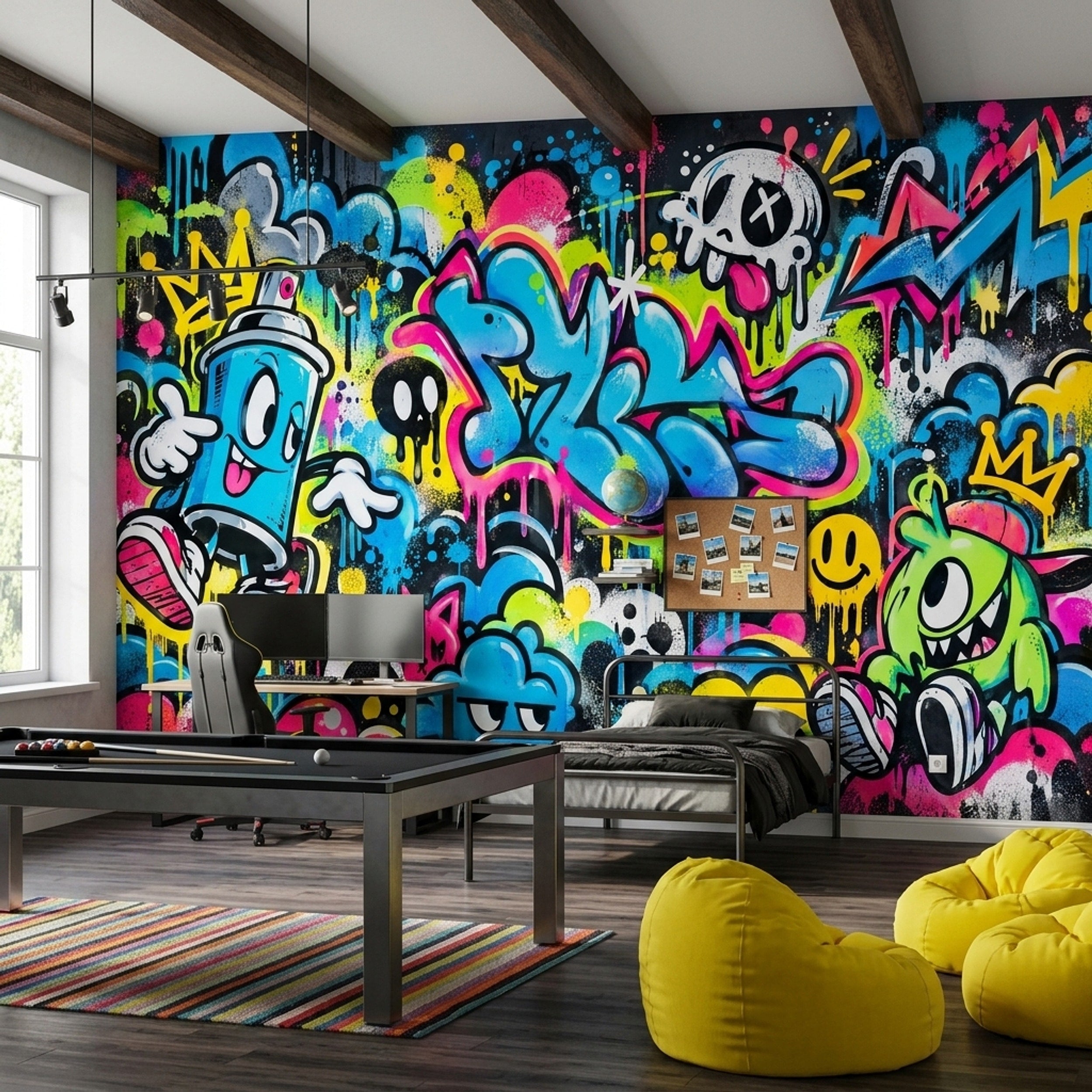
Neon Graffiti
From $3.72 / sq ft -
wall mural
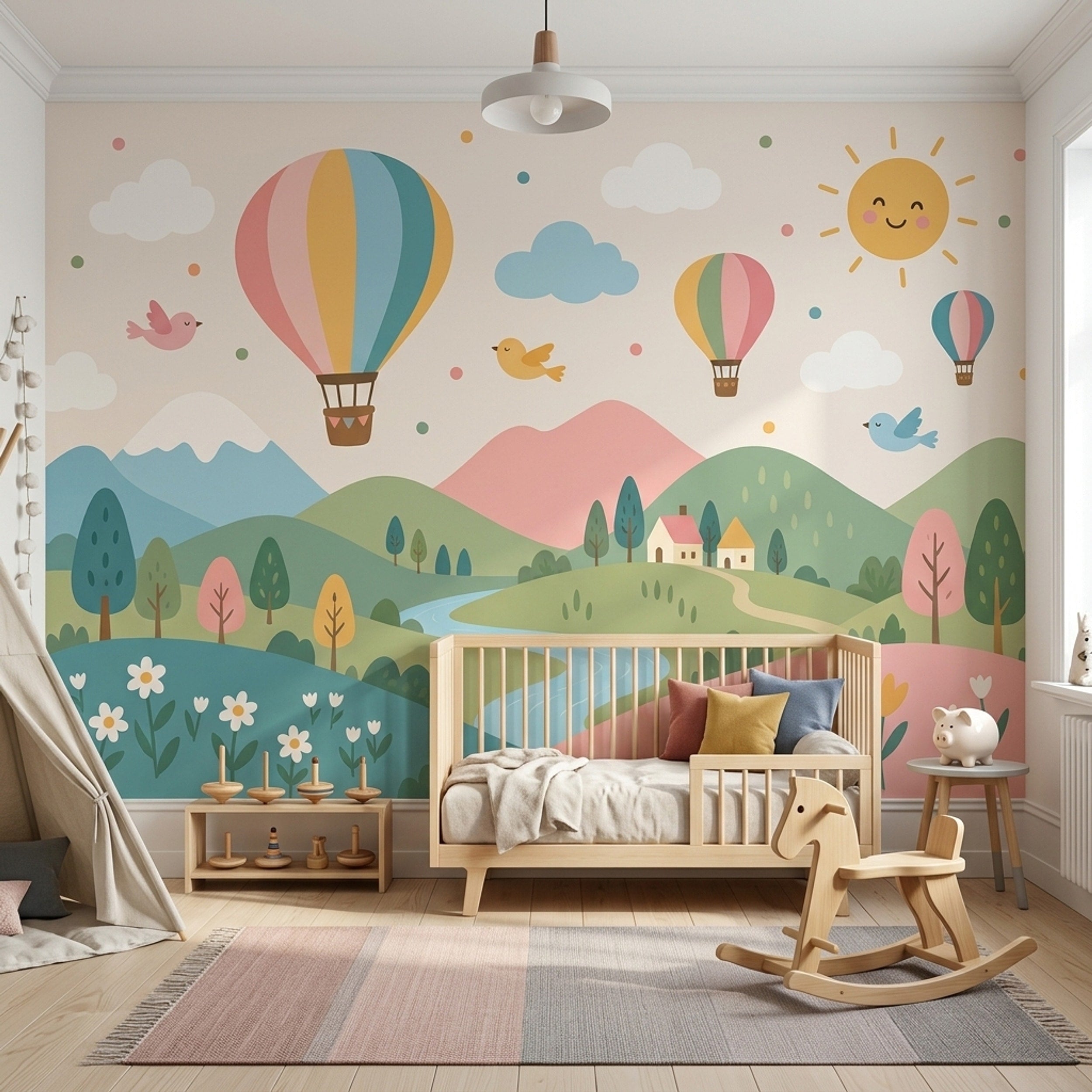
Hot Air
From $3.72 / sq ft -
wall mural
Color Block
From $3.72 / sq ft












































72 / 217
Load more


— NEED HELP?
Frequently asked questions.
Can't find what you're looking for? Our team replies within 4 working hours, Mon–Fri.
01 Within Turquoise Wall Murals, how do pale seafoam turquoise, true turquoise, and deep teal read differently on the wall?
Pale seafoam turquoise feels airy and makes a small room look wider, especially on a single accent wall. True turquoise is brighter and more energetic, so it works well behind a sofa or bed where you want a clear focal point. Deep teal (a darker turquoise-leaning shade) adds depth and reads moodier, so it’s best when you have good natural light or lighter flooring to keep the room from feeling heavy.
02 What accent colors look best with Turquoise Wall Murals—especially for aquatic themes like fish and aquarium wall murals?
For a classic coastal mix, pair Turquoise Wall Murals with crisp white, sand beige, and driftwood gray to keep the turquoise clean and fresh. If you’re choosing aquarium wall murals or other aquatic wall murals, add coral, terracotta, or soft peach in pillows and art to balance the cool water tones. For a bolder look, use navy and brass accents—navy deepens the turquoise wall mural while brass adds warmth without fighting the blue-green.
03 How does custom sizing work for Turquoise Wall Murals, and what measurements should I provide for an exact fit?
For Turquoise Wall Murals, measure the full wall width and height in inches (or cm), then add 2–4 inches of extra bleed to account for slightly out-of-square walls. Note any obstacles—like a window trim line, a sloped ceiling, or a centered headboard—so the key part of the design (like a reef or wave line) lands where you want it. If you’re ordering an aquarium wall mural 6 feet by 5 feet, provide those exact dimensions and tell us whether the “horizon” or main fish cluster should sit at eye level.
04 Which rooms suit Turquoise Wall Murals best, and where should I place them (accent wall, full room, or ceiling)?
Bathrooms and powder rooms love Turquoise Wall Murals because turquoise reads clean and water-adjacent—try the wall behind the vanity mirror for maximum impact. In bedrooms, place a turquoise wall mural behind the headboard to keep the color contained and restful, especially in small-to-medium rooms. In kids’ rooms or playrooms, aquarium wall murals on the longest wall work well, and a ceiling application can mimic an “underwater” feel if the pattern is light and not too high-contrast.
05 What furniture materials and finishes pair well with Turquoise Wall Murals without making the room feel overly bright?
Turquoise Wall Murals pair especially well with light oak, whitewashed wood, and cane or rattan pieces because those textures soften the blue-green. For a sharper, modern look, combine a turquoise wall mural with matte black metal (bed frame or shelving) and warm walnut to keep the palette grounded. Textiles like ivory linen curtains, oatmeal boucle chairs, and jute rugs keep turquoise rooms wall murals from feeling too “icy,” while brushed brass hardware adds warmth.
06 Should I use Turquoise Wall Murals on one accent wall or all walls, and how does room size and pattern scale affect the choice?
In a smaller room (roughly 10'×12' or less), one accent wall is usually enough—especially with bold aquatic wall murals that have high contrast or large fish. In larger spaces, wrapping two walls can work if the design is softer (watercolor seafoam, subtle texture, or a fine-scale pattern) and the remaining surfaces stay light. If you’re using peel and stick wall murals aquarium or under water designs, keep the busiest section centered on the main viewing wall so the room doesn’t feel visually crowded.