

A dining room is the most suitable setting for Coral Wall Murals, because the warm pink-orange base brings depth to oak dining tables, cream upholstered chai...
Coral Wall Murals
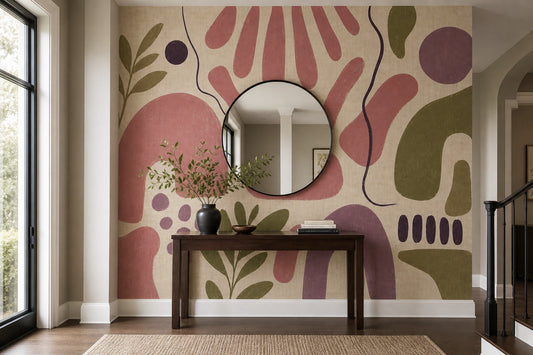
A dining room is the most suitable setting for Coral Wall Murals, because the warm pink-orange base brings depth to oak dining tables, cream upholstered chairs, and matte black lighting without making the space feel sugary. Coral Wall Murals sit especially well on the main wall behind a rectangular sideboard, where terracotta ceramics, sand-colored linen runners, and smoked glass pendants can pull out the mural's reef-inspired tones. In homes already styled with Dining Room Wall Murals, Coral Wall Murals give that same decorative scale with a more organic, coastal pattern that feels grounded rather than themed.
How Coral Wall Murals Balance Peach Undertones and Reef Texture
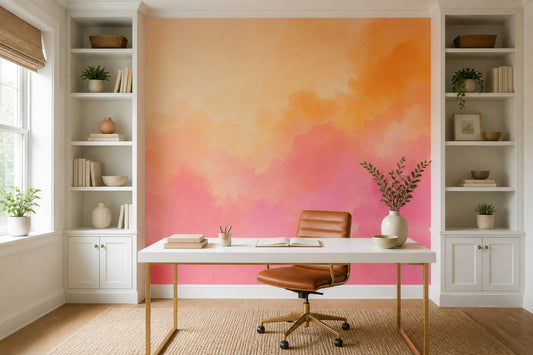
Coral Wall Murals stand out through a mix of peach, salmon, and muted clay undertones, often layered with branching reef forms, chalky mineral texture, and soft linework that reads almost like hand painted wall murals from a distance. Coral Wall Murals pair particularly well with a walnut console, ivory boucle dining chairs, and brushed brass candleholders, because those finishes sharpen the warmer notes instead of flattening them. If you want the same palette in a smaller repeat, the wallpaper version is available in Coral Wallpaper, which suits clients comparing wallpaper murals and wall murals wallpaper for paneling, alcoves, or lower-traffic walls.
Where Coral Wall Murals Sit Best in Living Room Layouts
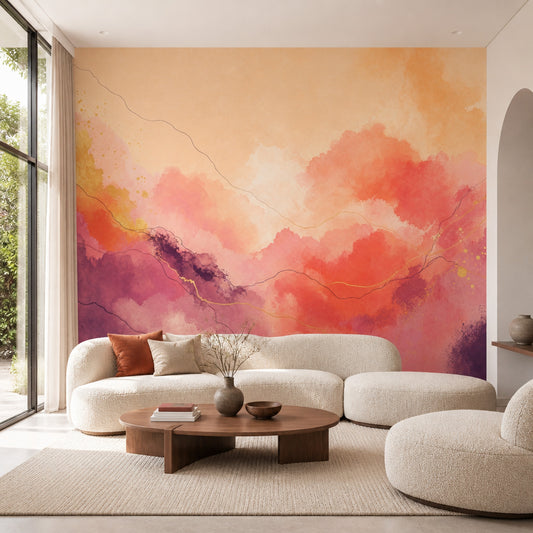
In a living room, Coral Wall Murals work most effectively on the wall behind a low-profile sofa or on the full chimney breast wall beside built-in shelves, where the branching pattern can frame cream seating, a travertine coffee table, and rust velvet cushions with clear structure. For spaces planned around Living Room Wall Murals, Coral Wall Murals offer a warmer alternative to blue coastal wall and murals, especially in rooms that get afternoon sun and need color that stays rich under evening lamps. We offer custom wall murals in made-to-measure sizes, paste-the-wall installation for a cleaner fit than wall murals peel and stick in many larger spaces, and worldwide shipping for clients sourcing large wall murals and wall murals for home projects across different layouts.
-
wall mural
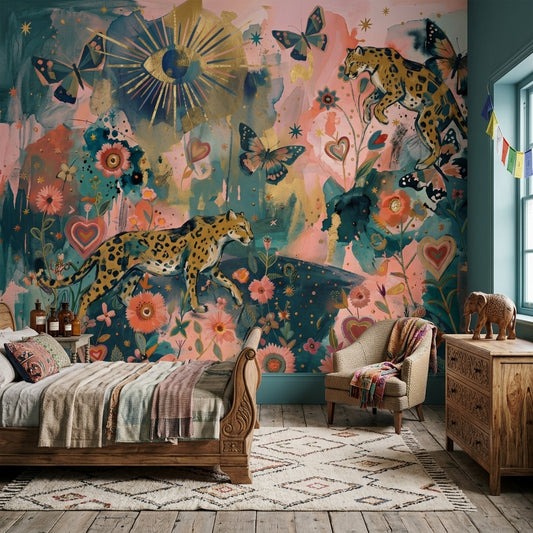
Leopard Wallpaper Bright
$3.72 / sq ft -
wall mural
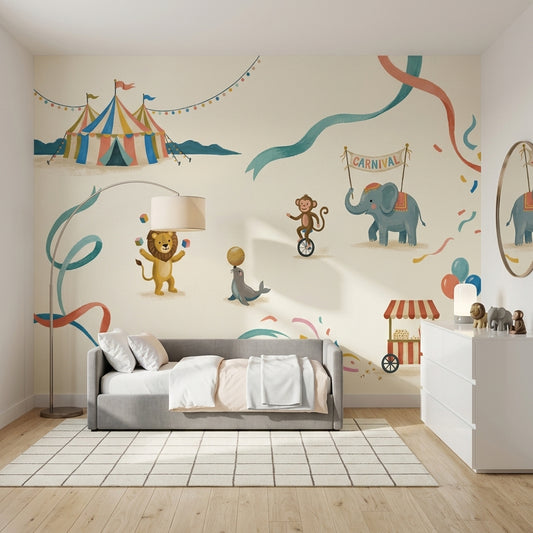
Carnival Wallpaper Circus
$3.72 / sq ft -
wall mural
Abstract Waves Wall Mural.
$3.72 / sq ft -
wall mural
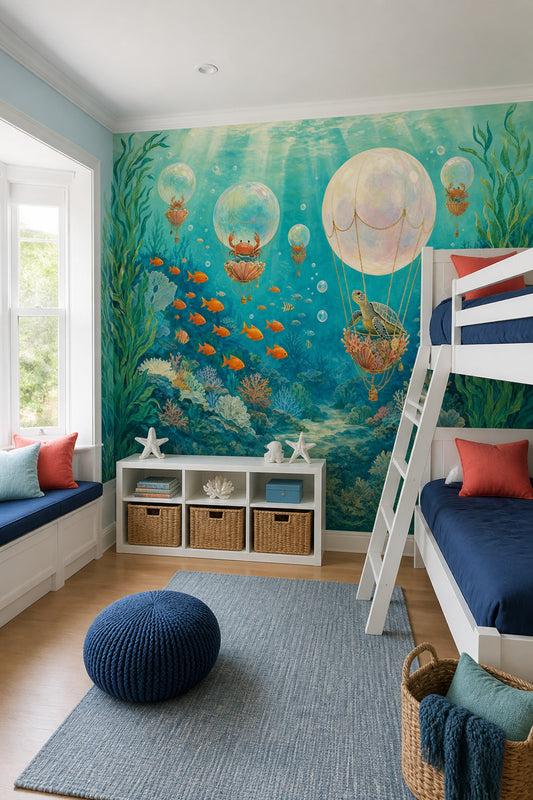
Underwater Wallpaper Sea
$3.72 / sq ft -
wall mural
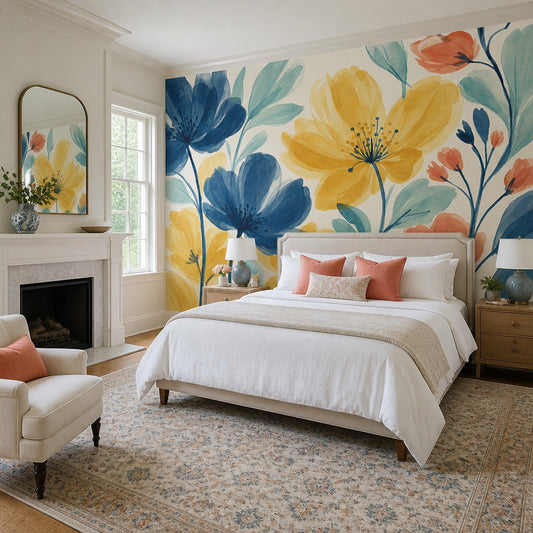
Watercolor Floral Wall Mural.
$3.72 / sq ft -
wall mural
Abstract Wallpaper Watercolor
$3.72 / sq ft -
wall mural
Abstract Watercolor Wall Mural.
$3.72 / sq ft -
wall mural
Watercolor Texture Wall Mural.
$3.72 / sq ft -
wall mural
Abstract Geometric Wall Mural.
$3.72 / sq ft -
wall mural
Abstract Wallpaper Teal
$3.72 / sq ft -
wall mural
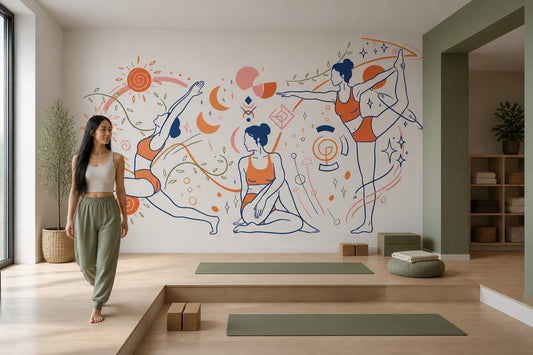
Yoga Wallpaper Wellness
$3.72 / sq ft -
wall mural
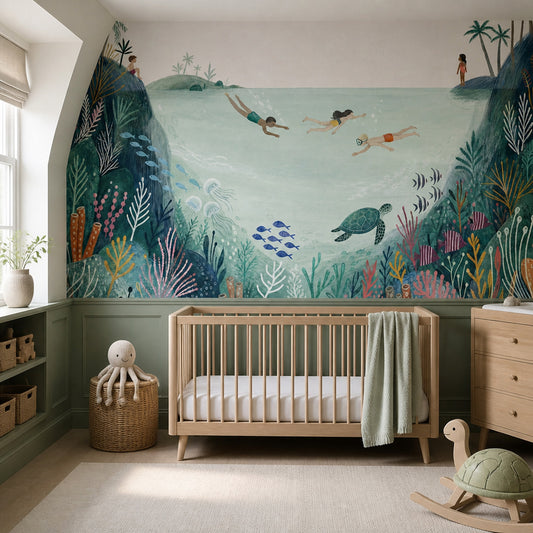
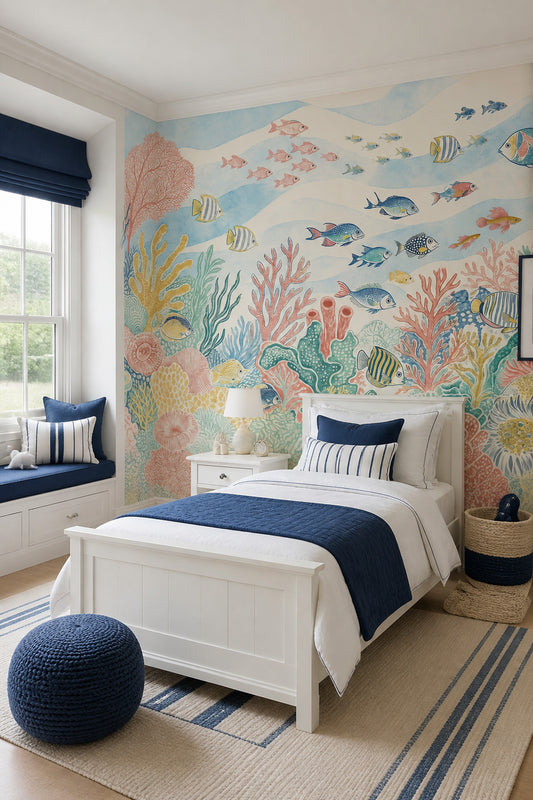
Underwater Wallpaper Coral
$3.72 / sq ft -
wall mural
Underwater Wallpaper Coral
$3.72 / sq ft -
wall mural
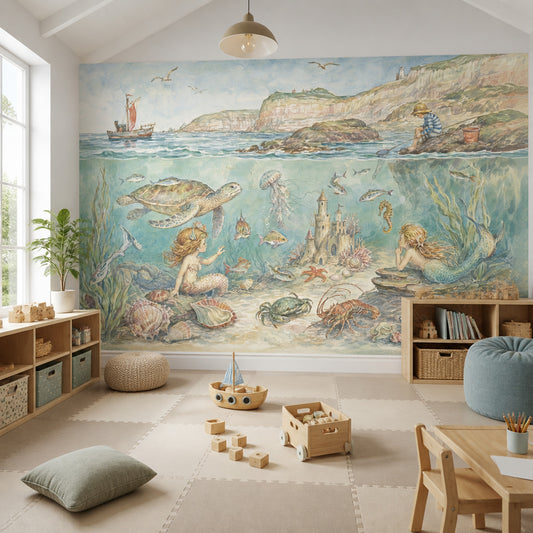
Mermaid Wallpaper Underwater
$3.72 / sq ft -
wall mural
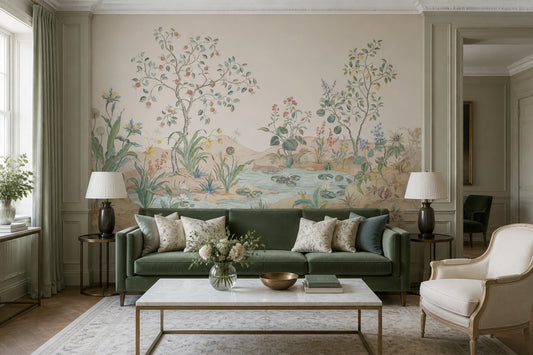
Chinoiserie Wallpaper Botanical
$3.72 / sq ft -
wall mural
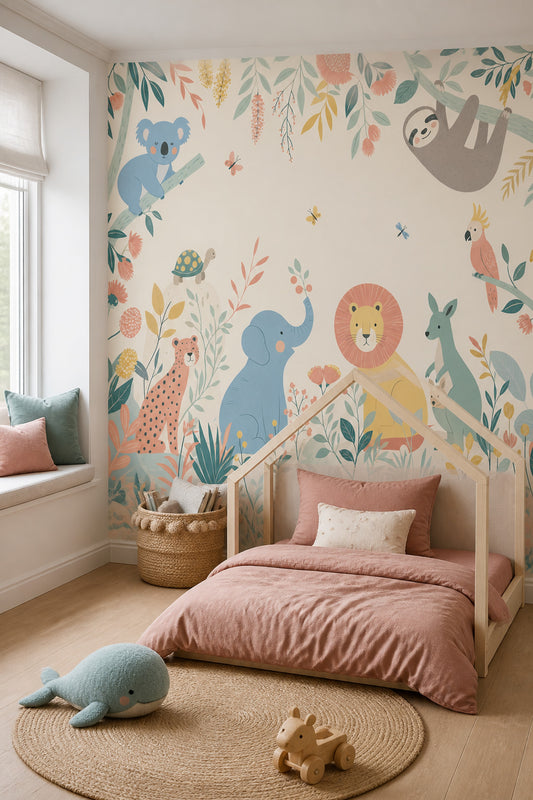
Tropical Jungle Wall Mural.
$3.72 / sq ft -
wall mural
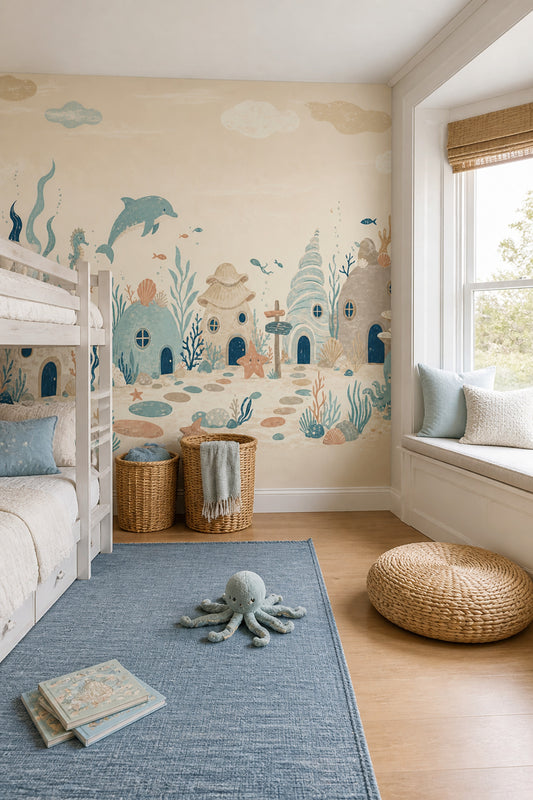
Underwater Village Wall Mural.
$3.72 / sq ft -
wall mural
Underwater Wallpaper Ocean
$3.72 / sq ft -
wall mural
Ocean Wallpaper Coastal
$3.72 / sq ft -
wall mural
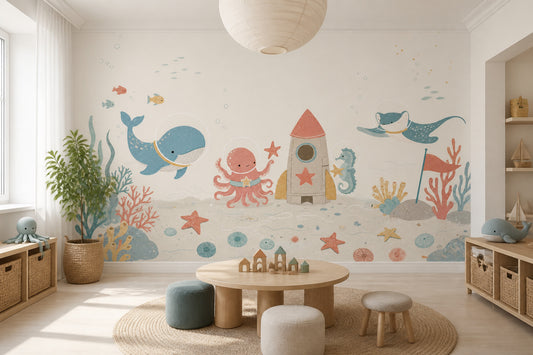
Childrens Wallpaper Coastal
$3.72 / sq ft -
wall mural
White Background Wall Mural.
$3.72 / sq ft
























24 / 87
Load more


— NEED HELP?
Frequently asked questions.
Can't find what you're looking for? Our team replies within 4 working hours, Mon–Fri.
01 Within Coral Wall Murals, how do soft peach-coral shades compare to bold coral-red options, and when should I pick each?
Soft peach, blush-coral, and apricot Coral Wall Murals read airy and are easier to live with in bright rooms where you want warmth without visual weight. Bold coral-red, persimmon, and neon-coral versions feel punchier and work best as a single focal point behind a sofa or headboard. If your room faces north or has limited daylight, the warmer, deeper coral often prevents the space from feeling flat.
02 Which room works best for Coral Wall Murals, and where should I place them (accent wall, full room, or ceiling)?
A dining room is a strong match for Coral Wall Murals because coral tends to spark energy and conversation without feeling harsh under pendant lighting. Place it on the wall behind the dining table so the color frames the seating area, or run it floor-to-ceiling on one long wall in a narrow room to avoid crowding. For kids’ rooms, a ceiling panel of a coral reef wall mural can feel playful while keeping the walls calmer.
03 What furniture materials and finishes pair best with Coral Wall Murals?
Try a light oak sideboard, a cane-back dining chair set, or a walnut console to keep Coral Wall Murals grounded and not overly sweet. For metals, brushed brass sconces or matte black picture lights add contrast; avoid shiny chrome if your coral is very orange-leaning. Textiles that work well include ivory boucle, sand linen curtains, and a terracotta-and-cream flatweave rug to echo the coral wall mural without matching it exactly.
04 Should I use Coral Wall Murals on one accent wall or all walls, and how does room size and pattern scale affect that choice?
In a small room (around 10x10 ft), Coral Wall Murals usually work best on one accent wall—especially if the design has large shapes or high contrast—so the color doesn’t dominate. In a larger space (12x16 ft or bigger), you can wrap two adjacent walls if the coral is a softer tint or the pattern is fine-grain (like watercolor or micro-geometrics). If you’re choosing a cracked coral marble wall mural, it often reads calmer than it sounds and can handle more coverage because the veining breaks up the color.
05 What accent colors and complementary shades work with Coral Wall Murals without making the room feel too orange or too pink?
For a balanced palette, pair Coral Wall Murals with seafoam green, muted teal, or dusty sage—these cool tones counter coral’s heat and feel fresh. If you want a more modern look, add warm white (not stark white), camel leather, and a small hit of cobalt blue in art or a throw. For a coastal nod, “wall murals coral reef” themes also sit well with sandy beige, driftwood brown, and inky navy.
06 How does custom sizing work for Coral Wall Murals, and what measurements do I need for a clean fit around doors or a sloped ceiling?
For Coral Wall Murals, measure the full width and height of the wall in inches, then add a small buffer (often 2–4 inches) so the coral wall mural can be trimmed neatly at edges. If you have a door, window, or a slope, note the placement and sizes of those obstacles so the key coral features (like a central bloom or reef cluster) don’t land behind trim. For a specific size like an 8x8 coral reef wall mural, confirm both dimensions at multiple points—older walls can vary by up to an inch across the span.