 Wallpaper
Glossy Ceramic
From $23
Wallpaper
Glossy Ceramic
From $23

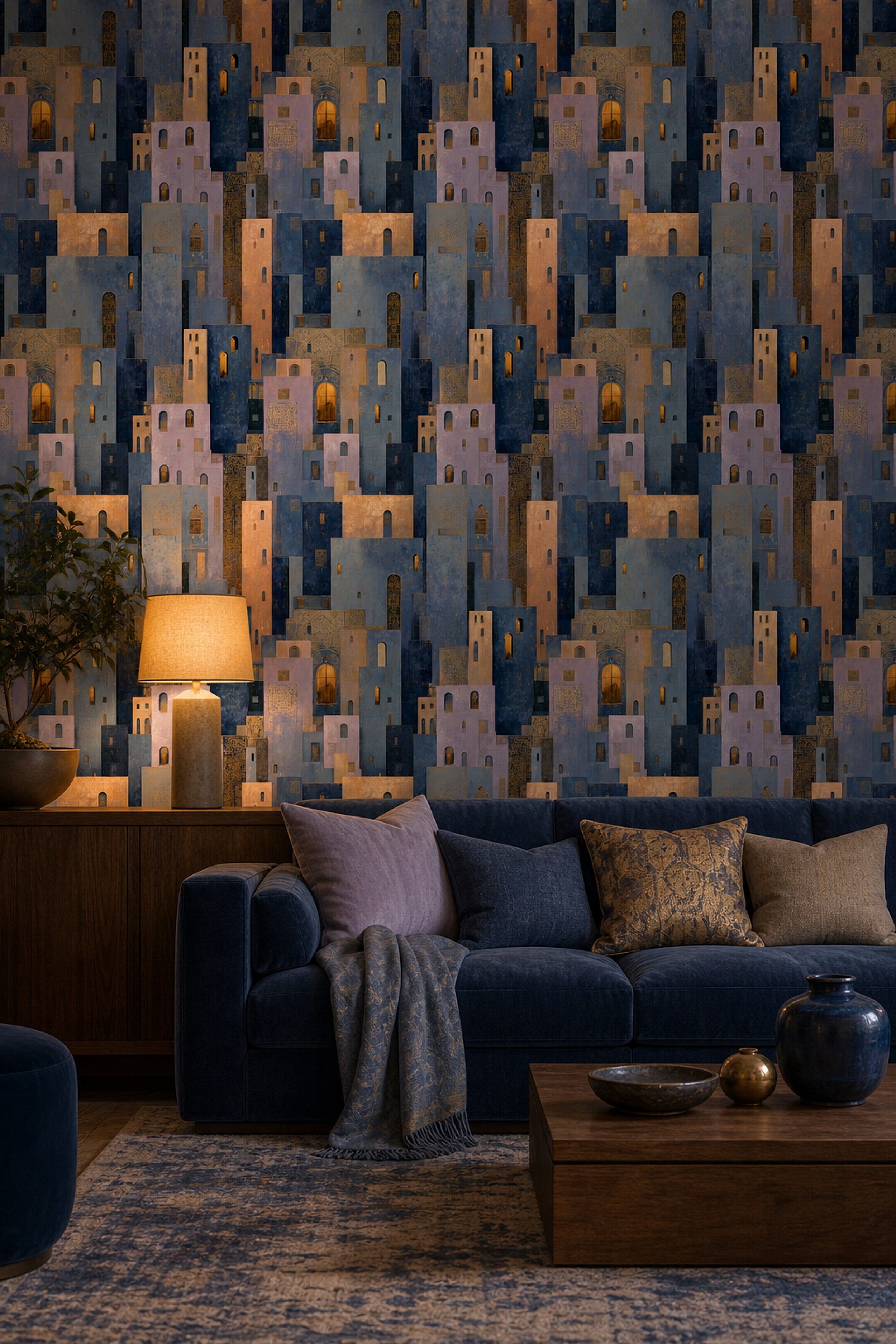
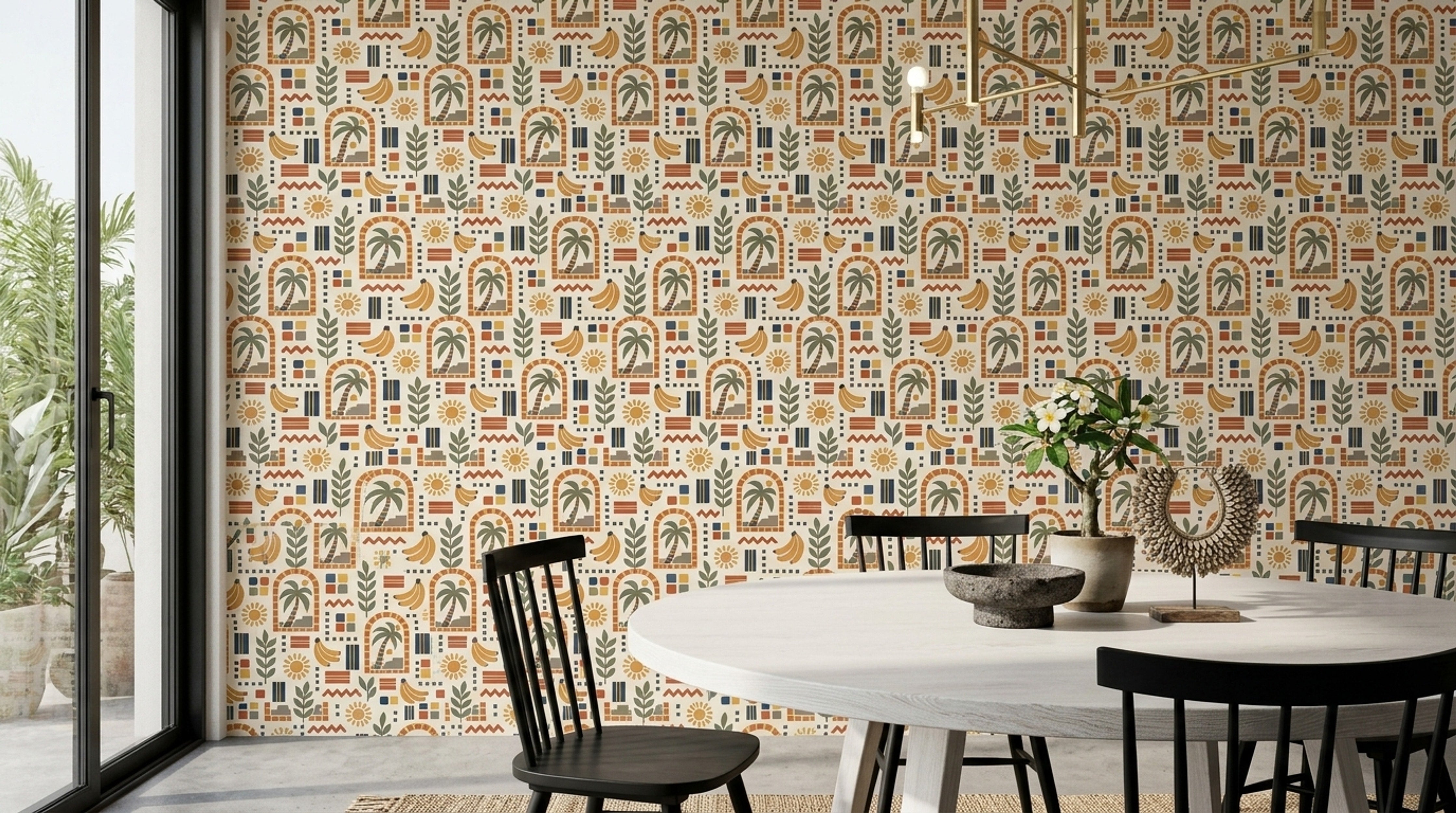
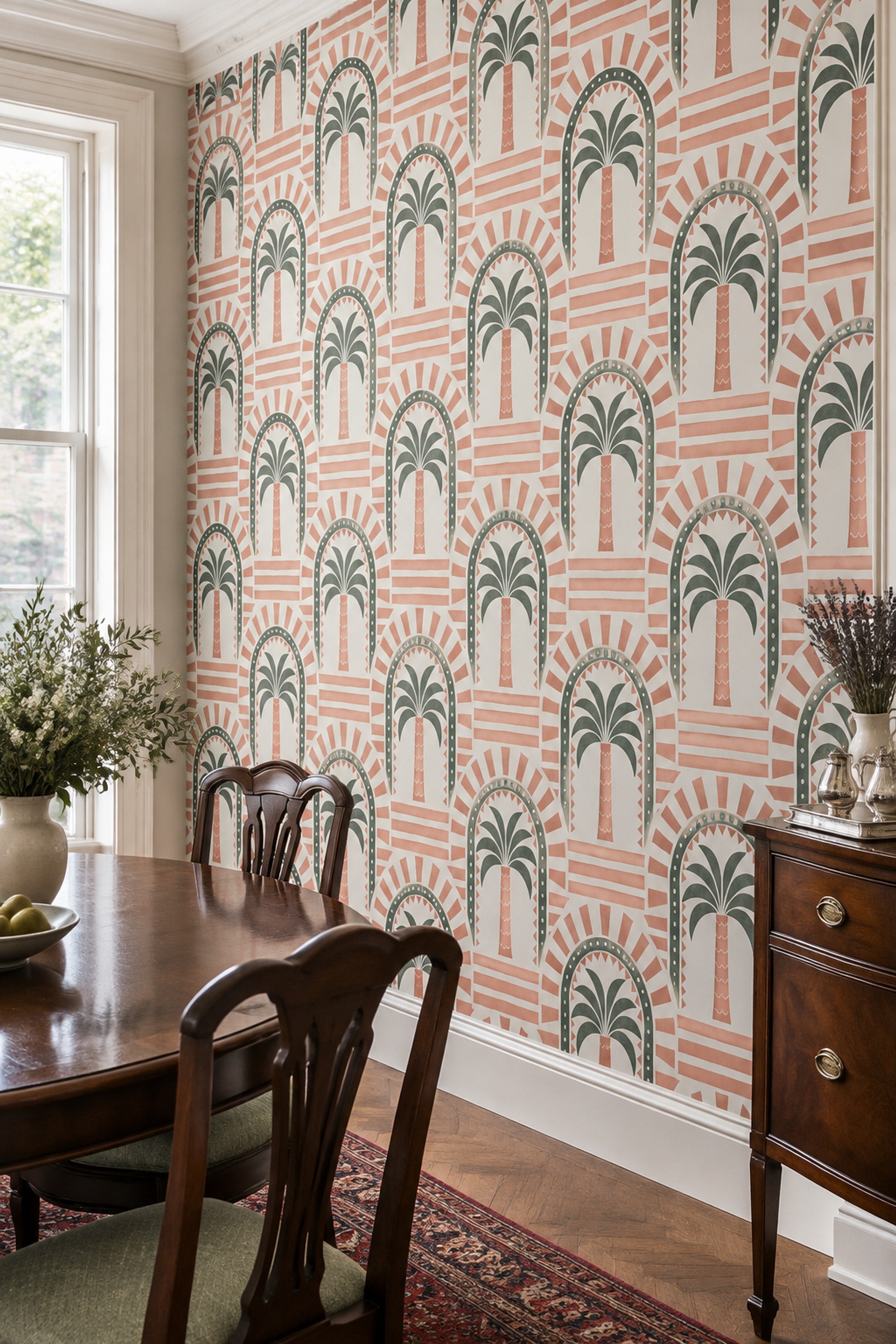
Looking for a way to change your cultural room without a full renovation? Mediterranean designs offer a rich palette of colors and intricate patterns that ca...
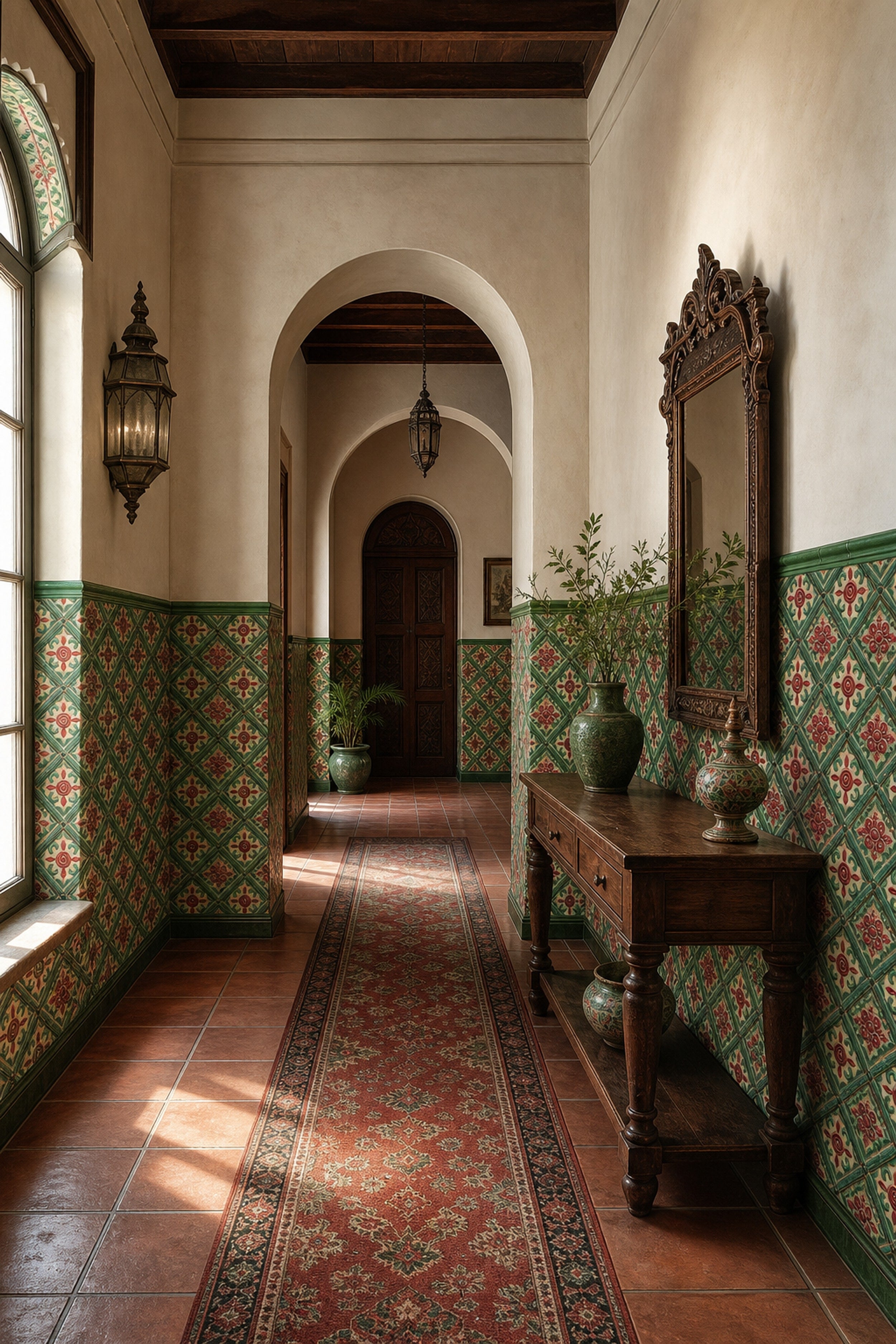
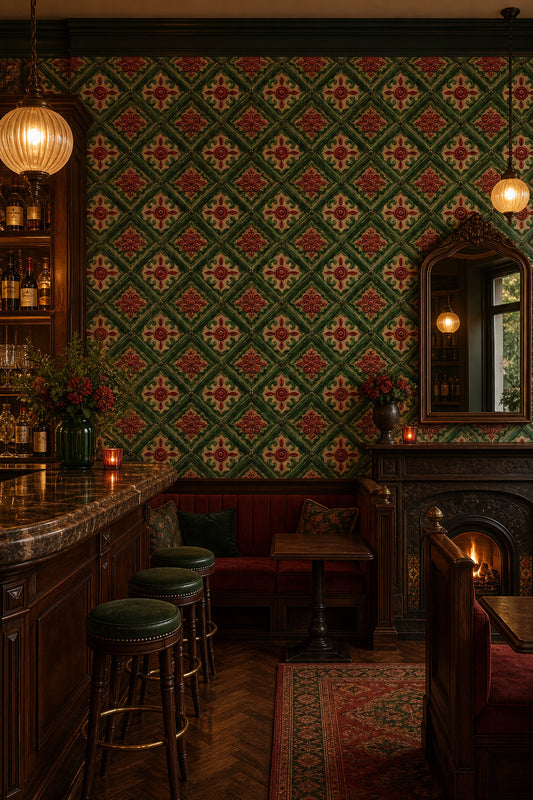
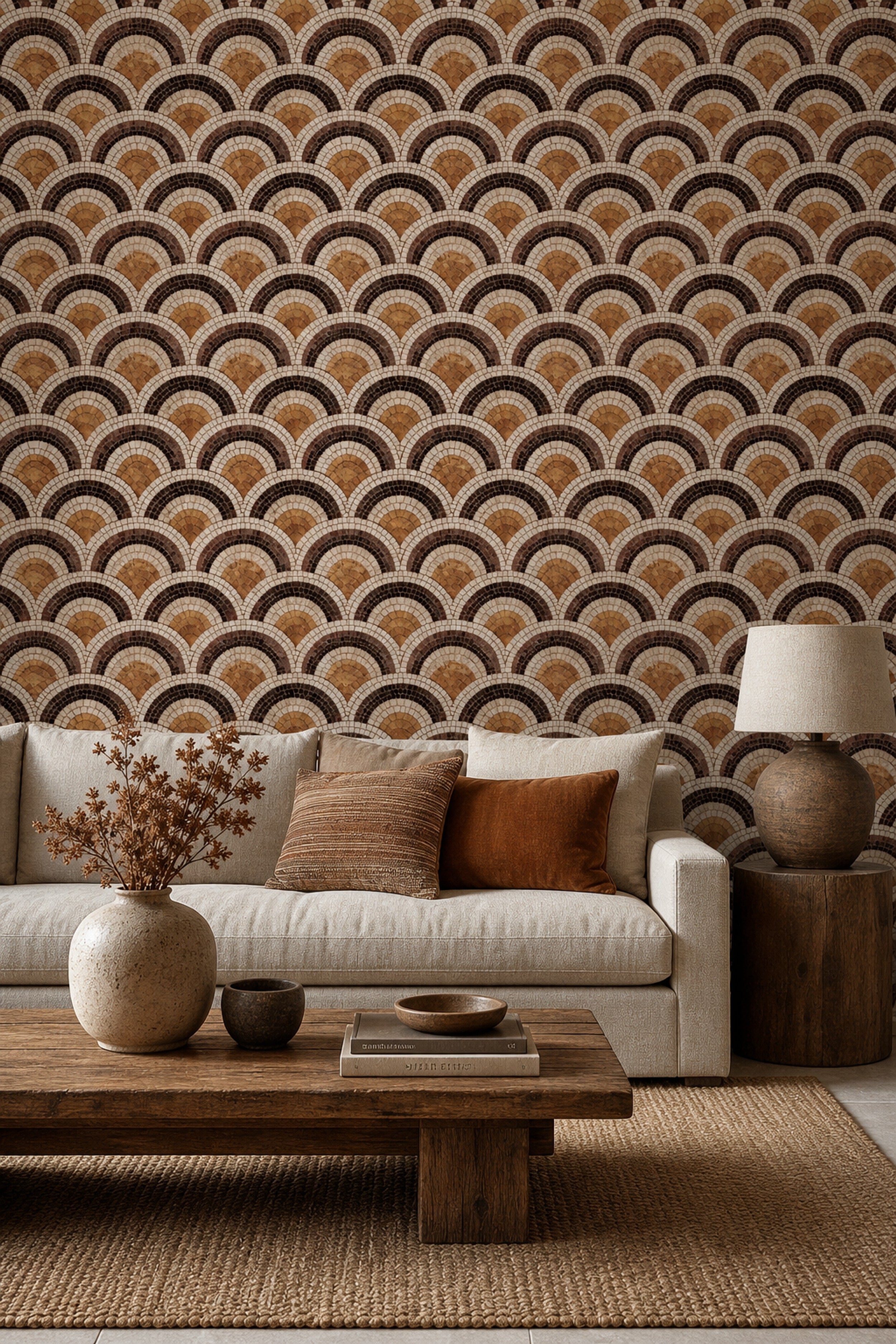
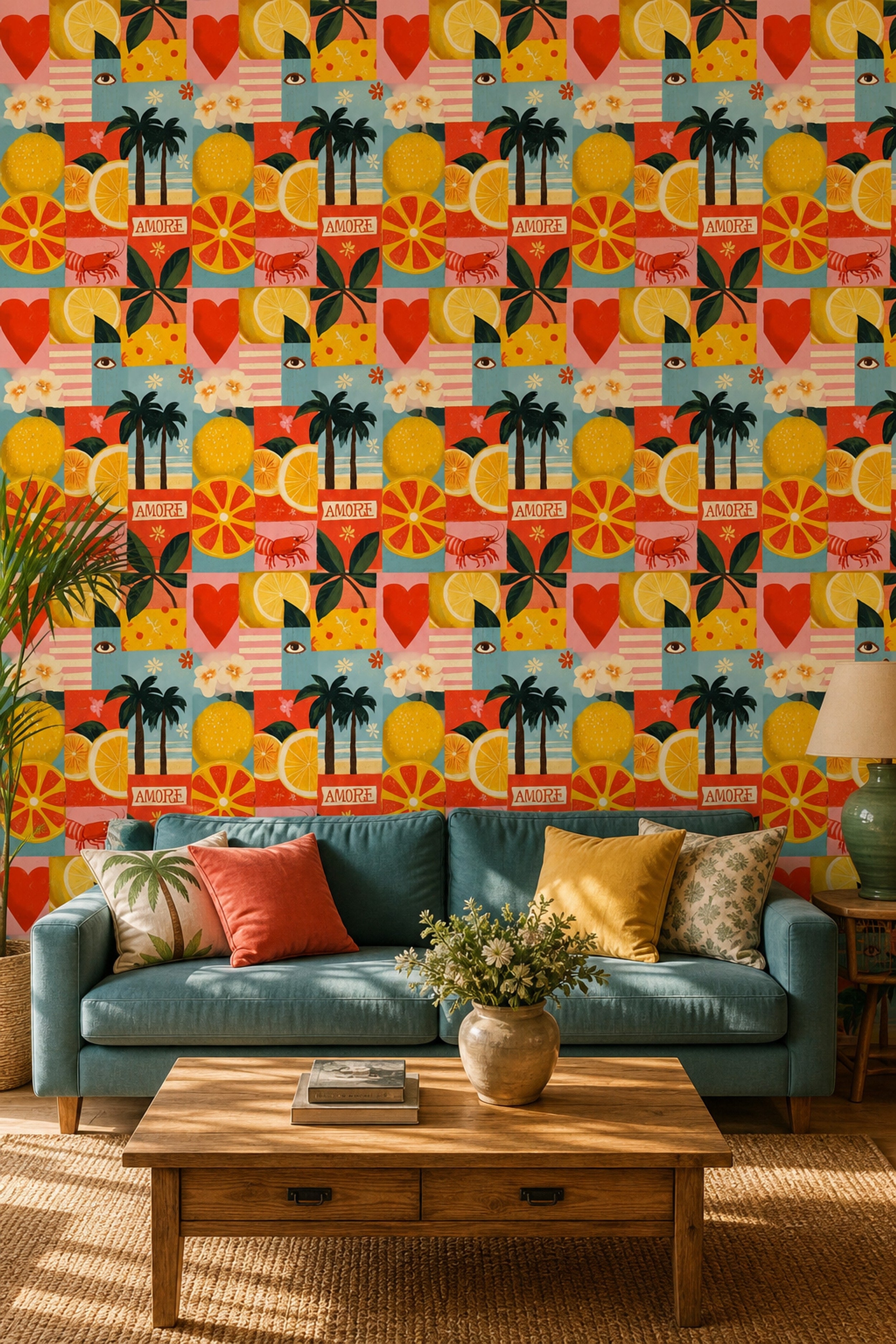
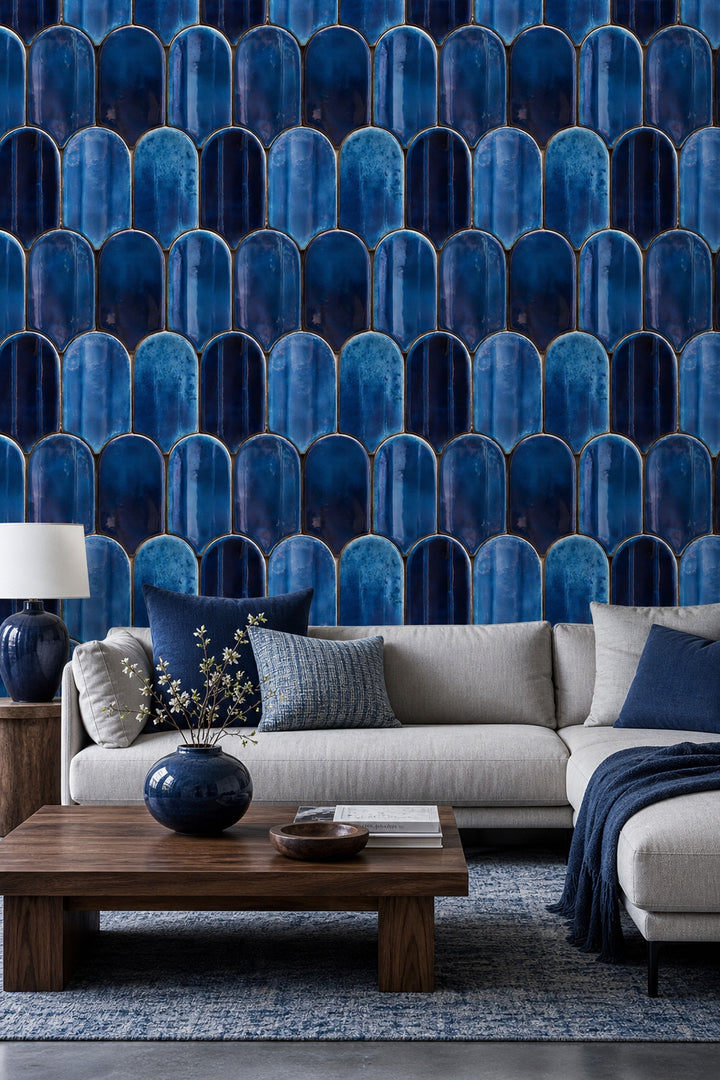
Looking for a way to change your cultural room without a full renovation? Mediterranean designs offer a rich palette of colors and intricate patterns that can instantly add warmth and a breezy vibe to your home. From the sun-drenched tones of terracotta to the deep blues reminiscent of the sea, these wallpapers create an inviting atmosphere that echoes the charm of coastal living.
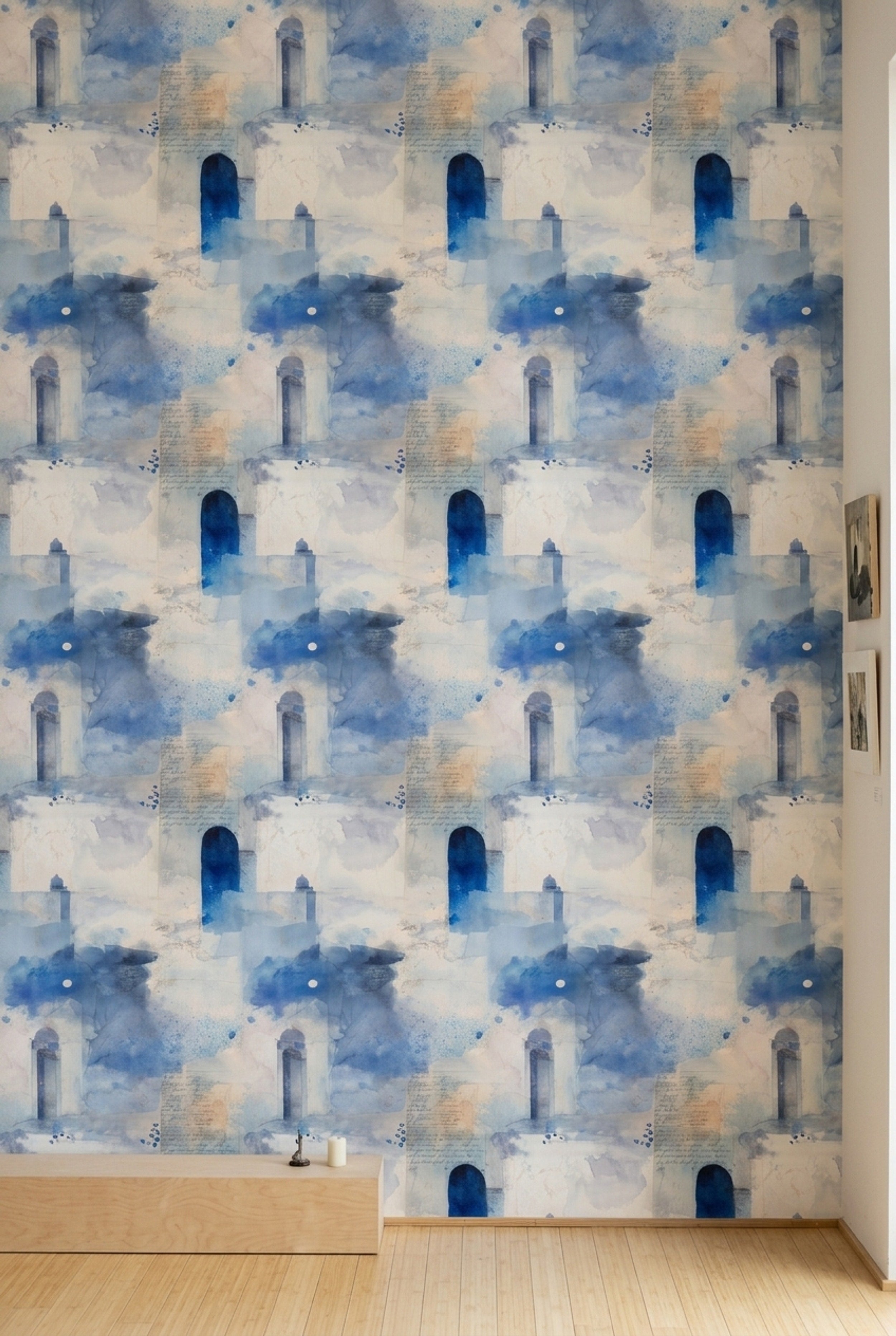
The Mediterranean style is marked by its vibrant colors and organic textures. Think of the stunning hues of olive greens, soft whites, and the rich blues of the sea. The intricate tile patterns and fresco-like designs draw on a tradition of artistry that can turn any plain wall into a work of art. This style encourages a connection with nature, featuring motifs inspired by flora, fauna, and the iconic coastal landscapes of the region.
When it comes to applying Mediterranean wallpapers, there are specific areas in your home where they can shine the most:
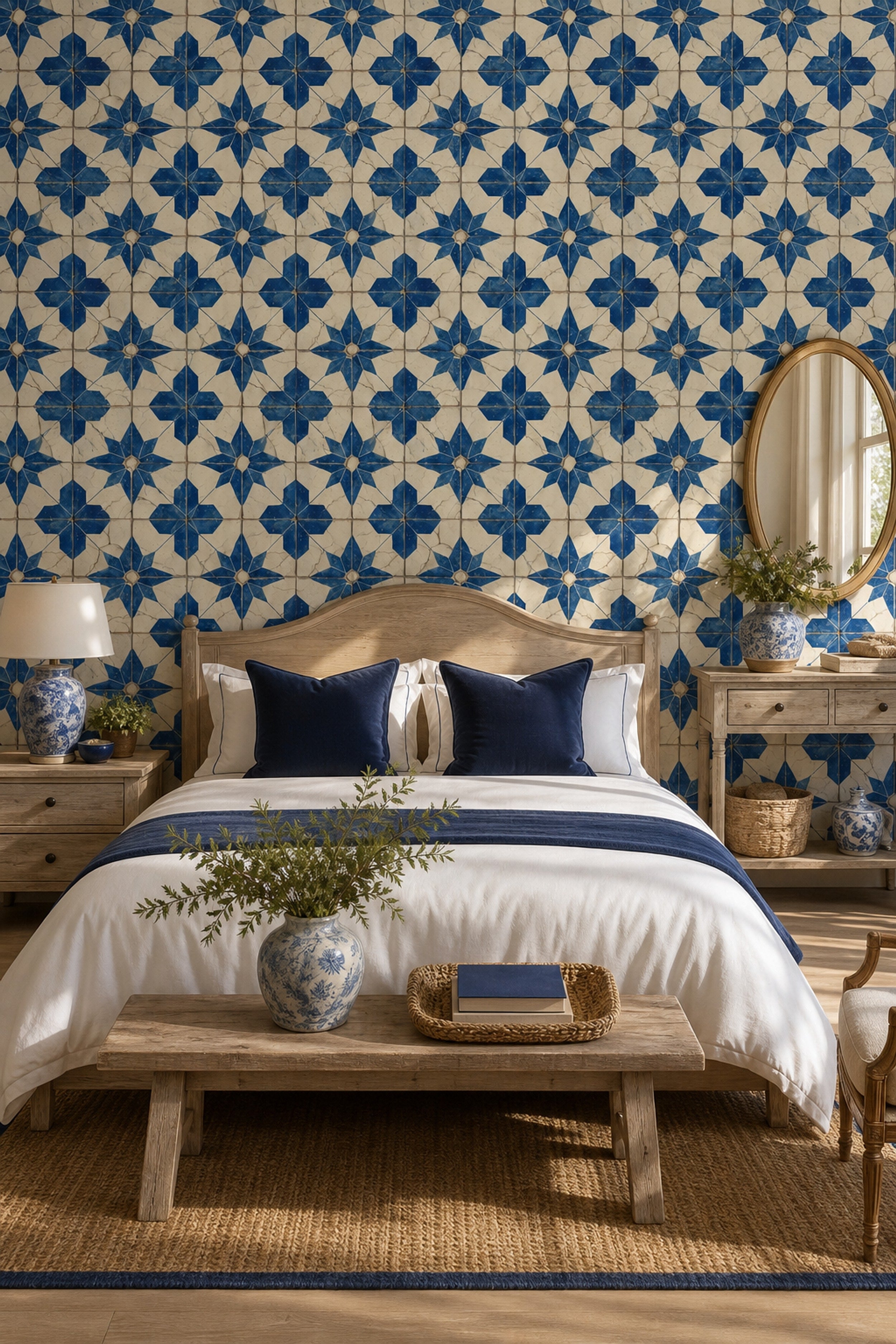
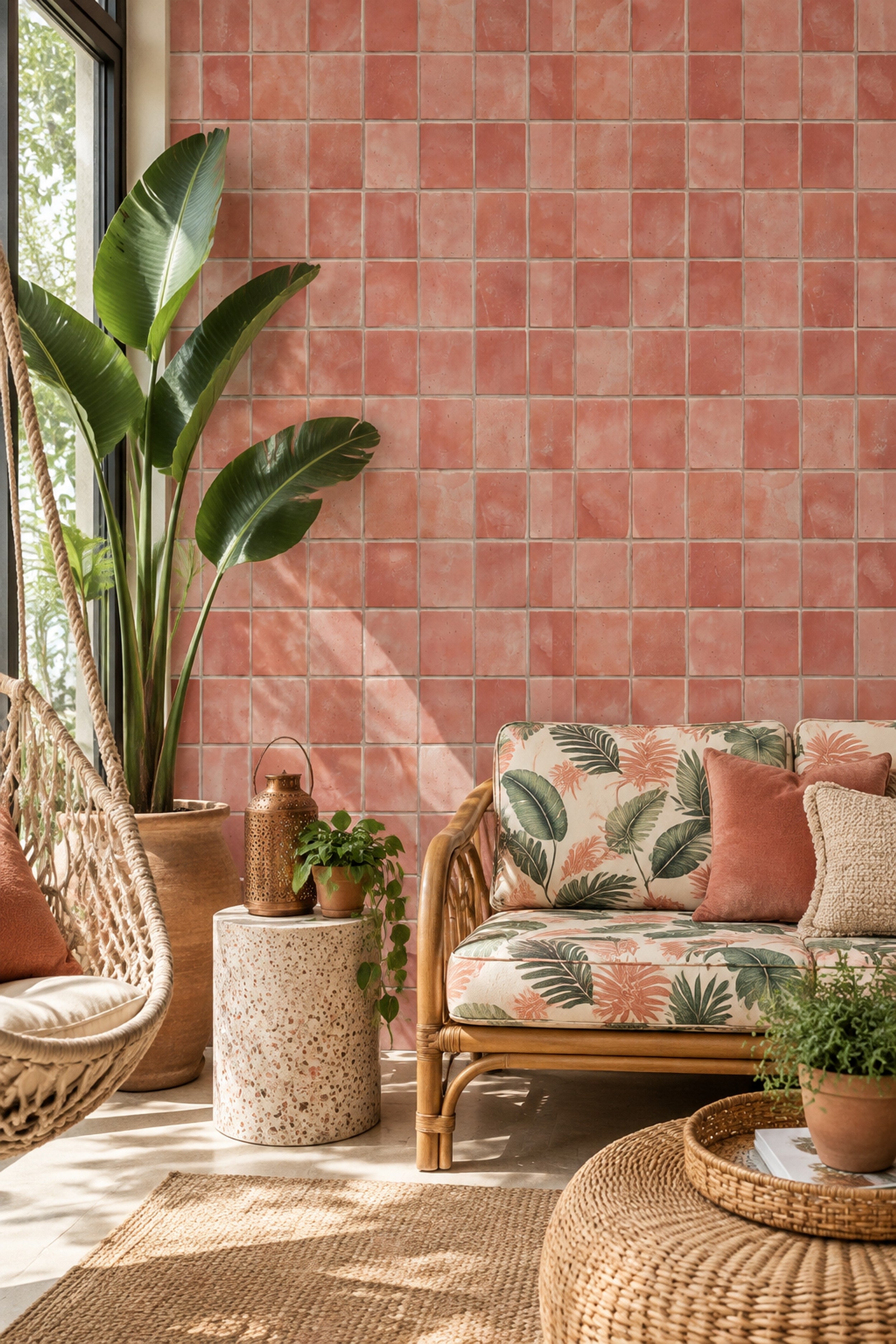
One of the joys of Mediterranean design is its ability to harmonize with various furniture styles. For instance, if you’re using a warm terracotta wallpaper, it pairs beautifully with deep wooden furniture, such as a reclaimed wood coffee table or a rustic dining set. If your wallpaper features cool blues and whites, consider a light-colored linen sofa and wicker basket accents to create a balanced look. Metal accents, such as brass or wrought iron light fixtures, can enhance the Mediterranean feel while providing just the right amount of contrast.
Ordering your Mediterranean wallpaper from Muralls.com is straightforward. You can select custom sizes to ensure a perfect fit for your walls. The easy paste-the-wall installation makes it simple to apply, allowing you to refresh your space without hassle. Best of all, we ship worldwide, so no matter where you are, you can enjoy the beauty of Mediterranean designs in your home.
Based on designs you explored, with fresh finds mixed in.
24 / 33
Load more— NEED HELP?
Can't find what you're looking for? Our team replies within 4 working hours, Mon–Fri.
Mediterranean Wallpaper usually leans on sun-washed plaster effects, hand-painted tile motifs, olive branches, and earthy terracotta rather than nautical stripes or anchors. Look for chalky whites, sand beige, terracotta, and olive green, plus details like worn grout lines or uneven brushwork that mimic old-world ceramics. If you want the look with less commitment, choose Mediterranean Wallpaper in peel and stick wallpaper so you can test the scale and color in your light.
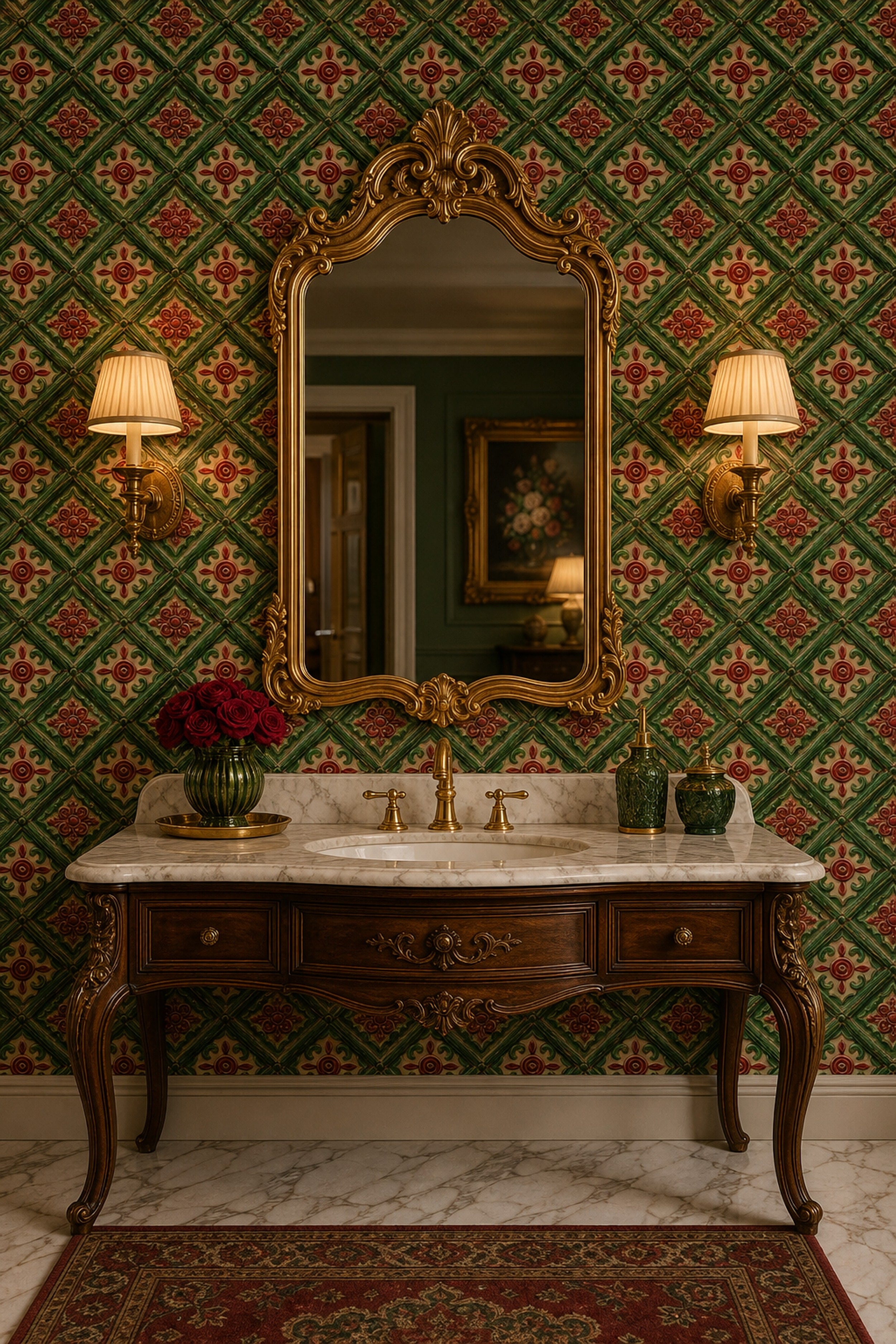
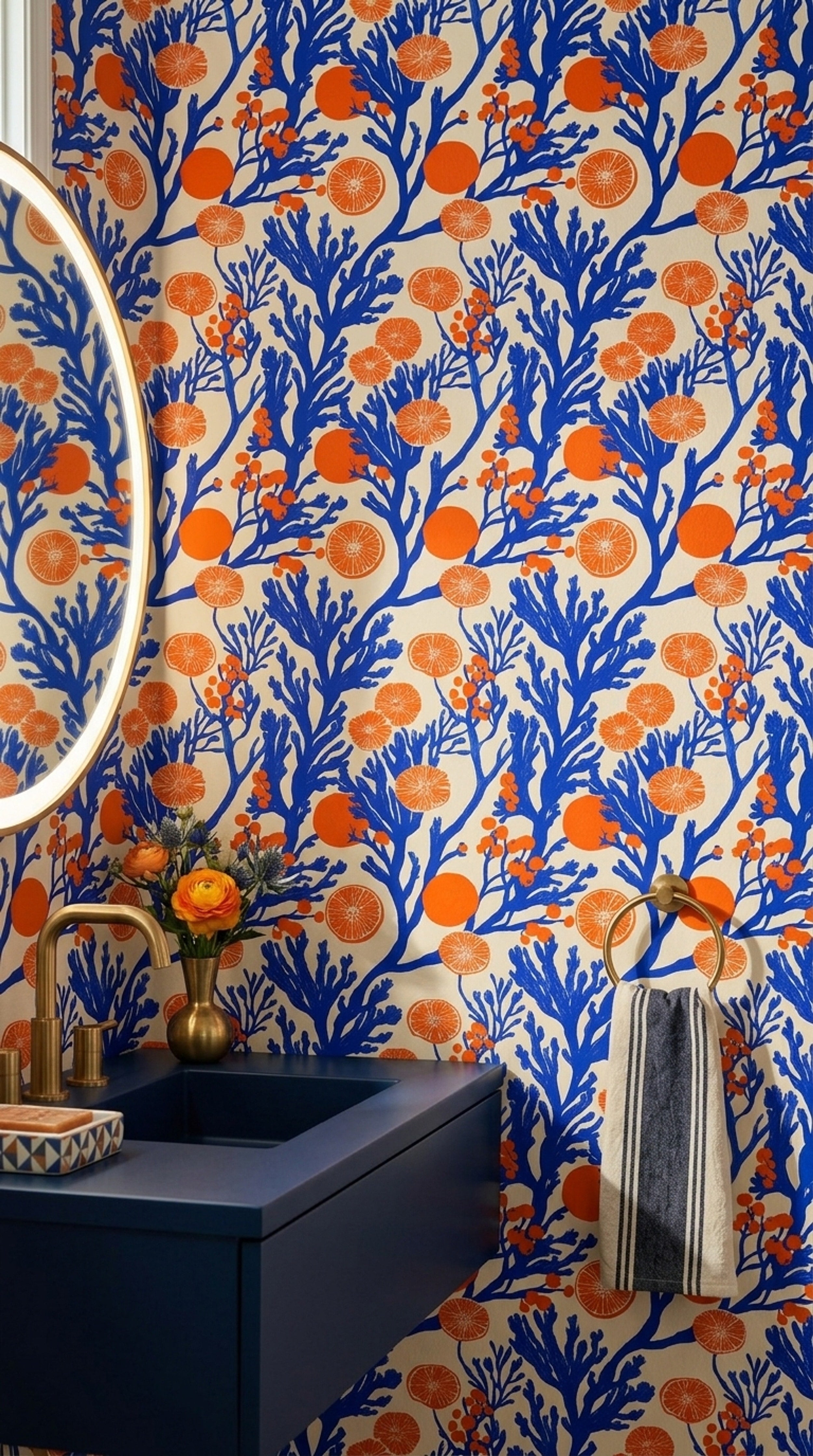
A powder room is one of the best places for Mediterranean Wallpaper because smaller spaces can handle bolder tile repeats or lively wallpaper patterns without feeling busy. Try it on the vanity wall behind a round mirror, or wrap all walls if the pattern is small-scale (think 4–6 inch tiles). For bathroom wallpaper, keep the wallpaper for walls away from direct shower spray and pair it with zellige-style ceramic or tumbled stone on wet zones.
Yes—Mediterranean Wallpaper works with modern interiors when you keep the furniture silhouettes clean, like a low-profile linen sofa and a simple black metal coffee table, letting the pattern do the talking. It can clash with high-gloss ultra-futuristic finishes and neon palettes; a cobalt-and-terracotta tile print next to lacquered hot pink usually fights for attention. If you’re layering, use Mediterranean Wallpaper as the “texture” and keep the rest in warm white, oak, and matte black.
Mediterranean Wallpaper pairs naturally with whitewashed oak, walnut, or natural rattan—think a cane-front sideboard, a travertine pedestal table, and an aged brass sconce. For textiles, choose flax linen curtains, a jute or sisal rug, and embroidered cotton pillows in indigo and clay. If your pattern leans botanical, a floral wallpaper option with olive branches looks especially grounded next to terracotta planters and a woven seagrass bench.
Mediterranean Wallpaper is trending because people want warmth and tactile, handmade-looking finishes—limewash effects, imperfect tiles, and sun-faded color—without heavy renovation. Current takes often simplify the palette (chalk white + sand + muted terracotta) and use larger, airier repeats so it reads calm rather than busy. Many shoppers also like it in wallpaper peel and stick formats for seasonal refreshes or rentals.
In a small room (like 6' x 8'), an all-over Mediterranean Wallpaper with a tight repeat can feel cohesive, while a large-scale tile or scenic print is usually better as an accent wall behind a bed or banquette. In larger rooms, you can wrap all walls if the background is light (warm white or pale sand) and the motif is airy; otherwise, keep it to one feature wall to avoid visual crowding.
VISUAL SEARCH
Upload a reference image and discover visually similar designs.
BEST MATCHES
PERSONALIZED DISCOVERY
Describe a look or let your room lead the search.
CURATED FOR YOU