 Wallpaper
Wrought Iron
From $23
Wallpaper
Wrought Iron
From $23
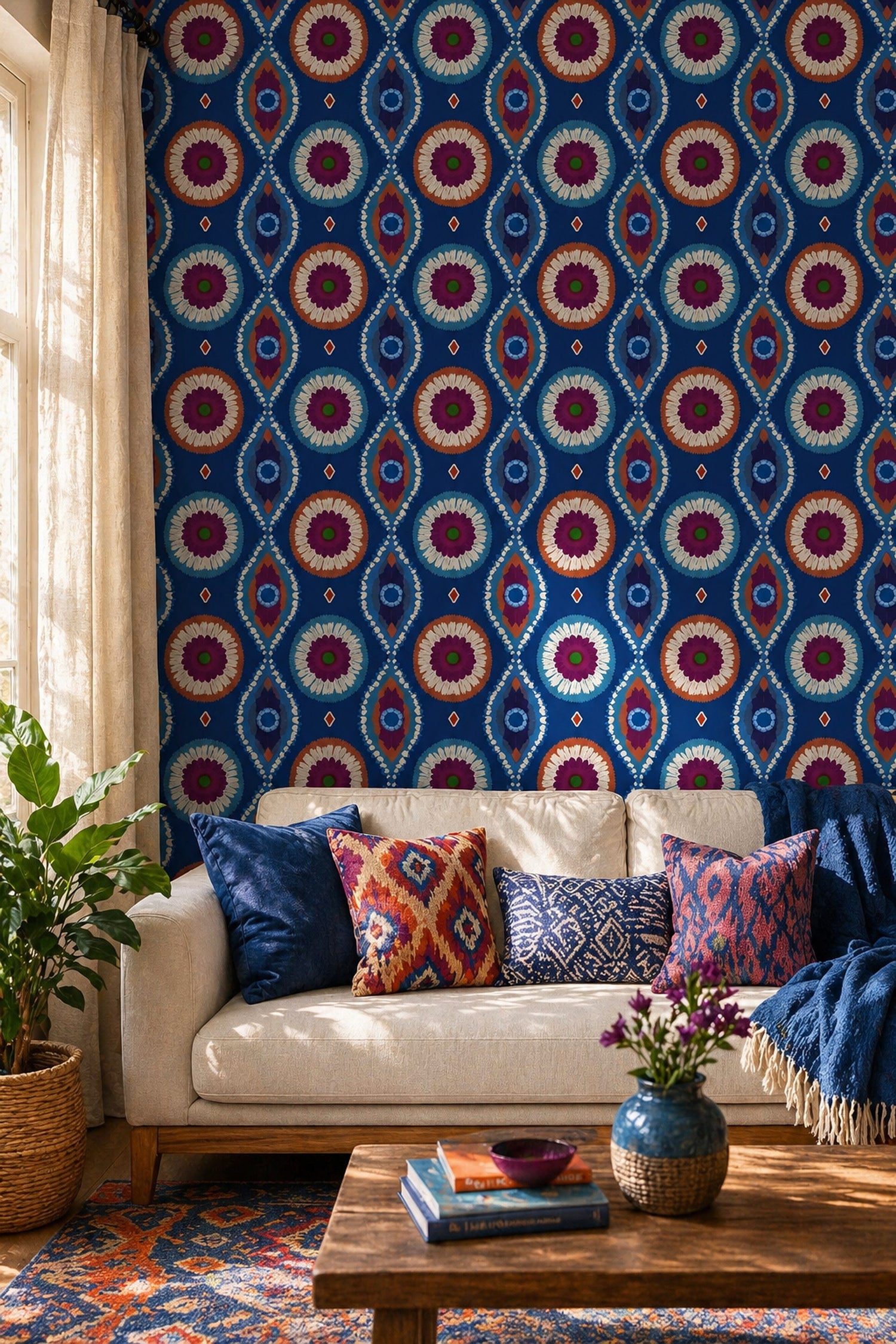
Moroccan Wallpaper for Muralls.com Blank walls can make a space feel cold and unfinished. If you’re looking to breathe life into your home, Moroccan...
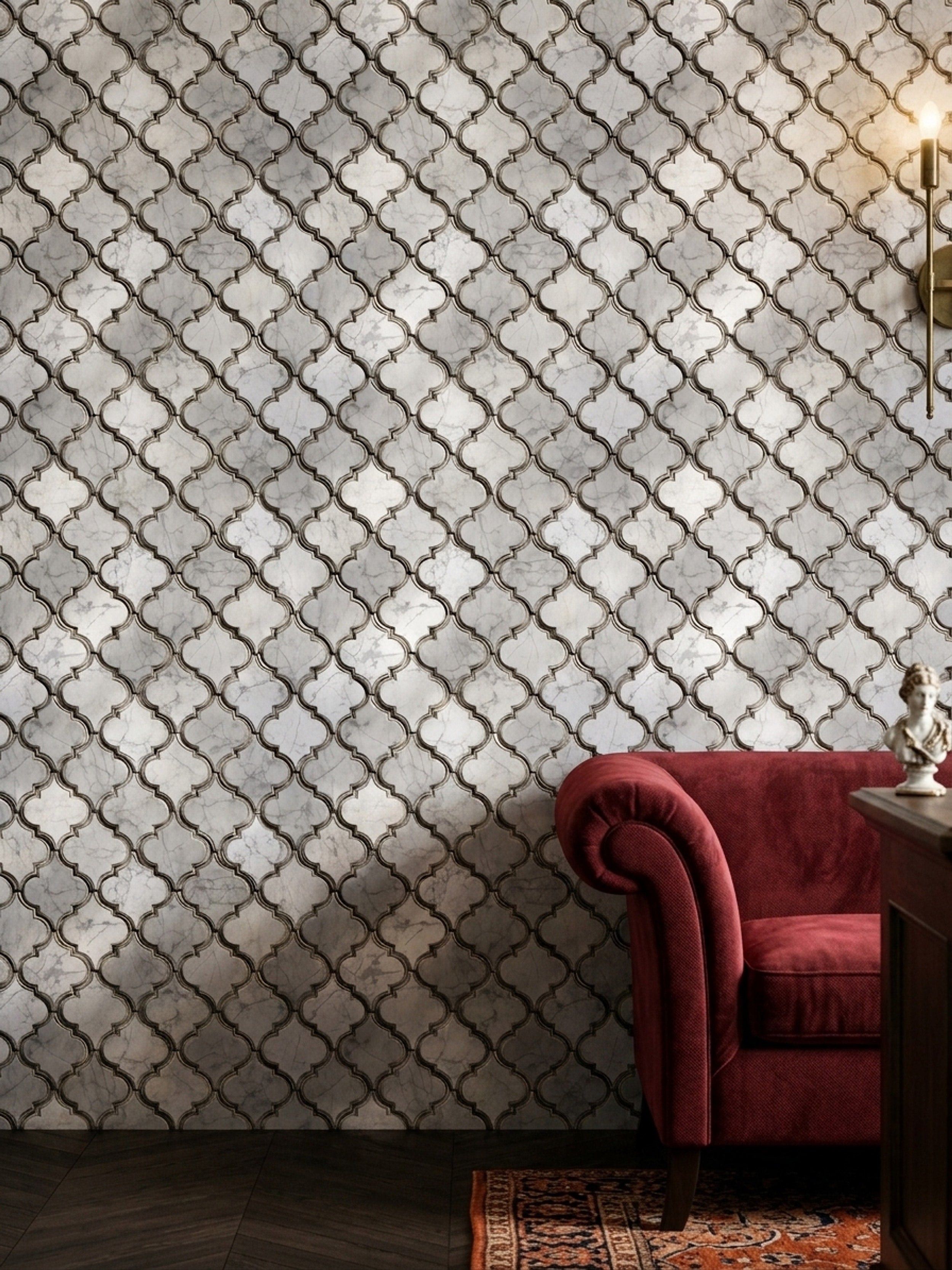
Blank walls can make a space feel cold and unfinished. If you’re looking to breathe life into your home, Moroccan wallpaper could be the solution. Moroccan designs are characterized by warm colors, intricate patterns, and a certain vibrancy that can add warmth and character to any environment. From the deep, rich hues reminiscent of spices to the geometric designs typical of Moroccan art, these wallpapers can convey an inviting atmosphere throughout your home.
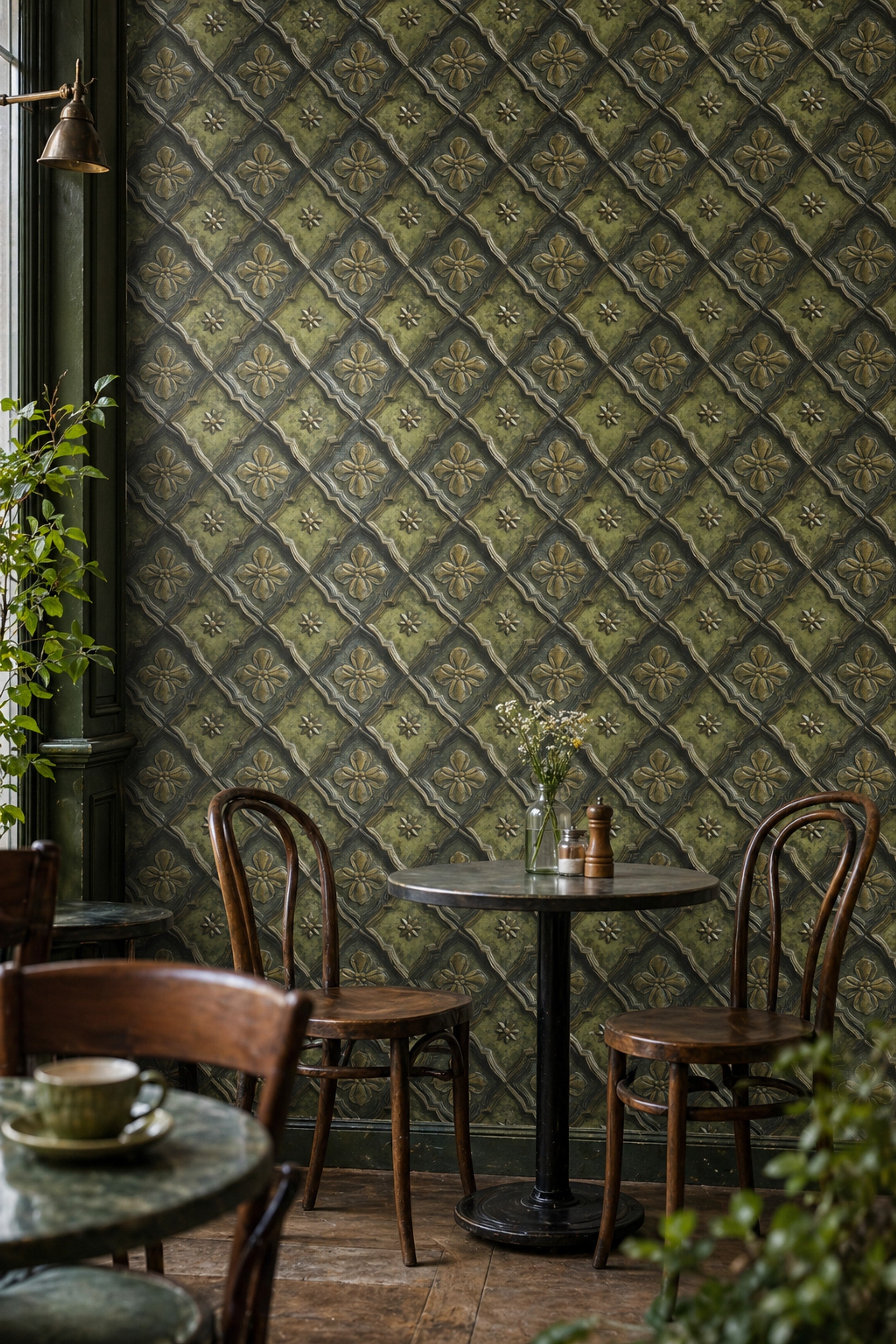
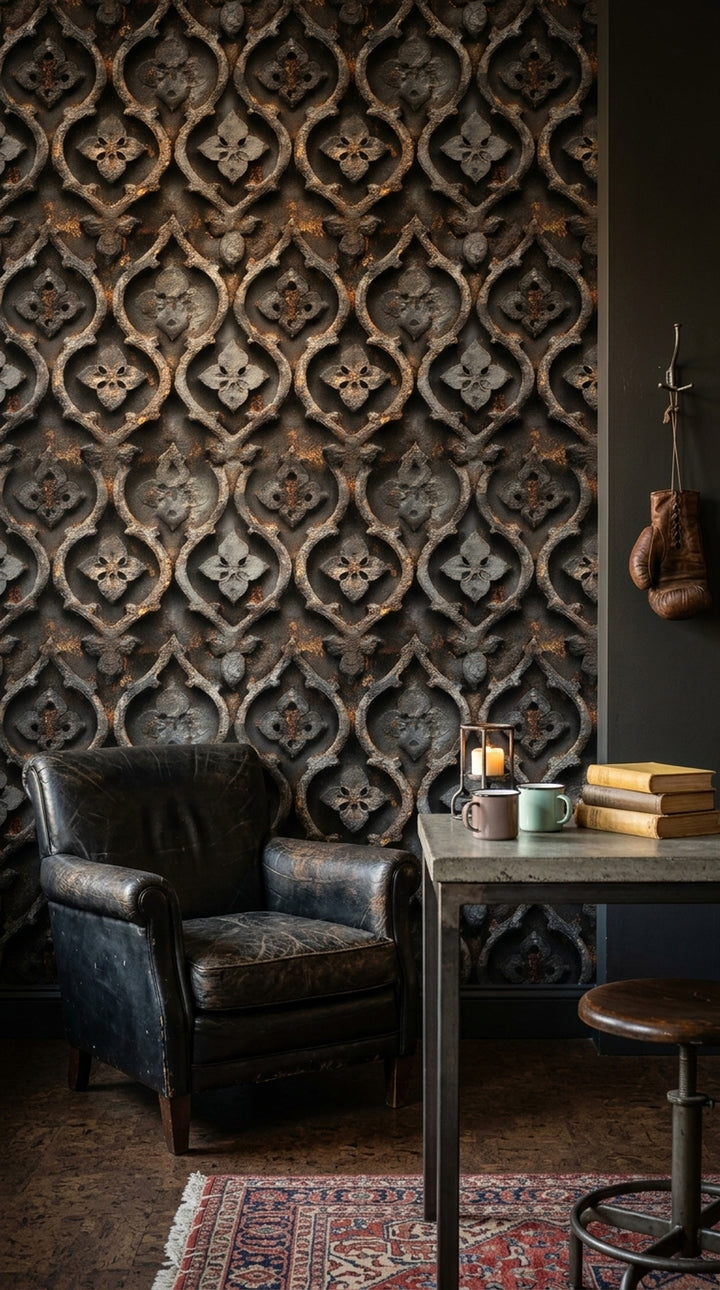
What makes Moroccan design unique is its rich history and cultural influences. The palette often includes earthy tones—think terracotta, deep blues, and soft yellows—combined with bold patterns that can range from geometric shapes to floral motifs. Textures play a significant role too; you may notice a mix of smooth finishes along with more rugged, handmade looks that reflect traditional craftsmanship. This blend of color and pattern creates an ambiance that is warm, intriguing, and full of character.
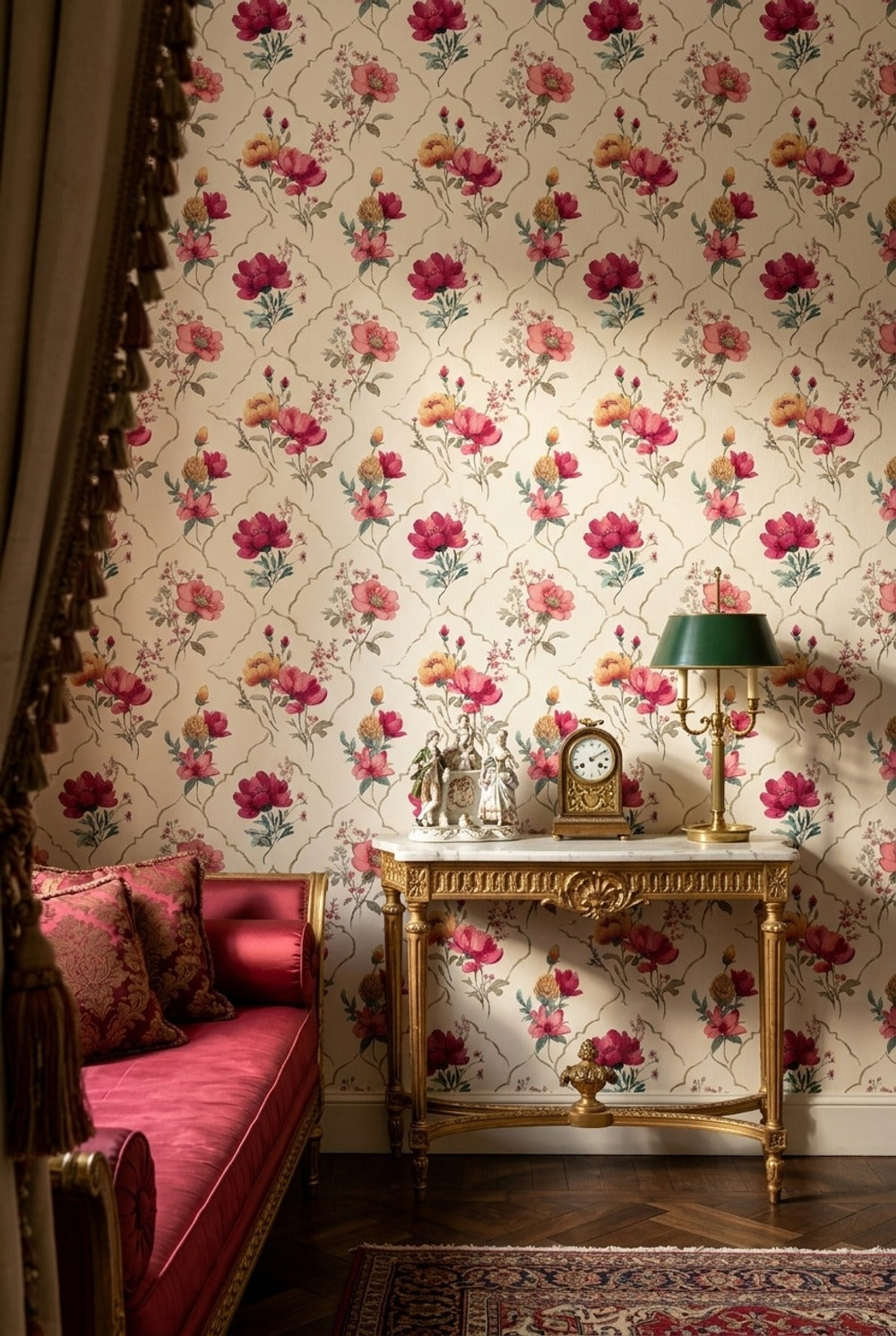
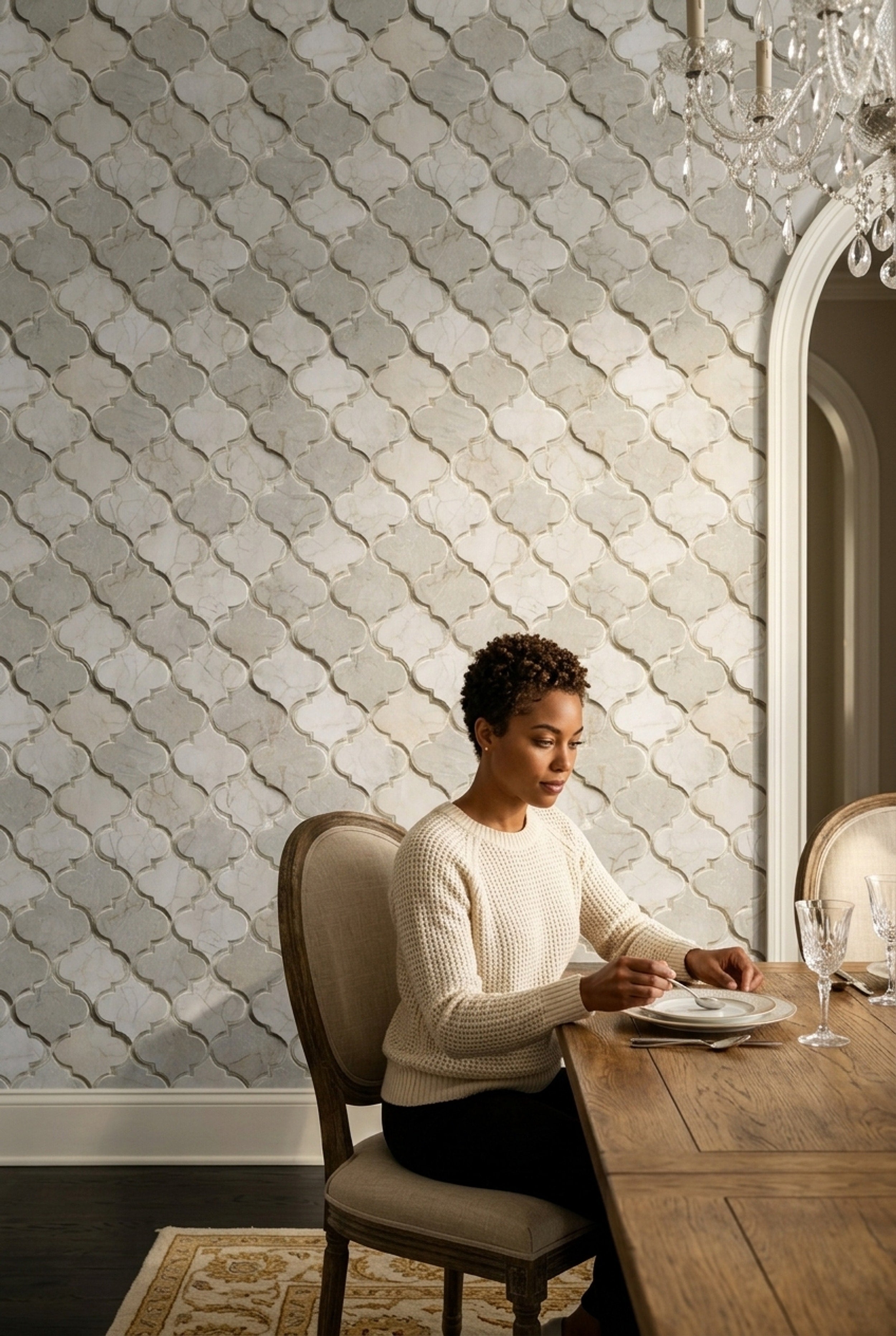
Let’s consider some specific rooms where Moroccan wallpaper can really shine. In a dining room, applying a beautiful geometric wallpaper on the wall behind a dark wood dining table can set the stage for memorable meals. Alternatively, in a cozy reading nook, a softer floral pattern on the wall opposite a comfortable upholstered armchair will create a welcoming retreat. For bedrooms, consider using a striking patterned wallpaper behind the headboard; it can be a fantastic backdrop for a king-size bed adorned with colorful cushions. Finally, in a hallway, a subtle Moroccan print can add depth and interest, guiding guests from one room to another.
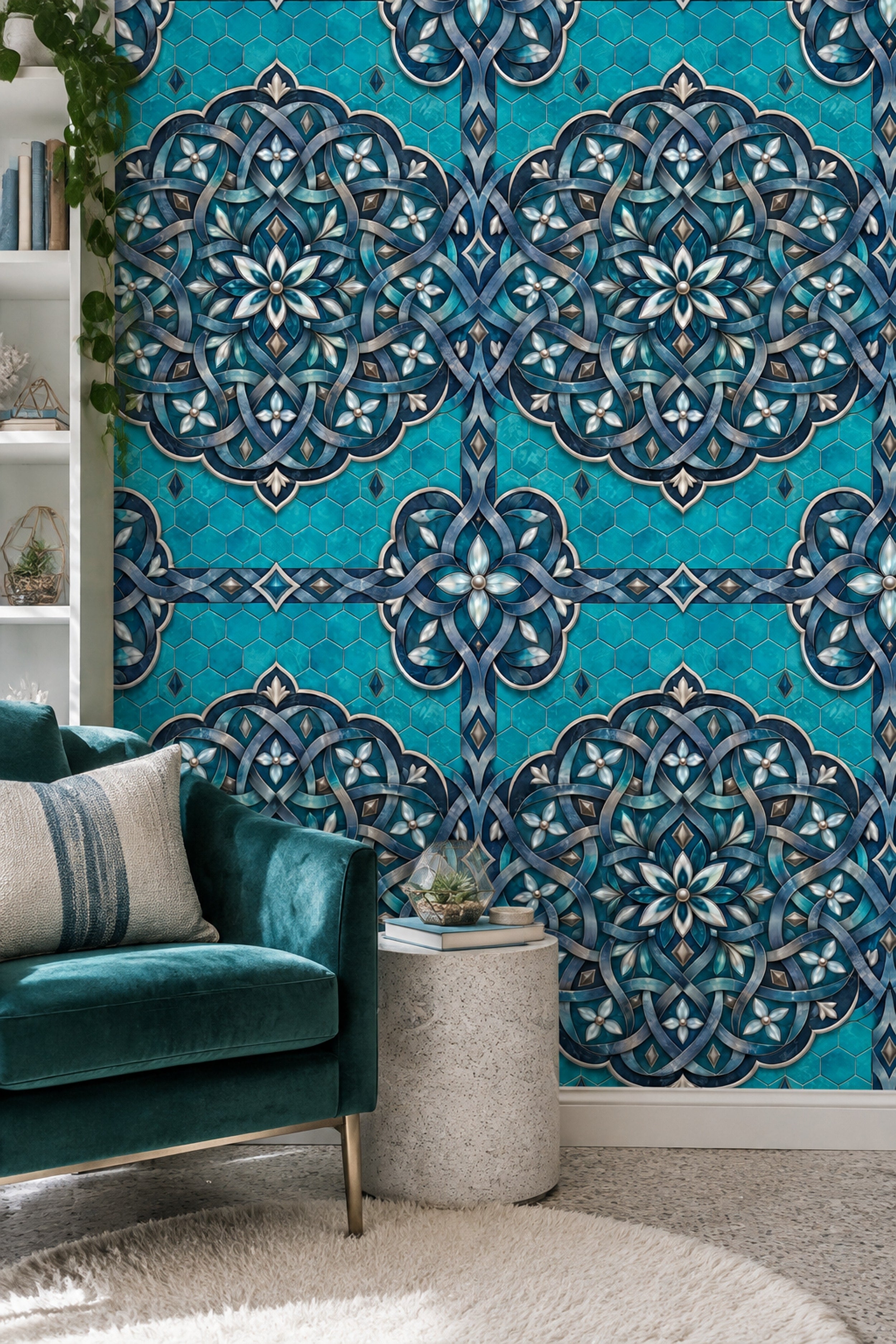
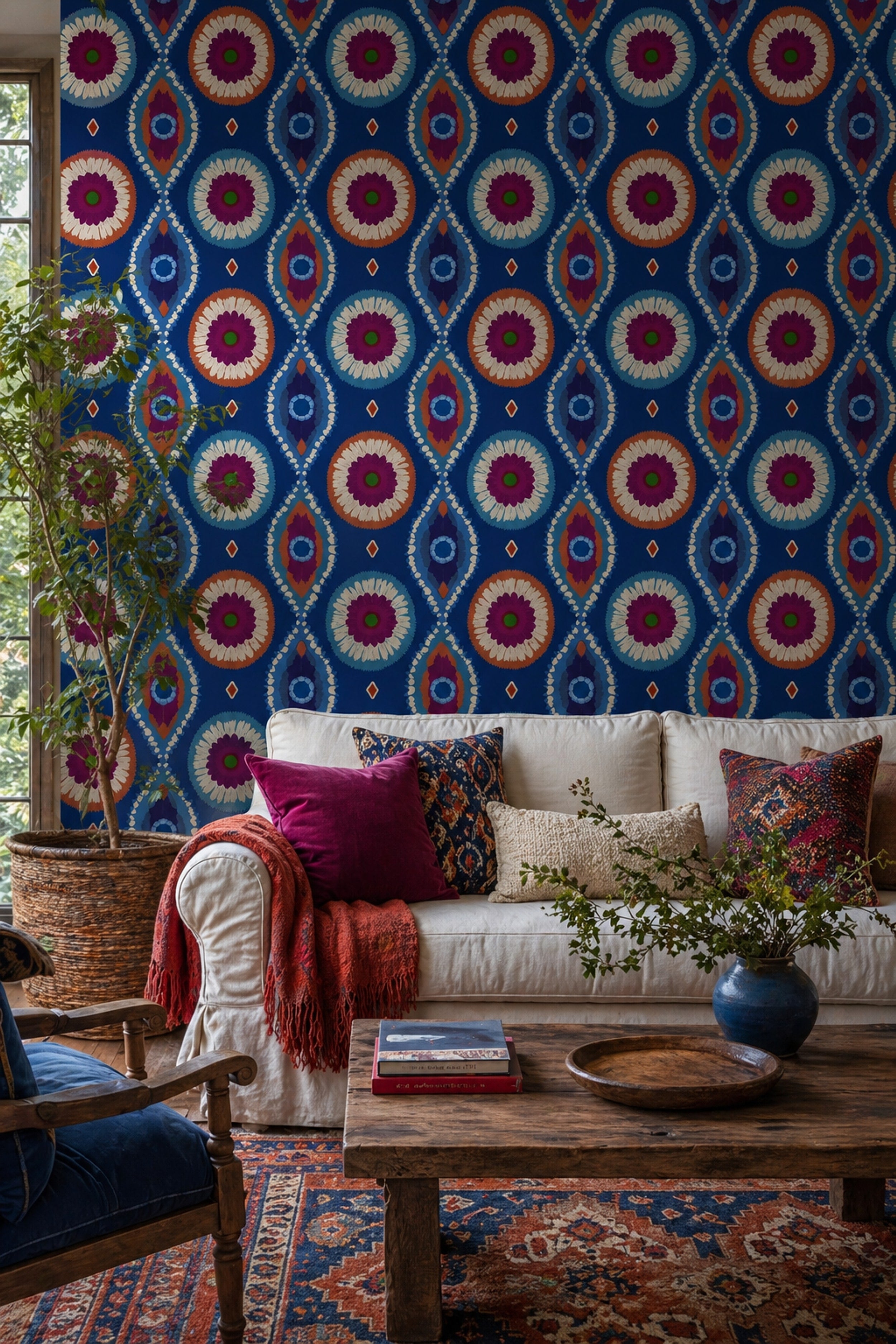
When pairing Moroccan wallpaper with furniture, think about creating a cohesive look. For instance, a warm, earthy-toned wallpaper can be beautifully complemented by a light oak table accompanied by brass task lamps. In a living room, a patterned wallpaper matched with a plush, deep blue velvet sofa can create a stylish yet inviting atmosphere. Consider using textiles like patterned throw pillows or a rich area rug to reinforce the Moroccan theme. A low coffee table made of reclaimed wood can tie the whole look together while providing a rustic touch.
Getting started with Moroccan wallpaper is a breeze. All designs are available in custom sizes, ensuring a perfect fit for your walls. The easy paste-the-wall installation means you can refresh your space without the hassle of traditional wallpaper. Plus, with shipping available worldwide, you can have your chosen designs delivered right to your door. Let’s start this journey to create a vibrant and welcoming environment in your home!
Based on designs you explored, with fresh finds mixed in.
17 / 17
— NEED HELP?
Can't find what you're looking for? Our team replies within 4 working hours, Mon–Fri.
In a smaller room (like 8' x 10'), Moroccan Wallpaper usually reads best as an accent wall behind the bed or sofa, especially with large ogee or zellige-style tiles. In a larger space (12' x 16' and up), you can wrap all walls if you choose a tighter repeat in sand, ivory, or soft terracotta so the pattern doesn’t feel busy. If you want the look with less commitment, try peel and stick wallpaper on one wall first—then continue the same wallpaper for walls around the room if it feels balanced.
A powder room is a top pick for Moroccan Wallpaper because the tile-like geometry suits small spaces and plays well with a round brass mirror and a console sink. For bathroom wallpaper, place it on the vanity wall or the wall opposite the door so the pattern is the first thing you see; keep it away from direct shower spray. If you’re feeling bold, a Moroccan lattice on the ceiling above a freestanding tub gives a lantern-lit, riad-inspired vibe without covering every wall.
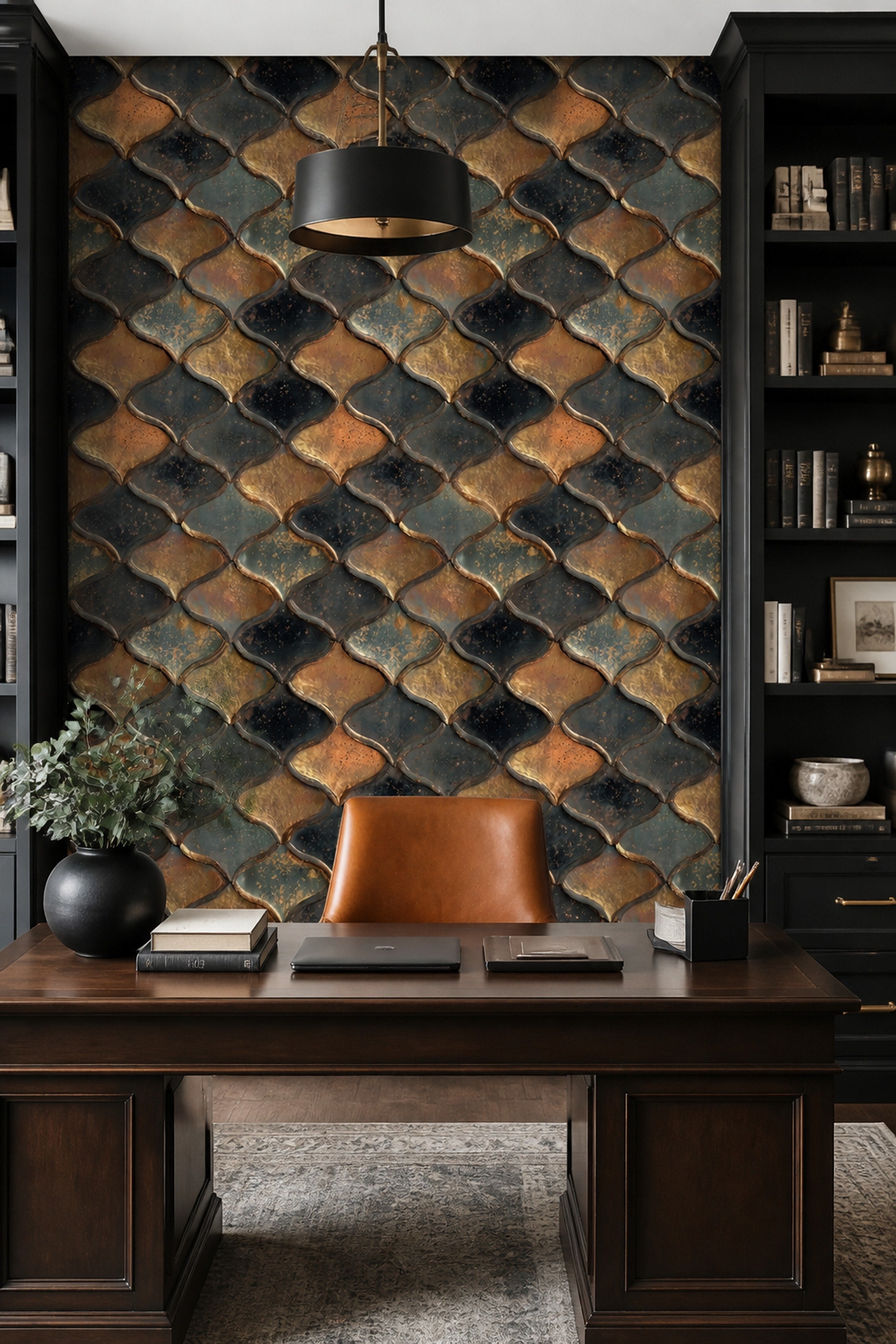
Moroccan Wallpaper pairs well with modern organic (limewash-style paint in warm white, oak furniture, and black metal lighting) because the geometry adds structure without feeling formal. It also works with boho details like a vintage kilim runner, but keep the palette tight—indigo + cream + tan is an easy trio. What tends to clash is mixing Moroccan tiles with high-contrast chevrons or loud coastal stripes; you’ll end up with competing repeats rather than one clear focal point.
Try a walnut credenza with cane doors, a hammered brass side table, and a leather pouf in cognac—those textures echo Moroccan craft without turning the room into a theme set. For textiles, layer a flatweave rug with a small-scale diamond pattern and add linen curtains in natural flax to calm busier tile motifs. If your Moroccan Wallpaper includes jewel tones like emerald or sapphire, repeat just one of those shades in velvet cushions rather than matching everything.
Current Moroccan Wallpaper leans into cleaner linework (zellige grids, ogee trellis, and simplified medallions) and quieter colorways like clay, oat, and ink—so it feels fresh rather than ornate. Designers are also using it like “mural wallpaper” in a single framed section (behind open shelving or a bar nook) instead of covering every wall. And because many shoppers want low-commitment updates, Moroccan patterns in wallpaper peel and stick formats are showing up more in rentals and quick refresh projects.
Use Moroccan Wallpaper to zone one function—like the dining area—by placing it on the wall behind the table, then keep adjacent walls in a warm neutral so the pattern doesn’t spill into every sightline. In open plans, repeat one color from the wallpaper (terracotta, indigo, or sage) in bar stools or a pendant cord to connect zones without matching sets. If you’re experimenting, peel and stick wallpaper on wallpaper can work for a temporary “panel” effect on a smooth existing surface—just keep the scale consistent so the patterns don’t compete across the room.
VISUAL SEARCH
Upload a reference image and discover visually similar designs.
BEST MATCHES
PERSONALIZED DISCOVERY
Describe a look or let your room lead the search.
CURATED FOR YOU