 Wall Mural
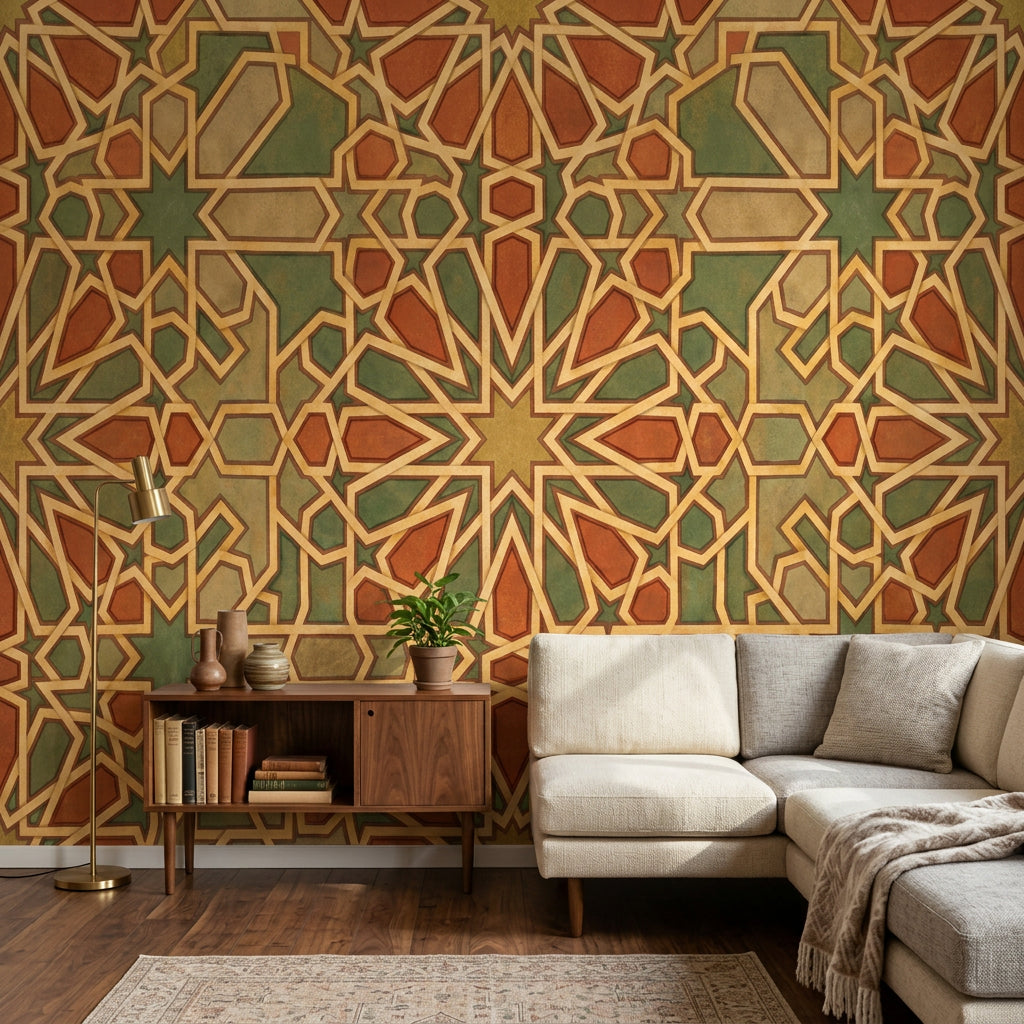
Islamic Geometric
From $3.72 / sq ft
Wall Mural
Islamic Geometric
From $3.72 / sq ft
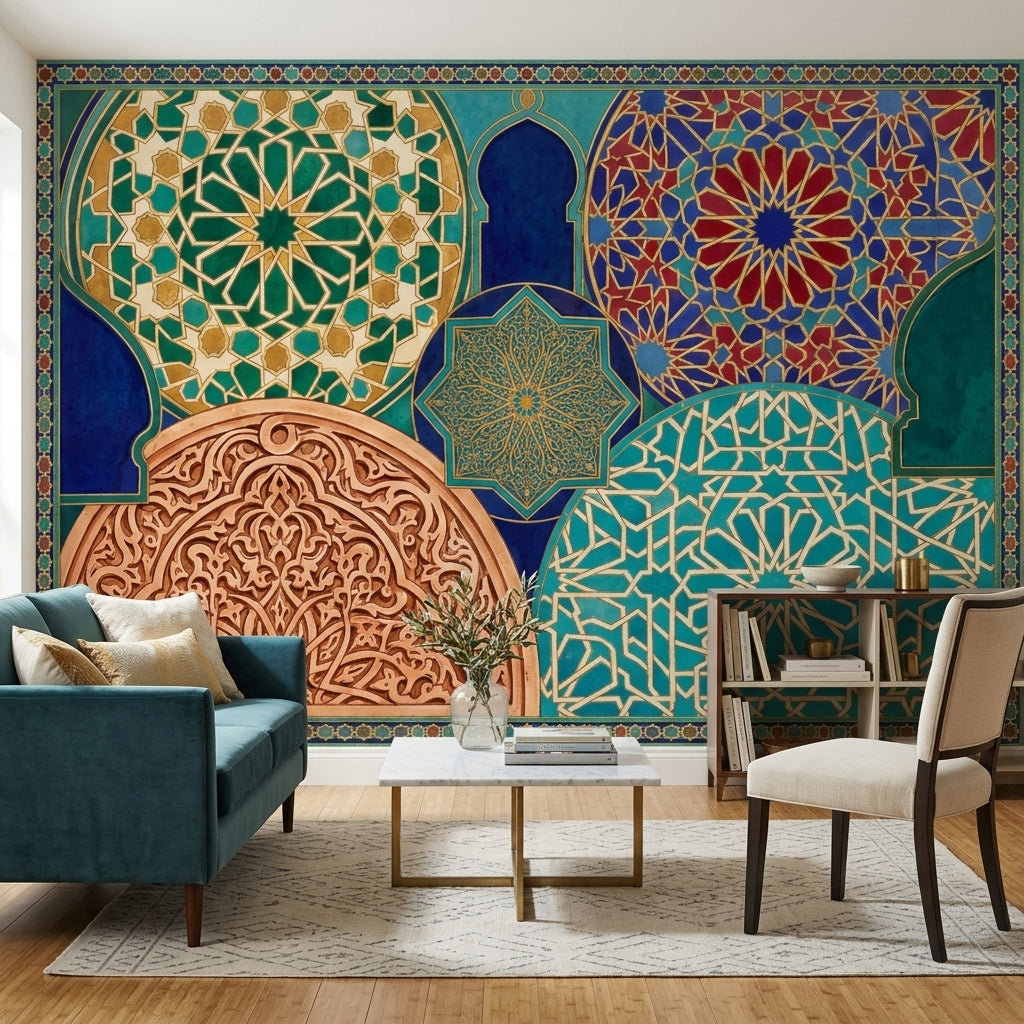
Moroccan Wall Murals for Muralls.com You walk into a room and something feels different. The wall draws you in, inviting you to look closer at the i...
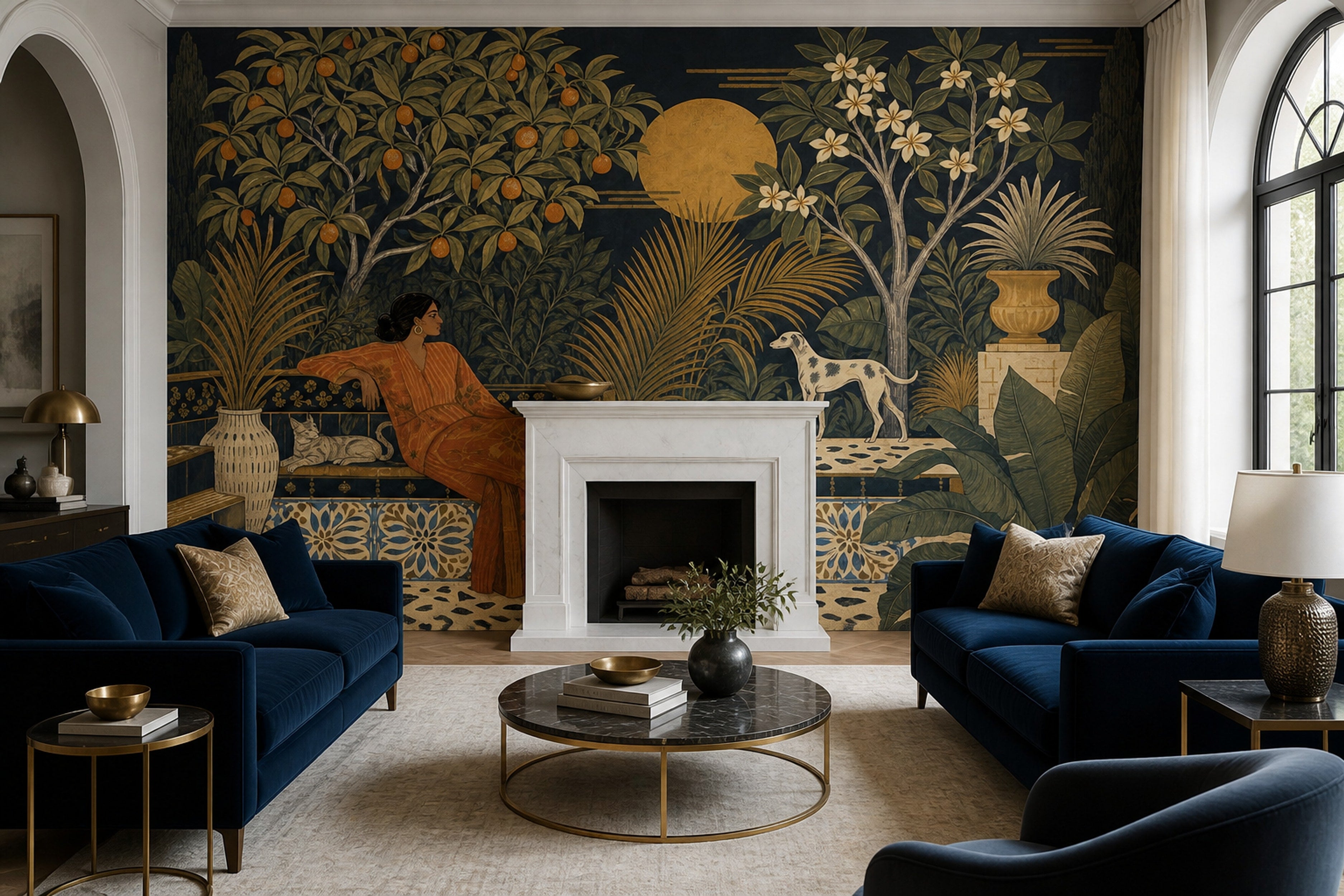
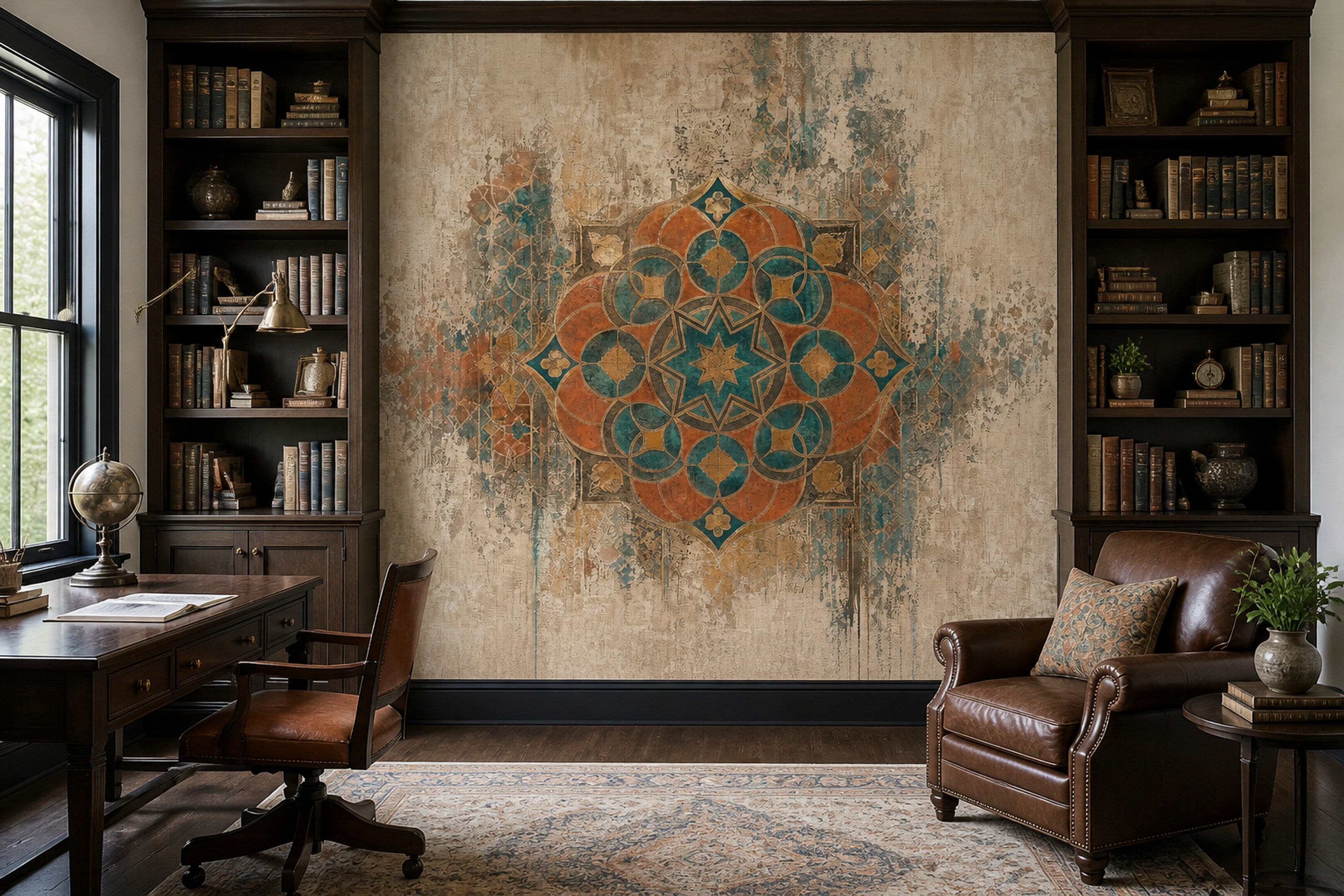
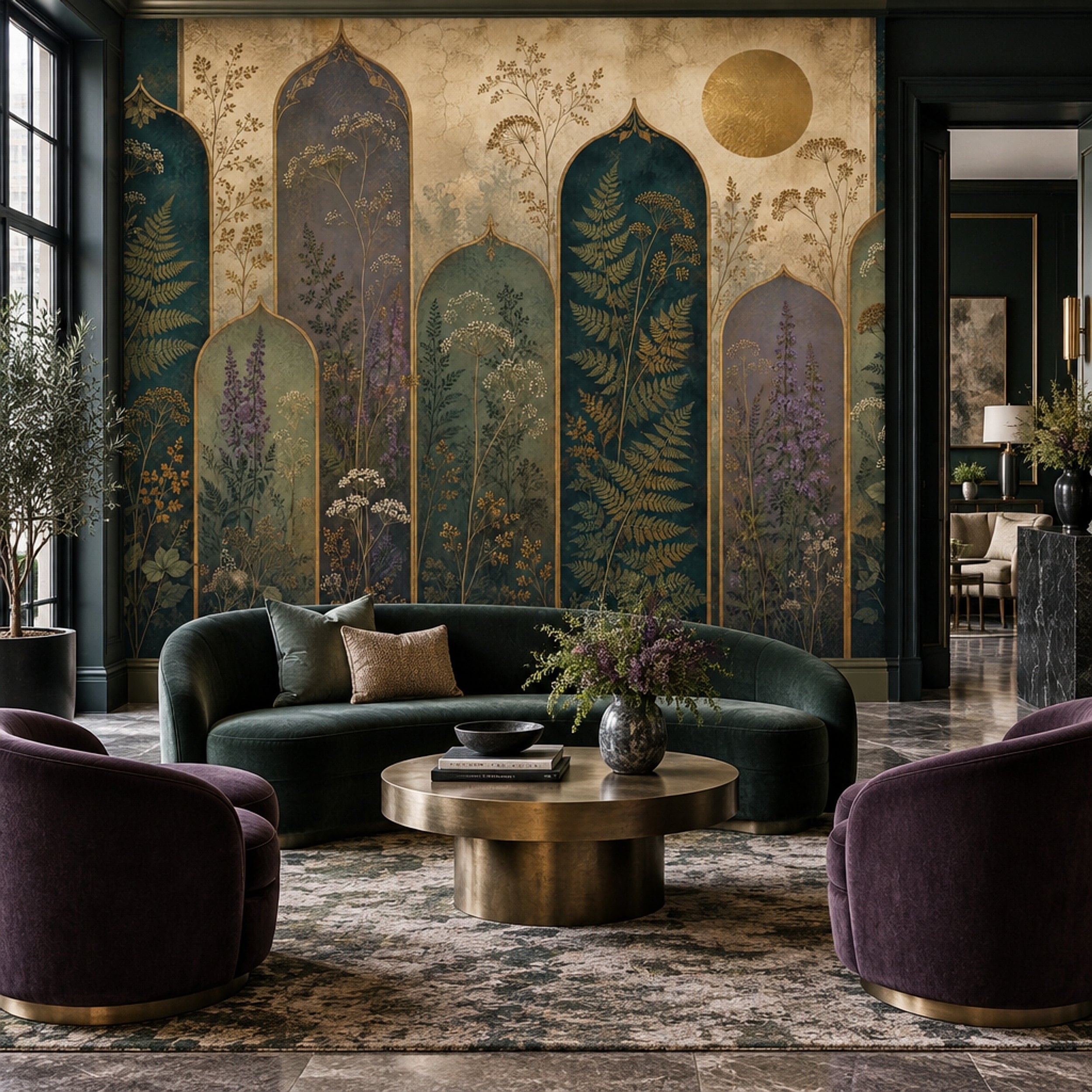
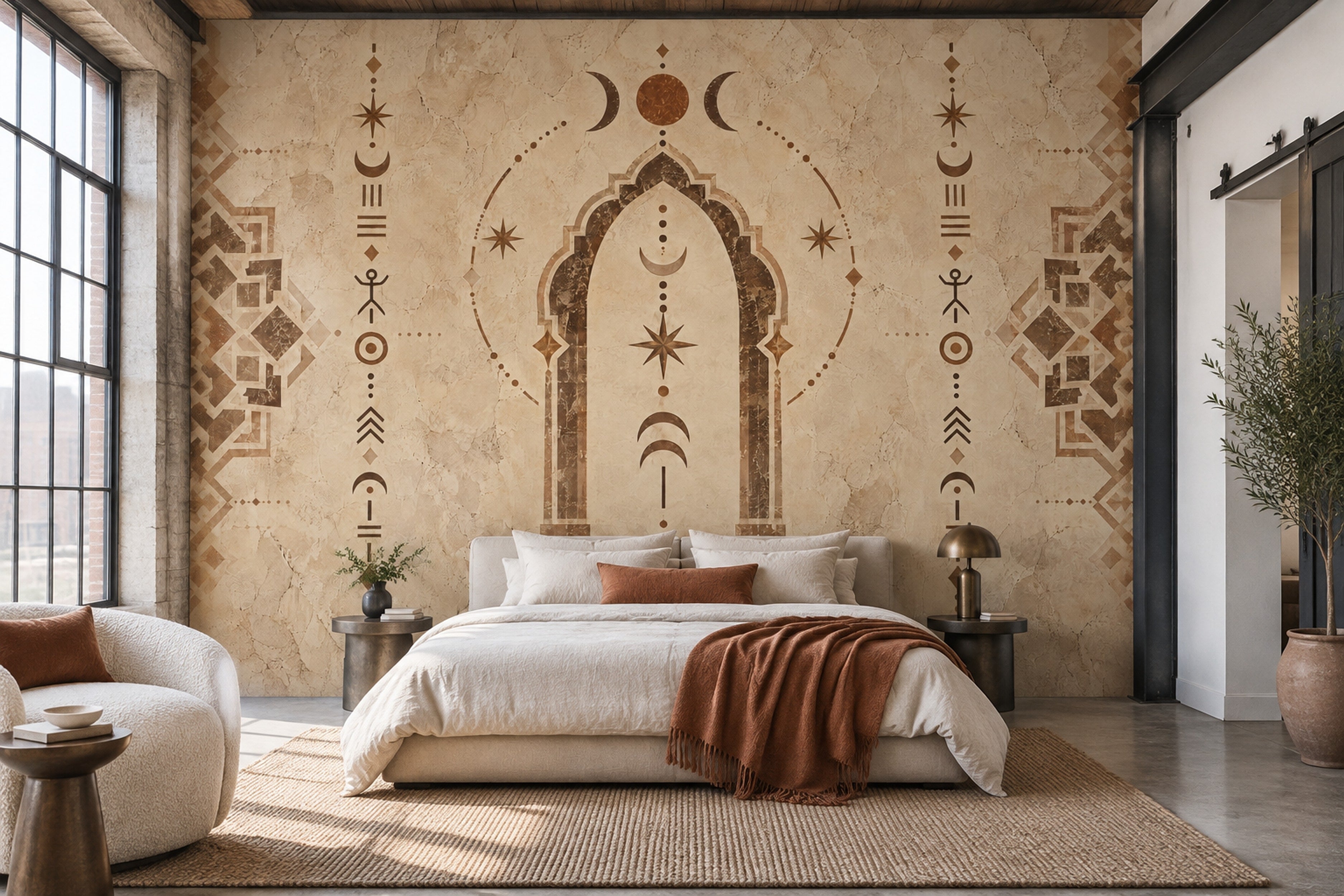
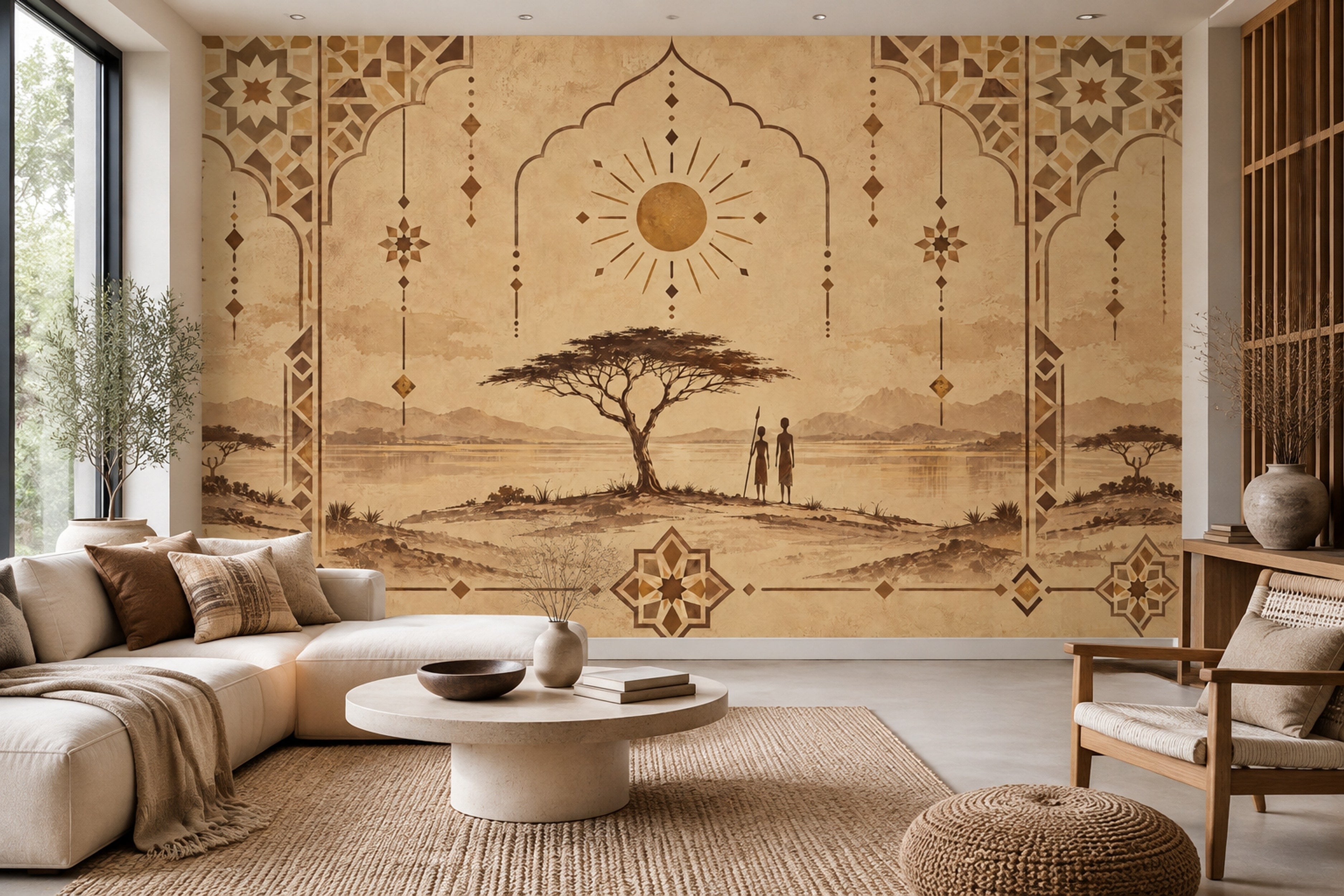
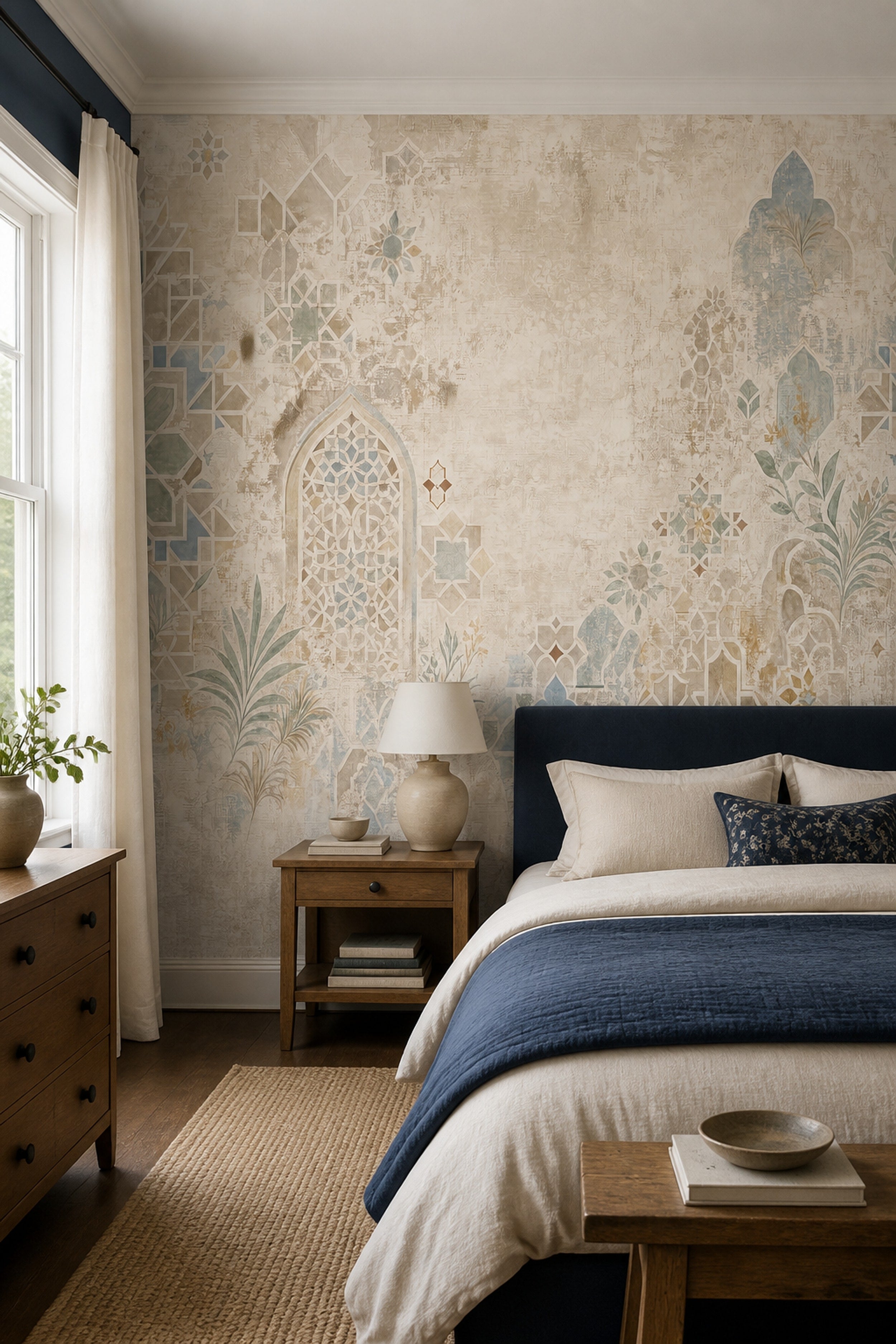
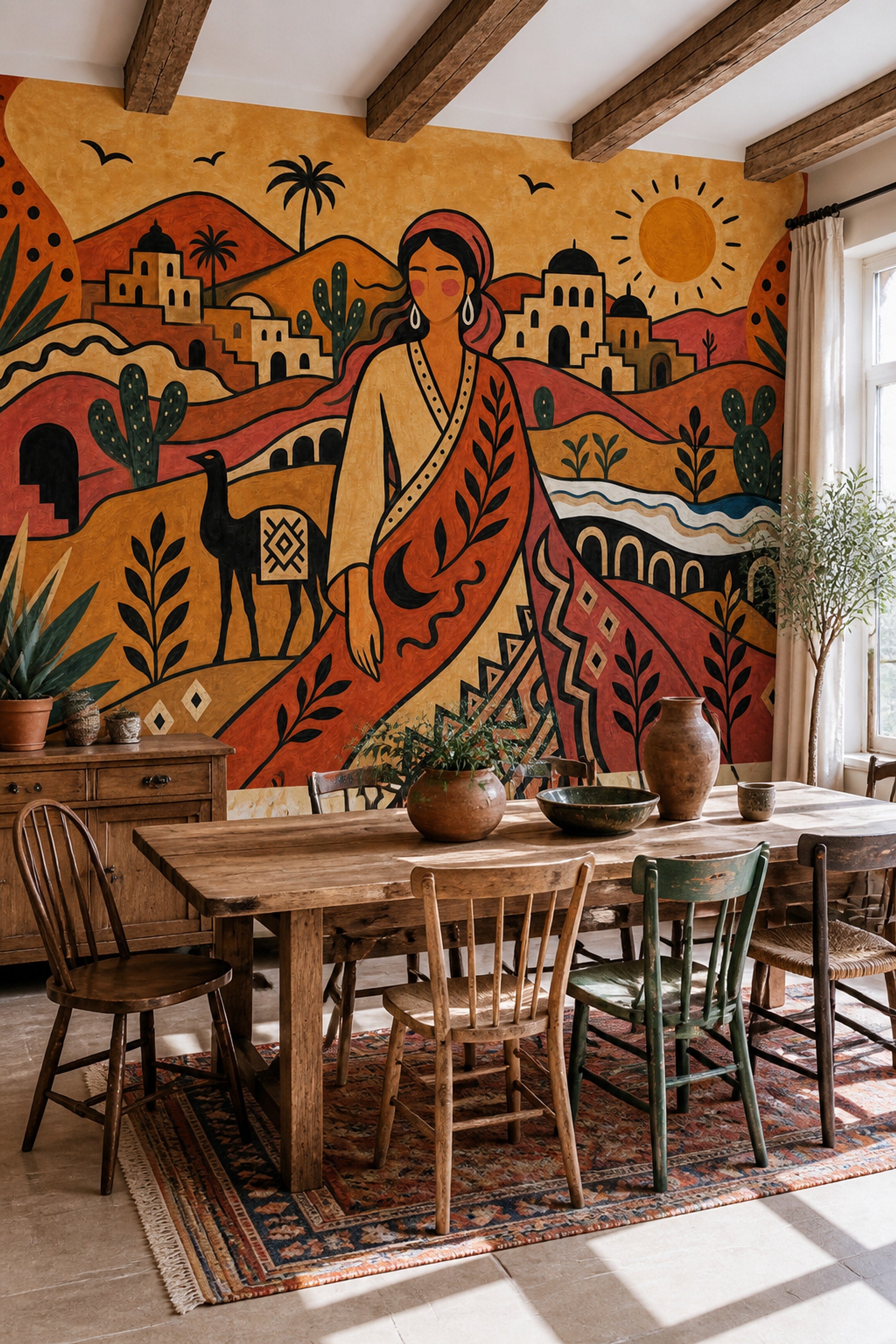
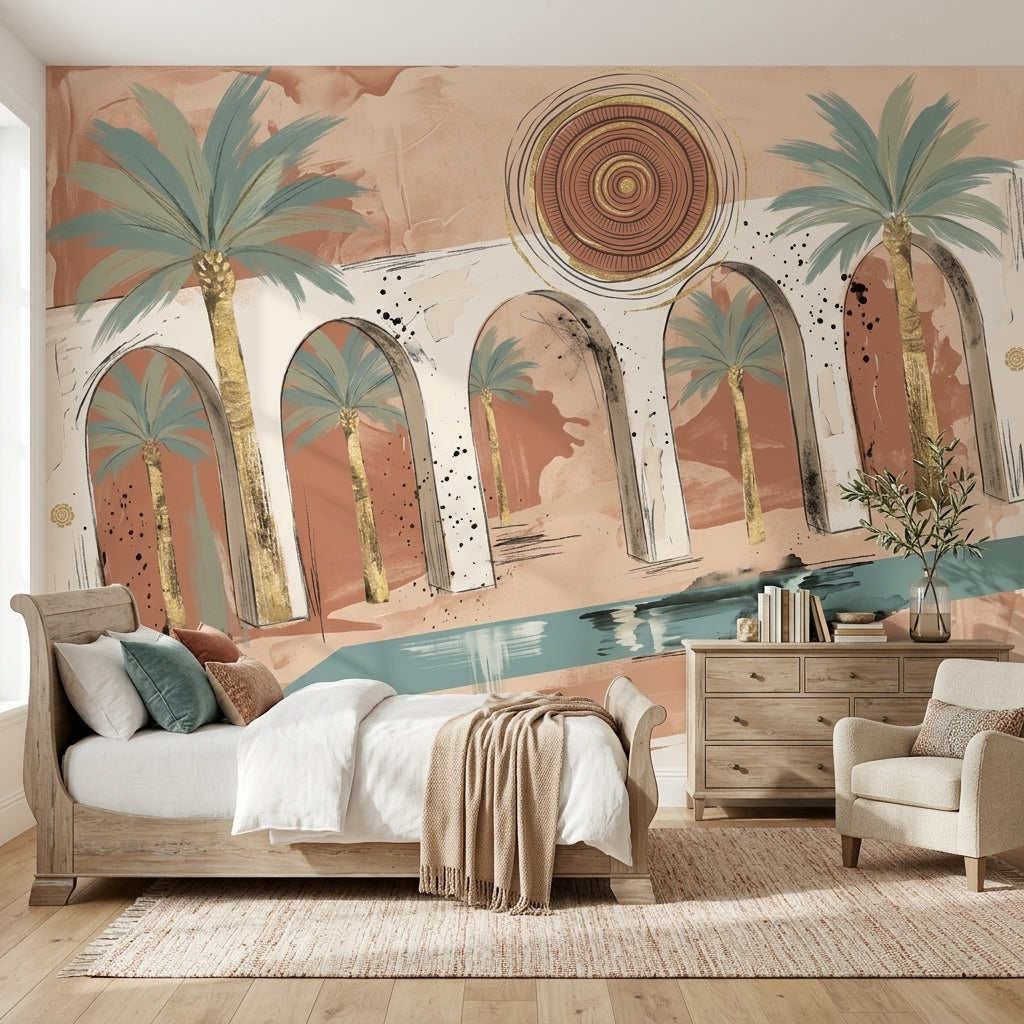
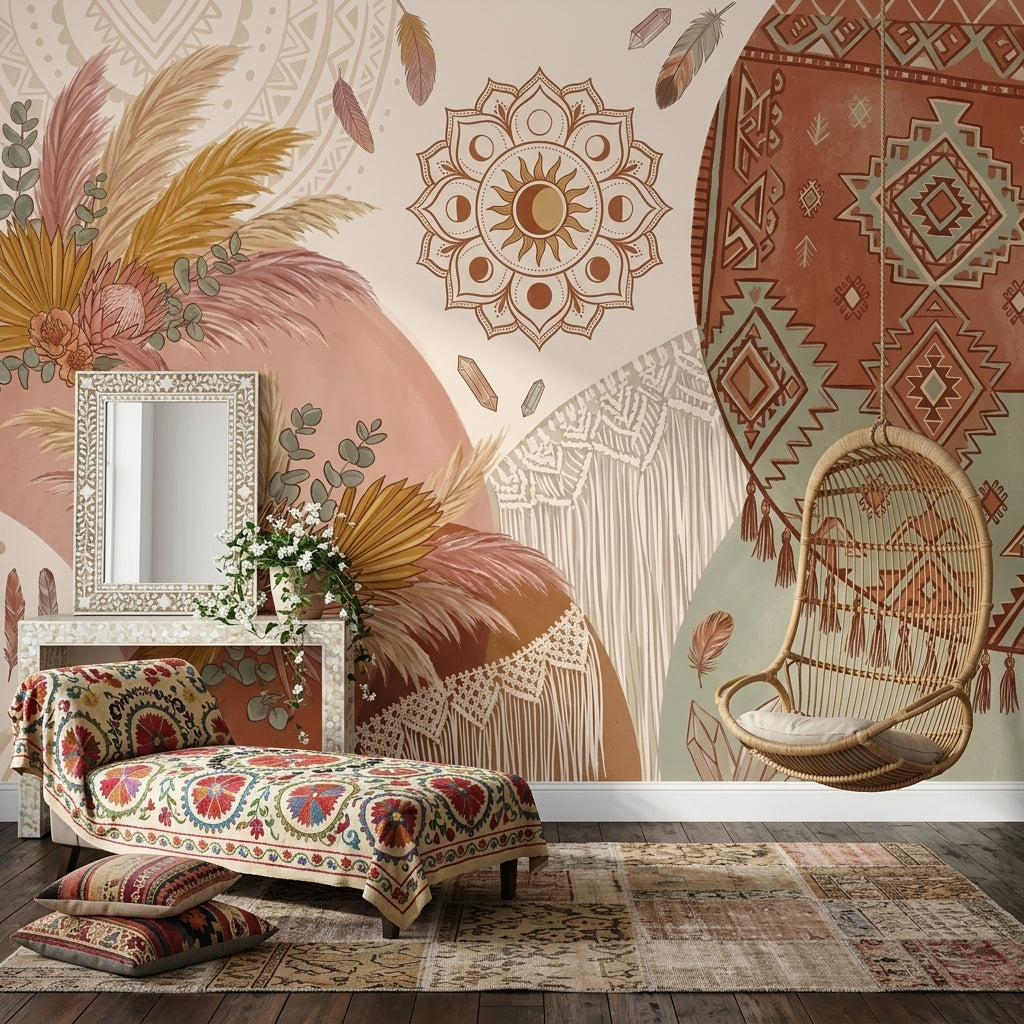
You walk into a room and something feels different. The wall draws you in, inviting you to look closer at the intricate designs. Moroccan wall murals combine vibrant colors and detailed patterns that evoke warmth and richness, creating an atmosphere steeped in cultural history. These murals are not just decoration; they’re a statement piece that can redefine your space.
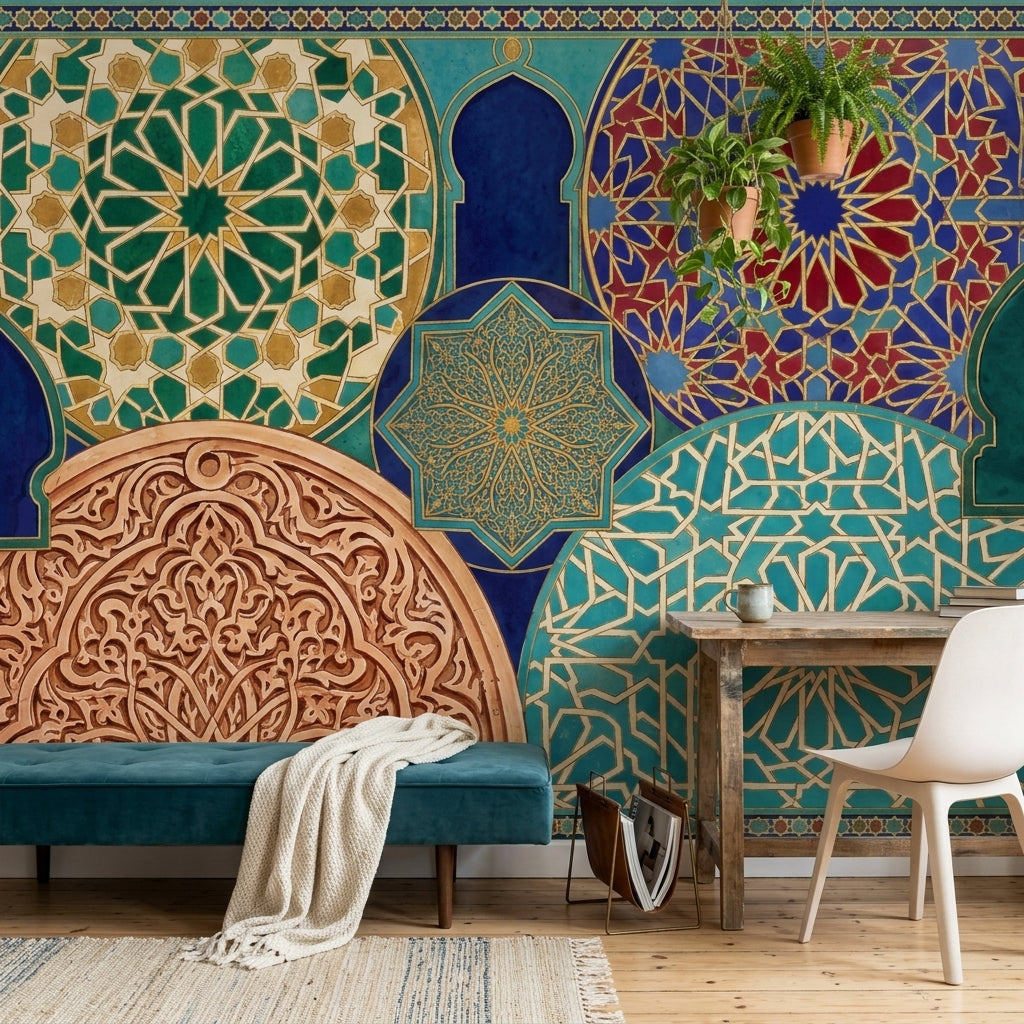
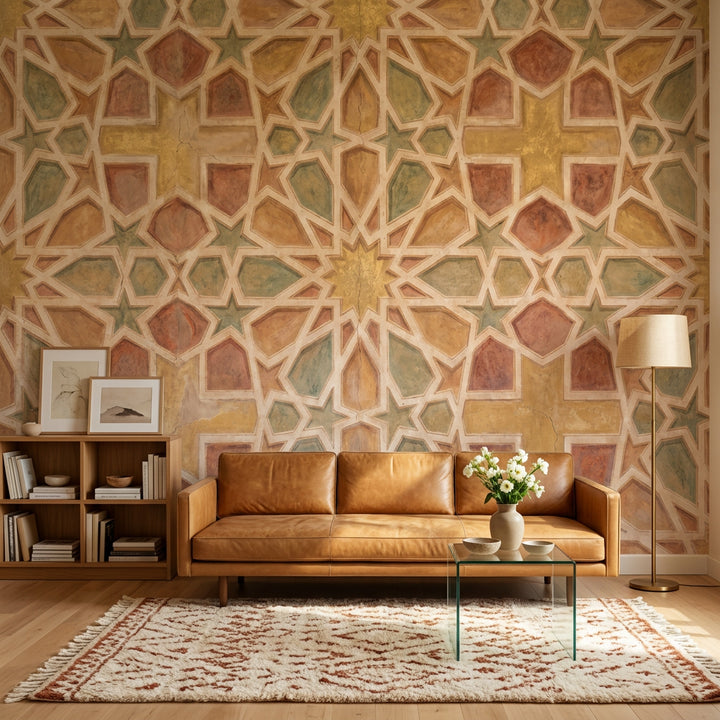
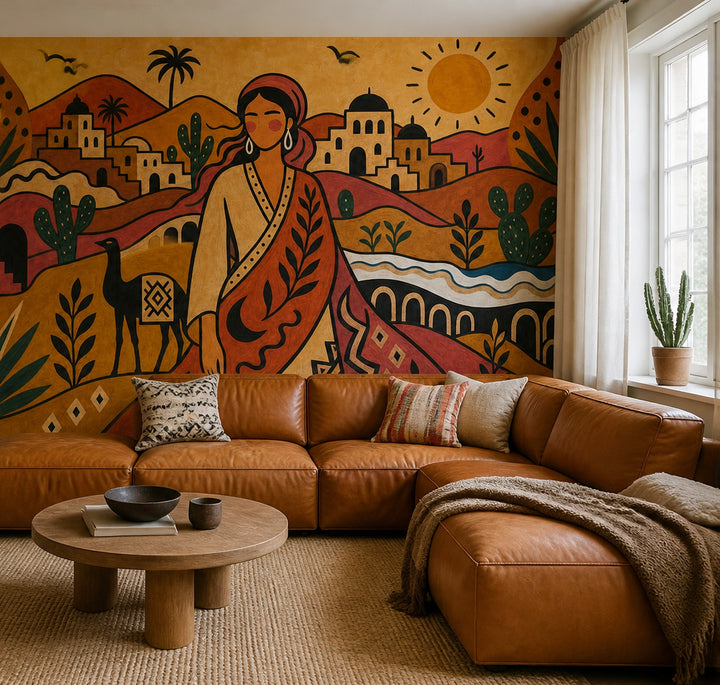
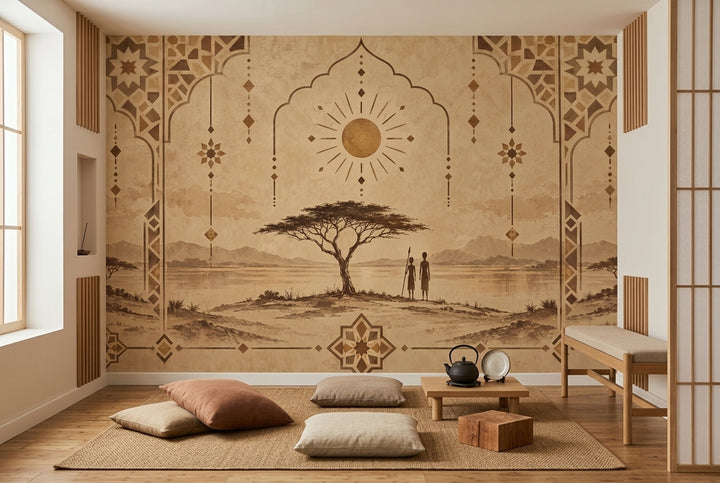
Moroccan design is a unique fusion of various influences, characterized by intricate geometric patterns, bold colors, and a variety of textures. You’ll find colors like deep reds, blues, and earthy tones that reflect the landscape of Morocco. The patterns often feature motifs derived from Islamic art, floral designs, and stylized representations of nature. This rich visual language not only adds depth to your walls but also invites conversation and curiosity.
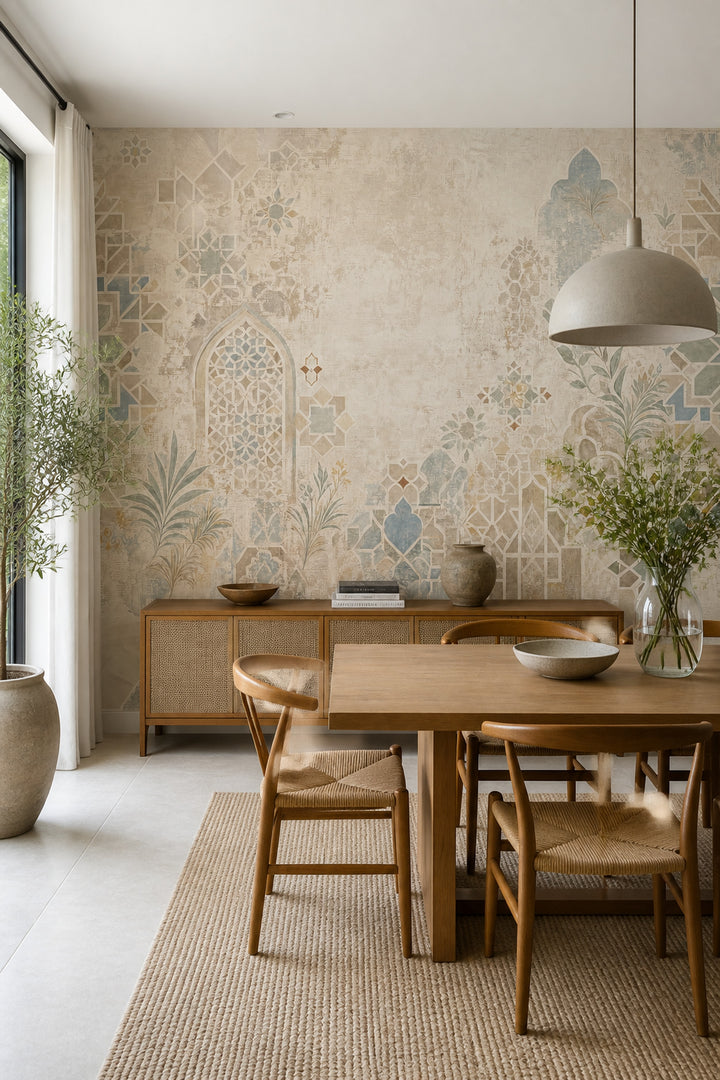
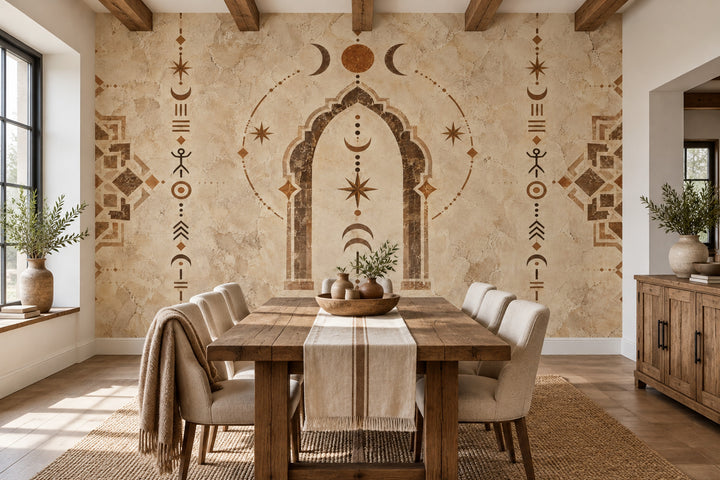
Consider placing a Moroccan mural in your dining room, particularly on the wall behind a wooden dining table. This position creates a dramatic backdrop for your meals, making dining a more engaging experience. Another excellent spot is the entryway, where a mural can greet guests with its vibrant energy as they step inside your home.
The living room is another prime candidate; a mural behind a plush sofa can create a focal point, drawing attention to the space and making it feel welcoming. Lastly, think about using a mural in a home office, specifically on the wall facing your desk. This can inspire creativity and provide a stimulating environment as you work.
Ordering your Moroccan wall mural is straightforward. You can select from custom sizes to ensure a perfect fit for your chosen walls. The murals are designed for easy paste-the-wall installation, making it accessible even if you’re not a DIY expert. Plus, we ship worldwide, so no matter where you are, you can bring Moroccan artistry into your home. Just choose your size, and let us take care of the rest!
Based on designs you explored, with fresh finds mixed in.
13 / 13
— NEED HELP?
Can't find what you're looking for? Our team replies within 4 working hours, Mon–Fri.
For bold zellige tiles or large ogee lattices, Moroccan Wall Murals usually read best on one accent wall in smaller rooms (think 8×10 ft), especially behind a bed or sofa. If your space is larger (12×15 ft or more), you can wrap two walls when the pattern repeat is small and tonal—try sand, ivory, and soft terracotta instead of high-contrast black-and-white. For all four walls, choose a faded plaster look or a subtle geometric so the room doesn’t feel busy. If you’re browsing wall murals peel and stick options, keep the strongest pattern to a single focal wall for the cleanest result.
With custom wall murals, measure the full wall width and height and note anything that interrupts the design—doors, windows, and sloped ceilings—so the main arch or central medallion can be positioned intentionally. If you want a centered feature (like a riad-style arch), also measure from the nearest corner to the center point of the wall so the artwork lands behind a headboard or console. For large wall murals with repeating tile, add a little extra margin so grout lines don’t end at awkward edges. Moroccan Wall Murals look most intentional when the “hero” motif is placed at eye level (about 57–60 inches from the floor).
A dining room is a top pick for Moroccan Wall Murals because the geometric rhythm frames a table setting and plays well with warm lighting—try the mural on the wall behind a sideboard or banquette. In a bedroom, place it behind the headboard so the pattern reads like a textile backdrop; in an entry, use it on the wall you face when you walk in for instant definition. If you want a bolder take, a ceiling mural with a dome or star pattern can mimic a riad courtyard feel, especially with a simple white perimeter. These wall murals work best when the placement supports a single focal zone rather than competing with multiple busy walls.
Moroccan Wall Murals pair nicely with modern minimal spaces—keep furniture lines clean and let the mural carry the pattern, especially in clay, indigo, and warm white. They also work with boho and Mediterranean looks when you repeat materials like rattan, linen, and aged brass, but avoid stacking competing prints (like loud chevrons plus busy florals). A high-gloss, ultra-futuristic look can clash with traditional zellige geometry unless you choose a muted, plastered interpretation. If you’re searching for wall and murals that bridge styles, pick a Moroccan pattern with a limited palette and repeat that color in one or two accessories only.
Try a walnut credenza with slim legs, a black iron cafe table, or a carved mango-wood bench—these anchor Moroccan Wall Murals without fighting the pattern. For finishes, aged brass (sconces, mirror frames) and hammered copper (tray tables) echo Moroccan craft details, while matte black keeps it modern. Textiles that read well: an ivory wool rug, a terracotta linen throw, and indigo cushions with simple piping rather than extra prints. If you’re choosing peel and stick wall murals, keep nearby upholstery solid (camel leather chair or off-white boucle) so the mural stays the main graphic element.
The current take leans into geometry and artisanal surfaces—zellige tile grids, arch silhouettes, and limewash-style texture—often in quieter shades like sand, chalk, and muted saffron. People want pattern with structure, and Moroccan wall murals deliver that without needing a room full of decor. To keep it current, choose one strong element (like an arch niche graphic) and pair it with modern lighting and simple millwork rather than adding lots of matching accessories.
VISUAL SEARCH
Upload a reference image and discover visually similar designs.
BEST MATCHES
PERSONALIZED DISCOVERY
Describe a look or let your room lead the search.
CURATED FOR YOU