

If you've been scrolling through interior design posts looking for ideas, Ombre wall murals could be the refreshing change you need. These designs feature a ...
Ombre Wall Murals
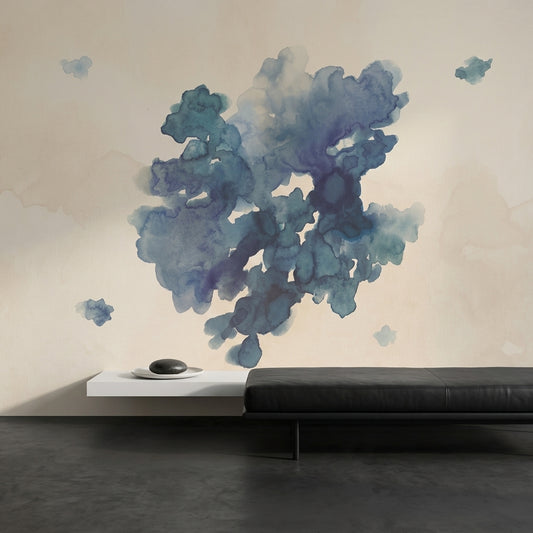
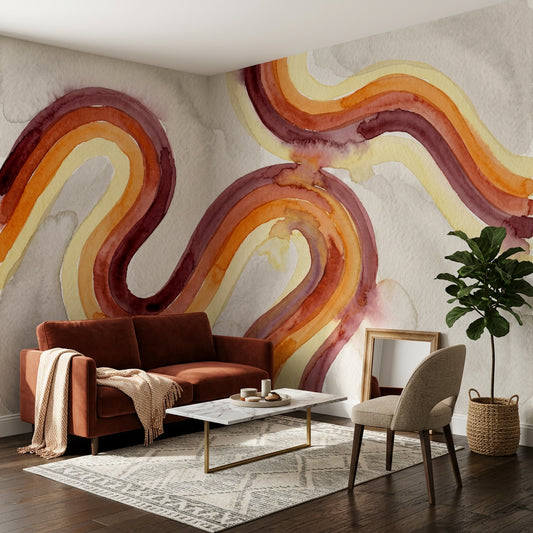
If you've been scrolling through interior design posts looking for ideas, Ombre wall murals could be the refreshing change you need. These designs feature a gradient of colors that fade seamlessly into one another, creating a soft and inviting atmosphere. Ombre patterns can evoke a range of moods, from calm and serene with blues and greens to warm and energetic with reds and oranges. Let’s delve into how Ombre murals can transform your spaces into something truly special.
The Ombre Look
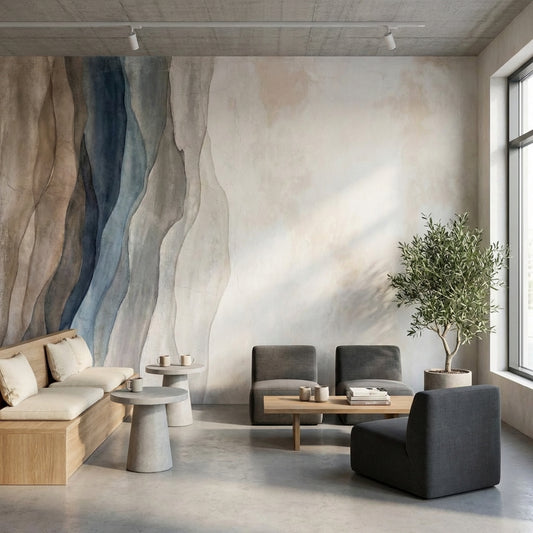
Ombre murals stand out because of their unique gradient technique. This design approach allows for a smooth transition of colors, making it visually intriguing. You might find murals that start with deep navy at the bottom, transitioning into a lighter sky blue, or earthy tones fading from dark to light for a cozy ambiance. The textures in Ombre designs can also vary, offering matte finishes or glossy effects that add depth. These subtle nuances can set the mood for the room while remaining a focal point of design.
Room Ideas
Let's examine where Ombre wall murals could fit beautifully in your home:
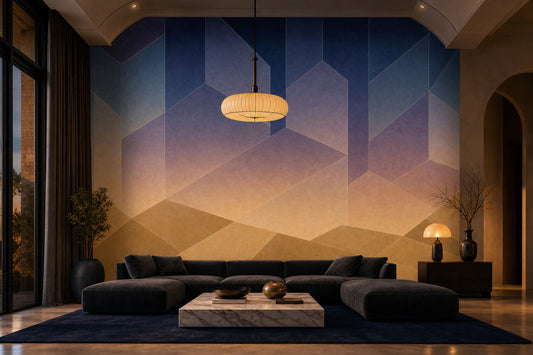
- Living Room: Consider placing a mural on a large wall behind your sectional sofa. A gradient from a deep teal to a soft aqua can create a serene backdrop, balancing the energy of your space without overwhelming it.
- Bedroom: Position an Ombre mural above the headboard of your bed. A soft lavender fading into a pale pink can create a restful haven, enhancing the dreamy quality of your sleeping area.
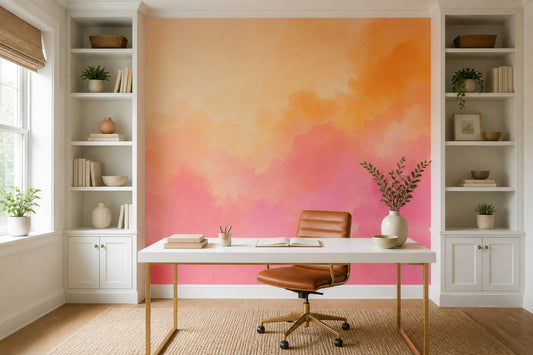
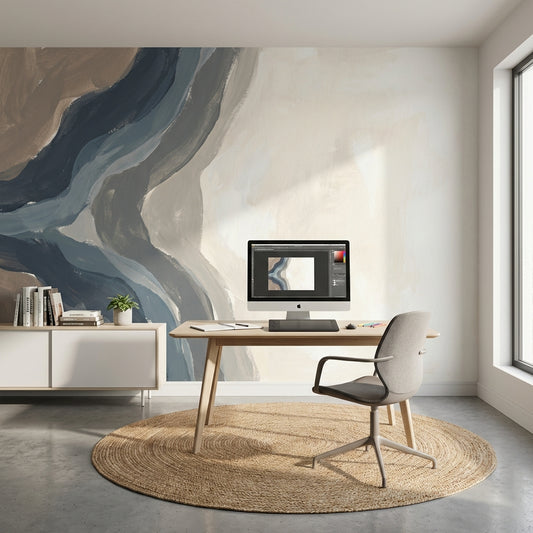
- Home Office: Choose a mural for the wall directly behind your desk. A transition from a muted gray to a crisp white can promote focus and clarity, providing an inspiring yet calm environment for productivity.
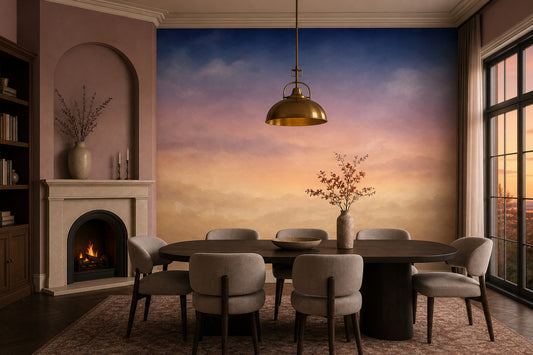
- Dining Room: Opt for a mural on the wall opposite your dining table. A fading rustic orange to cream can warm up the space, making meals feel cozy and inviting for family gatherings.
Design Tips
When pairing furniture with your Ombre mural, think about how your pieces can articulate and enhance the overall aesthetic. For instance, in your living room, a dark wood coffee table can ground the space while contrasting beautifully with the light Ombre coloring. To accentuate your bedroom, consider a white upholstered bed frame that draws attention to the mural above, along with brass table lamps that add a touch of warmth. In your home office, a sleek glass desk pairs wonderfully with the muted colors of your mural, fostering a clean and modern workspace.
Getting Started
One of the best aspects of Ombre wall murals from Muralls.com is that they are custom-sized to fit your walls, ensuring a perfect fit without any hassle. The paste-the-wall installation means you won't have to worry about complicated application methods. Plus, with worldwide shipping, you can easily access these beautiful murals no matter where you are located. Start imagining your new walls; the Ombre look could be just the change you're looking for.
-
wall mural
Ombre Gradient Wall Mural.
$3.72 / sq ft -
wall mural
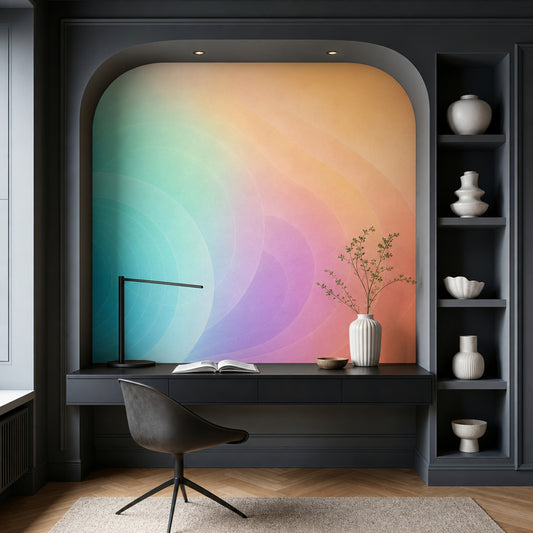
Abstract Gradient Wall Mural.
$3.72 / sq ft -
wall mural
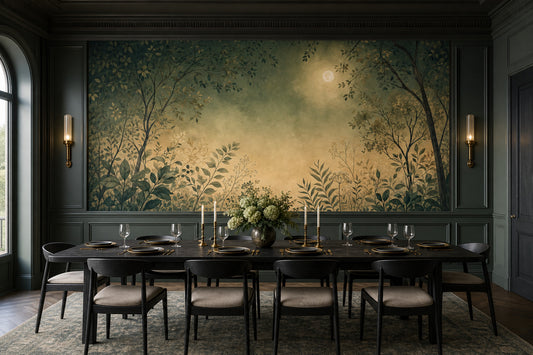
Muted Green Wall Mural.
$3.72 / sq ft -
wall mural
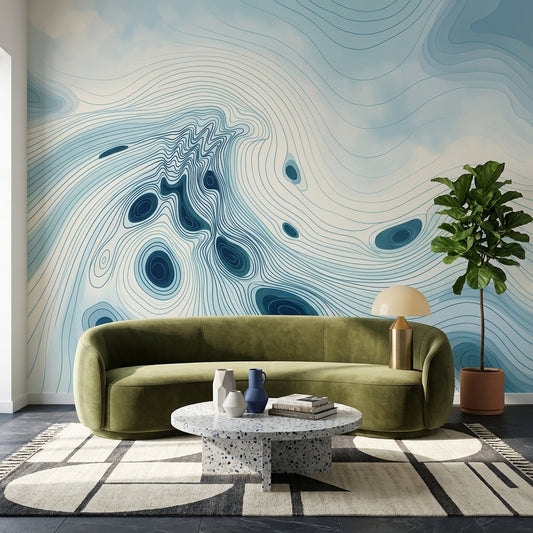
Topographic Lines Wall Mural.
$3.72 / sq ft -
wall mural
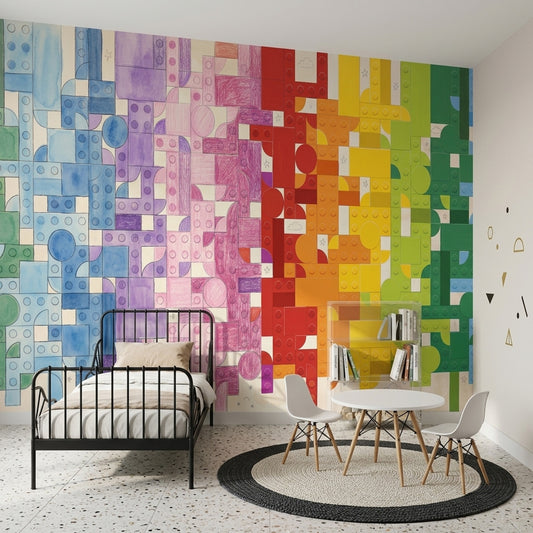
Interlocking Blocks Wall Mural.
$3.72 / sq ft -
wall mural
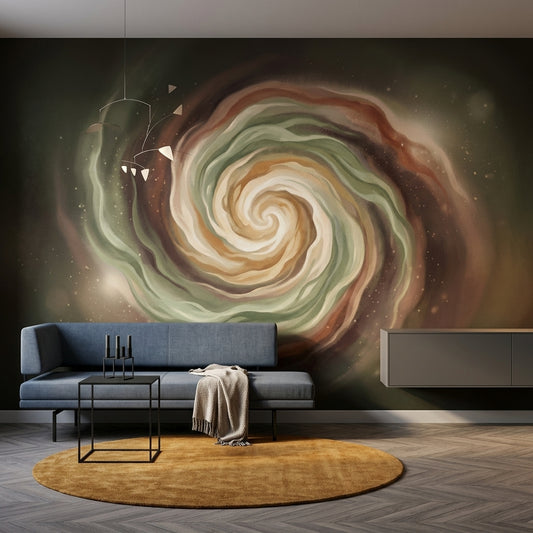
Dark Abstract Wall Mural.
$3.72 / sq ft -
wall mural
Paper Texture Wall Mural.
$3.72 / sq ft -
wall mural
Paper Texture Wall Mural.
$3.72 / sq ft -
wall mural
Paper Texture Wall Mural.
$3.72 / sq ft -
wall mural
Concrete Texture Wall Mural.
$3.72 / sq ft -
wall mural
Abstract Wallpaper Painterly
$3.72 / sq ft














14 / 14


— NEED HELP?
Frequently asked questions.
Can't find what you're looking for? Our team replies within 4 working hours, Mon–Fri.
01 What exactly defines the Ombre Wall Murals style, and how can I tell if a design is truly ombré?
Ombre Wall Murals are defined by a smooth gradient—one shade fading into another with no hard edges, like charcoal to mist grey or peach to pale blue. A true ombre mural will look soft and continuous from a few feet away (not striped or color-blocked). If you’re browsing wall murals ombre, look for designs labeled “fade,” “gradient,” or “wash,” and check that the transition spans a large area of the wall.
02 Which room works best for Ombre Wall Murals, and where should I place them (accent wall, full room, or ceiling)?
Bedrooms are a top match for Ombre Wall Murals because gradients like mist light grey to white or blush to sand read calm at night and don’t feel visually busy. Place an ombre wall mural behind the headboard as an accent wall so the fade frames the bed; in a small bedroom (around 10'×12'), keep the lightest part near the ceiling to avoid a “lowered” feel. For nurseries, a peach to blue ombre wall mural on one main wall works well, while ceilings are best reserved for very subtle fades (think sky tones) to keep it restful.
03 Can Ombre Wall Murals be combined with other design styles—what works, and what tends to clash?
Ombre Wall Murals pair well with modern, Japandi, and coastal rooms because the gradient acts like a soft backdrop—try a forest green ombre wall mural with light oak and matte black accents. They also work in boho spaces when you add texture (linen drapes, jute rug) rather than competing prints. What clashes: high-contrast geometric rugs or bold checkerboard textiles placed right next to the fade can make the gradient look patchy instead of smooth.
04 What specific furniture materials, finishes, and textiles look best with Ombre Wall Murals?
With a deep green ombre forest wall mural, choose walnut nightstands, a matte black reading sconce, and an off-white boucle chair to keep the fade grounded. For mist-grey gradients, brushed brass hardware and a light ash wood dresser add warmth without fighting the color shift. Textiles that read clean and tactile—linen bedding, wool throws, or a flatweave rug—support the soft transition better than glossy satin or loud multi-color prints.
05 Should I use Ombre Wall Murals on one accent wall or all walls—how do I decide based on room size and gradient scale?
If the gradient is bold (like dark navy to white) or the room is compact (under ~120 sq ft), use Ombre Wall Murals on one accent wall so the fade stays intentional. In larger rooms or open-plan spaces, wrapping two adjacent walls can work when the ombre wall mural is subtle—think mist light grey to white—so it reads like a color wash. A good rule: the stronger the contrast, the fewer walls you cover.
06 How does custom sizing work for Ombre Wall Murals, and what measurements matter most to keep the gradient looking right?
For Ombre Wall Murals, custom sizing isn’t just about fit—it helps place the fade exactly where you want it (for example, keeping the lightest band at eye level behind a sofa). You’ll need the full wall width and height, plus note any sloped ceilings or large obstacles; if you have baseboards or crown molding, measure wall-to-wall and floor-to-ceiling so the ombre wall mural can be scaled cleanly.